Attractions and Places To See in Alba - Top 20
Best attractions and places to see in Alba Iulia, Romania, include a variety of historical and religious sites. The city is known for its impressive citadel, which houses several significant landmarks. Visitors can explore ancient Roman remnants and structures that reflect centuries of history. The area offers a blend of cultural heritage and architectural interest.
Best attractions and places to see in Alba Iulia
- The most popular attractions is Coronation Cathedral, a religious building that was constructed between 1921 and 1922. This Byzantine-style cathedral served as the site for the coronation of King Ferdinand and Queen Maria as rulers of Greater Romania in 1922.
- Another must-see spot is King's Gate (Poarta Regelui) – Alba Iulia, a religious building and historical site. This magnificent gate, with its high tower, was built as the portico for the Holy Trinity Cathedral for the 1922 coronation.
- Visitors also love St. Michael's Cathedral, a Romanesque-Gothic basilica. This cathedral is the church of the Roman Catholic Archdiocese of Alba Iulia and features architectural styles from the 10th to 18th centuries.
- Alba Iulia is known for its religious buildings, historical sites, and man-made monuments. The city offers a diverse range of attractions, from ancient Roman roads to medieval fortresses and significant cultural institutions.
- The attractions in Alba Iulia are appreciated by the komoot community, with 29 upvotes and 50 photos shared by visitors.
Last updated: October 9, 2026
Coronation Cathedral
Highlight • Religious Site
Translated by Google •
Tip by

Scărișoara Cave
Highlight • Cave
Translated by Google •
Tip by

Sign up now to discover places like this
Get recommendations on the best single tracks, peaks, & plenty of other exciting outdoor places.
St. Michael's Cathedral
Highlight • Religious Site
Translated by Google •
Tip by
Via Principalis
Highlight • Historical Site
Translated by Google •
Tip by
National Museum of the Union
Highlight • Historical Site
Translated by Google •
Tip by
Traditional Houses on Upper Market Square, Rimetea
Highlight • Historical Site
Translated by Google •
Tip by
Statue of Michael the Brave
Highlight • Monument
Translated by Google •
Tip by
Râpa Roșie
Highlight • Gorge
Translated by Google •
Tip by

King's Gate (Poarta Regelui) – Alba Iulia
Highlight • Religious Site
Translated by Google •
Tip by
Trascău Fortress
Highlight • Castle
Unfortunately there are no signs to describe the history, so you'll have to do your own research.
Trascau Fortress (also called Coltesti Fortress) is located 50 km away from Alba Iulia and was built at the end of the XIII th century by the Count Thoroczkay of Trascau as home and shelter for the whole community in times of war. It was intentionally built on the top of a limestone hill, following the Tartar invasion of 1241, when many damages were done to the towns Rimetea and Coltesti.
Tip by

Sign up for free to discover even more attractions in Alba.
Already have an account?
Start today with a free account
Your next adventure awaits.
Tips from the Community

The Via Principalis was the main road connecting the two main gates of the ancient Roman castrum of Apulum, to the north and south. The road ran in front of the "Principia" of the Roman fort, the headquarters of the 13th Gemina Legion. Carts transporting salt, oil, wine, and military equipment for the camp's inhabitants drove along the stone-paved road. The remains of the road, along which the Roman soldiers walked, were uncovered during the fort's renovation. The Roman-era slabs can be seen here, as well as the masonry canal beneath the road's longitudinal axis, which was intended to ensure its drainage.
8
0
The monument to Mihaj Viteazul (Michael the Brave) is the city's most monumental sculpture. The equestrian statue was erected in 1976. Michael the Brave was the first ruler to briefly unite three Romanian provinces: Wallachia, Moldavia, and Transylvania, in 1599 and 1600.
8
0
The National Museum of the Union (Muzeul Național al Unirii) is housed in Alba Iulia's largest Romantic-style building, built between 1851 and 1853. It once housed the Habsburg army in the citadel. Its residents were recruited from across the Habsburg Empire, and it was said that "all the languages of the world" were spoken here. Hence, locals called the building the "Babylon Building." With its thick walls and over 100 rooms, it resembles a fortress within a fortress. After the union of 1918, the Romanian army moved in. It wasn't until November 28, 1968, that the National Museum of the Union opened in the building, one of Romania's most famous museums, both culturally and scientifically.
9
1
The coronation of Ferdinand of Hohenzollern-Sigmaringen, King Ferdinand I of Romania since October 10, 1914, and his wife Maria was the trigger for the construction of the new Trinity Cathedral in the center of the citadel of Alba Iulia in 1921 and 1922. Delayed by the turmoil of the First World War, Ferdinand and Maria's ceremonial coronation took place here on October 15, 1922.
10
0
The magnificent Royal Gate, with its high gate tower, was built as the portico of the new Holy Trinity Cathedral (Cathedral of the Reunification of the Nation) for the coronation of King Ferdinand I of Romania and Queen Maria in 1922. It is located slightly north of the existing fourth gate of the citadel and is accessible via a bridge from Union Park.
10
0
The Coronation Cathedral of Alba Iulia, dedicated to the Holy Trinity, was built with the support of the Romanian royal family between March 1921 and September 1922 according to the plans of the architect Victor Ștefănescu. Its Byzantine-style architecture is inspired by the Royal Church of Târgoviște, the ancient coronation site of the Wallachian voivodes. The coronation ceremony of King Ferdinand and Queen Maria as rulers of Greater Romania took place in the courtyard of this church on October 15, 1922, following a solemn mass in the cathedral. On December 1, 1948, following the ban on the Romanian Church united with Rome, a ceremony for the "Reunification of the Romanian Orthodox Church" was held here. The name of the church was changed to "Cathedral of the Reunification of the Romanian Orthodox Church." Since 1975, the place has served as the cathedral of the Orthodox Diocese of Alba Iulia.
11
0
The Romanesque-Gothic Basilica of St. Michael is the cathedral church of the Roman Catholic Archdiocese of Alba Iulia. It was built after the founding of the diocese in 1009, but was so severely damaged by the Tatars in 1241 that a new building was necessary. This was constructed in two phases, between 1246 and 1291 and between 1320 and 1356. In the mid-16th century, St. Michael's Cathedral became Calvinist and remained so during the Ottoman period. Around 1700, the cathedral and diocese were re-Catholicized under Habsburg rule. Of the two towers apparently planned, only the southern one was completed; its current form is the work of several centuries.
6
0
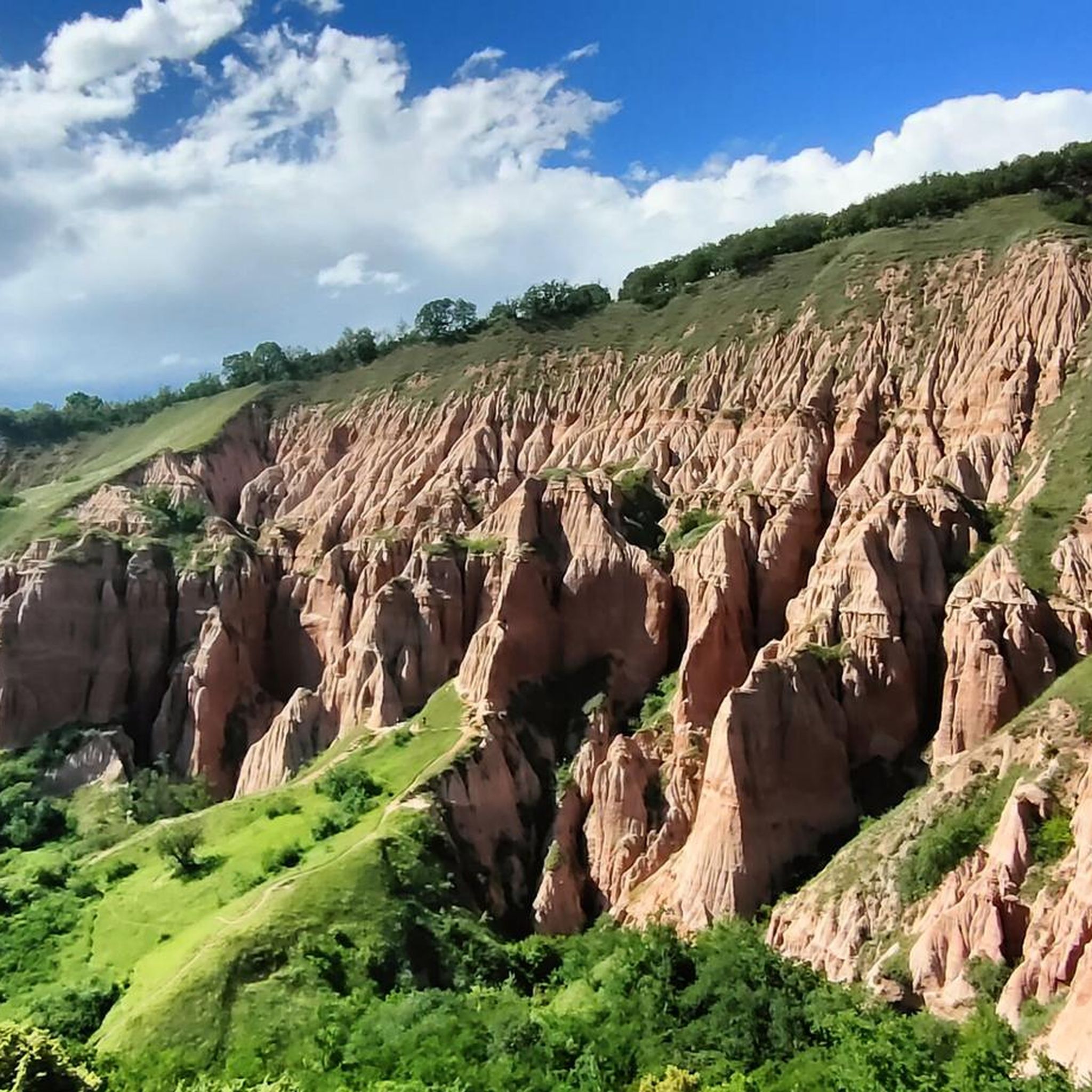
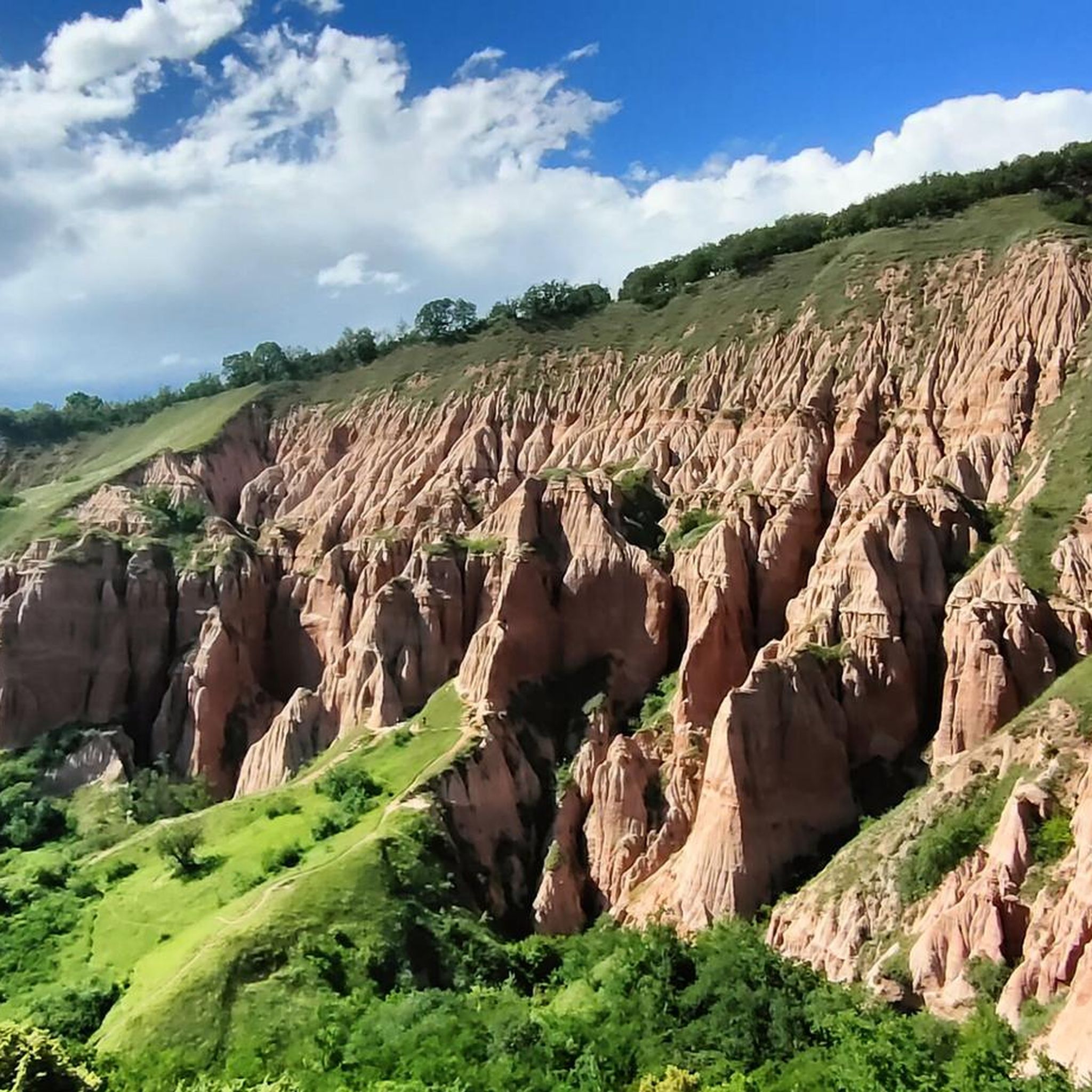
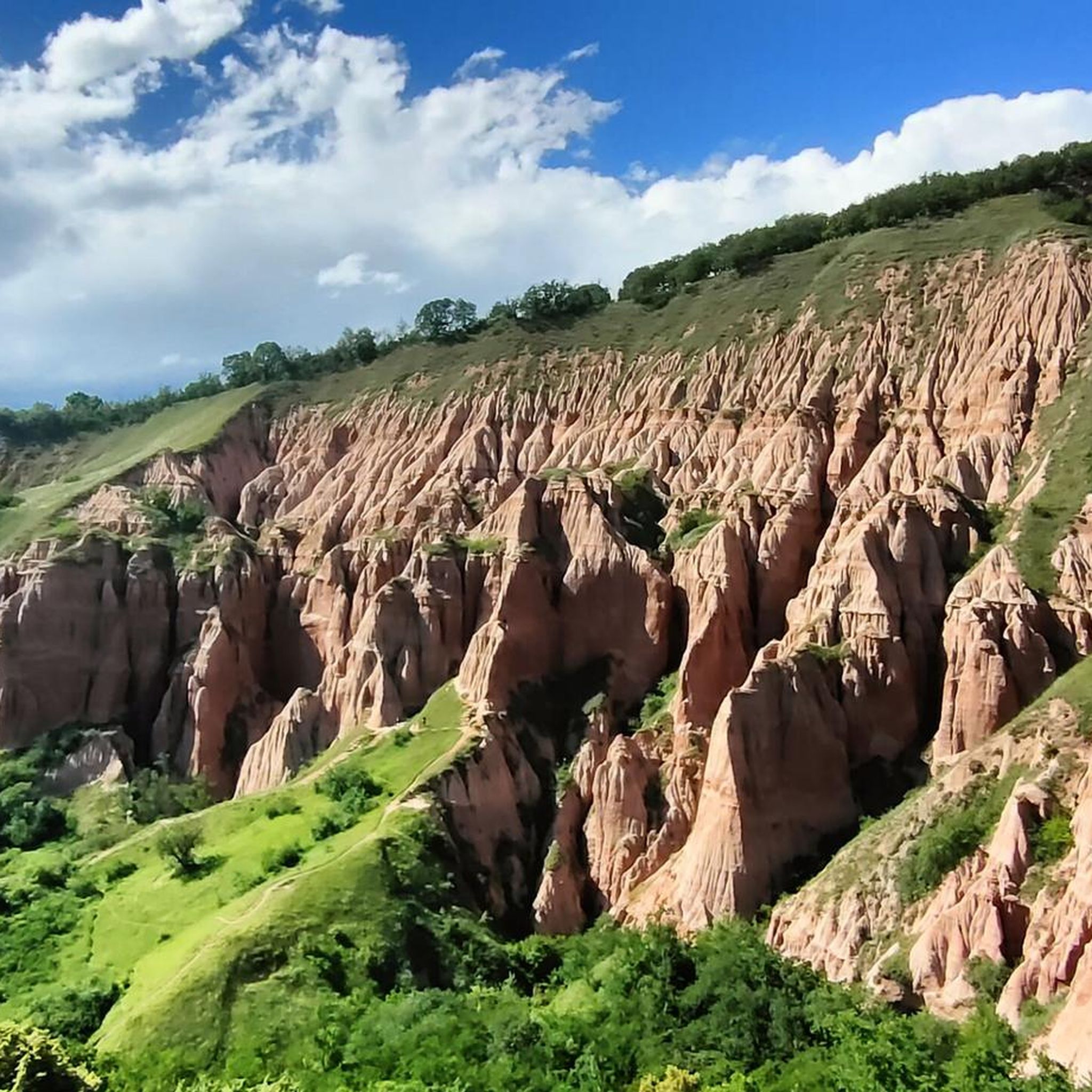
The complex Râpa Roșie (Red Gorge) Nature Reserve encompasses specific erosion and stream formations that lend the landscape an impressive appearance. It also boasts a unique flora with many rare and endemic plants. On the nearly vertical wall, strange columns and stepped pyramids, separated by ravines, form a micro-relief that geographers call "Badlands" after the famous model in South Dakota. The formation consists primarily of deposits of red clay with gray and red sandstone.
1
0
Frequently Asked Questions
What historical and religious sites can I explore in Alba Iulia?
Alba Iulia is rich in historical and religious landmarks, primarily within its impressive citadel. You can visit the Coronation Cathedral, a Byzantine-style church where King Ferdinand and Queen Maria were crowned. Another significant site is St. Michael's Cathedral, a Romanesque-Gothic basilica with architectural styles spanning centuries. Don't miss the King's Gate (Poarta Regelui), a magnificent gate built for the 1922 coronation.
Are there any Roman ruins or ancient historical sites in Alba Iulia?
Yes, Alba Iulia has a strong Roman heritage. You can walk along the Via Principalis, the main road that once connected the gates of the ancient Roman castrum of Apulum. Remains of the original stone-paved road and drainage systems are visible, offering a glimpse into the city's Roman past.
What natural attractions are there near Alba Iulia?
While Alba Iulia itself is known for its historical sites, the surrounding region offers impressive natural wonders. The Scărișoara Cave, located in the Apuseni Mountains, is one of Europe's largest ice caves, featuring spectacular ice formations. Another unique natural monument is Râpa Roșie, a geological reserve known for its striking red clay formations and erosion columns, offering panoramic views.
What kind of outdoor activities can I do near Alba Iulia?
The region around Alba Iulia is excellent for outdoor enthusiasts. You can find numerous hiking trails, including routes that offer views of the Trascău Mountains or ascents to Piatra Secuiului. For more specific options, explore the hiking guide for Alba, which includes moderate trails like the 'View of the Trascău Mountains loop from Poșaga de Sus' and 'Piatra Secuiului Ascent from Rimetea'.
Are there any family-friendly attractions in Alba Iulia?
Many of Alba Iulia's historical sites are suitable for families. The Coronation Cathedral, King's Gate, and Via Principalis are all listed as family-friendly. Exploring the citadel itself, with its impressive fortifications and open spaces, can be an engaging experience for all ages.
Where can I find panoramic views in or near Alba Iulia?
For breathtaking panoramic views, consider visiting Râpa Roșie, a unique geological formation that offers expansive vistas of the surrounding landscape. Additionally, the Trascău Fortress, though a bit further out, provides excellent viewpoints from its historical ruins.
What is the National Museum of the Union about?
The National Museum of the Union is a significant cultural institution in Alba Iulia. It focuses on the history of Romania, particularly the Great Union of 1918, which took place in Alba Iulia. The museum houses various exhibits related to the region's history, archaeology, and ethnography, offering deep insights into the country's past.
Are there any running trails in Alba Iulia?
Yes, Alba Iulia offers several running trails, particularly within and around the city. You can find routes like the 'Union Bell – Via Principalis loop from Alba Iulia' which is a moderate 7.9 km run. For more options, including longer and more challenging routes, check out the running trails guide for Alba.
What do visitors enjoy most about the Coronation Cathedral?
Visitors appreciate the Coronation Cathedral for its significant historical role as the site of King Ferdinand and Queen Maria's coronation. Its Byzantine-style architecture, inspired by the Royal Church of Târgoviște, and its symbolic importance for national and spiritual unity are frequently highlighted.
Can I visit a medieval fortress near Alba Iulia?
Absolutely. The Trascău Fortress, located in the Trascău Mountains, is a medieval castle ruin that offers a glimpse into the region's past. It's an intermediate-level highlight that also provides scenic views of the surrounding landscape.
Are there any specific waterfall hikes in the Alba region?
Yes, the Alba region is home to several waterfall hikes, often found in more challenging terrains. You can explore routes like the 'Galbenei Gorge – The Ponor Fortresses loop from Padiș' or the 'Huda lui Papara Cave – Bedeleu Balcony Viewpoint loop from Sub Piatră'. For detailed information on these and other waterfall trails, refer to the waterfall hikes guide for Alba.
Most popular attractions in Alba

Get inspired with the komoot mobile app


Didn’t find what you were looking for?
Are you keen on exploring more awesome places nearby? Browse our guides:
Explore more
Still not found the Highlight you’re looking for? See guides of the top attractions in other regions:
