Top 20 Natural Monuments in Castile-La Mancha
Best natural monuments in Castile-La Mancha encompass a diverse array of landscapes, from unique wetland ecosystems to dramatic geological formations. The region features a mix of riverine and groundwater discharge areas, alongside limestone rock formations and canyons. These natural sites offer opportunities to observe varied biodiversity and explore distinct natural features.
Best natural monuments in Castile-La Mancha
- The most popular natural monuments is Uña Lagoon, a lake located in the heart of the Serranía de Cuenca. This site is…
Last updated: August 19, 2026
Uña Lagoon
Highlight • Lake
Translated by Google •
Tip by

Source of the Mundo River
Highlight • Waterfall
Translated by Google •
Tip by

Sign up now to discover places like this
Get recommendations on the best single tracks, peaks, & plenty of other exciting outdoor places.
Sign up for free
Enchanted City
Highlight (Segment) • Natural Monument
Translated by Google •
Tip by

The towers of Chequilla
Highlight • Natural Monument
The houses of Chequilla are nestled in red sandstone rock …
Translated by Google •
Tip by
Suspension bridge over the River Tajo
Highlight • Bridge
Translated by Google •
Tip by
Calderico Hill
Highlight • Natural Monument
Translated by Google •
Tip by
Sanctuary of the Virgin of the Hoz
Highlight • Religious Site
Translated by Google •
Tip by
Tablas de Daimiel National Park
Highlight • Natural Monument
Translated by Google •
Tip by
Source of the Cuervo River
Highlight • Natural Monument
Translated by Google •
Tip by
Laguna Grande de Villafranca
Highlight • Lake
Translated by Google •
Tip by
Sign up for free to discover even more natural monuments in Castile-La Mancha.
Sign up for free
Already have an account?
Start today with a free account
Your next adventure awaits.
Login or Signup
Popular around Castile-La Mancha
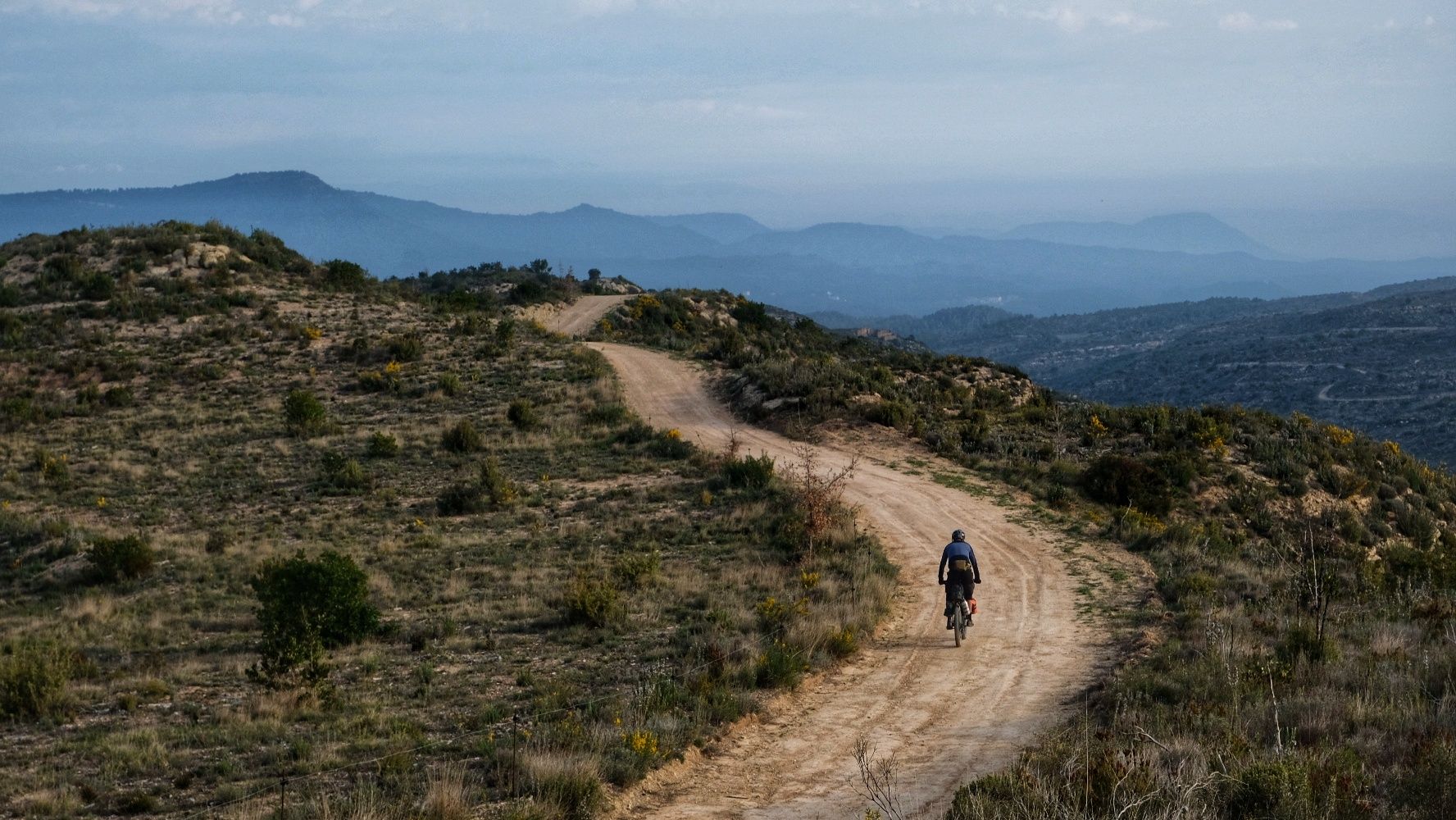
European Divide Trail — 7,600 km across the continent
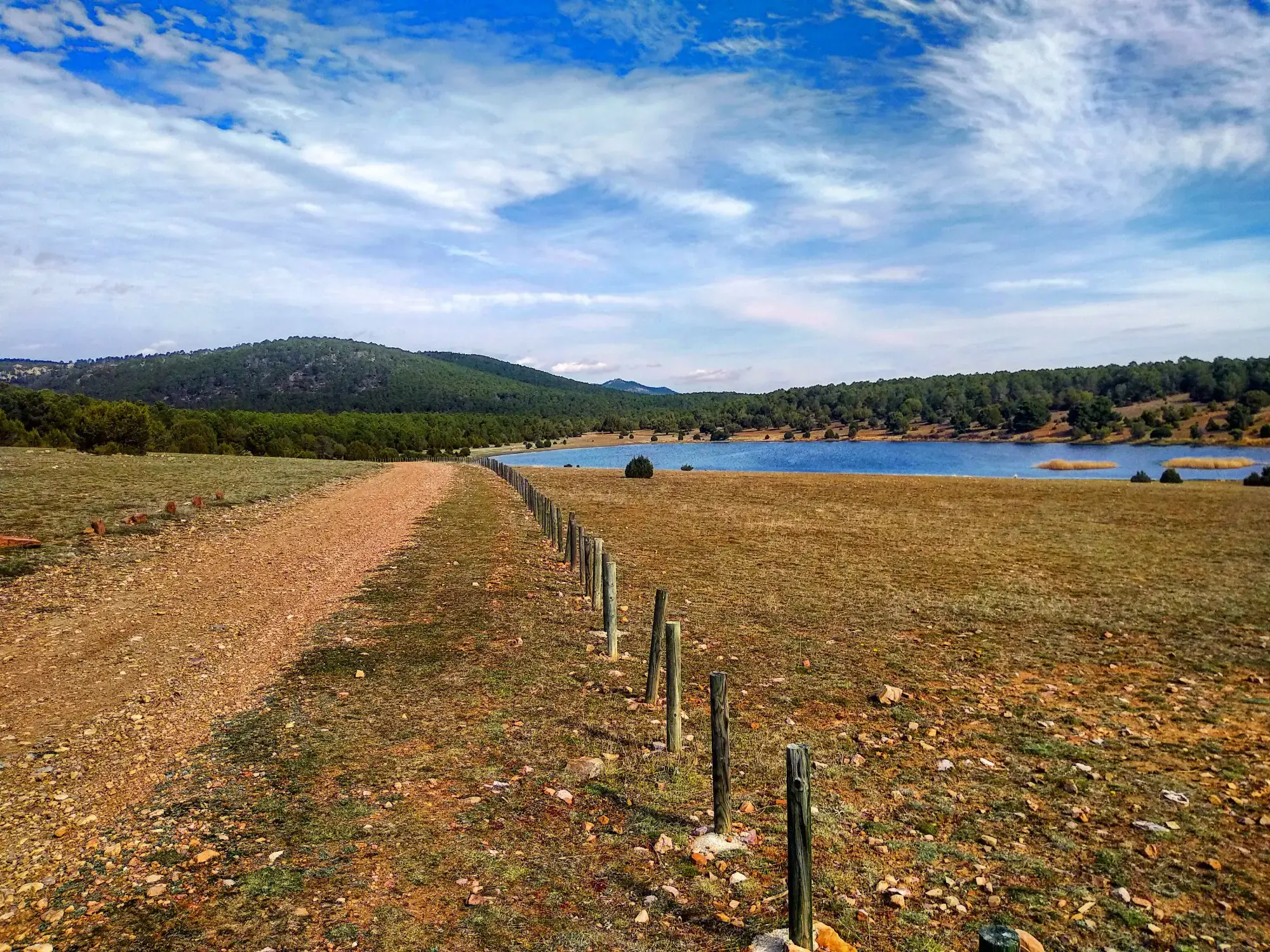
Sendero Español GR 10 — De este a oeste
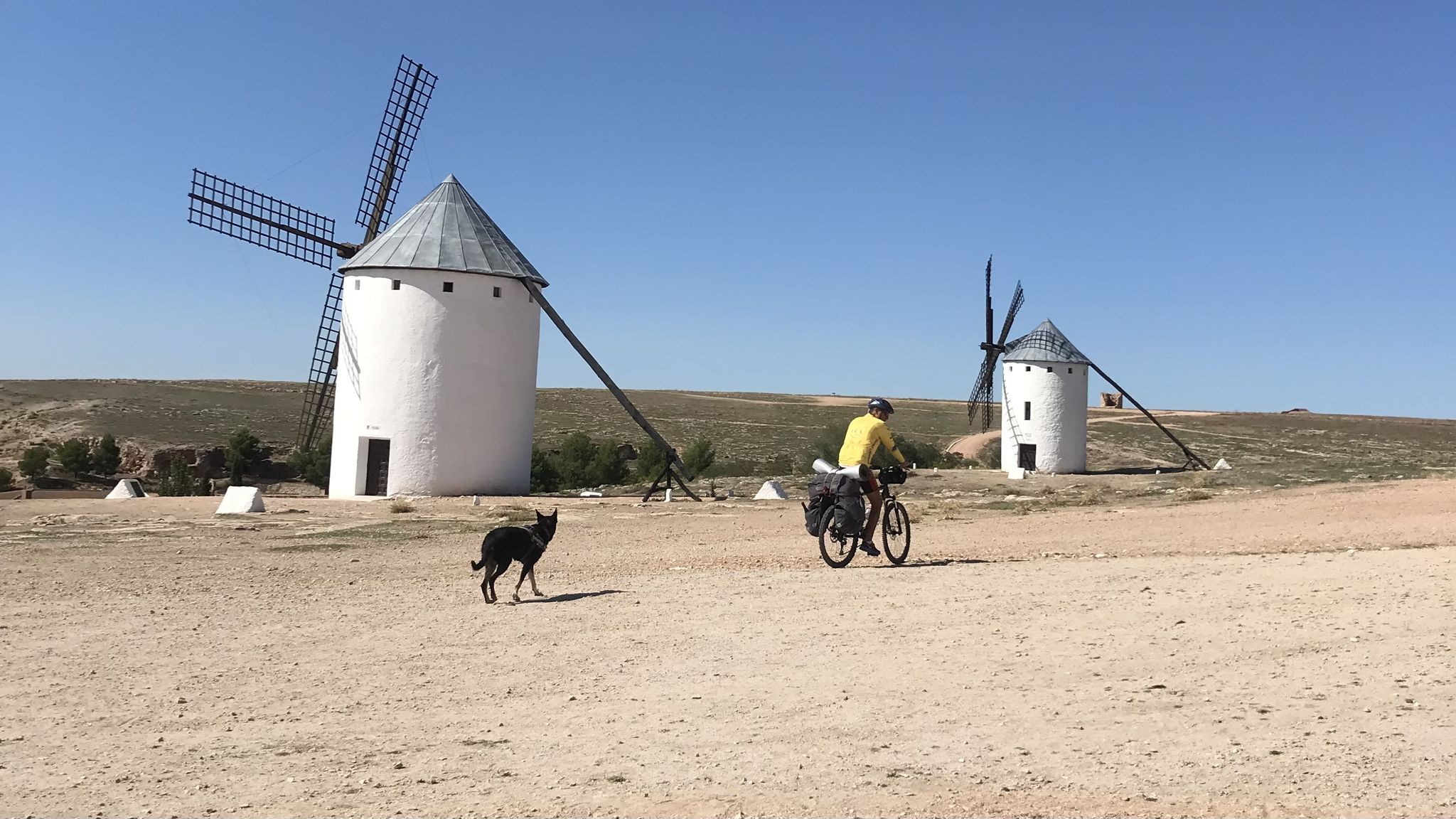
Don Quixote's route – The knight of the sorry face
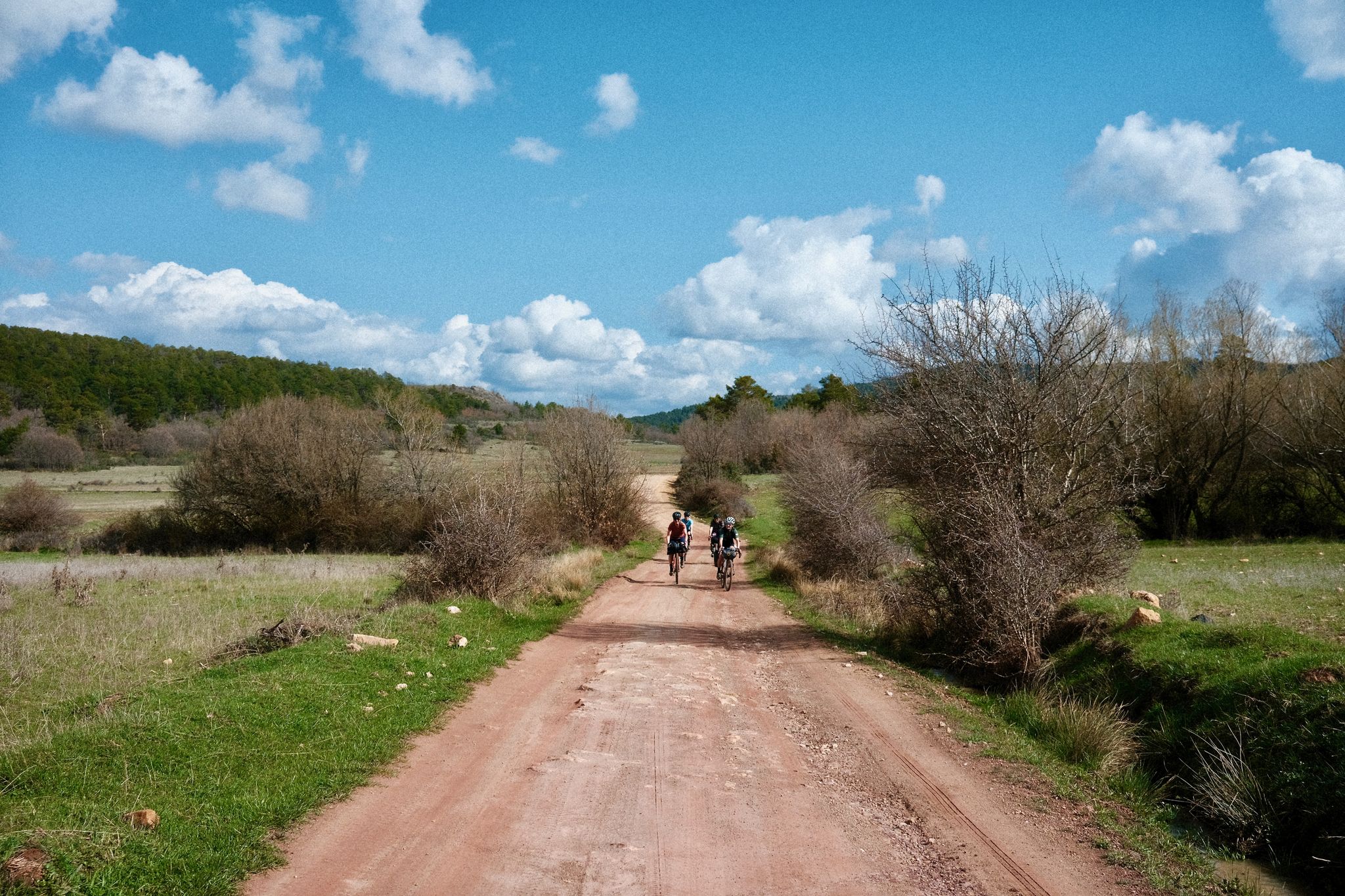
Women's Montañas Vacías 2022 — bikepack in rural Spain
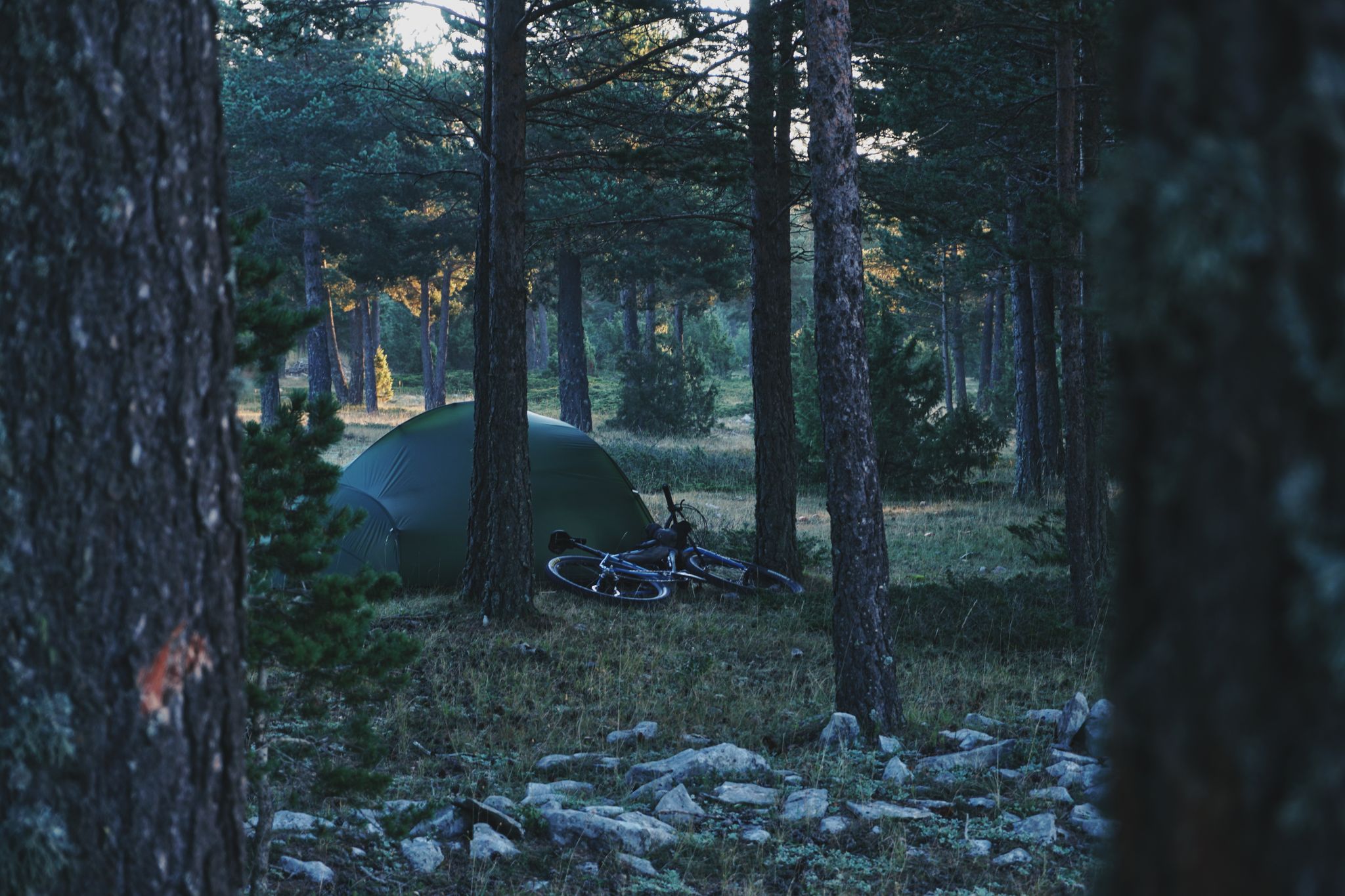
MontañasVacías official — bikepacking across the Spanish Lapland
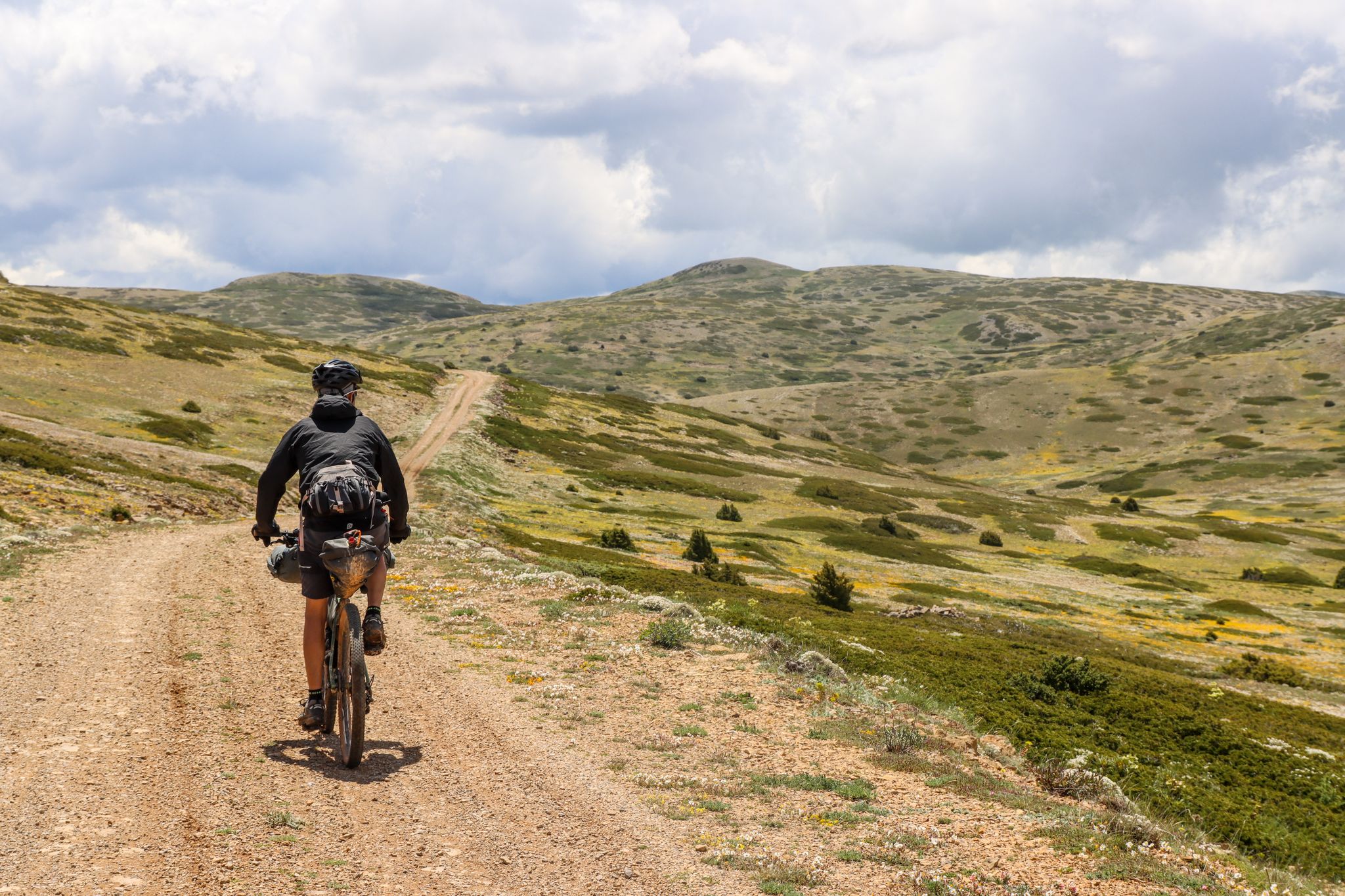
Montañas Vacías — bikepacking the wild and remote 'Empty Mountains'

Around the World in 80 Days
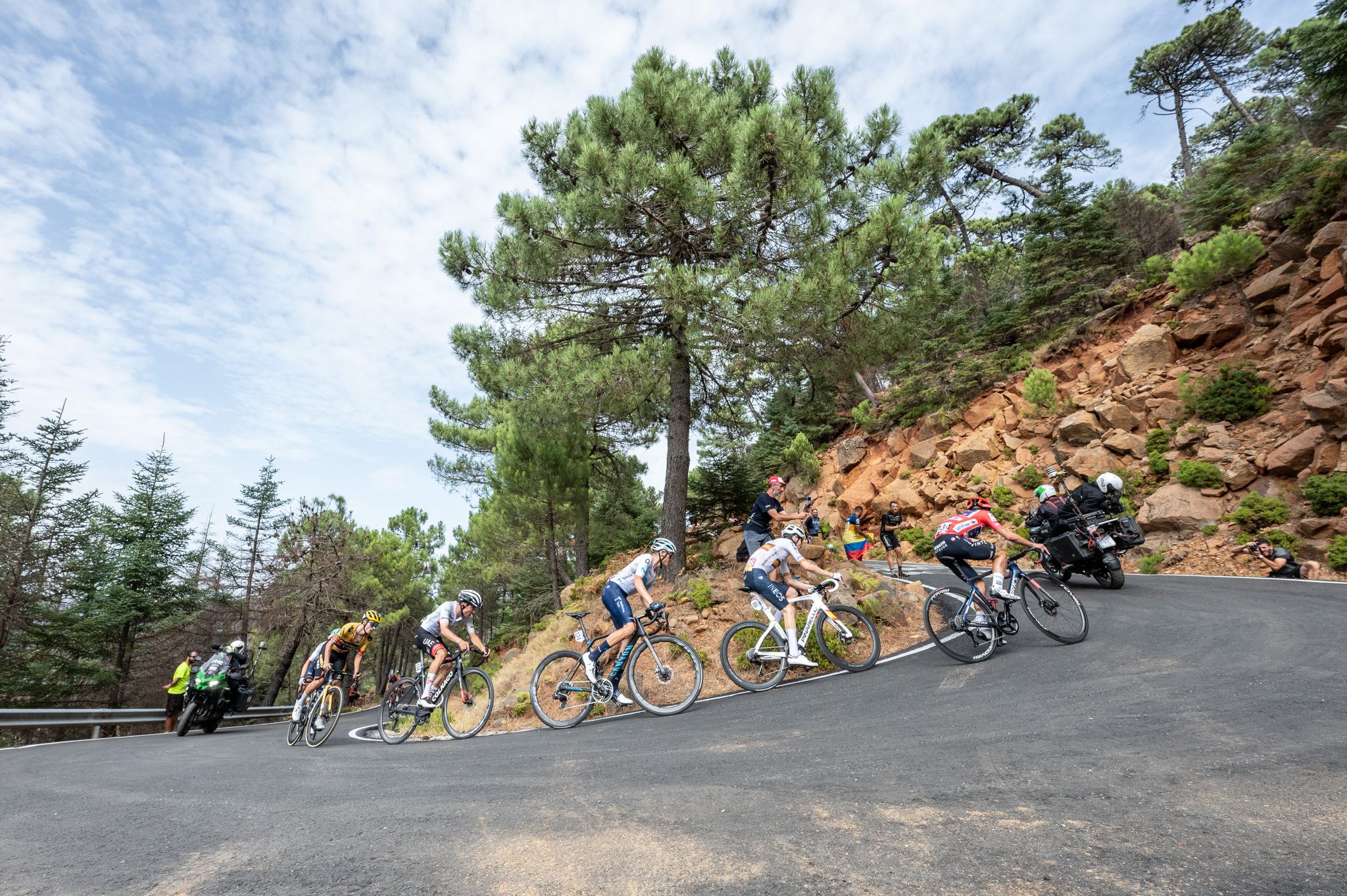
La Vuelta 26 — All Official Stages
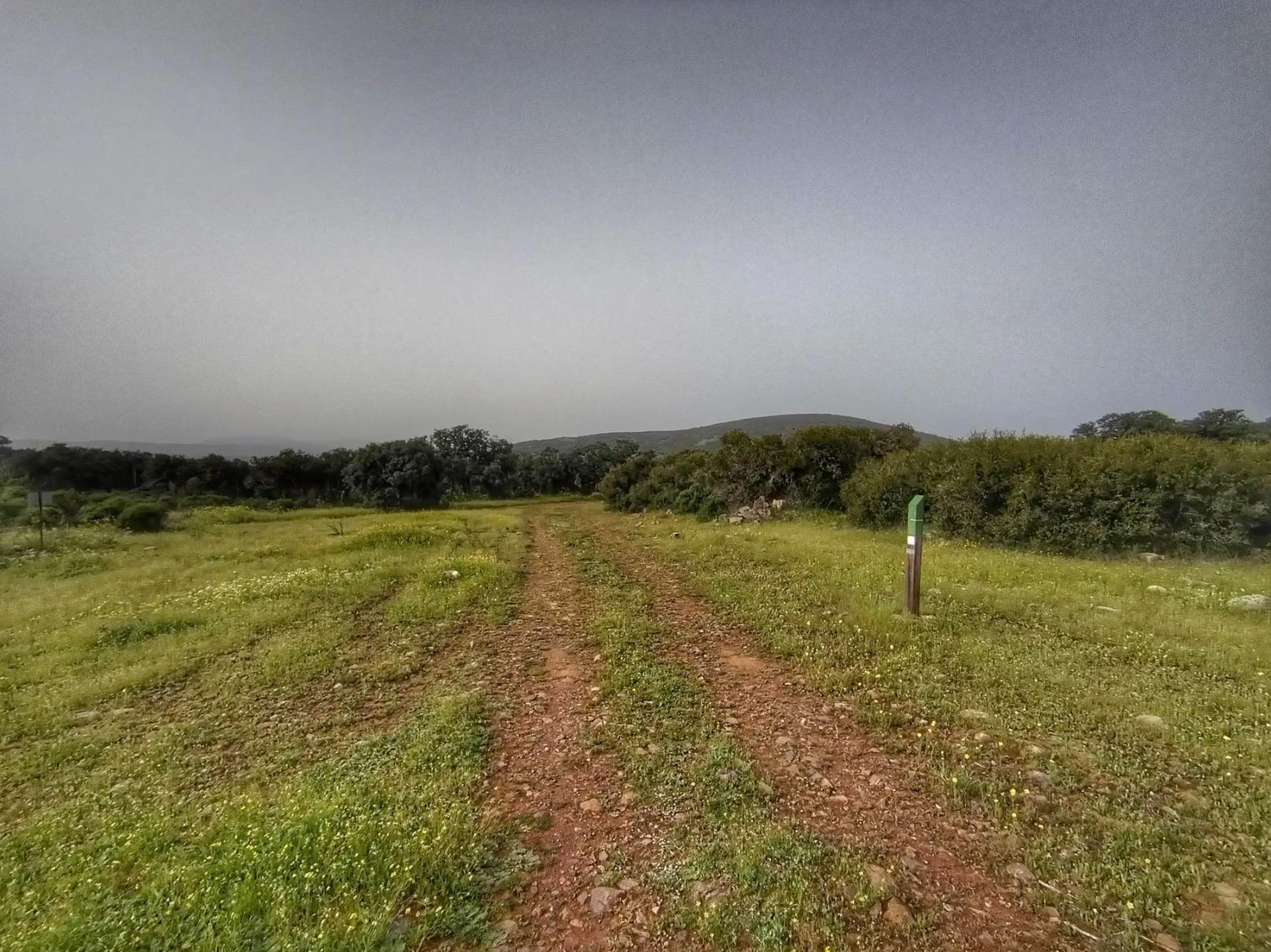
Sigue la trashumancia — GR 164 Cañada Real Conquense o Los Serranos
Following in the footsteps of the Lusitanian leader — Viriato Path GR 63
Other adventures in Castile-La Mancha


Tips from the Community

El Cerro Calderico is the great icon of Consuegra, with the Muela castle and its windmills on its summit.
1
0

Emblematic place, with natural sculptures, visible from the road itself
0
0
The birth of the river Mundo is located in the municipality of Riópar, south of Albacete and between the Sierras of Alcaraz and Segura. It receives numerous visits for its spectacular waterfalls and for the reventón phenomenon, to see this waterfall in all its splendor it is advisable to visit it after periods of intense rains. What is most impressive is the Los Chorros waterfall, where the water gushes from a cave located more than 85 meters high above the valley, falling in a series of jumps and pools of great beauty.
2
0

A recommended area for walking.
0
0

Calderico Hill rises from the plains of La Mancha, visible for miles around and giving Consuegra (Toledo) its distinctive character. Its most notable heritage features are the castle and the windmills that line its summit, following its longitudinal profile. The views of the windmills and castle are truly worth seeing.
3
0

Within the great beauty of the Enchanted City of Chequilla are the Towers, near the Church Square.
0
0

This is undoubtedly one of the Tagus's great wonders. Crossing the beautiful river on a suspension bridge like this one, where motor vehicles are prohibited, reduces the number of crossing options. Walkers and cyclists can enjoy the oscillating motion experienced by the bridge's anchorage. Absolutely recommended!
7
0
These rock formations create a very unique setting at the entrance to the town of Chequilla. Erosion over hundreds of thousands of years has formed these whimsical figures that serve as a tourist attraction for anyone who visits this small town.
0
0
Frequently Asked Questions
What unique natural features can I explore in Castile-La Mancha?
Castile-La Mancha offers a diverse range of natural features. You can explore unique wetland ecosystems like Tablas de Daimiel National Park, dramatic geological formations such as the Enchanted City with its sculpted rocks, or the impressive red clay formations of Barrancas de Castrejón y Calaña. The region also features stunning river sources and canyons, including the Source of the Mundo River and Barranco de la Hoz.
Are there family-friendly natural monuments in Castile-La Mancha?
Yes, several natural monuments are ideal for families. The Uña Lagoon offers an easy and picturesque path perfect for a quiet walk. The Enchanted City is also family-friendly, where children can marvel at the curious rock formations. Additionally, Lagunas de Ruidera Natural Park provides opportunities for swimming, kayaking, and easy hikes suitable for all ages.
What kind of outdoor activities can I do near these natural monuments?
The region around Castile-La Mancha's natural monuments is excellent for various outdoor activities. You can find numerous cycling routes, including those around Lagunas de Ruidera or the Albacete-Valdeganga Bike Path. For mountain biking, explore trails like the Embalse del Vicario loop. If you prefer hiking, there are options for mountain hikes, such as those in the Sierra de Ayllón. You can find more details on these activities in the Cycling in Castile-La Mancha, MTB Trails in Castile-La Mancha, and Mountain Hikes in Castile-La Mancha guides.
Where can I see impressive waterfalls or river sources?
The region is home to spectacular river sources and waterfalls. The Source of the Mundo River in Albacete is famous for its 'Cascada de los Batanes' and other waterfalls like 'Hundimiento' and 'Los Chorros.' Another notable site is the Source of the Cuervo River in Serrania de Cuenca Natural Park, known for its incomparable spectacle of plant and animal life.
Are there any natural monuments with historical significance?
Yes, some natural monuments are intertwined with history. Calderico Hill near Consuegra is crowned by iconic windmills and a castle, offering a blend of natural beauty and historical architecture. While primarily a natural site, the Sanctuary of the Virgin of the Hoz is located within a canyon, combining religious history with a dramatic natural setting.
What do visitors enjoy most about the natural monuments in Castile-La Mancha?
Visitors frequently praise the tranquility and natural beauty. For instance, the Uña Lagoon is loved for its quiet walks and beautiful landscape. The Enchanted City fascinates visitors with its unique rock formations. Many also appreciate the opportunity to disconnect and enjoy nature in peaceful environments like The Towers of Chequilla.
What kind of wildlife can I expect to see at these natural sites?
Castile-La Mancha's natural monuments are rich in biodiversity. Tablas de Daimiel National Park is a crucial habitat for waterfowl, making it an excellent destination for birdwatching. Wetland areas like Lagunas de Ruidera and Laguna Grande de Villafranca de los Caballeros also support diverse aquatic life and bird species. The Source of the Cuervo River is noted for its vibrant plant and animal life.
Are there opportunities for water sports or swimming?
Absolutely. Lagunas de Ruidera Natural Park, with its 16 interconnected lakes, is an ideal spot for adventurous activities such as kayaking, paddle surfing, snorkeling, and swimming. The Laguna Grande de Villafranca de los Caballeros also features a 2.5 km long beach, popular for recreational use, especially during summer months.
Where can I find unique red rock formations?
For striking red rock formations, visit Barrancas de Castrejón y Calaña near Toledo, where the erosion of wind and the Tagus River has sculpted impressive reddish-colored clay formations. Another unique site is The Towers of Chequilla in Guadalajara, where houses are nestled within dramatic red sandstone formations, creating a picturesque and tranquil environment.
When is the best time to visit the natural monuments in Castile-La Mancha?
The best time to visit often depends on the specific monument and your preferred activities. Spring and autumn generally offer pleasant temperatures for hiking and exploring. For wetlands like Tablas de Daimiel, birdwatching is excellent during migration seasons. If you plan to enjoy water activities at Lagunas de Ruidera or Laguna Grande de Villafranca, the summer months are ideal, though they can be warmer.
Are there any less crowded alternatives to popular natural monuments?
While popular sites like the Enchanted City can attract crowds, many other natural monuments offer a more tranquil experience. Consider exploring the Barranco de la Hoz within the Alto Tajo Nature Reserve for dramatic canyons and forests, or the peaceful environment of The Towers of Chequilla. The Uña Lagoon also provides a serene setting for a quiet walk.
Can I find viewpoints with panoramic views?
Many natural monuments in Castile-La Mancha offer stunning viewpoints. Calderico Hill, with its windmills and castle, provides iconic views of the La Mancha plain. The Suspension bridge over the River Tajo offers views of the Tagus Valley. Additionally, many of the geological formations and river sources provide picturesque vistas of the surrounding natural landscapes.
Most popular routes in Castile-La Mancha
Most popular attractions in Castile-La Mancha

Get inspired with the komoot mobile app


Didn’t find what you were looking for?
Find even more amazing natural monuments in Castile-La Mancha by checking out the top Highlights region by region:
Explore more
Extend your search for the best caves by checking out these guides of the top ones in Castile-La Mancha:
