Top 20 Caves in Castile-La Mancha
Caves in Castile-La Mancha offer a diverse range of subterranean experiences across a region known for its vast plains, mountain ranges, and rich history. This central Spanish region features karstic systems, river sources, and caves steeped in legend. The landscape includes natural parks with unique geological formations and significant ecological sites. Exploring these caves provides insight into both the natural processes and cultural narratives of Castile-La Mancha.
Best caves in Castile-La Mancha
- The most popular caves is Source of the…
Last updated: August 17, 2026
Source of the Mundo River
Highlight • Waterfall
Translated by Google •
Tip by

Source of the Cuervo River
Highlight • Natural Monument
Translated by Google •
Tip by

Sign up now to discover places like this
Get recommendations on the best single tracks, peaks, & plenty of other exciting outdoor places.
Sign up for free
Ventano del Diablo
Highlight • Viewpoint
Translated by Google •
Tip by
Estena Towers
Highlight • Natural Monument
The uniqueness of the Torres del Estena is due to the fact that they are part …
Translated by Google •
Tip by
The Ammunition Depot
Highlight • Structure
Translated by Google •
Tip by
Hercules' Caves 🏛️ Toledo
Highlight • Cave
Translated by Google •
Tip by
La Pulgosa Periurban Park
Highlight • Natural
Translated by Google •
Tip by
San Julián Hermitage "The Calm"
Highlight • Religious Site
Translated by Google •
Tip by
Chinchilla de Monte-Aragón Castle
Highlight • Castle
Translated by Google •
Tip by
Devil's Caves
Highlight • Cave
Translated by Google •
Tip by
Sign up for free to discover even more caves in Castile-La Mancha.
Sign up for free
Already have an account?
Start today with a free account
Your next adventure awaits.
Login or Signup
Popular around Castile-La Mancha
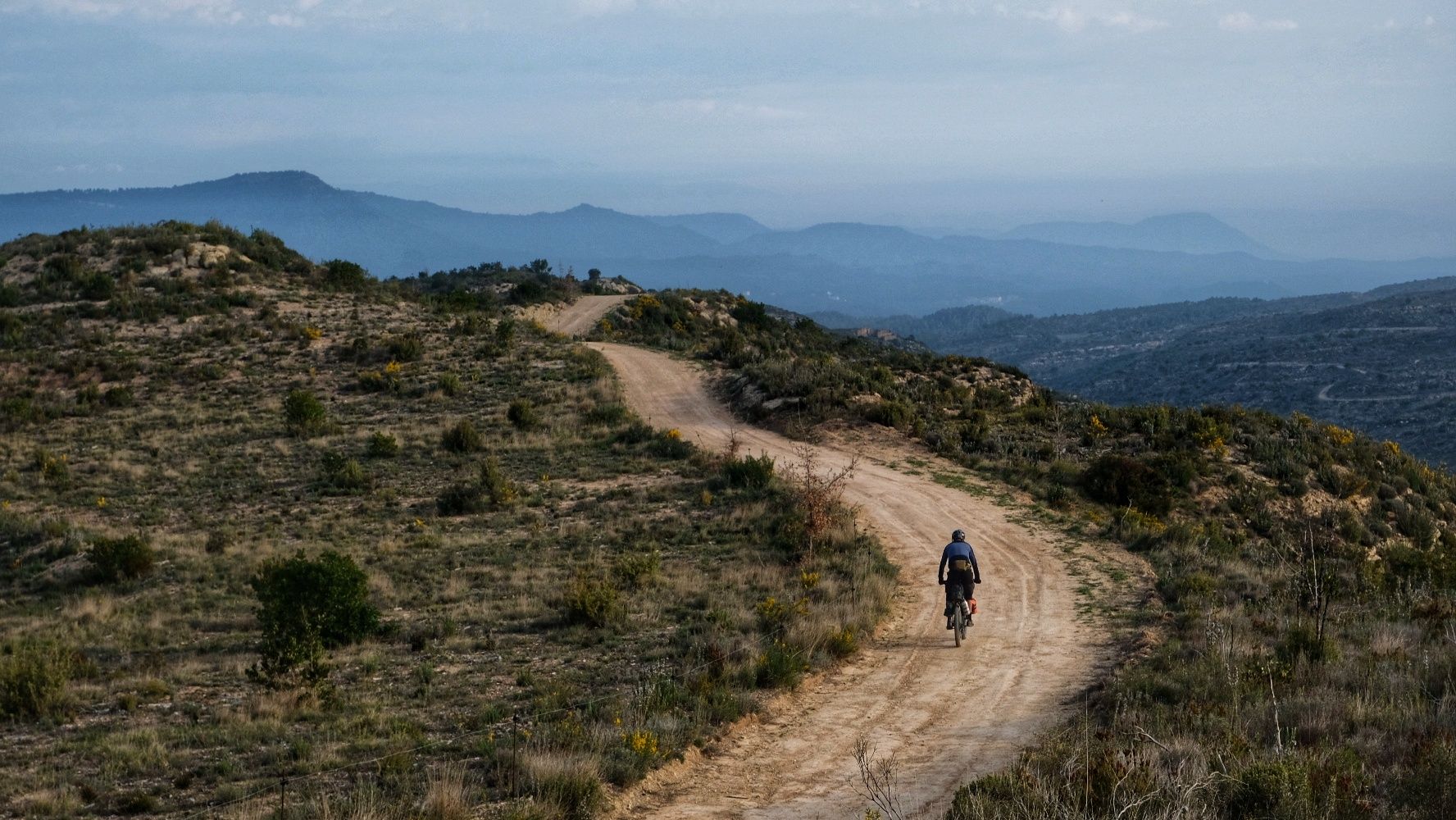
European Divide Trail — 7,600 km across the continent
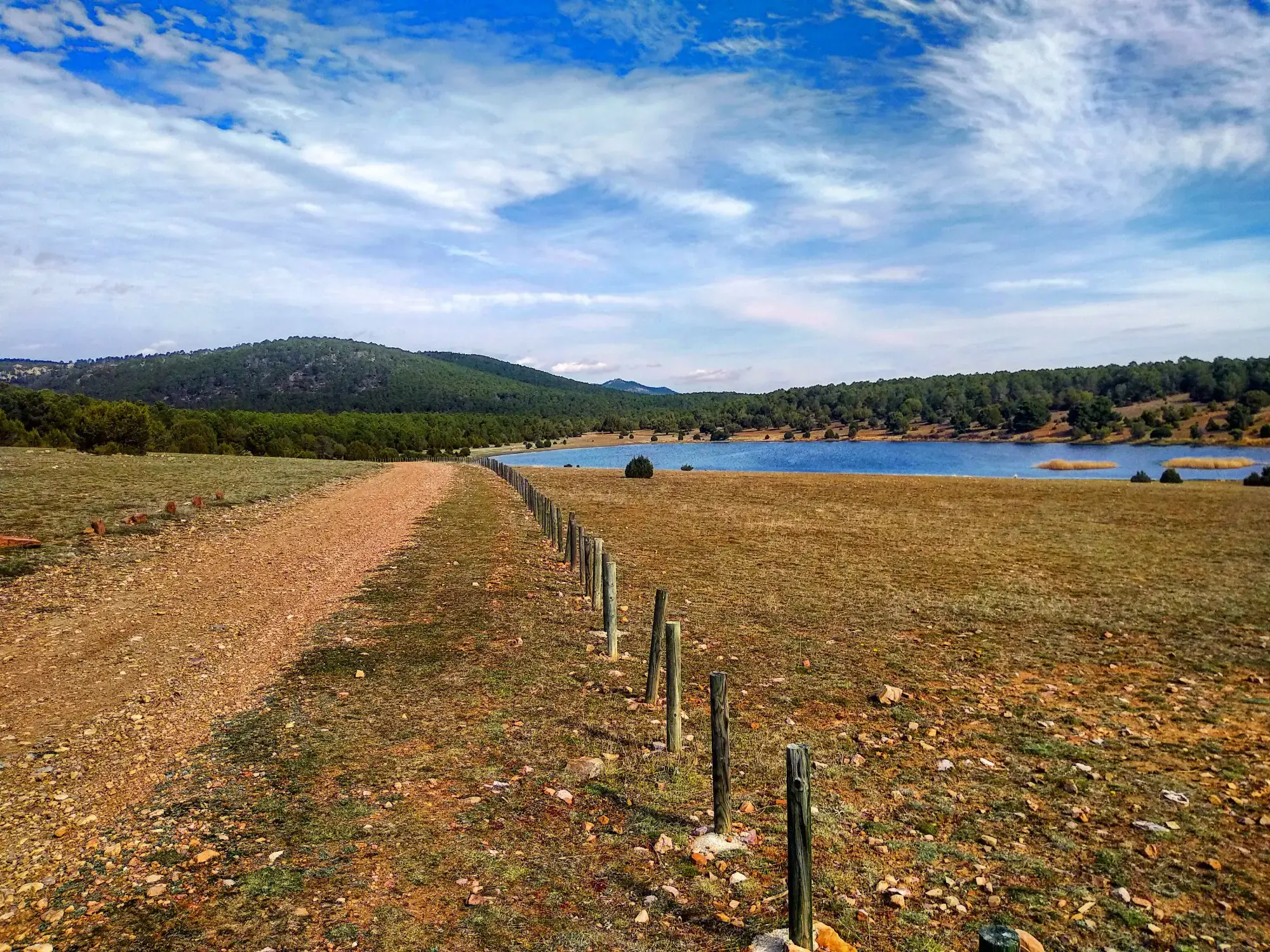
Sendero Español GR 10 — De este a oeste
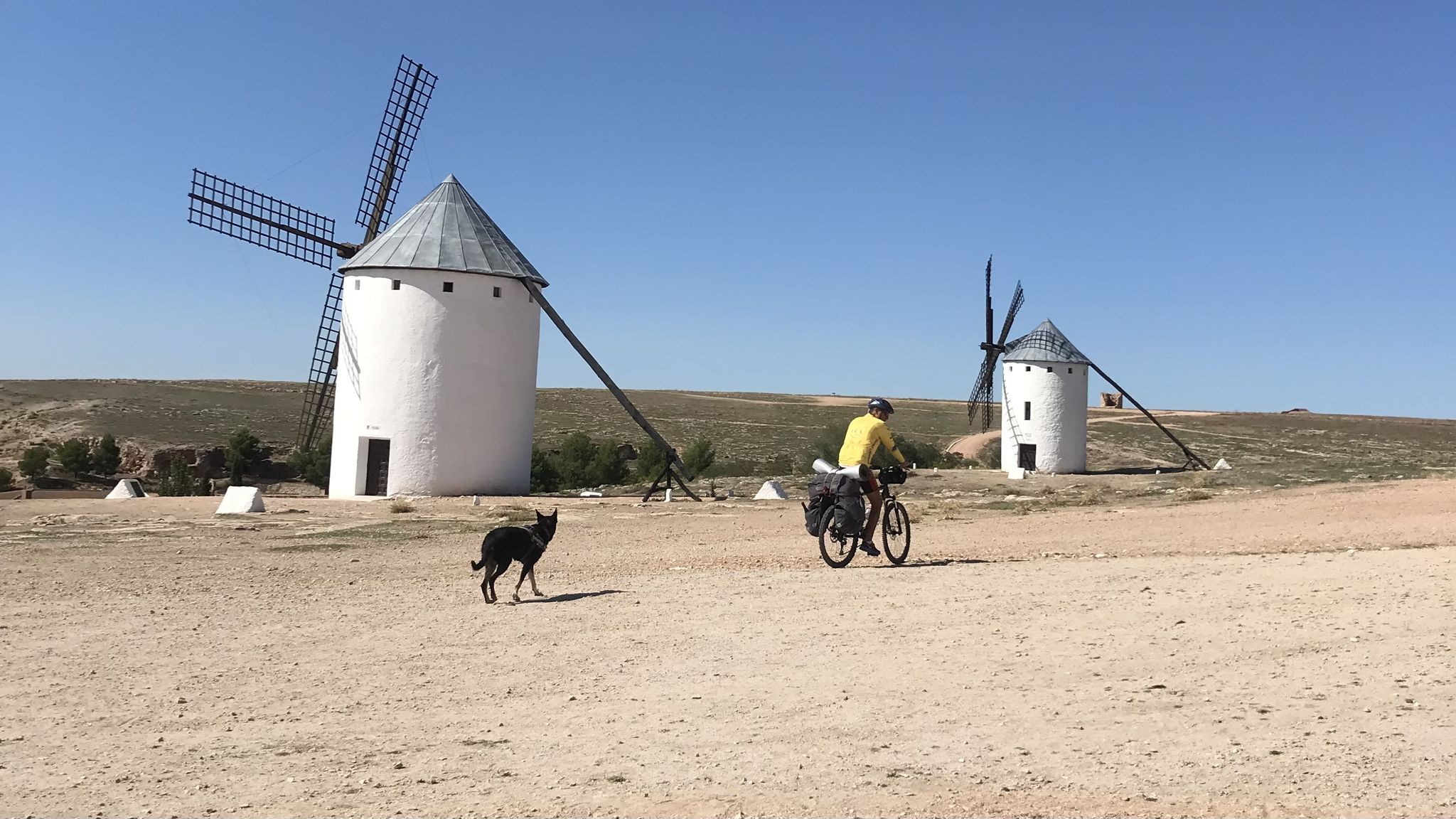
Don Quixote's route – The knight of the sorry face
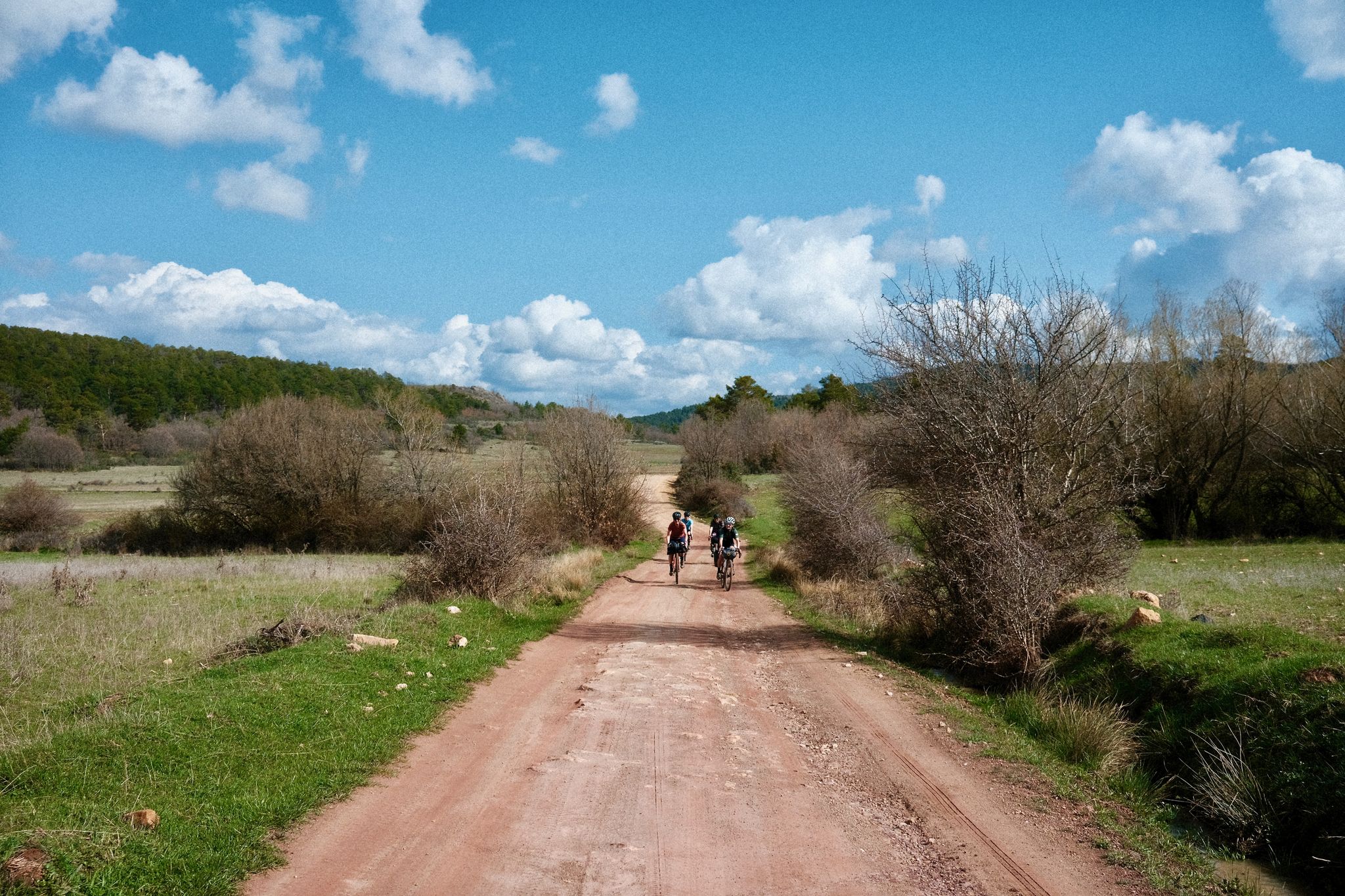
Women's Montañas Vacías 2022 — bikepack in rural Spain
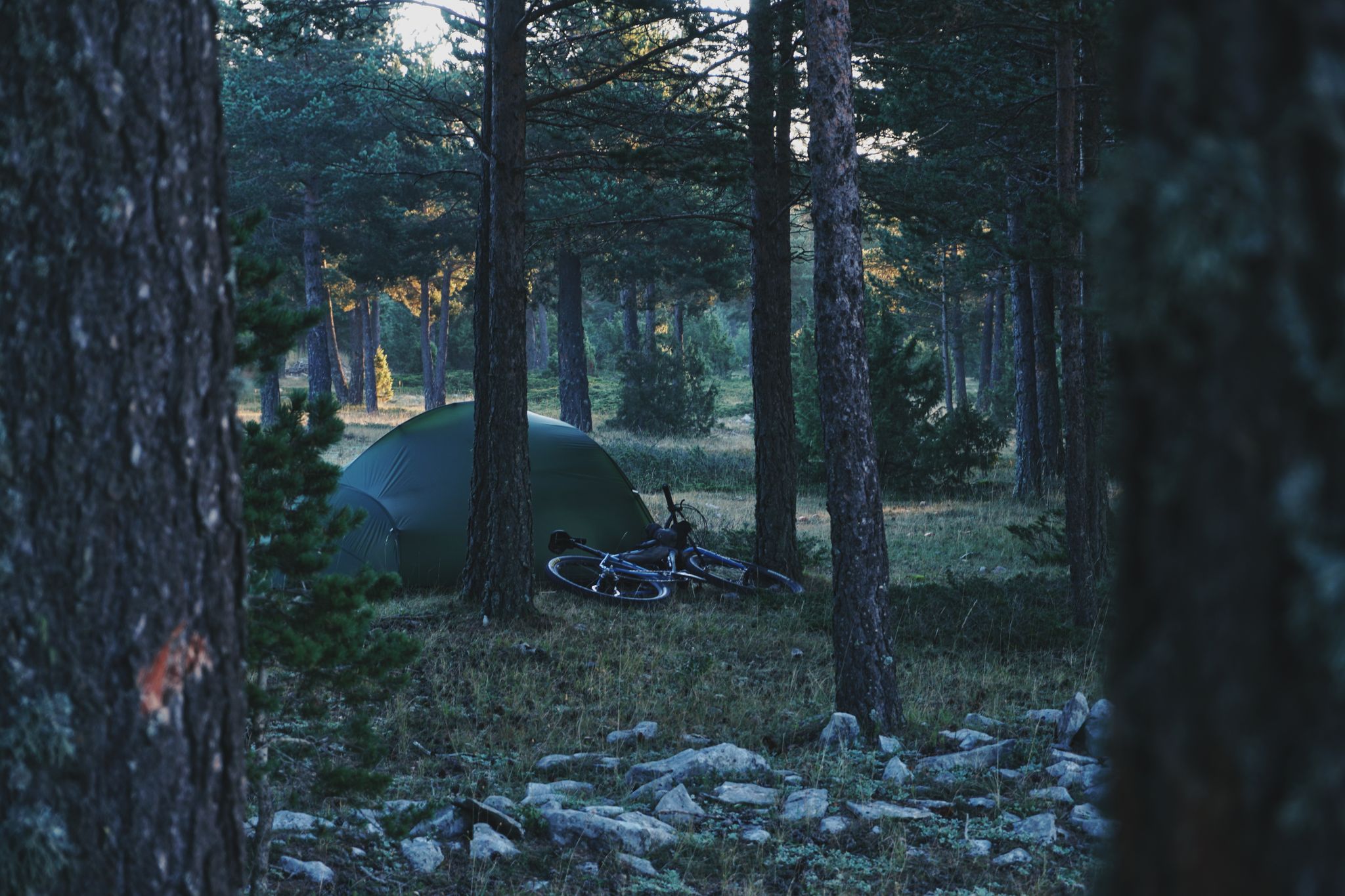
MontañasVacías official — bikepacking across the Spanish Lapland
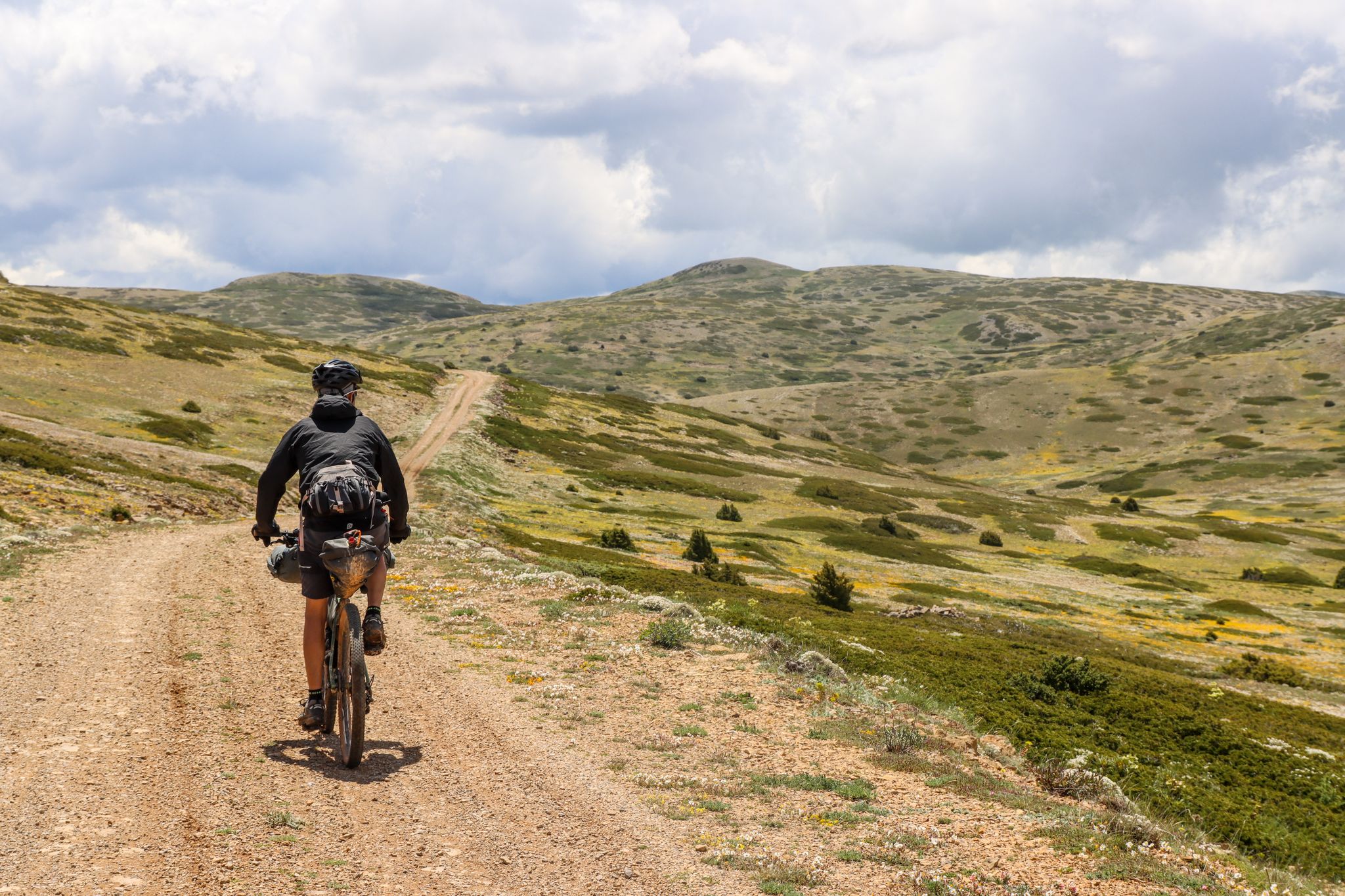
Montañas Vacías — bikepacking the wild and remote 'Empty Mountains'

Around the World in 80 Days
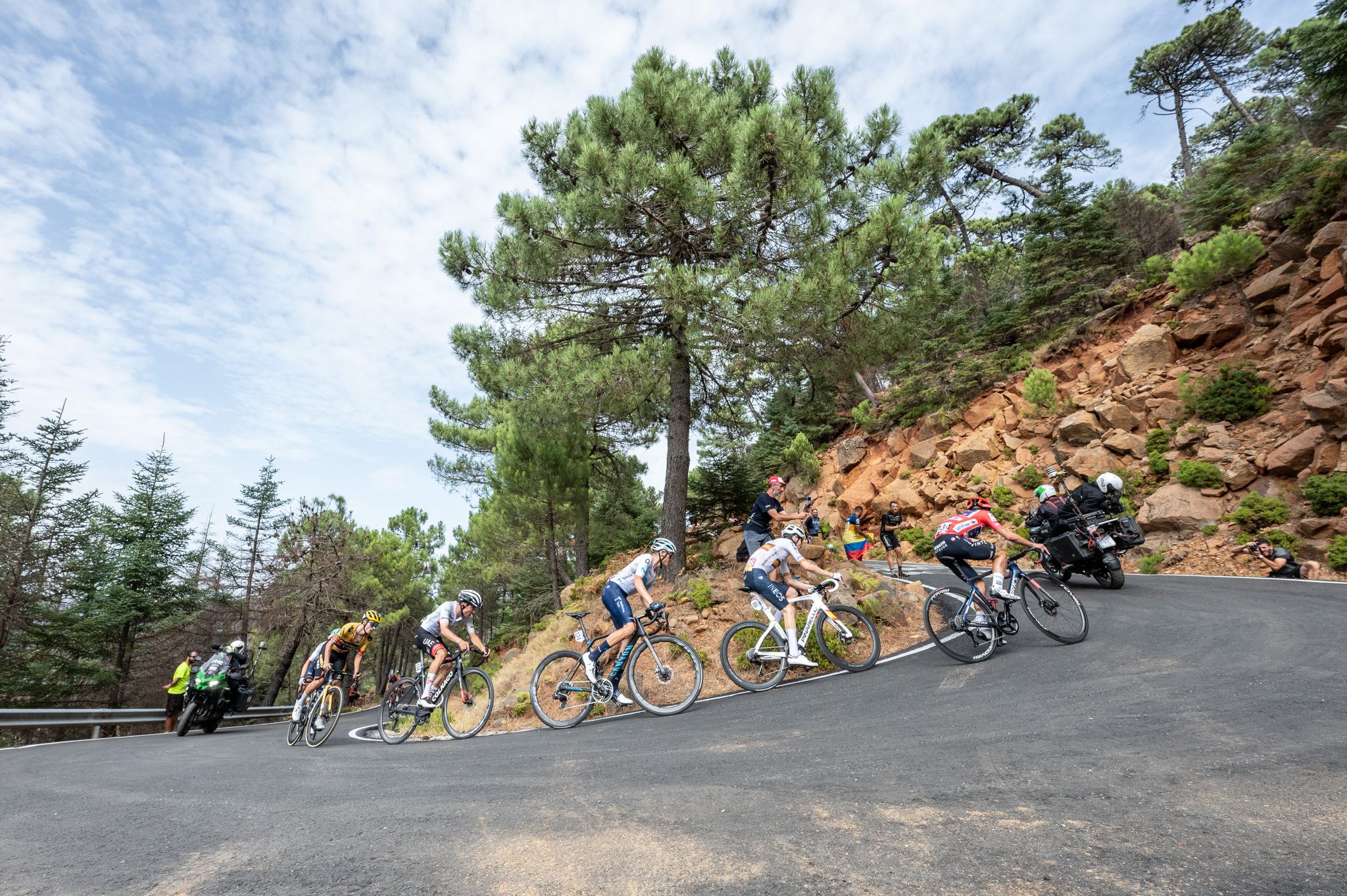
La Vuelta 26 — All Official Stages
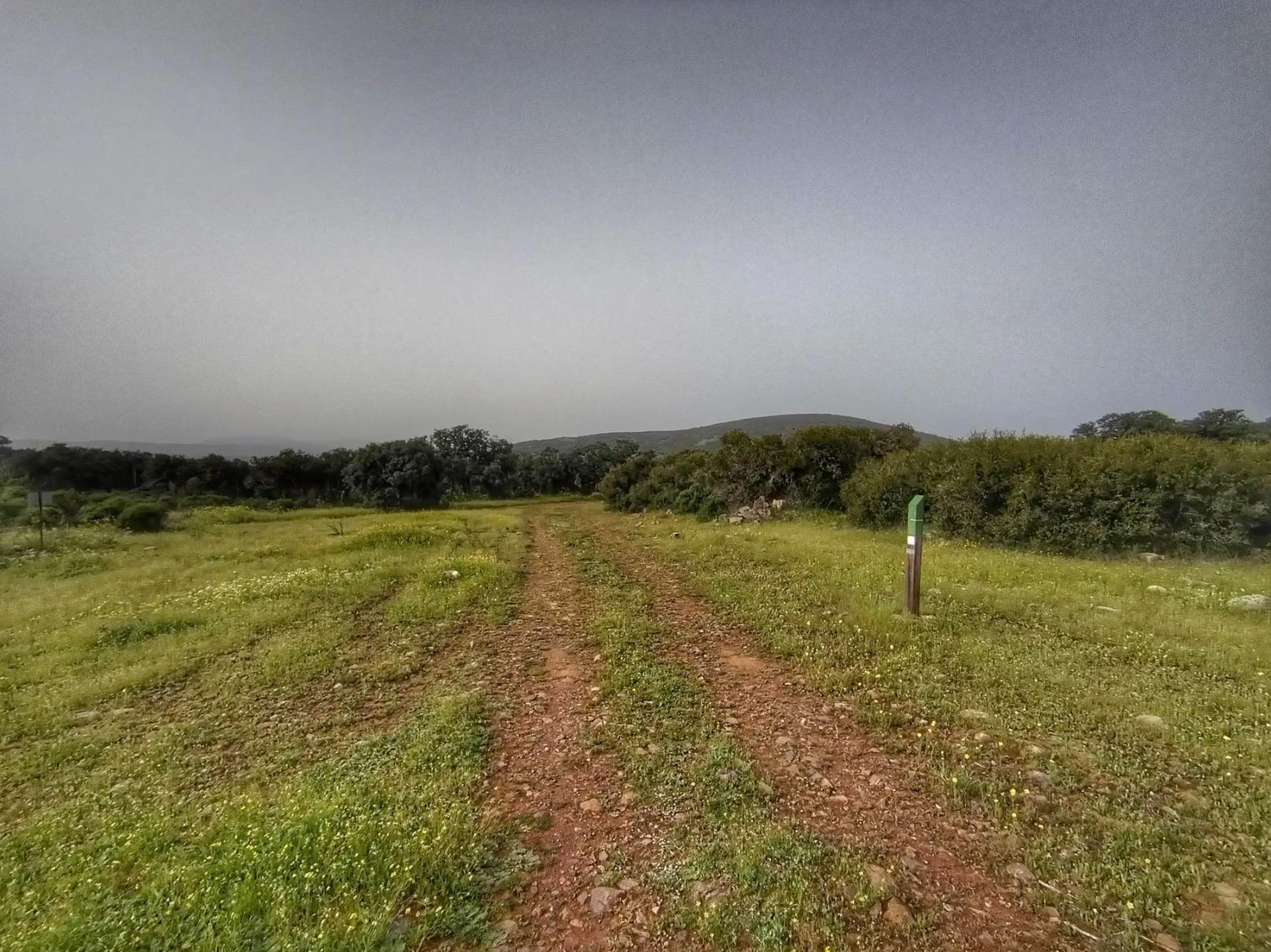
Sigue la trashumancia — GR 164 Cañada Real Conquense o Los Serranos
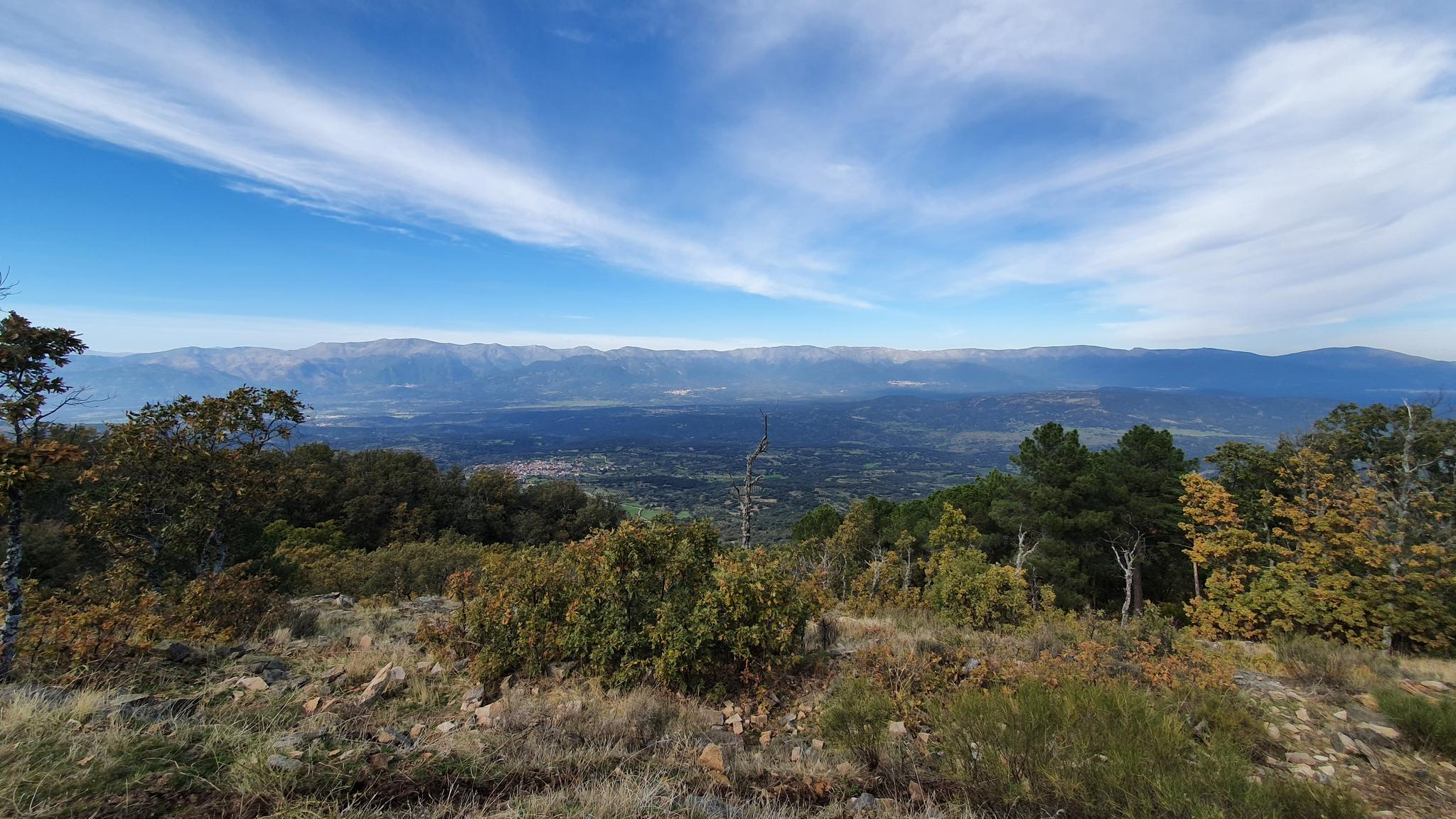
Following in the footsteps of the Lusitanian leader — Viriato Path GR 63
Other adventures in Castile-La Mancha


Tips from the Community

Super beautiful spot and very quiet early June, the vultures complete the picture, enjoy this viewpoint with a 100-meter walking path.
1
0

The birth of the river Mundo is located in the municipality of Riópar, south of Albacete and between the Sierras of Alcaraz and Segura. It receives numerous visits for its spectacular waterfalls and for the reventón phenomenon, to see this waterfall in all its splendor it is advisable to visit it after periods of intense rains. What is most impressive is the Los Chorros waterfall, where the water gushes from a cave located more than 85 meters high above the valley, falling in a series of jumps and pools of great beauty.
2
0

Spectacular viewpoint overlooking the Júcar River.
1
0
One of the most emblematic landmarks of the Júcar gorge trail.
1
0

The source of the Cuervo River is a dreamlike location in the Serranía de Cuenca, Spain. This Natural Monument houses a main waterfall with a height of over 20 meters, leaving those who behold it breathless. Here, the Cuervo River emerges from a travertine spring, flowing over moss-covered limestone rock, forming beautiful waterfalls called chorreras.
19
0

Beautiful setting, impressive waterfall during its bursting season, which is usually in March. And a 700m hike to the highest viewpoint.
1
0

The Cave and Hermitage of San Julián is a secluded place conducive to meditation.
0
1
This park is ideal for outdoor activities such as picnics, walks and sports. It has large grass lawns, swing areas, multi-sport courts, a skating rink and a BMX circuit. There is also a restaurant-picnic area where you can taste typical regional dishes.
5
0
Frequently Asked Questions
What unique natural features can I expect to see in Castile-La Mancha's caves?
Castile-La Mancha's caves showcase diverse natural wonders. For instance, the Source of the Mundo River (Cueva de los Chorros) is famous for its spectacular waterfalls, some over 100 meters high, especially during the 'reventón' phenomenon. You can also find impressive stalactites and stalagmites in places like Cueva del Agua near Riópar, and the Source of the Cuervo River features unique travertine formations.
Are there any caves in Castile-La Mancha with historical or legendary significance?
Yes, the region is rich in history and legend. The Hercules' Caves 🏛️ Toledo are steeped in mystery, with traditions linking them to Hercules and hidden treasures. The Cueva de Montesinos is famously featured in Miguel de Cervantes' *Don Quijote de La Mancha*, offering a unique blend of nature and literary history.
Which caves are suitable for families with children?
Several caves and related natural sites are family-friendly. The Source of the Cuervo River is a beautiful natural monument with easy access, perfect for a family outing. The Lagunas de Ruidera Natural Park also offers opportunities for families to explore caves as part of a larger natural experience, including kayak tours.
What is the best time of year to visit the caves in Castile-La Mancha?
The best time depends on the cave. For the Source of the Mundo River, visiting after several days of rain, typically in spring or autumn, is ideal to witness the spectacular 'reventón' (heavy water outflow). For caves like Cueva de Montesinos, which are important bat habitats, late October to late February sees the highest concentrations of bats.
Are there opportunities for caving or speleology for beginners?
While some caves like Cueva de los Chorros offer routes for experienced speleologists, others provide more accessible experiences. Cueva del Agua near Riópar is described as a more gentle exploration for those interested in observing cave formations without intense caving. Always check specific cave requirements and consider guided tours for beginner-friendly options.
What kind of wildlife can be found in the caves of Castile-La Mancha?
Many caves serve as important habitats for various species. Cueva de Montesinos, for example, is a significant sanctuary for several bat species, including the Cave Bat, Greater Horseshoe Bat, Mediterranean Horseshoe Bat, and Greater Mouse-eared Bat, particularly from late October to late February.
Can I combine a cave visit with other outdoor activities?
Absolutely. Many caves are located within natural parks offering a range of activities. The Lagunas de Ruidera Natural Park allows for cave exploration combined with kayaking. For more extensive outdoor adventures, you can find nearby hiking trails, MTB trails, and even mountain hikes throughout Castile-La Mancha.
Are there any caves that are easy to access or wheelchair-friendly?
While many natural caves involve uneven terrain, some sites offer easier access to their surroundings. The Source of the Cuervo River is generally considered accessible for visitors to enjoy the natural monument and its waterfalls. For specific accessibility needs within a cave, it's best to inquire directly with local visitor centers.
What are the geological origins of the caves in this region?
The caves in Castile-La Mancha are primarily karstic, formed by the dissolution of soluble rocks like limestone by water over millennia. This process creates intricate networks of underground galleries, siphons, and chambers, often leading to spectacular features like the travertine formations at the Source of the Cuervo River or the extensive systems of the Cueva de los Chorros.
Are there any hidden gem caves or lesser-known spots worth exploring?
Beyond the well-known sites, the region holds smaller, charming caves. Cueva del Agua, accessible from El Pardal near Riópar, is a vaulted space adorned with diverse stalactites and stalagmites, offering a quieter experience. The Enchanted City of Tamajón also features interesting natural rock formations and caves within its unique landscape.
Do I need a permit or special equipment to visit the caves?
For most publicly accessible caves and natural park areas, a permit is not typically required for general visitation. However, for more advanced speleology or guided tours into deeper cave systems, specific permits, guides, and specialized equipment may be necessary. Always check with the local park authorities or tour operators for the specific requirements of the cave you plan to visit.
What amenities are available near the caves?
Amenities vary by location. Caves within or near natural parks, such as Lagunas de Ruidera or Calares del Mundo y de la Sima, often have visitor centers, parking, and sometimes cafes or restaurants. Larger towns like Toledo, near Hercules' Caves, offer a full range of services including accommodation, dining, and public transport. Remote cave sites may have fewer facilities, so planning ahead is advisable.
Most popular routes in Castile-La Mancha
Most popular attractions in Castile-La Mancha

Get inspired with the komoot mobile app


Didn’t find what you were looking for?
Discover more caves in Castile-La Mancha region by region:
Explore more
Extend your search for the best caves by checking out these guides of the top ones in Castile-La Mancha:
