The 20 Most Amazing Peaks in Castile-La Mancha
Best mountain peaks in Castile-La Mancha are found across a diverse landscape that includes plains, mountain ranges, and historical sites. This central Spanish region features varied terrain, from the Montes de Toledo to the Sierra de Ayllón. The area is characterized by its natural monuments and elevated viewpoints, offering distinct perspectives on the surrounding environment. These peaks provide opportunities for exploration and connection with the region's geography.
Best mountain peaks in Castile-La Mancha
- The most popular mountain peaks is Calderico…
Last updated: July 7, 2026
Calderico Hill
Highlight • Natural Monument
Translated by Google •
Tip by

Pico Ocejón
Highlight • Summit
Translated by Google •
Tip by
Sign up now to discover places like this
Get recommendations on the best single tracks, peaks, & plenty of other exciting outdoor places.
Sign up for free
Pico Tres Provincias (Cebollera Vieja)
Highlight • Summit
Translated by Google •
Tip by

Alto de la Carrascosa
Highlight • Mountain Pass
Translated by Google •
Tip by

Almenara Peak
Highlight • Summit
Translated by Google •
Tip by

Almonacid Castle
Highlight • Castle
Translated by Google •
Tip by
Pico del Águila
Highlight • Summit
Translated by Google •
Tip by

Pico del Lobo
Highlight • Summit
Translated by Google •
Tip by

Noez Peak
Highlight • Summit
Translated by Google •
Tip by

San Vicente Hill (1320m)
Highlight • Summit
Translated by Google •
Tip by
Sign up for free to discover even more peaks in Castile-La Mancha.
Sign up for free
Already have an account?
Start today with a free account
Your next adventure awaits.
Login or Signup
Popular around Castile-La Mancha
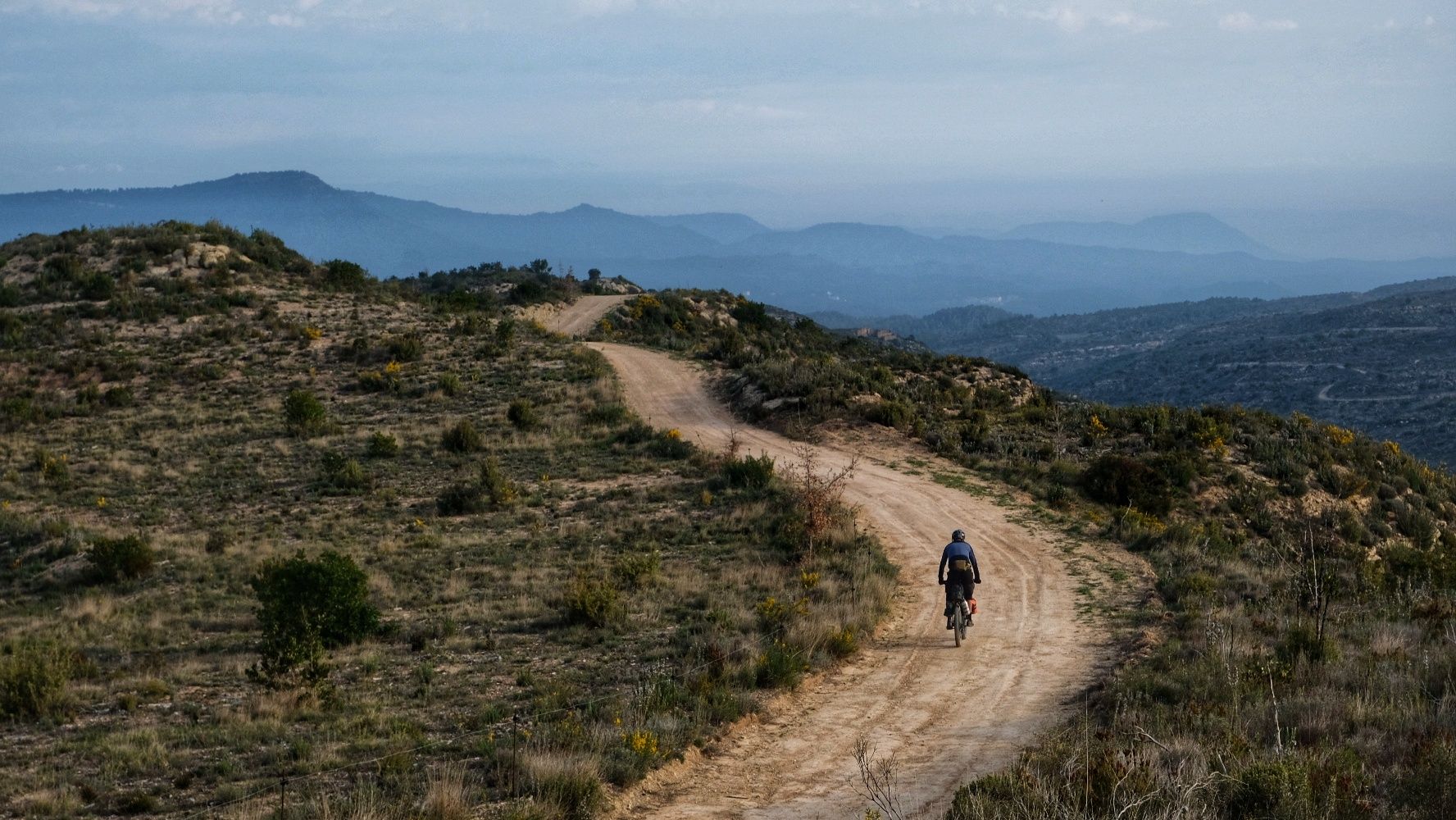
European Divide Trail — 7,600 km across the continent
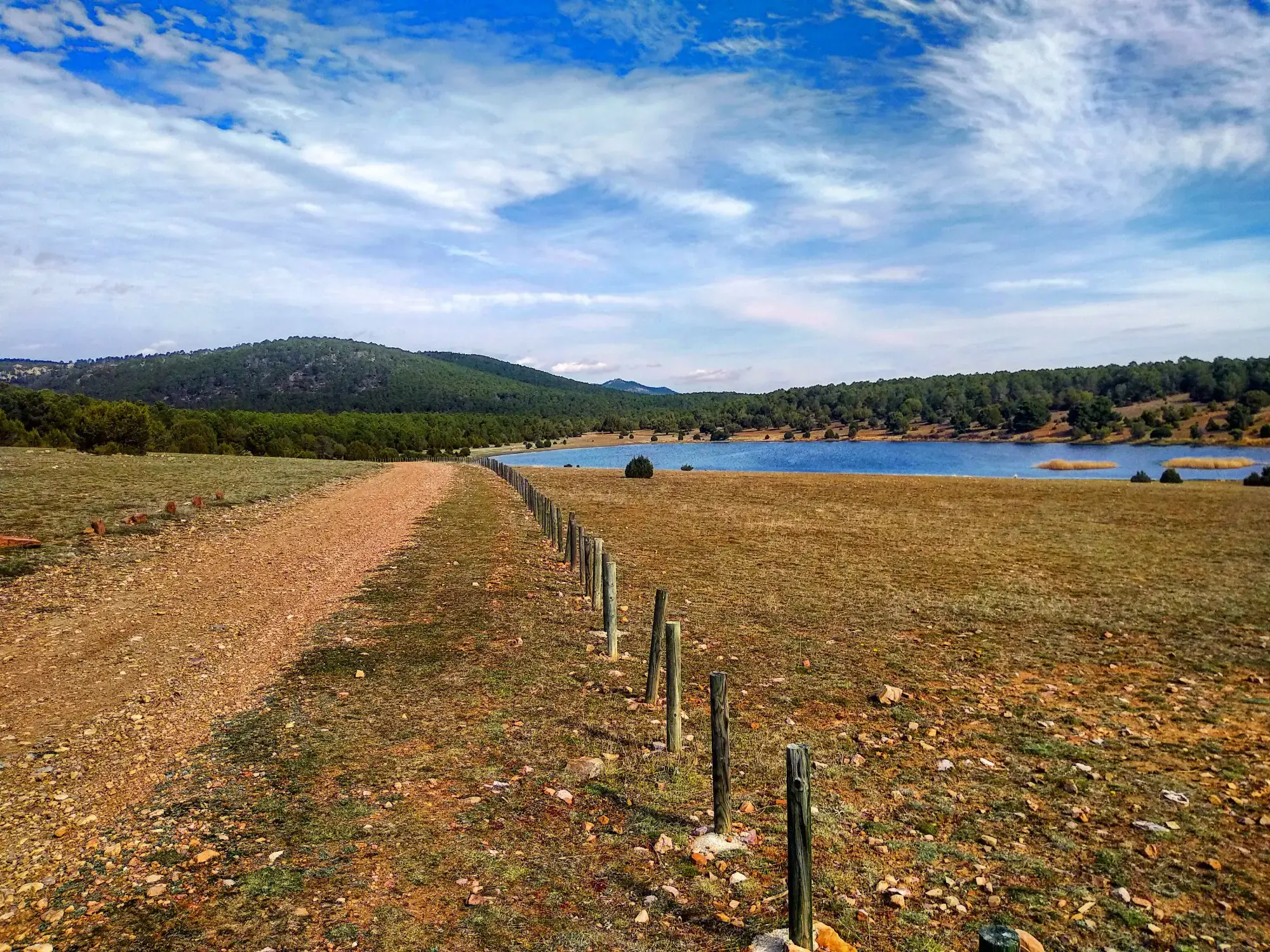
Sendero Español GR 10 — De este a oeste
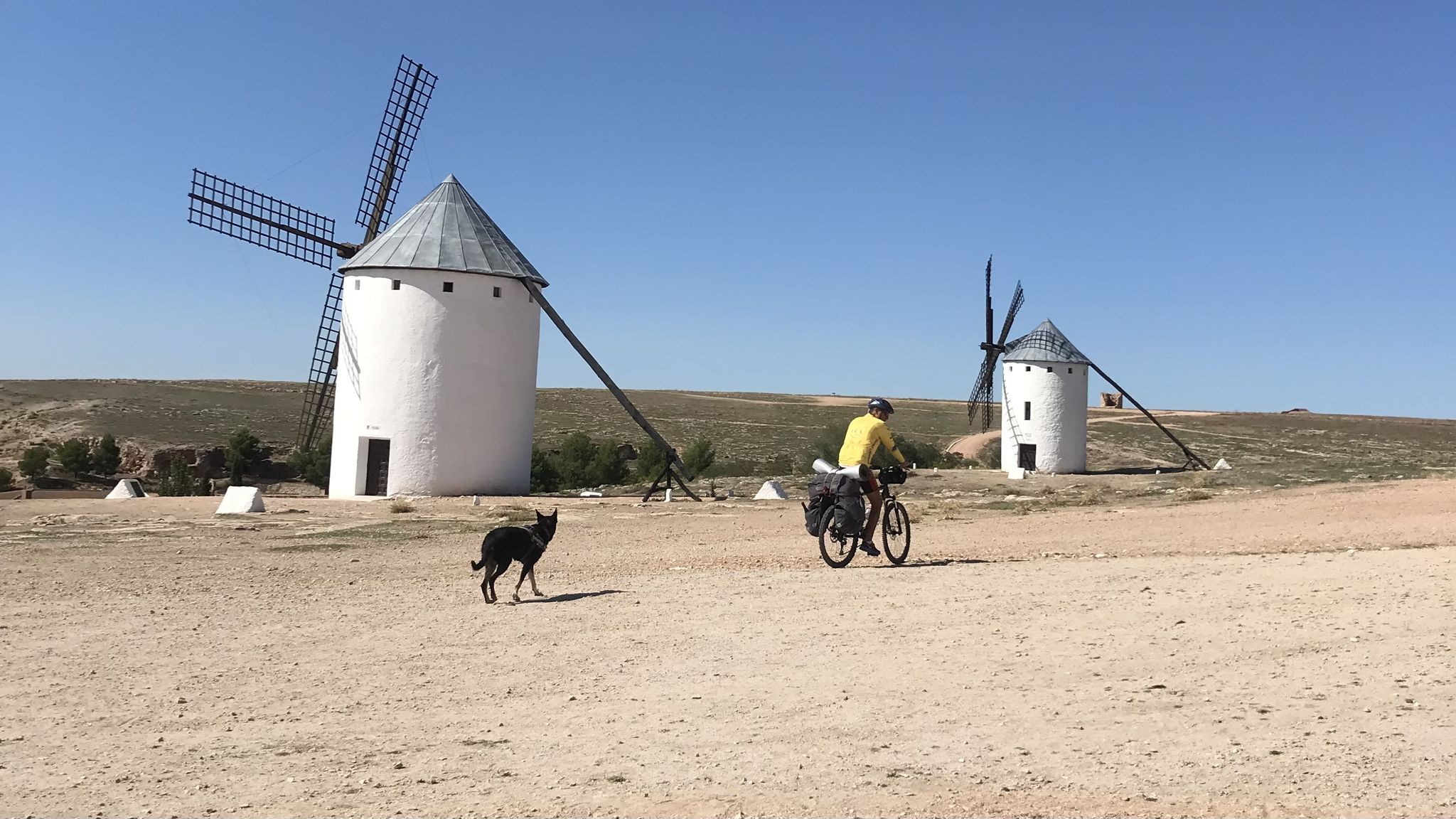
Don Quixote's route – The knight of the sorry face
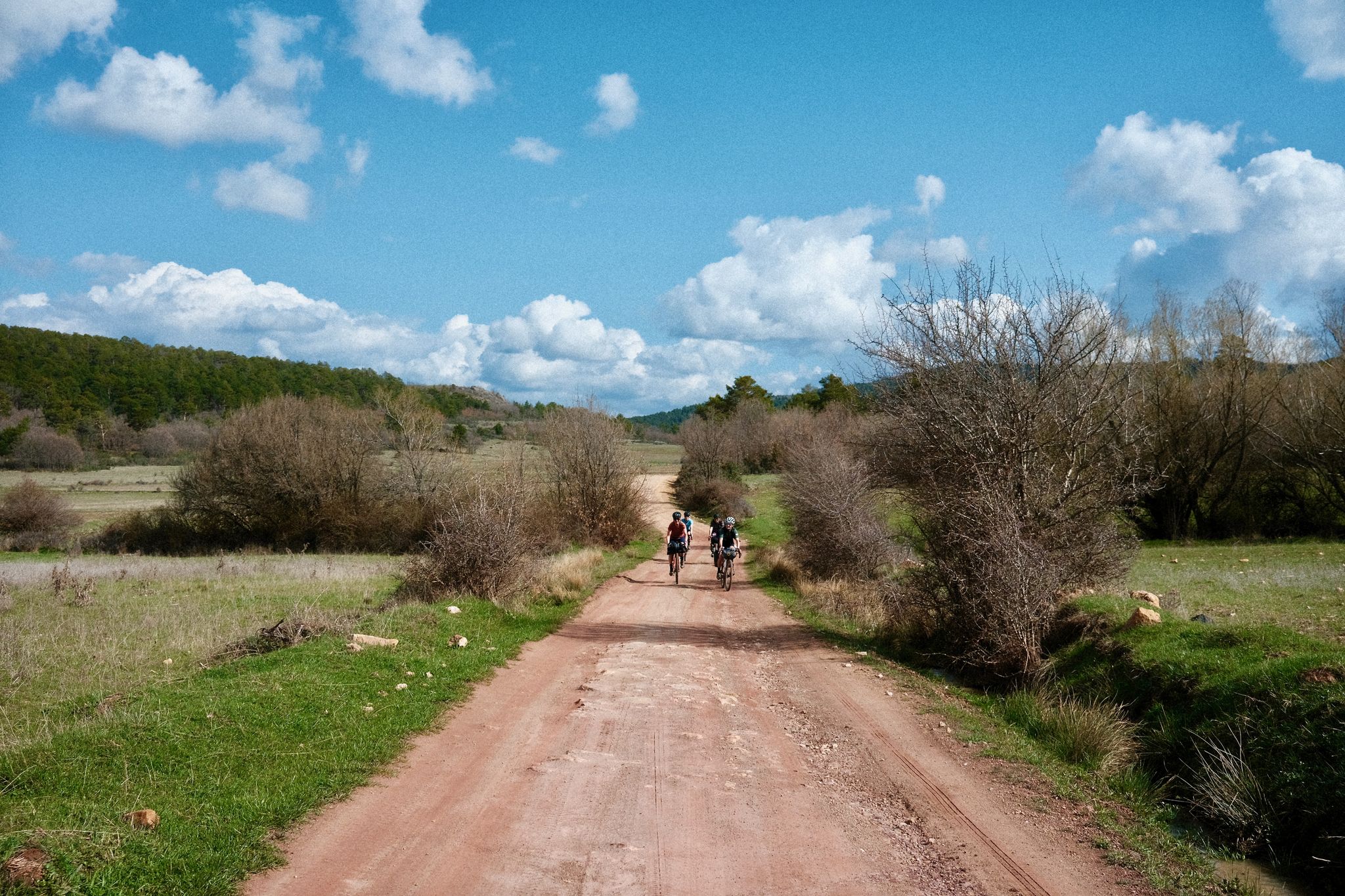
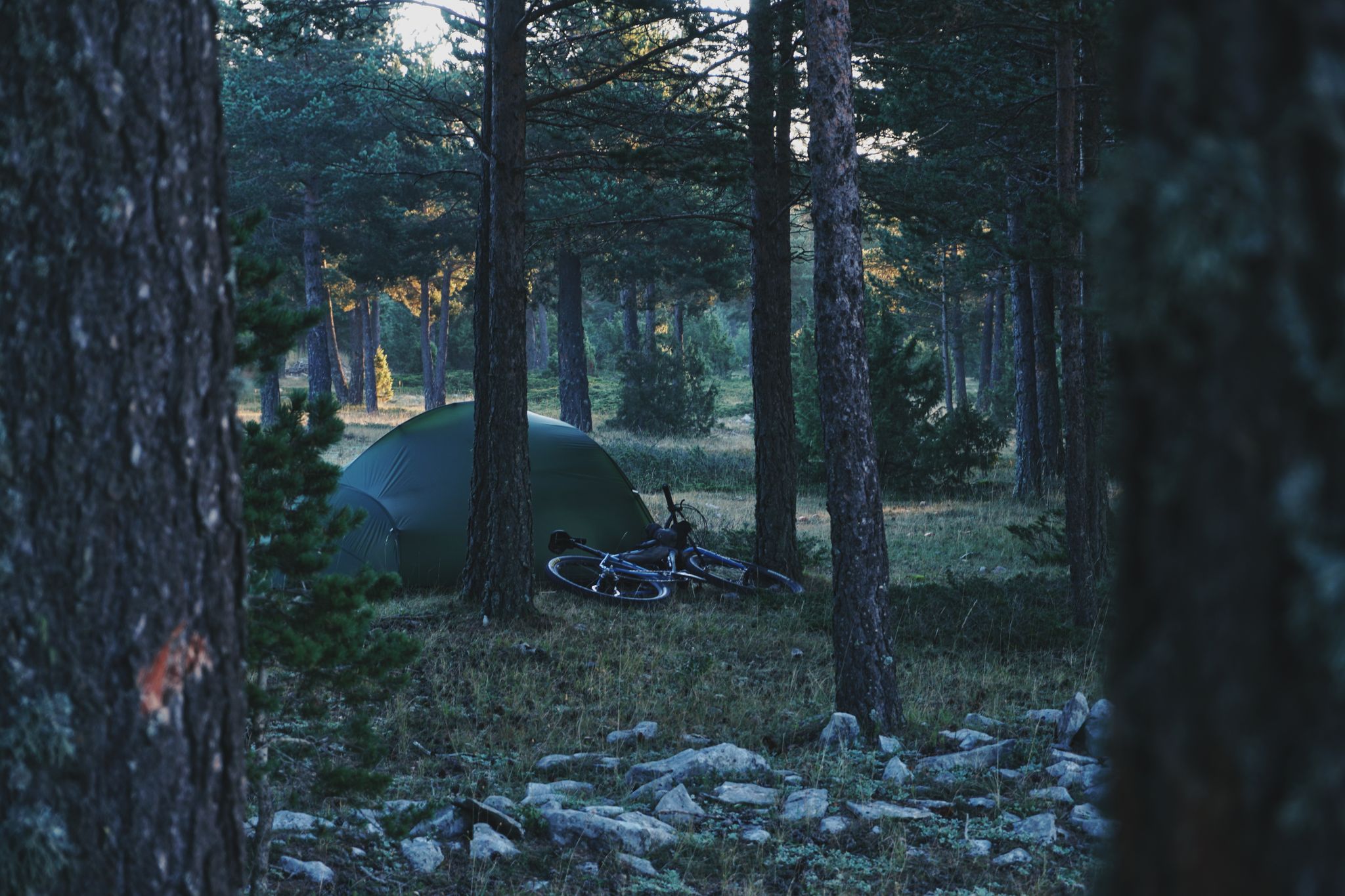
Women's Montañas Vacías 2022 — bikepack in rural Spain
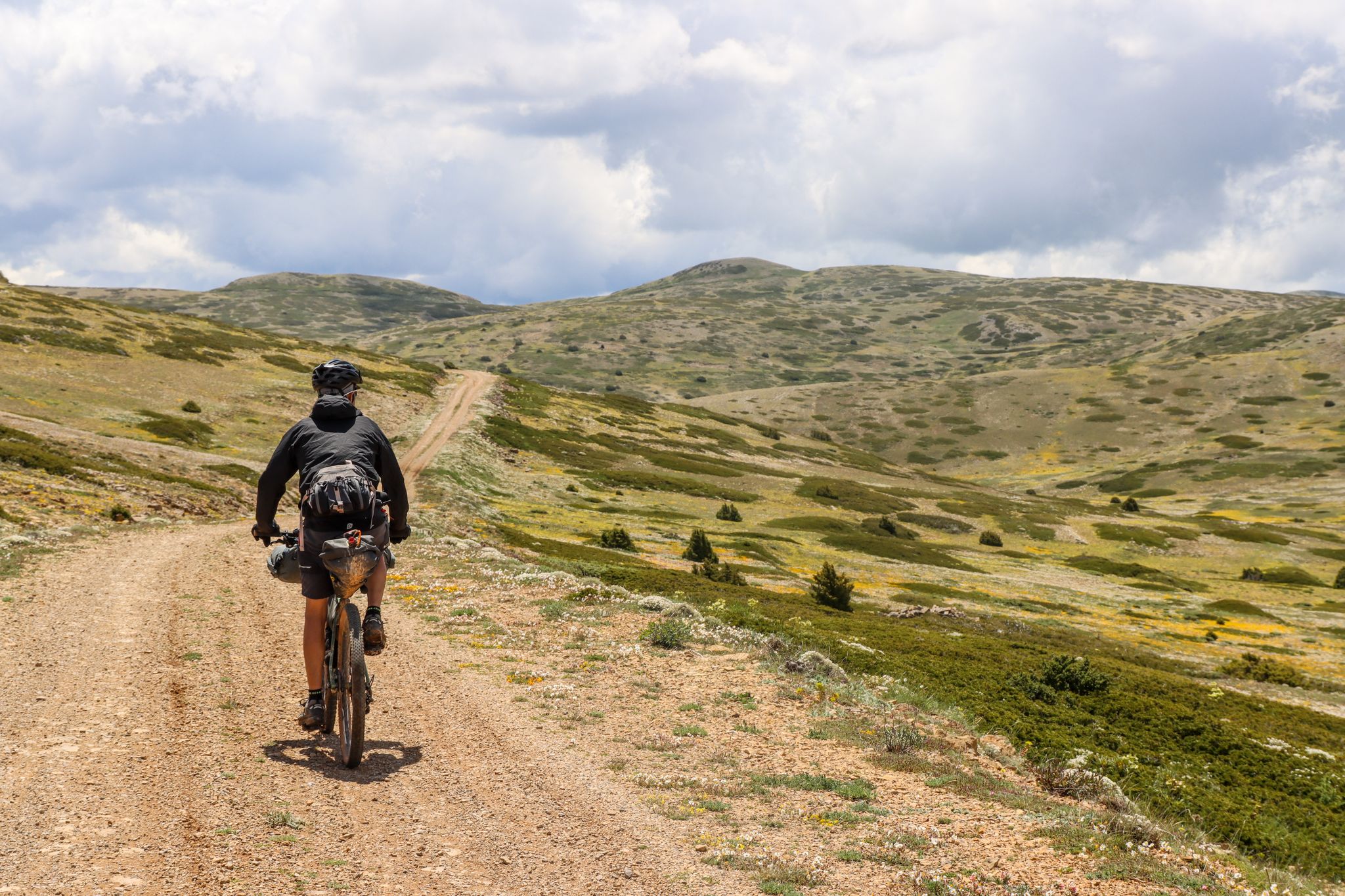
MontañasVacías official — bikepacking across the Spanish Lapland
Montañas Vacías — bikepacking the wild and remote 'Empty Mountains'
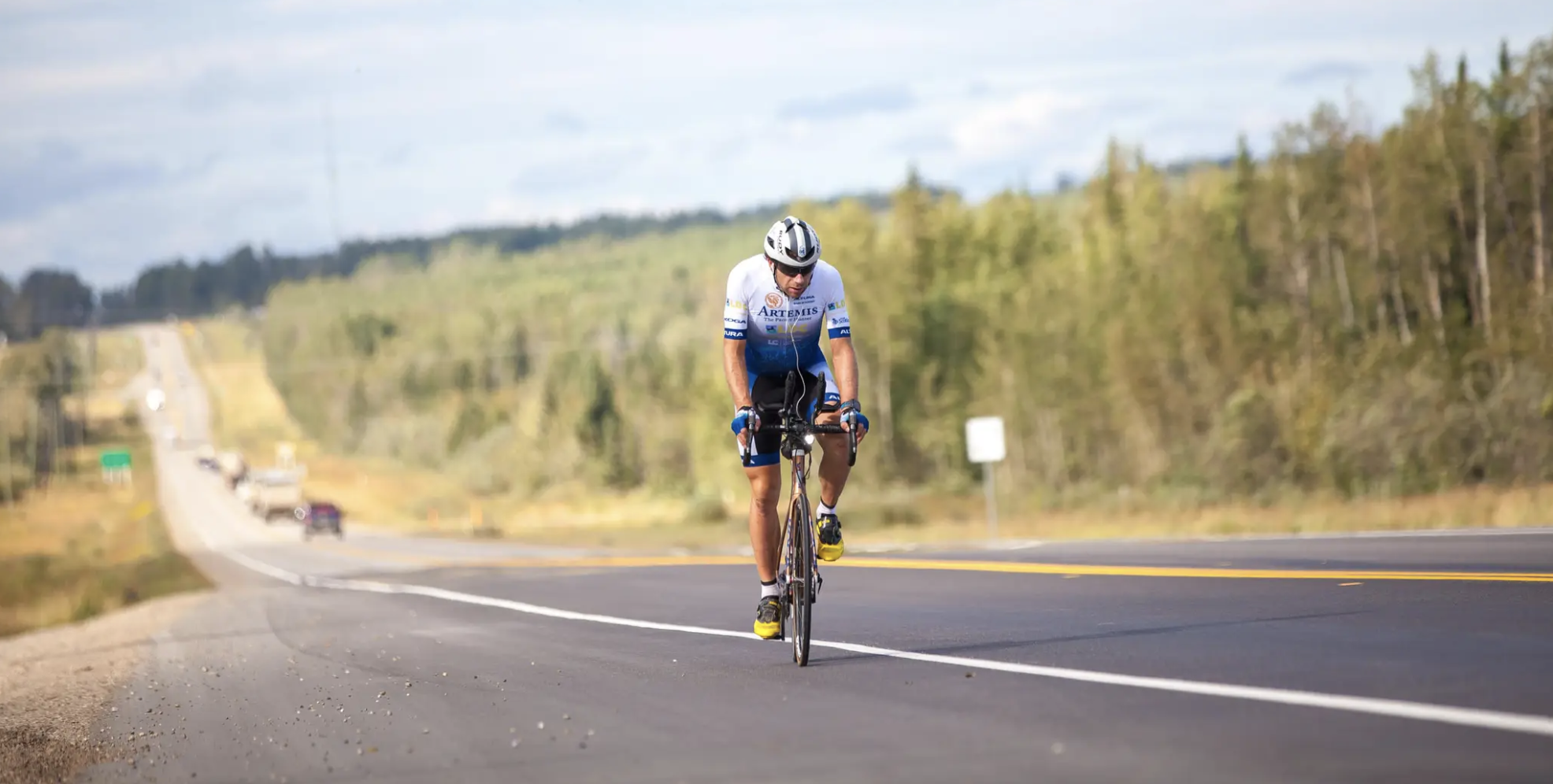
Around the World in 80 Days
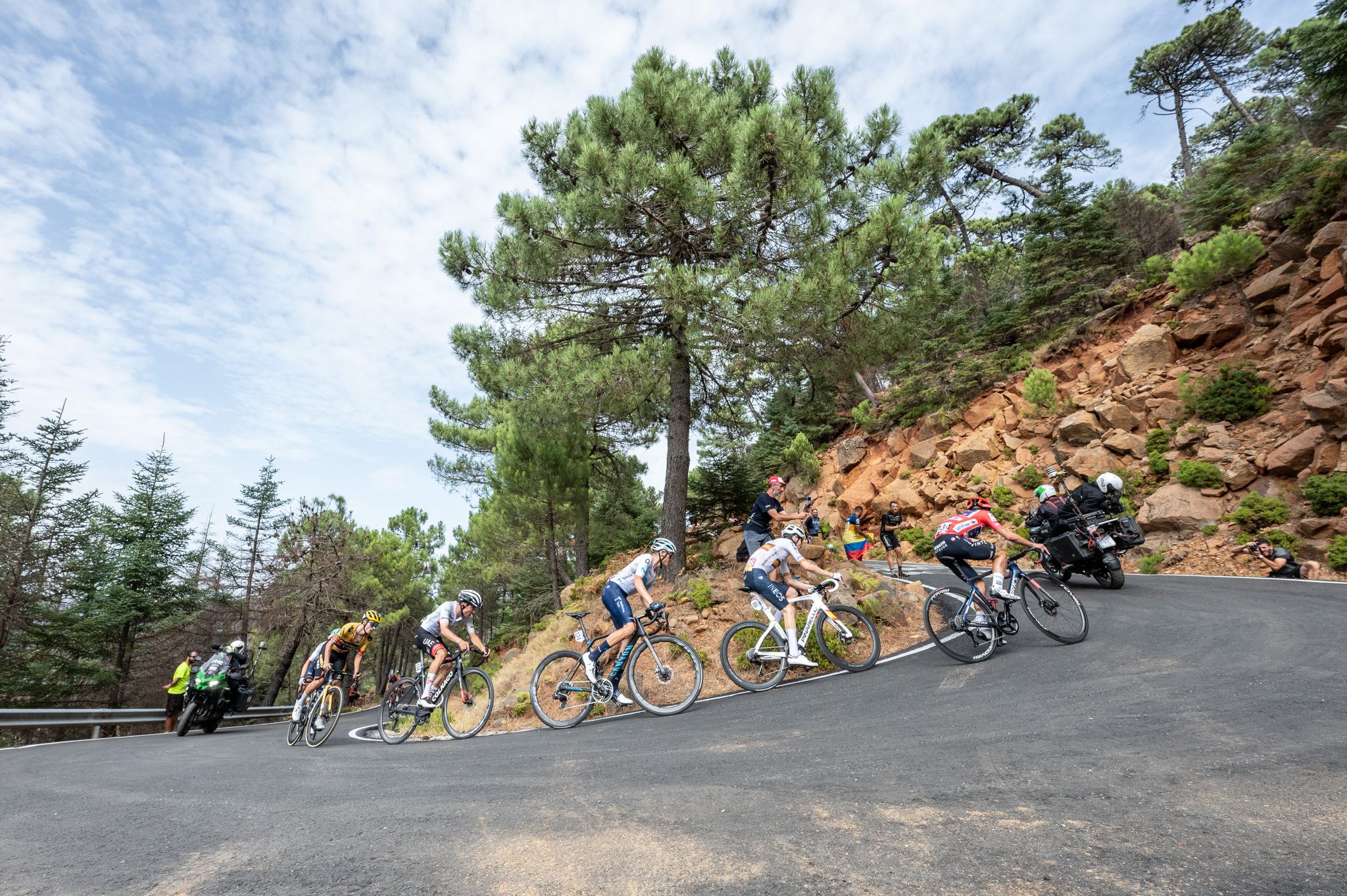
La Vuelta 26 — All Official Stages
Sigue la trashumancia — GR 164 Cañada Real Conquense o Los Serranos
Following in the footsteps of the Lusitanian leader — Viriato Path GR 63
Other adventures in Castile-La Mancha


Tips from the Community

Currently, it is not possible to climb to the castle because a tower has collapsed.
0
1

Pico de Noez, in the Sierra de Noez mountain range (municipality of Noez, Toledo), reaches an altitude of 1034 meters, making it the highest point in the central part of the province. It stands in isolation south of the Tagus River plain, within the Montes de Toledo mountain range. At the summit, there is a geodetic marker and a compass rose carved in granite, with inscriptions from the surrounding villages (Pulgar, Polán, Guadamur, etc.).
3
0
Calderico Hill rises from the plains of La Mancha, visible for miles around and giving Consuegra (Toledo) its distinctive character. Its most notable heritage features are the castle and the windmills that line its summit, following its longitudinal profile. The views of the windmills and castle are truly worth seeing.
2
0

If you go in summer or when it's hot, go up the shady side, it's all covered with pine trees.
0
1
The most popular route to ascend Pico Ocejón begins in Valverde de los Arroyos and is known for its scenic beauty and moderate difficulty. The hike is approximately 14.74 km and typically takes around 6 hours with stops. Along the way, hikers can enjoy spectacular views and the rich biodiversity of the area.
6
0
The Sierra de Alcaraz is part of the pre-Betic system, a subdivision of the Betic mountain ranges. The predominant vegetation includes reforested pine forests between 1,000 and 1,600 metres, and low scrub near the summit. The most common ascent route is along the south face, starting from the Pino de los Muchachos spring. Although it is not a difficult mountain to access, the climb requires some physical preparation.
5
0

The highest peak in the province of Guadalajara is a special place to admire the landscape in all directions. In winter, with the snow, it is even more beautiful, but at the same time more demanding due to the cold.
1
1

The climb is hard, but it is worth it. Although we were not lucky enough to see all the scenery that should be seen from that height. The descent is almost harder than the ascent.
1
0
Frequently Asked Questions
What are some of the most popular mountain peaks to visit in Castile-La Mancha?
Among the most appreciated peaks in Castile-La Mancha are Calderico Hill, known for its castle and windmills, and Noez Peak, offering extensive views of the plain and Montes de Toledo. For a more challenging experience, Pico del Lobo is the highest in the Sierra de Ayllón.
Are there challenging mountain routes in the Montes de Toledo region?
Yes, the Montes de Toledo region offers challenging routes. For example, Pico Rocigalgo is a challenging summit within this range, providing a rewarding experience for experienced hikers. You can also find difficult road cycling routes in the Montes de Toledo, such as the Montes de Toledo: Risco de las Paradas and El Robledillo Loop.
What is the best time of year to hike the mountain peaks in Castile-La Mancha?
The best time to hike in Castile-La Mancha generally depends on the specific peak and your tolerance for heat. Spring (April-May) and autumn (September-October) offer pleasant temperatures for most trails. For higher peaks like Pico del Lobo, summer mornings can be suitable, but always check local weather conditions. Winter hiking is possible, especially at lower altitudes, but higher peaks may require specific gear due to snow and ice.
Are there family-friendly mountain trails in Castile-La Mancha?
While specific 'family_friendly' tags aren't always present, many peaks offer accessible sections or shorter routes suitable for families. Peaks with historical sites like Calderico Hill (with its castle and windmills) or Almonacid Castle can be engaging for children, combining light walking with exploration. Always check the difficulty rating and length of a specific route before heading out with family.
What kind of wildlife can be observed in the Castile-La Mancha mountains?
The diverse landscapes of Castile-La Mancha, from plains to mountain ranges, support a variety of wildlife. While specific sightings depend on the area and season, you might encounter various bird species, including raptors, especially around viewpoints like Pico del Águila. Mammals such as deer, wild boar, and various smaller species also inhabit the more secluded mountain areas.
What outdoor activities can I do near the mountain peaks in Castile-La Mancha?
Beyond hiking, Castile-La Mancha offers a range of outdoor activities. You can explore numerous MTB Trails, including routes like the Embalse del Vicario Loop. Road cycling is also popular, with challenging routes such as the Ciudad Encantada y Ventano del Diablo circular from Cuenca. For runners, there are dedicated Running Trails, including the Cuenca - running circular along the Jucar river path.
Are there any hidden gem mountain trails in the Cuenca province?
While the guide focuses on peaks, the province of Cuenca is known for its unique geological formations and natural parks. For trails, consider exploring the Parque Natural de la Serranía de Cuenca, which offers a trail run circular from Uña via the Escalerón path to La Raya. These areas often contain less-trafficked paths that reveal stunning natural beauty.
What is the highest peak in the Sierra de Ayllón and Guadalajara province?
The highest peak in both the Sierra de Ayllón and the province of Guadalajara is Pico del Lobo, standing at 2,274 meters. It serves as a natural boundary between the provinces of Guadalajara and Segovia and is a popular destination for challenging hikes.
Can I find circular hiking routes in the Sierra Morena region?
While specific circular routes for Sierra Morena are not detailed in the provided data, the region is known for its extensive natural parks and hiking opportunities. Komoot offers various routes in the broader Castile-La Mancha area, and you can often find circular options by exploring the MTB Trails in Castile-La Mancha or Running Trails in Castile-La Mancha, which may include hiking-friendly paths.
What historical sites can be found on or near mountain peaks in Castile-La Mancha?
Castile-La Mancha's peaks often feature historical elements. Calderico Hill in Consuegra is notable for its well-preserved castle and iconic windmills. Similarly, Almonacid Castle is another historical site located on an elevated position, offering both cultural interest and panoramic views.
What are the views like from Pico Ocejón?
From Pico Ocejón, at 2049 meters, hikers can expect stunning landscapes and panoramic views of the surrounding nature. Its prominence on the southern slope of the Sierra de Ayllón makes it visible from a large part of Guadalajara province, and its summit offers expansive vistas of the region's biodiversity.
Are there any peaks that offer extraordinary viewpoints of Guadalajara and Madrid?
Yes, Pico del Águila provides an extraordinary viewpoint. From its summit, you can see Guadalajara clearly, and in the distance, even catch glimpses of Madrid. It also offers views of the neighboring Peña Hueva, Iriepal, and the Torija Valley.
Most popular routes in Castile-La Mancha
Most popular attractions in Castile-La Mancha

Get inspired with the komoot mobile app


Didn’t find what you were looking for?
Discover Castile-La Mancha’s best peaks and summits by region:
Explore more
See even more amazing summits in Castile-La Mancha with these guides:
