Top 20 Natural Monuments in Basque Country
Best natural monuments in Basque Country showcase a diverse landscape characterized by dramatic coastlines, ancient forests, and impressive geological formations. This region in northern Spain features a varied terrain, from the Cantabrian Sea's rugged shores to inland mountains and river estuaries. Its natural features are often intertwined with cultural and historical significance, offering a rich environment for exploration. The area provides numerous opportunities to observe unique ecosystems and geological wonders.
Best natural monuments in Basque Country
- The most popular natural monument is Saint John of Gaztelugatxe, a historical site and natural monument featuring an islet with a hermitage. The ascent to the hermitage consists of 241 steps and offers views of the Cantabrian coast.
- Another must-see spot is Algorri Flysch, a natural monument with rock structures formed by alternating layers of sediments. These formations reveal millions of years of Earth's history along the coast.
- Visitors also love La Arena Beach, a beach known for its large sandbank. It is known for its extensive sandy areas and is a notable spot for surfing.
- Basque Country is known for its geological formations, coastal features, and diverse forests. The region offers a variety of natural monuments to see and explore, from unique rock structures to significant wetlands and mountain peaks.
- The natural monuments in Basque Country are appreciated by the komoot community, with more than 400 highlights and over 400 upvotes. Many visitors have shared more than 180 photos, highlighting the appeal of these natural sites.
Last updated: October 13, 2026
Algorri Flysch
Highlight • Natural Monument
Translated by Google •
Tip by

Saint John of Gaztelugatxe
Highlight (Segment) • Historical Site
Translated by Google •
Tip by

Sign up now to discover places like this
Get recommendations on the best single tracks, peaks, & plenty of other exciting outdoor places.
La Arena Beach
Highlight • Beach
Translated by Google •
Tip by
San Telmo Hermitage
Highlight • Religious Site
Translated by Google •
Tip by

San Juan de Gaztelugatxe
Highlight • Religious Site
Showing Translation
Tip by

Artzubi Bridge
Highlight • Bridge
The itinerary of the Camino de Santiago from the north or from the coast runs over it.
Translated by Google •
Tip by

Old Tree of Gernika (Gernikako Arbola)
Highlight • Natural Monument
Translated by Google •
Tip by

Anboto (1,331 m)
Highlight • Summit
Translated by Google •
Tip by
Oma Forest
Highlight • Forest
The work, located in the town of Kortezubi (Bizkaia), is made up of several sets of geometric motifs and figures painted on the trunk of radiata pine trees. The use of natural living supports, the play of two-three-dimensionality and the experience of placing the visitor at the center of the work of art through his discovery, as well as the diversity of responses it proposes, make this work a reference of the Art and Nature movement and of Basque Art in particular.
Translated by Google •
Tip by

Butrón Castle
Highlight • Castle
Translated by Google •
Tip by

Sign up for free to discover even more natural monuments in Basque Country.
Already have an account?
Start today with a free account
Your next adventure awaits.
Popular around Basque Country
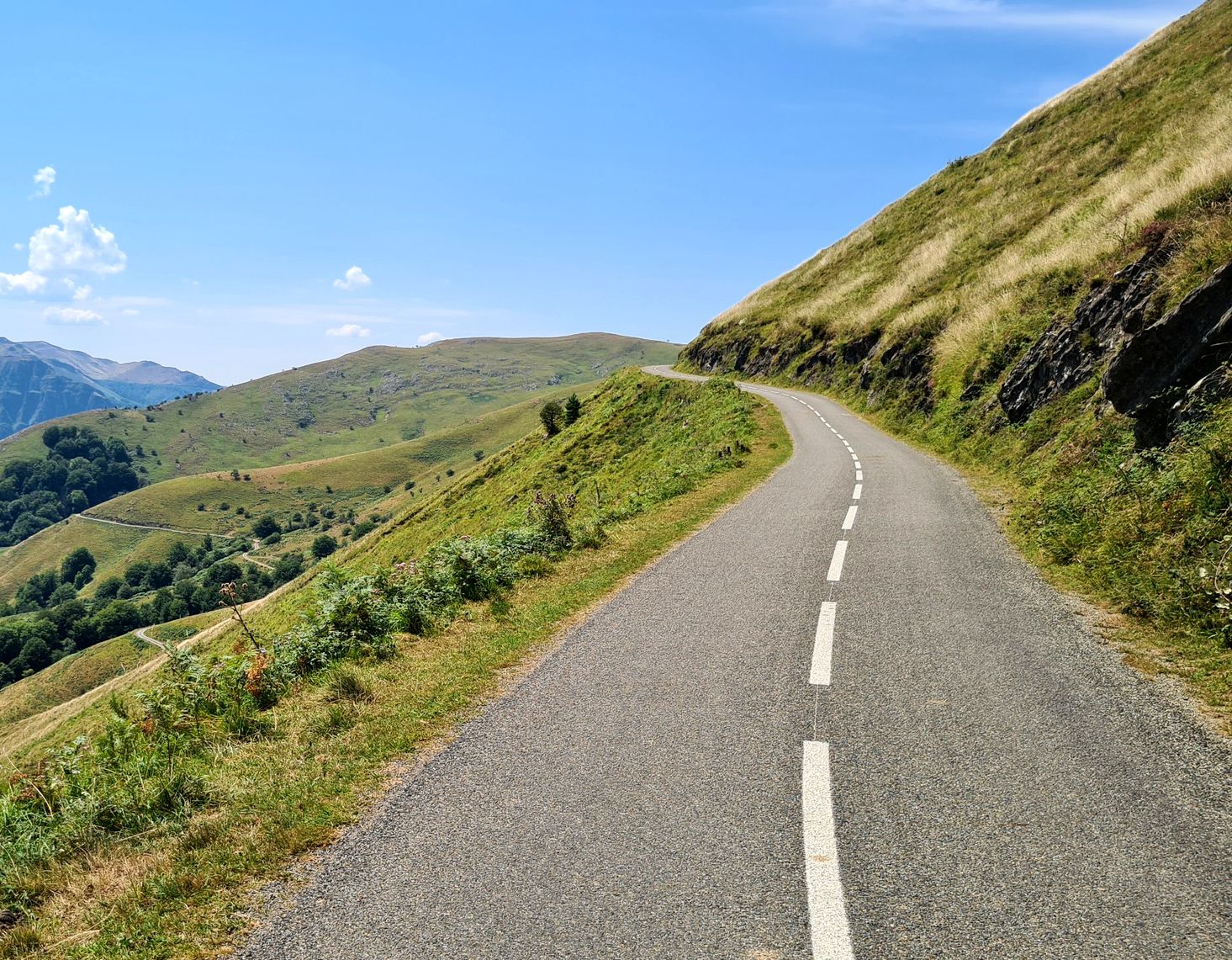
Basque Country mountain passes – Panorama rides
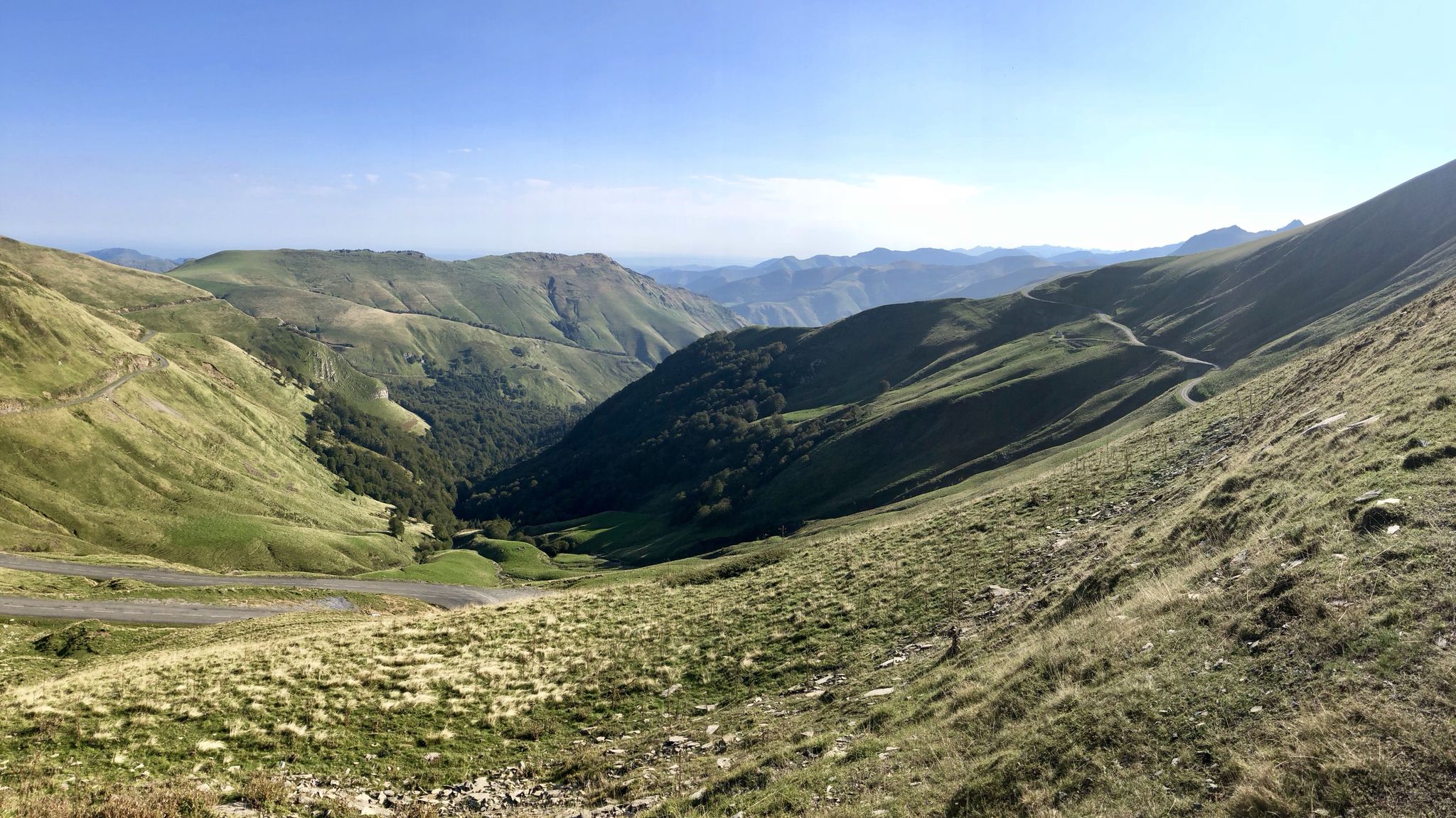
Euskal Herria footpath (GR 12) – The infinite mountain range
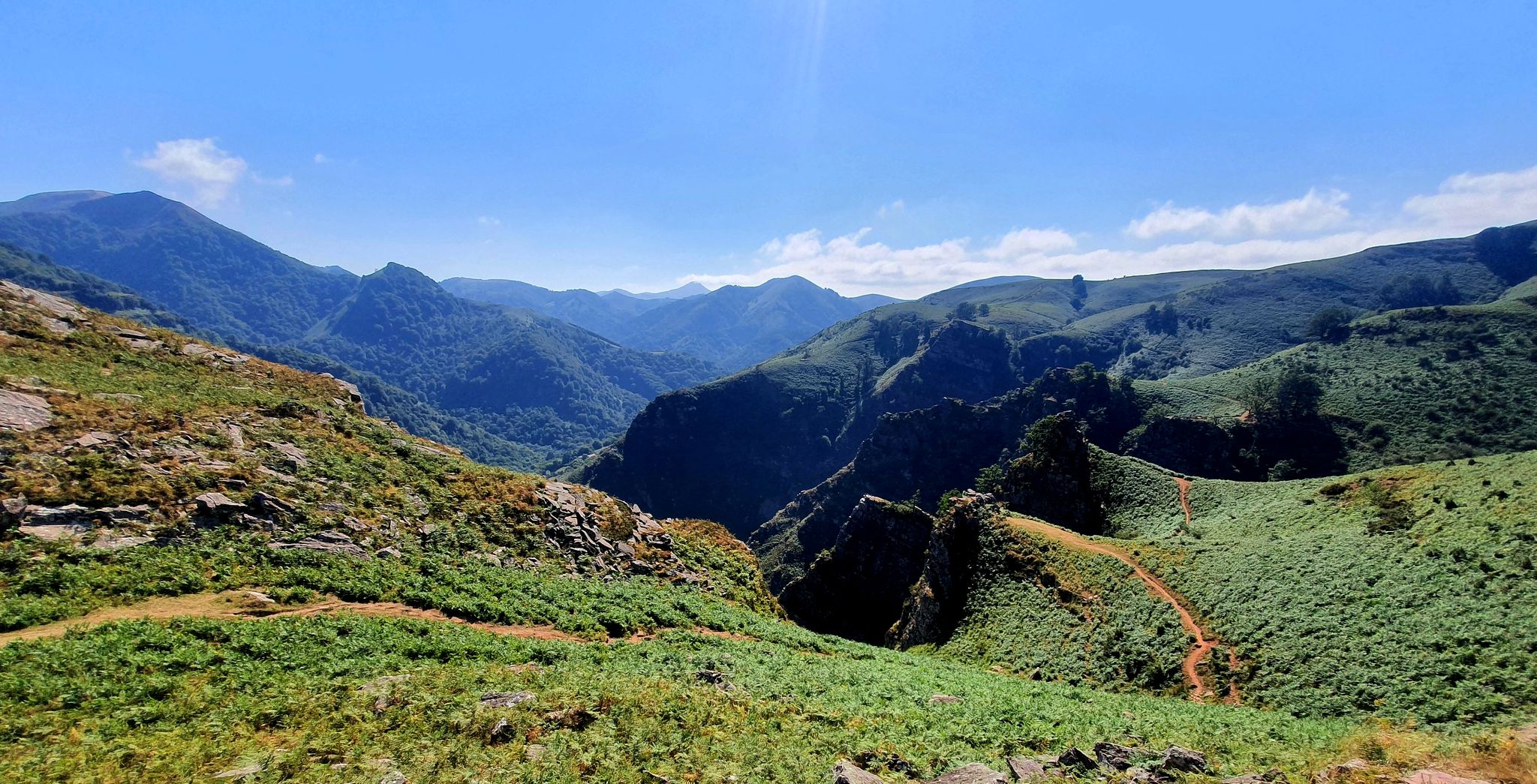
A land rich in character – running in the Basque Country
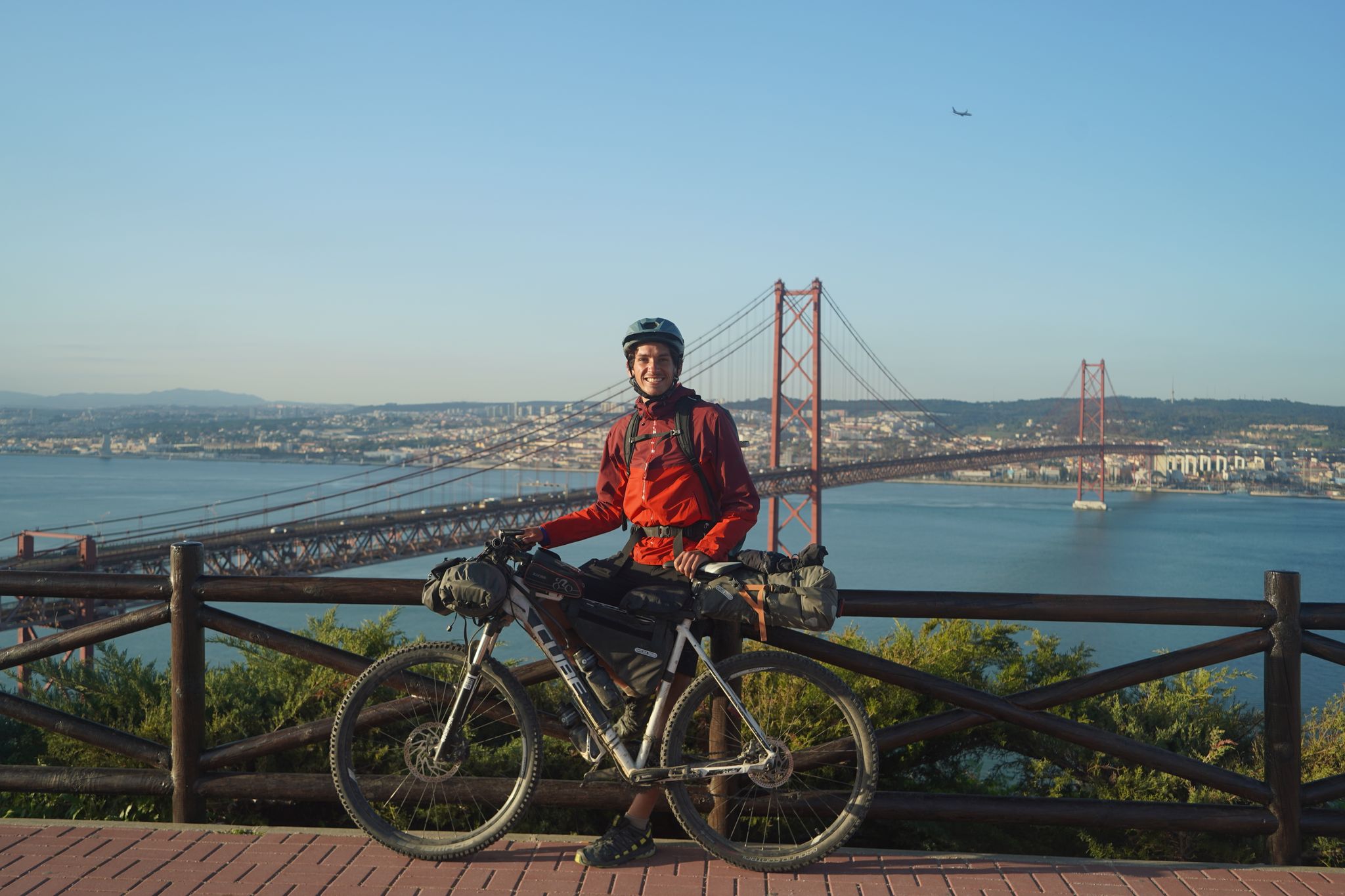
Road to Lisbon – bikepacking the Alps, Pyrenees and Picos de Europa
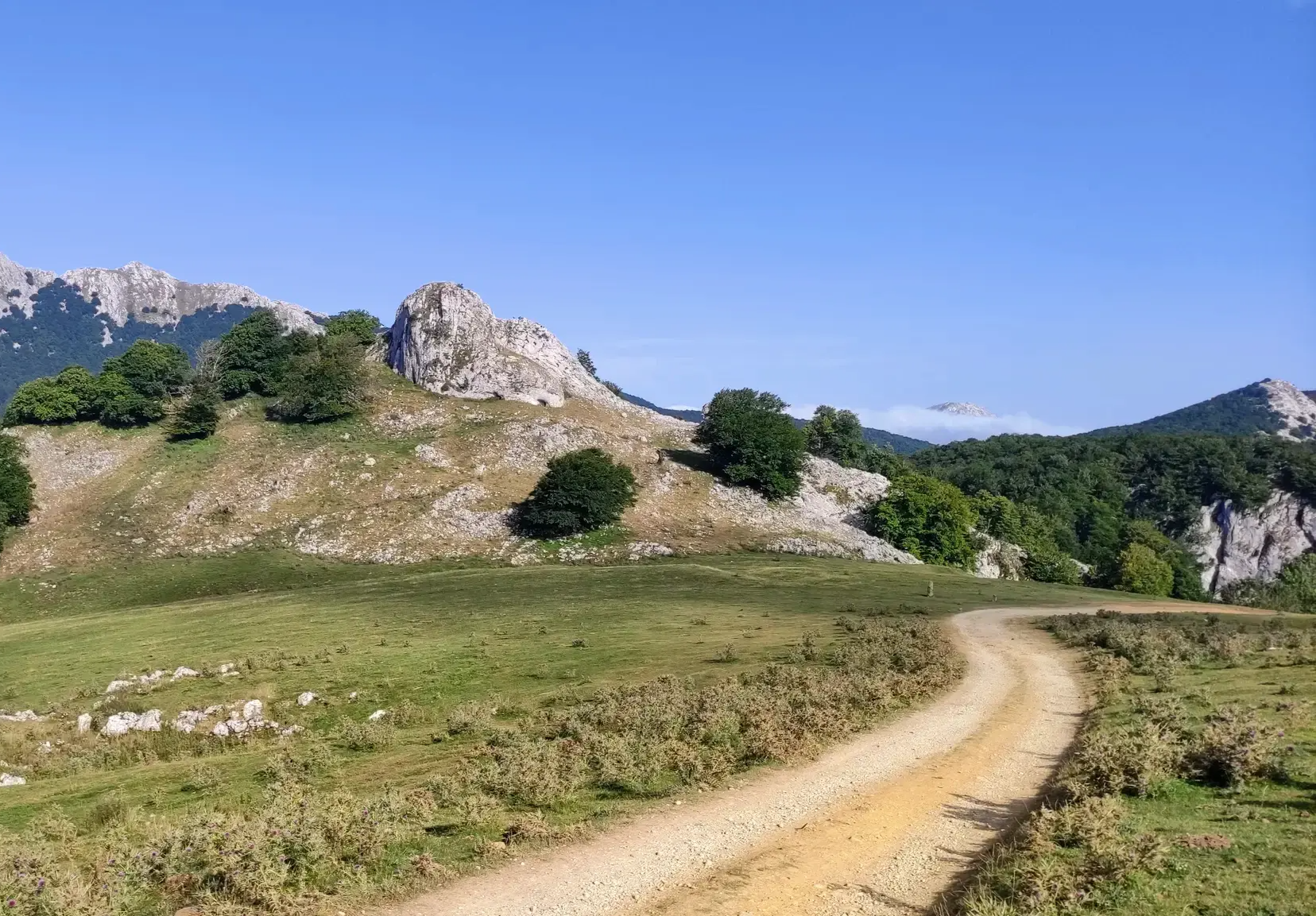
The Ignatian Way - In the footsteps of Ignatius of Loyola
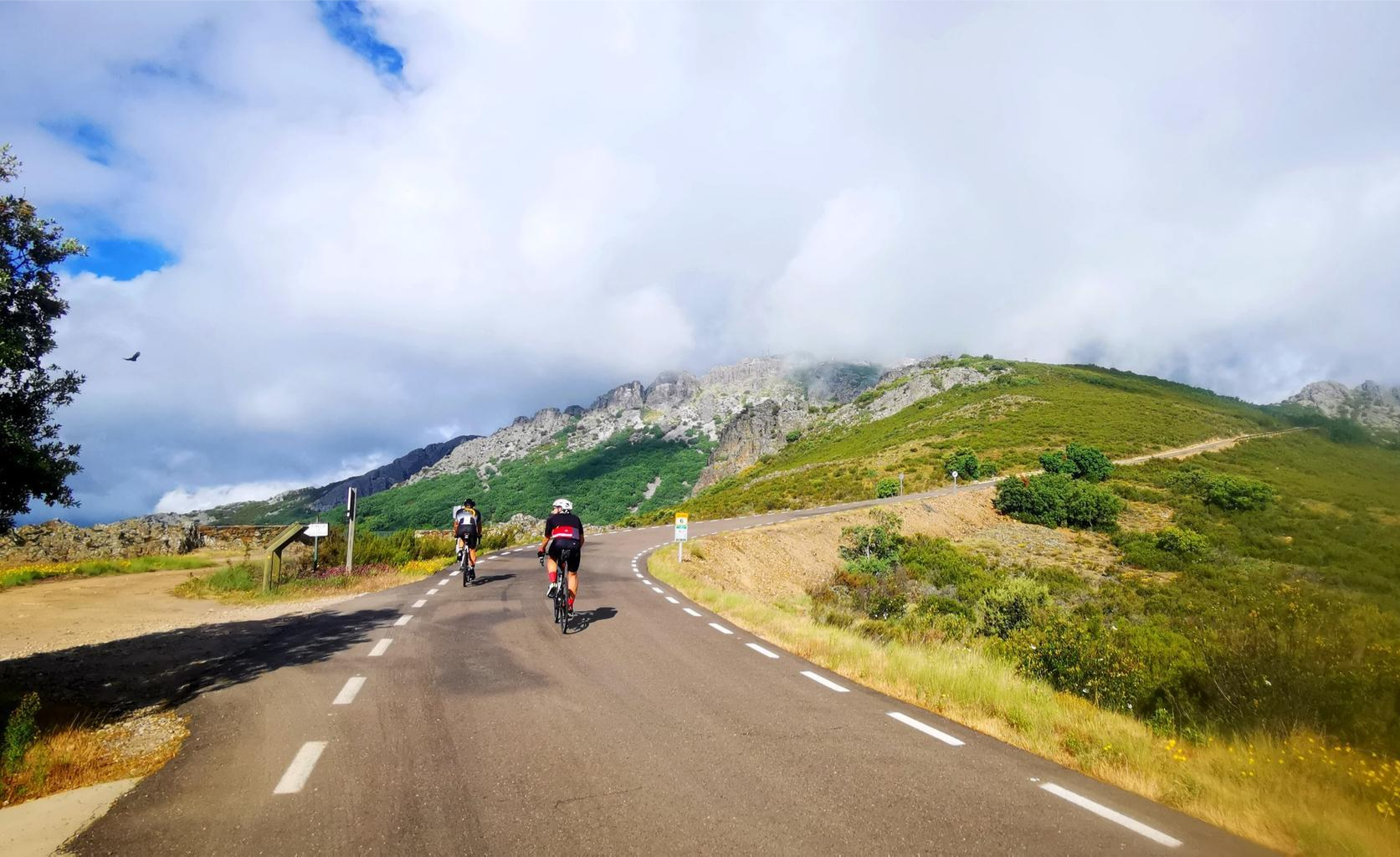
Legendary climbs - Ports of La Vuelta a España
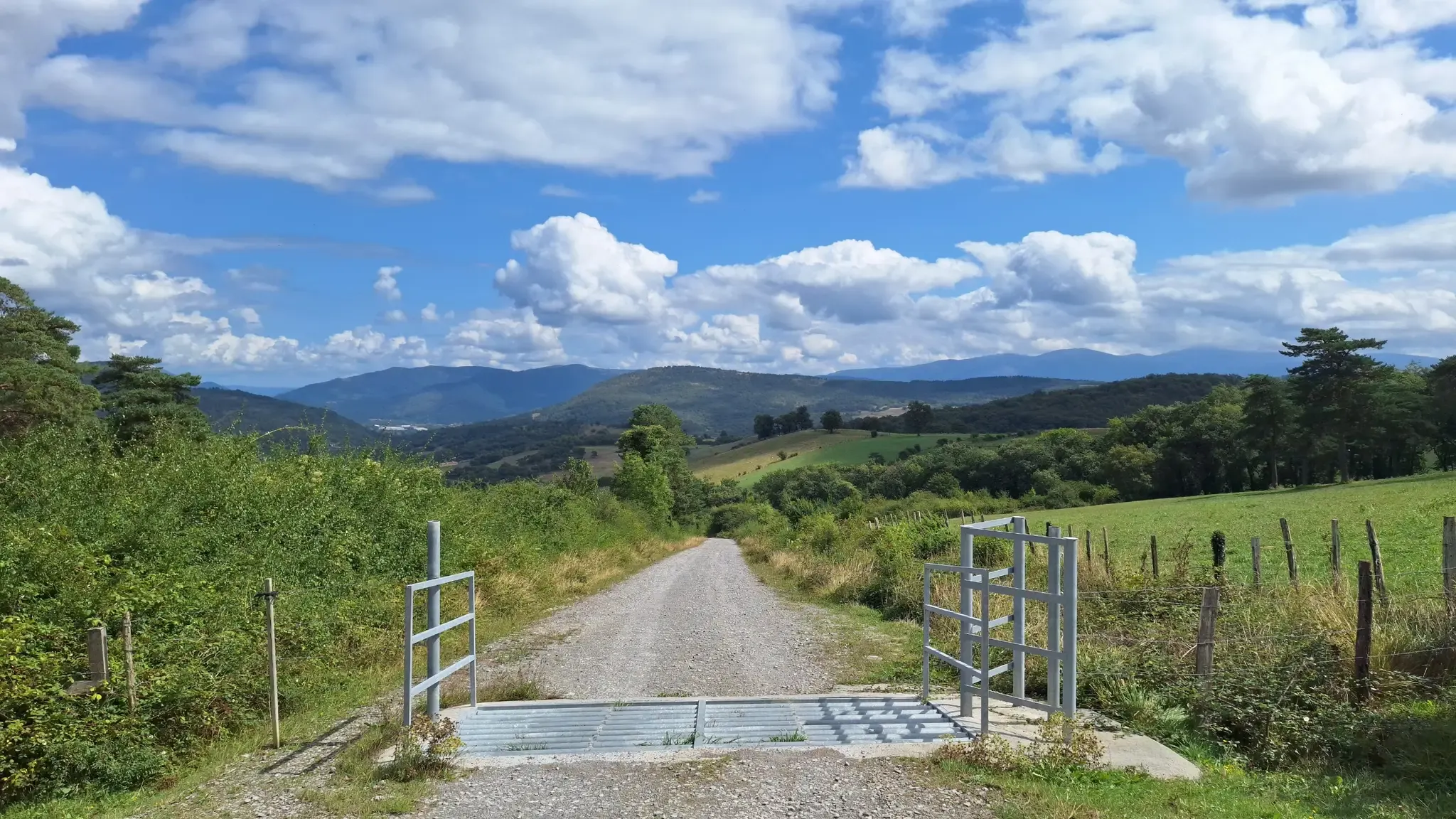
Royal Road of La Sopeña - GR 284
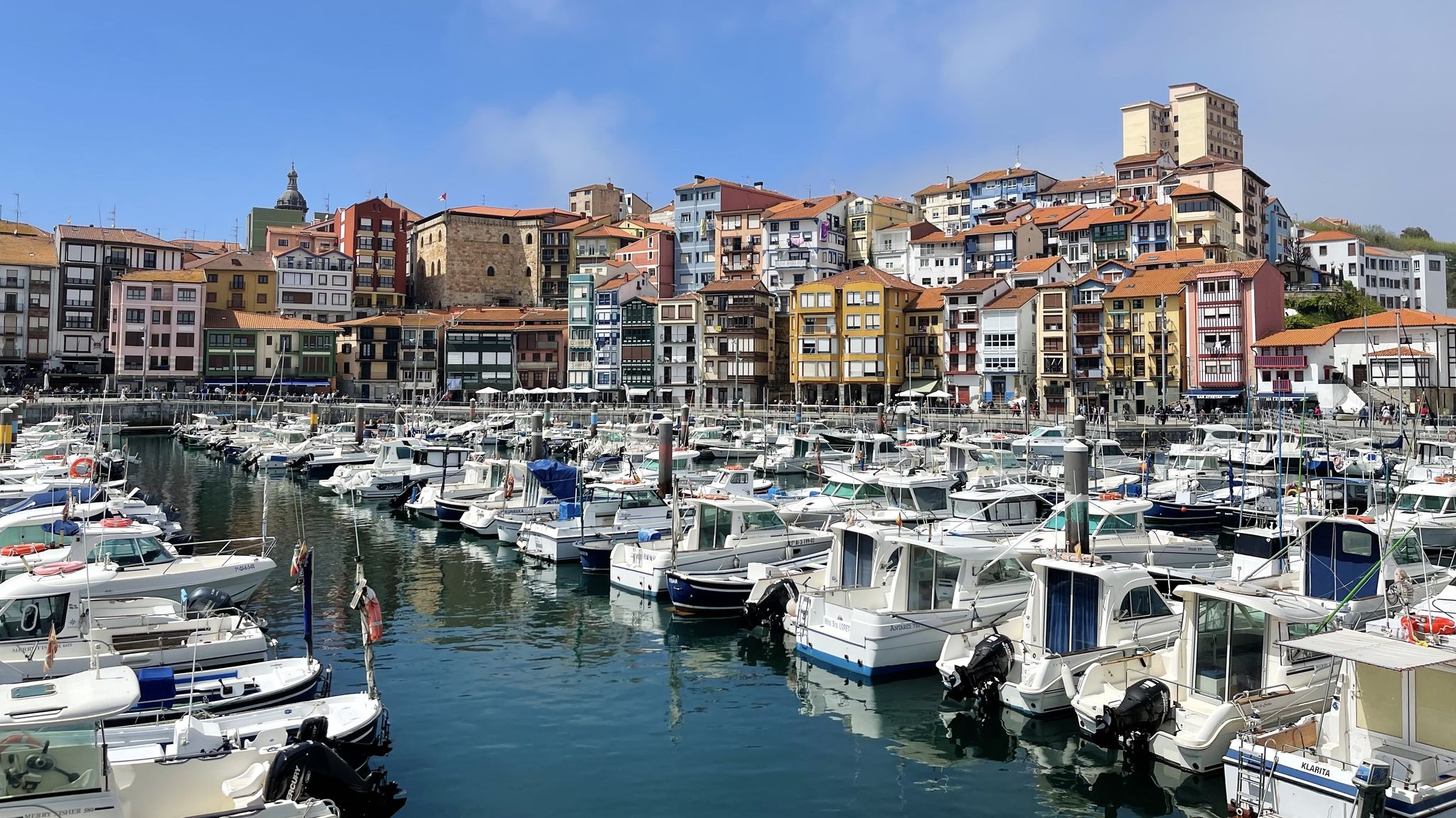
Nature and Culture — The Tour of Urdaibai (GR 98)
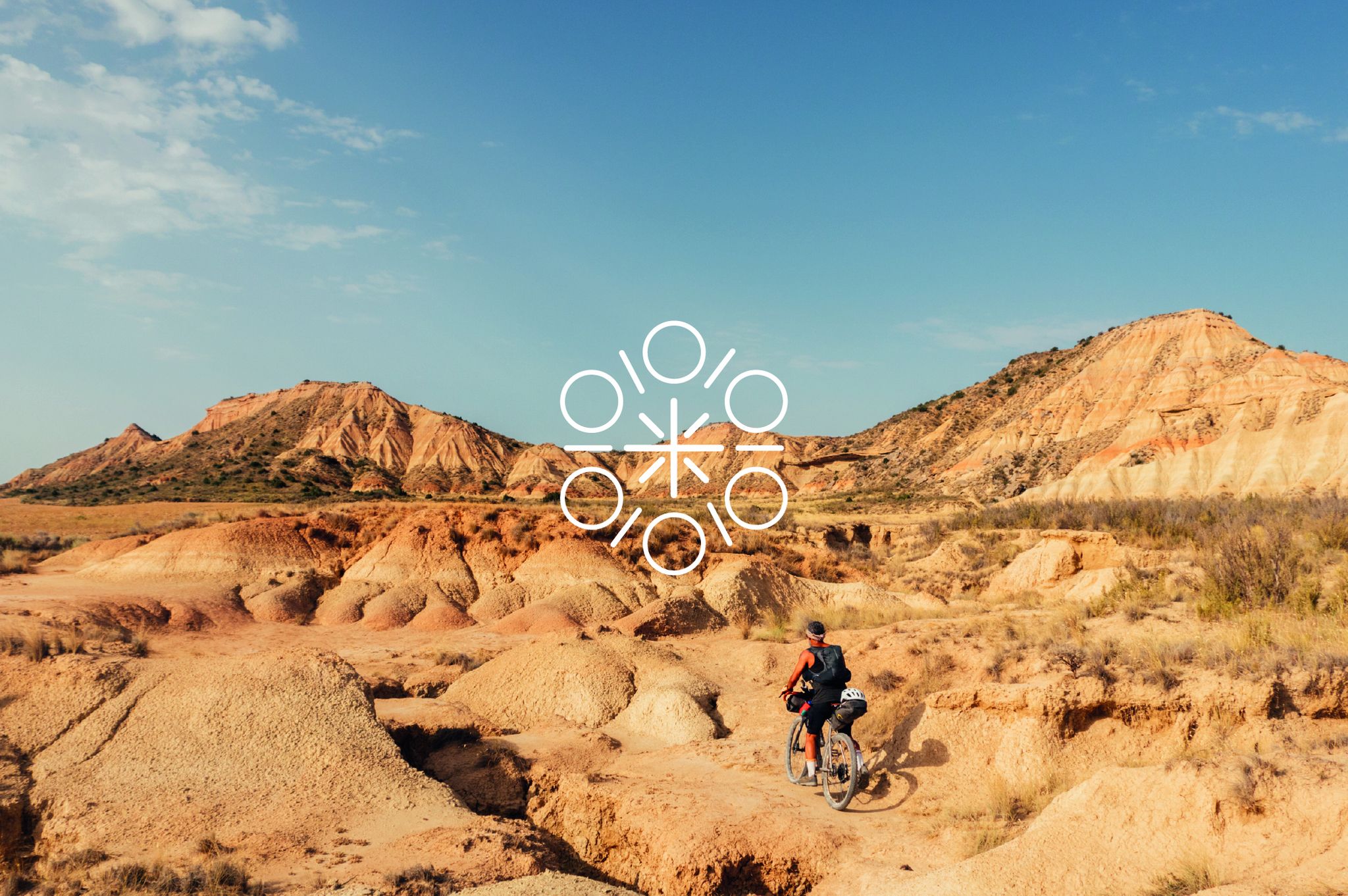
Zazpiak Bat Packing – a cycling adventure in the Basque Country
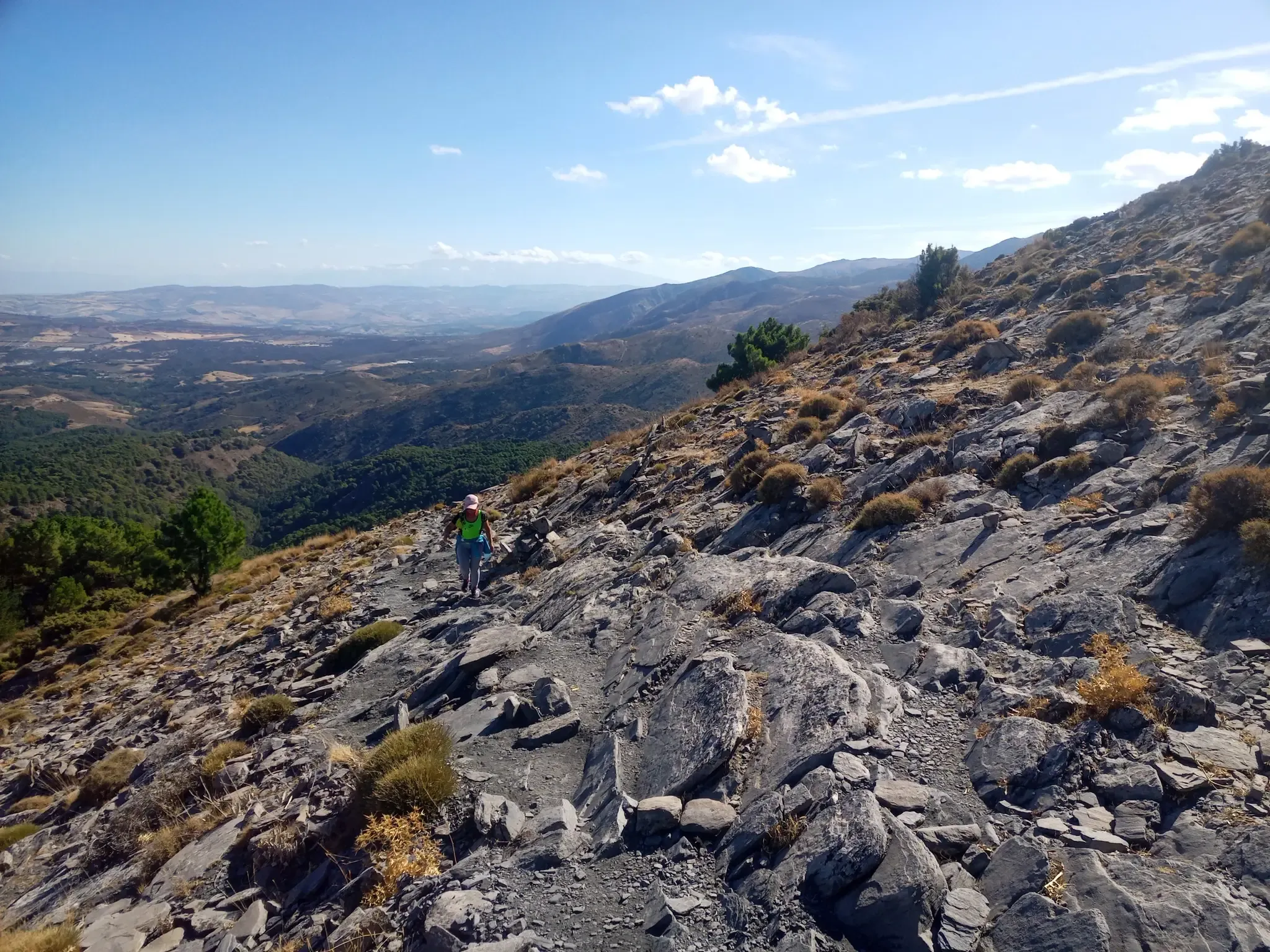
12 hiking gems throughout Spain
Other adventures in Basque Country


Tips from the Community


Popularized by Game of Thrones, the long stone bridge connecting the island to the mainland follows a narrow path with no less than 241 steps to the hermitage/castle San Juan located on the island's summit.
12
0
Popularized by Game of Thrones, the long stone bridge connecting the island to the mainland follows a narrow path with no less than 241 steps to the hermitage/castle of San Juan located on the island's summit.
12
0

A visit to the renovated Oma forest is highly recommended. There are 32 marked points on the ground, which even indicate the direction to look to see the visual combinations between the trees.
1
0

The short hike up to the chapel is very worthwhile. It is quite strenuous, but the views of the coast make up for it. A great place that you should definitely see.
3
0
The castle is gigantic and beautiful to look at, unfortunately it has been surrounded by a construction fence for ages. Unfortunately, you can't see much. Whether the detour is worth it, everyone has to decide for themselves.
0
0

Definitely a highlight, but unfortunately, the castle was covered in scaffolding when I visited. The castle dates back to the Middle Ages but was later almost completely rebuilt.
0
0
Frequently Asked Questions
What are some of the most popular natural monuments in Basque Country?
Among the most popular natural monuments are Saint John of Gaztelugatxe, an islet with a hermitage reached by 241 steps, and Algorri Flysch, known for its impressive rock structures revealing millions of years of Earth's history. Visitors also enjoy La Arena Beach, a large sandbank popular for surfing.
Are there natural monuments suitable for families in Basque Country?
Yes, several natural monuments are family-friendly. La Arena Beach is a great option with its extensive sandy areas. The Oma Forest, also known as the 'Painted Forest,' offers a unique artistic and natural experience that can be enjoyed by all ages.
What unique geological features can I explore in the Basque Country?
The Basque Country is rich in geological wonders. The Algorri Flysch in Zumaia is an outstanding example, where sedimentary layers resemble a book, revealing 60 million years of Earth's history, including evidence of the K-Pg boundary. The Salto del Nervión area is also recognized as a Geological Site of Interest due to its significant structural formations.
Where can I see impressive waterfalls in the Basque Country?
The most impressive waterfall is the Salto del Nervión, the highest on the Iberian Peninsula, with a 222-meter drop. Its flow is seasonal, making it most spectacular during rainy periods or snowmelt. You can find hiking routes to experience this natural wonder, such as the 'Salto del Nervion — circular from Untza' route, which you can explore in the Waterfall hikes in Basque Country guide.
What kind of wildlife can be observed in the natural monuments of Basque Country?
The region's diverse natural monuments are home to various wildlife. At Salto del Nervión, you can often spot griffon vultures. The Urdaibai Biosphere Reserve is a crucial resting and wintering ground for numerous migratory birds like grey herons, cormorants, and spoonbills. Gorbeia Natural Park hosts deer, roe deer, and wild boar, while Urkiola Natural Park is home to dormice, martens, and foxes.
Are there challenging hikes or climbs in the natural monument areas?
Yes, for those seeking a challenge, the ascent to Anboto (1,331 m) in Urkiola Natural Park offers demanding terrain, especially when wet. The 241 steps to Saint John of Gaztelugatxe also present a strenuous climb with rewarding views. The Ganalto Summit Cross is another challenging climb with great viewpoints.
What is the best time to visit the natural monuments in Basque Country?
The best time to visit depends on the specific monument and your interests. For the Salto del Nervión waterfall, spring (after snowmelt) or autumn (after heavy rains) offers the most spectacular flow. Coastal areas like the Flysch of Zumaia are enjoyable year-round, though checking tide times is crucial for beach access. Summer provides warmer weather for beaches and general outdoor activities, while spring and autumn are ideal for hiking with milder temperatures.
Can I find historical or cultural sites within the natural monument areas?
Many natural monuments in the Basque Country are intertwined with history and culture. Saint John of Gaztelugatxe is a historical site with a hermitage dating back to the 10th century. Pagoeta Natural Park features the reconstructed Agorregi Forge, demonstrating 15th-century iron production, and prehistoric archaeological remnants. Urdaibai Biosphere Reserve includes the Santimamiñe cave with its notable cave paintings.
Are there opportunities for cycling near the natural monuments?
Yes, the Basque Country offers various cycling opportunities. You can find gravel biking routes that explore the region's landscapes. For example, the 'Coastal gravel route from Zarautz to Lekeitio' or routes around the Ullibarri-Gamboa Reservoir. More details on these can be found in the Gravel biking in Basque Country guide.
What makes the Flysch of Zumaia so significant?
The Flysch of Zumaia, part of the Basque Coast Geopark, is globally significant because its sedimentary layers, exposed along the coast, provide an unparalleled geological record spanning 60 million years. These formations offer insights into major Earth events, including the K-Pg boundary linked to the dinosaur extinction. It's a unique natural archive for geologists and visitors alike. You can learn more about this geological wonder on Wikipedia.
What are some lesser-known natural monuments or 'hidden gems' in the region?
While popular sites draw crowds, the Armañón Natural Park is a hidden gem known for its dramatic karst landscapes and extensive cave network. Its most famous attraction, the Pozalagua cave, boasts one of the world's largest concentrations of eccentric stalactites, offering a unique underground experience.
Are there any natural parks that combine natural beauty with human history?
Pagoeta Natural Park is a prime example, showcasing both rugged natural beauty and the impact of human intervention. Beyond its natural forests and diverse flora and fauna, it features the reconstructed Agorregi Forge, offering a glimpse into 15th-century iron production, and prehistoric archaeological sites like dolmens.
What do visitors say about the natural monuments in Basque Country?
Visitors frequently praise the breathtaking views, especially from spots like Saint John of Gaztelugatxe and Jaizkibel Summit. Many highlight the unique geological formations of the Flysch as a 'time travel' experience. The wild beauty of the Cantabrian coast and the diverse ecosystems for birdwatching and hiking are also commonly appreciated.
Most popular routes in Basque Country
Most popular attractions in Basque Country

Get inspired with the komoot mobile app


Didn’t find what you were looking for?
Find even more amazing natural monuments in Basque Country by checking out the top Highlights region by region:
Explore more
Extend your search for the best caves by checking out these guides of the top ones in Basque Country:
