Top 20 Caves in Castile and León
Best caves in Castile and León are found within a region characterized by its vast plains, mountain ranges, and significant river systems. This autonomous community in Spain features diverse geological formations, including numerous natural and man-made underground structures. Many of these caves hold historical importance, often linked to ancient mining activities or religious practices. The varied landscape provides opportunities to explore different types of underground environments.
Best caves in Castile and León
- The most popular caves is Orellán Galleries,…
Last updated: July 1, 2026
Orellán Galleries
Highlight • Historical Site
Translated by Google •
Tip by

La Encantada Cave and La Cuevona
Highlight • Cave
Translated by Google •
Tip by
Sign up now to discover places like this
Get recommendations on the best single tracks, peaks, & plenty of other exciting outdoor places.
Sign up for free
Bodegas de Moratinos
Highlight • Structure
Translated by Google •
Tip by

Natural Rock Arch of Puentedey
Highlight • Natural Monument
Translated by Google •
Tip by

Hermitage of San Saturio
Highlight • Religious Site
Translated by Google •
Tip by
Turquoise Pools and Waterfalls of Orbaneja del Castillo
Highlight • Waterfall
Translated by Google •
Tip by

Monk's Cave
Highlight • Cave
Translated by Google •
Tip by

Hermitage of San Bernabé of Ojo Guareña
Highlight • Religious Site
Translated by Google •
Tip by

Cueva Grande (Río Lobos Canyon)
Highlight • Cave
Translated by Google •
Tip by

Los Calderones Gorge
Highlight (Segment) • Gorge
Translated by Google •
Tip by

Sign up for free to discover even more caves in Castile and León.
Sign up for free
Already have an account?
Start today with a free account
Your next adventure awaits.
Login or Signup
Popular around Castile and León
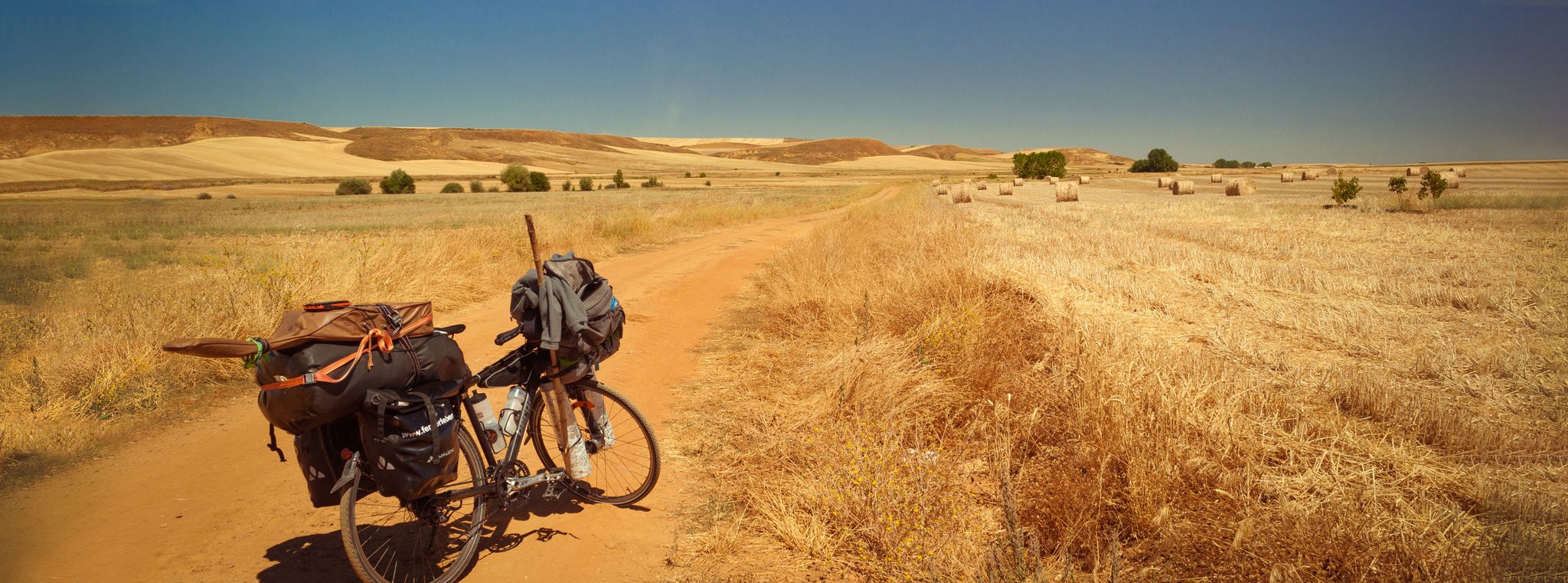
Camino Francés and Camino Finisterre – Cycling pilgrimages in Spain
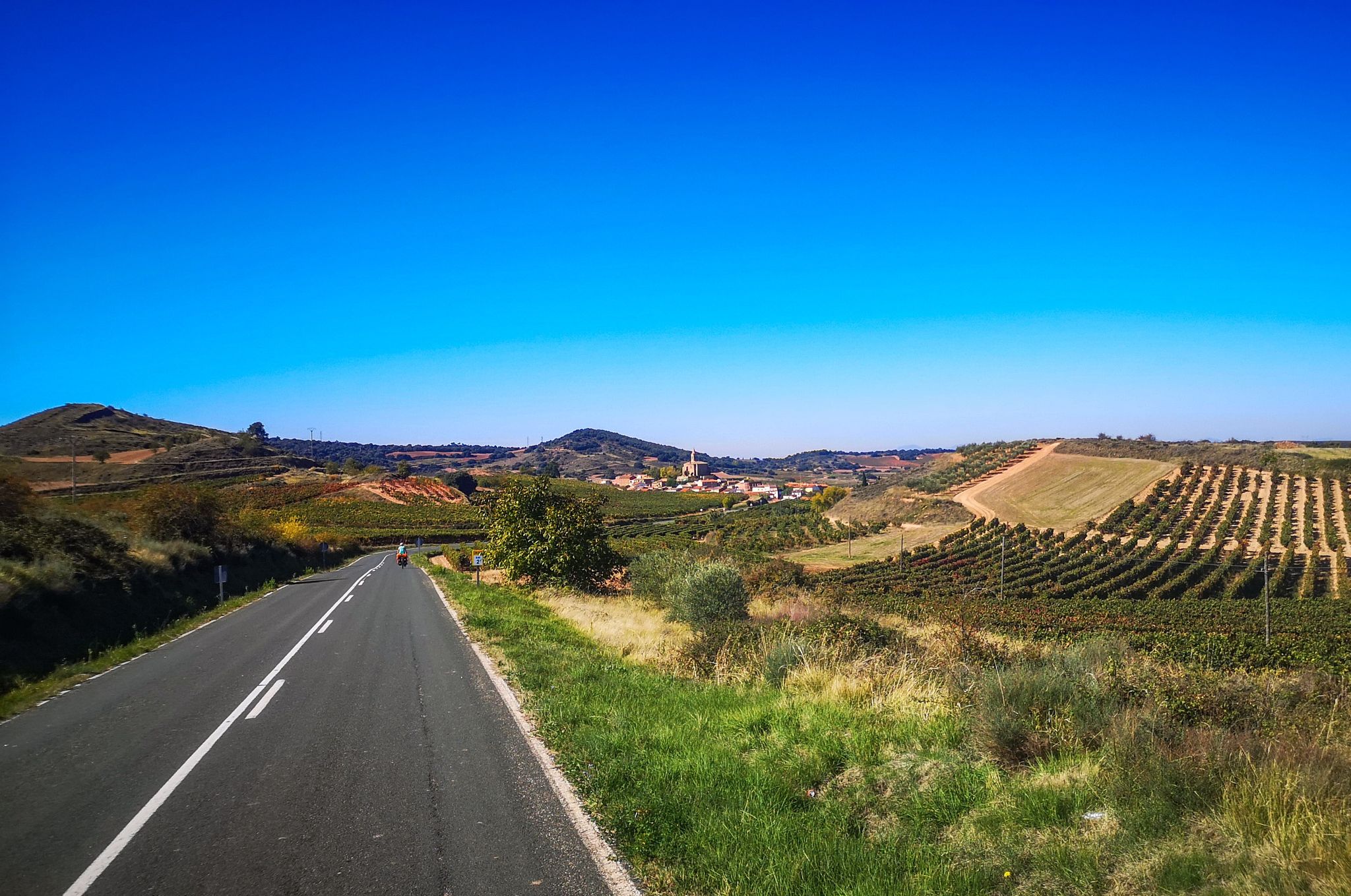
Santiago de Compostela – A journey through northern Spain (10 days)
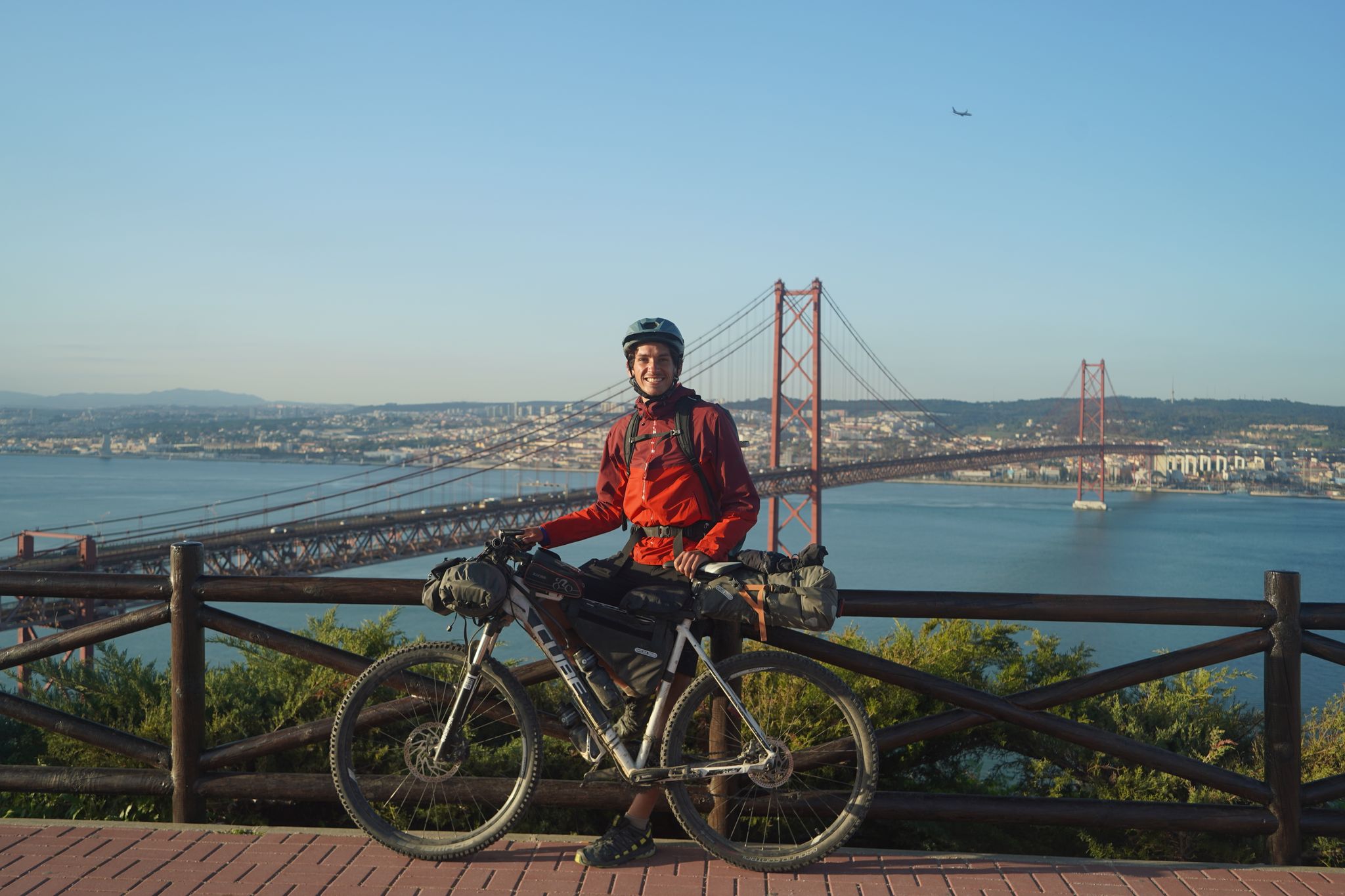
Road to Lisbon – bikepacking the Alps, Pyrenees and Picos de Europa
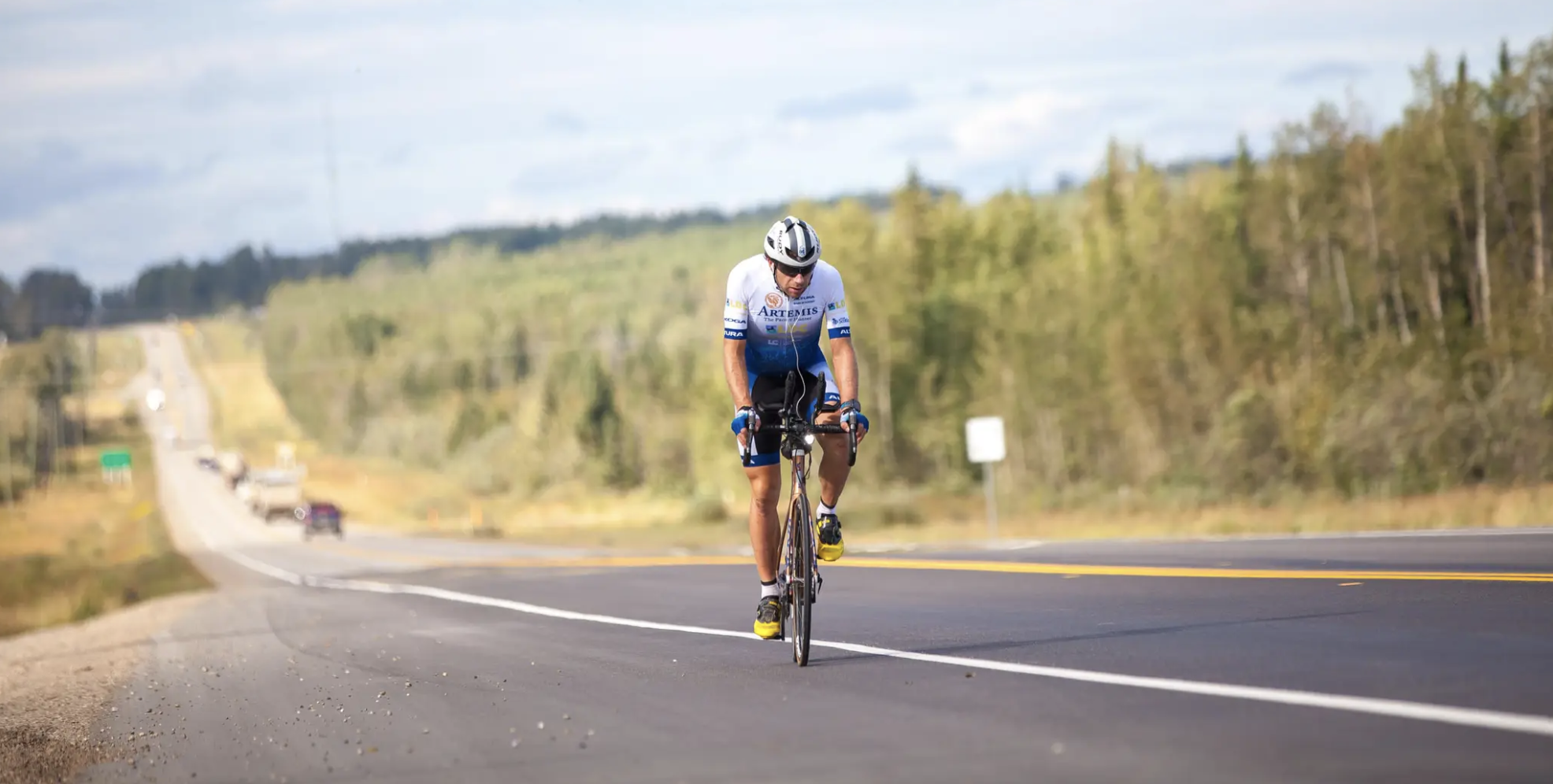
Around the World in 80 Days
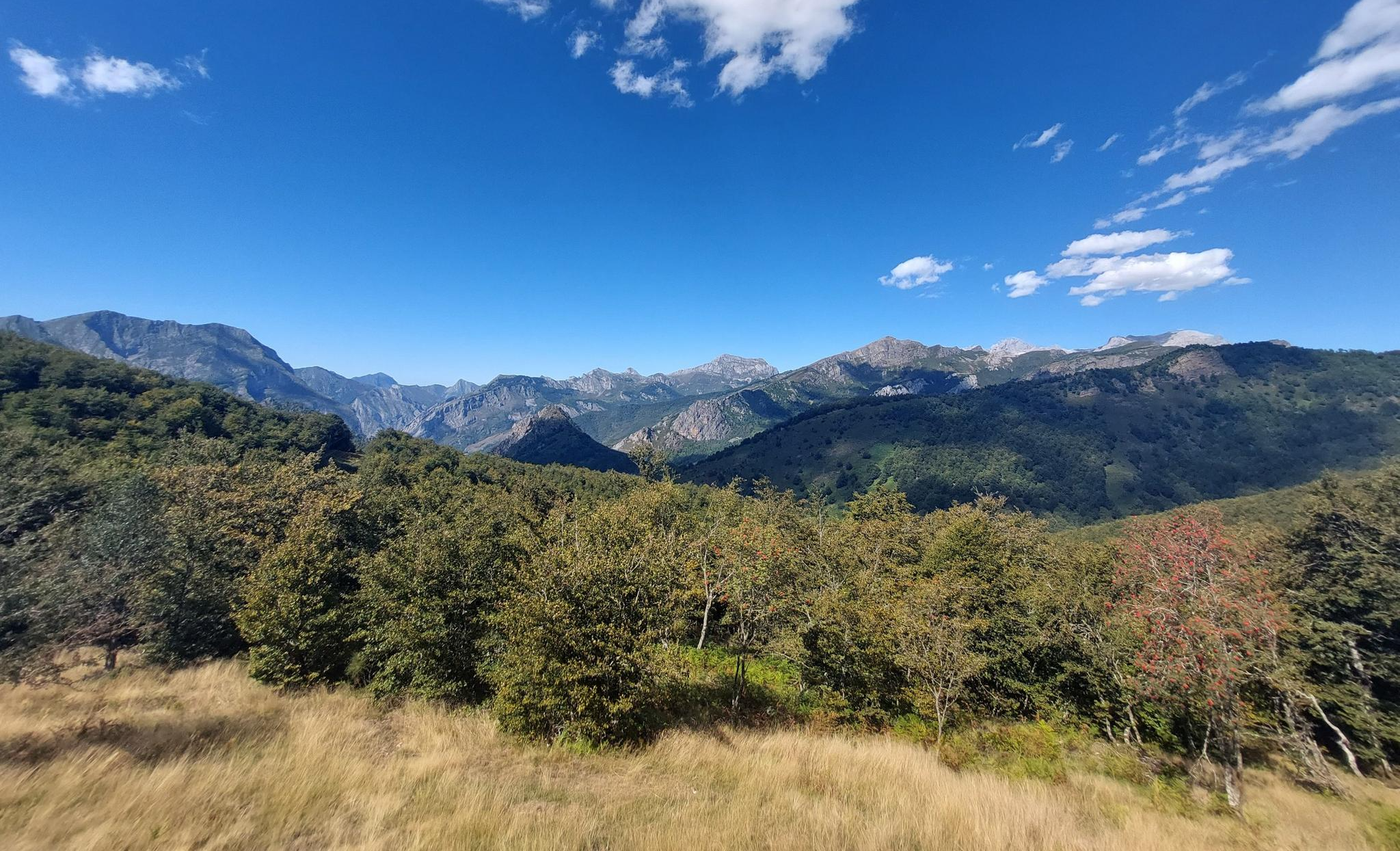
Senda del Arcediano (GR 210) - A historical hike through the Picos del Picos
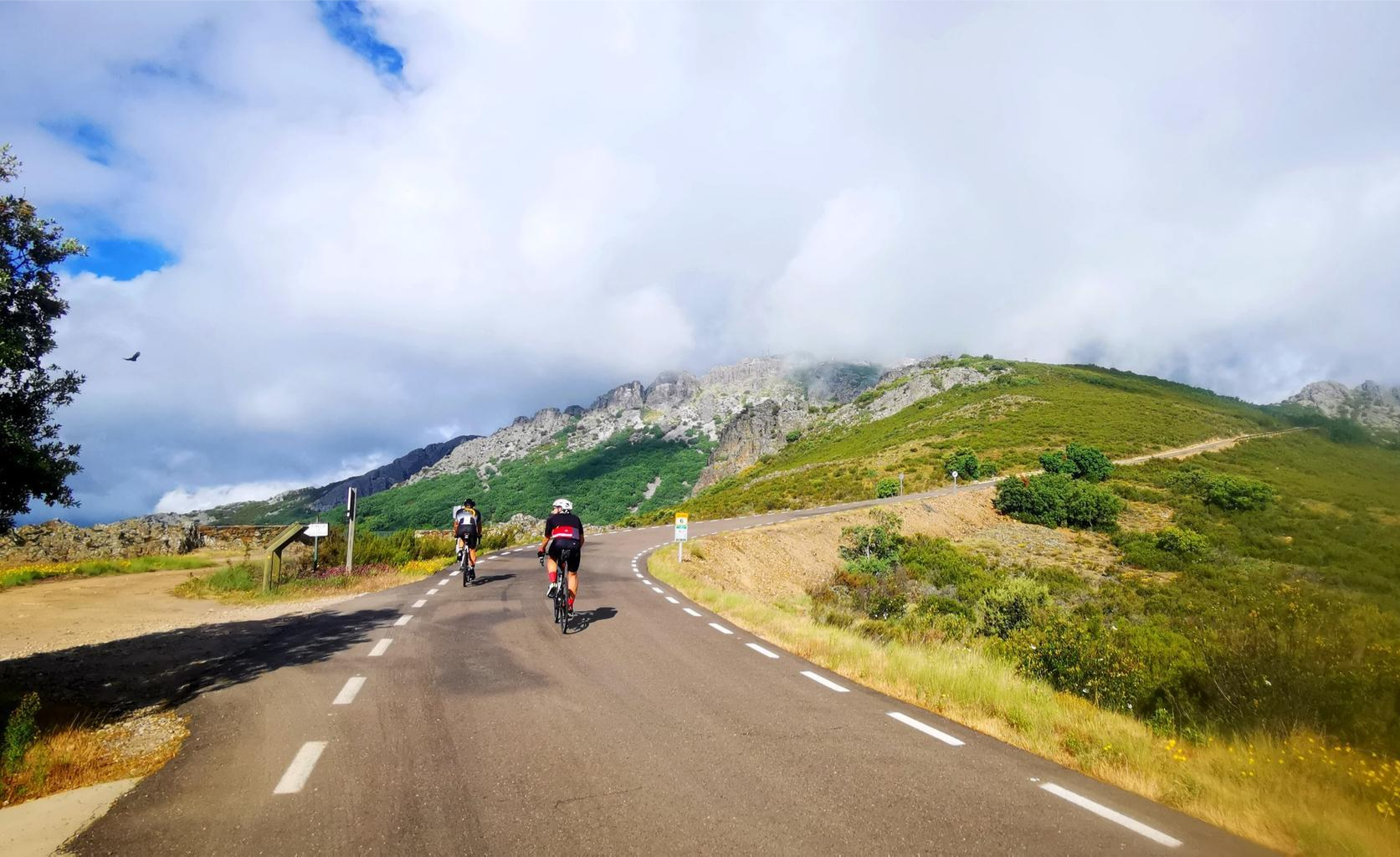
Legendary climbs - Ports of La Vuelta a España
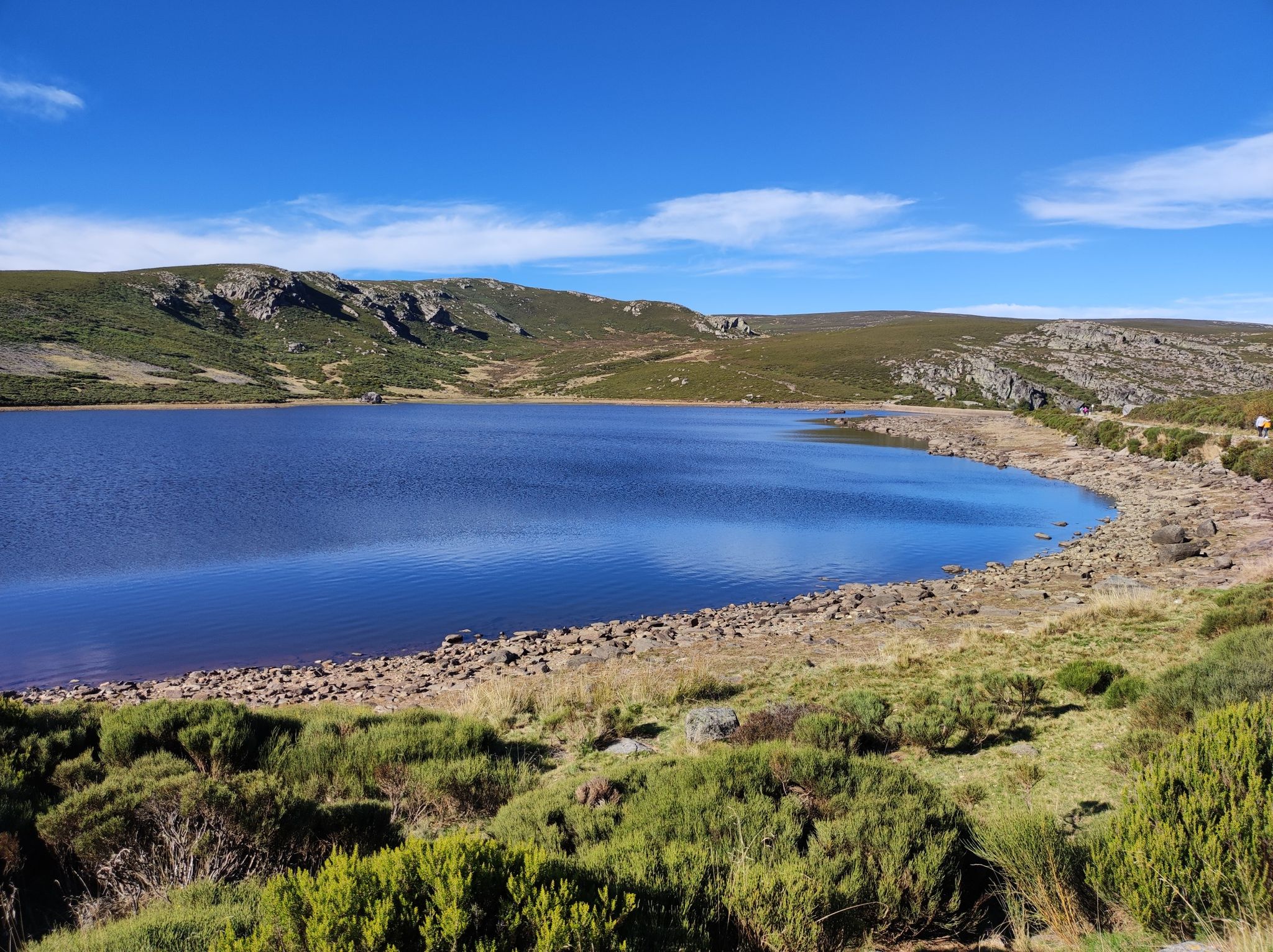
Glacial lagoons and eternal mountains – Montaña de Sanabria (GR 84)
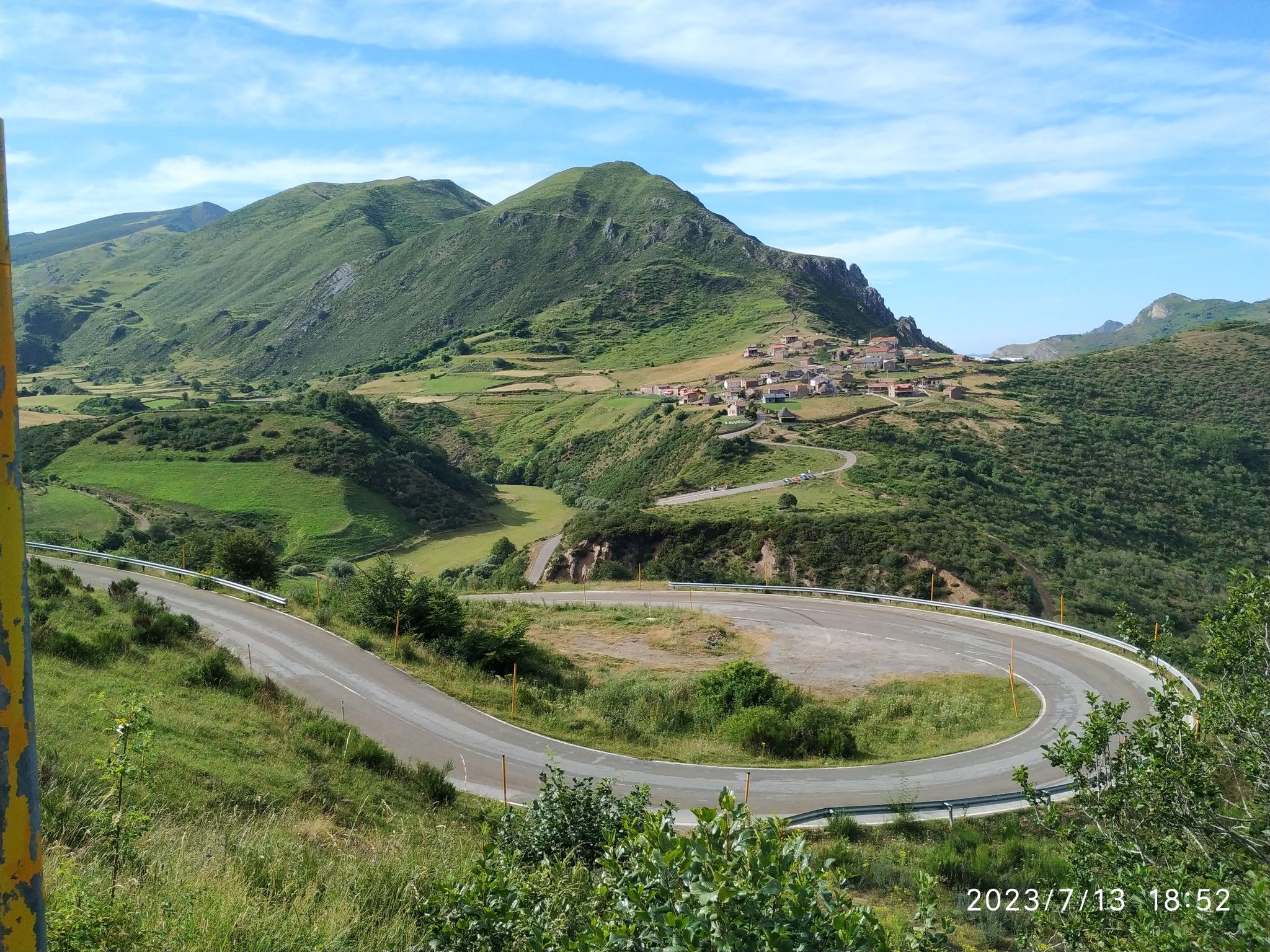
Height Challenges — Ports in Castilla y León
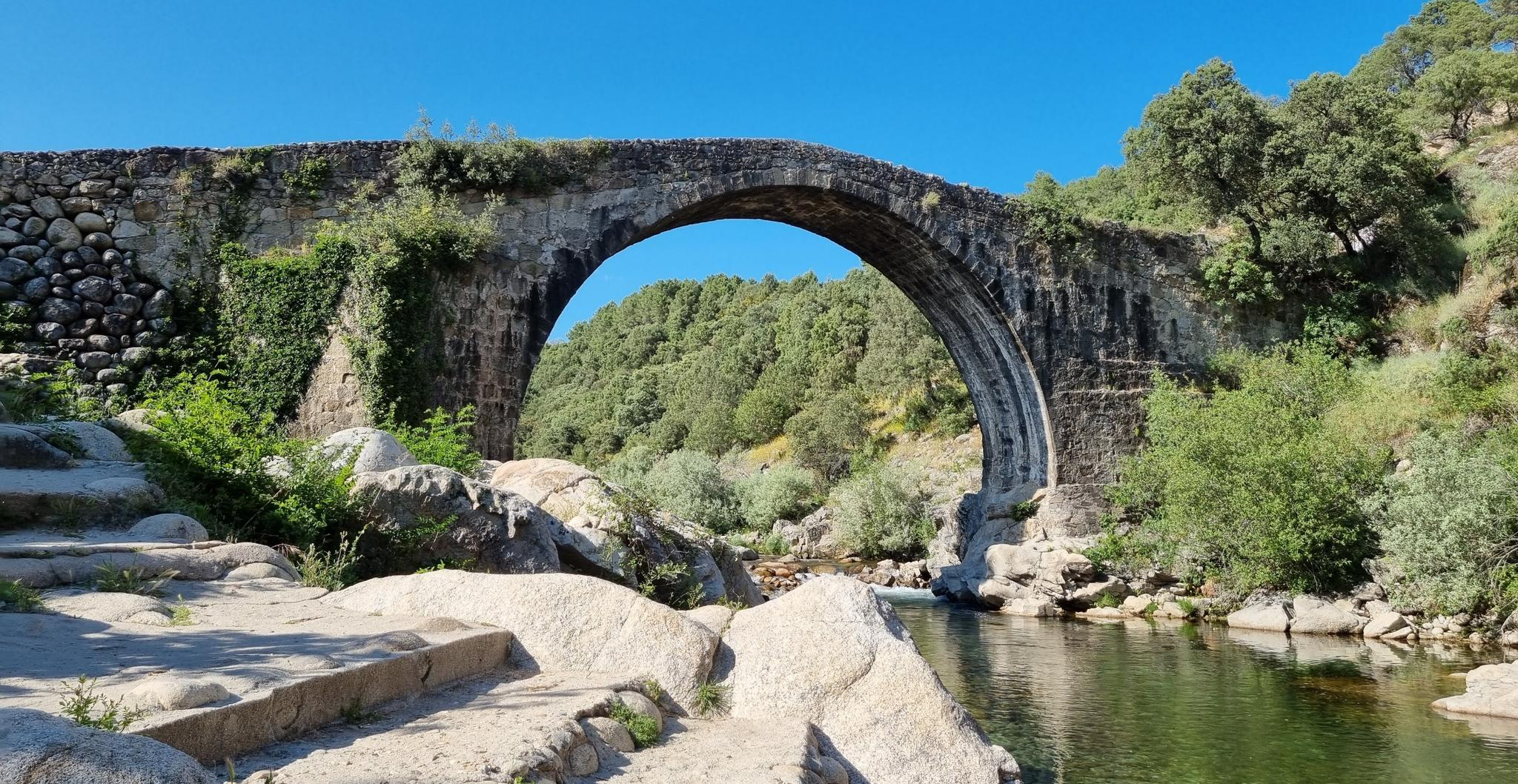
Monumental and Natural History — The Way of La Vera GR-111
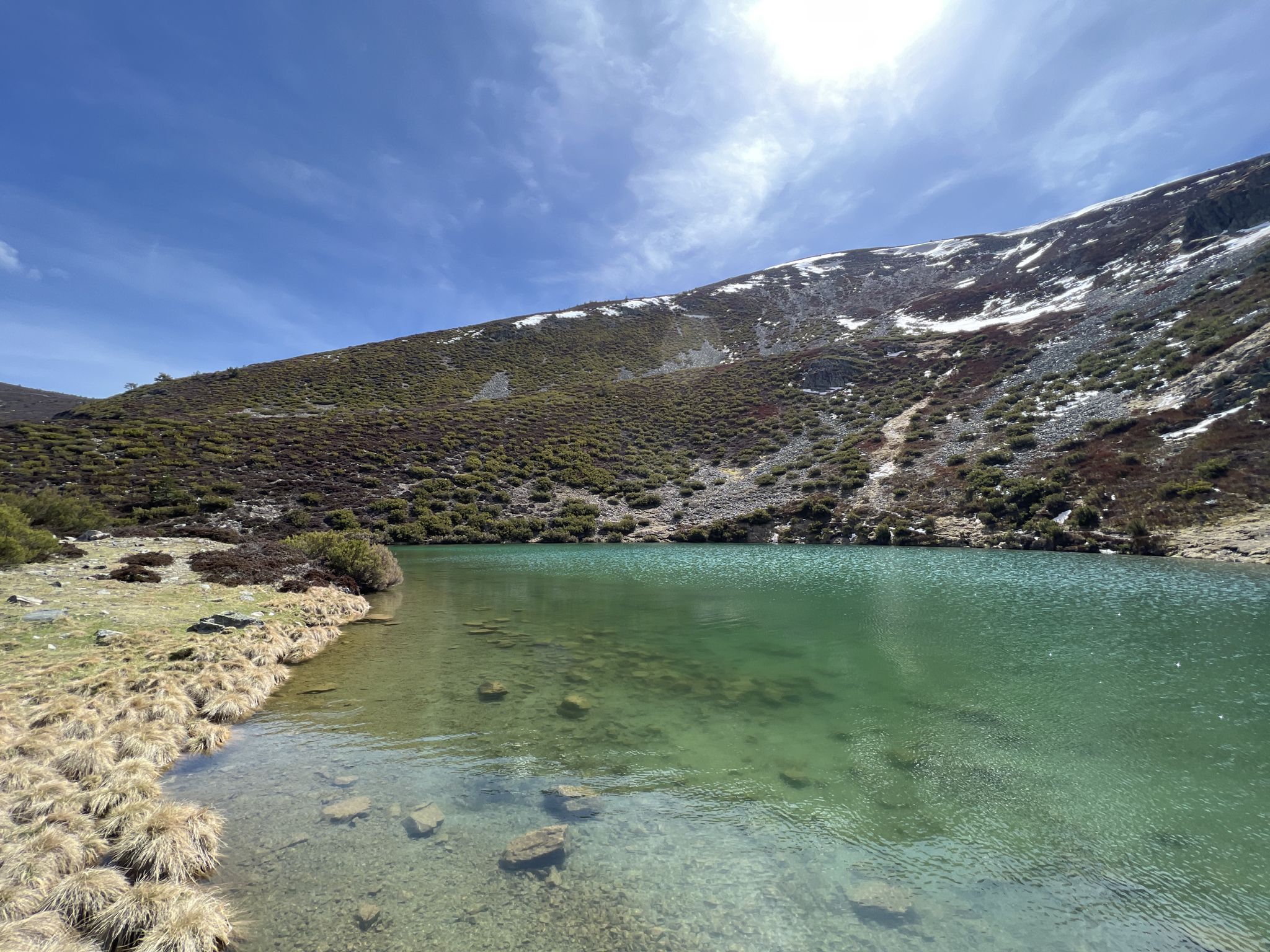
Discover the unknown Burgos - Dos Aguas Trail (GR 290)
Other adventures in Castile and León


Tips from the Community

Great tour climbing from the caves to the chapel. The halls are very well maintained and offer impressive views of the Duero River. The chapel is beautiful. It is advisable to sit in it for a few minutes, put away your phone, and simply think.
1
0

The waterfall springs from the Cueva del Agua from a height of over 20 meters, at the base of the rocky cirque that embraces the village, originating from an aquifer located in the subsoil of the Páramo de Bricia, and it leaps everywhere, dividing the village into two halves, the Villa and the Puebla, and descends among the stone houses, creating a most photogenic scene.
2
0

A spectacular area for hiking trails
0
0

Ideal for taking a dip on hot days!
1
0
The route begins in the village of Piedrasecha and passes several points of interest, such as the Manadero spring and the Cueva de las Palomas, where the shrine of the Virgen del Manadero is located. The gorge is known for its natural beauty and its geological, biological, and scenic value.
2
0
The Calderones Gorge is located in Piedrasecha, in the province of León. It's a spectacular hiking trail that traverses a gorge so narrow that in several sections you can touch both rock faces just by stretching out your arms.
2
0
The large cave, a large cavity in an idyllic landscape, which is the surroundings of the hermitage of San Bartolomé
0
1

These mounds of earth are often seen. They are often used as storage space.
1
0
Frequently Asked Questions
Are there family-friendly caves to visit in Castile and León?
Yes, several caves and underground structures in Castile and León are suitable for families. For instance, the Bodegas de Moratinos offer a unique look at traditional underground wine cellars. Additionally, the Natural Rock Arch of Puentedey is located in a picturesque village where houses are built over a natural cave formed by a river, providing an accessible and scenic experience for all ages.
What kind of geological features can I expect to see in the caves of Castile and León?
The region's caves showcase diverse geological formations. You can explore natural caves like Cueva Grande (Río Lobos Canyon), situated within a natural park known for its impressive gorge. Other sites, such as the Turquoise Pools and Waterfalls of Orbaneja del Castillo, combine caves with stunning water features. The Natural Rock Arch of Puentedey is a remarkable example of a river carving through stone to create a natural bridge.
Can I visit historical sites related to caves in Castile and León?
Castile and León is rich in historical underground sites. The Orellán Galleries and La Encantada Cave and La Cuevona are part of ancient Roman mining networks, offering insights into historical resource extraction. You can also visit the Hermitage of San Saturio, a religious building carved into caves, or the Hermitage of San Bernabé of Ojo Guareña, another significant cave-related religious site.
What should I wear when exploring caves in Castile and León?
When visiting caves, it's generally advisable to wear comfortable clothing that you don't mind getting a little dirty. Layers are recommended as cave temperatures can be cooler and more constant than outside. Sturdy, closed-toe shoes with good grip are essential, especially if paths might be uneven or damp. For sites like the Orellán Galleries, helmets are provided for safety due to the low ceilings in some sections.
Are there any caves in Castile and León that are considered 'hidden gems'?
While many caves are well-known, some offer a more secluded experience. The Monk's Cave provides a tranquil natural setting. For those seeking a more challenging adventure, the Entrance to Cueva Valiente leads to a challenging summit experience, offering a less crowded exploration opportunity.
What outdoor activities can I do near the caves in Castile and León?
The region surrounding the caves offers a variety of outdoor activities. You can find numerous mountain hikes, including routes like 'View of Circo de Gredos' or 'Cotos Pass – Peñalara Summit loop'. For cycling enthusiasts, there are options ranging from easy routes like 'Burgos: El Cid and Arlanzón River Loop' to more challenging ones like 'Riaño, Pandetrave, and Panderrueda Loop'. Gravel biking is also popular, with routes such as 'Comarca of Las Merindades in gravel'. You can explore these and more on the Mountain Hikes, Cycling, and Gravel Biking guide pages for Castile and León.
What do visitors enjoy most about the caves in Castile and León?
Visitors frequently highlight the unique blend of natural beauty and historical significance. The impressive scale of sites like Cueva Grande (Río Lobos Canyon) and the historical depth of Roman mining structures like the Orellán Galleries are often praised. The tranquil settings and the opportunity to connect with both nature and ancient history are also highly valued.
Are there any caves in Castile and León that are easily accessible by car with parking nearby?
Many popular cave sites in Castile and León are accessible by car and offer parking facilities. For example, the Orellán Galleries are typically visited with nearby parking options, allowing for a relatively easy approach to the site. Similarly, the Natural Rock Arch of Puentedey is located in a village that accommodates visitors with parking.
Do I need a permit to visit caves in Castile and León?
For most publicly accessible caves and historical underground sites in Castile and León, a specific permit is not required for general visitation. However, some sites, especially those that are part of protected natural parks or managed attractions, may have entrance fees, guided tour requirements, or specific opening hours. It's always advisable to check the official information for individual sites like the La Encantada Cave and La Cuevona or the Hermitage of San Bernabé of Ojo Guareña before your visit.
What is the best time of year to explore caves in Castile and León?
Caves generally maintain a more consistent temperature year-round, making them a good option for exploration in various seasons. However, the best time to visit the surrounding areas and enjoy the full experience, including nearby outdoor activities, is typically during spring (April to June) and autumn (September to October) when the weather is mild and pleasant. Summer can also be suitable, especially for escaping the heat, but some popular sites might be more crowded.
Are there any caves in Castile and León with nearby restaurants or dining options?
Many cave attractions in Castile and León are located near towns or villages that offer dining options. For instance, the village of Puentedey, home to the Natural Rock Arch of Puentedey, is known for its charm and typically has local eateries. Similarly, sites within or close to natural parks or larger historical areas often have amenities, including restaurants, in the vicinity for visitors.
Most popular routes in Castile and León
Most popular attractions in Castile and León

Get inspired with the komoot mobile app


Didn’t find what you were looking for?
Discover more caves in Castile and León region by region:
Explore more
Extend your search for the best caves by checking out these guides of the top ones in Castile and León:
