Top 20 Gorges in Castile and León
Best canyons in Castile and León are characterized by diverse geological formations, including deep river gorges and limestone cliffs. This region in northwestern Spain offers a blend of natural landscapes and historical sites within its canyon systems. The terrain features significant erosive action by rivers, creating unique environments for exploration. These areas are notable for their ecological value and the opportunities they provide for outdoor activities.
Best canyons in Castile and León
- The most popular canyons include Tunnels along the…
Last updated: June 29, 2026
Bridge
Highlight • Bridge
Translated by Google •
Tip by

Tunnels along the Cares Gorge
Highlight • Gorge
Translated by Google •
Tip by
Sign up now to discover places like this
Get recommendations on the best single tracks, peaks, & plenty of other exciting outdoor places.
Sign up for free
Cares Gorge Bridge
Highlight • Bridge
Translated by Google •
Tip by

Boca del Asno Gorge and Waterfalls
Highlight • Gorge
Translated by Google •
Tip by

Hermitage of Saint Bartholomew
Highlight • Religious Site
Translated by Google •
Tip by
Viewpoint over the Yecla Gorge
Highlight • Gorge
Translated by Google •
Tip by

Turquoise Pools and Waterfalls of Orbaneja del Castillo
Highlight • Waterfall
Translated by Google •
Tip by

Follow the water
Highlight • Gorge
Translated by Google •
Tip by
Gullurías Viewpoint
Highlight • Viewpoint
Translated by Google •
Tip by
Nocedo Waterfall
Highlight • Waterfall
Translated by Google •
Tip by
Sign up for free to discover even more gorges in Castile and León.
Sign up for free
Already have an account?
Start today with a free account
Your next adventure awaits.
Login or Signup
Popular around Castile and León
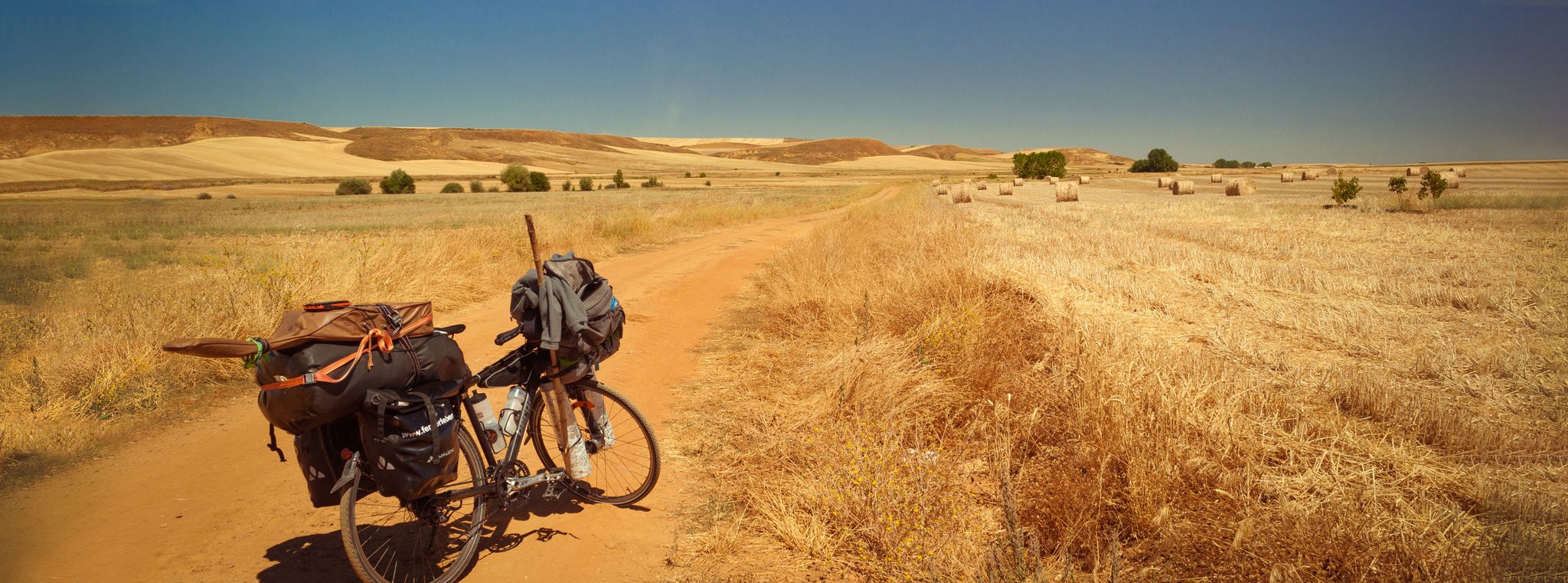
Camino Francés and Camino Finisterre – Cycling pilgrimages in Spain
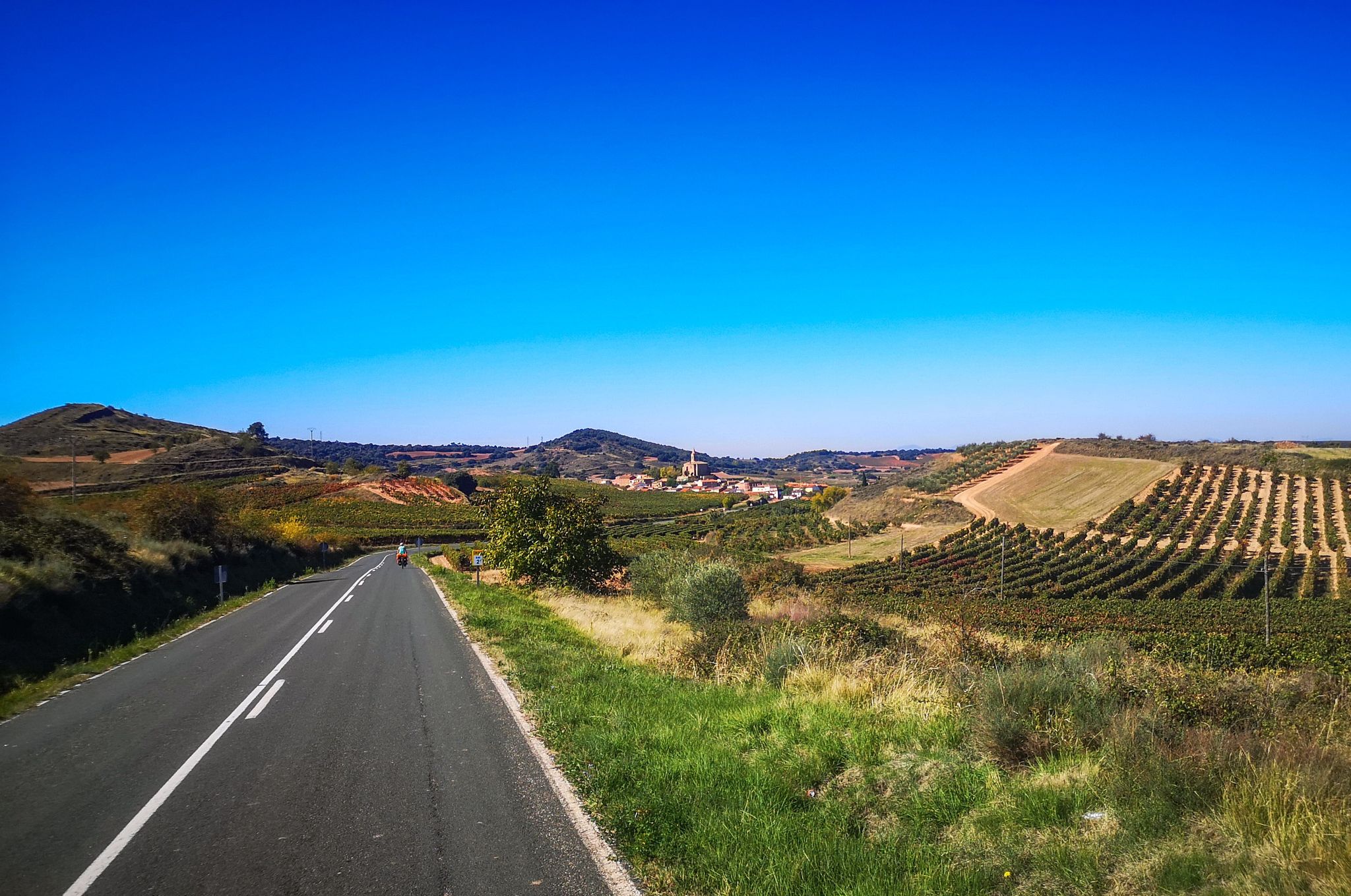
Santiago de Compostela – A journey through northern Spain (10 days)
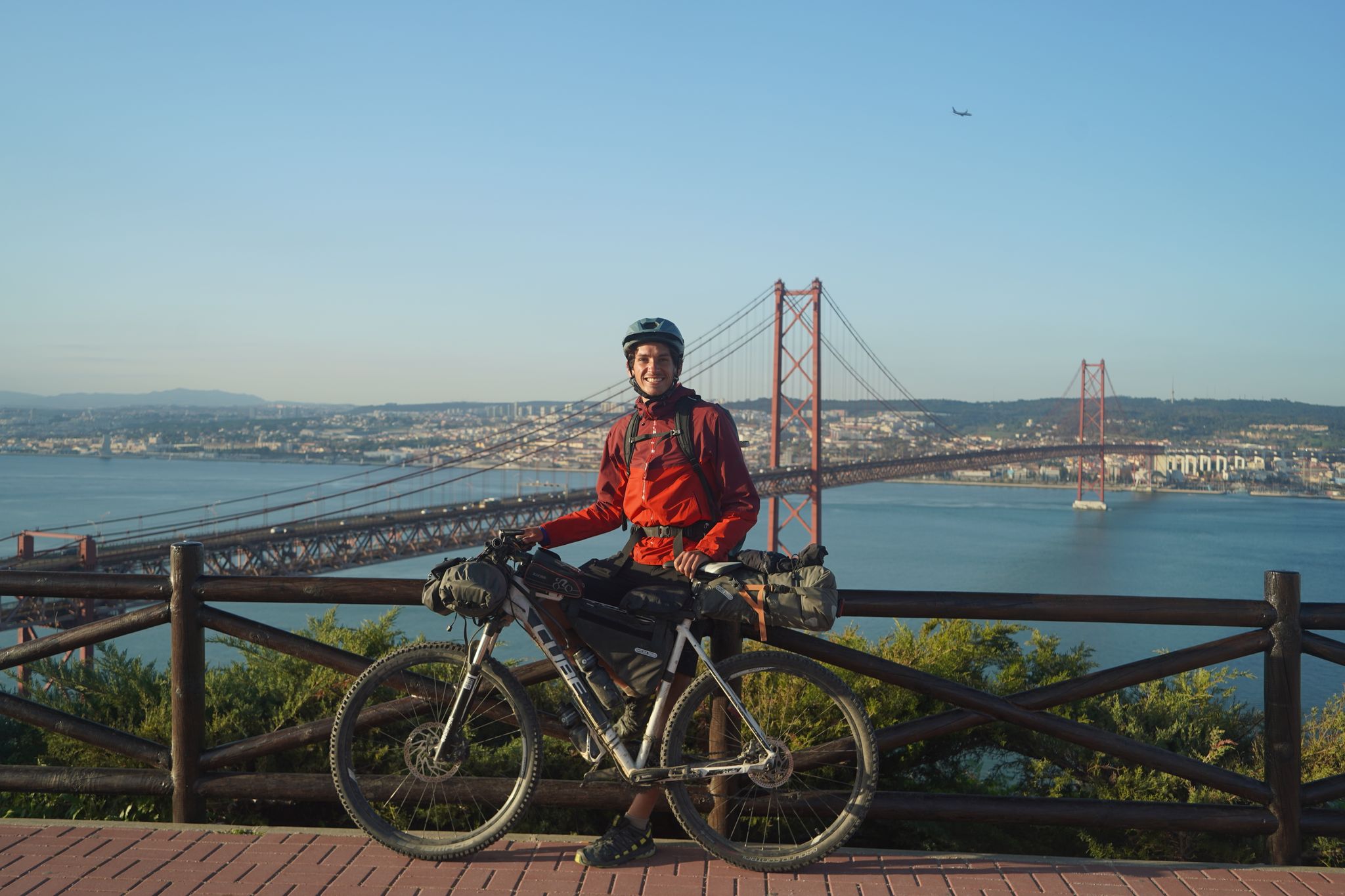
Road to Lisbon – bikepacking the Alps, Pyrenees and Picos de Europa
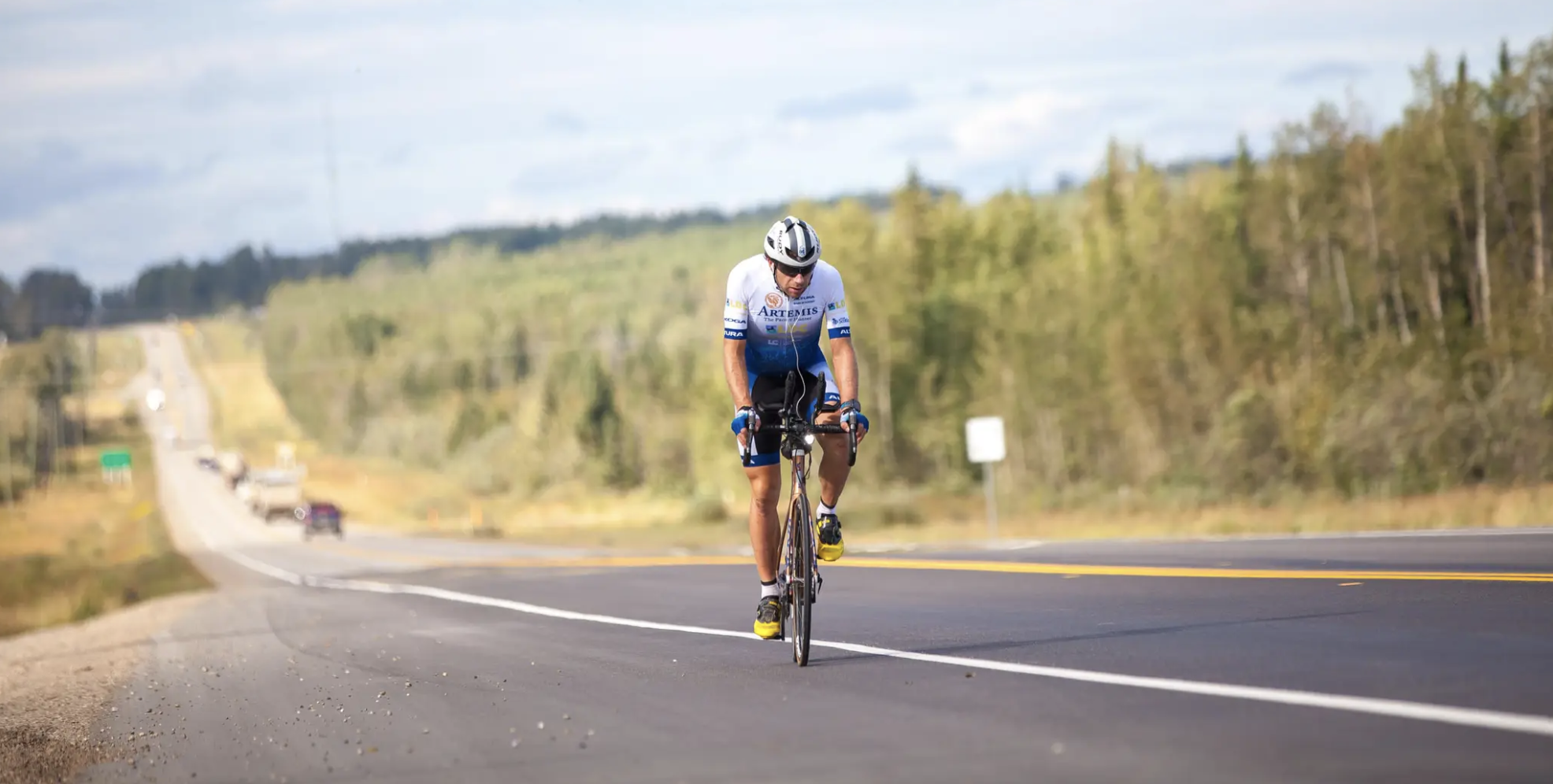
Around the World in 80 Days
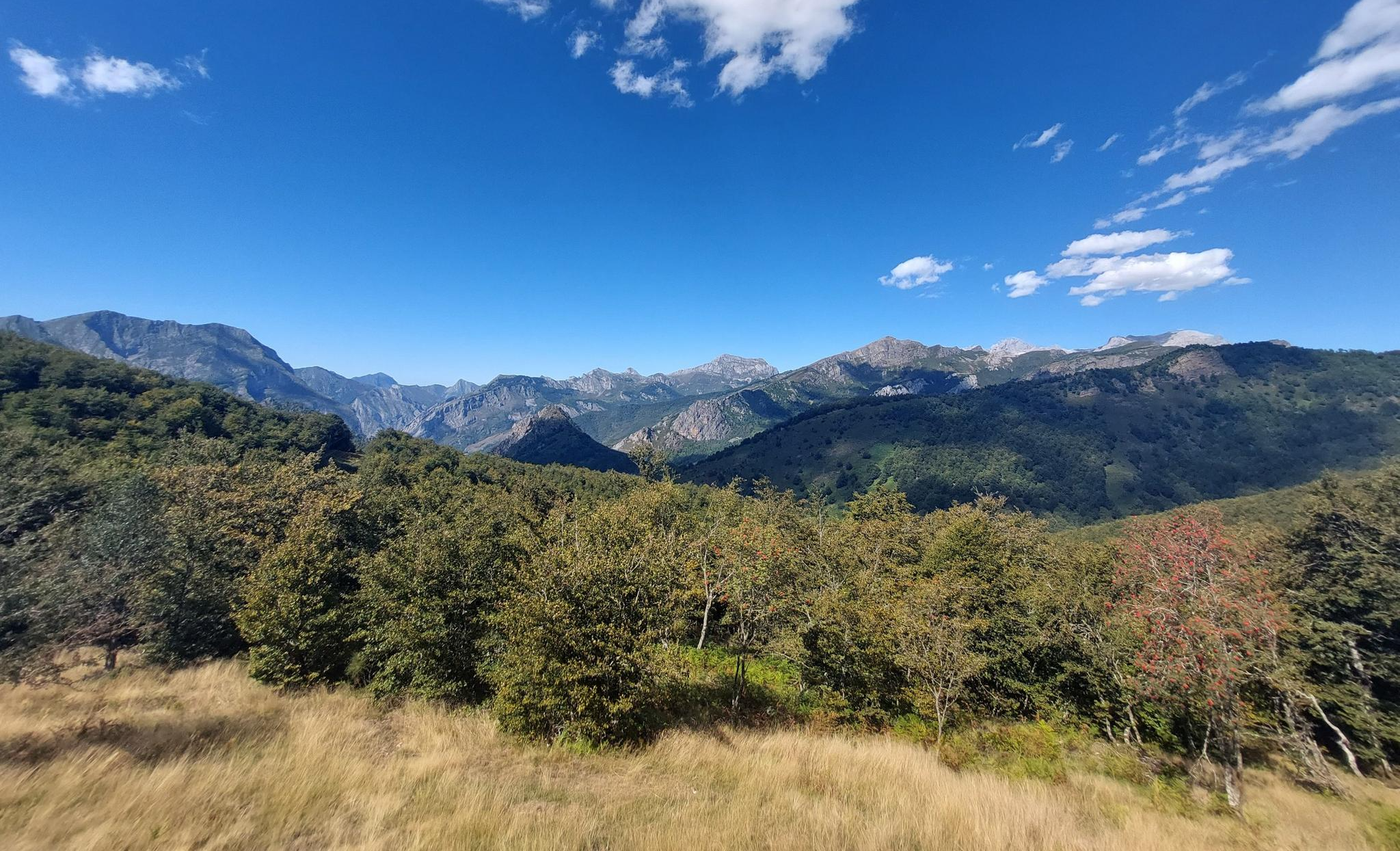
Senda del Arcediano (GR 210) - A historical hike through the Picos del Picos
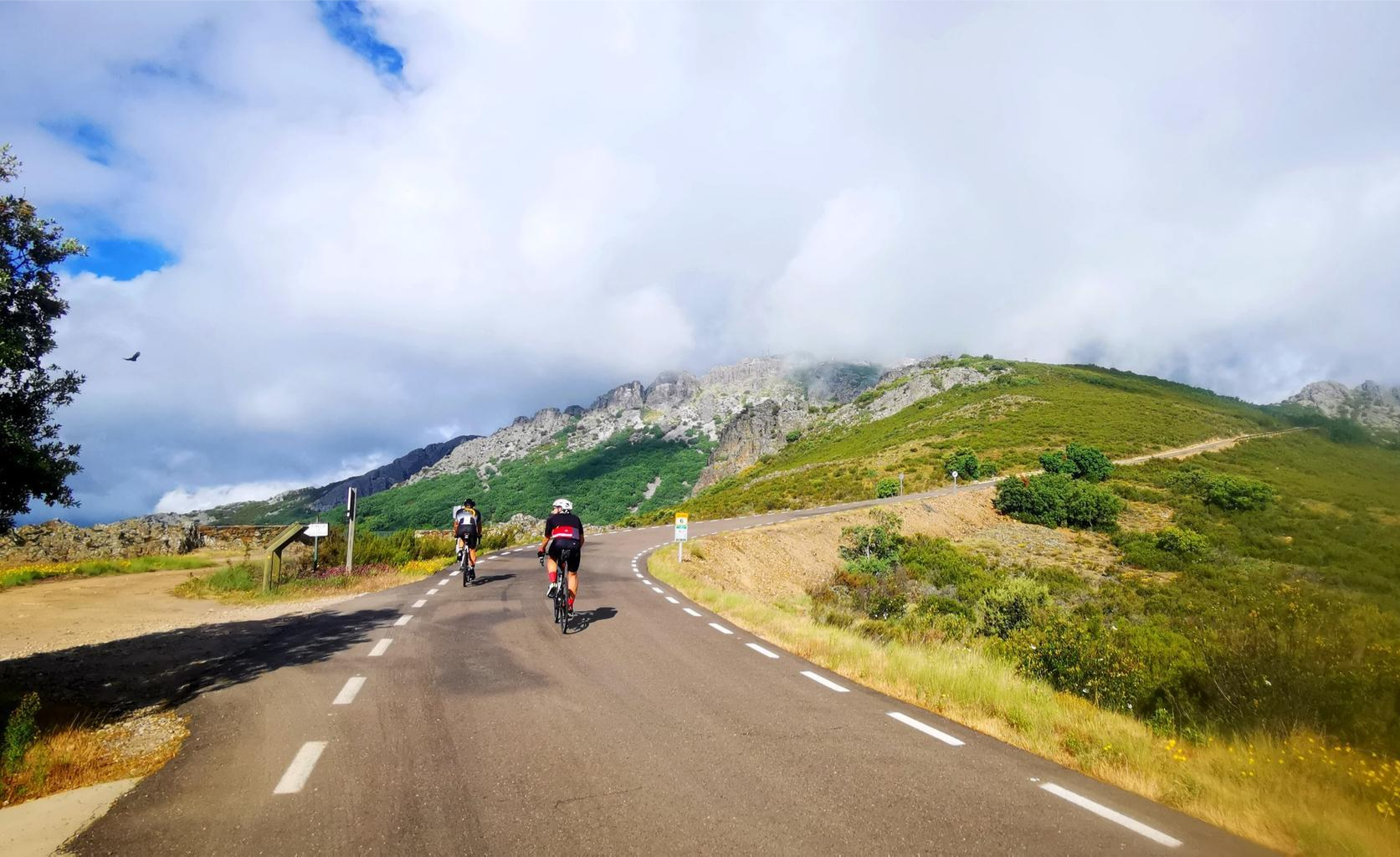
Legendary climbs - Ports of La Vuelta a España
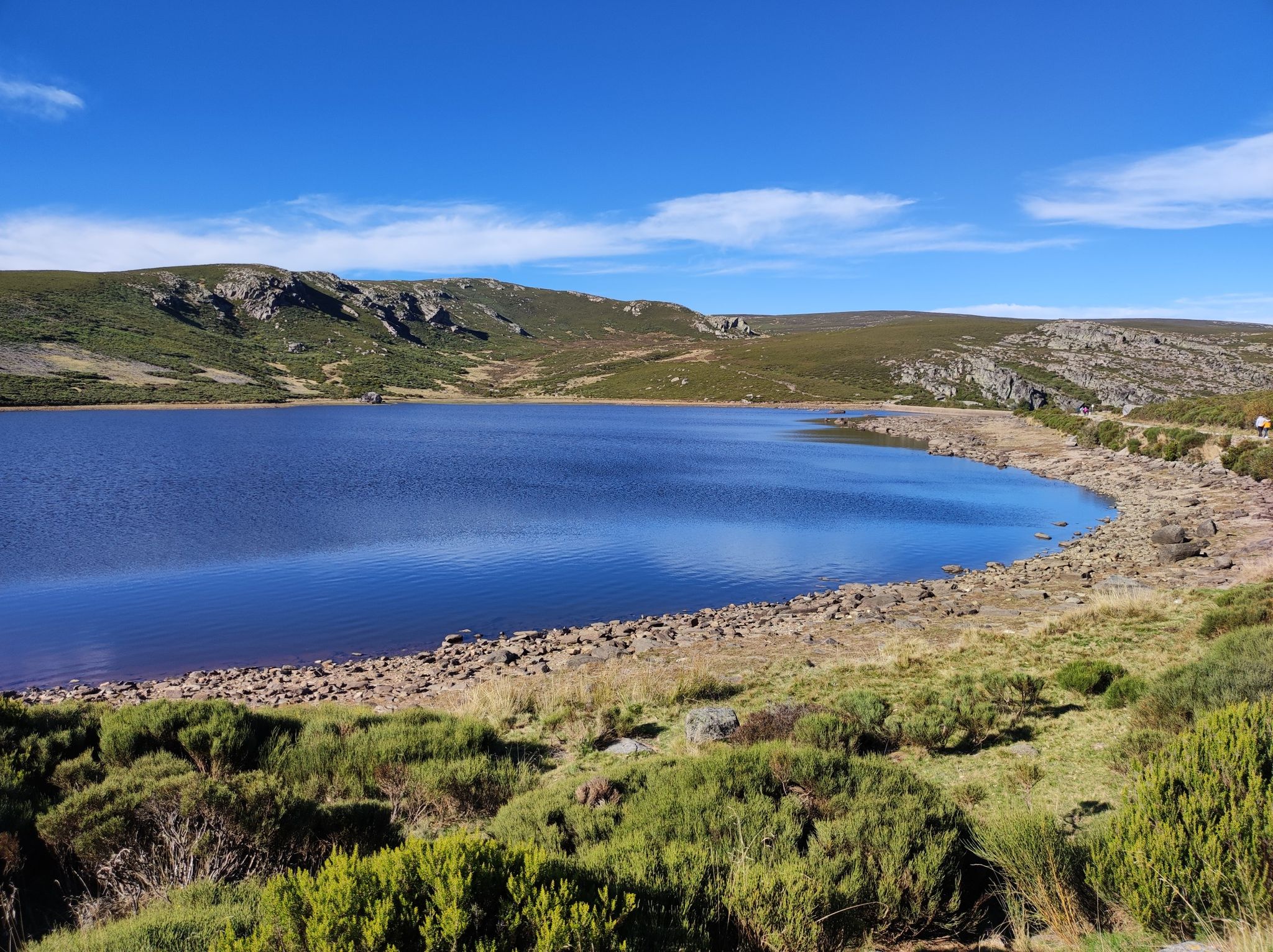
Glacial lagoons and eternal mountains – Montaña de Sanabria (GR 84)
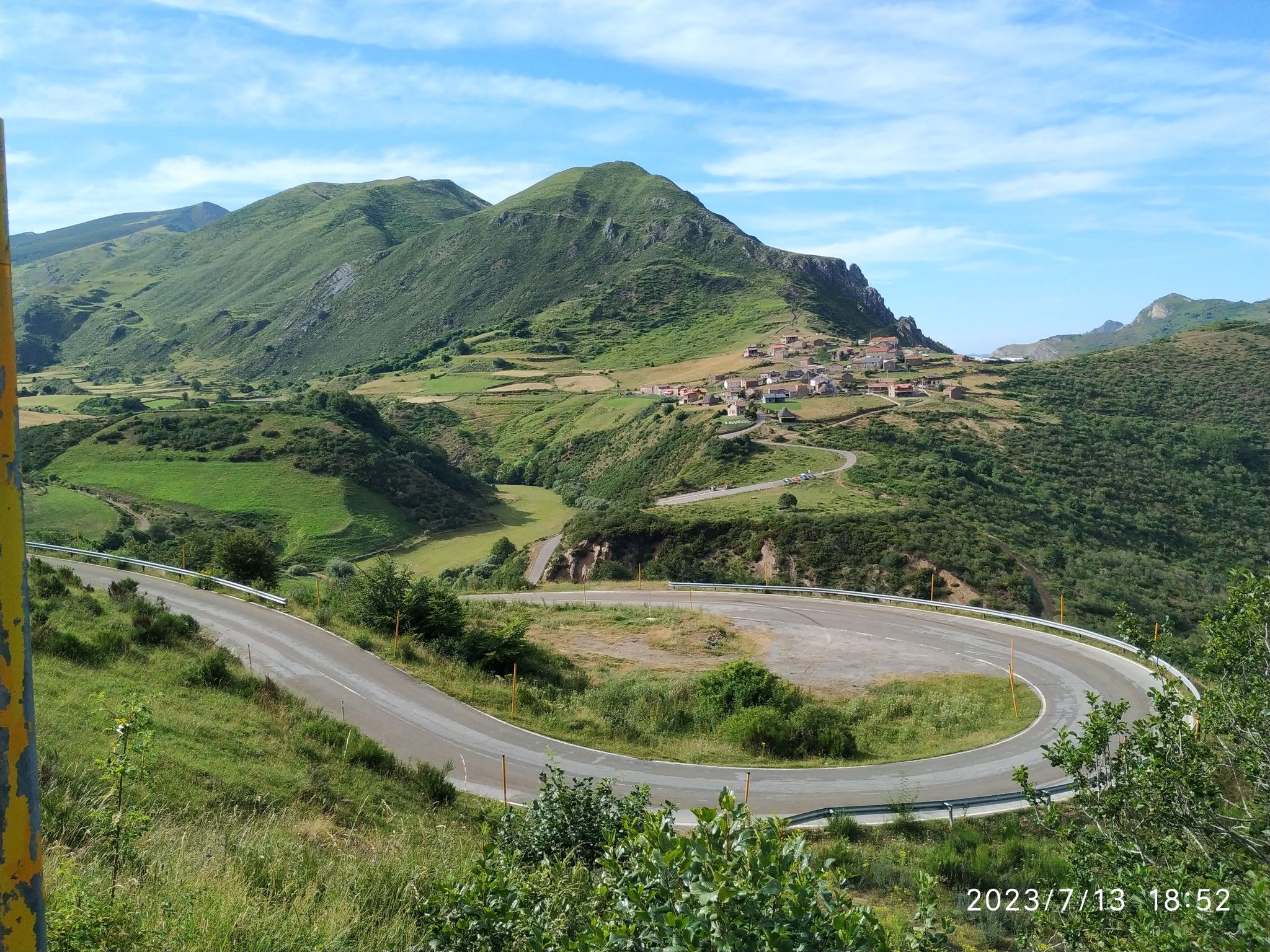
Height Challenges — Ports in Castilla y León
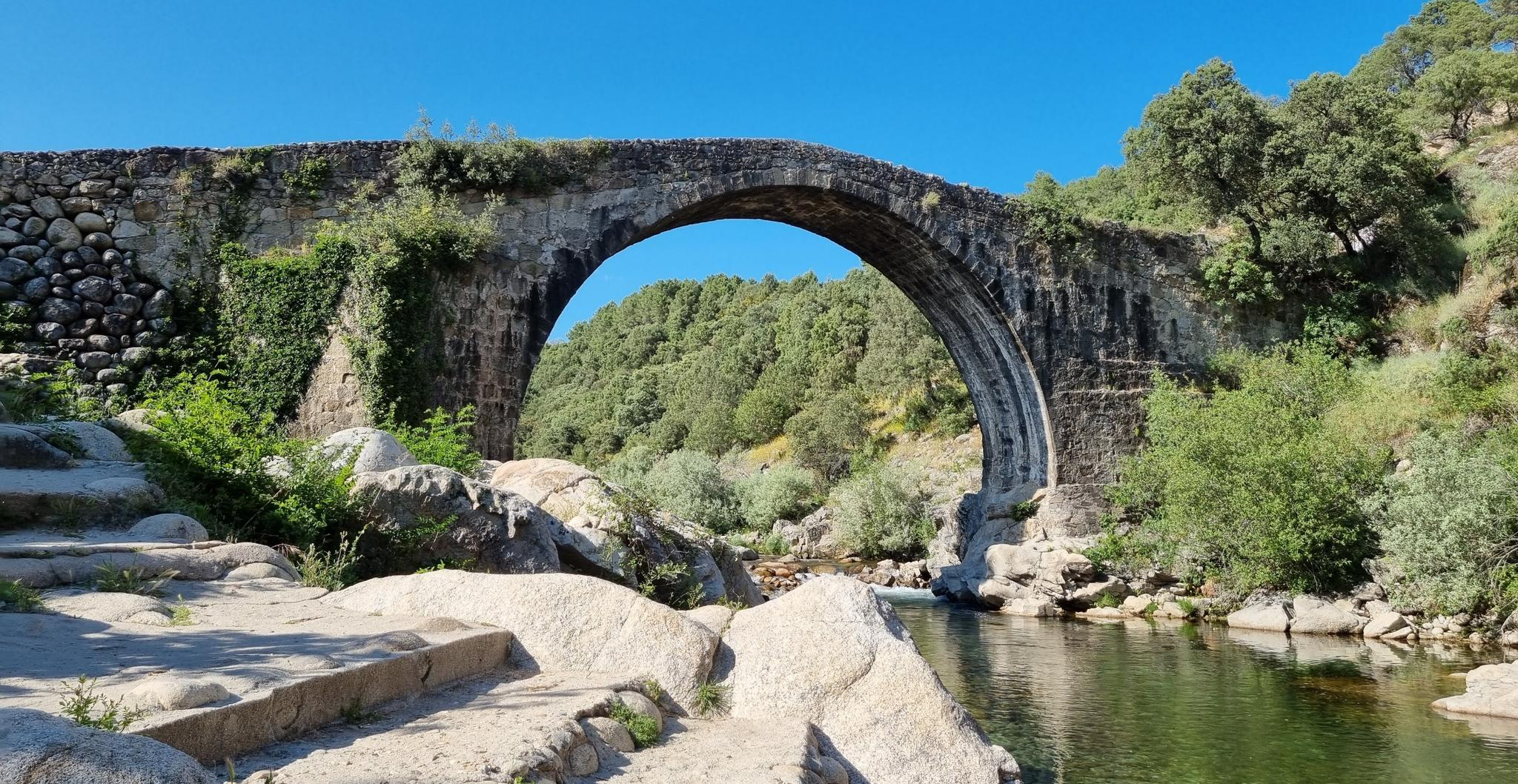
Monumental and Natural History — The Way of La Vera GR-111
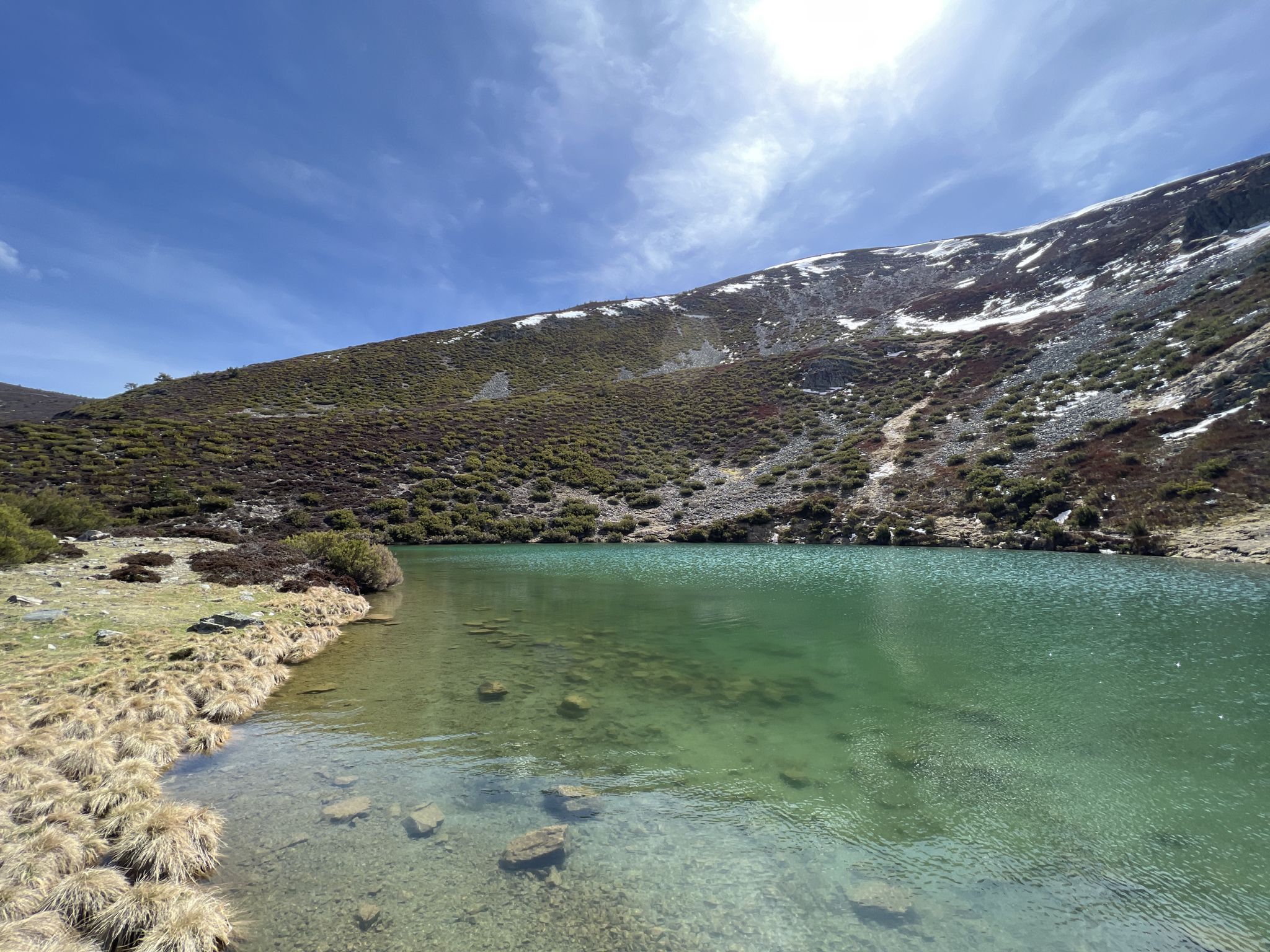
Discover the unknown Burgos - Dos Aguas Trail (GR 290)
Other adventures in Castile and León


Tips from the Community

The waterfall springs from the Cueva del Agua from a height of over 20 meters, at the base of the rocky cirque that embraces the village, originating from an aquifer located in the subsoil of the Páramo de Bricia, and it leaps everywhere, dividing the village into two halves, the Villa and the Puebla, and descends among the stone houses, creating a most photogenic scene.
2
0

A spectacular area for hiking trails
0
0
The Bolín Bridge, in Posada de Valdeón (León), is a small but significant mountain bridge that is part of several hiking trails in the Picos de Europa, especially as an access route to the challenging Canal de Trea. It is located on the outskirts of Posada de Valdeón, towards the Mirador del Tombo and the beginning of the Canal de Trea. It is close to Fuente Prieta and areas such as El Agua Las Huertas, in a natural setting of great beauty.
3
0
Nocedo Waterfall, also known as Cola de Caballo Waterfall, is one of the most accessible and spectacular natural spots in the Central León Mountains, located near Nocedo de Curueño, in the municipality of Valdepiélago. Approximately 4 meters high, it was formed by the Valdecésar stream as it negotiates a steep drop on its way to the Curueño River.
4
0

Caution: some of the tunnels are quite low.
0
1
In some places you can find these canals including locks.
1
1
This is where the route from Cain begins.
1
1
Frequently Asked Questions
What are the most striking natural features found in the canyons of Castile and León?
The canyons in Castile and León are renowned for their diverse geological formations. You'll encounter deep river gorges, impressive limestone cliffs, and areas featuring waterfalls and natural pools. Notable examples include the unique tunnels carved into the rock along the Cares Gorge, and the narrow riverbed with granite walls and small waterfalls at Boca del Asno Gorge and Waterfalls.
Are there any canyons in Castile and León that are particularly good for birdwatching?
Yes, several canyons in the region are designated Special Protection Areas for birds. The Cañón del Río Lobos Natural Park and the Hoces del Río Duratón Natural Park are particularly known for their large colonies of griffon vultures, making them excellent spots for birdwatching.
Which canyons offer historical or cultural sites to explore?
The region's canyons often blend natural beauty with historical intrigue. The Hermitage of Saint Bartholomew, located at the mouth of the Lobos River Canyon, is a significant historical site rumored to have Templar connections. In the Hoces del Río Duratón, the ruins of the Ermita of San Frutos offer spectacular views and historical charm. Additionally, the Ojo Guareña karst complex, while not strictly a canyon, is a vast cave system with important archaeological finds.
What kind of outdoor activities can I do near the canyons in Castile and León?
The areas around the canyons offer a wide range of outdoor activities. You can find diverse routes for hiking, cycling, and horseback riding, especially in the Cañón del Río Lobos Natural Park. The Hoces del Río Duratón is popular for canoeing. For more structured routes, explore road cycling routes, mountain hikes, and waterfall hikes throughout Castile and León.
Are there family-friendly canyon areas in Castile and León?
Absolutely. The Boca del Asno Gorge and Waterfalls is particularly family-friendly, offering recreational spaces along the Eresma River with small waterfalls and pools suitable for all ages. The Cañón del Río Lobos also has routes of varying difficulty, making some sections accessible for families.
What is the best time of year to visit the canyons in Castile and León?
Spring and autumn are generally considered the best times to visit the canyons in Castile and León. The weather is milder, making outdoor activities more comfortable, and the natural landscapes are vibrant with either spring blooms or autumn colors. Summer can be hot, but areas with water features like Boca del Asno offer refreshing spots. Winter can be cold, and some higher-altitude routes might be challenging due to snow or ice.
Can I explore caves within the canyon regions?
Yes, cave exploration is possible. The Cueva Grande is a notable natural cave located within the Cañón del Río Lobos Natural Park, near the Hermitage of San Bartolomé. For a more extensive subterranean experience, the Ojo Guareña karst complex in Burgos is one of Europe's largest cave systems, offering a different kind of exploration.
Are there any canyons where I can enjoy boat tours or water activities?
The Sil River Canyon is particularly known for its dramatic beauty and vineyards, where boat tours are a popular activity, offering a unique perspective of the gorge from the water. In the Hoces del Río Duratón, canoeing on the Duratón River is a favored way to experience the impressive gorge walls.
What kind of views can I expect from viewpoints in the canyon areas?
Viewpoints in the canyon regions offer breathtaking panoramas of the dramatic landscapes. For instance, the Gullurías Viewpoint provides expansive views of the surrounding canyons and forests. The Ruta del Cares in the Picos de Europa is famous for its spectacular views of peaks, waterfalls, and the gorge carved by the Cares River, often seen through unique tunnels with side windows.
Are there any charming villages or amenities near the canyon parks?
Yes, many canyon areas are complemented by nearby villages offering amenities and local charm. Near the Hoces del Río Duratón, the village of Sepúlveda provides historical charm and gastronomic delights. The Boca del Asno Gorge and Waterfalls area has a Sierra de Guadarrama National Park Visitor Center, offering route information and insights into the natural and cultural world of the territory.
What is the difficulty level of hiking trails in these canyons?
The hiking trails vary significantly in difficulty. The Cañón del Río Lobos offers around 20 routes of varying difficulty, suitable for different fitness levels. The Ruta del Cares in the Picos de Europa is a popular, adventurous hike known for its dramatic scenery. Many highlights, such as the Bridge and Los Calderones Gorge, are categorized as intermediate, suggesting a moderate level of fitness is generally recommended for exploring these areas.
Can I find waterfalls and turquoise pools in the canyons of Castile and León?
Indeed. The Boca del Asno Gorge and Waterfalls is known for its small waterfalls and pools. Another stunning location is the Turquoise Pools and Waterfalls of Orbaneja del Castillo, which offers beautiful cascades and vibrant water features. You can also find the Nocedo Waterfall, adding to the region's natural beauty.
Most popular routes in Castile and León
Most popular attractions in Castile and León

Get inspired with the komoot mobile app


Didn’t find what you were looking for?
Want to see even more gorges? See the best ones in Castile and León region by region:
Explore more
Already discovered everything in this region? See additional gorges in Castile and León for your next adventure:
