Attractions and Places To See in Kayseri - Top 15
Best attractions and places to see in Kayseri include a diverse range of historical, cultural, and natural sites in Central Anatolia. The region is defined by its volcanic landscape, notably Mount Erciyes, and features ancient settlements and rock-cut architecture. Kayseri offers insights into various civilizations through its historical landmarks and unique natural formations.
Best attractions and places to see in Kayseri
- The most popular attractions is Yılanlı Kilise (Church of St. George), a religious building with frescoes over 1,000 years old. In the northern valley, it features barrel-vaulted architecture and arcosolium tombs.
- Another must-see spot is Dome Church (Kuppelkirche), a religious building. Dating from the 10th century, this rock-carved church still displays some frescoes.
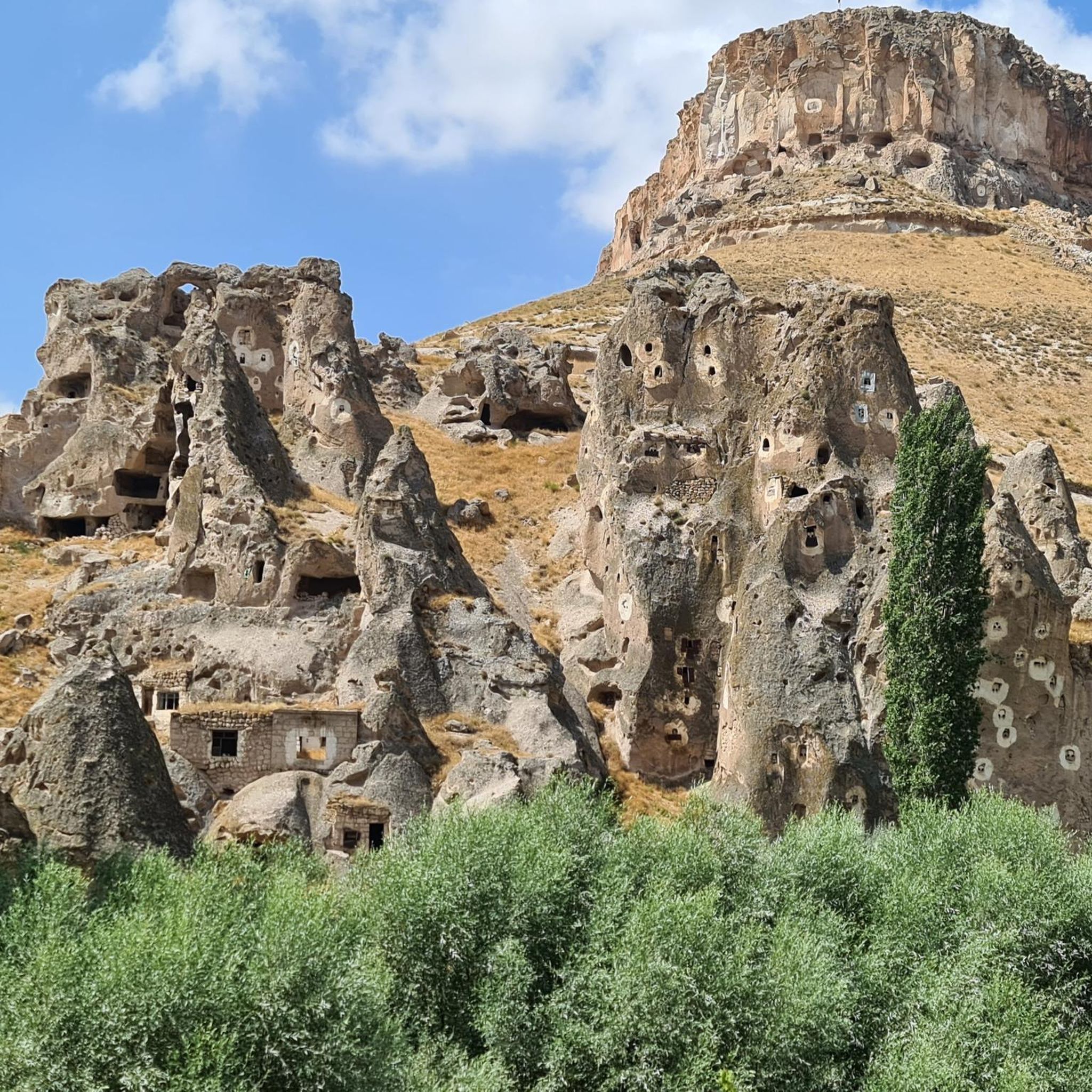
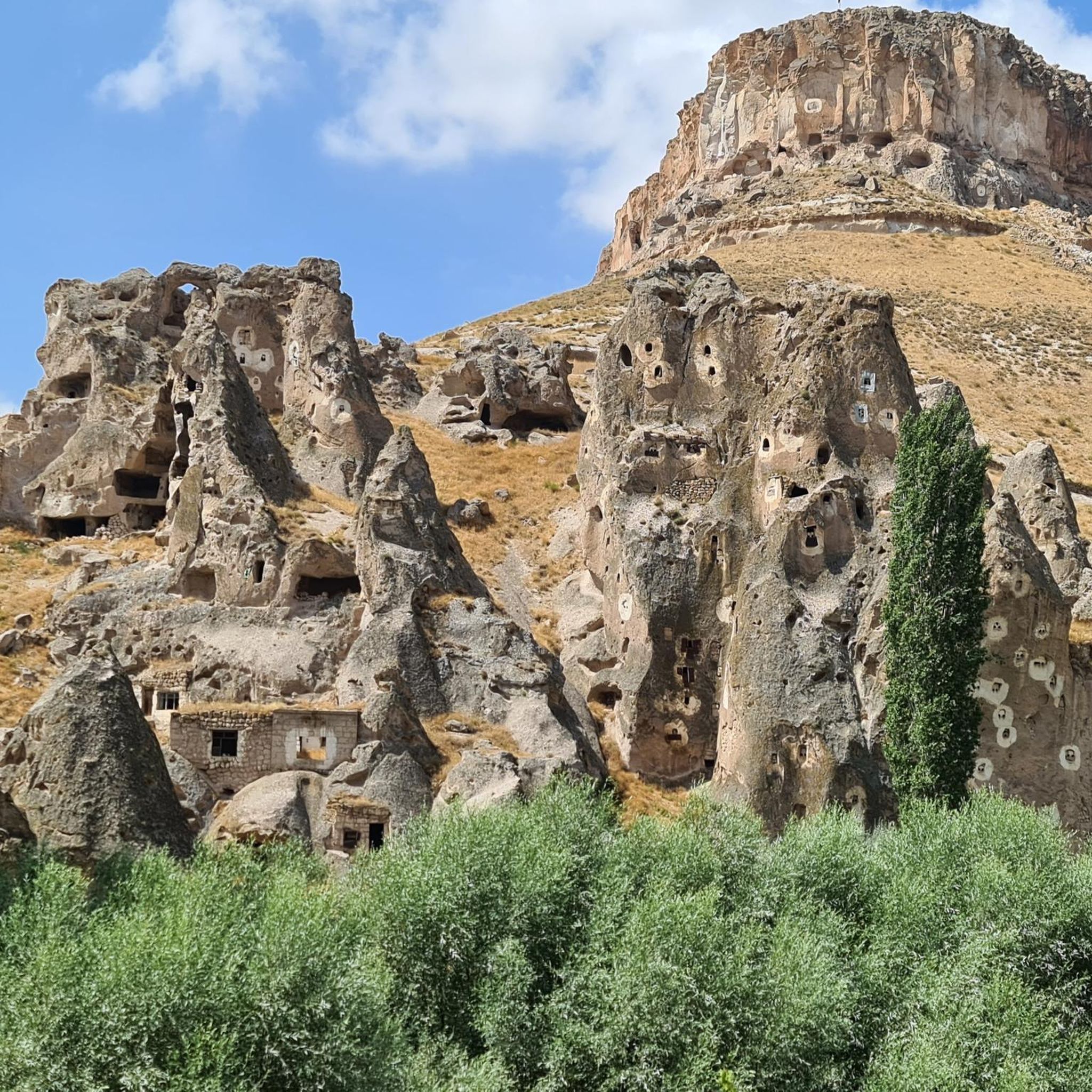
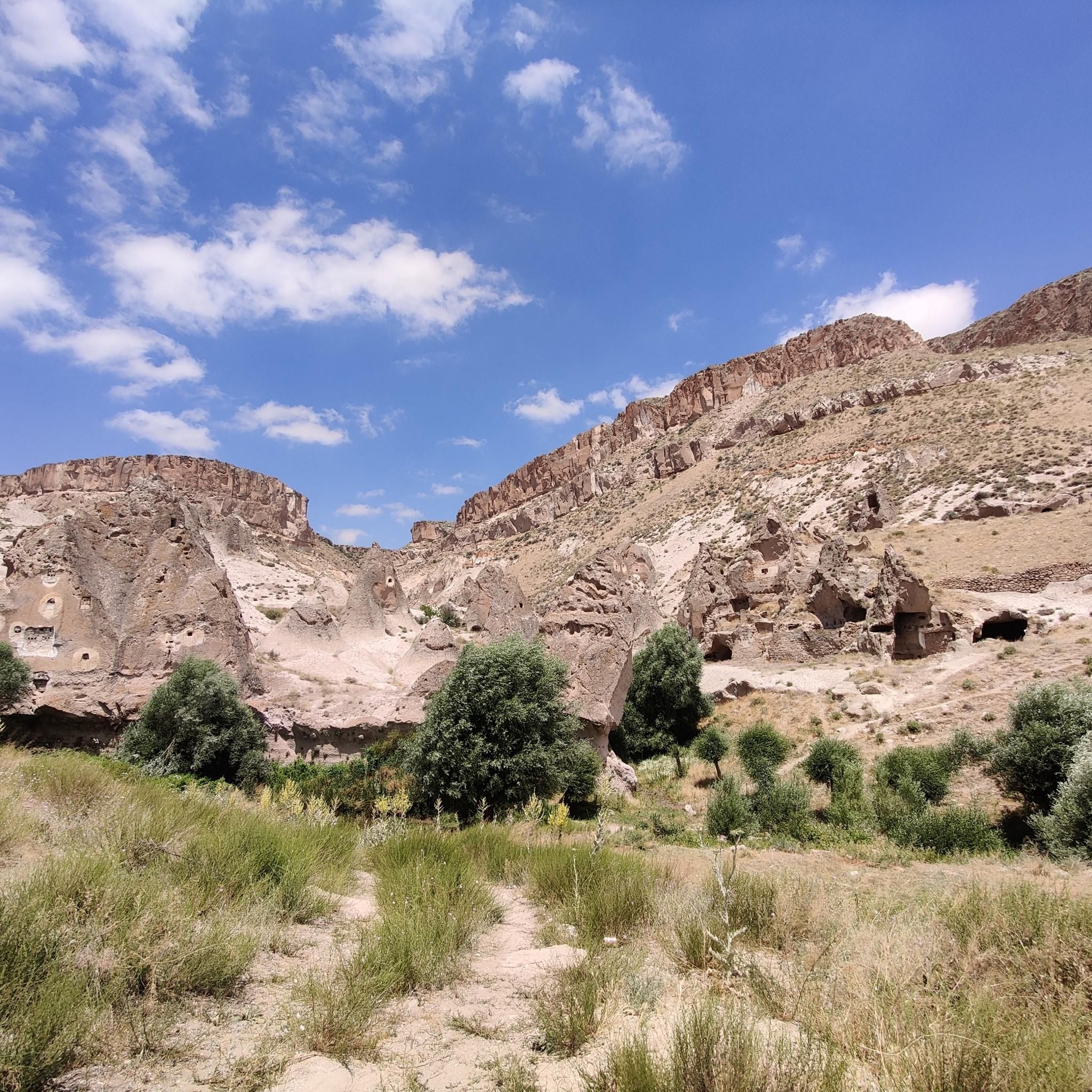
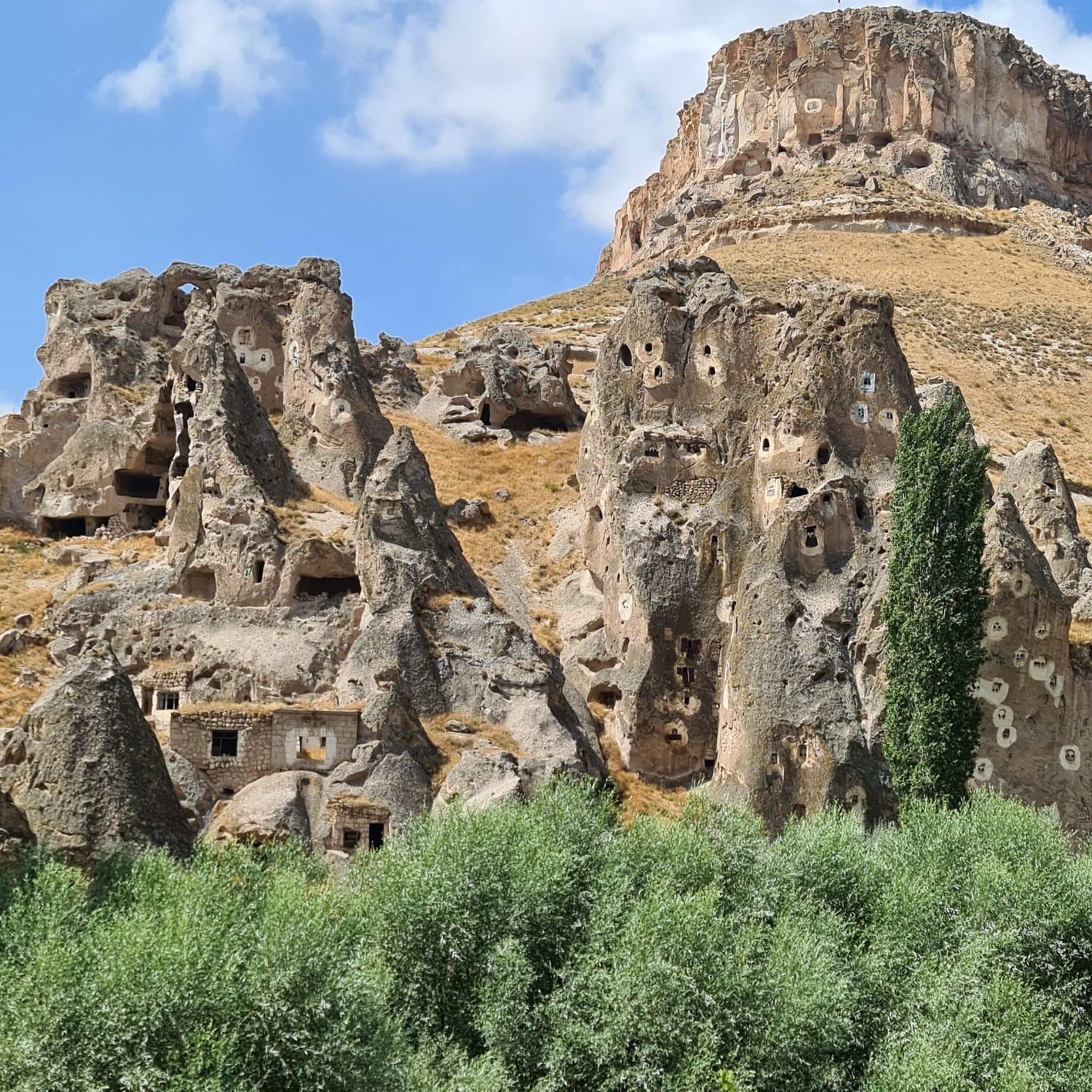
- Visitors also love Abandoned Village of Soganli, a settlement with old cave churches and dwellings. This site, partly deserted, offers insights into historical settlements and rock-cut architecture.
- Kayseri is known for its historical sites, rock-cut religious buildings, and natural landscapes. Visitors can explore ancient settlements, cave churches, and significant architectural landmarks.
- The attractions in Kayseri are appreciated by the komoot community, with more than 10 upvotes and over 30 photos shared.
Last updated: October 11, 2026
Dome Church (Kuppelkirche)
Highlight • Religious Site
Now in danger of collapse after the earthquake and must not be entered.
Great location, well worth a visit. Some frescoes are still visible. A large number of ruins of churches and monasteries remain in the surrounding area. Another plus is the secluded location.
Translated by Google •
Tip by

Yılanlı Kilise (Church of St. George)
Highlight • Religious Site
Translated by Google •
Tip by
Sign up now to discover places like this
Get recommendations on the best single tracks, peaks, & plenty of other exciting outdoor places.
Abandoned Village of Soganli
Highlight • Settlement
Translated by Google •
Tip by
Kayseri
Highlight • Settlement
Mount Erciyes, 2.5 million years old and the highest mountain in Central Anatolia, defines the silhouette of the city, with its summit reaching above the clouds. As well, Erciyes has shaped the 6,000-year history of the region through its geological events.
Kayseri, Türkiye is well worth a visit, for its historical and cultural heritage, its natural beauties, and its traditional cuisine.
Tip by

Soğanlı Valley Rock-Cut Churches
Highlight • Religious Site
Translated by Google •
Tip by

Karabaş Church, Soğanlı
Highlight • Religious Site
The church, which consists of two parts, was built into the rock formations, like other structures in the region. Several outbuildings suggest that it was once part of a monastery complex.
There are many depictions on the church walls. The paintings include Deesis, Angels, the Nativity, His Presentation in the Temple, Metamorphosis, the Crucifixion, and the Ascension to Heaven. Paintings of various saints also adorn the walls. This unique church reflects the artistic and historical value of the region. The detail in the frescoes and the quality of the paintings demonstrate the skill of the masters.
Translated by Google •
Tip by

Abdullah Gül Presidential Museum and Library
Highlight • Historical Site
Sümerbank Cloth Factory, which started production in Kayseri in 1935 and was the first industrial facility of the Republic, contributed to the economy of our country as one of the important locomotives of modernization, industrialization and development until 1999.
The factory buildings, which attract attention with their physical and architectural structure as well as their economic, social and cultural role, are shown as one of the few examples of international modern architectural movements such as Russian Constructivism and Bauhaus.
The building that used to be the power plant of the factory, which is registered and preserved as an industrial heritage, was restored by Emre Arolat Architecture and now welcomes visitors as the Abdullah Gül Presidential Museum and Library.
The museum, located in the Sümer Campus of AGU, exhibits both important memories of the history of the Republic and the belongings and life of the 11th President Abdullah Gül.
The museum, which is a digital archive, consists of 3 blocks and 9 sections on an area of 7 thousand square meters.
In the museum, where many historical documents, information and photographs are exhibited, visitors can learn about important turning points in the history of democracy. There is also a separate section in the museum dealing with the July 15 coup attempt.
Tip by

Karatay Han Caravanserai
Highlight • Historical Site
Tip by

Hidden Church, Soğanlı
Highlight • Religious Site
Translated by Google •
Tip by
Base Camp at the Foot of Mount Erciyes
Highlight • Mountain Hut
Translated by Google •
Tip by

Sign up for free to discover even more attractions in Kayseri.
Already have an account?
Start today with a free account
Your next adventure awaits.
Other adventures in Kayseri

Tips from the Community

Soganli is divided into lower and upper Soganli. A large part of the upper part is deserted.
1
0
The Hidden Church stands somewhat inconspicuously next to the Dome Church. It is a two-story church carved into a conical rock next to the Kubbeli Kilise.
1
0
On the left side of the valley lies the Kubbeli Kilise (Dome Church) with its adjoining rooms, dating from the 10th century and carved into a single rock cone. The cone is decorated on the outside with imitation ashlar and a dentil cornice, presumably intended to give the impression of a freestanding church.
1
0
In the northern valley lies the barrel-vaulted Yılanlı Kilise (Snake Church). In an adjacent building are two arcosolium tombs hewn into the rock. Their frescoes were painted over in black and are unfortunately badly damaged.
1
0
The Karabaş Church (Church of the Black Heads) is located on the right slope of the Onion Valley and is the largest and most remarkable church in the Soganli Valley of Kayseri. This historic building was constructed in the sixth century and reflects features from the Roman period. According to an inscription by the Byzantine general Michael Skepides above the west door, the most recent layer of frescoes dates from the 13th century. The church, which consists of two parts, was built into the rock formations, like other structures in the region. Several outbuildings suggest that it was once part of a monastery complex. There are many depictions on the church walls. The paintings include Deesis, Angels, the Nativity, His Presentation in the Temple, Metamorphosis, the Crucifixion, and the Ascension to Heaven. Paintings of various saints also adorn the walls. This unique church reflects the artistic and historical value of the region. The detail in the frescoes and the quality of the paintings demonstrate the skill of the masters.
1
0

If you're planning to explore this area by bike, on a run, or while hiking, make sure to bring your own Merlot. The region is known for its stunning views and outdoor activities, but finding a good spot to enjoy a glass of wine can be a challenge. Packing your favorite Merlot ensures you can savor a well-deserved drink after your adventure!
0
0

Don't forget water, sunscreen and a hat. Watch out for wild dogs!
0
0
The Soğanlı Valley is located in Yeşilhisar County, Kayseri Province, Turkey, in the southeast of the Cappadocia Region. In the valley, numerous rock churches and cave buildings are carved into the soft tuff rock of the Cappadocian landscape. Source: Wikipedia
1
0
Frequently Asked Questions
What are some notable historical landmarks in Kayseri?
Kayseri boasts a rich history with several significant landmarks. You can explore the ancient Kayseri Castle, which dates back to the Roman Empire and was expanded by the Anatolian Seljuks. Another architectural marvel is the Döner Kümbet, a Seljuk-era tomb known for its intricate stone decorations. The Hunat Hatun Complex, comprising a mosque, madrasa, bath, and tomb, is a superb example of Seljuk architecture. Don't miss the Karatay Han Caravanserai, a historical site that offers a glimpse into ancient trade routes.
Are there any significant natural attractions to visit in Kayseri?
Absolutely. Kayseri is defined by its natural beauty. The iconic Mount Erciyes is a volcanic mountain popular for both winter sports and summer mountaineering. You can also visit the impressive Kapuzbaşı Waterfalls within the Aladağlar National Park, considered among Turkey's highest. The Soğanlı Valley, part of the larger Cappadocia region, is celebrated for its natural beauty and unique rock formations, including historical churches carved into the rock.
What kind of outdoor activities can I do in Kayseri?
Kayseri offers a variety of outdoor activities. Mount Erciyes is excellent for skiing and snowboarding in winter, and mountaineering and trekking in summer. The Sultan Marshes National Park is ideal for bird watching and nature walks. For structured routes, you can find numerous options for hiking, cycling, and running, including trails around the Soğanlı Valley and Mount Erciyes.
Are there family-friendly attractions in Kayseri?
Yes, Kayseri has options for families. The city itself, Kayseri, is considered family-friendly with its historical and cultural heritage. Exploring the Kapalı Çarşı (Covered Bazaar) can be an engaging experience for all ages. The Abdullah Gül Presidential Museum and Library also offers an educational outing. Many of the natural sites, like the Sultan Marshes National Park, are suitable for family nature walks.
What is the best time of year to visit Kayseri?
The best time to visit Kayseri depends on your interests. For winter sports like skiing and snowboarding on Mount Erciyes, the winter months (December to March) are ideal. For hiking, mountaineering, and exploring historical sites and natural parks, spring (April to June) and autumn (September to November) offer pleasant temperatures and beautiful scenery. Summers can be hot but are suitable for high-altitude trekking.
Can I find any unique cultural sites or museums in Kayseri?
Kayseri is rich in cultural sites. The Gevher Nesibe Museum of Medical History, housed in one of the world's first medical schools from the Seljuk period, offers fascinating insights into medical practices. You can also visit the Mimar Sinan House, the birthplace of the renowned Ottoman architect, now a museum. The Atatürk House Museum provides a glimpse into 19th-century architecture and Turkish history.
Are there any ancient archaeological sites near Kayseri?
Yes, the ancient archaeological site of Kültepe (Kaniş-Karum), located just outside the city, is a significant historical destination. It was a major Assyrian trade colony and offers valuable insights into early trade history in Anatolia. Additionally, the Ali Dağı Underground City presents a mysterious site for history and adventure enthusiasts to explore.
What are some options for public transport to major attractions like Mount Erciyes?
Public transport options are available for key attractions. For Mount Erciyes, there are usually shuttle services or public buses operating from Kayseri city center, especially during the winter season for ski resorts. For other historical sites within the city, local buses and dolmuş (shared taxis) are common. For more remote natural parks like Aladağlar National Park, private transport or organized tours might be more convenient.
Where can I experience local life and traditional shopping in Kayseri?
To experience local life and traditional shopping, head to the Kapalı Çarşı (Covered Bazaar). Here, you can find local spices, textiles, copper items, and famous Kayseri food products like pastırma and sucuk. Cumhuriyet Square, with its 5000-year history, also serves as a vibrant hub connecting the old and new city centers, offering a glimpse into daily life.
Are there any rock-cut churches or settlements to explore in Kayseri?
Kayseri, particularly the Soğanlı Valley, is famous for its rock-cut architecture. You can explore the Yılanlı Kilise (Church of St. George), known for its over 1,000-year-old frescoes. The Dome Church (Kuppelkirche), dating from the 10th century, also features visible frescoes. The Abandoned Village of Soganli offers insights into historical settlements and numerous old cave churches and dwellings.
What are some winter activities available in Kayseri?
Kayseri is a prime destination for winter activities, primarily centered around Mount Erciyes. It's a popular spot for skiing and snowboarding, offering well-maintained slopes and facilities. The mountain also provides opportunities for winter mountaineering and enjoying the snowy landscapes. The city itself can be charming with its historical sites under a blanket of snow.
Are there any wheelchair-accessible attractions in Kayseri?
Yes, some attractions in Kayseri are designed to be wheelchair accessible. The Abdullah Gül Presidential Museum and Library is noted for its accessibility. While many historical sites may have uneven terrain, modern facilities and some museums strive to provide access for all visitors. It's always advisable to check specific accessibility details for older sites in advance.
Where can I find cafes or places to eat near historical sites like Kayseri Castle?
Near historical sites like Kayseri Castle and Cumhuriyet Square, you'll find numerous cafes and restaurants. The Talas District, known for its historical stone houses and cobblestone streets, has many historical buildings converted into charming cafes. These areas offer a great opportunity to relax and enjoy local cuisine after exploring the landmarks.
Are there any permits required for hiking in Kayseri's national parks?
For hiking in national parks like Aladağlar National Park or other protected areas around Kayseri, permits might be required, especially for certain routes, overnight stays, or specific activities. It's recommended to check with local park authorities or guide services in advance to understand any permit requirements and regulations for the specific area you plan to visit.
What do visitors particularly enjoy about the attractions in Kayseri?
Visitors to Kayseri particularly enjoy the blend of rich history and stunning natural landscapes. The ancient rock-cut churches and settlements in the Soğanlı Valley, like the Abandoned Village of Soganli, are often highlighted for their unique historical insights. The majestic presence of Mount Erciyes and the diverse outdoor activities it offers also receive high praise. The city's historical and cultural heritage, as noted by visitors to Kayseri, is a significant draw.
Most popular attractions in Kayseri

Get inspired with the komoot mobile app


Didn’t find what you were looking for?
Are you keen on exploring more awesome places nearby? Browse our guides:
Explore more
Still not found the Highlight you’re looking for? See guides of the top attractions in other regions:
