The 20 Most Amazing Peaks in Arizona
Mountain peaks in Arizona offer diverse landscapes, from high alpine environments to rugged desert terrain. The region features a variety of summits, providing opportunities for exploration and panoramic views. Many peaks hold cultural significance for Native American tribes and showcase unique geological formations. These mountains contribute to Arizona's varied natural landscape, attracting visitors seeking outdoor activities.
Best mountain peaks in Arizona
- The most popular mountain peaks is Piestewa Peak, a summit that is the second highest peak in the…
Last updated: October 4, 2026
Piestewa Peak
Highlight • Summit
Tip by

Shaw Butte Summit
Highlight • Summit
Tip by

Sign up now to discover places like this
Get recommendations on the best single tracks, peaks, & plenty of other exciting outdoor places.
Sugarloaf Summit
Highlight • Summit
Tip by

Coffee Pot Rock
Highlight • Natural Monument
Tip by
Humphreys Peak
Highlight • Summit
Tip by
Cholla Trail, Camelback Mountain
Highlight (Segment) • Trail
Tip by

North Mountain
Highlight • Summit
Tip by
Finger Rock Trailhead
Highlight • Trail
Tip by
Pusch Peak Trail
Highlight (Segment) • Trail
Tip by

Dixie Mountain
Highlight • Summit
Tip by

Sign up for free to discover even more peaks in Arizona.
Already have an account?
Start today with a free account
Your next adventure awaits.
Popular around Arizona
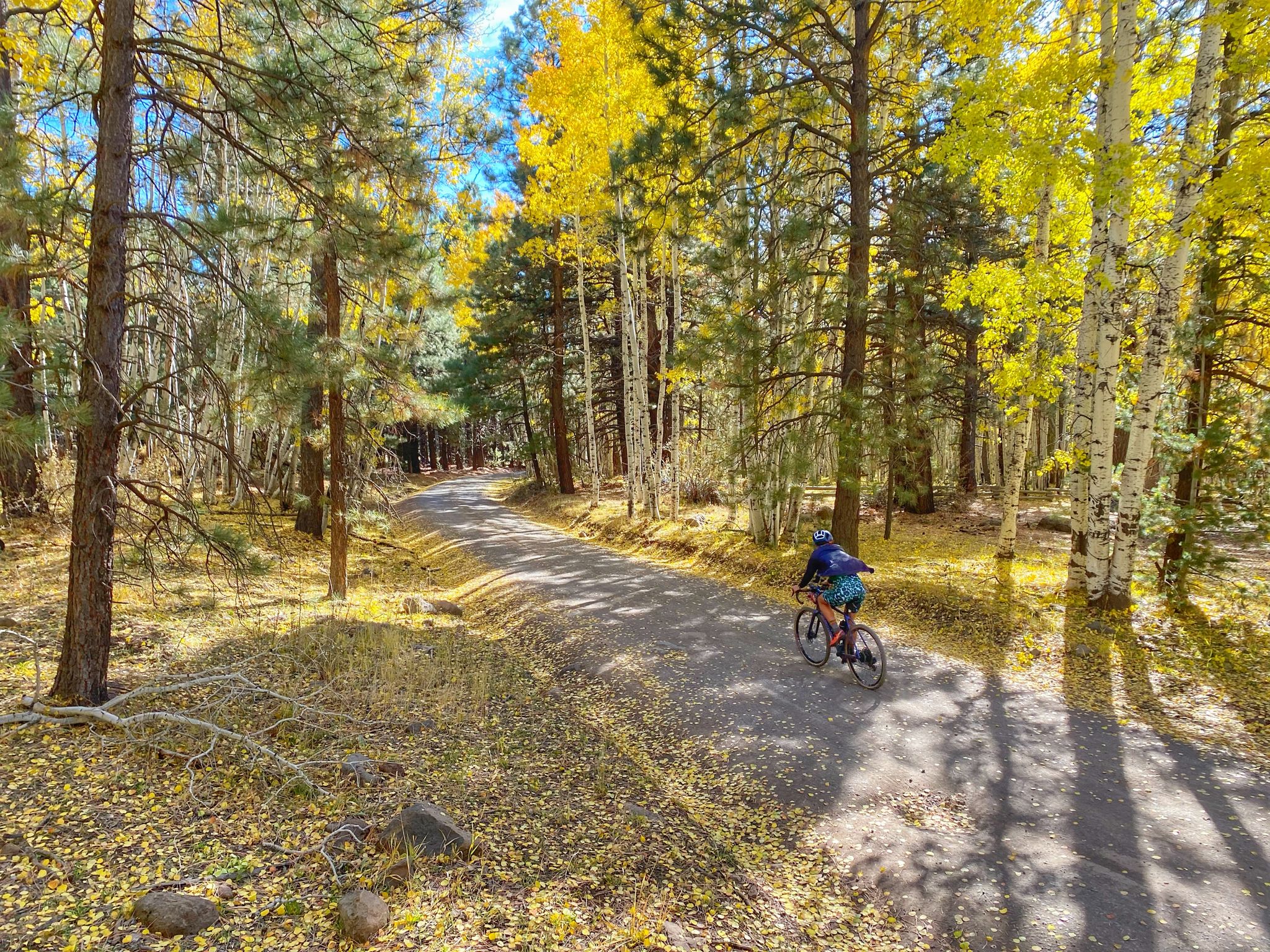
Grand Canyon to Mount Humphreys — a run, bike, run adventure
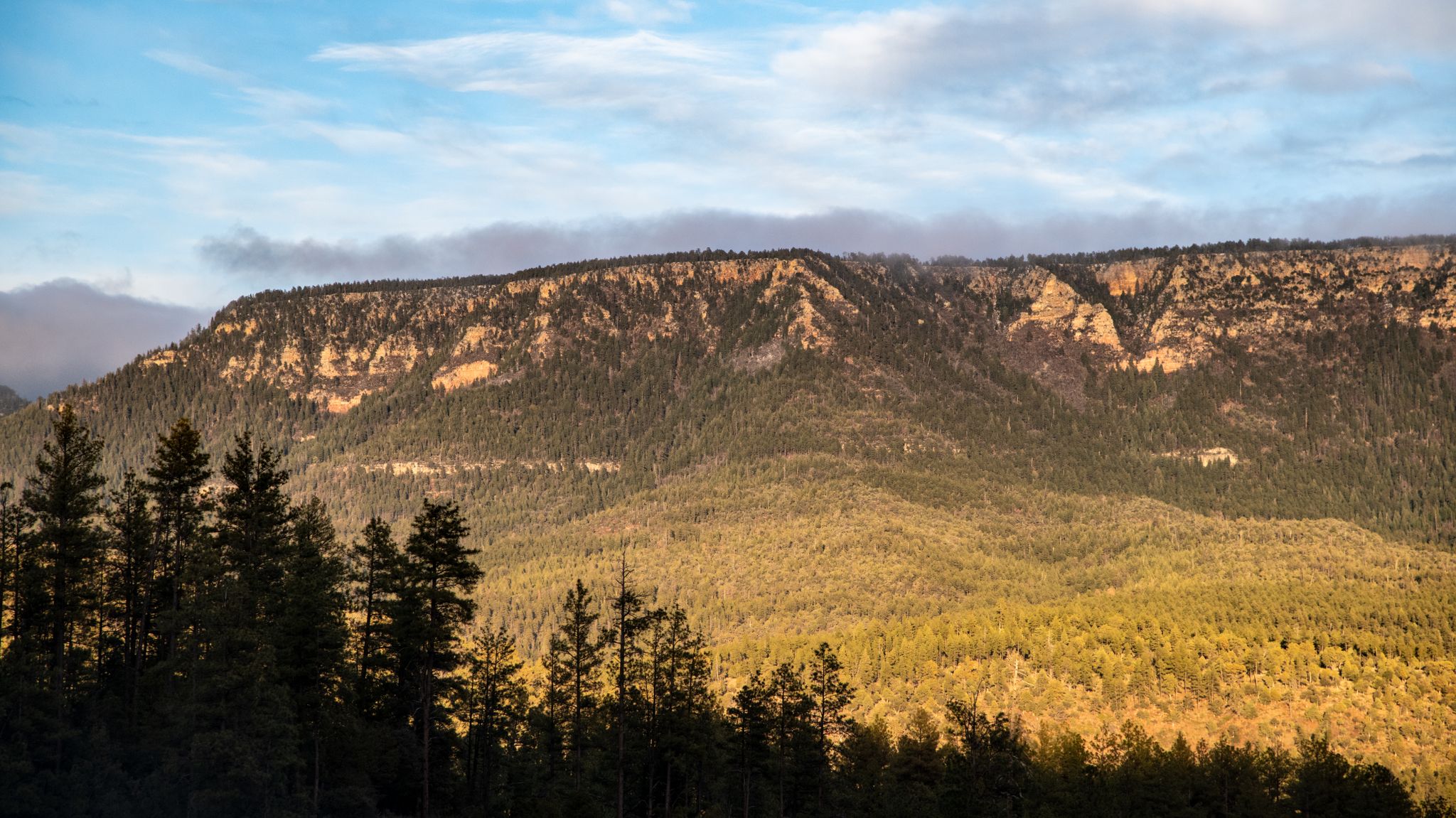
Grand Enchantment Trail — Slot canyons, spruce peaks & desert solitude
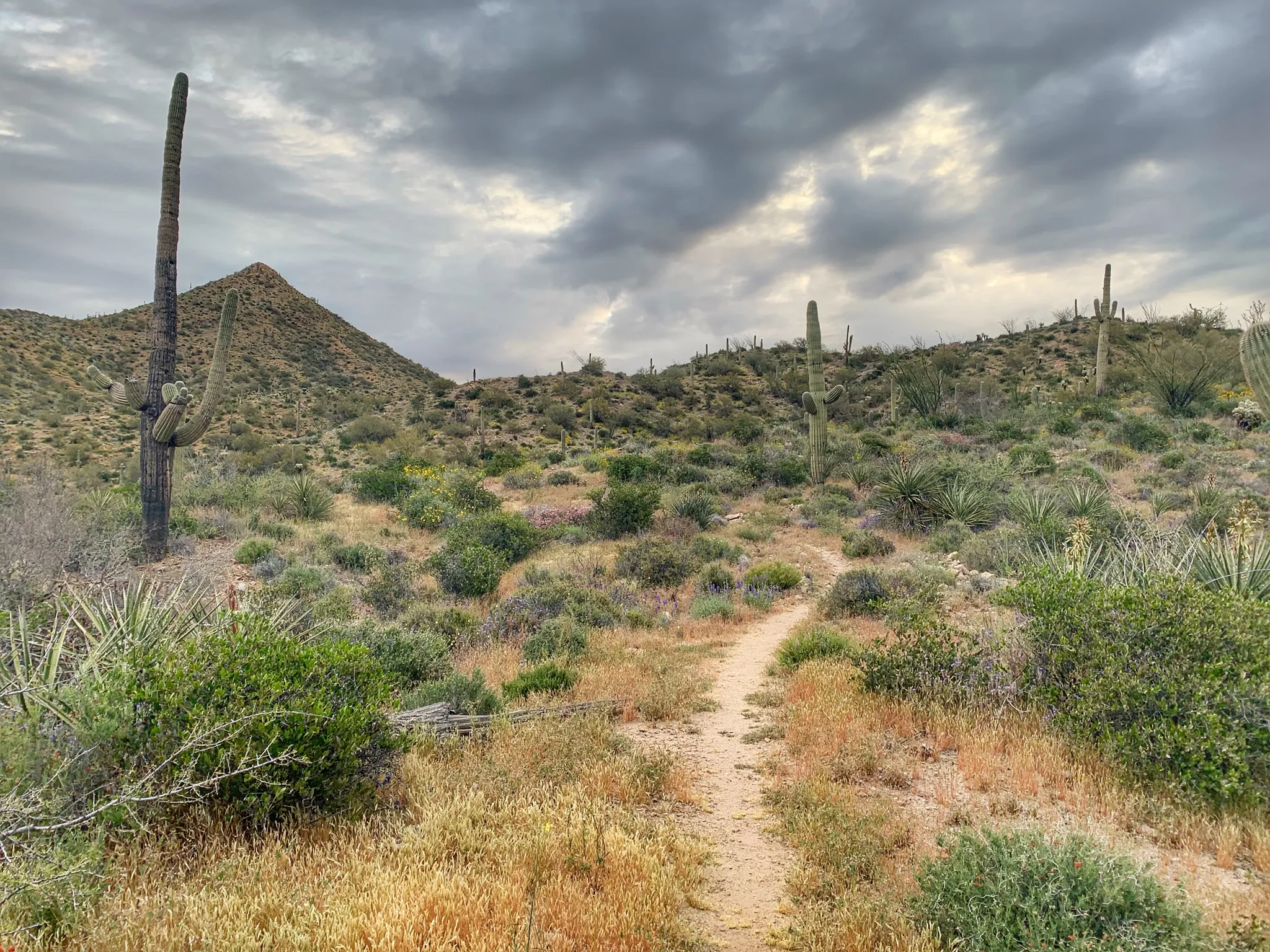
Arizona Trail — A beautiful 800-mile struggle
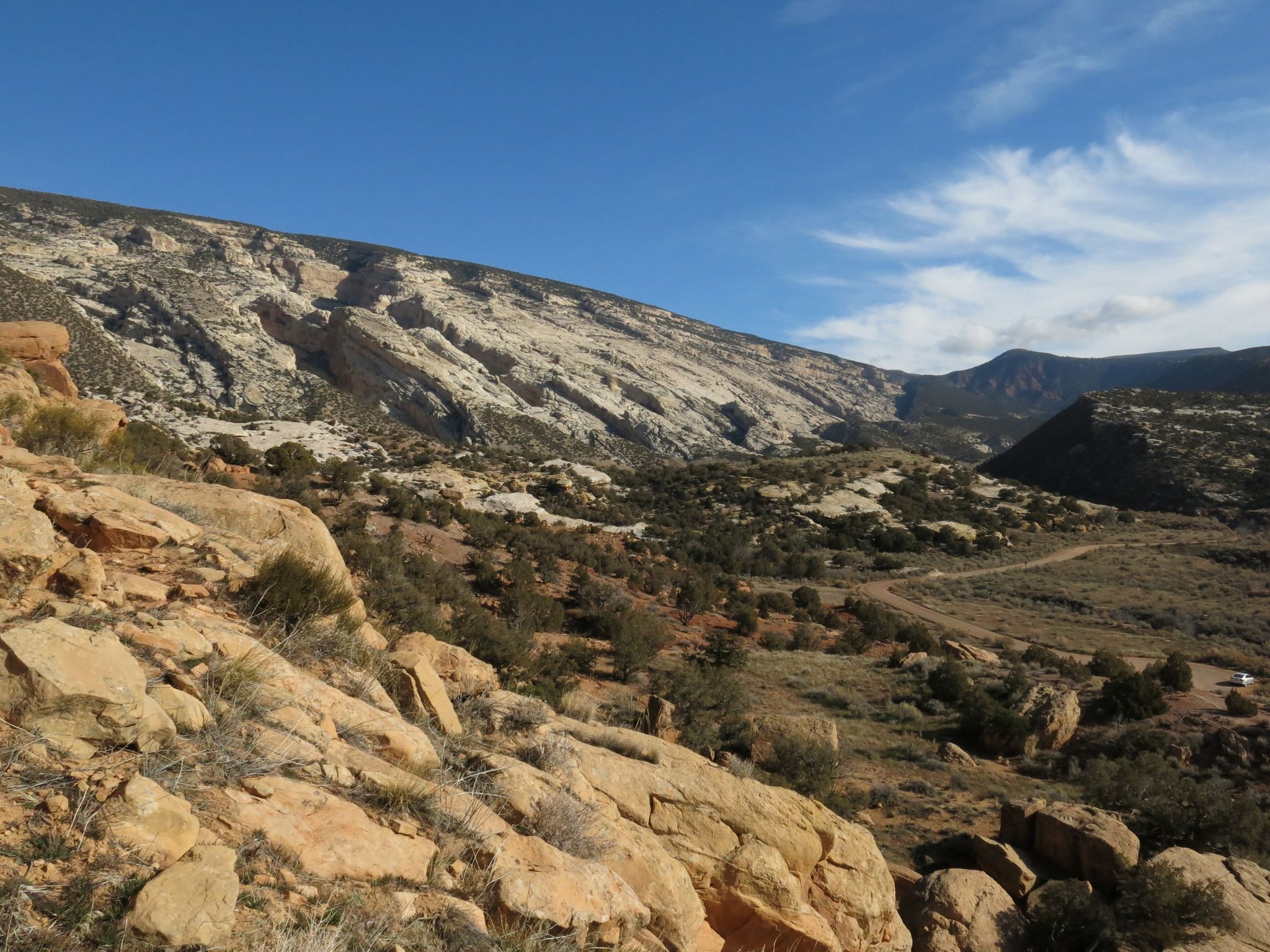
Bikepack in America's southwest – deserts, cacti and Anasazi culture
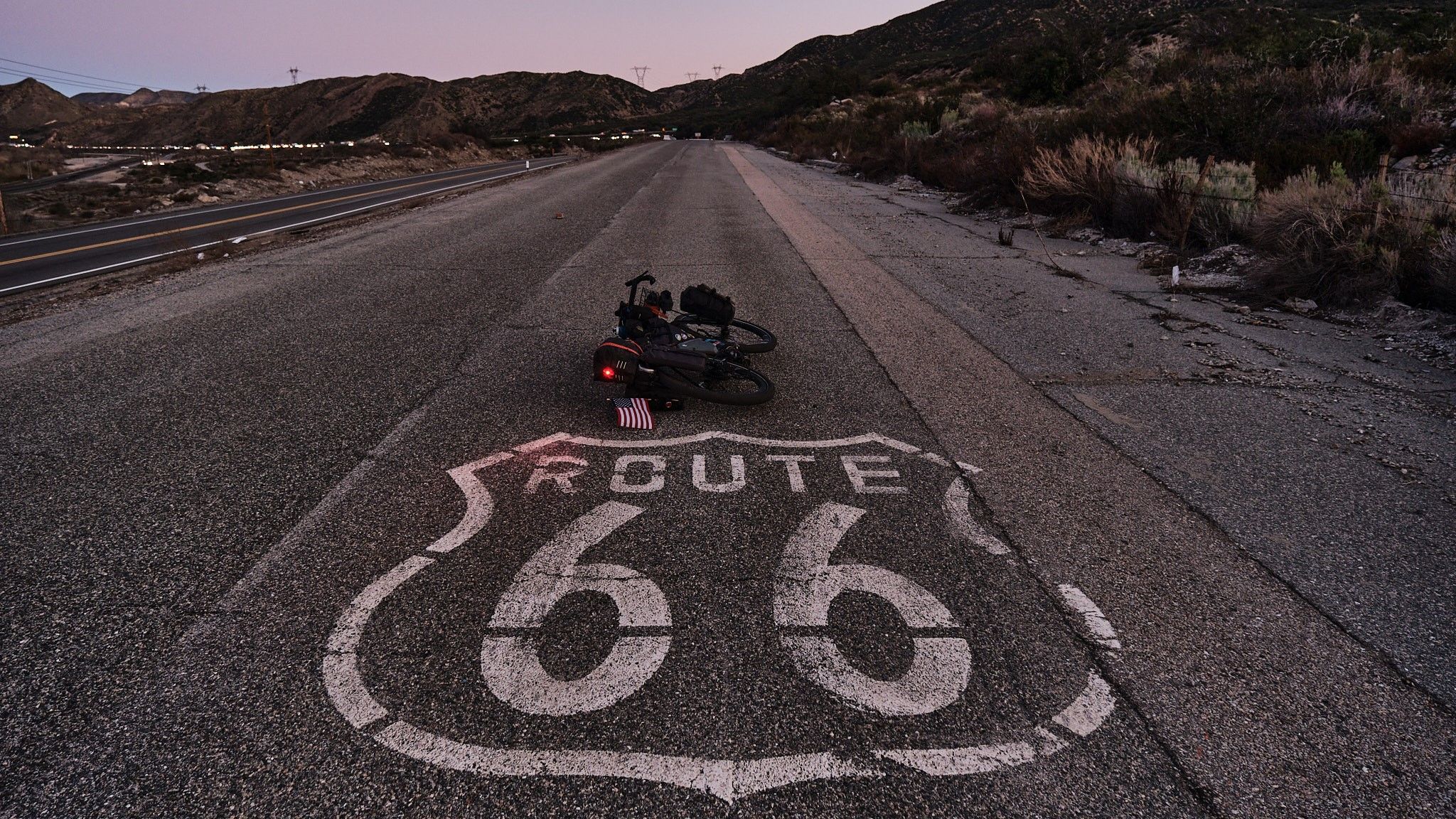
Adventure Cycling Association's Bicycle Route 66 — LA to Chicago
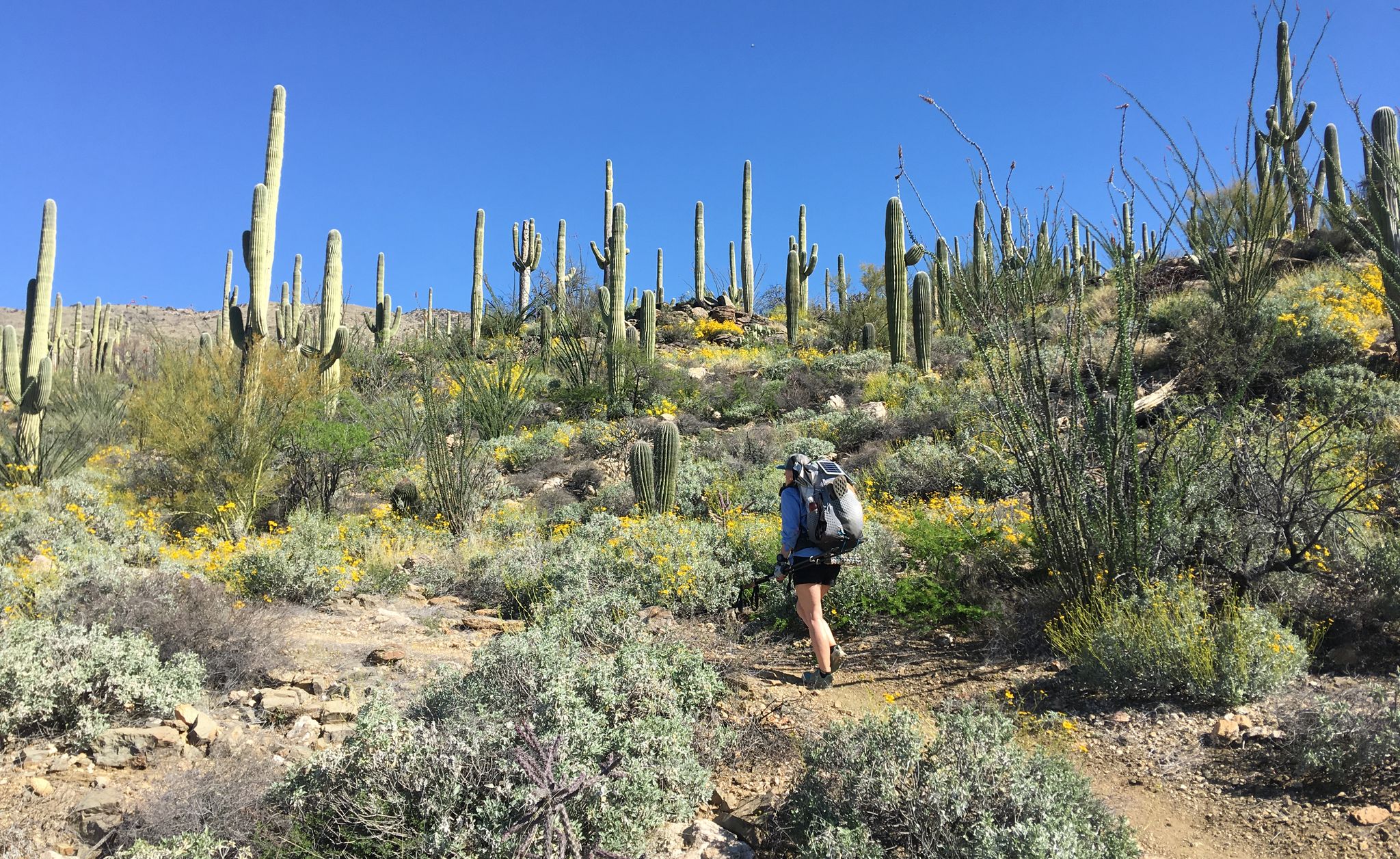
The Arizona Trail — From Mexico to Utah in 43 days
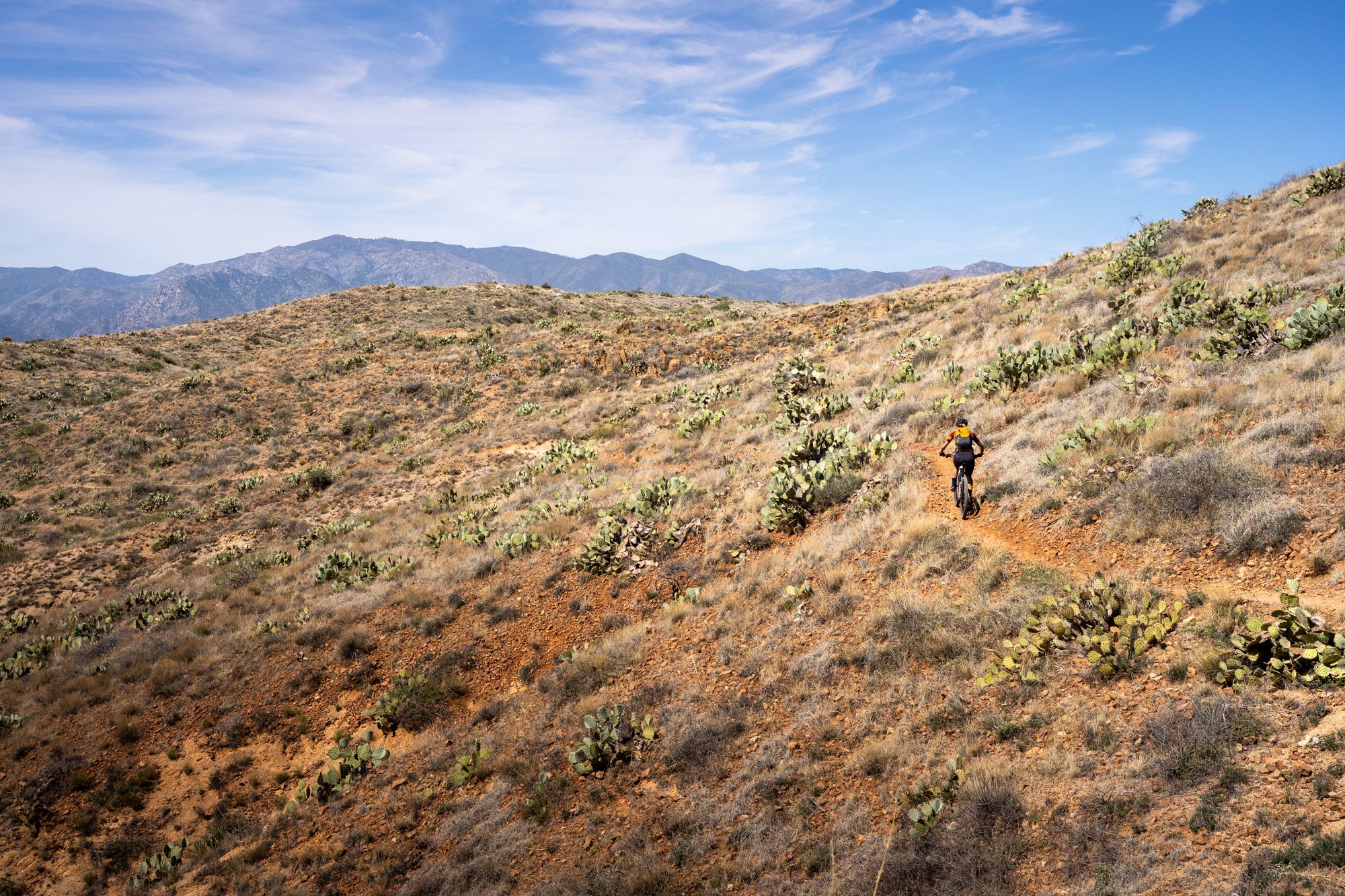
Pure Arizona mountain singletrack — Black Canyon Trail
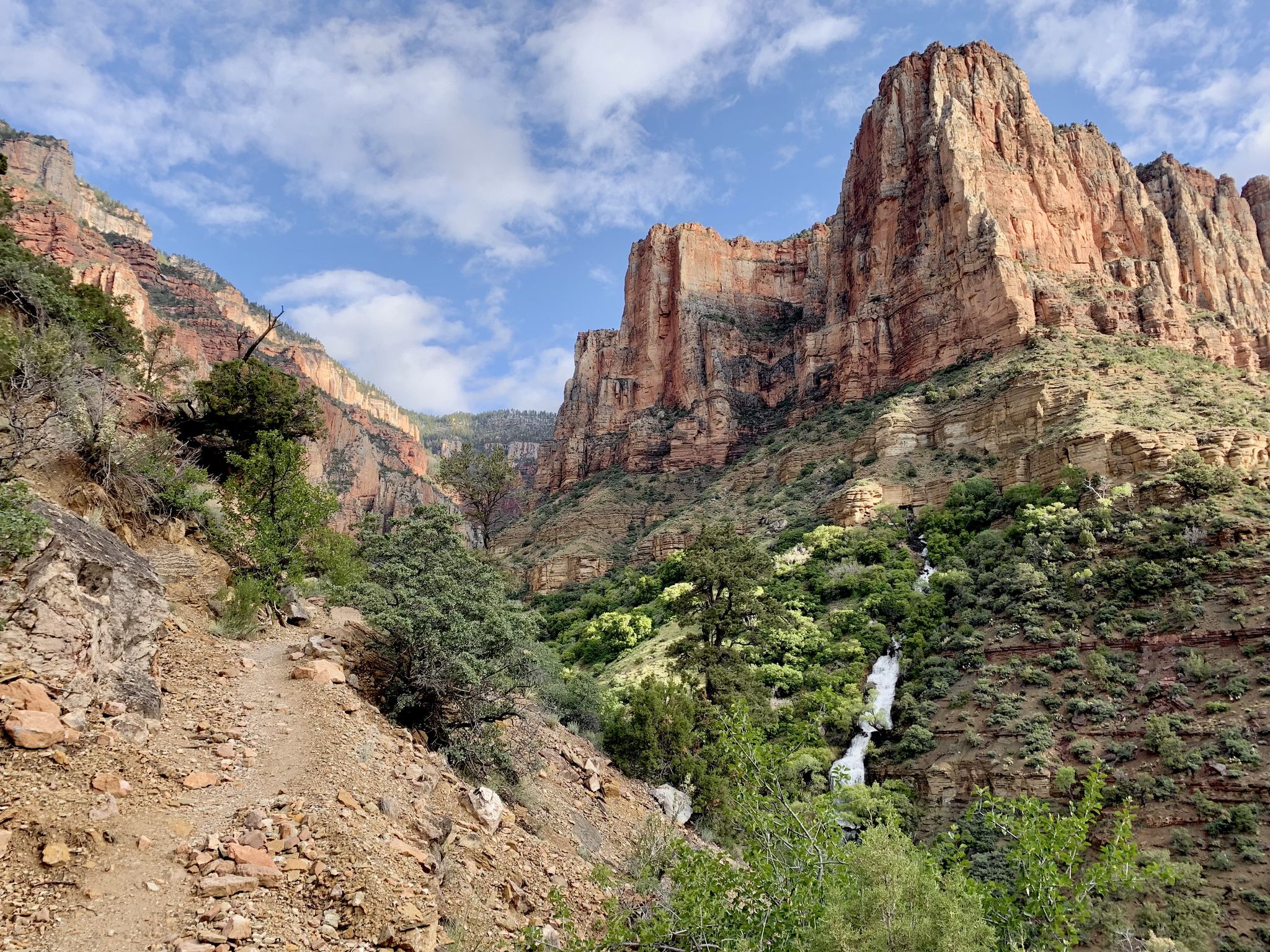
Rim-to-Rim-to-Rim – top to bottom through the Grand Canyon
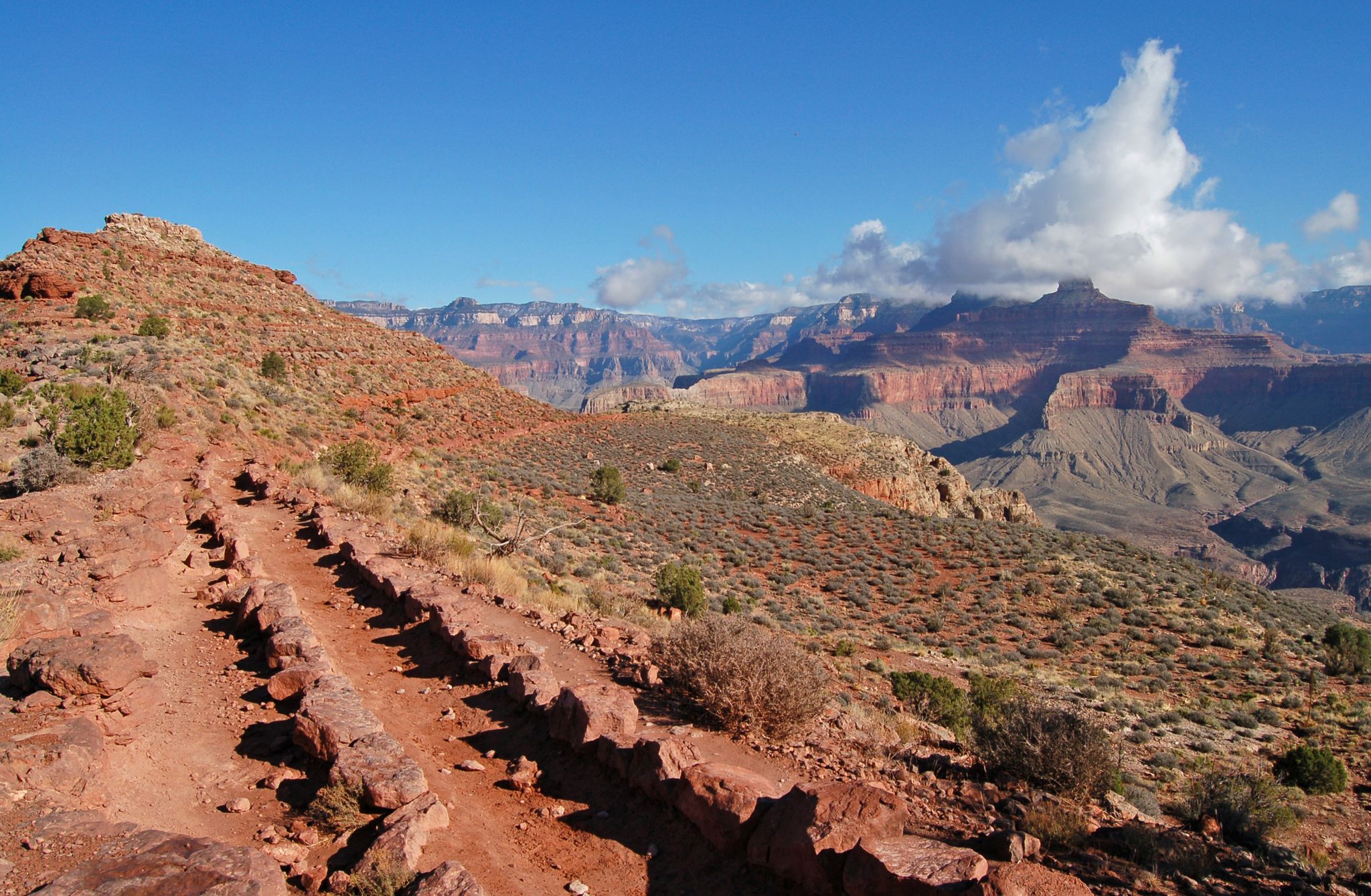
Rim-to-Rim-to-Rim — Fastpacking into the Grand Canyon’s heart
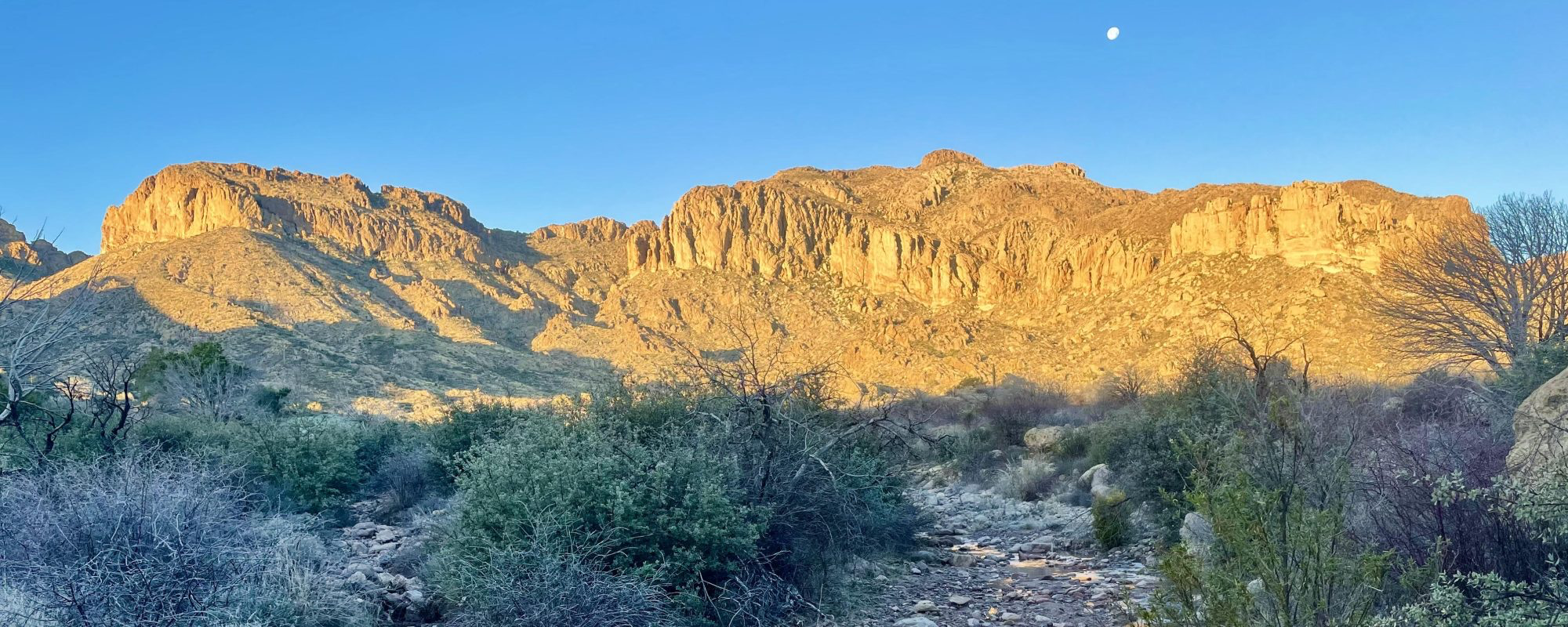
Highline National Recreation Trail – The High Road around the Mogollon Rim
Other adventures in Arizona


Tips from the Community

Also see QR Code for weather forecast and additional information on photos of billboard signs' photos #25 on.
1
0
... https://www.fusd1.org/cms/lib03/AZ01001113/Centricity/Domain/883/peaks_history.pdf https://www.alltrails.com/trail/us/arizona/humphreys-peak https://coconino.stqry.app/story/242022 https://www.grandcanyontrust.org/hikes/cpe-humphreys-peak-trail/https://www.fs.usda.gov/r03/coconino/recreation/groups/kachina-peaks-wilderness
2
0
Google's AI also summarized this mountain and its history as: "Humphreys Peak, the highest point in Arizona, and the Kachina Peaks Wilderness, where it's located, have a rich history deeply intertwined with Native American culture, exploration, and geological events. The peaks are sacred to various tribes, particularly the Hopi, who believe Kachina spirits reside there. The wilderness area itself was established in 1984 to protect the unique volcanic landscape and the surrounding ecosystem." This was gathered from the following links, which provide further in-depth information: https://en.wikipedia.org/wiki/Kachina_Peaks_Wilderness https://en.wikipedia.org/wiki/San_Francisco_Peaks https://www.fs.usda.gov/r03/coconino/recreation/groups/kachina-peaks-wilderness https://en.wikipedia.org/wiki/Coconino_National_Forest https://www.arizonahighways.com/humphreys-peak https://en.wikipedia.org/wiki/Humphreys_Peak https://azgs.arizona.edu/photo/san-francisco-peaks-inner-basin ...
2
0
Highest point in Arizona, at 12,633 feet (3851 meters) Humphreys Peak is one of the most exciting mountain destinations in the state. Part of the rim of a volcanic caldera, the entire Kachina Wilderness I consider a hiking paradise of rugged, untamed outdoor wonder not far from perhaps the biggest hole in the world, the Grand Canyon. ⛰️🌲💚🌄Hiking from the snowbowl, this trail consists of an unrelenting upward tour over rocks and roots with grades as high as 26% and at that worth every step. 🤠💛😊
2
0

The Pusch Peak Trail begins at the Linda Vista Loop Trailhead and cuts through the loop trail. After 0.7 miles and a 380-foot elevation gain, a sign marks the start of the "real" route to the peak, featuring steep 25% grade climbs, loose rocks, and prickly desert vegetation. Long pants and sturdy boots are recommended for this section. Over 1.25 miles, hikers ascend more than 2,300 feet along a mostly well-defined trail, with some sections requiring navigation over exposed rock. The return follows the same path.
1
0

I recommend doing this summit to watch the sunrise, enjoying a 360-degree panorama. About thirty minutes from the Surgarloaf trailhead, bring a headlamp and go up when it is dark, because the show starts at first light, symphonies of color. A must do if you are staying in Sedona.
0
0

Cholla Trail is a fantastic and challenging route with a steep incline. As you hike along Camelback Mountain, you can expect stunning views of Scottsdale and Phoenix while you negotiate rocks and boulders along the way. It's not only an enjoyable hike, but a climb that's well worth the effort.
0
0

The trail is short and not technical. Make sure you have enough water and enough sun protection. Thre is are some bees enjoying the cactus flowers, while they didn't bother me, they could be agressive - try to avoid. The views are very beautiful.
0
0
Frequently Asked Questions
What are some of the most popular mountain peaks to visit in Arizona?
Arizona offers a variety of popular peaks. Piestewa Peak is a favorite in Phoenix, known for its challenging climb and panoramic city views. For a true alpine experience, Humphreys Peak, the state's highest point, offers breathtaking 360-degree vistas. In Sedona, Coffee Pot Rock is a distinctive natural monument and a popular summit.
Which mountain peaks in Arizona offer the best panoramic views?
Many peaks in Arizona provide stunning views. From Piestewa Peak, you can enjoy a great view of the illuminated city of Phoenix. Humphreys Peak offers 360-degree views that can extend to the Grand Canyon's North Rim and the White Mountains on clear days. Camelback Mountain also provides panoramic views of Phoenix, while Peralta Canyon in the Superstition Mountains offers picturesque views of Weaver's Needle.
Are there challenging mountain hikes in Arizona?
Yes, Arizona has several challenging mountain hikes. The ascent to Piestewa Peak is a rocky path with significant altitude gain over a short distance. Humphreys Peak is a demanding climb, especially from the south, with an unrelenting upward tour over rocks and roots. Camelback Mountain's Echo Canyon and Cholla trails are also known for their strenuous climbs.
What are some family-friendly mountain options in Arizona?
While many peaks offer challenging terrain, some areas provide more accessible options. The Elden Mountain Lookout Tower area is noted as family-friendly. For easier hikes, consider exploring the valleys around Shaw Butte and North Mountain, which offer a variety of trails for all skill levels. The Superstition Mountains also have trails ranging from easy to strenuous, allowing families to choose appropriate routes.
Which mountain peaks are dog-friendly in Arizona?
Humphreys Peak is listed as dog-friendly, allowing you to bring your canine companion to Arizona's highest point. Always check specific trail regulations and be prepared with water and waste bags when hiking with dogs.
What unique natural features can be found on Arizona's mountain peaks?
Arizona's peaks boast diverse natural features. Humphreys Peak offers a rare alpine environment with tundra-like ecosystems and lush forests. Camelback Mountain is known for its distinctive camel-like shape and unique rock formations like "The Praying Monk." Mount Lemmon showcases a dramatic ecological transition from desert to pine forests, while the Superstition Mountains feature striking red rock buttes and canyons.
What is the best time of year to hike Arizona's mountain peaks?
The best time to hike Arizona's mountain peaks varies by elevation. For lower desert peaks like Piestewa Peak and Camelback Mountain, winter and spring offer milder temperatures, making them ideal for vigorous workouts. Higher peaks like Humphreys Peak and Mount Lemmon are best visited in summer and fall for hiking, as they provide an escape from the desert heat and showcase vibrant aspen colors in autumn. Be aware that snowstorms can hit Humphreys Peak even in May.
Are there opportunities for rock climbing on Arizona's peaks?
Yes, Arizona offers excellent rock climbing opportunities. Camelback Mountain, with its unique rock formations, is popular for rock climbing, especially "The Praying Monk." Mount Lemmon in the Santa Catalina Mountains is a renowned climbing destination with over 1,500 routes available year-round. The Superstition Mountains also feature notable formations like Weaver's Needle, which is a popular rock climbing spot.
What outdoor activities can I do near Arizona's mountain peaks besides hiking?
Beyond hiking, you can find various outdoor activities. Near many peaks, you can enjoy cycling, with routes like "Mount Lemmon via Catalina Highway" and "Red Rock Scenic Byway" available. For more cycling options, explore the Cycling in Arizona guide. Mount Lemmon also offers skiing and sledding in winter, and the Superstition Mountains are popular for mountain biking and equestrian trails.
Which mountain peaks in Arizona have historical or cultural significance?
Several peaks in Arizona hold deep historical and cultural significance. Humphreys Peak and the San Francisco Peaks are sacred to several Native American tribes, including the Navajo and Hopi. Camelback Mountain was a sacred site for the prehistoric Hohokam culture. Piestewa Peak was renamed in honor of Lori Piestewa, the first Native American woman to die in combat while serving in the U.S. military. The Superstition Mountains are steeped in the legend of the Lost Dutchman's Gold Mine, and the Superstition Mountain Museum provides insights into the area's history.
Are there easy hiking trails for beginners near Arizona's mountain peaks?
Yes, there are easy hiking trails suitable for beginners. While some peaks are challenging, areas like the Phoenix Mountains Preserve offer a mix of trails. For specific easy routes, you can find options like "Horseshoe Bend Trail" or "Bajada Loop Drive" for cycling. For more beginner-friendly hiking suggestions, consult the Easy hikes in Arizona guide.
What should I bring for hiking in Arizona's mountains?
When hiking in Arizona's mountains, especially in the desert, always bring plenty of water, as temperatures can be high. Sun protection like hats, sunglasses, and sunscreen is essential. For higher elevations like Humphreys Peak, even in warmer months, be prepared for sudden weather changes and cooler temperatures, potentially including snow. Sturdy hiking shoes are recommended for rocky and uneven terrain.
Can I find parking at the trailheads for Arizona's mountain peaks?
Many popular trailheads for Arizona's mountain peaks offer parking. For example, the Finger Rock Trailhead has parking available across the street. However, popular spots like Piestewa Peak can have crowded parking lots, especially during peak times like sunset, so it's advisable to arrive early or be prepared for a wait.
Most popular routes in Arizona
Most popular attractions in Arizona

Get inspired with the komoot mobile app


Didn’t find what you were looking for?
Discover Arizona’s best peaks and summits by region:
Explore more
See even more amazing summits in Arizona with these guides:
