The 20 Most Amazing Peaks in New Mexico
Best mountain peaks in New Mexico are found across a diverse landscape, from the high alpine Sangre de Cristo Mountains to the volcanic formations of the west. The region features prominent peaks that offer varied experiences for outdoor enthusiasts. Many of these mountains hold significant cultural importance for Native American communities. New Mexico's peaks provide opportunities to explore unique natural features and expansive views.
Best mountain peaks in New Mexico
- The most popular mountain peaks is Black Volcano, a…
Last updated: September 27, 2026
Black Volcano
Highlight • Volcano
Tip by

Wheeler Peak Summit
Highlight • Summit
Tip by

Sign up now to discover places like this
Get recommendations on the best single tracks, peaks, & plenty of other exciting outdoor places.
Picacho Peak
Highlight • Summit
Tip by

View of the Sandia Mountains
Highlight (Segment) • Viewpoint
Tip by

North Sandia Peak
Highlight • Summit
Tip by
Mount Cristo Rey
Highlight • Summit
Tip by

Monjeau Peak Lookout Tower
Highlight • Summit
Historic fire lookout tower.
Construction: 1936, by the Civilian …
Translated by Google •
Tip by

Saint Peter's Dome
Highlight • Summit
Tip by

North Baldy Trail
Highlight (Segment) • Trail
Tip by

Tesuque Peak
Highlight • Summit
Tip by

Sign up for free to discover even more peaks in New Mexico.
Already have an account?
Start today with a free account
Your next adventure awaits.
Popular around New Mexico
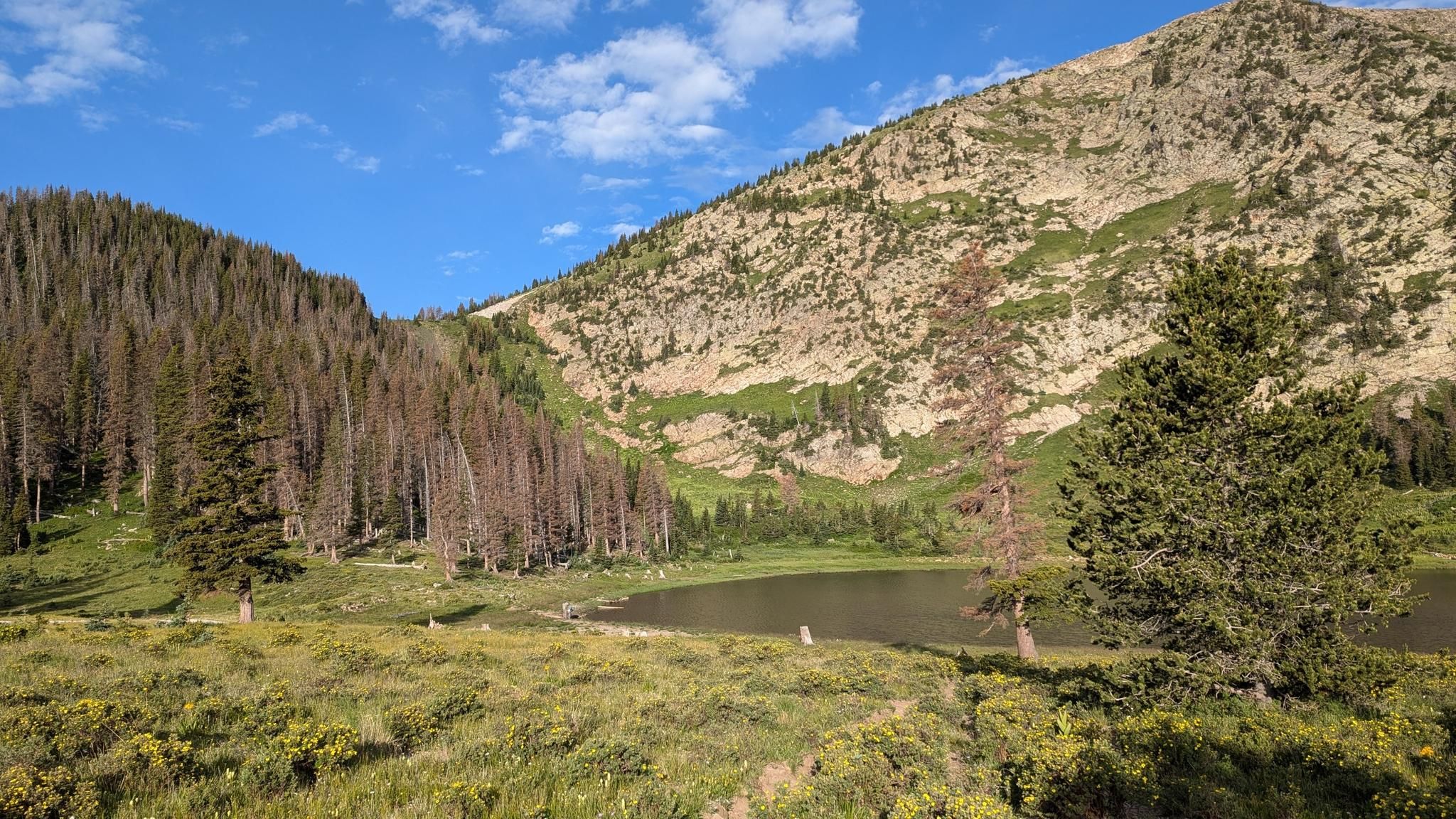
Santa Fe to Taos Thru-Hike — A journey across the Sangre de Cristo Mountains
Great Divide Mountain Bike Route — Cycling the spine of a continent
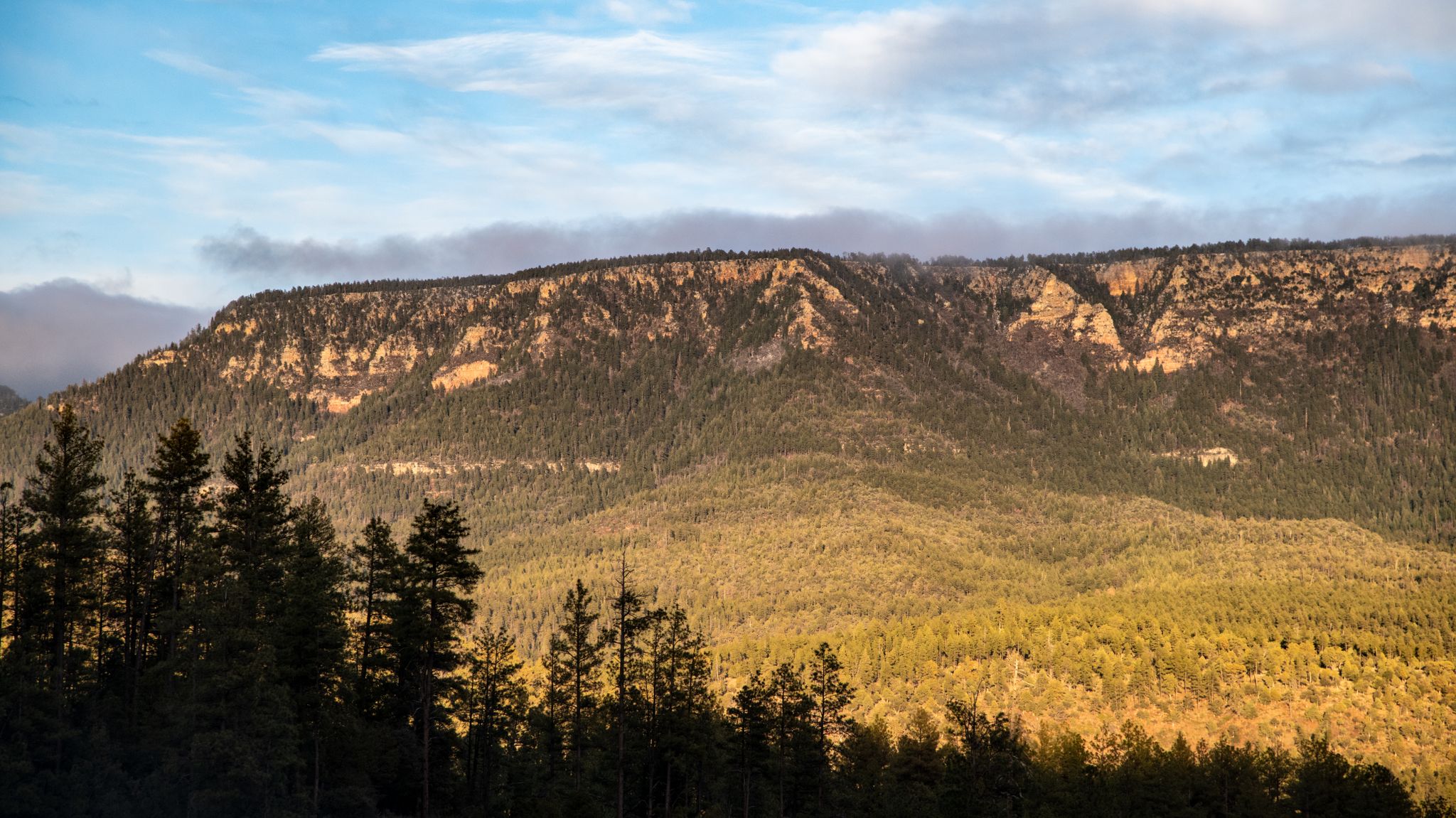
Grand Enchantment Trail — Slot canyons, spruce peaks & desert solitude
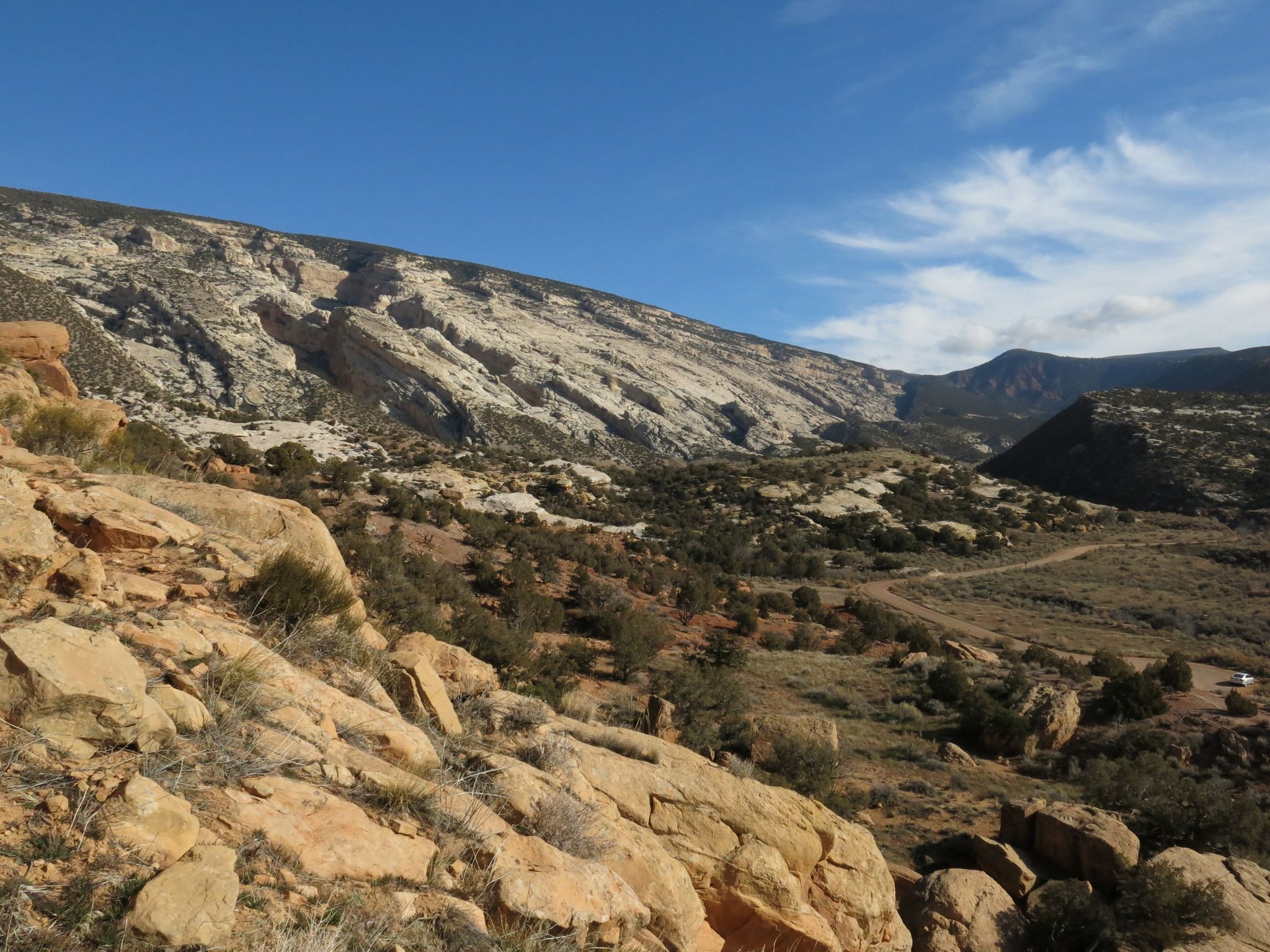
Bikepack in America's southwest – deserts, cacti and Anasazi culture
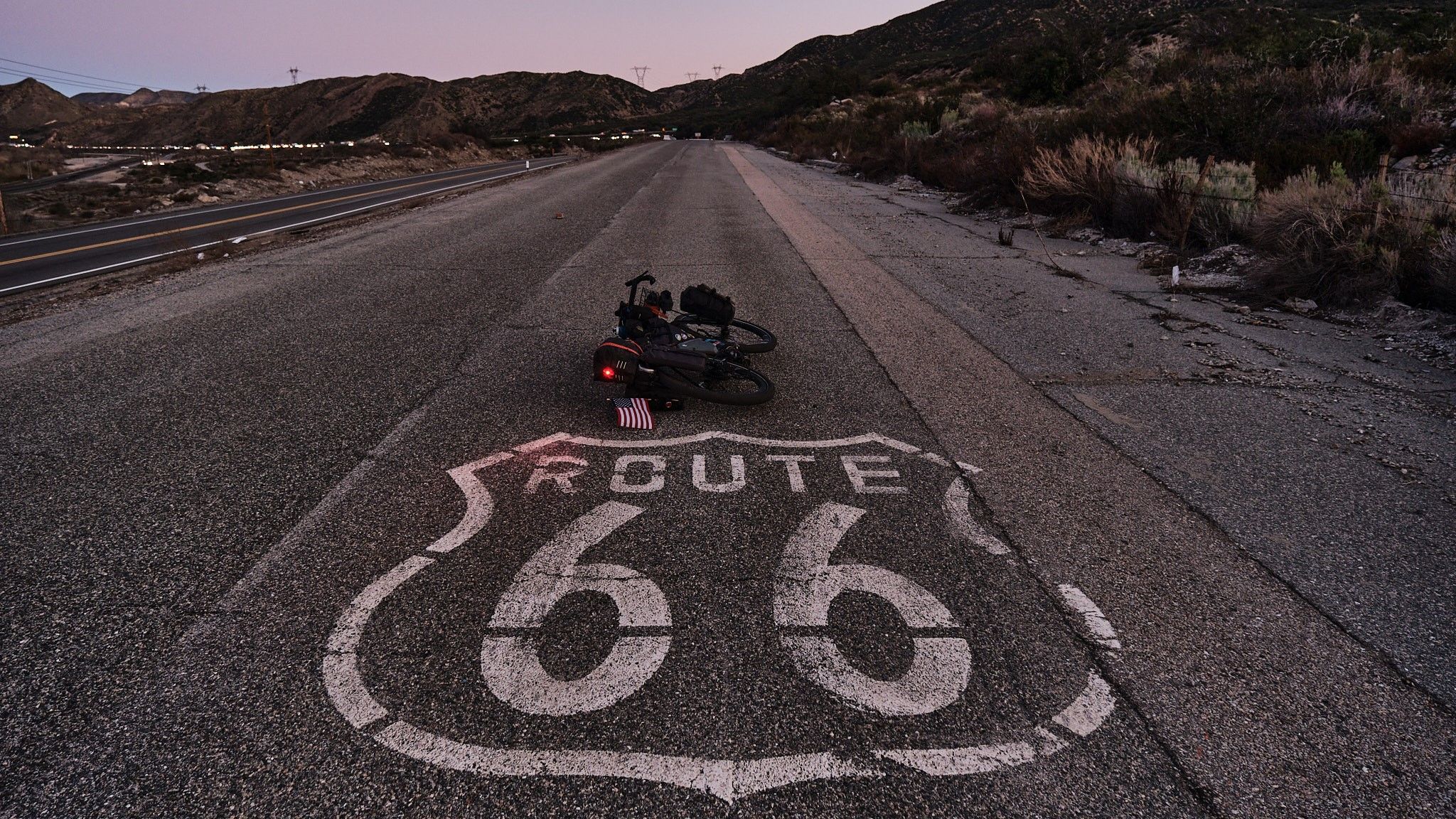
Adventure Cycling Association's Bicycle Route 66 — LA to Chicago
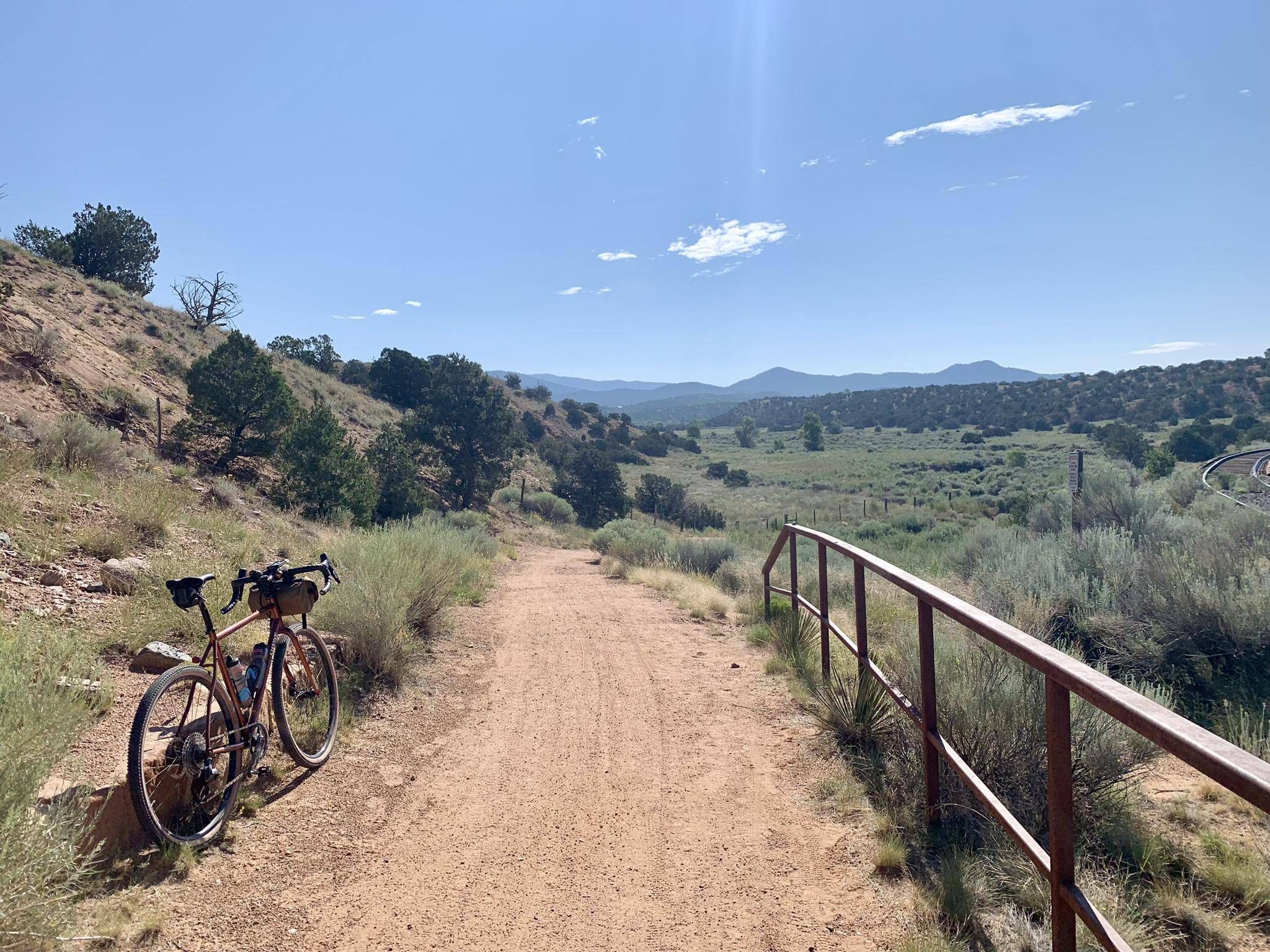
New Mexico Off-Road Runner
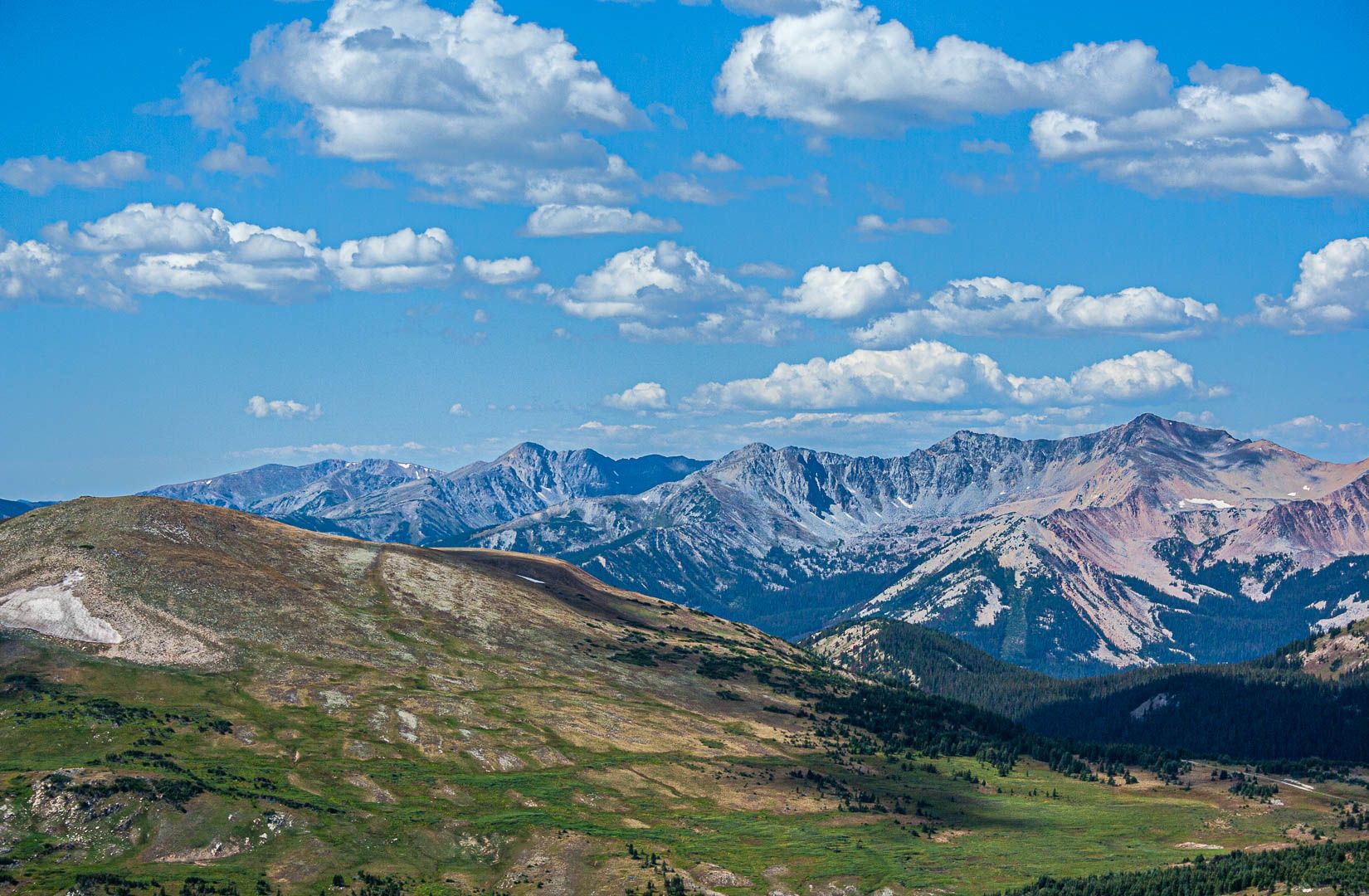
The Continental Divide Trail — Across the sky of America
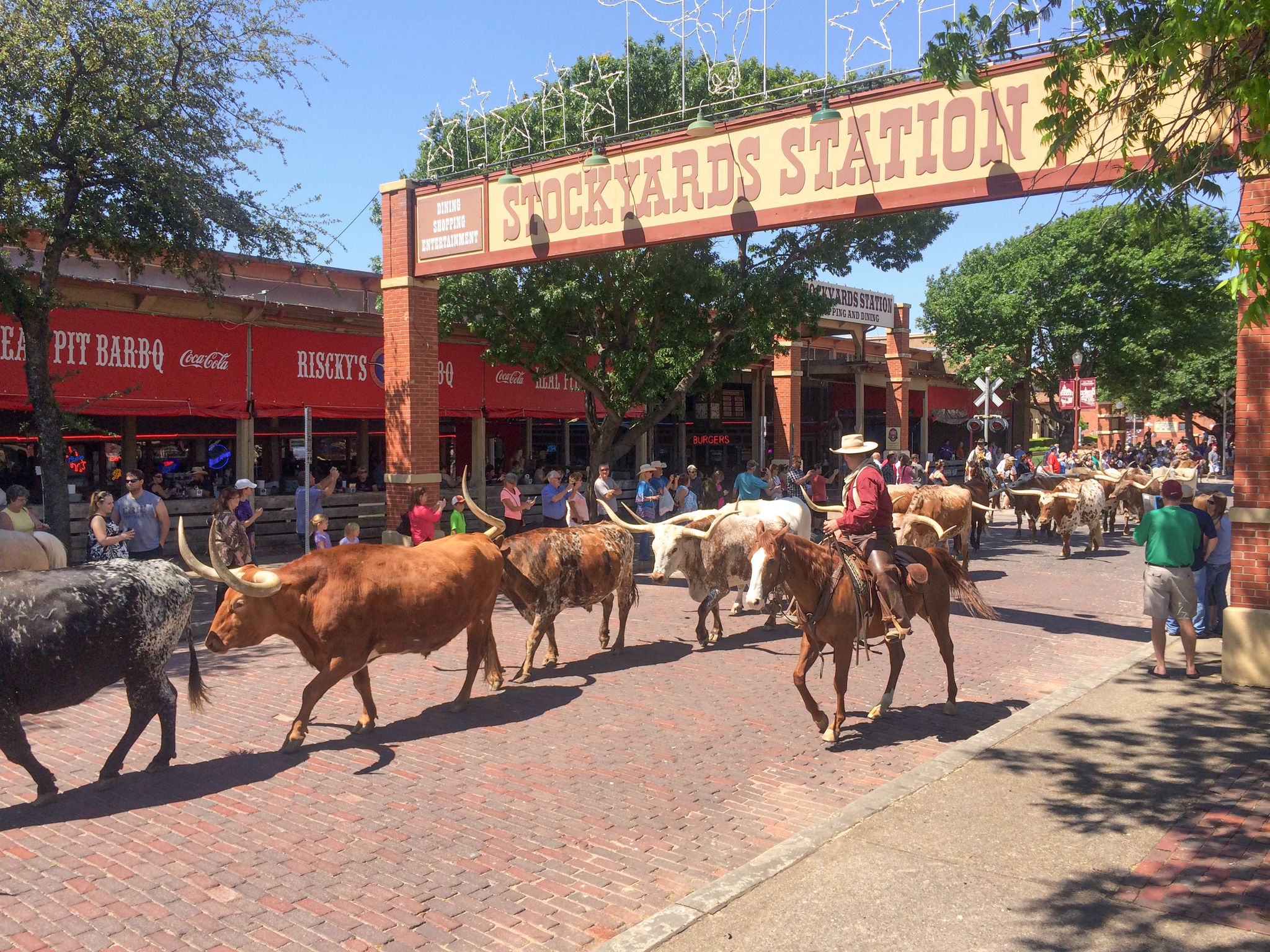
Cowboy country & Route 66 – Wild West meets legend
Historic Route 66 – curiosities, selfie spots and diners
Arizona to Colorado – national parks and Native American culture
Other adventures in New Mexico


Tips from the Community

The Monjeau Peak Lookout Tower is located in Lincoln County, New Mexico, within the Lincoln National Forest. Here is complete information: Historic fire lookout tower. Construction: 1936, by the Civilian Conservation Corps (CCC). Materials: Stone and wood, with a rustic design that blends into the landscape. Altitude: Approximately 2,950 m (9,730 ft) above sea level. Architectural style: Rustic, typical of CCC lookout towers, with a stone base and an enclosed upper structure featuring panoramic windows.
3
0

The North Baldy Trail winds along the high ridgeline between South and North Baldy Peaks, with breathtaking panoramic views of the Sandia and the Sierra Blanca ranges in the distance. The route is challenging, with over 2,600 feet of elevation gain with relatively rugged terrain, and is an ideal trek for experienced hikers ready to confront steep ascents and remote conditions. The trail connects to several others, including Copper Canyon and Hop Canyon, and is part of the Grand Enchantment Trail (GET) and is a beautiful yet challenging segment for long-distance hikers.
0
0

At 12,047 feet, Tesuque Peak is one of the tallest mountains in the Sangre de Cristo Range in New Mexico. The peak reaches above treeline, and you get to share the summit with some radio and cell towers.
0
0

From the summit you can see far into Mexico, and across El Paso and southern New Mexico. The giant historic statue of Christ at the summit is both a scenic and spiritual destination.
0
0
Sierra Del Cristo Rey translates to "Mountain of Christ the King". It is a peak right on the border of Texas, New Mexico, and Mexico.
0
0
Sierra Del Cristo Rey translates to "Mountain of Christ the King". It is a peak right on the border of Texas, New Mexico, and Mexico. There is a cool statue at the top and view all along the trail. This one is smooth enough to really push the pace on the uphill and the downhill.
0
0

Saint Peter's Dome can be reached in a few ways. The shorter way is: park at the Dome Trailhead Parking Lot and run on Saint Peter's Dome Road, a 4.3-mile round trip to the top of Saint Peter's Dome. The longer way is: park on FR289 Dome LO Road, and wind through the Dome Wilderness on Saint Peter's Dome Trail, 11.2 miles round trip. The top of Saint Peter's Dome has expansive views of the desert and a fire lookout marking the top.
0
0
Saint Peter's Dome can be reached in a few ways. The shorter way is: park at the Dome Trailhead Parking Lot and hike on Saint Peter's Dome Road, a 4.3-mile round trip to the top of Saint Peter's Dome. The longer way is: park on FR289 Dome LO Road, and wind through the Dome Wilderness on Saint Peter's Dome Trail, 11.2 miles round trip. The top of Saint Peter's Dome has expansive views of the desert and a fire lookout marking the top.
0
0
Frequently Asked Questions
What is the highest mountain peak in New Mexico?
The highest natural point in New Mexico is Wheeler Peak, standing at 13,167 feet (4,013 m). It is located northeast of Taos in the Sangre de Cristo Mountains. From the Wheeler Peak Summit, you can see the Taos Ski Resort and many surrounding mountains.
Which mountain peaks offer a true wilderness experience in New Mexico?
For a true wilderness experience, the Truchas Peaks are an excellent choice. Located in the Pecos Wilderness of Santa Fe National Forest, these peaks are the southernmost 'thirteeners' in the Rocky Mountain system. They offer a remote experience with rugged terrain and high-altitude forests, ideal for serious backpackers and climbers.
Are there any mountain peaks in New Mexico with significant cultural or historical importance?
Yes, Mount Taylor is a dormant stratovolcano considered a sacred place by many Native American tribes, including the Acoma, Laguna, Zuni, Hopi, and Navajo people. Known as Tsoodził, or Turquoise Mountain, it is one of the four sacred mountains marking the Navajo homeland. You can visit the Mount Taylor Summit.
What mountain peaks are good for skiing and snowboarding in New Mexico?
Sierra Blanca Peak, located in southern New Mexico, is the backdrop for Ski Apache, the southernmost major ski resort in North America. It offers diverse terrain for skiing and snowboarding, and visitors can also take an indoor gondola ride for panoramic views.
What are some popular hiking trails near mountain peaks in New Mexico?
Near Wheeler Peak, the Williams Lake Trail is a popular 8-mile round trip for experienced hikers. For those near Santa Fe, Picacho Peak offers a steep but rewarding hike with stunning views. The Gooseberry Springs Trail is a popular route to the summit of Mount Taylor. You can also explore various routes in the region, such as those found in the Running Trails in New Mexico guide.
Are there any family-friendly mountain trails in New Mexico?
Yes, the North Baldy Trail is noted as family-friendly. When planning a family outing, look for trails categorized as 'easy' or 'intermediate' and check specific highlight tips for suitability.
What unique natural features can I expect to see on New Mexico's mountain peaks?
New Mexico's mountain peaks offer diverse natural features. You can see volcanic formations like Black Volcano near Albuquerque, high alpine ecosystems on Sierra Blanca Peak, and glaciated terrain around Truchas Peaks. Many peaks also provide expansive viewpoints, such as North Sandia Peak, offering panoramic vistas.
What is the best time of year to visit New Mexico's mountain peaks for hiking?
The best time to visit New Mexico's mountain peaks for hiking generally depends on the elevation and specific peak. For high-altitude peaks like Wheeler Peak, late spring through early fall (June to September) offers the most favorable conditions, avoiding heavy snow. However, some lower elevation trails can be enjoyed year-round.
Are there opportunities for mountain biking near New Mexico's peaks?
Absolutely! New Mexico offers a variety of mountain biking trails. For example, you can find routes like 'Cairn Me Up and Jagged Axe Loop' and 'Outer Dale Ball Trails loop' in the MTB Trails in New Mexico guide, which are accessible from various mountain regions.
Can I bring my dog on trails around New Mexico's mountain peaks?
Many trails in New Mexico are dog-friendly. For instance, the North Baldy Trail is explicitly marked as dog-friendly. Always check specific trail regulations and local wilderness area rules, especially in designated wilderness areas like the Pecos Wilderness, and ensure your dog is leashed.
What other outdoor activities are available near New Mexico's mountain peaks besides hiking?
Beyond hiking, you can enjoy activities such as horseback riding, cross-country skiing, and snowshoeing around Wheeler Peak. Sierra Blanca Peak offers skiing and snowboarding. For cycling enthusiasts, there are numerous gravel biking routes, including the 'Sandia Crest loop' and 'La Tierra Trails Loop from Santa Fe', detailed in the Gravel biking in New Mexico guide.
Are there any permits required for backpacking in the Pecos Wilderness peaks?
Yes, permits are generally required for overnight backpacking in the Pecos Wilderness, which includes the Truchas Peaks. It's advisable to check with the Santa Fe National Forest or Pecos Wilderness authorities for the most current information on permit requirements and regulations before your trip.
Most popular routes in New Mexico
Most popular attractions in New Mexico

Get inspired with the komoot mobile app


Didn’t find what you were looking for?
Discover New Mexico’s best peaks and summits by region:
Explore more
See even more amazing summits in New Mexico with these guides:
