Top 20 Natural Monuments in Colorado
Best natural monuments in Colorado showcase diverse geological formations and unique ecosystems. These protected areas feature towering rock formations, deep canyons, alpine lakes, and vast sand dunes. The state's natural features provide varied landscapes for exploration, from ancient fossil beds to dynamic earthflows. Colorado's natural beauty is characterized by its dramatic terrain and significant geological history.
Best natural monuments in Colorado
- The most popular natural monuments is Bear Lake, a lake that is easily accessible and offers a path…
Last updated: September 29, 2026
Bear Lake
Highlight • Lake
Tip by

Three Graces rock formation — Garden of the Gods Park
Highlight • Natural Monument
Tip by

Sign up now to discover places like this
Get recommendations on the best single tracks, peaks, & plenty of other exciting outdoor places.
Alberta Falls
Highlight • Waterfall
Tip by

Lake Haiyaha
Highlight • Lake
Unfortunately it's usually very overcrowded.
Translated by Google •
Tip by

Pikes Peak summit
Highlight • Summit
Translated by Google •
Tip by
Summit of Mount Elbert
Highlight • Summit
Tip by

Bear Lake, Rocky Mountain National Park
Highlight • Lake
Bear Lake, nestled in the heart of Rocky Mountain National Park, is a truly breathtaking destination that captivates visitors with its …
Tip by

Green Mountain Peak
Highlight • Summit
Tip by

Green Mountain Peak
Highlight • Summit
Tip by
High Dune
Highlight • Natural Monument
Tip by
Sign up for free to discover even more natural monuments in Colorado.
Already have an account?
Start today with a free account
Your next adventure awaits.
Popular around Colorado
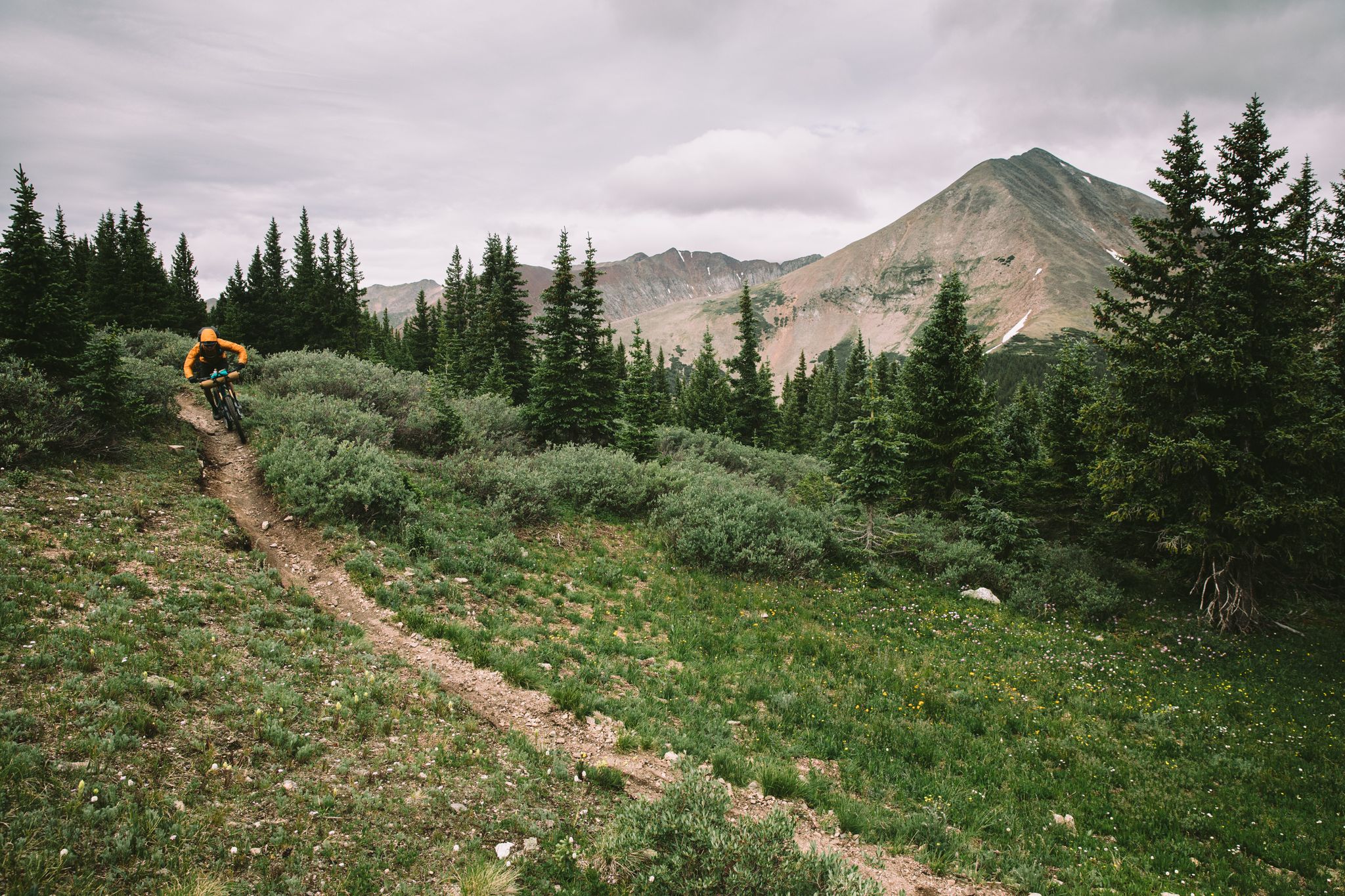
The Colorado Trail — Ten incredible days in the Rocky Mountains

American Discovery Trail — Walking from sea to shining sea
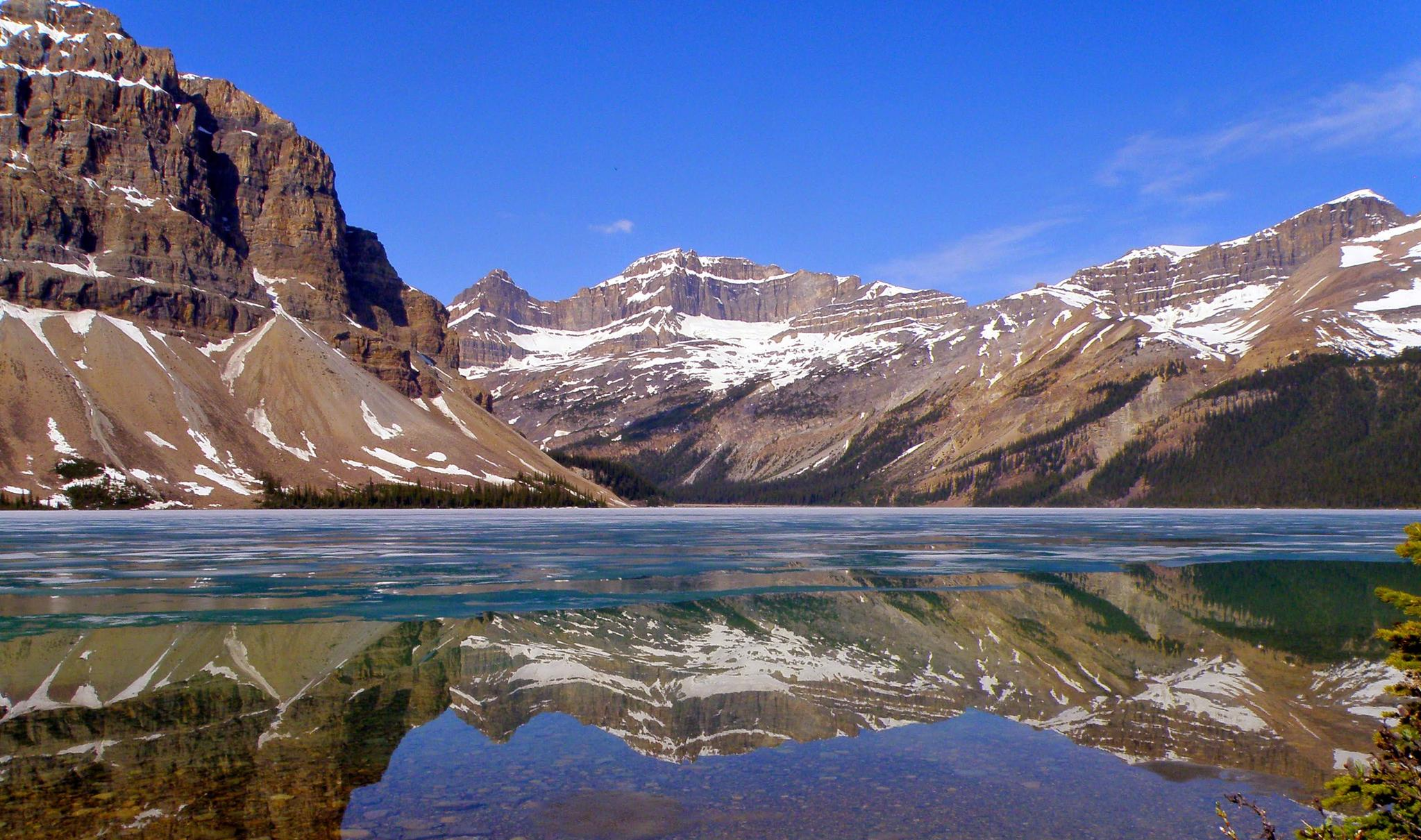
Great Divide Mountain Bike Route — Cycling the spine of a continent
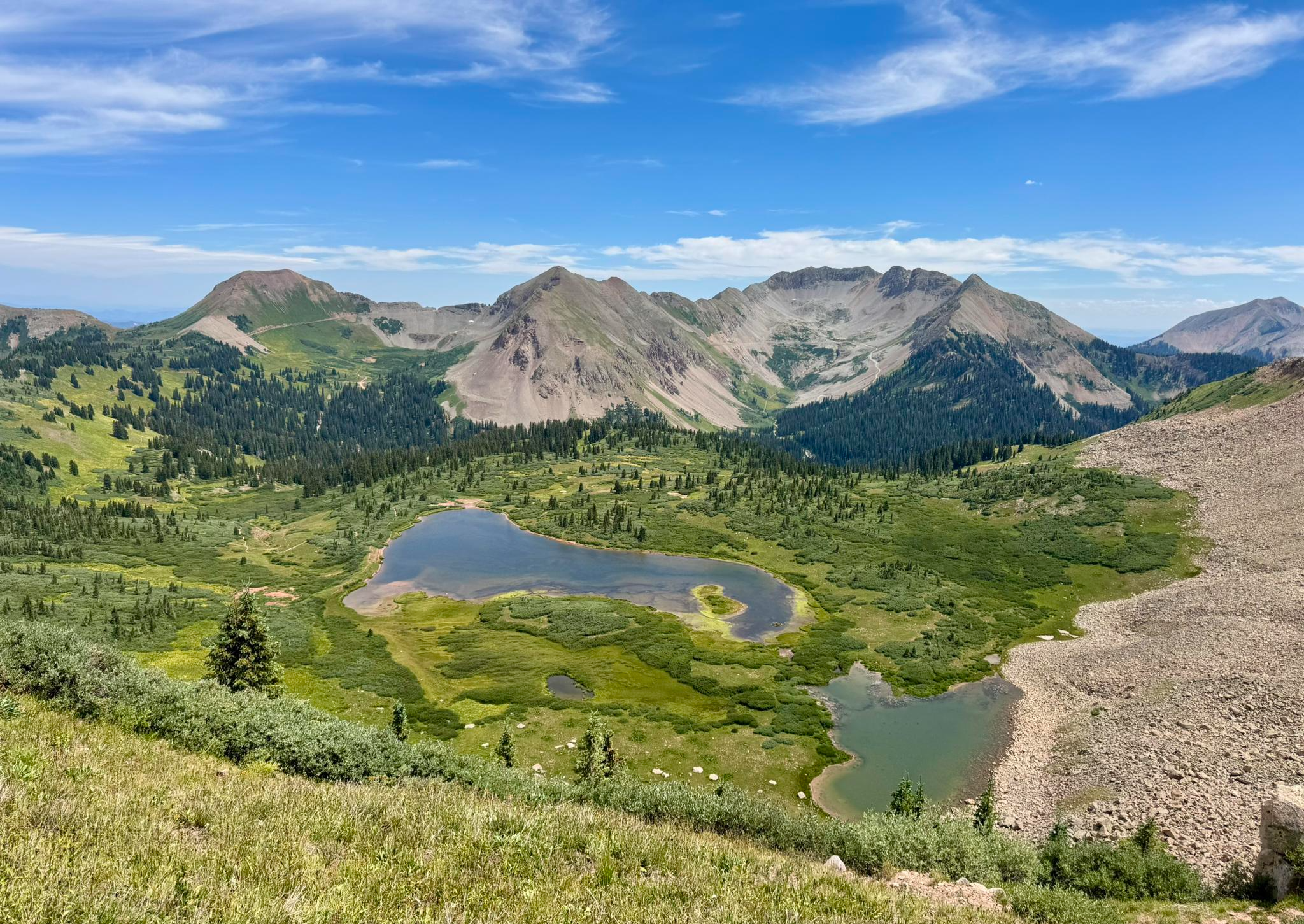
Colorado Trail — The pinnacle of wild Colorado
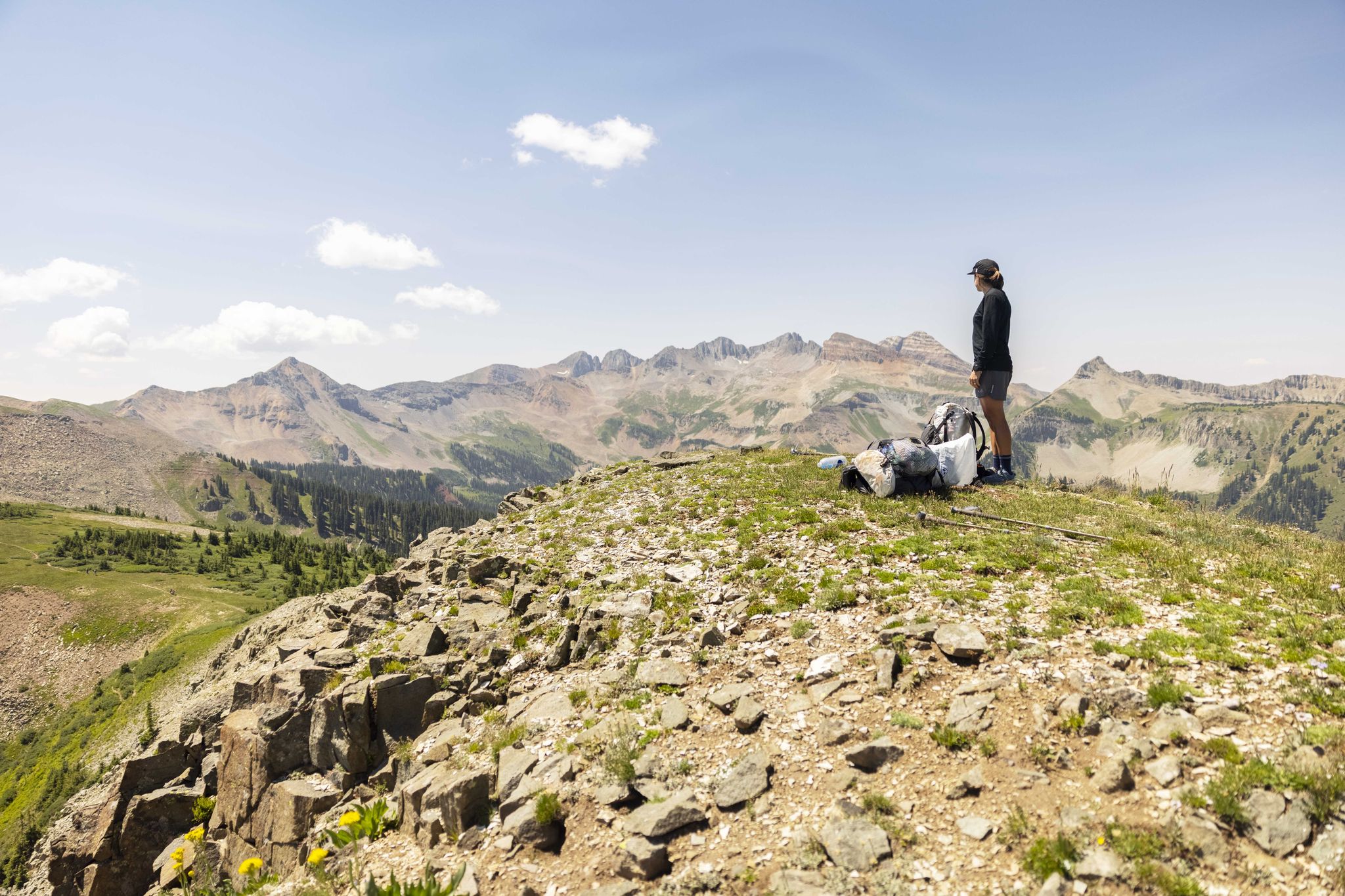
The Colorado Trail — Hiking from Silverton to Durango
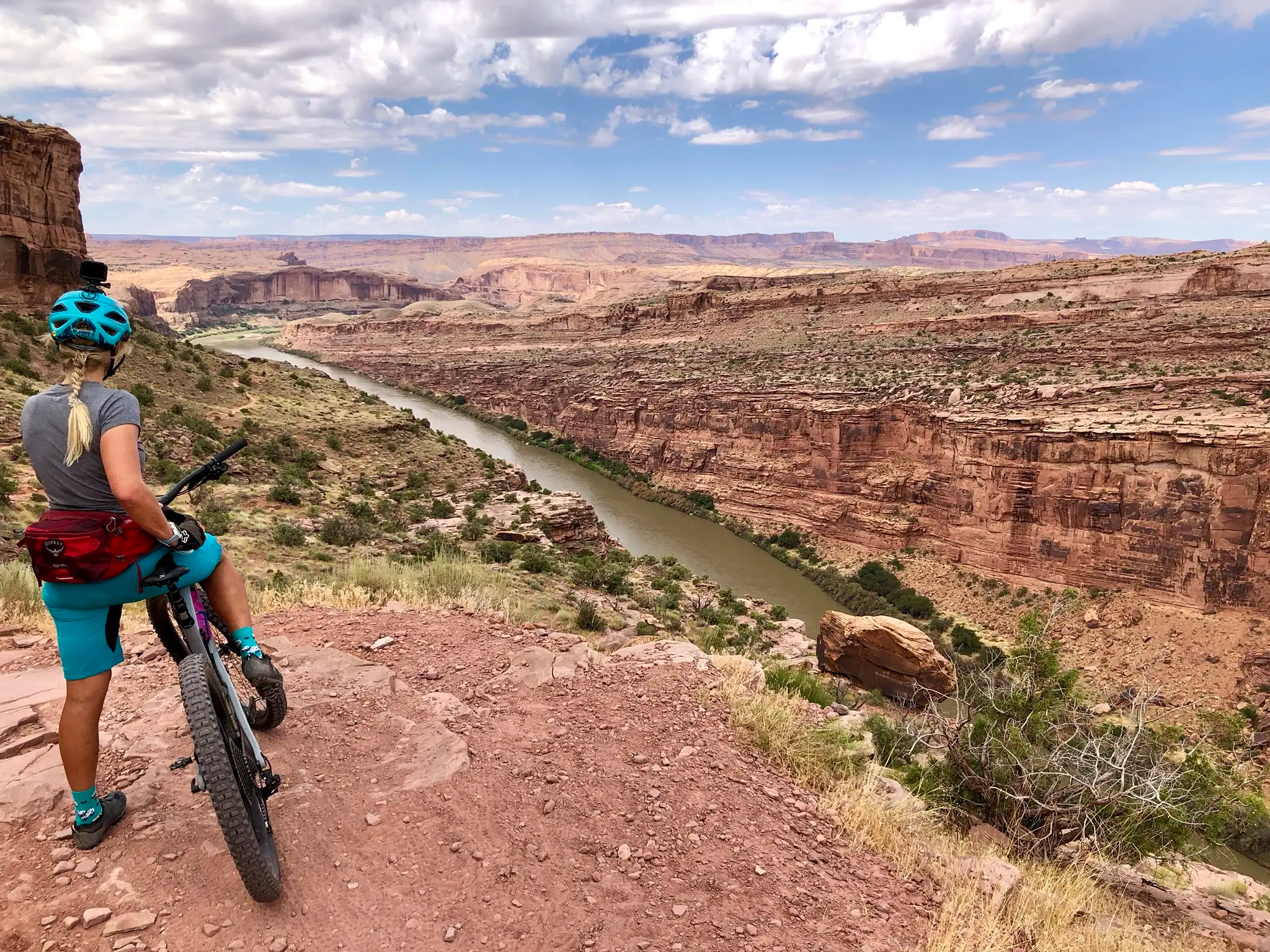
Kokopelli's Trail — Biking a legend’s trail across the desert
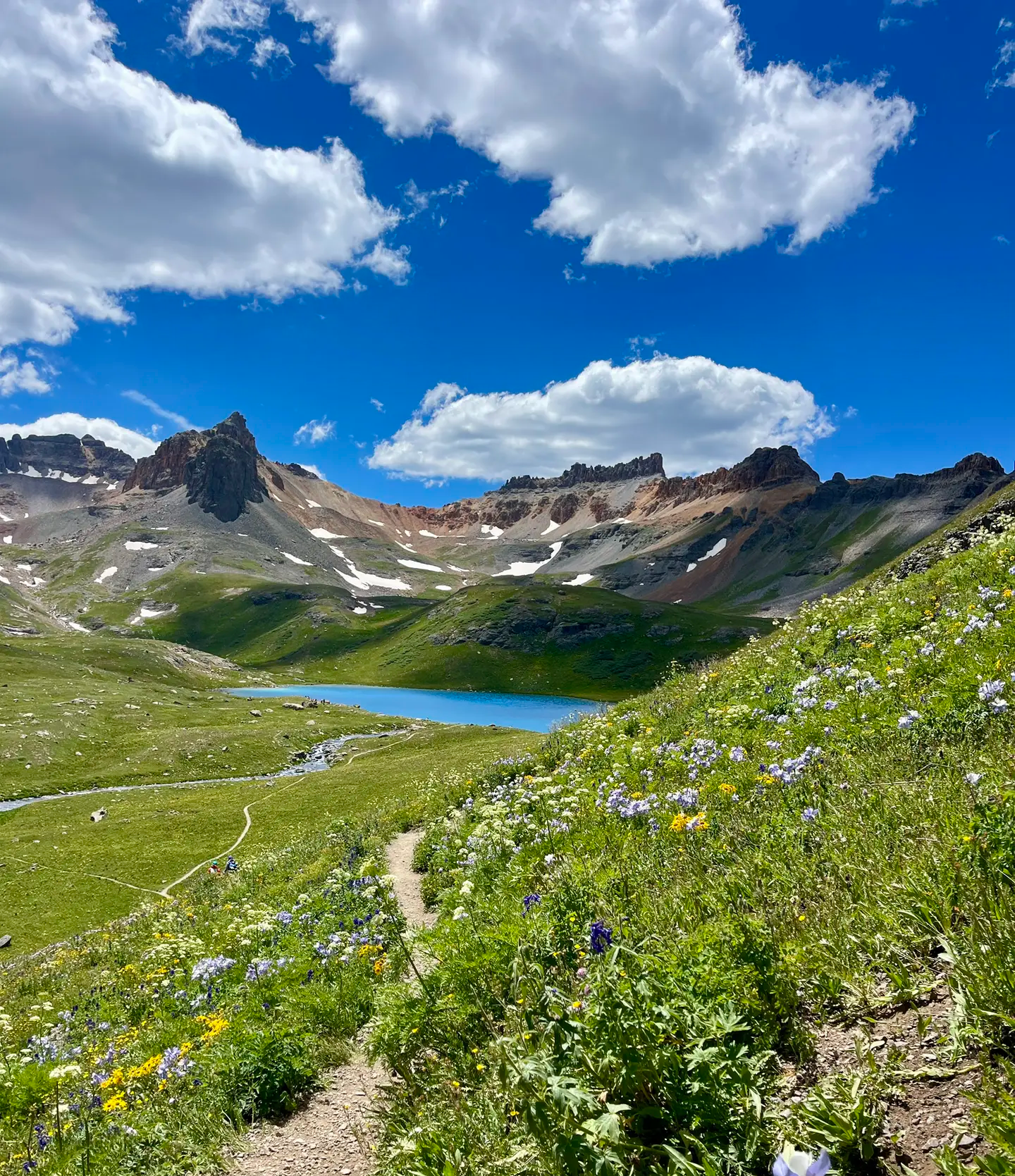
Softrock 100: Four Days Through Colorado’s Alpine Wilds
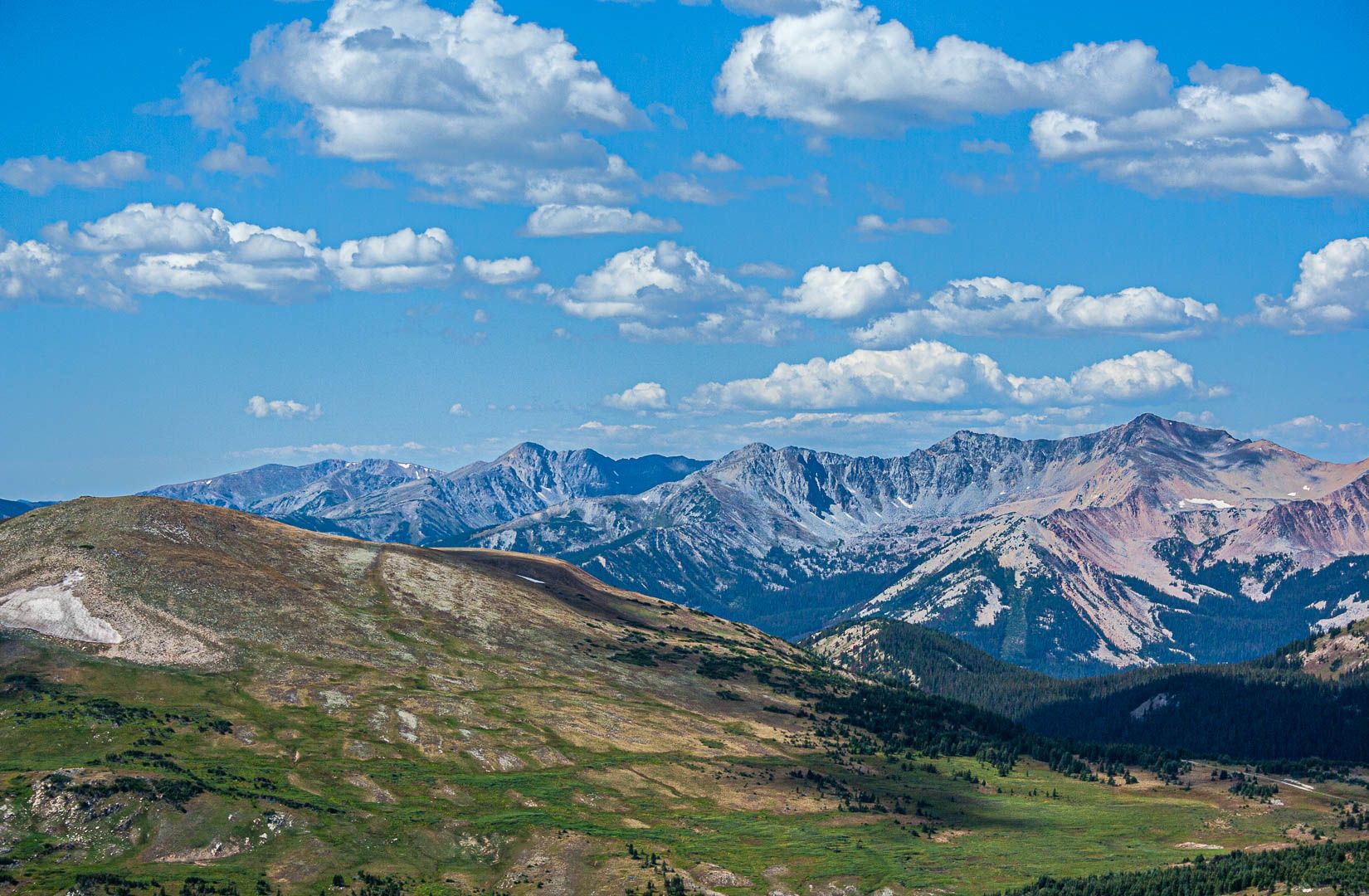
The Continental Divide Trail — Across the sky of America
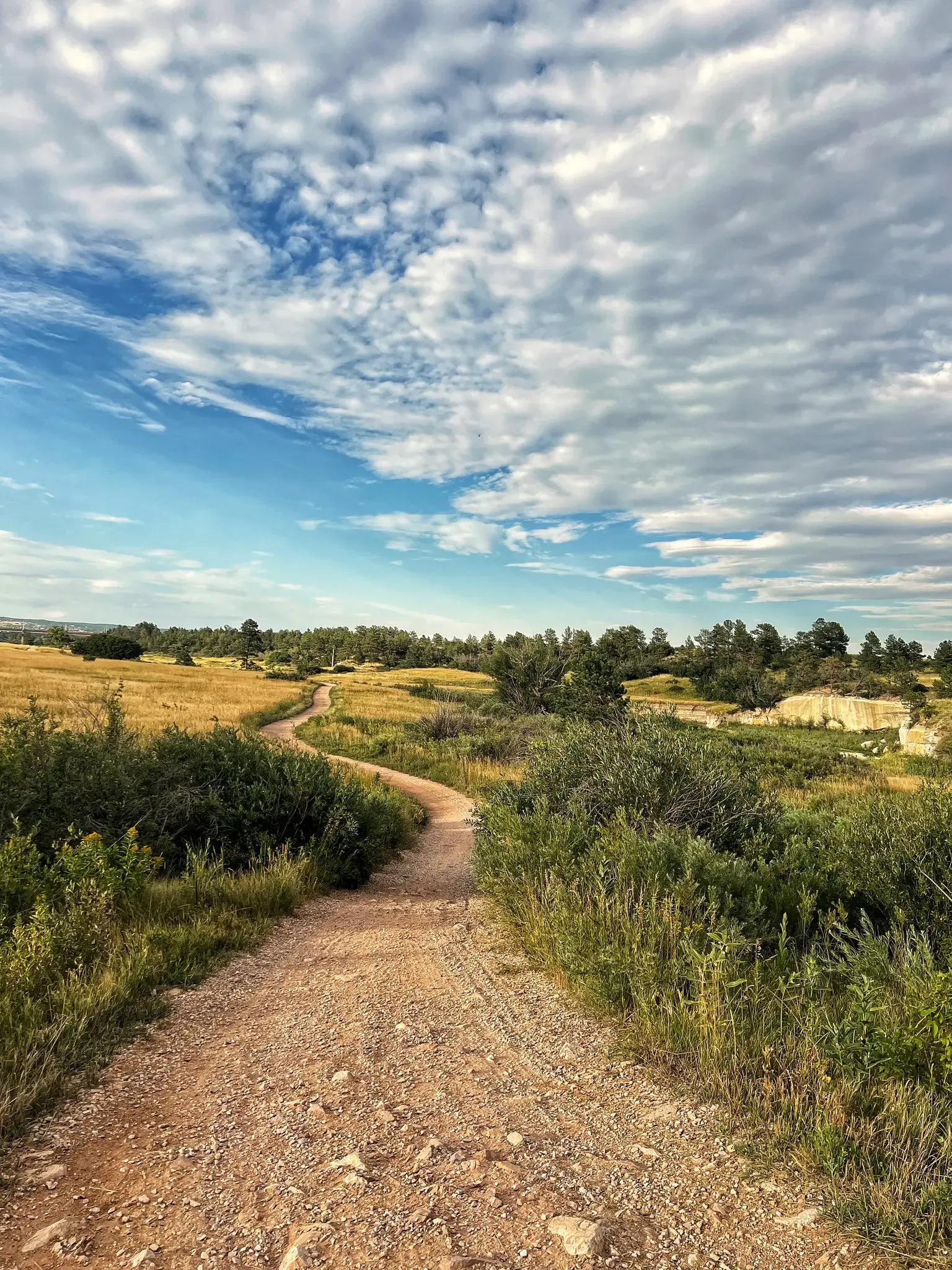
American Discovery Trail — Riding coast to coast
Four Pass Loop — Four times the challenge, four times the reward
Other adventures in Colorado


Tips from the Community

A historical note: a friend and I hiked here way back on July 2, 1976. The trail had just opened the day before. Although it was hot and we were in shorts and tank tops, at some points the trail was still waist deep in snow, and there was still snow melting into the far side of the lake. Unlike modern times, we had the trail and lake completely to ourselves. Because it was so hot, and there was no one else around, we did the natural thing: stripped down and jumped in off a big rock. It was then we learned the true reason for the name Haiyaha!
0
0

for an overview: www.cyclepass.com/t_p_Green_Mtn_u.html
0
0

A very beautiful mountain lake with a wonderful color. Many rocks line the lake, offering places to rest.
0
0

To be honest, it's a bit disappointing that they haven't managed to install a decent summit cross or other special marker on Colorado's highest mountain. Arizona, Texas, and New Mexico are much better at that on their highest mountains.
0
0
Alberta Falls is a popular, scenic waterfall in Rocky Mountain National Park in Colorado. It is a 30-foot (9-meter) cascade of Glacier Creek, surrounded by boulders and aspen forests. A very popular and relatively easy hike from the Glacier Gorge Trailhead, it is approximately 1.6 miles (2.6 km) round trip with little elevation gain (approximately 49 meters). Due to its easy accessibility and beauty, it is a popular destination for families and hikers.
0
0
It is located at the end of the scenic Bear Lake Road, one of the most popular areas of Rocky Mountain National Park. It lies at an elevation of approximately 2,880 meters (9,450 feet), surrounded by forest, offering impressive views of the majestic peaks of Hallett Peak. A very easy, paved Nature Trail (loop) leads around the lake in just about 0.6 miles (about 1 km).
1
0
Frequently Asked Questions
Which natural monuments in Colorado are particularly suitable for families?
Several natural monuments in Colorado offer great experiences for families. Bear Lake is very popular due to its easy accessibility and a path around the glacial lake. The Three Graces rock formation — Garden of the Gods Park also provides a family-friendly environment to explore unique red rock formations. Additionally, Canyon Creek Bridge and Falls offers hiking trails, picnic areas, and a visitor center, though dogs are not allowed. Florissant Fossil Beds National Monument is also family-friendly with easy hikes to petrified forests and a museum.
What kind of geological features can I expect to see at Colorado's natural monuments?
Colorado's natural monuments showcase a wide array of geological features. You can witness dramatic 300-foot sandstone rock formations at Garden of the Gods, such as the Three Graces rock formation. The Colorado National Monument features monoliths, rock formations, and towers carved by wind and rain, revealing millions of years of erosion. Great Sand Dunes National Park and Preserve boasts the tallest sand dunes in North America, while Florissant Fossil Beds National Monument preserves petrified redwood forests and thousands of fossilized insects from ancient volcanic eruptions. You can also see dynamic geological processes at the Slumgullion Earthflow, an exceptional illustration of mass wasting.
Are there accessible natural monuments in Colorado for visitors with mobility considerations?
Yes, some natural monuments in Colorado offer good accessibility. Bear Lake is noted for being very easily accessible with a path leading all around the glacial lake, making it suitable for many visitors. While specific accessibility details vary, many parks and monuments strive to provide accessible viewpoints and facilities. It's always recommended to check the specific monument's official website for the most current accessibility information.
What are some popular hiking trails near Colorado's natural monuments?
Many natural monuments in Colorado are surrounded by excellent hiking opportunities. For easy hikes, you can explore trails like Emerald Lake Trail or Rattlesnake Gulch Loop. You can find more details on these and other easy hikes in Colorado by visiting the Easy hikes in Colorado guide. The Colorado National Monument also offers trails like Otto's Trail to view formations such as Pipe Organ and Independence Monument. For a more challenging experience, the summit of Mount Elbert provides a demanding but rewarding hike.
Can I find waterfalls at the natural monuments in Colorado?
Yes, Colorado's natural monuments feature stunning waterfalls. Alberta Falls in Rocky Mountain National Park is one of the most accessible and popular waterfalls, located about 0.8 miles from the Bear Lake Trailhead. Another notable waterfall is Canyon Creek Bridge and Falls, where Canyon Creek cascades 85 feet into a narrow canyon, surrounded by 100-foot walls.
What is the best time of year to visit the natural monuments in Colorado?
The best time to visit Colorado's natural monuments often depends on the specific location and desired activities. Generally, late spring through early fall (May to October) offers pleasant weather for hiking and outdoor exploration. However, some areas like Green Mountain Peak are accessible year-round, providing beautiful views even in winter. For places like Great Sand Dunes National Park, spring and fall offer cooler temperatures for sandboarding. Always check specific monument conditions, especially for higher elevations or delicate ecosystems like Hanging Lake, which may have regulated access.
Are there opportunities for wildlife viewing at Colorado's natural monuments?
Yes, many natural monuments in Colorado offer opportunities for wildlife viewing. Garden of the Gods is known for its unique honey ant species and various bird populations, including swallows, canyon wrens, and white-throated swifts. Canyon Creek Bridge and Falls is recognized as a significant bird area by the National Audubon Society, hosting Black Swifts that migrate from Brazil each summer. Exploring these natural areas often provides chances to observe local fauna in their natural habitats.
What kind of cycling routes are available near Colorado's natural monuments?
Colorado offers diverse cycling routes near its natural monuments. For road cycling enthusiasts, there are challenging routes like the Copper Mountain, Leadville, Red Cliff, Minturn, & Vail loop. Gravel biking options include the Rocky Mountain Arsenal National Wildlife Refuge Perimeter Trail and Boreas Pass Road. You can explore more road cycling routes in the Road Cycling Routes in Colorado guide and gravel biking routes in the Gravel biking in Colorado guide.
Which natural monuments offer the best viewpoints in Colorado?
Colorado's natural monuments are renowned for their breathtaking viewpoints. Green Mountain Peak offers very beautiful views, especially of the nearby Indian Peaks. The Colorado National Monument features historic Rim Rock Drive, providing outstanding views of red rock canyons and the Grand Valley. From Pikes Peak summit, you can experience expansive vistas. Many other highlights, such as North Gateway Rock, also provide excellent vantage points.
Are there any natural monuments in Colorado with significant historical or paleontological importance?
Yes, Florissant Fossil Beds National Monument is a prime example, considered a treasure trove for paleontologists. It preserves groves of petrified redwood forests and thousands of fossilized insects, offering a glimpse into life approximately 35 million years ago. The Colorado National Monument also showcases millions of years of geological history through its Precambrian basement rocks and sedimentary layers, revealing the forces that shaped the American West.
What makes Hanging Lake a unique natural monument in Colorado?
Hanging Lake, located near Glenwood Springs, is unique due to its formation as a rare travertine deposition-formed lake. It is celebrated for its substantial hanging garden plant life and minimal human alteration, making it a pristine and delicate ecosystem. Its clear waters and cascading waterfalls contribute to its exceptional beauty, though access is often regulated to protect its natural integrity.
Can I visit the Great Sand Dunes National Park and Preserve for stargazing?
Absolutely. Great Sand Dunes National Park and Preserve is designated as an International Dark Sky Park, making it an excellent location for stargazing. The combination of towering sand dunes against the backdrop of the Sangre de Cristo Mountains creates a truly unique and memorable experience for observing the night sky.
What is the Cache La Poudre River known for as a natural monument?
The Cache La Poudre River is recognized as a natural monument for its scenic beauty and recreational opportunities. It's a significant waterway in Colorado, offering a natural setting for various outdoor activities. Its designation highlights its importance as a natural feature within the region.
Most popular routes in Colorado
Most popular attractions in Colorado

Get inspired with the komoot mobile app


Didn’t find what you were looking for?
Find even more amazing natural monuments in Colorado by checking out the top Highlights region by region:
Explore more
Extend your search for the best caves by checking out these guides of the top ones in Colorado:
