Top 13 Caves in Colorado
Caves in Colorado offer a diverse range of subterranean experiences, from accessible show caves to challenging wild caves. The region features significant geological formations, unique environments, and historical sites. These natural wonders provide various exploration opportunities for adventurers. Colorado's landscape includes numerous cave systems, many of which are still being discovered.
Best caves in Colorado
- The most popular caves is Tunnel Drive Trail, a trail that runs above the Arkansas River with canyon views. It leads through several tunnels and is known for its scenic beauty.
- Another must-see spot is Balcony House (Guided Tour Access Only), a historical site. Visitors can explore a cliff dwelling with 38 rooms and two kivas, requiring climbing ladders and crawling through a short tunnel.
- Visitors also love County Trail 83J, a trail that can be loose and rocky in sections. This trail is part of the Old Man Winter event and offers forest and cave views.
- Colorado is known for show caves, wild caves, and historical cliff dwellings. These include sites with natural steam, extensive passages, and unique geological features.
- The caves in Colorado are appreciated by the komoot community, with 5 upvotes and 12 photos shared by users.
Last updated: October 4, 2026
Tunnel Drive Trail
Highlight (Segment) • Trail
Translated by Google •
Tip by

Caves in Rifle Falls State Park
Highlight • Cave
Translated by Google •
Tip by

Sign up now to discover places like this
Get recommendations on the best single tracks, peaks, & plenty of other exciting outdoor places.
Saddlehorn Pueblo
Highlight • Historical Site
Tip by

Balcony House (Guided Tour Access Only)
Highlight • Historical Site
Tip by

Sulphur Spring Cave
Highlight • Cave
Tip by

Sand Canyon Trail
Highlight (Segment) • Trail
Tip by
Step House
Highlight • Historical Site
Among the ancient dwellings at Mesa Verde, Step House is unique in that there is evidence of two separate occupations. It is thought that the site was occupied some six hundred years before the famous cliff dwellings were built.
Tip by

Mallory Cave Overlook
Highlight • Viewpoint
Tip by
Fulford Cave
Highlight • Cave
The cave is closed from October 15 through April 15 annually.
Tip by

County Trail 83J
Highlight (Segment) • Trail
Tip by

Sign up for free to discover even more caves in Colorado.
Already have an account?
Start today with a free account
Your next adventure awaits.
Popular around Colorado
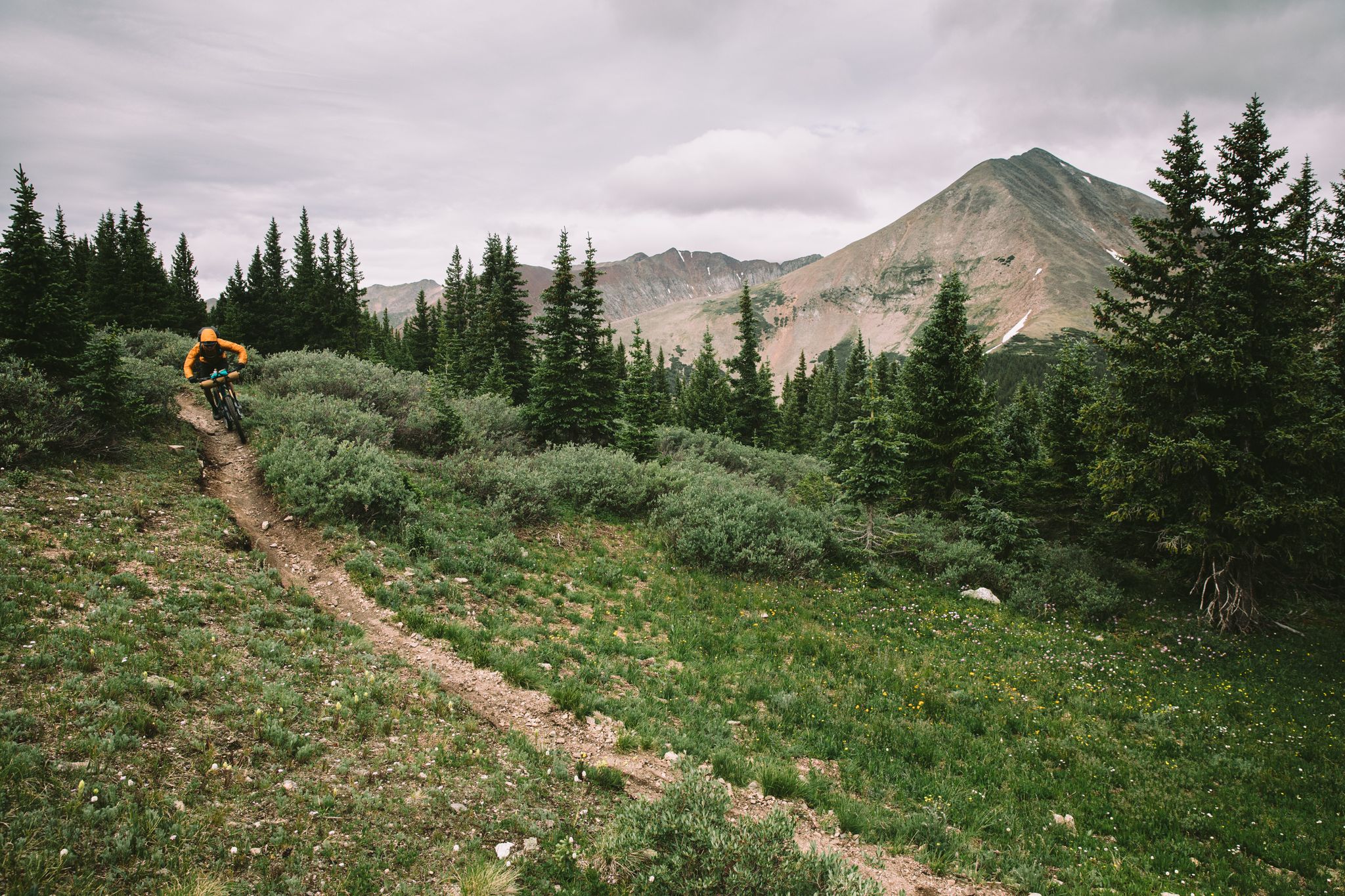
The Colorado Trail — Ten incredible days in the Rocky Mountains

American Discovery Trail — Walking from sea to shining sea
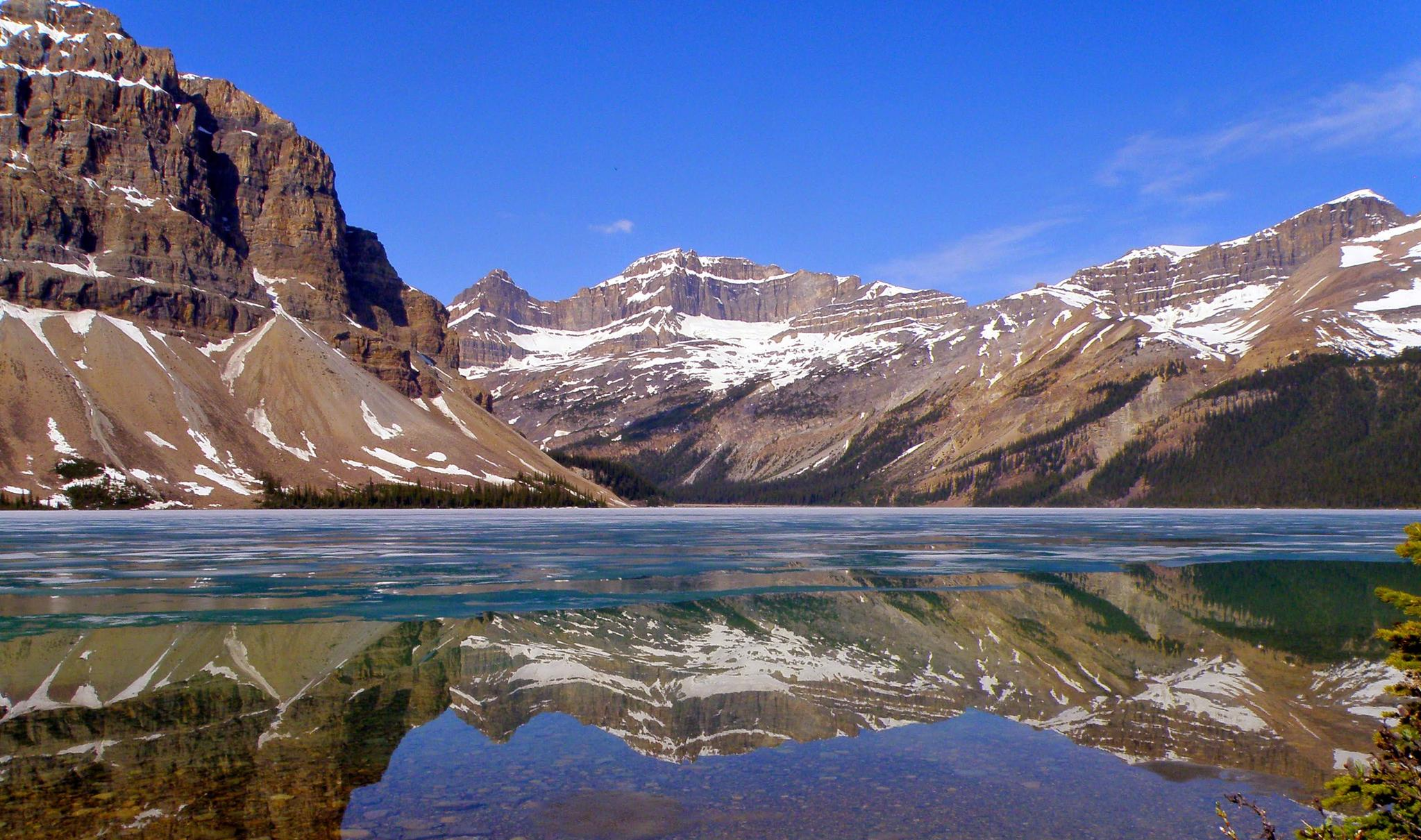
Great Divide Mountain Bike Route — Cycling the spine of a continent
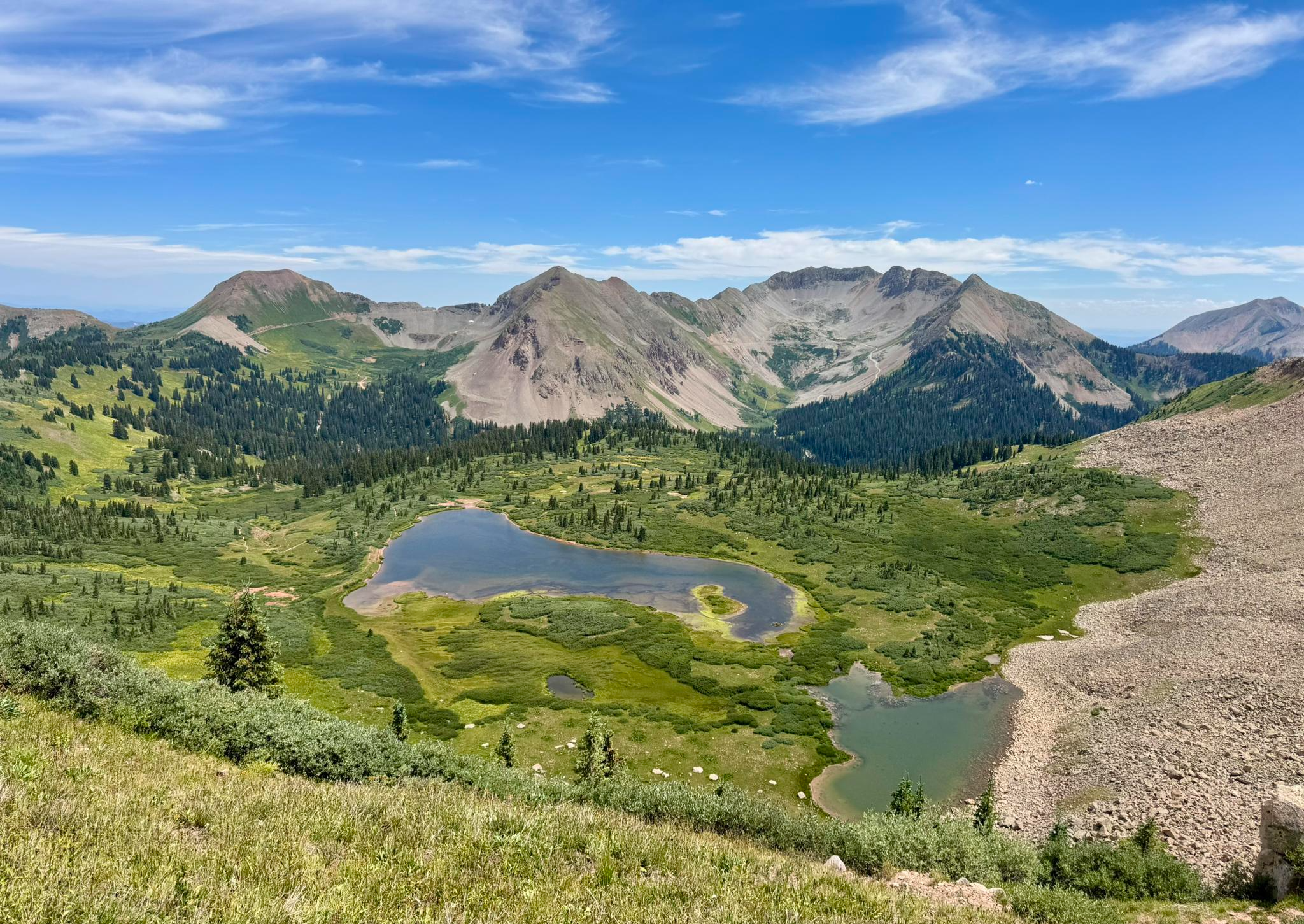
Colorado Trail — The pinnacle of wild Colorado
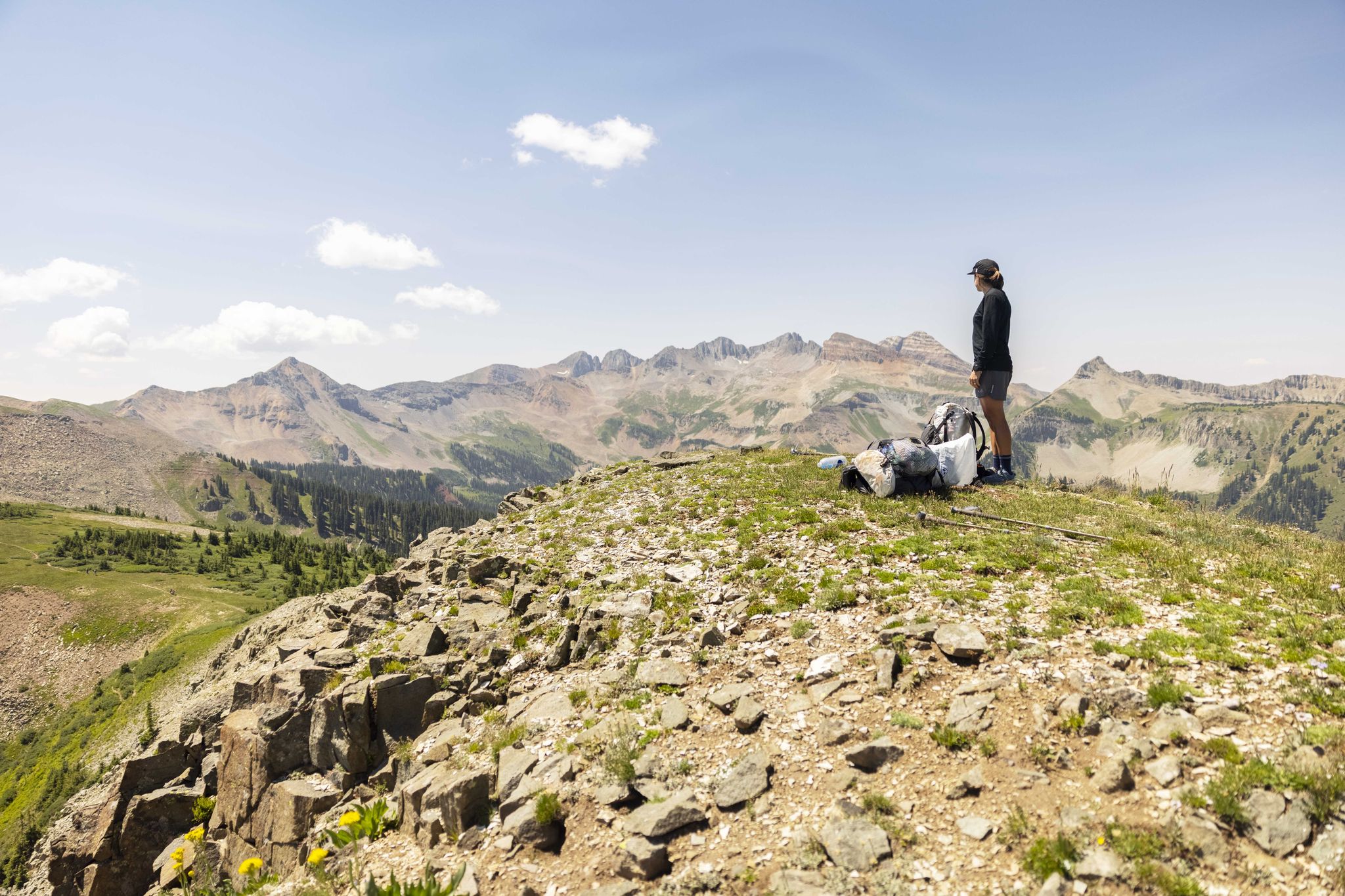
The Colorado Trail — Hiking from Silverton to Durango
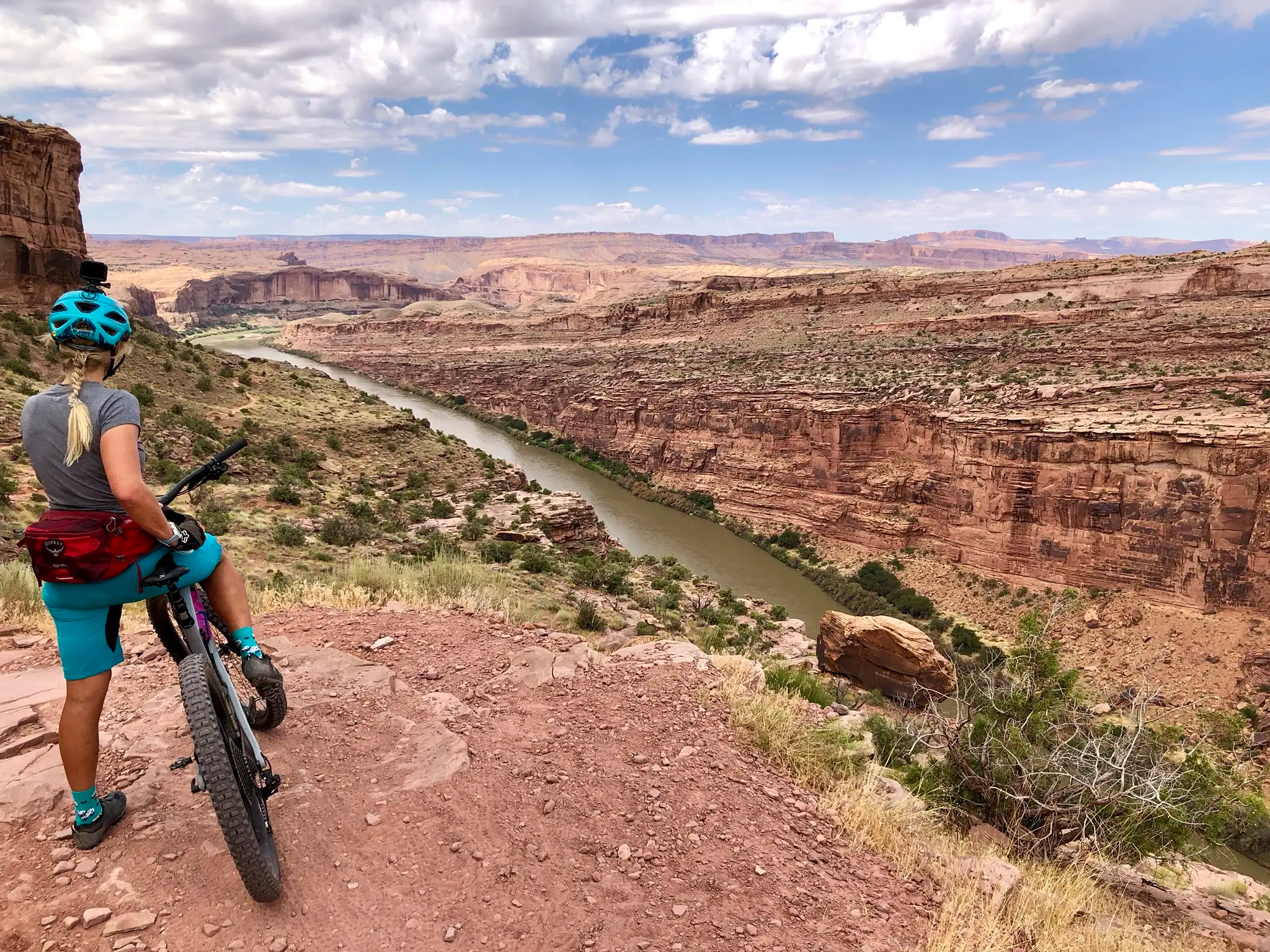
Kokopelli's Trail — Biking a legend’s trail across the desert
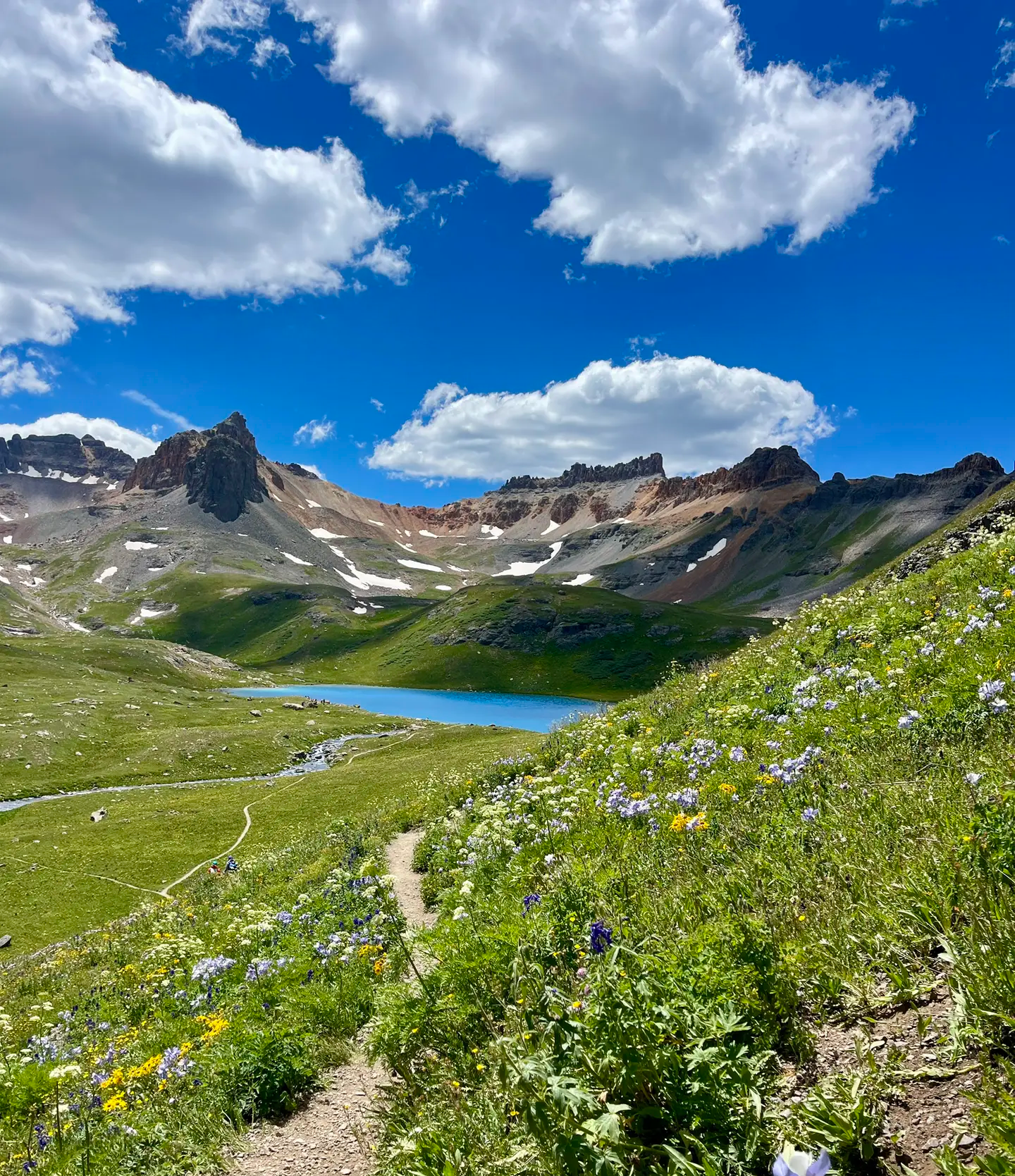
Softrock 100: Four Days Through Colorado’s Alpine Wilds
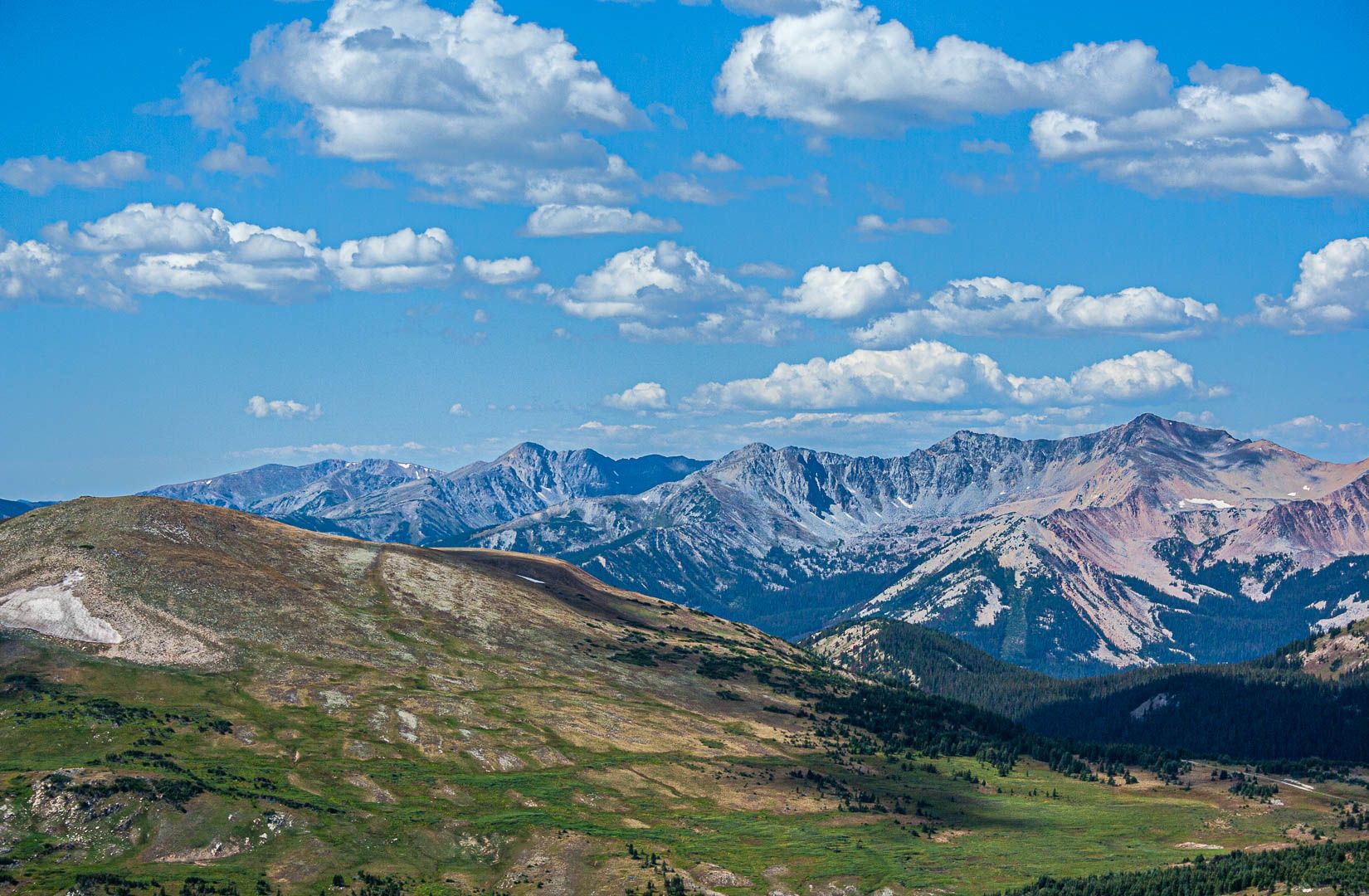
The Continental Divide Trail — Across the sky of America
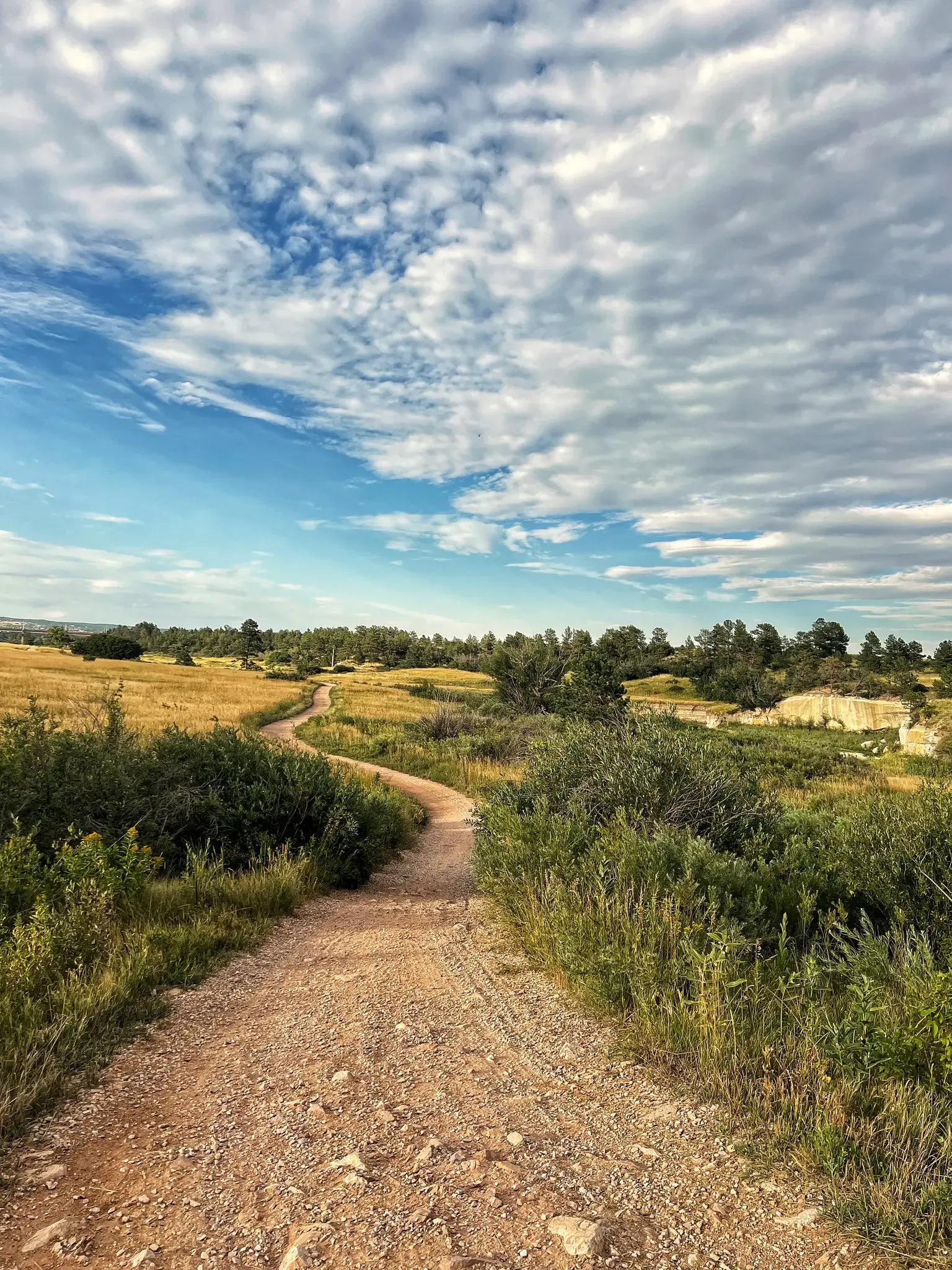
American Discovery Trail — Riding coast to coast
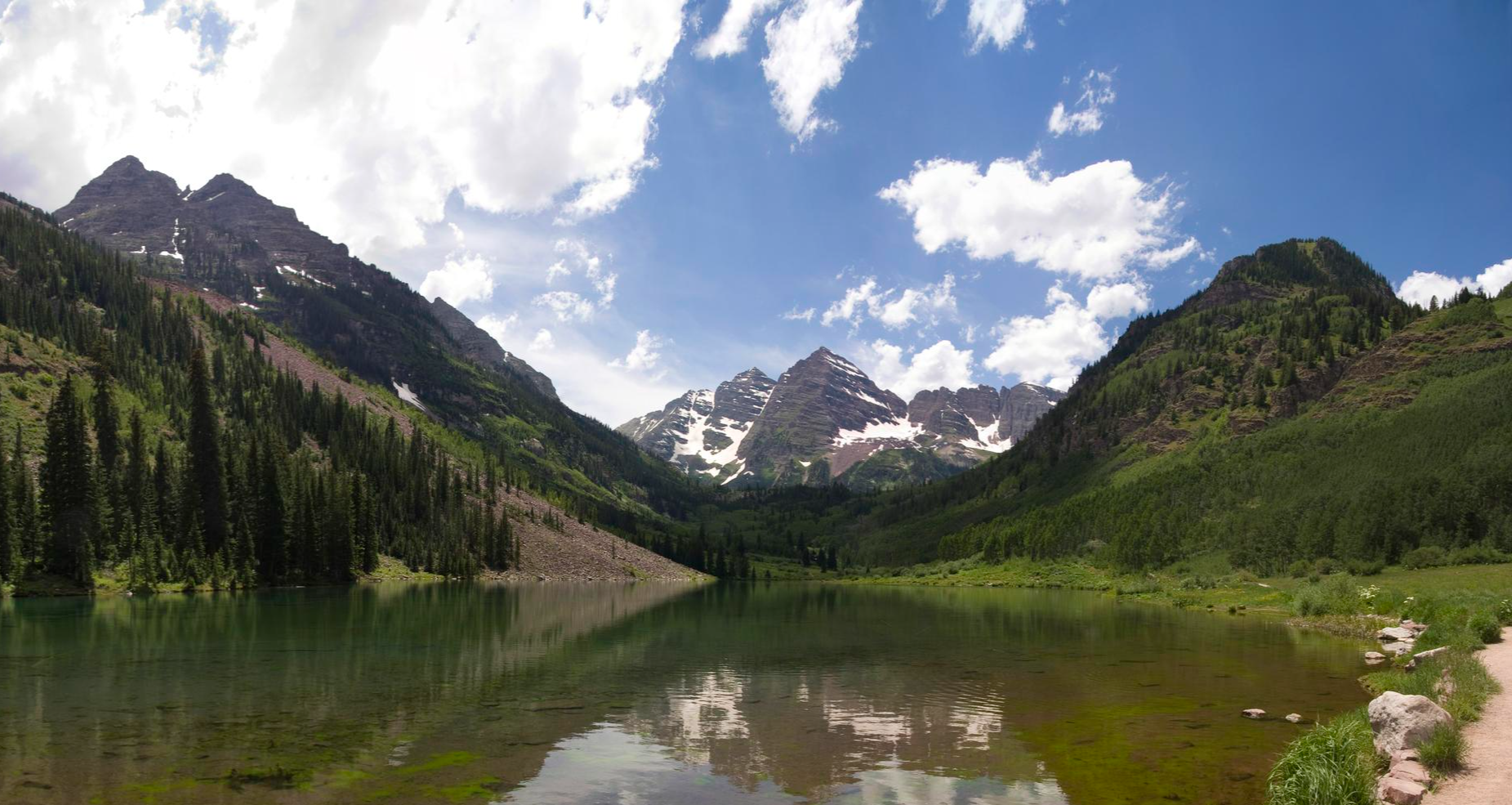
Four Pass Loop — Four times the challenge, four times the reward
Other adventures in Colorado


Tips from the Community

The Balcony House in Mesa Verde National Park is one of the best-preserved cliff dwellings of the Ancestral Pueblo people. A long parapet wall and prominent balconies give the settlement its name. Balcony House is a striking testament to the architecture and daily life of the Pueblo peoples in the 13th century. Visits are only possible as part of a ranger-led tour and require climbing a 10-meter-high wooden ladder and crawling through a short, narrow tunnel.
0
0

Saddle horn ruin is visible from the trail and is a lovely sight to behold
0
0


Beautiful to visit and nice and cool in the cave openings in the summer.
1
0

Sulphur Cave has a temperature: of 73°F. According to the sign, this is the most mysterious of the springs. Legend has it that the early Indians used this cave and its springs during rituals. Oracles in similar sites throughout the world have prophesied future events after being mesmerized by sulphur vapors. The geologic features of this cave are particularly unique, displaying the strength of the springs as they travel upward through the porous rock. There is a significant amount of bacterial/algae growth called myceum, the original life form dating back 4 billion years. No entry.
0
0

The Balcony House Tour in Mesa Verde National Park is a one-hour, ranger-guided experience that provides a chance to learn about a mid-sized cliff dwelling with 38 rooms and two kivas. This strenuous tour requires participants to descend a 130-step staircase, climb a 32-foot ladder to enter the site, navigate small ladders and uneven steps in the dwelling, crawl through an 18-inch wide by 12-foot long tunnel, and ascend a 60-foot open cliff face with uneven steps and then back down two 17-foot ladders. Reservations are required and can be made through Recreation.gov or by calling 1-877-444-6777, starting 14 days in advance. The tour begins at the Balcony House parking area on Cliff Palace Loop Road, which is accessible seasonally. It is not recommended for individuals with heart or respiratory issues, problems with heights and ladders, and children must be able to climb the ladders on their own.
2
0


The Sand Canyon Trail is a one of a kind trail. It's true to its name in the fact that it's sandy and travels up a canyon the whole time. That being said, it's almost guaranteed to provide you with a lot of solitude since not a ton of people hike this trail. It's also lined with cool rock features, canyon plants, and lots of hidden caves and ancient ruins. There are spur trails that lead to most of the ruins accessible off the side of the path.
0
0
Frequently Asked Questions
What types of caves can I explore in Colorado?
Colorado offers a diverse range of subterranean experiences. You can find easily accessible show caves like Cave of the Winds Mountain Park and Glenwood Caverns Adventure Park, which feature stunning geological formations and guided tours. For experienced adventurers, there are challenging wild caves such as Fulford Cave and Groaning Cave, requiring permits and specialized skills. Additionally, historical cliff dwellings like Balcony House provide a glimpse into ancient cultures.
Are there family-friendly cave experiences in Colorado?
Yes, several caves are excellent for families. Cave of the Winds Mountain Park offers a family-friendly Discovery Tour and above-ground thrill rides. Glenwood Caverns Adventure Park also has easy walking tours like the Historic Fairy Cave Tour and King's Row Tour, alongside various outdoor attractions. These locations provide a comprehensive adventure for all ages.
Which caves are known for unique geological formations?
Colorado's caves boast remarkable formations. Cave of the Winds Mountain Park features stalactites, stalagmites, popcorn formations, flowstone (dubbed 'Colorado Bacon'), and rare helictites. Glenwood Caverns Adventure Park is nationally recognized for its abundant variety of speleothems and is considered one of the most decorated caves in Colorado. Groaning Cave is known for its intricate domes, caverns, and moonmilk formations.
Do I need a permit to visit caves in Colorado?
For many wild caves, permits are required. For example, Fulford Cave requires a permit for entry, and access to Groaning Cave is regulated by the U.S. Forest Service and the Colorado Cave Survey, also requiring a permit. Show caves typically do not require permits but may require tour reservations or tickets.
What are the best times to visit caves in Colorado?
Access to caves can vary seasonally. Show caves like Cave of the Winds and Glenwood Caverns are generally open year-round, though it's always best to check their specific operating hours. Wild caves often have seasonal closures to protect bat populations; for instance, Fulford Cave is open from April through October, and Groaning Cave is closed from mid-August to mid-April. The Rifle Mountain Park Ice Caves are best visited from December to February to see their unique ice formations.
Are there any historical or archaeological cave sites in Colorado?
Yes, Colorado is home to significant historical sites. Balcony House and Step House are Ancestral Pueblo cliff dwellings that offer insights into ancient cultures, accessible via guided tours. The Yampah Vapor Caves were historically used by Ute Indians for healing and rituals, and Sulphur Spring Cave has legends of early Indian use during rituals.
What are the most challenging caves for experienced cavers?
For experienced cavers seeking a challenge, Groaning Cave is the longest in Colorado with nearly 15 miles of surveyed passages, requiring extensive underground exploration. Spanish Cave, located at a high elevation, is considered the deepest and most hazardous in Colorado, suitable only for highly skilled individuals. Fulford Cave also offers a challenging experience with tight spaces and an underground stream.
Can I find natural hot springs or vapor caves in Colorado?
Yes, the Yampah Vapor Caves in Glenwood Springs are unique in North America, offering natural therapeutic steam from hot spring water flowing through the floors. These dimly lit caves provide a relaxing and therapeutic experience.
What outdoor activities can I do near Colorado's caves?
Many caves are located near areas with extensive outdoor activities. For example, you can find numerous hiking trails in Colorado, including challenging routes like Sky Pond or moderate ones like Emerald Lake Trail. There are also excellent MTB trails and waterfall hikes throughout the region, offering diverse options for outdoor enthusiasts.
Are there any caves with unique environmental conditions?
Yes, Spring Cave in the White River National Forest is shaped by a large underground river, the largest inside a cave in Colorado, and includes several rooms and a lake. Glenwood Caverns is home to unique organisms, including eight endemic troglobites that spend their entire lives in the caves. The Rifle Mountain Park Ice Caves are unique for their ephemeral ice formations that appear primarily in winter.
What should I wear for caving in Colorado?
For show caves, comfortable walking shoes and layers are generally sufficient as temperatures inside are consistent. For wild caving, specialized gear is essential, including helmets with lights, sturdy boots, protective clothing, and gloves. For the Rifle Mountain Park Ice Caves in winter, appropriate cold-weather gear, hiking boots, and crampons are recommended.
Are there any caves that are less explored or lesser known?
Colorado has approximately 700 known wild caves, with many more believed to be undiscovered or kept secret. Spring Cave is an expansive, less-explored system. For those interested in exploring wild caves, joining a grotto or caving club is highly recommended to learn necessary skills and explore with experienced members.
Most popular routes in Colorado
Most popular attractions in Colorado

Get inspired with the komoot mobile app


Didn’t find what you were looking for?
Discover more caves in Colorado region by region:
Explore more
Extend your search for the best caves by checking out these guides of the top ones in Colorado:
