Attractions and Places To See in Zwettl - Top 20
Best attractions and places to see in Zwettl include a rich tapestry of historic sites and natural landscapes. This historic town in the Waldviertel region of Lower Austria is characterized by its well-preserved town walls and baroque townhouses. The area is nestled between the Kamp and Zwettl rivers, offering tranquil river landscapes and diverse opportunities for outdoor activities. Visitors can explore medieval landmarks, serene natural features, and cultural sites.
Best attractions and places to see in Zwettl
- The most popular attractions is Lohnbach Waterfall, a waterfall where the Lohnbach, a tributary of the small Kamp, overcomes an eight-meter height difference in several stages. It is known for its scenic beauty.
- Another must-see spot is Klaus Chapel, a religious building nestled in the forest. Originally a pleasure house, it was converted into a chapel in 1948 and is accessible via several hiking trails.
- Visitors also love Ottenstein reservoir, a popular recreational lake in the Waldviertel region. Its fjord-like, branching arms and wooded shores make it suitable for hiking and walking.
- Zwettl is known for its historic sites, natural landscapes, and cultural landmarks. Visitors can explore medieval abbeys, scenic reservoirs, and unique artistic installations.
- The attractions in Zwettl are appreciated by the komoot community, with more than 140 upvotes and over 160 photos shared.
Last updated: August 16, 2026
Lohnbach Waterfall
Highlight • Waterfall
Between Pretrobruck and Grub in the valley, the Lohnbach overcomes a total of eight meters difference in height in several stages.
Translated by Google •
Tip by

Ottenstein reservoir
Highlight • Lake
Translated by Google •
Tip by

Sign up now to discover places like this
Get recommendations on the best single tracks, peaks, & plenty of other exciting outdoor places.
Sign up for free
Plague Column at the main square in Zwettl
Highlight • Monument
Translated by Google •
Tip by

Kunst Zwingt Rost Sculpture Park
Highlight • Monument
Translated by Google •
Tip by

Hundertwasser’s Hahnsäge
Highlight • Monument
In 1973, after the death of his mother, Friedensreich Hundertwasser inherited the small property next to the Kamp.
In 2001, after the artist's death, Peter Wolfgang Kastner acquired the building, which was worthy of preservation.
Source: zwalk.at/alte-sichten-die-hahnsage
Translated by Google •
Tip by

Klaus Chapel
Highlight • Religious Site
The Klauskapelle can be reached by some hiking trails. If you like it short, you can park your car in the small parking lot, which is located about 500 meters northwest.
Translated by Google •
Tip by

Lichtenfels Castle Ruins
Highlight • Castle
Translated by Google •
Tip by
Schloss Waldreichs
Highlight • Castle
Nothing remains of the original moated castle.
In the area around Waldreichs Castle, the imperial master falconer and feudal knight Hanns Hager resided and dined from and to Allentsteig and Lichtenfels.
After multiple changes of ownership and the threat of decay, the current owner, the Windhag Scholarship Foundation for Lower Austria, began to completely renovate the castle in 1983.
The castle itself CANNOT be VISITED but only admired from the outside. Only those parts and the area where the Lower Austrian Falconry & Birds of Prey Center is located are freely accessible.
Translated by Google •
Tip by

Bruderndorf Water Station
Highlight • Structure
Translated by Google •
Tip by

Burg Rappottenstein
Highlight • Castle
Rapottenstein Castle tells of the interaction of the forces of nature and man, of Romanesque, Gothic and Renaissance.
Here you don't just go for a walk, but an unforgettable journey during a visit.
The castle lies in the middle of an extensive Kuenringer estate.
Translated by Google •
Tip by
Sign up for free to discover even more attractions in Zwettl.
Sign up for free
Already have an account?
Start today with a free account
Your next adventure awaits.
Login or Signup
Popular around Zwettl
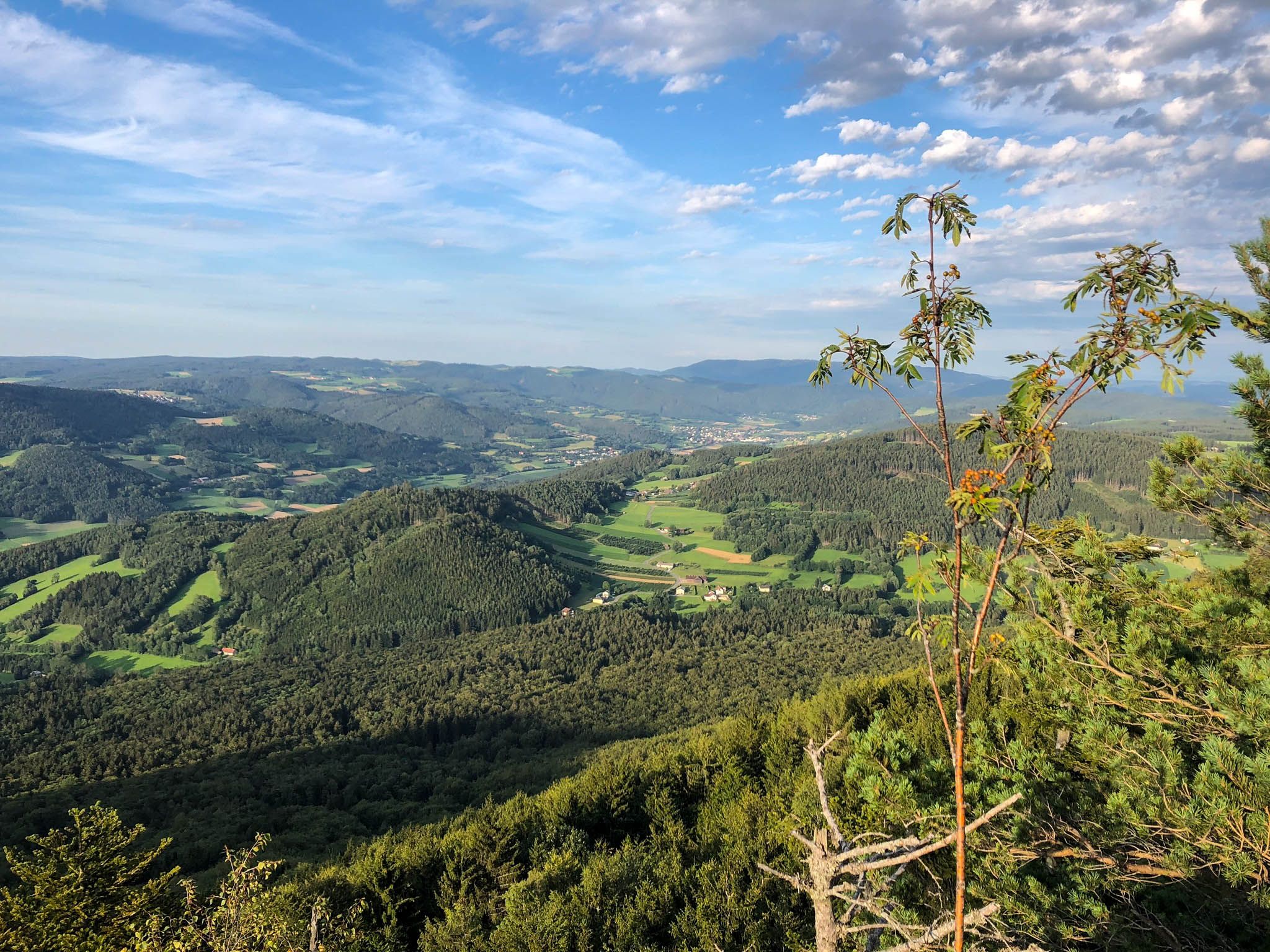
Ysper-Weitental circular hiking trail – Unwind in Austria
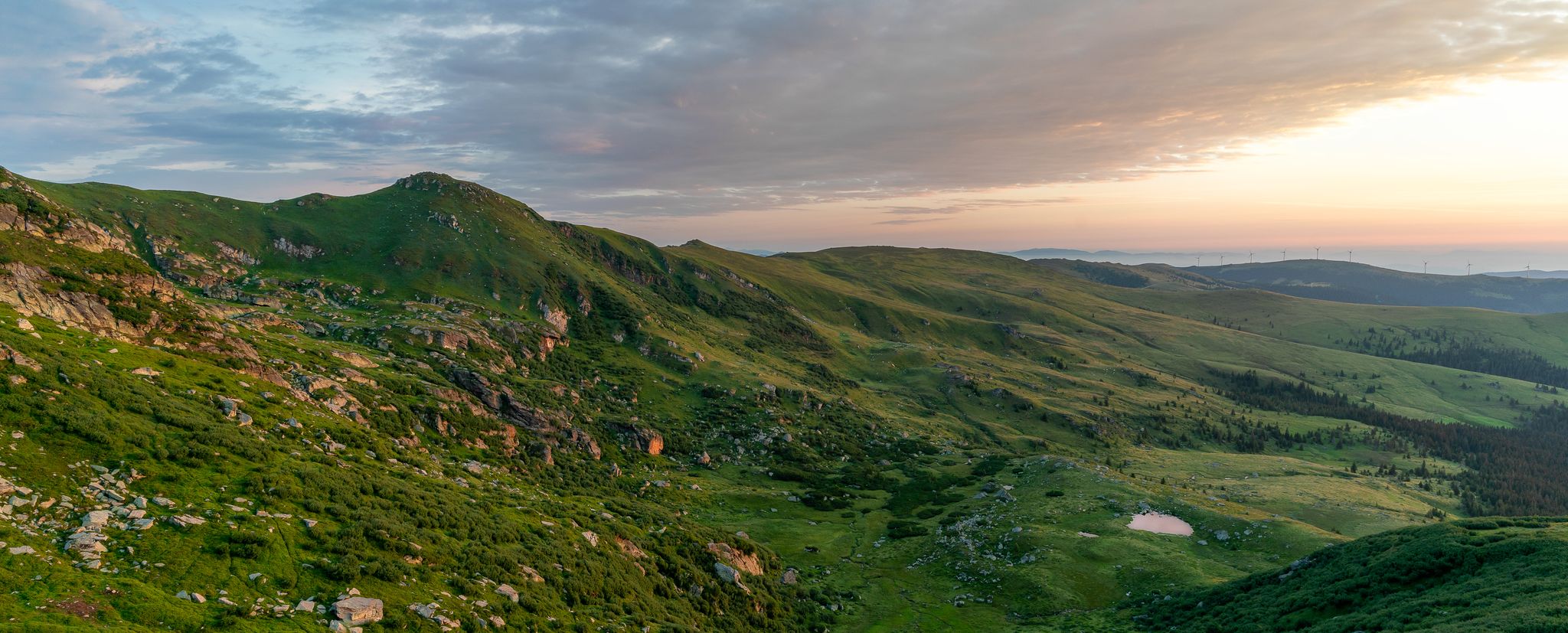
North-South Trail through Austria – Small country, big paths!
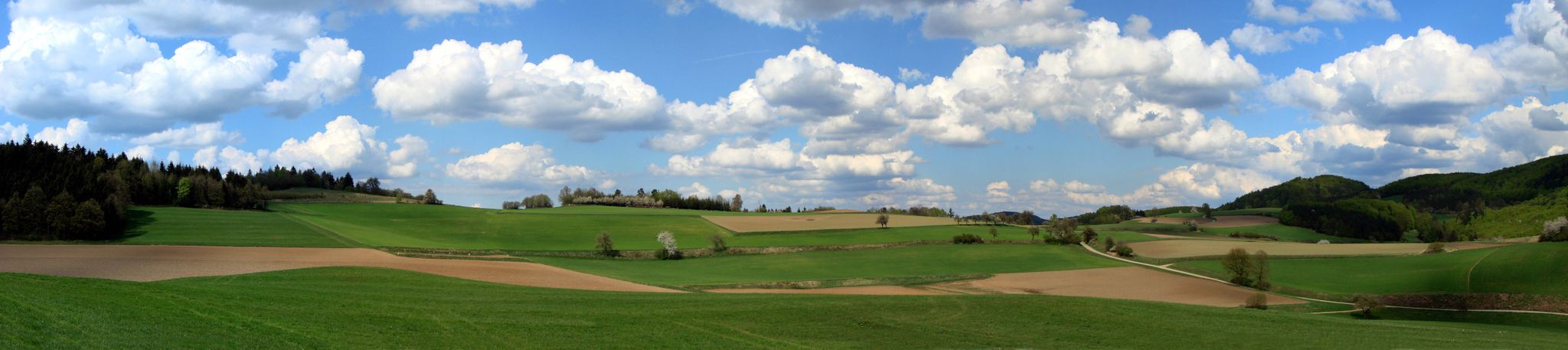
The Path of Life — A (spiritual) hike through northeastern Austria
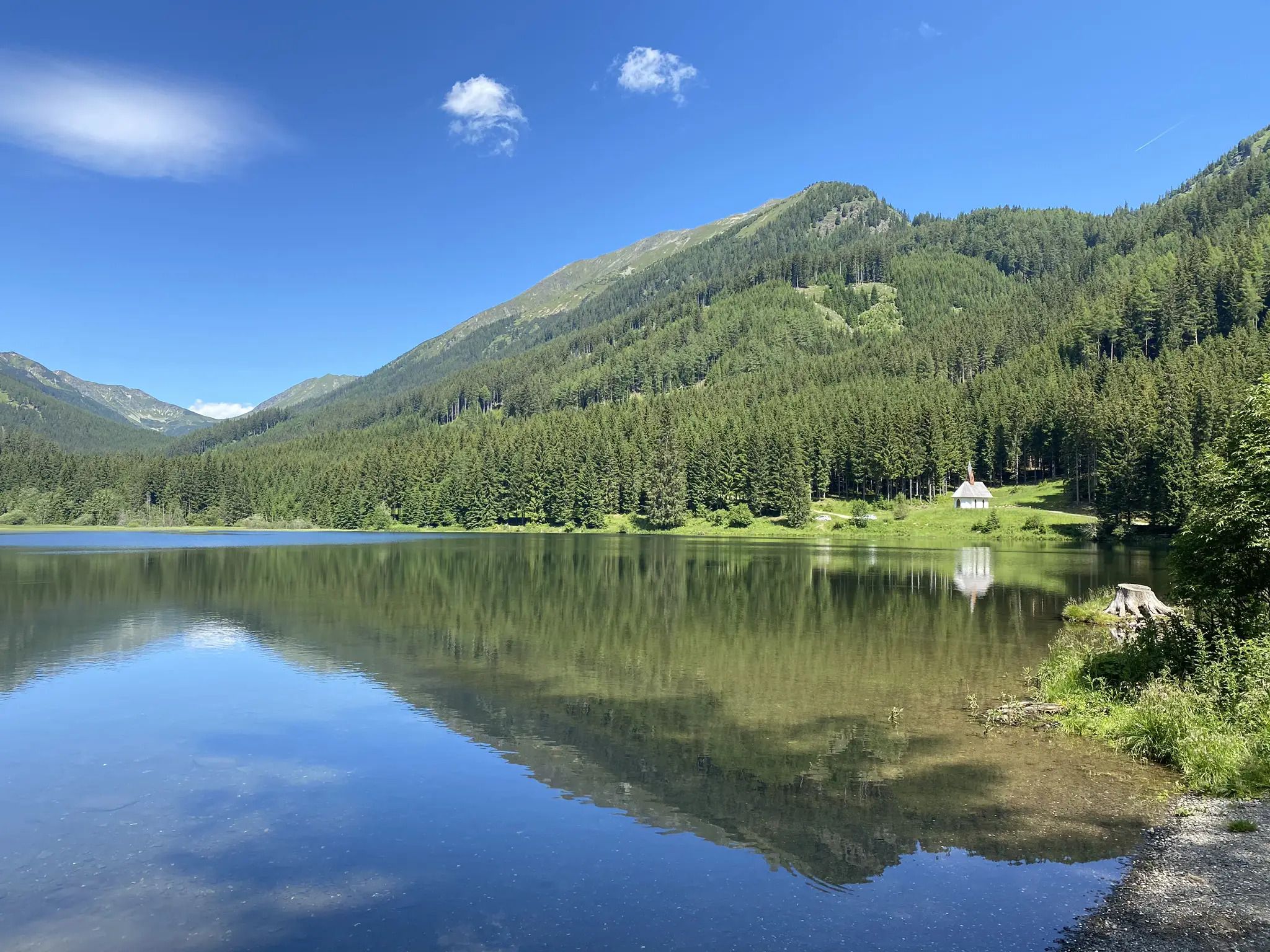
Eisenwurzen Trail – Hiking through Austria from north to south
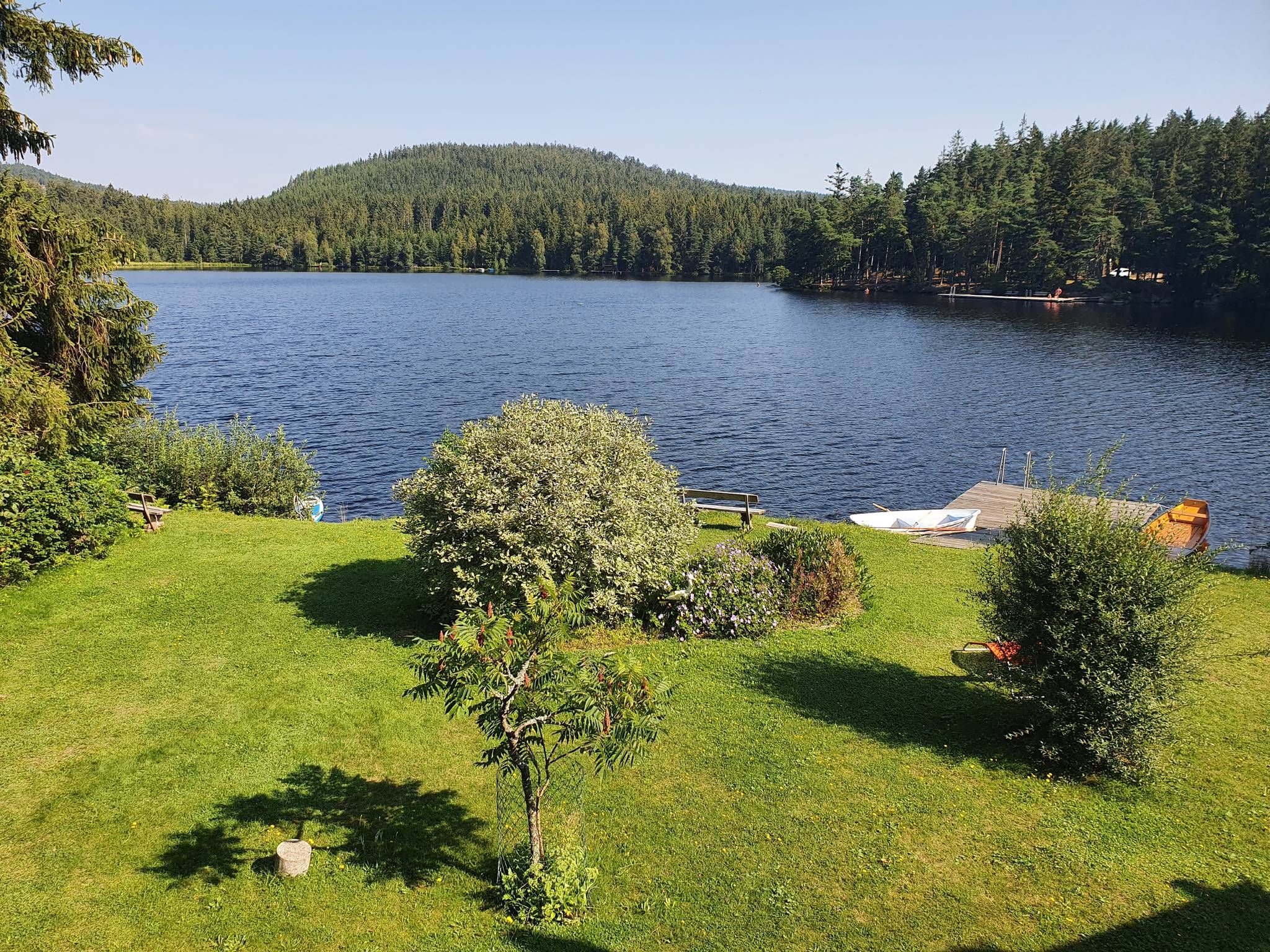
Kremstal Trail — Hiking along rivers through Lower Austria
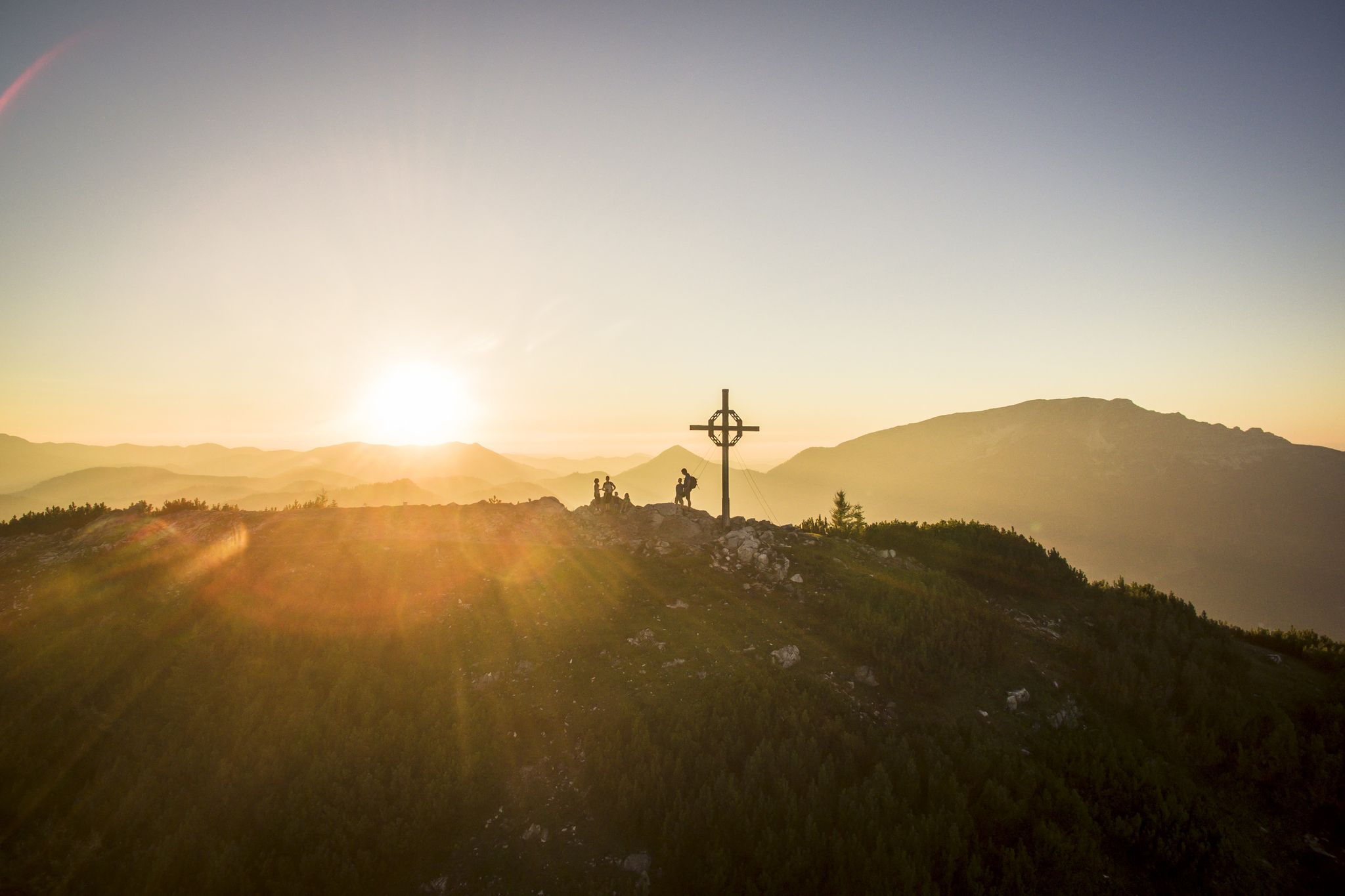
Hiking with a view – certified hiking villages in Lower Austria
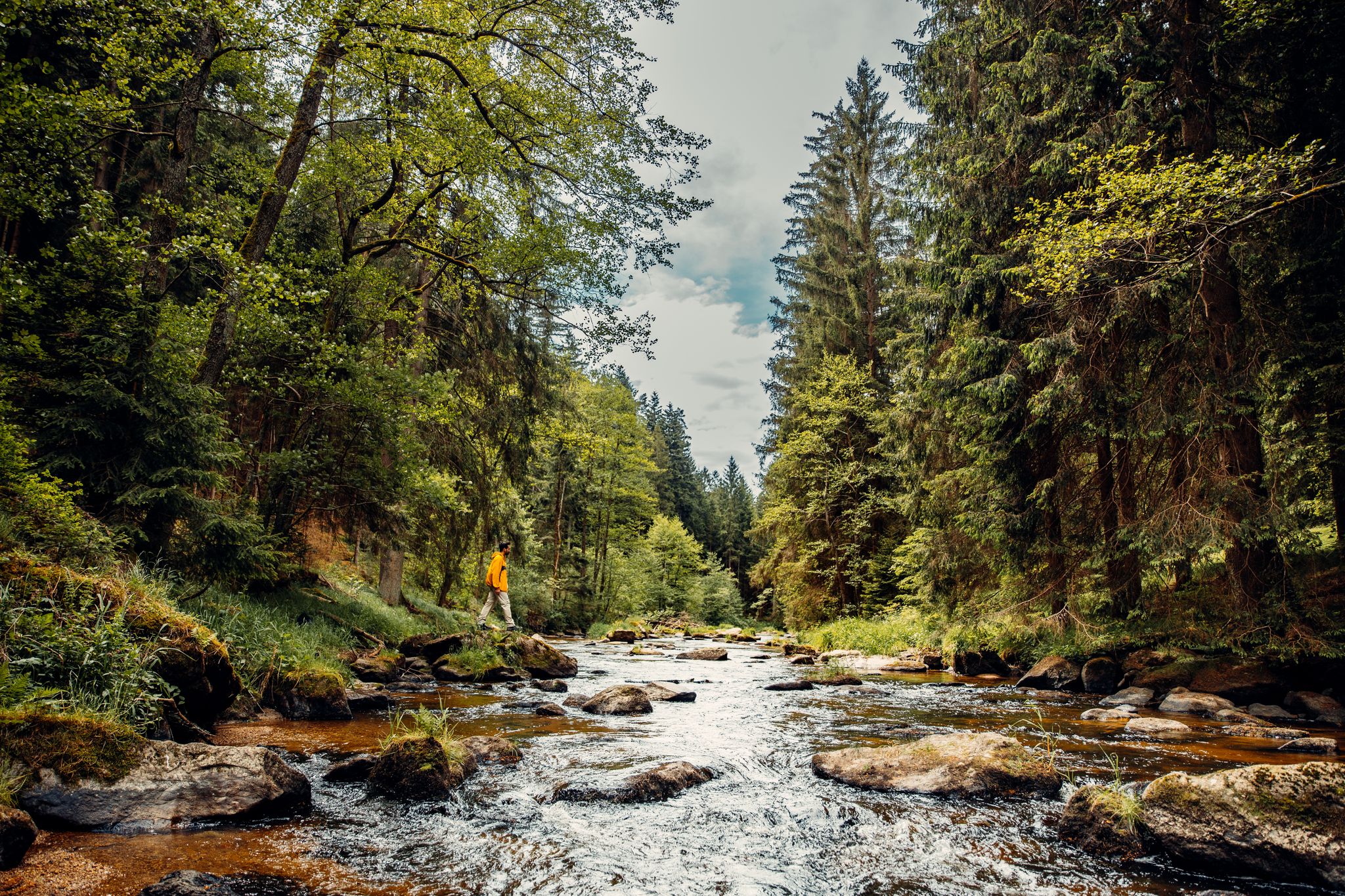
Cliffs, a gorge and vineyards – day hikes in the Waldviertel
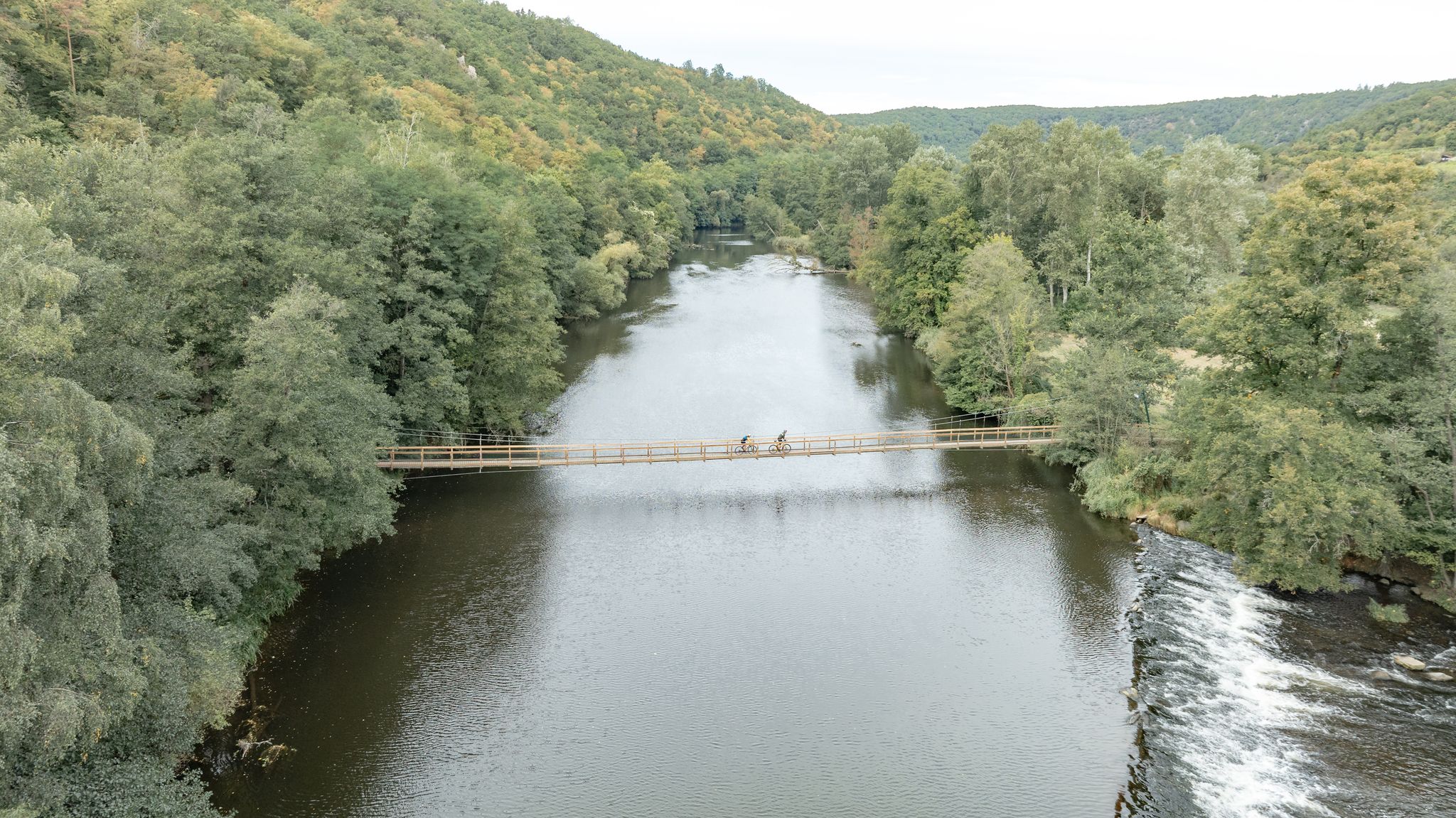
Long and short cycling Tours in the Waldviertel
An MTB adventure in Austria's loneliest region – Granite Trail

Discover Austria’s most beautiful family cycle paths with woom
Other adventures in Zwettl


Tips from the Community

From the 15th century onwards, Lichtenfels changed hands frequently until the castle came to Rastenberg in 1628. As the new owners moved their seat of power to Rastenberg, the slow decay of Lichtenfels began in 1774. In 1790, the Freiherrn von Bartenstein, who owned Rastenberg and Lichtenfels, sold the majority of the castle's roof to Stift Zwettl. The reason for this was the roof tax introduced by Emperor Joseph II, which was calculated based on the size of the roof areas. Numerous noble families throughout the country had their cold and uninhabitable castles de-roofed at that time to save taxes. In 1804, the last inhabitant left Lichtenfels castle, which has been owned by the Thurn-Valsassina family together with Rastenberg since 1872. The Romanesque chapel, formerly dedicated to the Apostle Paul, was a destination for small pilgrimages for a long time; the last one took place in 1960 from Friedersbach. Lichtenfels castle ruins can be visited all year round (at your own risk).
0
0
On a peninsula in the Ottenstein reservoir, the Lichtenfels castle ruins rise picturesquely. Before the creation of the reservoir (1954-1957) and the construction of the federal road B38 with the bridge completed in 1957, the Lichtenfels castle, first mentioned in 1248, stood lonely on a rocky ridge high above the Kamp river. In the 13th century, an important ministerial family resided here, initially bearing the nickname „Tursen“, deriving from Rauheneck castle near Baden, and towards the end of this century took the name „Lichtenfels“. Under their rule were numerous surrounding places, such as Friedersbach, for example. During the Hussite invasions of 1427/28, Lichtenfels served as a storage place for the archives and treasures of the Zwettl Abbey.
0
0

No Merlot here — the shelf stands empty, quiet, waiting for a bottle that never comes. Kein Merlot hier — das Regal bleibt leer, still, wartend auf eine Flasche, die nie kommt. Pas de Merlot ici — l'étagère reste vide, silencieuse, attendant une bouteille qui n'arrive jamais. No hay Merlot aquí — el estante queda vacío, silencioso, esperando una botella que nunca llega.
0
0
No Merlot here — the shelf stands empty, quiet, waiting for a bottle that never comes. Kein Merlot hier — das Regal bleibt leer, still, wartend auf eine Flasche, die nie kommt. Pas de Merlot ici — l'étagère reste vide, silencieuse, attendant une bouteille qui n'arrive jamais. No hay Merlot aquí — el estante queda vacío, silencioso, esperando una botella que nunca llega.
0
0

The Ottenstein reservoir, is the largest of the Kamp lakes and is among the richest waters in fish in Austria and at the same time among the best predatory fish waters in Europe. Its water surface is 4.3 km² and extends with its fjord-like, branched side arms, with a length of more than 14 km, up to Zwettl. The deepest point is 69 m.
1
0
Schloss Waldreichs was first documented in 1258. Around 1400, Kaspar and Bernhard von Waldreichs are mentioned as feudal lords. After its destruction by an executionary army of the estates in 1446–1448, it was rebuilt as a fortress around 1450 under Hans Harrasser. The present-day ruin in the east wing, the chapel, and the eastern tower date from this period. In 1460, it was enfeoffed to Vinzenz Stodoligk. From 1519–1536, it was united with the Lordship of Ottenstein. Between 1530–1534, it was converted into a moated castle under Eustach Stodoligk. From 1533, it was a free property. In 1536, the complex passed to the Barons of Altena, who expanded it with a zwinger and a manor farm. After its conquest and plundering by imperial troops, the complex was rebuilt again and subsequently changed owners frequently. When it passed to Heinrich von Pereira-Arnstein in 1815, it was united with the Lordship of Wetzlas.
0
0
Originally, after the town's founding, Trinity Square was part of Zwettl's main square, which at that time stretched as an extensive triangular plaza from the townhouses behind the Hundertwasser Fountain to the level of the Hausleitner house above the "Zur Goldenen Rose" inn. The construction of houses along the lower Landstraße, the so-called "Grätzl," significantly narrowed the main square, and the addition of the cross street eventually divided it into two squares.
0
0
During the Baroque period, people everywhere were eager to express their gratitude for overcoming the plague years and the Turkish Wars by erecting plague or Trinity columns. In 1727, the pillory in the upper square was replaced by the richly sculpted sandstone column created by Kaspar Högl of Eggenburg. During the last renovation in 1998, extensive environmental damage to the figures was repaired, and the entire column was painted a light yellow. The four life-size statues are, in the center at the front, the Immaculate Conception; to her left, St. Sebastian (pierced by five arrows); to her right, St. Roch (pointing to the plague boil on his thigh); and St. Florian (holding a flag in one hand and a bucket of water in the other). The iron fountain in the immediate vicinity of the Trinity Column is a gift from the then-mayor, Eugen Beck, of the twin town of Plochingen near Stuttgart.
0
0
Frequently Asked Questions
What are some notable historical and cultural sites to explore in Zwettl?
Zwettl is rich in history. You can visit the impressive Stift Zwettl, a Cistercian monastery founded in 1138, known for its Romanesque-Gothic cloister and Baroque church. The historic Zwettl Old Town, with its well-preserved medieval town walls and baroque facades, is also worth exploring. Don't miss the colorful Hundertwasser Fountain on the main square, a symbol of creativity.
Are there any family-friendly attractions or activities in Zwettl?
Yes, Zwettl offers several family-friendly options. The Ottenstein Reservoir is excellent for various activities like swimming, fishing, and boating. The Kunst Zwingt Rost Sculpture Park provides an engaging outdoor art experience. Additionally, the SONNENTOR Erlebnis in Sprögnitz offers tours and tastings that can be interesting for all ages.
Where can I experience nature and scenic landscapes around Zwettl?
The region around Zwettl is nestled between the Kamp and Zwettl rivers, offering tranquil river landscapes. The Lohnbach Waterfall is a beautiful natural highlight where the Lohnbach overcomes an eight-meter height difference. The Zwettltal, a Natura 2000 protected area, features pristine landscapes with idyllic hiking trails, old trees, and rock formations. The Ottenstein Reservoir, with its fjord-like arms and wooded shores, is another popular spot for nature lovers.
What kind of hiking trails are available near Zwettl?
Zwettl offers a variety of hiking trails. You can find easy walks like those around the Lake Edlesberger or the 'In Hundertwasser's Footsteps' trail, which combines art and nature along the Kamp river. The Zwettltal forest adventure trail is a recommended 6 km circular route. For more options, explore the easy hikes in Zwettl guide.
Are there any unique or 'hidden gem' attractions in the area?
For a unique experience, seek out the Klaus Chapel, a religious building nestled in the forest, accessible via several hiking trails. Originally a pleasure house, it was converted into a chapel in 1948. Another interesting spot is Hundertwasser’s Hahnsäge, the former retreat of the artist Friedensreich Hundertwasser, located by the Kamp river.
What are the options for cycling or mountain biking near Zwettl's attractions?
The region provides excellent opportunities for cycling and mountain biking. The Ottenstein Reservoir has beautiful paths suitable for cycling. You can find various routes, including the 'Thaya Tour Waldviertel' for cycling enthusiasts or the 'Bruderndorf Water Station – Bison Ranch Pasture Langschlag loop' for mountain biking. More detailed routes are available in the Cycling in Zwettl guide and the MTB Trails in Zwettl guide.
What do visitors enjoy most about the attractions in Zwettl?
Visitors frequently praise the scenic beauty of natural sites like the Lohnbach Waterfall and the tranquil atmosphere around the Ottenstein Reservoir. The historic charm of Stift Zwettl and the unique artistic touch of the Hundertwasser Fountain are also highly appreciated. Many enjoy the blend of historical significance, architectural beauty, and picturesque natural surroundings.
Can I visit a castle or fortress in the Zwettl area?
Yes, you can visit Burg Rappottenstein, one of the oldest castles in the northwestern Waldviertel. It presents itself stylishly on a granite rock mountain and tells a story of Romanesque, Gothic, and Renaissance architecture. The castle is surrounded by an atmospheric forest with large rocks and caves, offering an unforgettable journey through history.
Are there any culinary or local product experiences in Zwettl?
Absolutely. The Private Brewery Zwettl, with over 300 years of history, offers insights into regional beer culture and fresh beer tastings. For those interested in herbs and spices, the SONNENTOR Erlebnis in Sprögnitz provides tours of production workshops, tea samplings, and regional dishes at their café.
What is the best time of year to visit Zwettl for outdoor activities?
Zwettl's unique combination of historical significance and picturesque natural surroundings makes it appealing throughout the year. For outdoor activities like hiking and cycling, spring, summer, and early autumn offer pleasant weather. The winter months can also be beautiful for snowy walks, especially in areas like the Zwettltal or Naturpark Blockheide.
Are there any nature parks or protected areas nearby?
Yes, the Zwettltal is a Natura 2000 protected area, featuring pristine landscapes with coniferous forests, flower meadows, and tranquil woodlands. A few kilometers from Zwettl, you can also find the Naturpark Blockheide, which offers well-maintained hiking and themed paths dedicated to the region's flora and fauna.
Most popular routes in Zwettl
Most popular attractions in Zwettl

Get inspired with the komoot mobile app


Didn’t find what you were looking for?
Are you keen on exploring more awesome places nearby? Browse our guides:
Explore more
Still not found the Highlight you’re looking for? See guides of the top attractions in other regions:
