Top 20 Castles in Märkisch-Oderland
Castles in Märkisch-Oderland offer a glimpse into the region's history and architectural heritage. This district in Brandenburg, Germany, features a landscape characterized by historical sites and cultural venues. The area provides opportunities to explore various castles, from Baroque palaces to medieval fortresses. These structures are often integrated into the natural surroundings, providing points of interest for visitors.
Best castles in Märkisch-Oderland
- The most popular castles is Orangery, Neuhardenberg Palace, a man_made_monument that was extensively renovated and restored. The orangery,…
Last updated: August 16, 2026
Altlandsberg Palace Gardens and the Domänenhof
Highlight • Historical Site
Translated by Google •
Tip by

Reichenow Castle
Highlight • Castle
Translated by Google •
Tip by

Sign up now to discover places like this
Get recommendations on the best single tracks, peaks, & plenty of other exciting outdoor places.
Sign up for free
Müncheberg City Wall and Berliner Gate (Pulverturm)
Highlight • Historical Site
Translated by Google •
Tip by

Orangery, Neuhardenberg Palace
Highlight • Monument
Translated by Google •
Tip by

Schinkel Church, Neuhardenberg
Highlight • Religious Site
Translated by Google •
Tip by

Trebnitz Castle
Highlight • Castle
Translated by Google •
Tip by

Wulkow Castle
Highlight • Castle
Translated by Google •
Tip by

Diedersdorf Castle
Highlight • Castle
Translated by Google •
Tip by

Gusow Castle
Highlight • Castle
Translated by Google •
Tip by

St. Georg Concert Hall
Highlight • Religious Site
Translated by Google •
Tip by
Sign up for free to discover even more castles in Märkisch-Oderland.
Sign up for free
Already have an account?
Start today with a free account
Your next adventure awaits.
Login or Signup
Popular around Märkisch-Oderland

Around the World in 80 Days
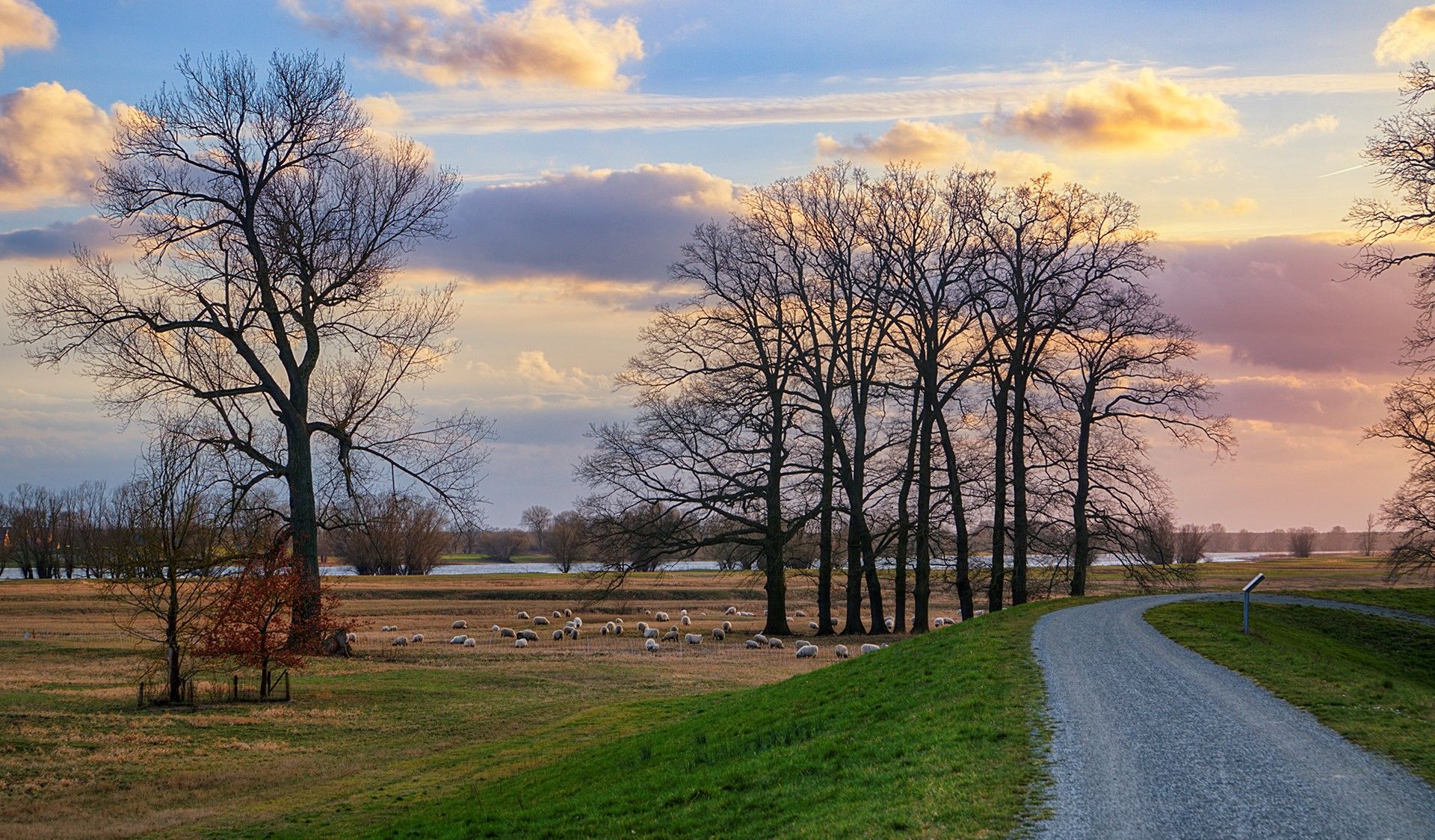
Tour Brandenburg – Cycle around Berlin in 18 stages
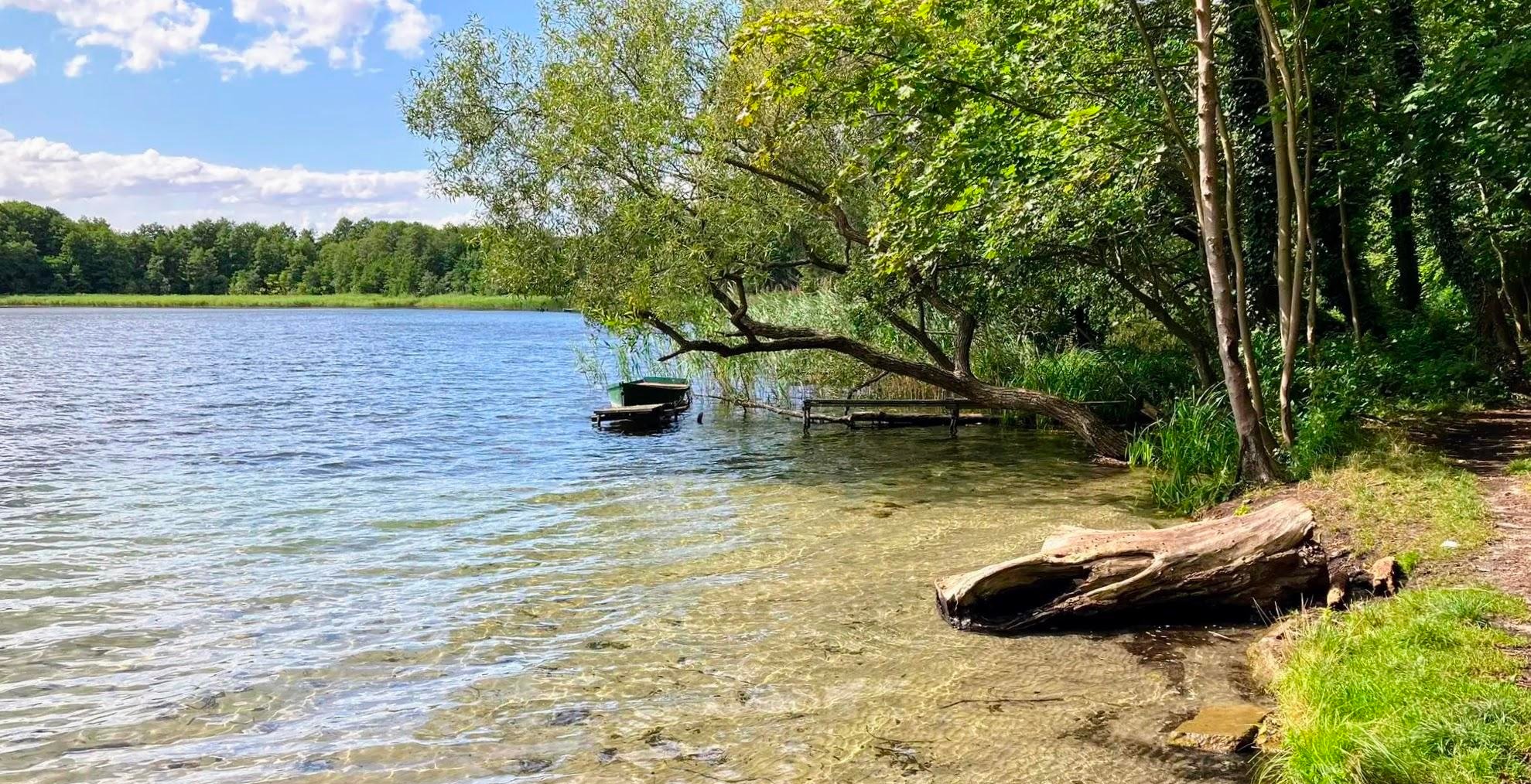
Cycling through an unknown land of lakes – Western Lake District Route
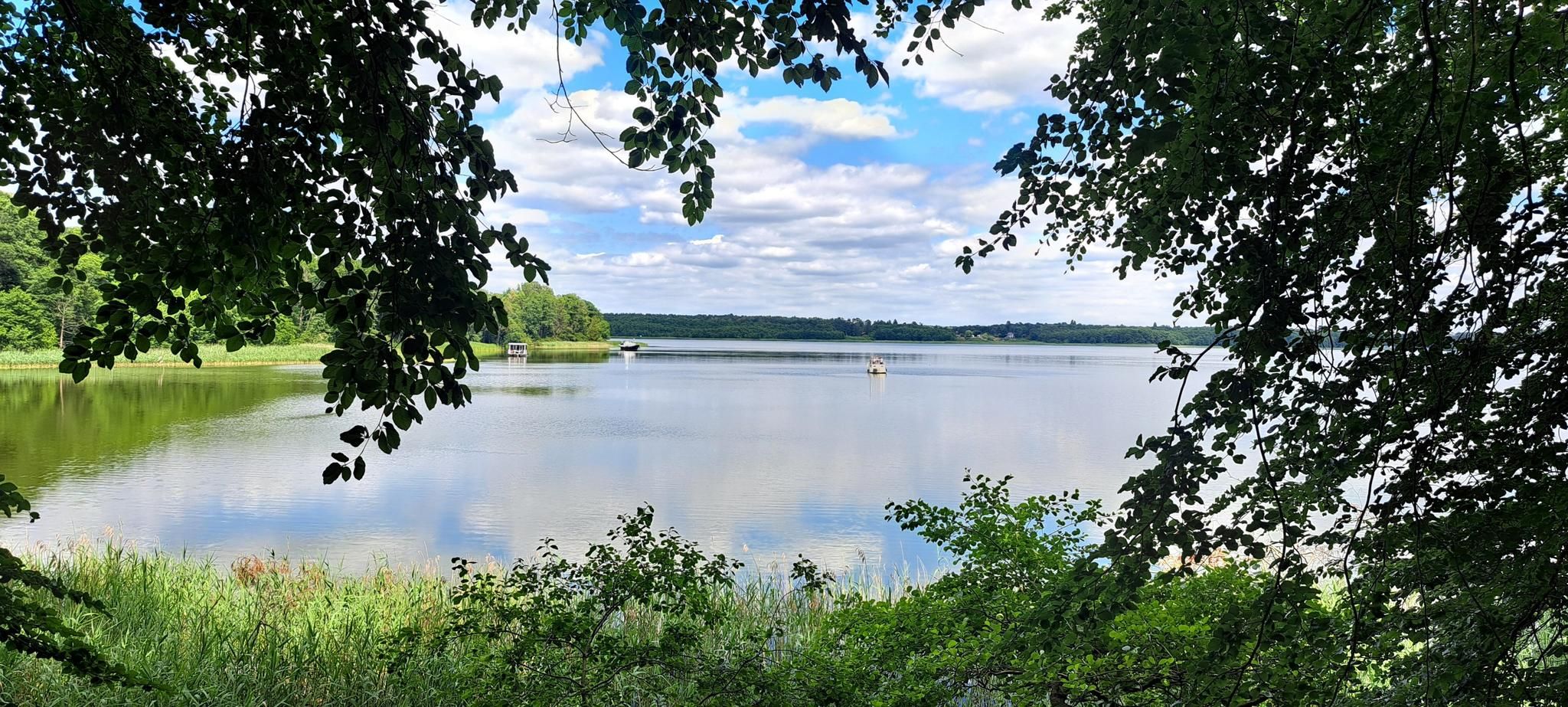
The National Natural Landscapes in Brandenburg
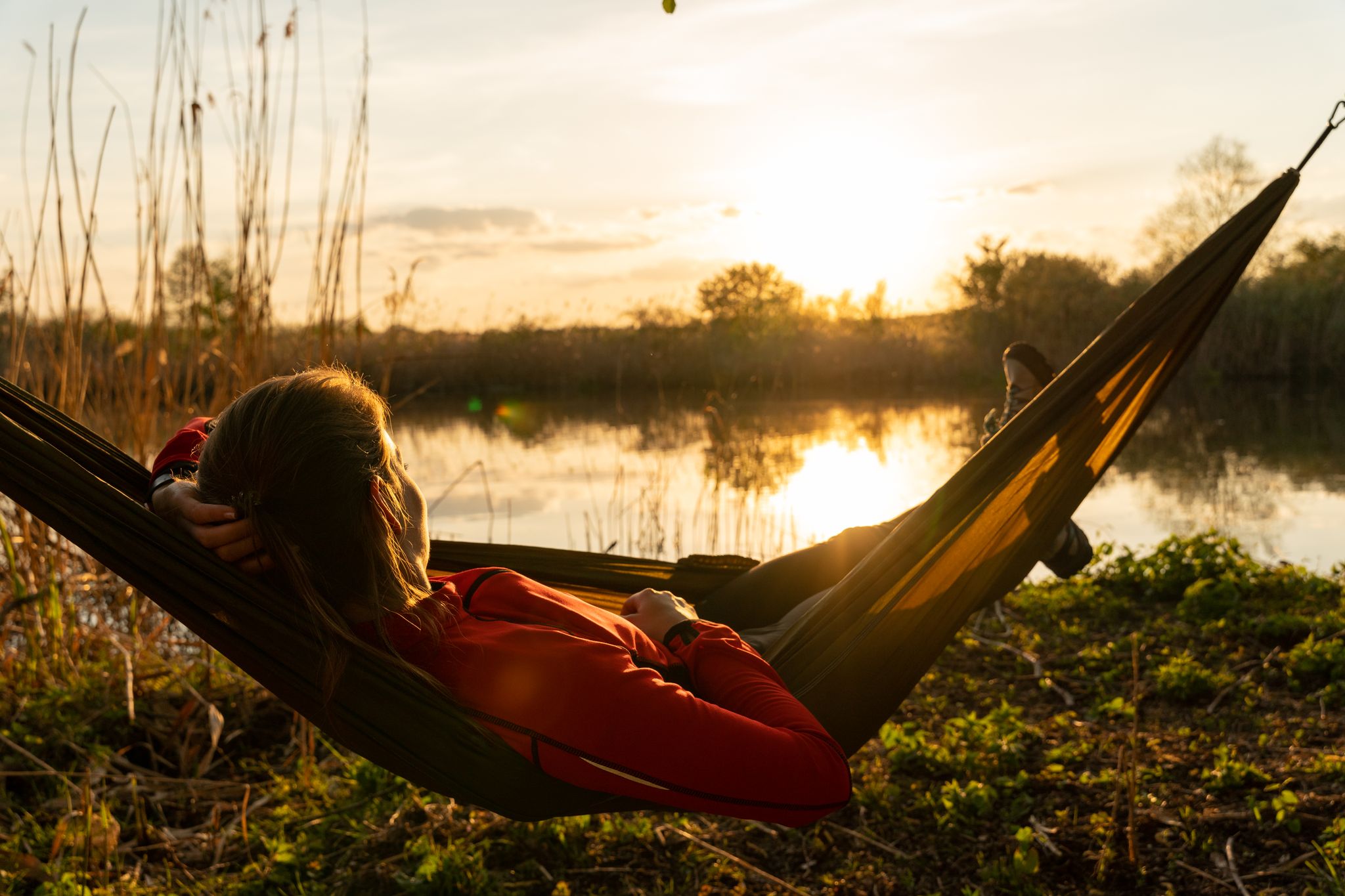
Late riser routes – hiking in the Oder-Spree Lake District
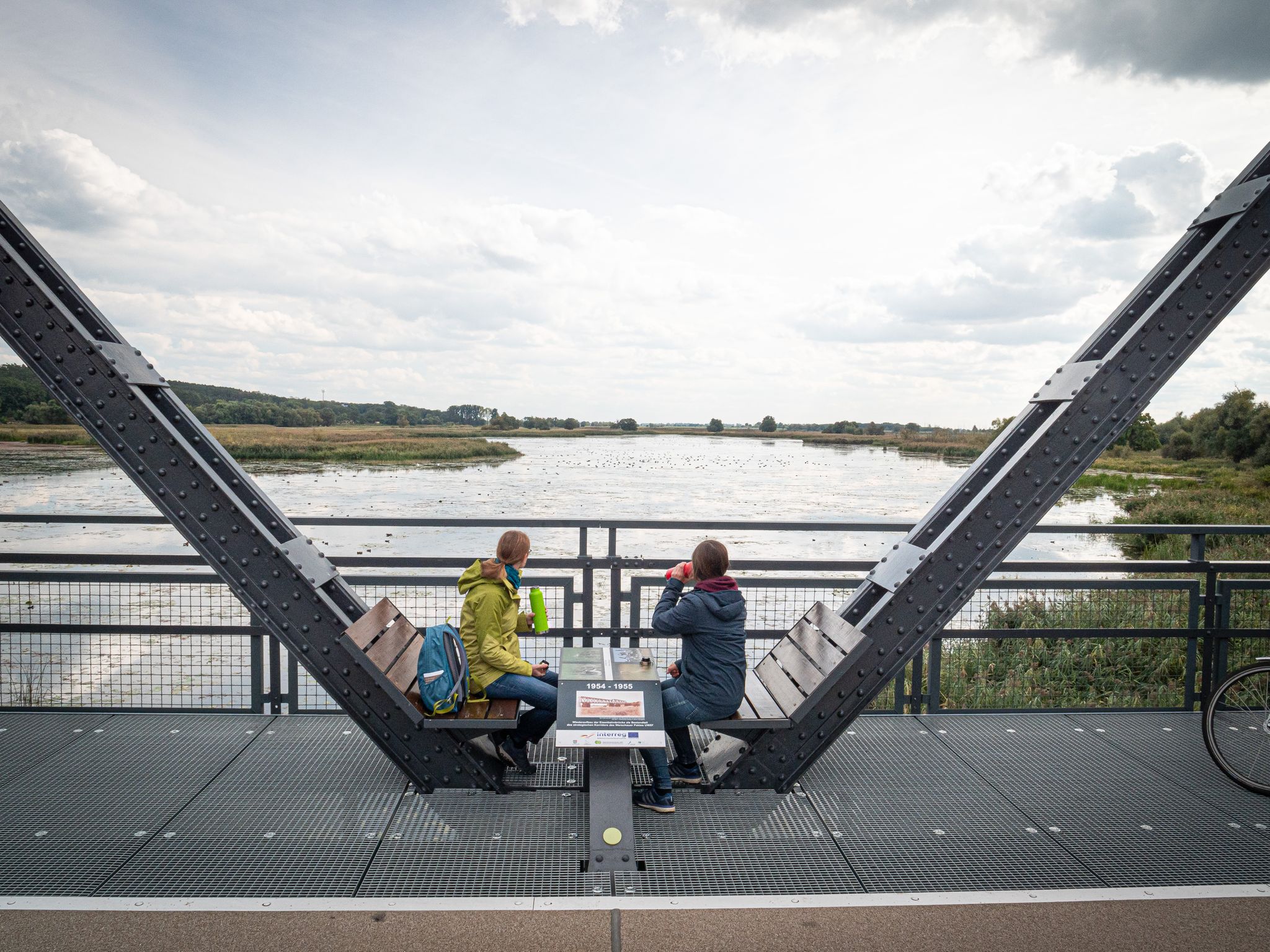
Travelling without boundaries – German-Polish cycling trips
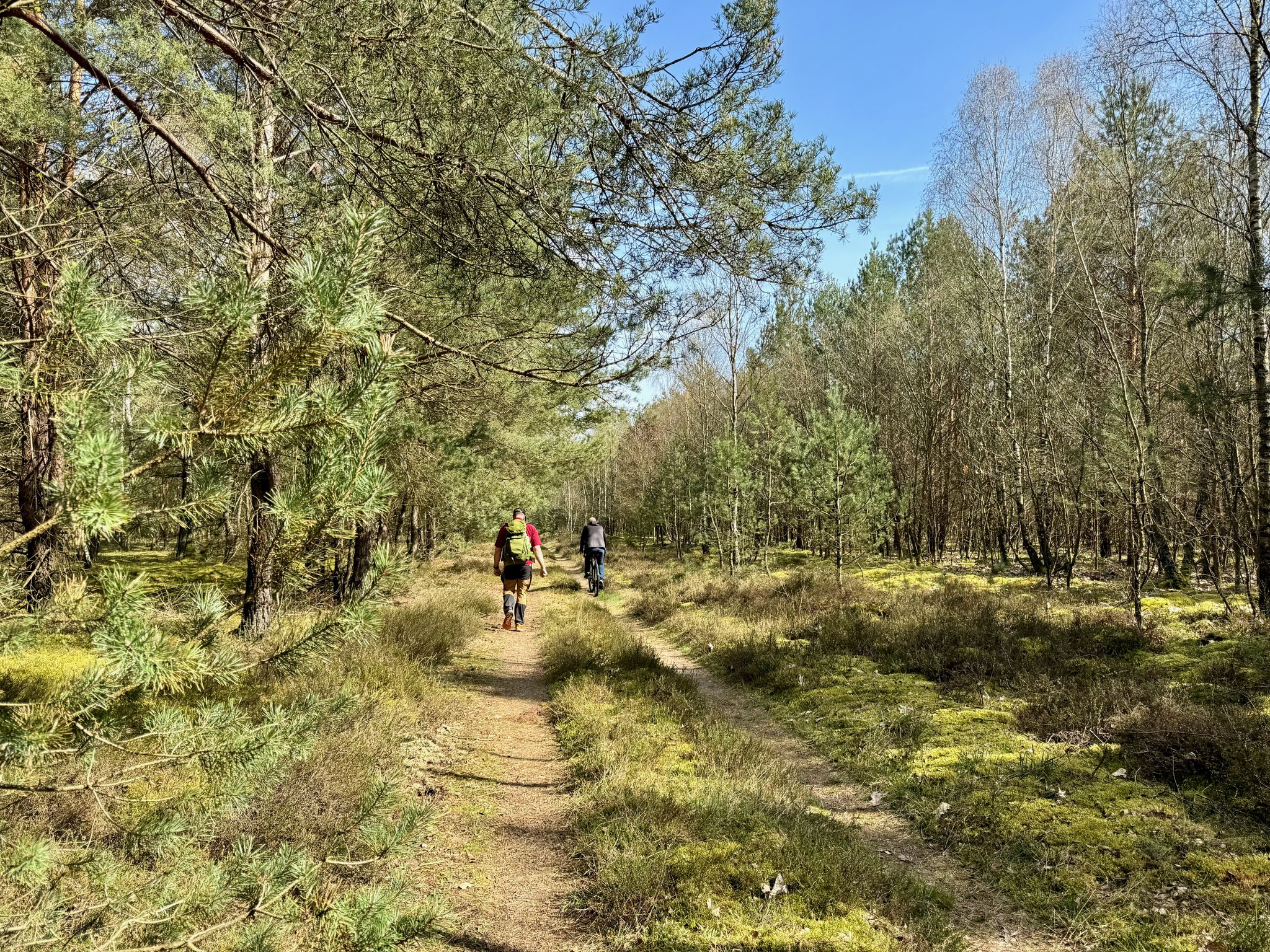
Hut or cask, tent or room – two-day hiking with the S-Bahn
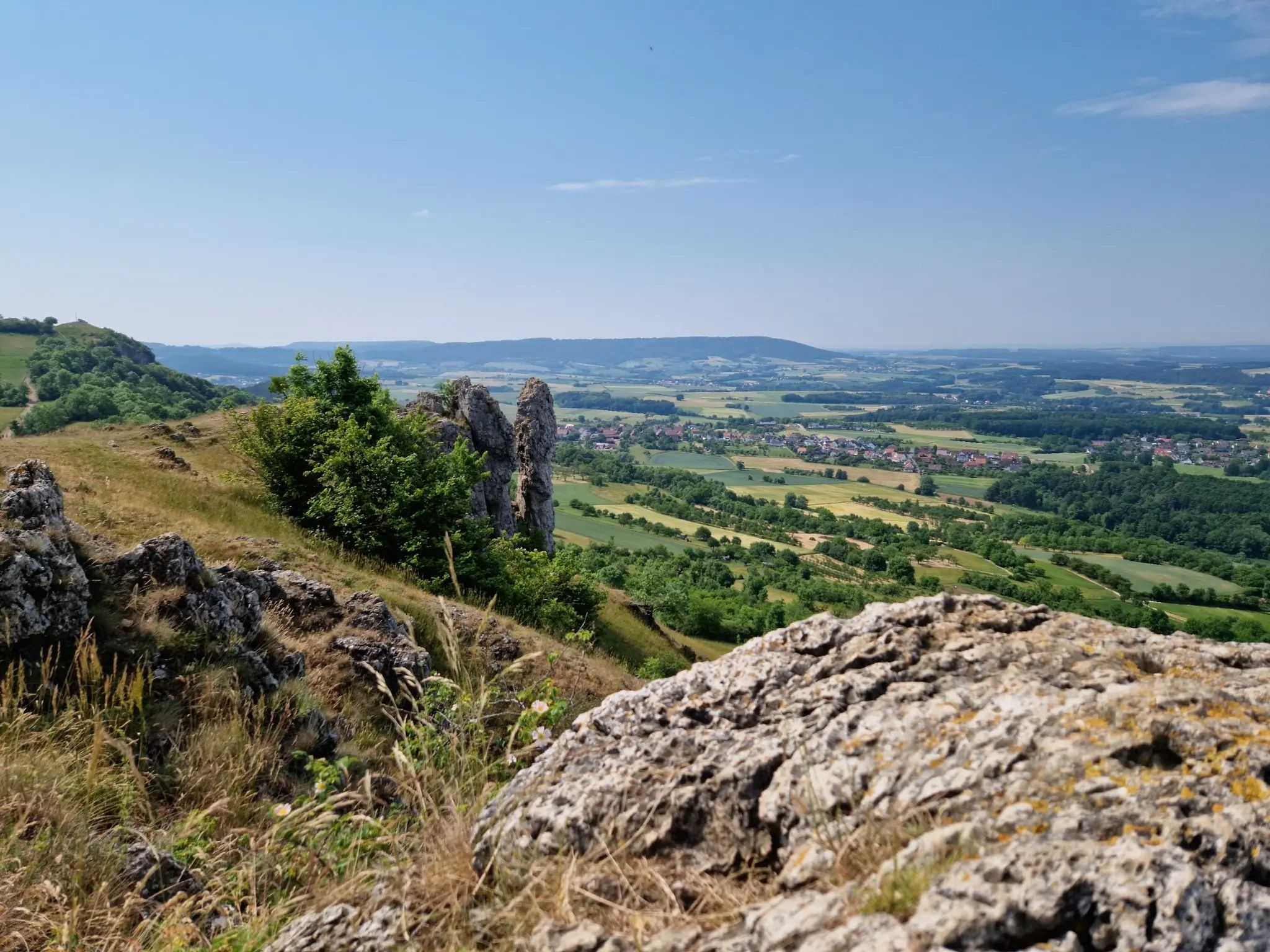
Ten fantastic hikes throughout Germany
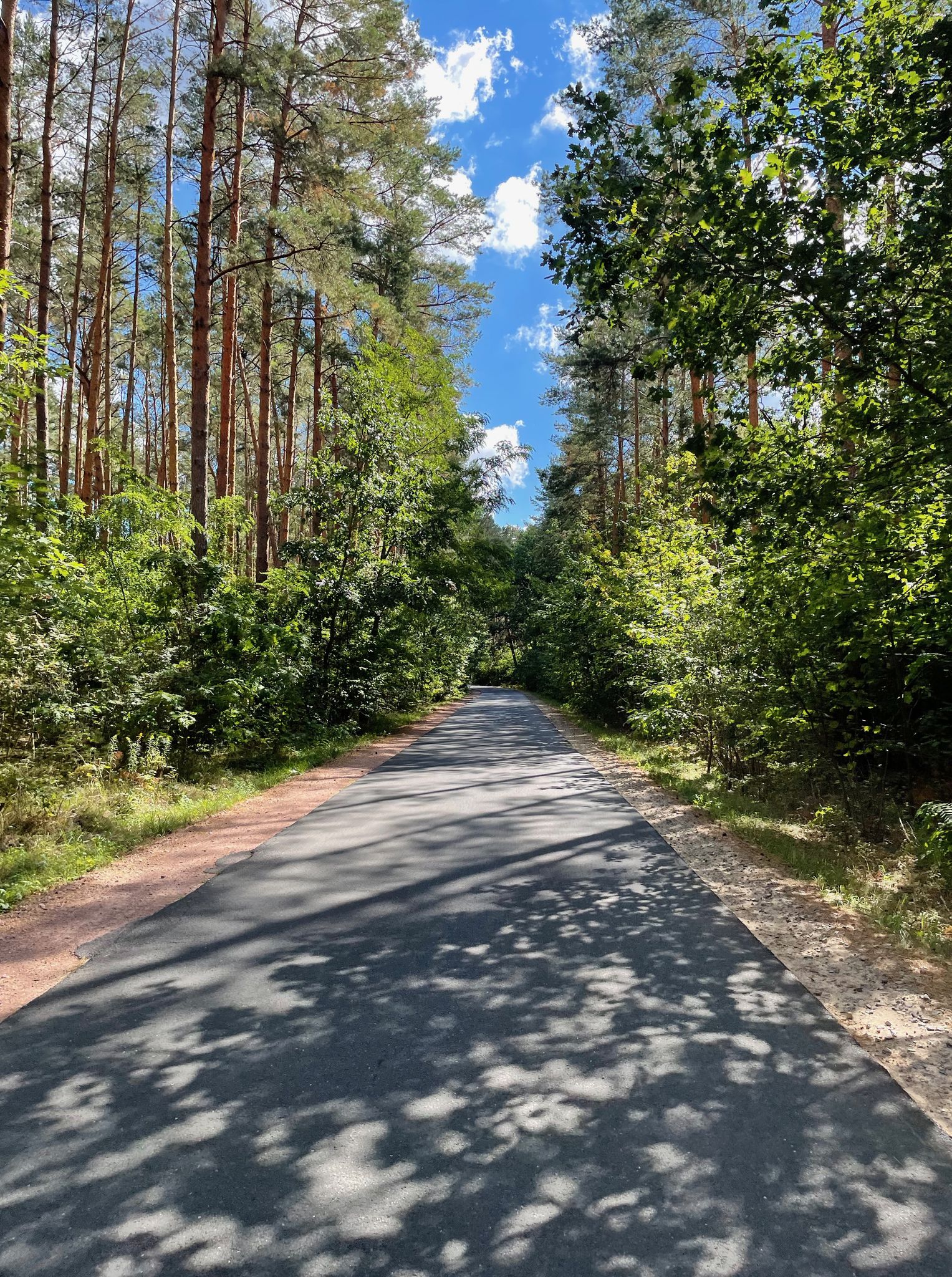
Bikepacking on Germany’s Oderbruchbahn Cycle Path
To the sea and back – bikepacking from Berlin to the Baltic Sea
Other adventures in Märkisch-Oderland


Tips from the Community

A remarkably beautiful building in Bad Freienwalde, with a unique charm.
0
0

Those who manage to climb the hill next to the church towards the open-air stage will find gravestones at the park entrance, remnants of the church's cemetery. Further information: http://www.konzerthalle-bad-freienwalde.de/ A wooden chapel previously stood on the site of today's St. George's Church. The chapel was demolished in 1692 due to its dilapidated condition. St. George's Church, a timber-framed building, was constructed on the site in 1696. After extensive renovations, St. George's Church was inaugurated as a concert hall in 1986 and now serves as a venue for concerts and exhibitions.
3
0

The castle in its current form was created through renovations around 1900. At that time, the two side wings were added to the current central building. Thus, the simple manor house was transformed into a stately neo-Baroque "castle." After the castle was transferred to the municipality in 1945, it served a variety of purposes until 1992: a military hospital, residential and office buildings, a school, a kindergarten, and a summer camp. After 1992, the building was extensively renovated with federal and state support and converted into a modern seminar center. Thousands of children, young people, and adults from many European countries meet here every year for training and educational opportunities.
0
0

There is also an information board here.
1
1

Very beautiful conversion of a historic half-timbered church into a concert hall.
2
1

The castle, built in the 14th century, is a beautiful sight in terms of its architecture and when the weather is good, you can enjoy a meal outside in the special ambience. The park behind the castle is also worth a visit.
1
0
Rather inconspicuous when you walk past. But when you do discover it... Much more information here: https://www.reiseland-brandenburg.de/poi/seenland-oder-spree/schloesser-und-parks/schloss-wulkow/?no_cache=1
3
0
Info: http://www.konzerthalle-bad-freienwalde.de/ There used to be a wooden chapel on the site of today's St. George's Church. The chapel was demolished in 1692 because it was in a state of disrepair. In 1696, St. George's Church was built as a half-timbered building on the demolition site. In 1986, after extensive renovation work, St. George's Church was inaugurated as a concert hall and today serves as a venue for concerts and exhibitions.
5
0
Frequently Asked Questions
Which castles offer a rich cultural experience?
For a vibrant cultural experience, Schloss Neuhardenberg is a key destination. It hosts a diverse program of theater, readings, concerts, discussions, and exhibitions. The ground floor is often open on Sundays in summer, with guided tours available. Similarly, Burg Beeskow serves as a cultural and educational center, housing the Oder-Spree Museum and a Music Museum, and regularly hosts various cultural events and exhibitions.
Are there castles in Märkisch-Oderland that are suitable for families?
Yes, several castles in Märkisch-Oderland are family-friendly. For instance, the Altlandsberg Palace Gardens and the Domänenhof are noted as family-friendly, offering restored buildings and a pleasant environment. Reichenow Castle and Trebnitz Castle are also categorized as family-friendly destinations.
Which castles have historical significance and unique architecture?
Schloss Prötzel is a notable example, featuring Baroque architecture from the early 18th century, possibly designed by Andreas Schlüter. Its original Rococo garden was transformed into an English-style landscape park. Burg Beeskow, a water castle first documented in 1316, boasts a preserved 30-meter-high keep and a picturesque location on the Spree River, showcasing medieval fortification and later palace-castle transformations.
Can I find accommodation or dining options at any of the castles?
Yes, some castles offer accommodation and dining. Reichenow Castle currently functions as a hotel and restaurant. Schloss Neuhardenberg operates as a hotel, and its Orangery houses a restaurant. Wulkow Castle is also known for offering a wonderful dining experience.
What outdoor activities can I do near the castles in Märkisch-Oderland?
The region around the castles offers various outdoor activities. You can explore easy hikes in Märkisch-Oderland, with routes like the "Adventures with Stobbi" in Märkische Schweiz Nature Park. For cycling enthusiasts, there are gravel biking routes available, such as the "Kul-Tour" from Grünau to Rahnsdorf. You can find more details on these activities in the easy hikes guide and the gravel biking guide for Märkisch-Oderland.
Are there any castles that are particularly good for cycling stops?
Yes, Schlossgut Altlandsberg is a worthwhile stop for cyclists, especially after its restoration. It hosts various events and provides a pleasant break during a ride through the area.
Which castles are known for their gardens or parks?
Schloss Neuhardenberg is renowned for its surrounding park, designed by Peter Joseph Lenné in 1822, showcasing impressive landscape architecture. Schloss Prötzel also features a historic park, originally Rococo and later transformed into an English-style landscape park with various parterre levels and fountains.
What do visitors appreciate most about the castles in Märkisch-Oderland?
Visitors frequently appreciate the restoration efforts and the cultural vibrancy of these historical sites. For example, the Orangery, Neuhardenberg Palace, and its park are highly praised for being beautifully restored and hosting high-profile events. The unique ambiance and historical significance of places like Trebnitz Castle, now a German-Polish meeting place, also receive positive feedback.
Are there any castles that have been repurposed for modern use?
Yes, several castles have found new purposes. Trebnitz Castle is currently utilized as a German-Polish meeting place and educational institution. Diedersdorf Castle, a Baroque structure, now houses corporate offices and apartments, though guided tours are available upon request. Burg Beeskow serves as a cultural and educational center for the Oder-Spree district.
What is the best time of year to visit the castles in Märkisch-Oderland?
The best time to visit the castles in Märkisch-Oderland is generally during the warmer months, from spring to early autumn (April to October). This allows for comfortable exploration of the castle grounds and parks, and many cultural events are scheduled during this period. For example, the ground floor of Schloss Neuhardenberg is typically open on Sundays during summer.
Are there any castles that are particularly accessible or offer specific facilities?
The Altlandsberg Palace Gardens and the Domänenhof are listed as wheelchair accessible, making them a good option for visitors with mobility needs. Many castles also offer facilities like restaurants or cafes on-site or nearby, such as Schloss Neuhardenberg with its Kleine Orangerie restaurant.
Can I visit historical city walls or other fortifications in the region?
Beyond castles, you can explore other historical fortifications. The Müncheberg City Wall and Berliner Gate (Pulverturm) offer a glimpse into medieval defensive systems. The Berliner Gate Tower, also known as the "Powder Tower," houses a permanent exhibition on the city's history and serves as a tourist information center.
Most popular routes in Märkisch-Oderland
Most popular attractions in Märkisch-Oderland

Get inspired with the komoot mobile app


Didn’t find what you were looking for?
Explore Märkisch-Oderland’s best castles region by region:
Explore more
Looking for the best castles somewhere else? Discover other guides in Märkisch-Oderland:
