Top 20 Caves in Nürnberger Land
Best caves in Nürnberger Land are found within the Franconian Switzerland region, characterized by its diverse geological formations. This area features subterranean worlds with impressive dripstone formations and historical significance. The landscape includes karst caves, rock cellars, and gorges, offering varied exploration opportunities. These natural features contribute to the region's appeal for outdoor activities.
Best caves in Nürnberger Land
- The most popular caves is Vogelherd Grotto, a cave that is an impressive karst cave near Krottensee. This location offers a special ambiance, particularly rewarding for early morning visits, providing a sense of calm.
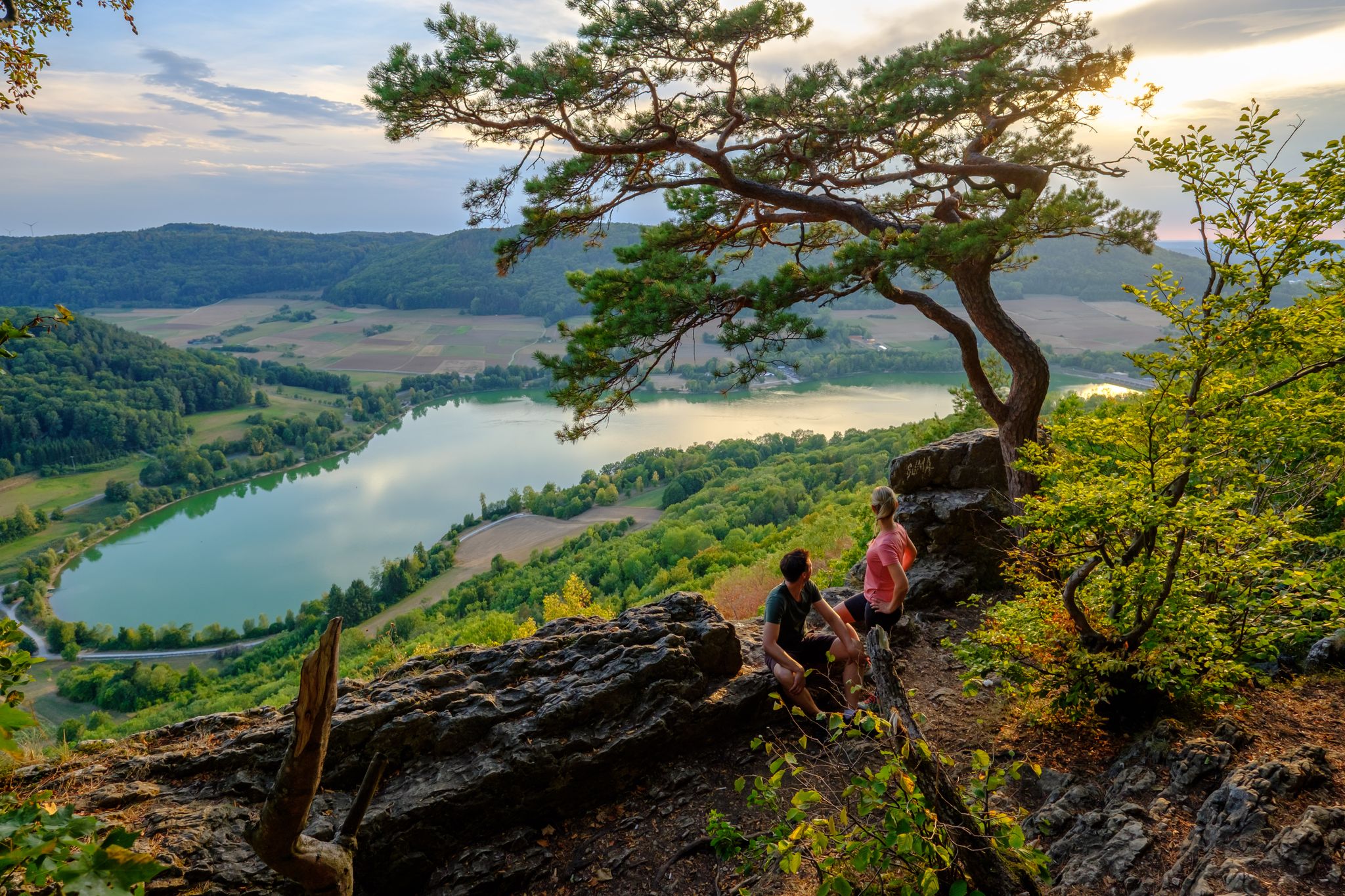
- Another must-see spot is View of Happurger See from Hohler Fels, a viewpoint from a cave. Visitors can expect magnificent views of the surrounding area from Hohler Fels, with seating available for a rest overlooking the Happurg reservoir.
- Visitors also love Gustav Adolf Cave, a cave located directly on the Schwarzach river. This site is special due to its historical connection, with a memorial plaque indicating a visit by Swedish King Gustav Adolf II during the Thirty Years' War.
- Nürnberger Land is known for show caves, natural karst caves, and historical rock cellars. The region offers a variety of subterranean environments to explore, from extensive dripstone formations to historically significant underground structures.
- The caves in Nürnberger Land are appreciated by the komoot community, with more than 4400 upvotes and over 4800 photos shared by users.
Last updated: October 10, 2026
View of Happurger See from Hohler Fels
Highlight • Viewpoint
Translated by Google •
Tip by

Karl's Cave
Highlight • Cave
Translated by Google •
Tip by

Sign up now to discover places like this
Get recommendations on the best single tracks, peaks, & plenty of other exciting outdoor places.
Gustav Adolf Cave
Highlight • Cave
Translated by Google •
Tip by

View of Hohler Fels and the Happurg Reservoir
Highlight • Viewpoint
Translated by Google •
Tip by
View from Glatzenstein
Highlight • Viewpoint
Translated by Google •
Tip by

Teufelskirche (Devil’s Church) — Waterfall and Cave
Highlight • Gorge
Translated by Google •
Tip by
Löwengrube rock cellar
Highlight • Cave
Translated by Google •
Tip by

Devil's Church Sandstone Gorge and Waterfall
Highlight (Segment) • Gorge
Translated by Google •
Tip by

Vogelherd Grotto
Highlight • Cave
But you can also enjoy this place wonderfully if you are there at the right time. The visit is particularly worthwhile in the morning and then you can feel the special flair of the Vogelherd grotto. Despite the notoriety, it can be a powerful place of calm!
Translated by Google •
Tip by

Gsteinach Rock Cellar
Highlight • Cave
You can find numerous photos on the Internet under the search term "Restauration Gsteinach".
Translated by Google •
Tip by

Sign up for free to discover even more caves in Nürnberger Land.
Already have an account?
Start today with a free account
Your next adventure awaits.
Popular around Nürnberger Land
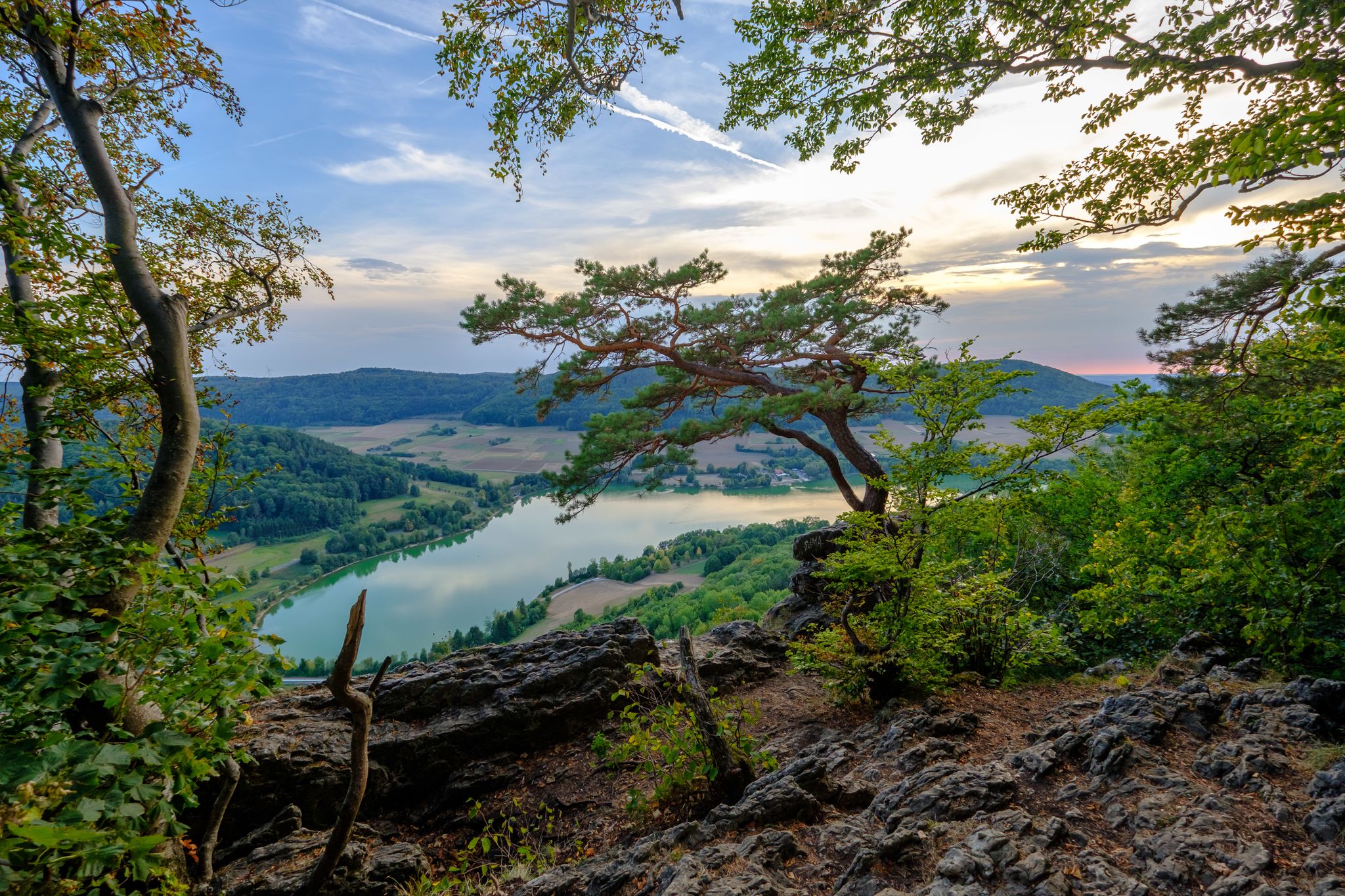
Franconian Jura Panorama Trail in Germany — Silent forests & lonely paths
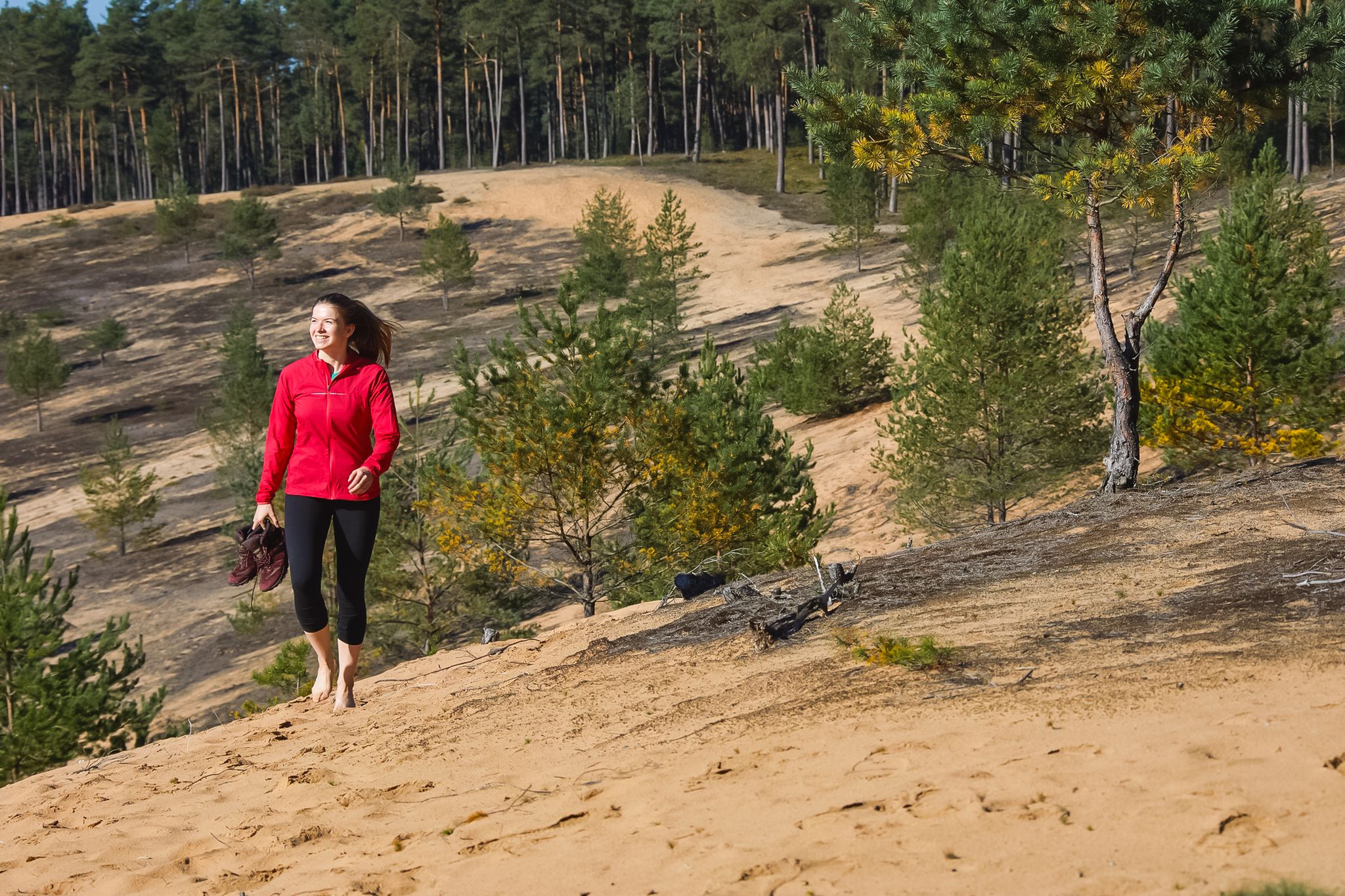
Hike the Dune Path in Central Germany – From sand dunes to forests
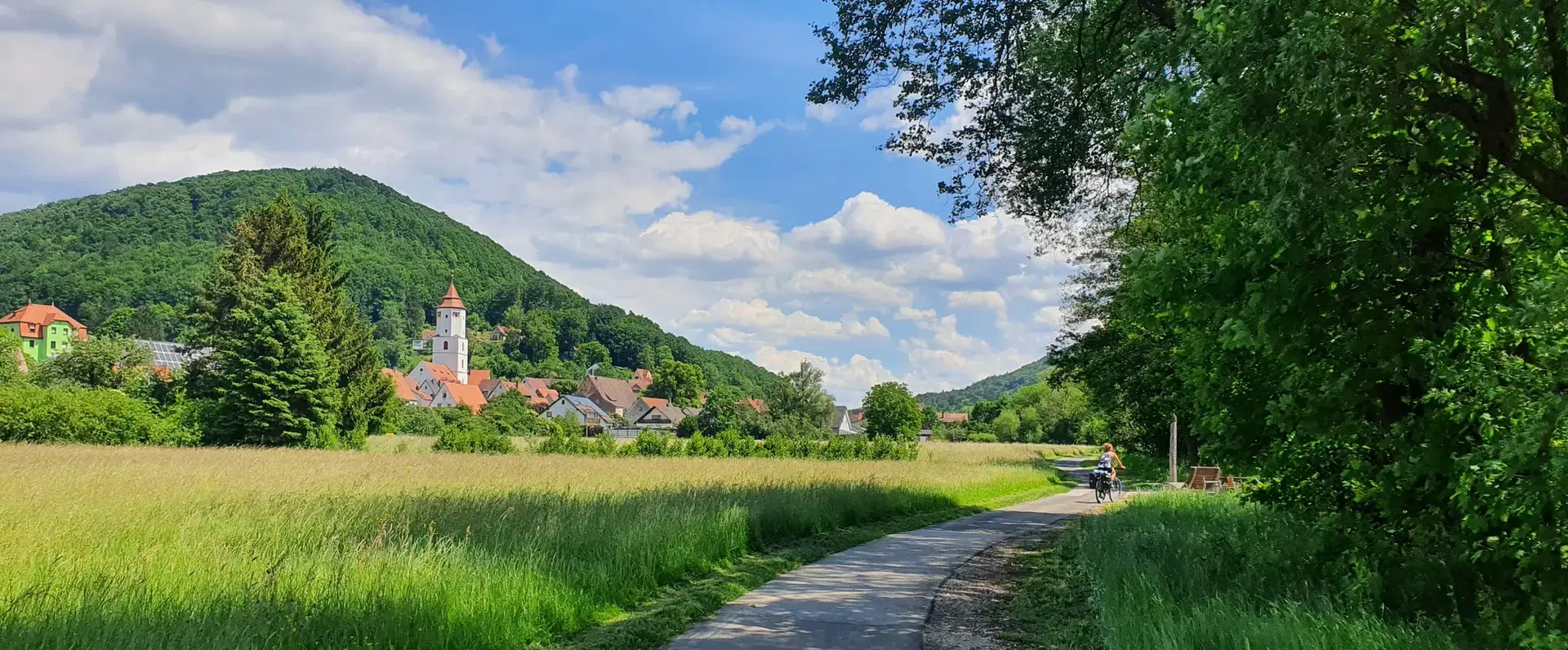
Cycling through the Nuremberg metropolitan region – nature & enjoyment
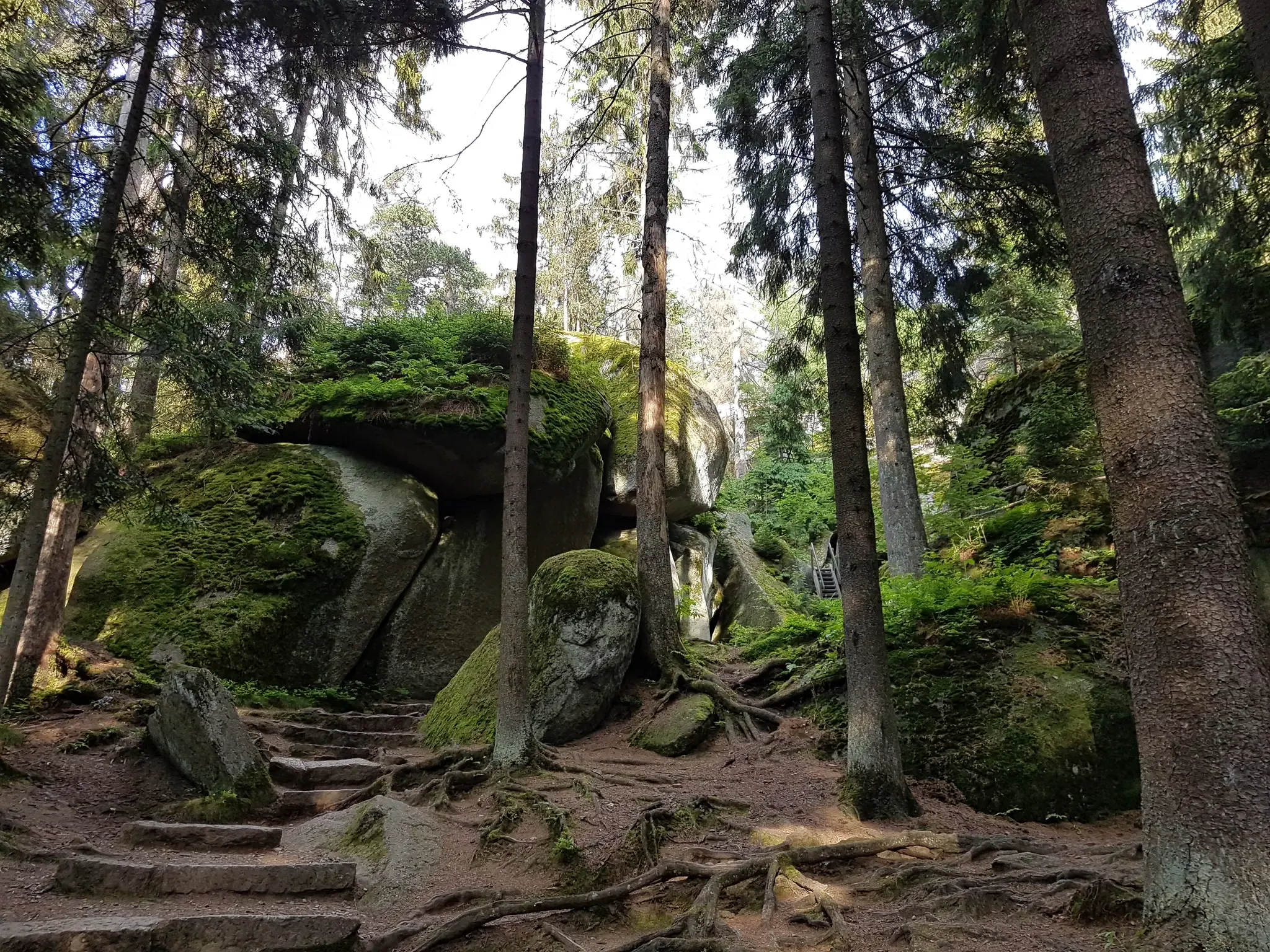
Nature, the outdoors and adventure – hiking through the VGN's nature parks
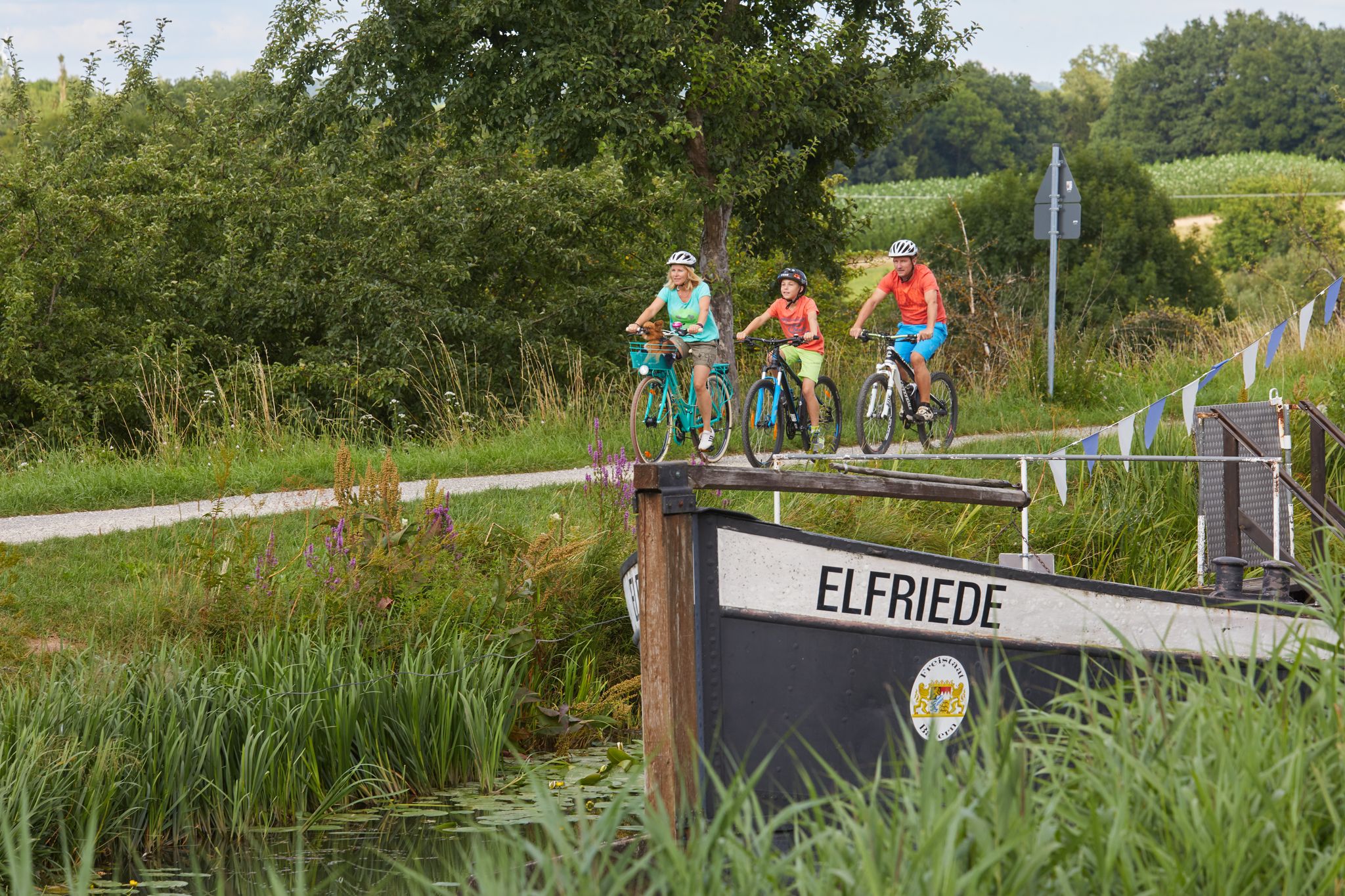
Varied family cycling routes in Nürnberger Land
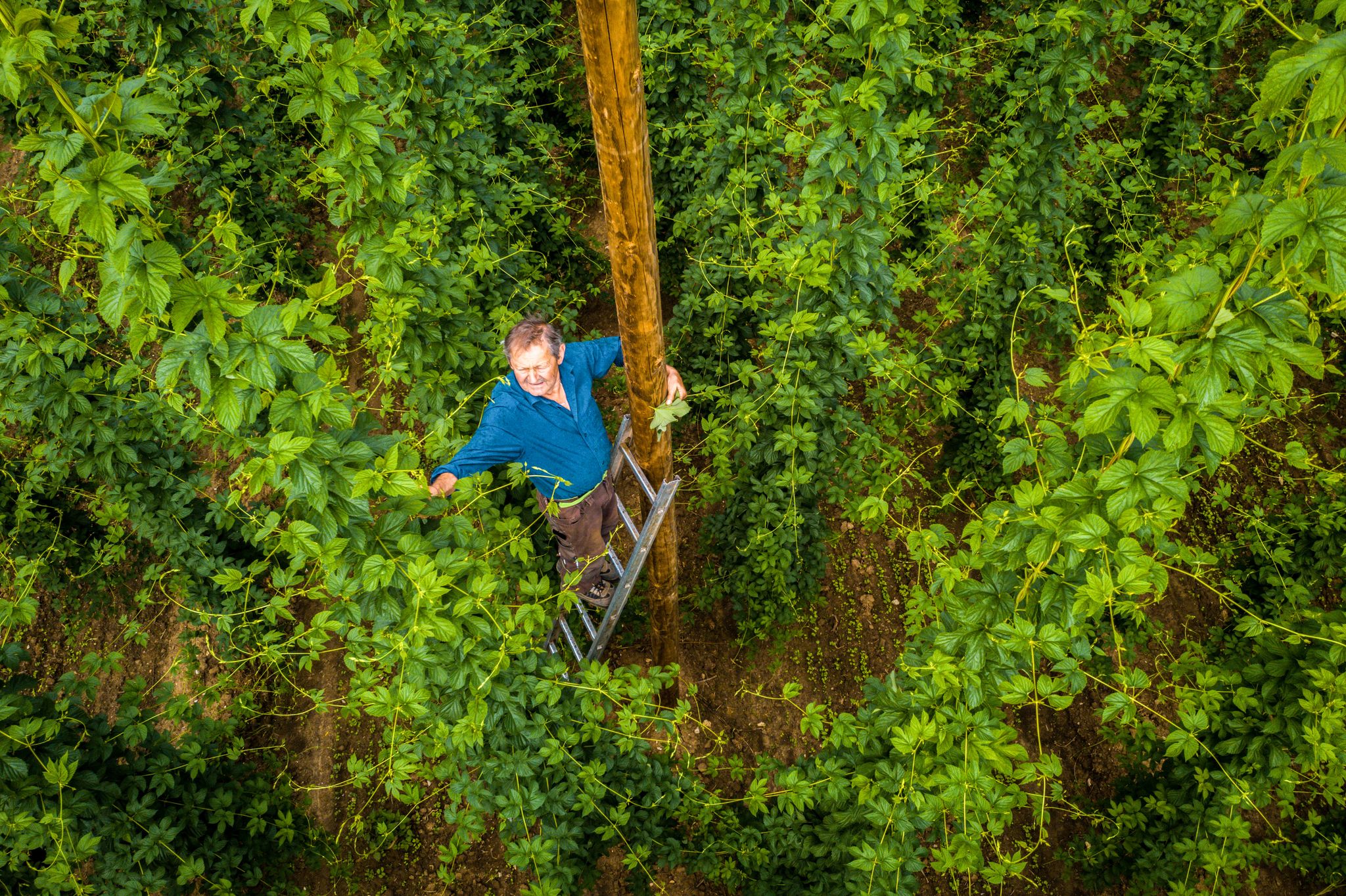
Hop Weeks in the Nürnberger Land – Hiking Trails Full of Delight
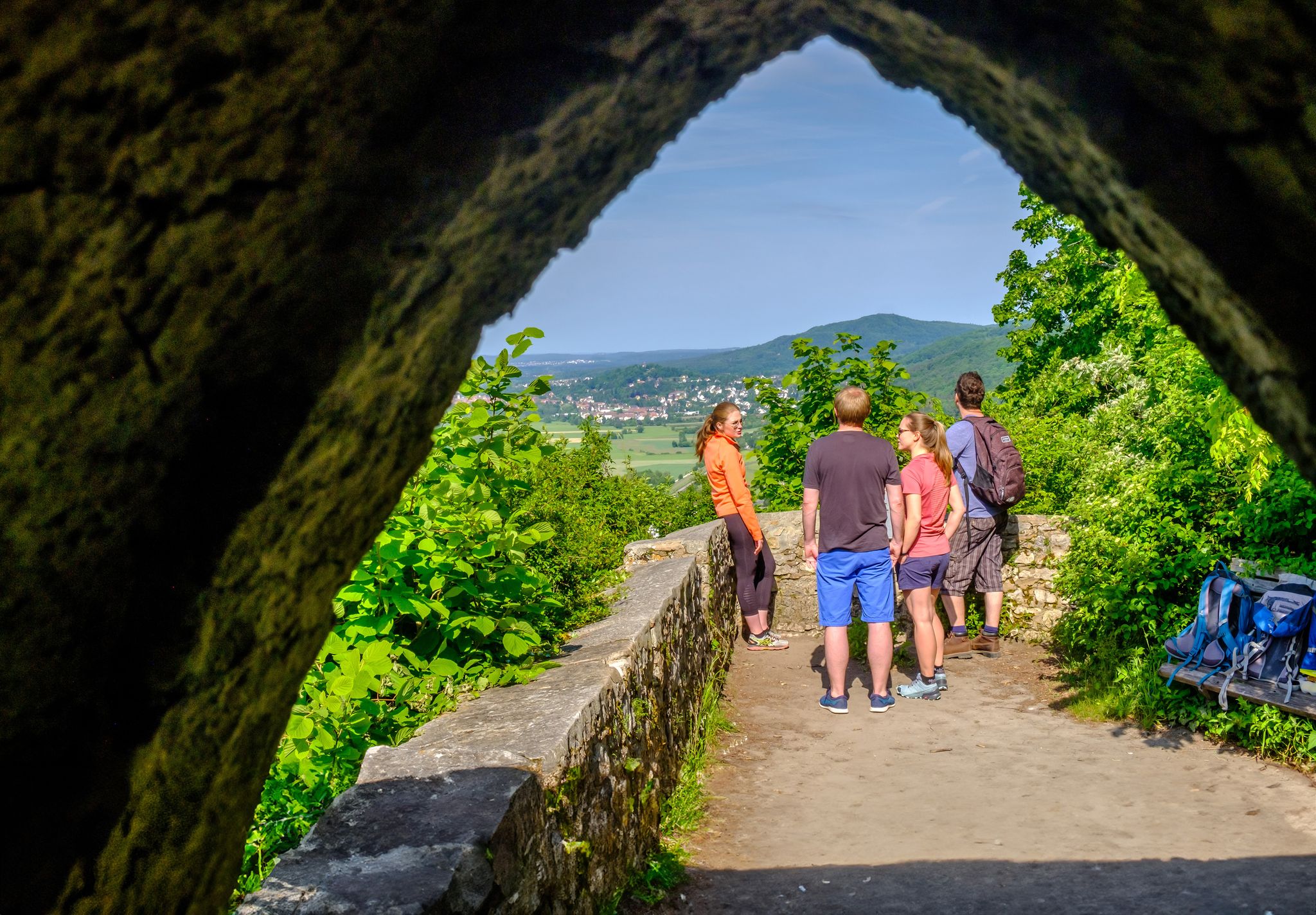
Discover a hiker’s paradise – hiking loops in the Nuremberg region
11 Days on the Erzweg Quality Hiking Trail
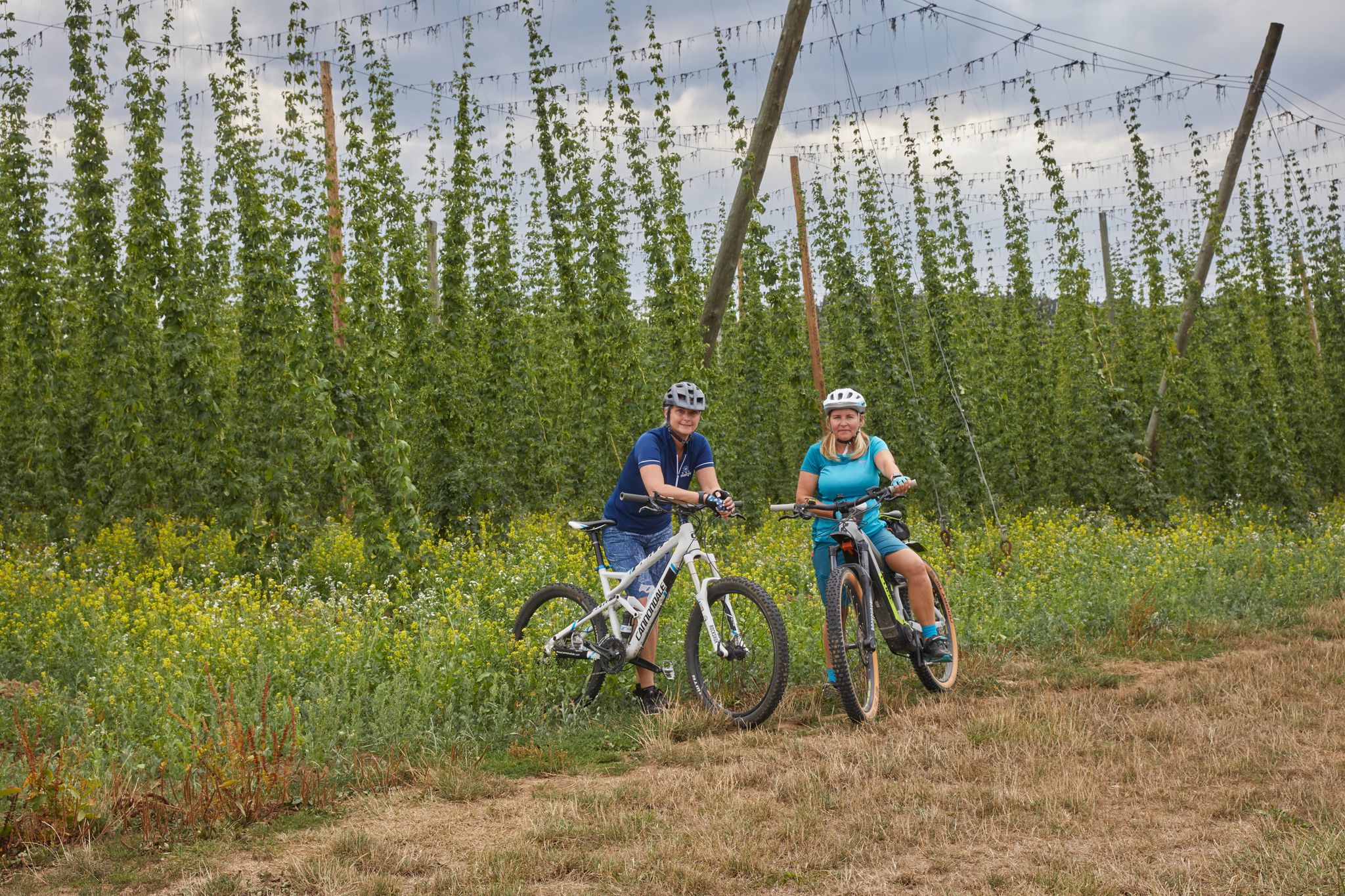
Cycling to the Hop Weeks in the Nuremberg Region
High up on the SevenSummits in the Nuremberg region
Other adventures in Nürnberger Land


Tips from the Community

Carved into the sandstone and partially accessible. Very interesting
3
0

Devil's Gorge currently closed until further notice due to wind damage
9
0

If you are interested in the factory complex, including the restaurant, which was completely demolished in 2009, see the following link. Scroll down to "Gsteinach". https://schwarzenbruck-chronik.de/schwarzenbruck-im-19-jahrhundert/
5
3

Storage rooms for a restaurant that was demolished in 2006. The small cellars are accessible and allow a glimpse into days gone by
5
0

The sandstone cave in the Schwarzachklamm got its name from the Swedish king Gustav Adolf, who is said to have attended a sermon given by the Nuremberg pastor Cornelius Mareius there in 1632 after a battle victory in the Thirty Years' War. It is the largest of the erosive washes in the Schwarzach Gorge. https://urlaub.nuernberger-land.de/detail/id=6220ae58f24f424775ea02b6
14
0

The waterfall now consists of a small trickle in summer, at most to wash your hands.
11
0
Visiting the large rock cellar is really fun. Already at the entrance you feel a coolness. A flashlight is a must, just to get around the wet, greasy spots on the floor.
10
1
In fact, everything has already been said here. The hiking trail between the Schwarzach and Karlshöhle is unparalleled. But not on the weekend.
17
2
Frequently Asked Questions
What types of caves can I explore in Nürnberger Land?
Nürnberger Land offers a diverse range of subterranean experiences, including impressive show caves with guided tours, natural karst caves, and historical rock cellars. You can find extensive dripstone formations, ancient geological features, and historically significant underground structures.
Are there any show caves with guided tours in the region?
Yes, several show caves offer guided tours. Notable ones include the Sophienhöhle near Burg Rabenstein, known for its dripstone formations and a cave bear skeleton; the Teufelshöhle in Pottenstein, the largest stalactite cave in Franconian Switzerland; and the Maximiliansgrotte, home to Germany's largest stalagmite. The Osterhöhle also provides guided tours through its well-formed dripstone chambers.
What are some of the most unique natural features found in the caves of Nürnberger Land?
The caves boast remarkable natural features. The Vogelherd Grotto is an impressive karst cave. The Sophienhöhle features the massive 'Millionär' stalagmite and a nearly complete cave bear skeleton. The Teufelshöhle has an impressive entrance, the 'Gate to the Underworld,' and rich dripstone formations. The Maximiliansgrotte is famous for its 6-meter-high 'Eisberg' stalagmite, the largest in Germany.
Are there any historically significant caves or underground sites in Nürnberger Land?
Yes, the region has several sites with historical importance. The Historische Felsengänge (Historic Rock Cellars) in Nuremberg are an extensive labyrinth used for storage and as air-raid shelters. The Gustav Adolf Cave has a memorial plaque indicating a visit by Swedish King Gustav Adolf II during the Thirty Years' War. The Osterhöhle shows evidence of use by prehistoric people, with Hallstatt-era pottery shards found within.
What is the best time of year to visit the caves?
Many show caves, such as Maximiliansgrotte and Osterhöhle, are closed from November to March to protect hibernating bats. The warmer months, typically from Easter to October, are generally the best time to visit when most caves are open. Always check specific operating hours before planning your trip.
What should I wear when visiting the caves?
Caves maintain a constant cool temperature year-round, often around 9°C (48°F), even in summer. It's advisable to wear warm clothing and sturdy shoes, as paths can be uneven or wet. Some tours, like in the Teufelshöhle, involve navigating many steps.
Are there family-friendly caves suitable for children?
Many show caves are suitable for families, offering guided tours that are both educational and engaging. The Sophienhöhle and Teufelshöhle, with their impressive formations and cave bear exhibits, are popular choices. The Karl's Cave is also listed as family-friendly.
What outdoor activities can I do near the caves?
The Nürnberger Land region offers numerous outdoor activities. You can find excellent hiking trails, such as those detailed in the Hiking in Nürnberger Land guide, or explore mountain biking routes from the MTB Trails in Nürnberger Land guide. The area around the Schwarzach Gorge, where the Karl's Cave and Gustav Adolf Cave are located, is particularly popular for walks and nature exploration.
Are there any caves that offer scenic viewpoints?
Yes, several cave-related locations provide excellent views. The View of Happurger See from Hohler Fels offers magnificent vistas of the surrounding area and the Happurg reservoir. The Vogelherd Grotto is also known for its impressive ambiance and photographic opportunities.
What do visitors enjoy most about the caves in Nürnberger Land?
Visitors frequently praise the impressive geological formations, such as the dripstones and large stalagmites. The historical significance of sites like the Historic Rock Cellars and the unique ambiance of places like the Vogelherd Grotto are also highly appreciated. Many enjoy the combination of natural beauty and the opportunity for exploration, often noting the sense of calm and wonder these subterranean worlds inspire.
Are permits required for visiting caves in Nürnberger Land?
For show caves with guided tours, you typically purchase an entrance ticket, which serves as your permit for access. For natural, undeveloped caves, permits are generally not required for casual exploration, but always respect nature reserve rules and private property. Some areas, like the Schwarzachklamm nature reserve, may have specific regulations, such as prohibiting cycling.
Can I access the caves using public transport?
Access to caves by public transport varies. Major show caves like Teufelshöhle in Pottenstein are often reachable by regional buses, sometimes requiring a short walk from the nearest stop. For more remote natural caves, public transport options might be limited, and a car or bicycle could be more convenient. It's best to check specific routes and schedules for each cave you plan to visit.
Most popular routes in Nürnberger Land
Most popular attractions in Nürnberger Land

Get inspired with the komoot mobile app


Didn’t find what you were looking for?
Discover more caves in Nürnberger Land region by region:
Explore more
Extend your search for the best caves by checking out these guides of the top ones in Nürnberger Land:
