Attractions and Places To See in Stendal - Top 20
Best attractions and places to see in Stendal, an officially recognized Hanseatic city, are found within the Altmark region of northern Saxony-Anhalt. The area is characterized by its historic center, Brick Gothic architecture, and medieval core. Stendal serves as a hub for exploring both cultural landmarks and natural landscapes.
Best attractions and places to see in Stendal
- The most popular attractions include Havelberg Old Town and Cathedral, a settlement known for its island location and Hanseatic history. It features 18 historically valuable places with information boards.
- Another must-see spot is Tangermünde Town Hall, a man-made monument considered one of the most beautiful late medieval buildings in Northern Germany. Visitors can explore the old town's half-timbered houses and a harbor with views of the historic city wall.
- Visitors also love Tangermünde Harbor and View of the Old Town, a viewpoint offering scenic vistas of Tangermünde. This location provides access to the historic city and is noted for its camping facilities.
- Stendal is known for its historical sites, viewpoints, and natural features. The region offers a variety of attractions to see and explore, from medieval architecture to river landscapes.
- The attractions in Stendal are appreciated by the komoot community, with more than 2300 upvotes and over 550 photos shared.
Last updated: October 9, 2026
Havelberg Old Town and Cathedral
Highlight • Settlement
Translated by Google •
Tip by

Tangermünde Town Hall
Highlight • Monument
However, it is worth taking a walk through the entire old town of Tangermünde with its many well-preserved and renovated half-timbered houses. Just explore the little streets and you will discover many beautiful houses, courtyards and viewpoints.
It is also worth making a detour to the harbor, from where you have a great view of the historic city wall.
Translated by Google •
Tip by

Sign up now to discover places like this
Get recommendations on the best single tracks, peaks, & plenty of other exciting outdoor places.
View of Havelberg Old Town and Cathedral Hill
Highlight • Viewpoint
Translated by Google •
Tip by

Tangermünde Harbor and View of the Old Town
Highlight • Viewpoint
Translated by Google •
Tip by

View of the confluence of the Elbe and Havel
Highlight • Viewpoint
Translated by Google •
Tip by

Elbe Cycle Route in the Brandenburg Elbe River Landscape Biosphere Reserve
Highlight (Segment) • Cycleway
You pass nice villages and breakpoints "nature" that provide enlightenment. Storks, herons, geese and many unknown and beautiful bird sounds.
Translated by Google •
Tip by

Bölsdorfer Haken Nature Observation Tower
Highlight • Viewpoint
Translated by Google •
Tip by

Elbe floodplains near Tangermünde
Highlight • River
Translated by Google •
Tip by

Havelberg Lock
Highlight • Structure
Translated by Google •
Tip by

Eulenturm (Owl Tower), Tangermünde
Highlight • Historical Site
Translated by Google •
Tip by

Sign up for free to discover even more attractions in Stendal.
Already have an account?
Start today with a free account
Your next adventure awaits.
Popular around Stendal
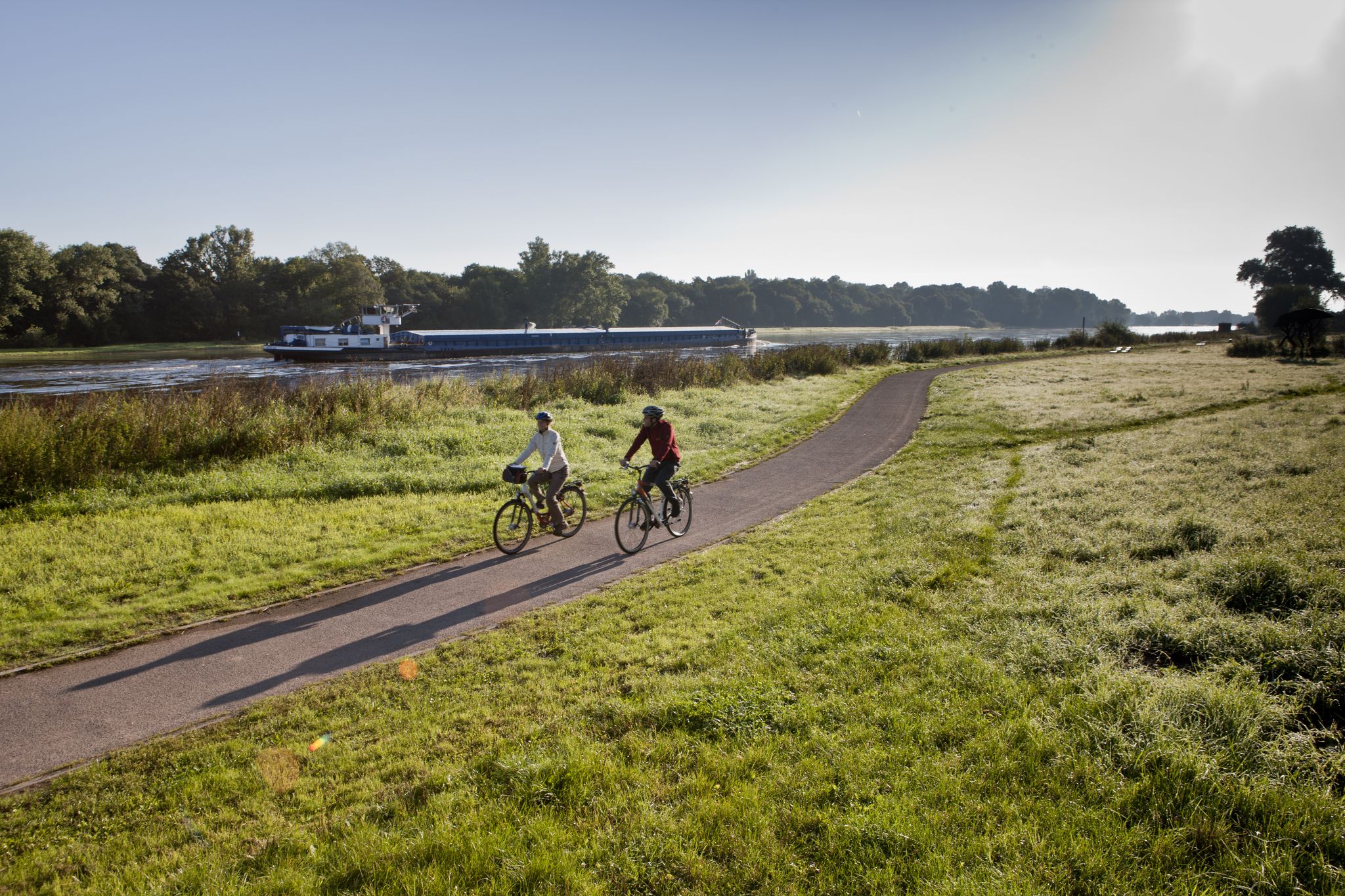
Elbe Cycle Route – Ride through Saxony-Anhalt
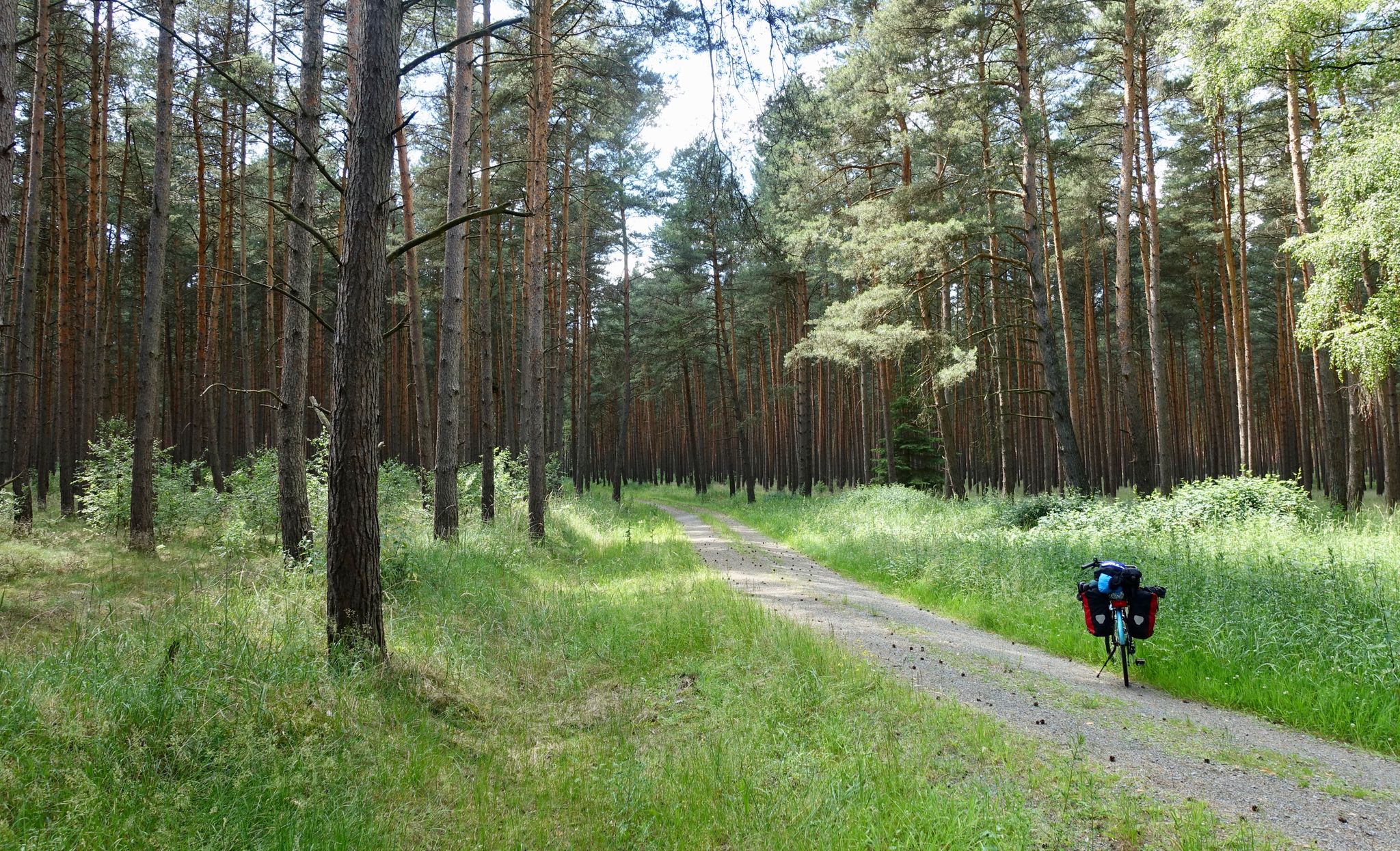
Altmark round-trip in Saxony-Anhalt
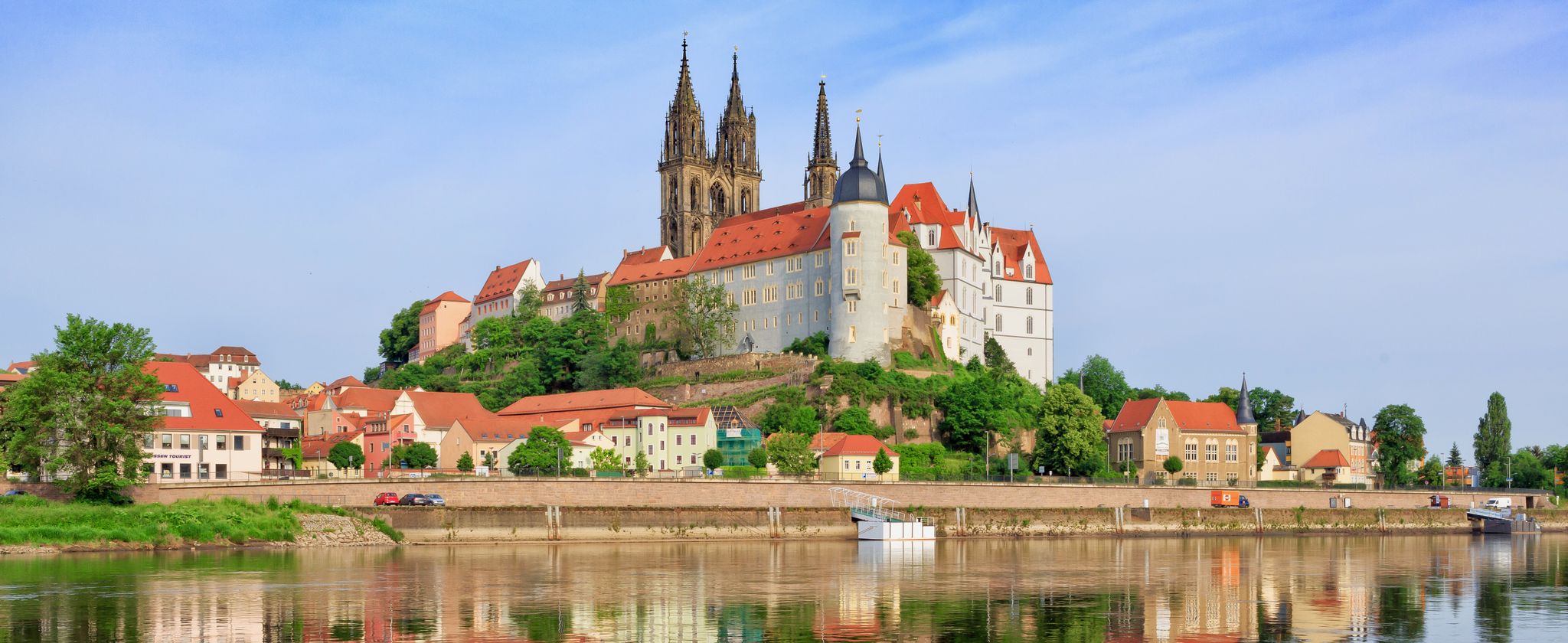
The Elbe Cycle Path — cross-border cycling pleasure
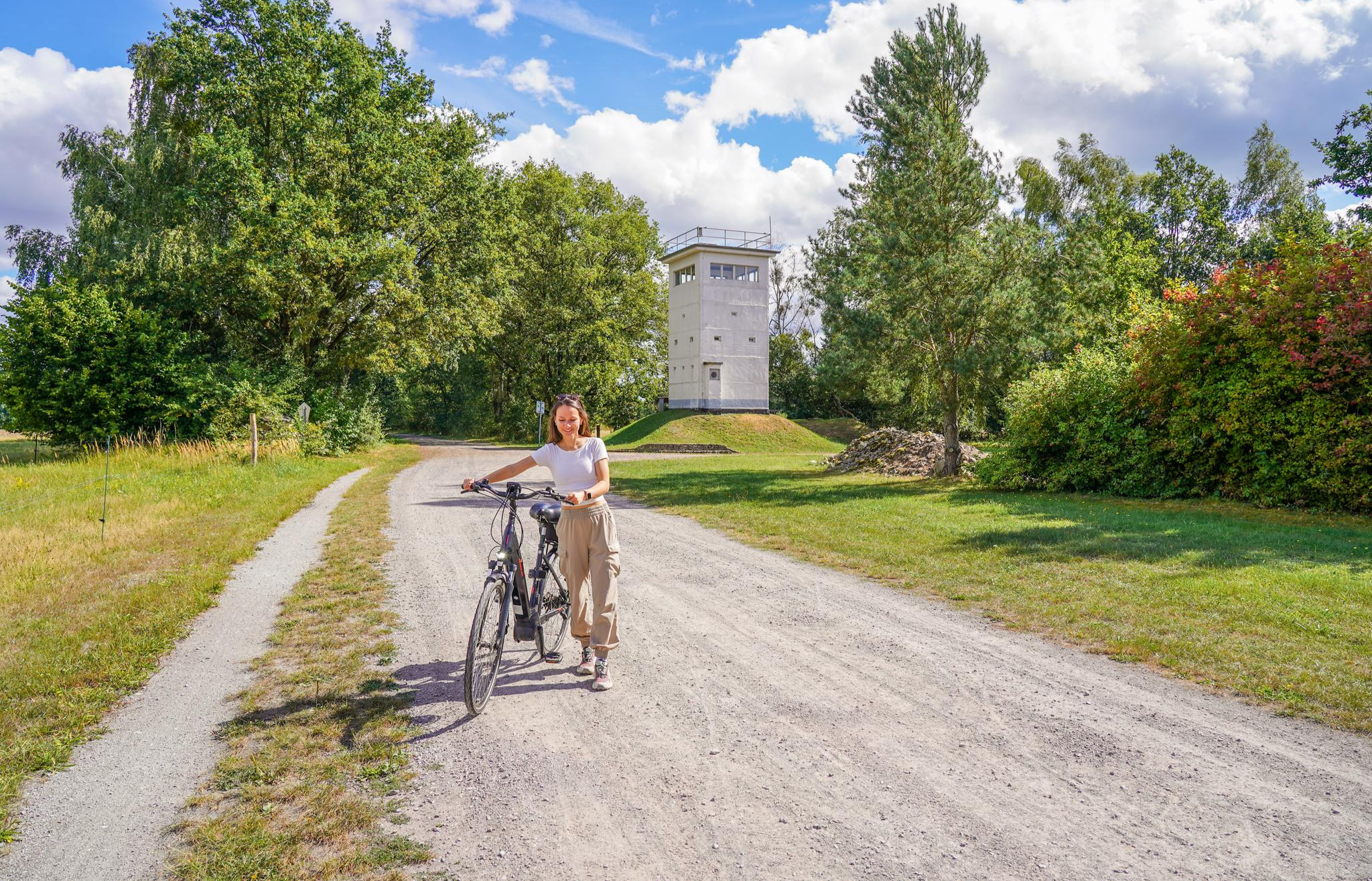
Altmark short breaks – between Hamburg, Berlin & Hanover by bike
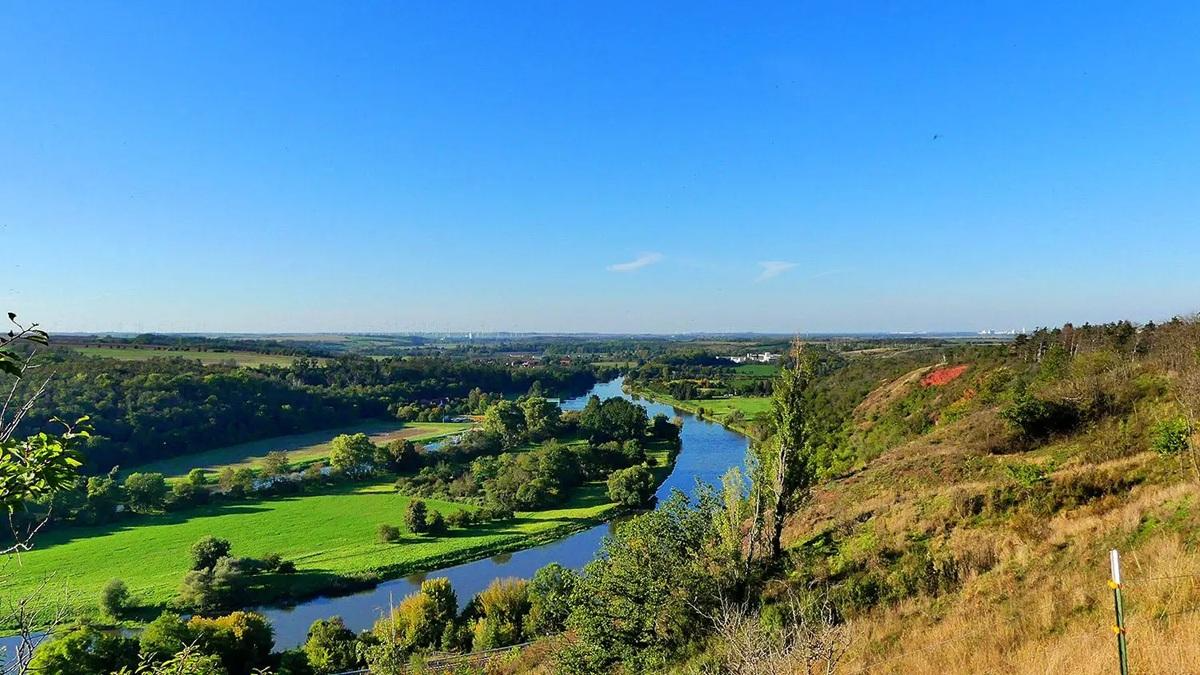
The National Natural Landscapes in Saxony-Anhalt
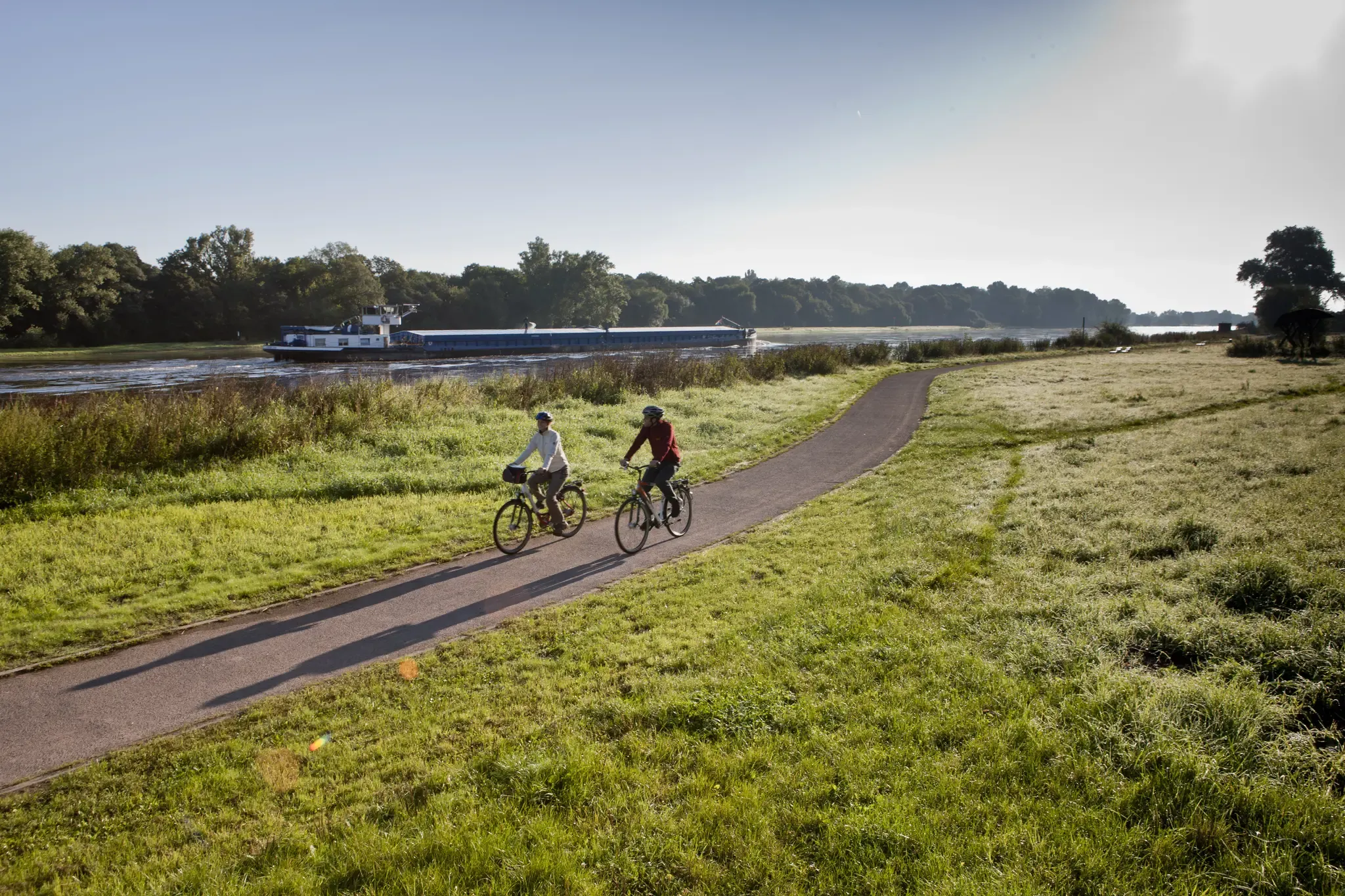
Ride the Elbe Cycle Route through Saxony-Anhalt
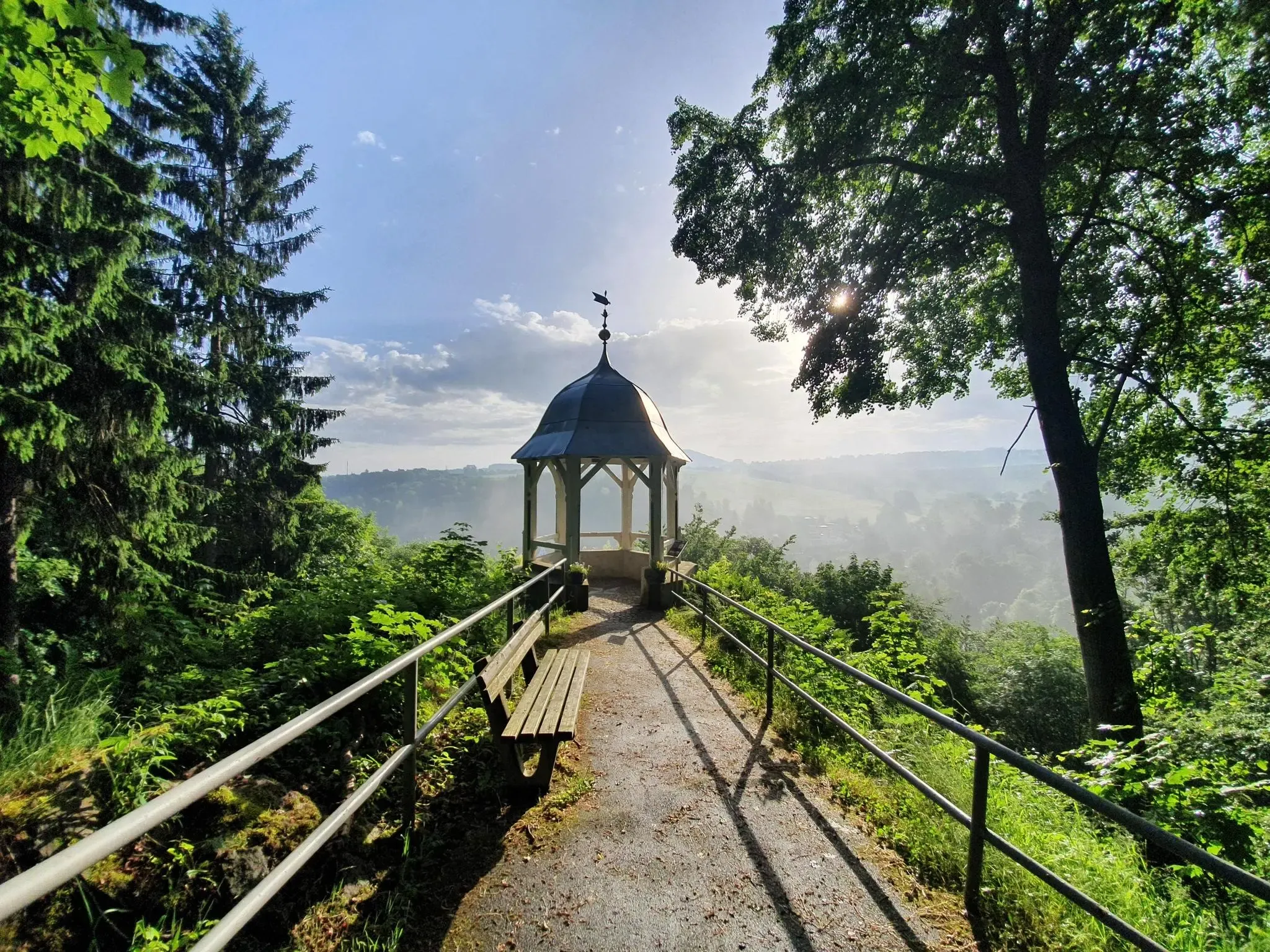
#GoFurther – discover the views of Germany!
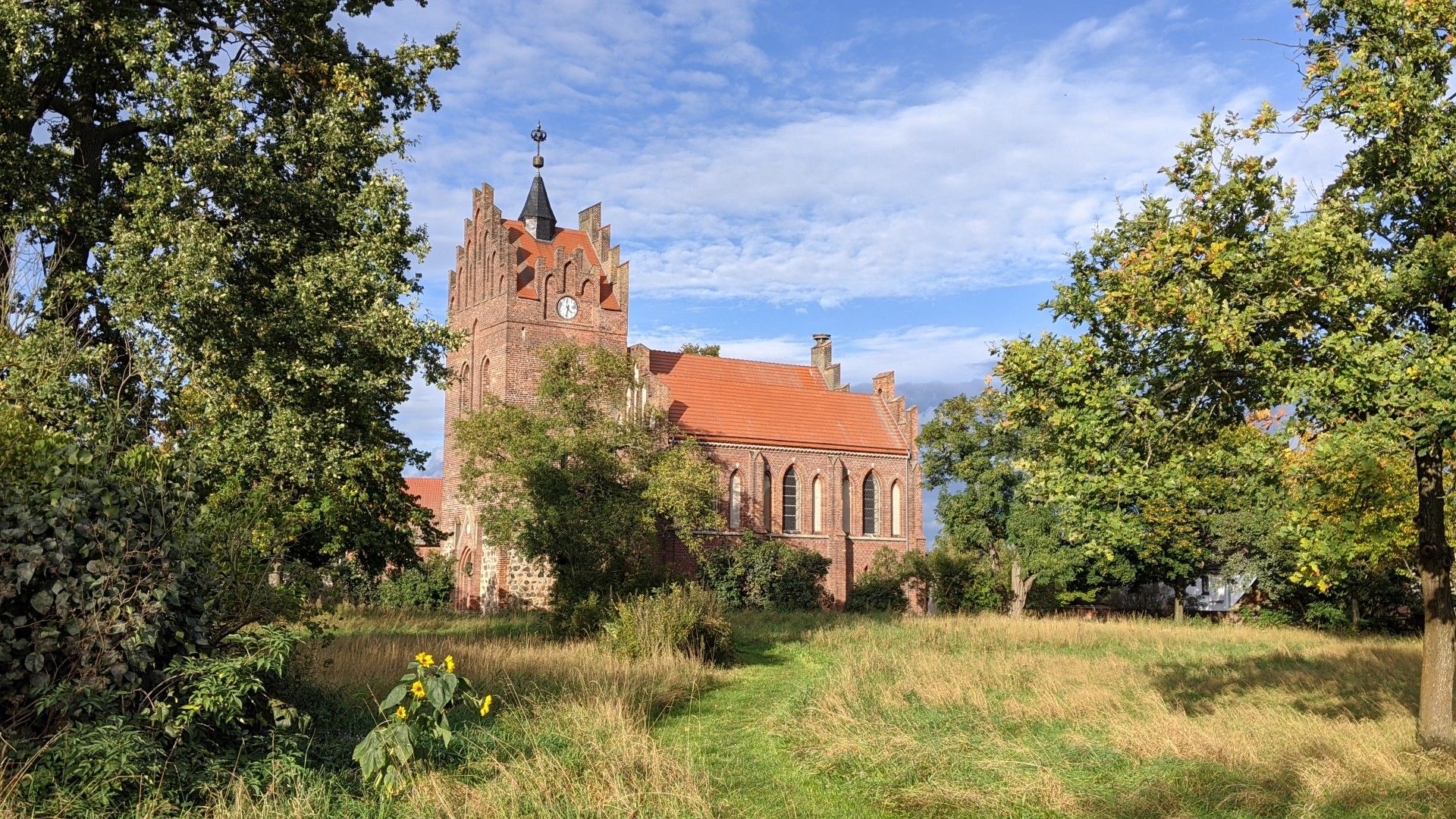
Pilgrimage route Berlin ► Bad Wilsnack ► Tangermünde
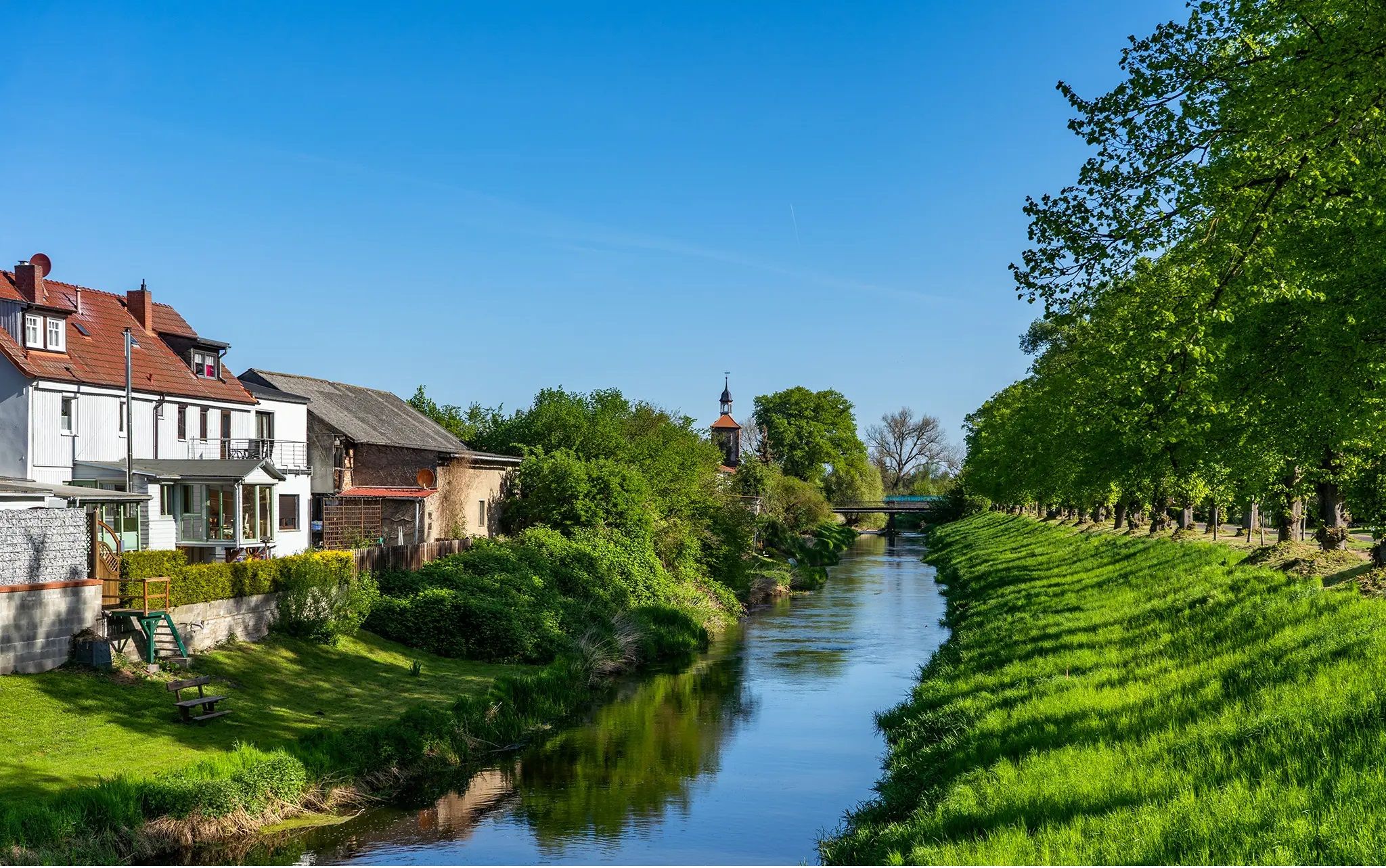
Northern Germany by bike – Magdeburg to Rostock
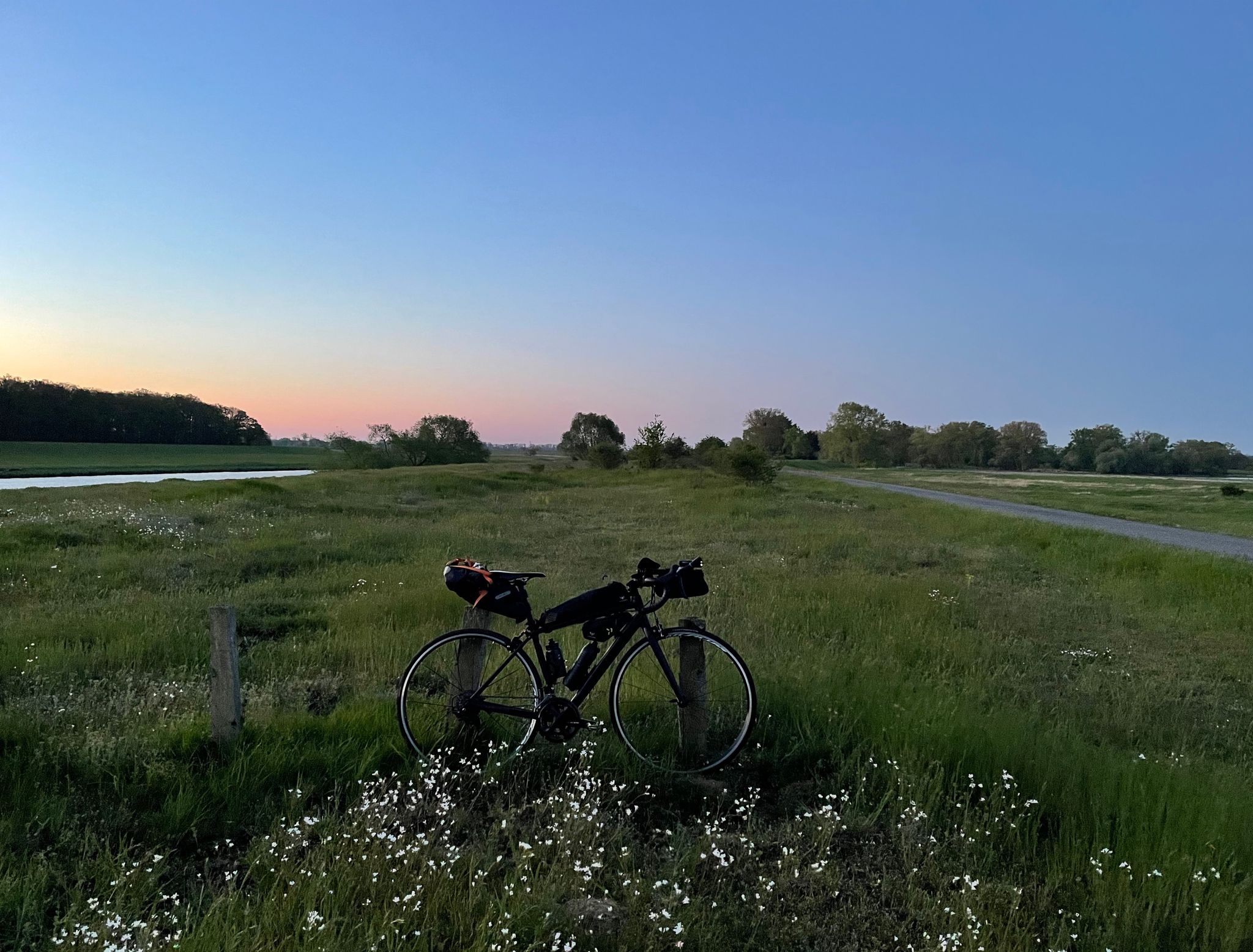
Overnighter between the Havel and Elbe in Germany
Other adventures in Stendal


Tips from the Community

The wooden nature observation tower on the west bank of the Bölsdorfer Haken is located in the Bucher Brack-Bölsdorfer Haken nature reserve, south of Tangermünde, not far from the Elberadweg cycle path. It offers an undisturbed panoramic view of the old Elbe arm and the floodplain landscape, which serves as an important breeding and resting area for numerous, sometimes rare bird species. https://natur.app/beobachtungsturm-boelsdorf/
2
0

Great natural landscape here, where the rivers run parallel for 20km and then merge.
1
0

From the lock, you can already see the first confluence of the Elbe and Havel rivers (connecting canal). From here, you continue on the approximately 20 km long section of the Havel Cycle Path, where you're accompanied by water on both sides: the Elbe on the left, the Havel on the right, and then the Gnevsdorf Outfall.
2
0

I particularly like the cycle path between the Elbe and the Havel tributaries, from Gnevsdorf to Quitzöbel. It's pure nature. There are two observation towers from which you can easily observe many animals, especially birds. Coming from Wittenberge, cycle over the Gnevsdorf weir and at the oxbow weir, return to the mainland to Quitzöbel, then cycle back to Wittenberge or to Netzow and then on to Werben and Havelberg.
1
0

Fantastic views and well-developed cycle paths
3
0

It's always lovely to cycle along the Elbe.
0
0

Great city view. Tranquil little town.
5
1

Nice view of the small town
4
1
Frequently Asked Questions
What historical landmarks should I visit in Stendal?
Stendal is rich in history, particularly its Brick Gothic architecture and Hanseatic past. Key landmarks include the impressive Marienkirche (St. Mary's Church) with its twin spires, the reconstructed Dom St. Nikolaus (St. Nicholas Cathedral) known for its stained glass, and the iconic Roland Statue on the Marktplatz, symbolizing civil liberties. Don't miss the well-preserved medieval city gates like the Tangermünde Town Hall, and the Uenglinger Tor, which offers city views in summer.
Are there any significant museums in Stendal?
Yes, Stendal offers notable museums. The Winckelmann Museum, located at the birthplace of the pioneering archaeologist, provides an interactive journey through his life and work, including a dedicated children's area and a walk-in Trojan Horse. The Altmärkisches Museum, housed in the former St. Katharinen Monastery, showcases the history and cultural heritage of the Altmark region and Stendal, from prehistoric times to the present.
Where can I experience Stendal's Hanseatic past?
Stendal's Hanseatic past is evident throughout its historic center. The Marktplatz, with the Roland Statue and historic Town Hall, was the civic heart of the Hanseatic city. The Marienkirche and the Uenglinger Tor are prime examples of the wealth and architectural style from that era. The Altmärkisches Museum also features exhibits on the Hanseatic League, providing deeper insight into this significant period.
What natural attractions or green spaces can I find in Stendal?
Stendal is situated in the charming landscapes of the Uchte river valley, within the broader Altmark region, which is recognized as a natural reserve. Within the city, you can visit the Tiergarten Stendal, a small zoo offering a green setting and diverse flora and fauna. For a tranquil spot, the Monastery Garden behind the Altmärkisches Museum provides a refreshing escape.
Are there opportunities for cycling near Stendal?
Absolutely. The region around Stendal is excellent for cycling. You can explore routes like the Elbe Cycle Route in the Brandenburg Elbe River Landscape Biosphere Reserve, known for its well-developed paths and nature observations. For more options, check out the Cycling in Stendal guide, which includes routes like the 'Havel cycle path in the Elb-Havel-Winkel' and the 'Emperor-King-Chancellor-Route'.
Can I find hiking trails around Stendal?
Yes, there are several hiking opportunities around Stendal, ranging from easy walks to more moderate trails. You can find routes that explore the historic towns and natural landscapes. For easy walks, consider trails like the 'Tangermünde Town Hall – Neustädter Gate loop from Tangermünde' or routes around Klietzer See. More details can be found in the Easy hikes in Stendal guide.
Where can I get good views of the city or surrounding landscape?
For panoramic views, you can climb the Uenglinger Tor during summer opening hours. Another excellent spot is the Tangermünde Harbor and View of the Old Town, which offers scenic vistas of Tangermünde's historic skyline. The Sperlingsberg is also a local viewpoint within Stendal that complements the architectural sights of the old town.
What are some family-friendly activities in Stendal?
Stendal offers several family-friendly options. The Winckelmann Museum has a dedicated children's area and a walk-in replica of the Trojan Horse. The Tiergarten Stendal is a small zoo that provides a pleasant outing for families. Many historical sites, such as Havelberg Old Town and Cathedral and Tangermünde Town Hall, are also categorized as family-friendly, making them suitable for exploring with children.
How much time should I allocate to visit Stendal's main attractions?
To fully appreciate Stendal's historic center and its main landmarks like the Marienkirche, Dom St. Nikolaus, Roland Statue, and the Uenglinger Tor, a full day is recommended. If you plan to visit both the Winckelmann Museum and the Altmärkisches Museum, or explore nearby towns like Tangermünde or Havelberg, consider extending your visit to two or three days to allow for a more relaxed pace and to enjoy some of the outdoor activities.
What makes Stendal unique as a destination?
Stendal stands out as an officially recognized Hanseatic city with a remarkably well-preserved medieval core. Its distinctive Brick Gothic architecture, exemplified by its churches and city gates, tells a story of past wealth and significance. The city's connection to Johann Joachim Winckelmann, a pioneer of archaeology, through its museum, adds a unique cultural dimension. Furthermore, its location in the Altmark region offers a blend of historical exploration and natural beauty.
Are there any unique cultural experiences in Stendal?
Beyond its museums, Stendal offers unique cultural experiences. The St. Katharinen Church, now known as Musikforum Katharinenkirche, is renowned for its excellent acoustics and hosts concerts. The Theater der Altmark presents a variety of performances, including drama, musical theater, and productions for younger audiences, providing a contemporary cultural touch to the historic city.
What is the best time of year to visit Stendal?
The best time to visit Stendal is generally during the spring (April to June) and autumn (September to October) months. During these periods, the weather is pleasant for exploring the historic old town on foot and enjoying outdoor activities like cycling and hiking. Summer (July to August) is also popular, especially for those wishing to climb the Uenglinger Tor for city views, but it can be warmer. Winter offers a quieter experience, though some attractions might have reduced hours.
Most popular routes in Stendal
Most popular attractions in Stendal

Get inspired with the komoot mobile app


Didn’t find what you were looking for?
Are you keen on exploring more awesome places nearby? Browse our guides:
Explore more
Still not found the Highlight you’re looking for? See guides of the top attractions in other regions:
