Top 20 Castles around Turnhout
Best castles around Turnhout offers a selection of historical sites in and around the city in Belgium's Kempen region. Turnhout is known for its ducal history and proximity to natural landscapes. The area features a mix of medieval architecture and renovated historical buildings. Visitors can explore various castles and castle-like structures within a short distance.
Best castles around Turnhout
- The most popular castles is Borrekens Castle, a castle located in the middle of a forest next to a lane.…
Last updated: October 15, 2026
Borrekens Castle
Highlight • Castle
Translated by Google •
Tip by

De Merode Castle, Westerlo
Highlight • Castle
The Kasteel de Merode is more than 600 years old …
Translated by Google •
Tip by

Sign up now to discover places like this
Get recommendations on the best single tracks, peaks, & plenty of other exciting outdoor places.
Borrekens Castle
Highlight • Castle
Translated by Google •
Tip by

Jeanne de Merode Castle (Westerlo Town Hall)
Highlight • Castle
Translated by Google •
Tip by
Ter Borght Castle
Highlight • Castle
Translated by Google •
Tip by
Le Paige Castle
Highlight • Castle
Translated by Google •
Tip by
Castle of the Dukes of Brabant (Turnhout)
Highlight • Castle
Translated by Google •
Tip by

Herlaar Castle
Highlight • Castle
Here you have the opportunity to take really great photos.
Translated by Google •
Tip by

Hoogstraten Prison (Former Castle)
Highlight • Castle
Translated by Google •
Tip by

Old castle park Baron Van Eetvelde
Highlight • Historical Site
Translated by Google •
Tip by

Sign up for free to discover even more castles around Turnhout.
Already have an account?
Start today with a free account
Your next adventure awaits.
Popular around Turnhout
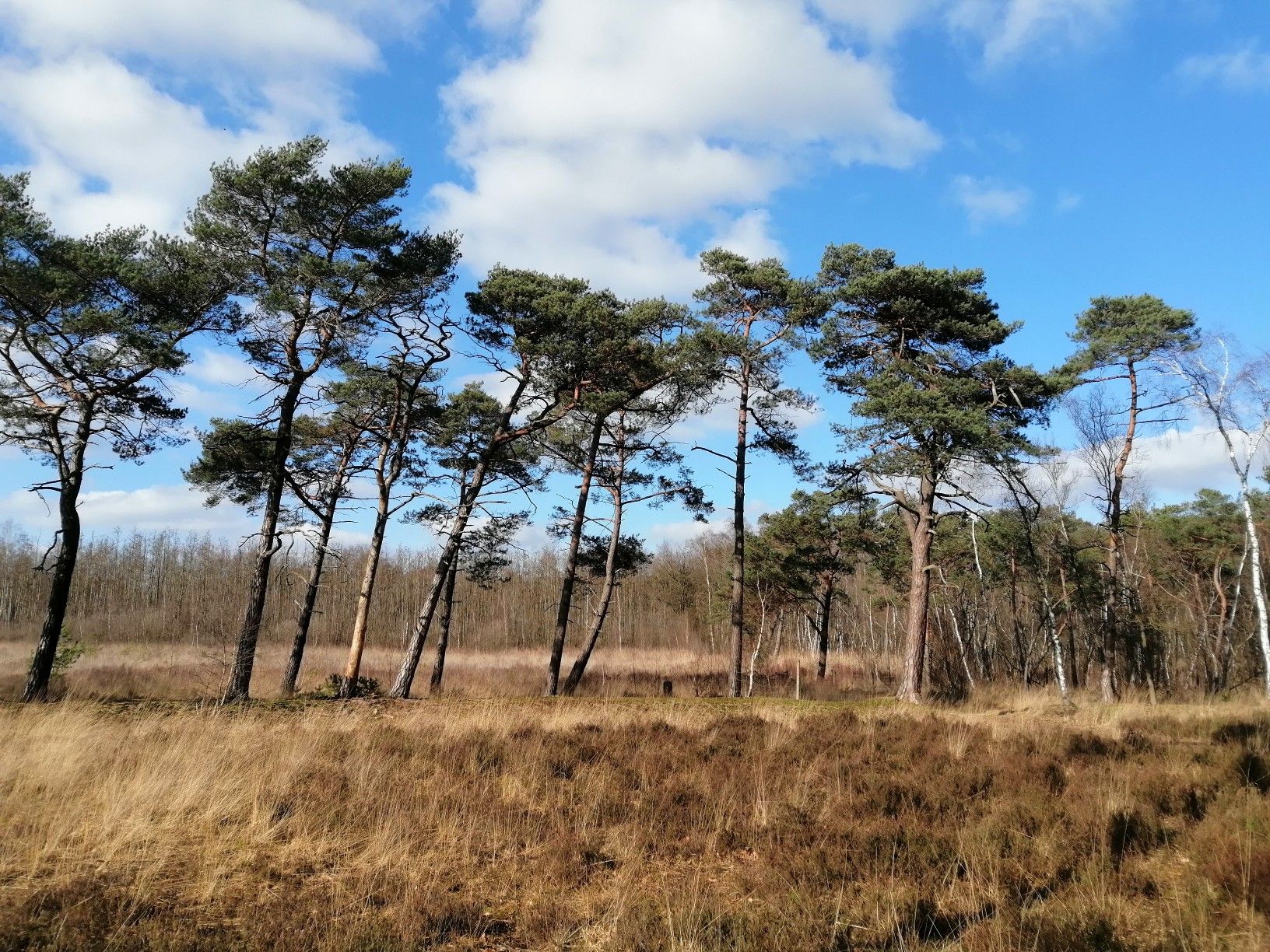
From Flanders to the Ardennes — GR 5 in Belgium
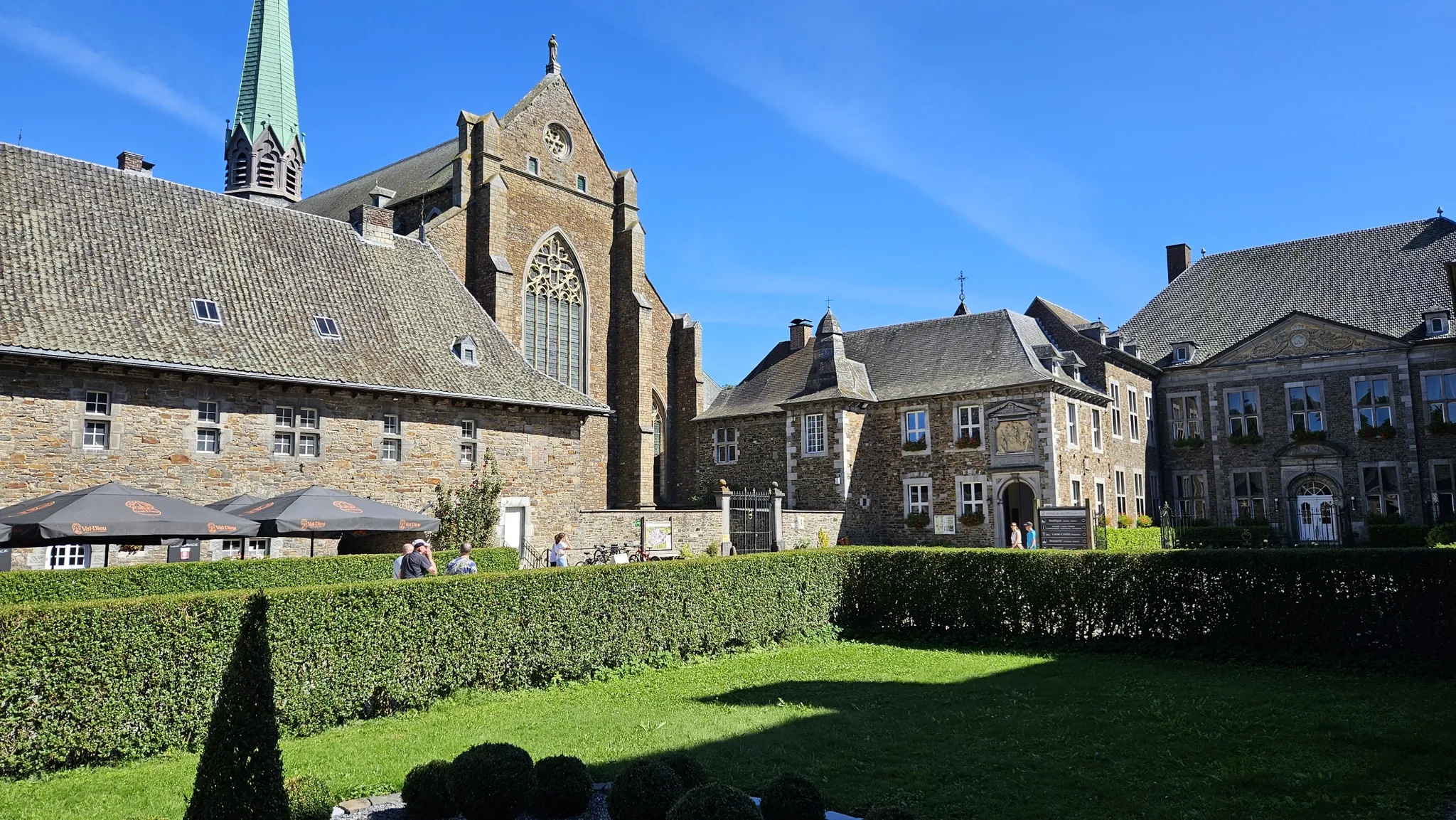
Trappist abbeys cycle route – Between beers and heritage
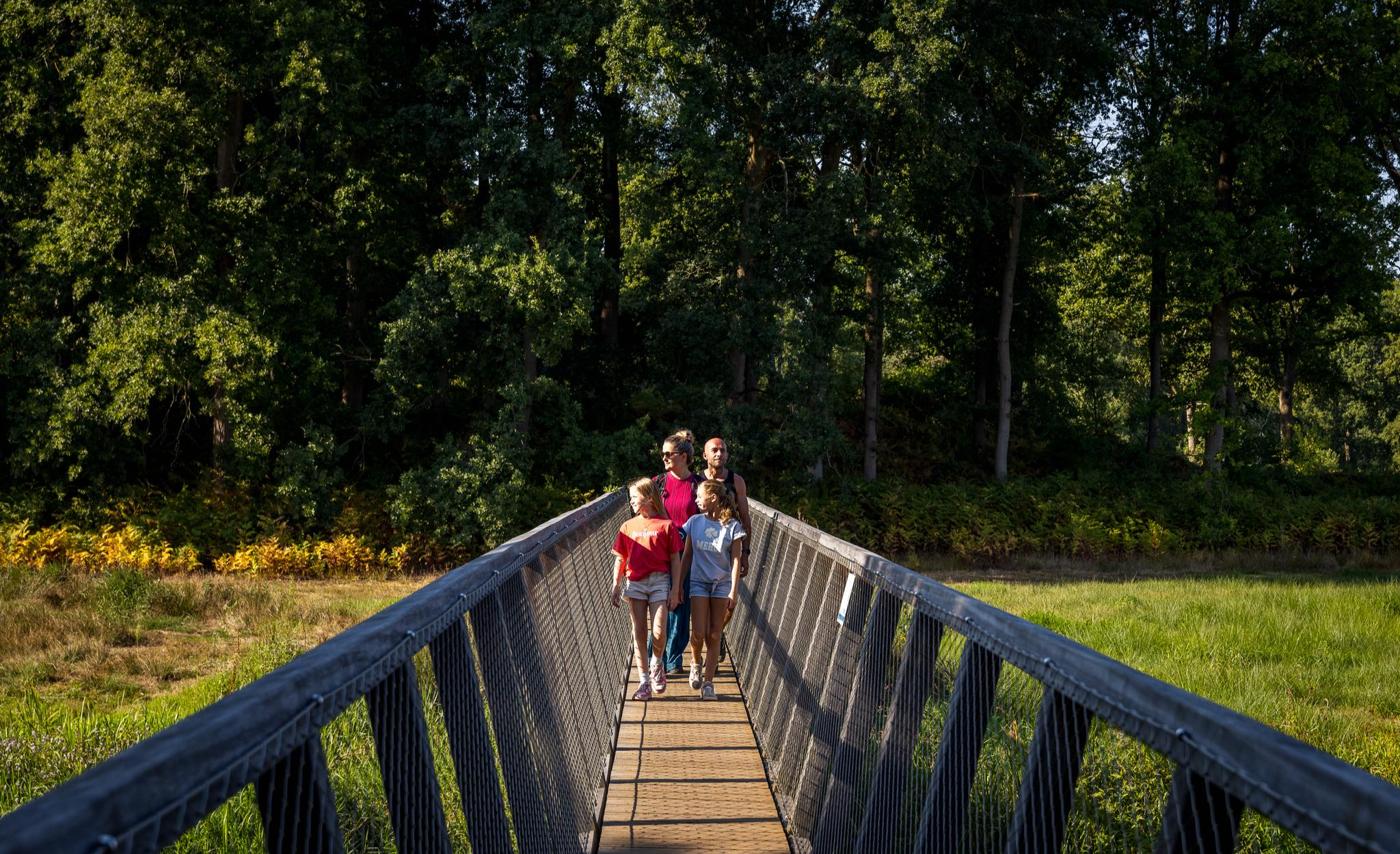
Flanders’ Finest Hiking Routes
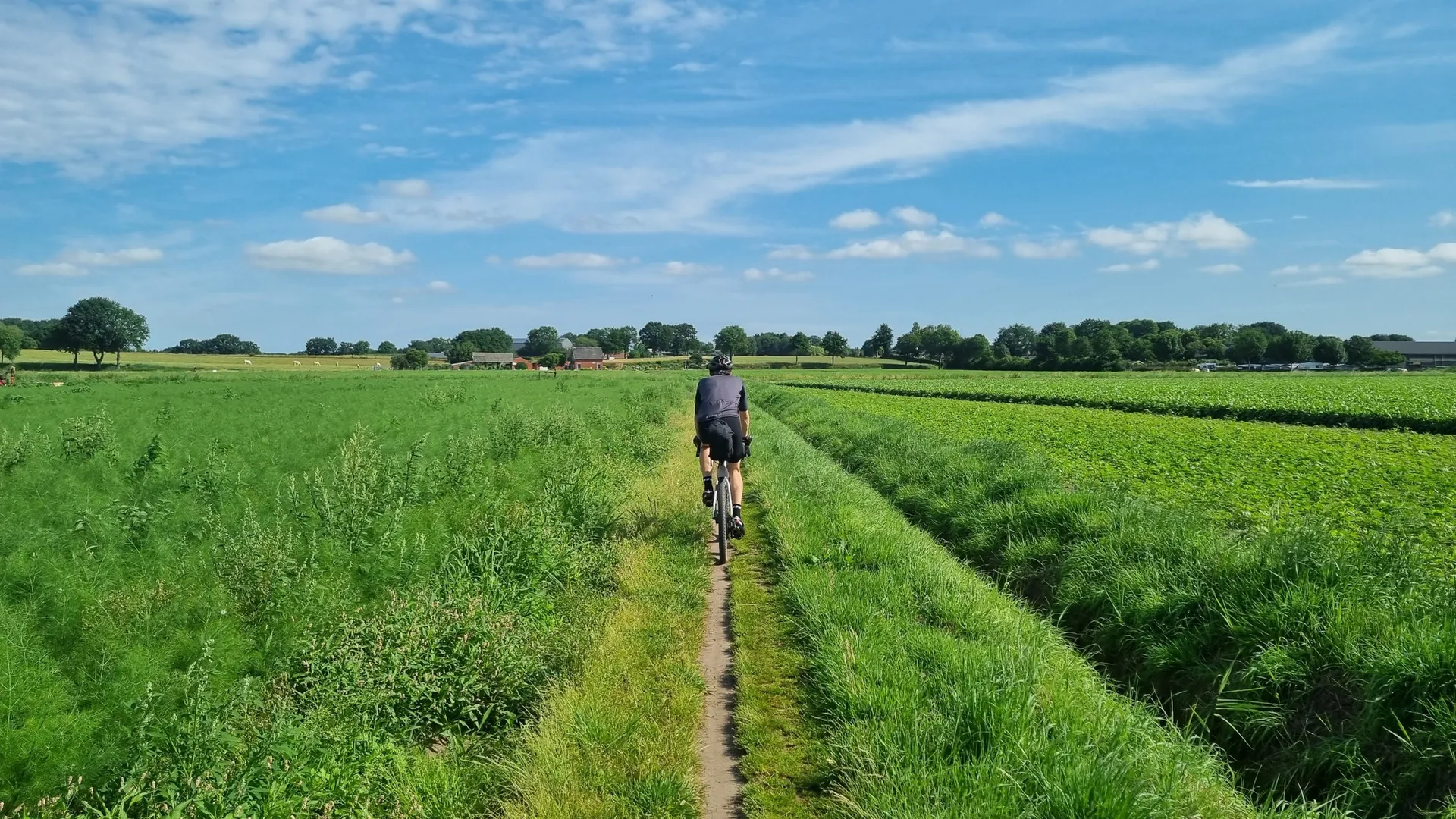
Weekend adventure over the border – A-Cross the 2
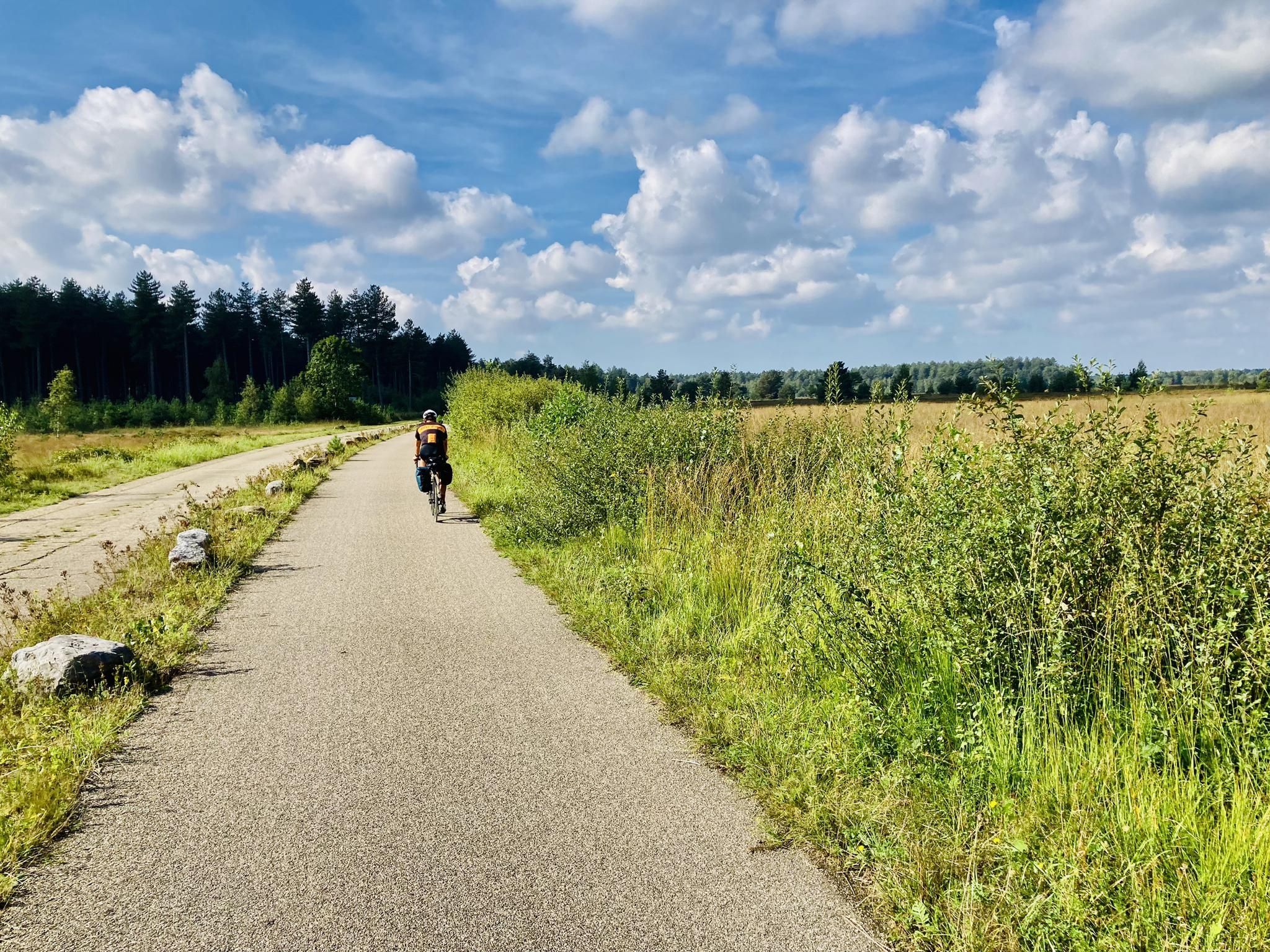
Explore the Kempen – a three-day cycling adventure on the Kempen Route
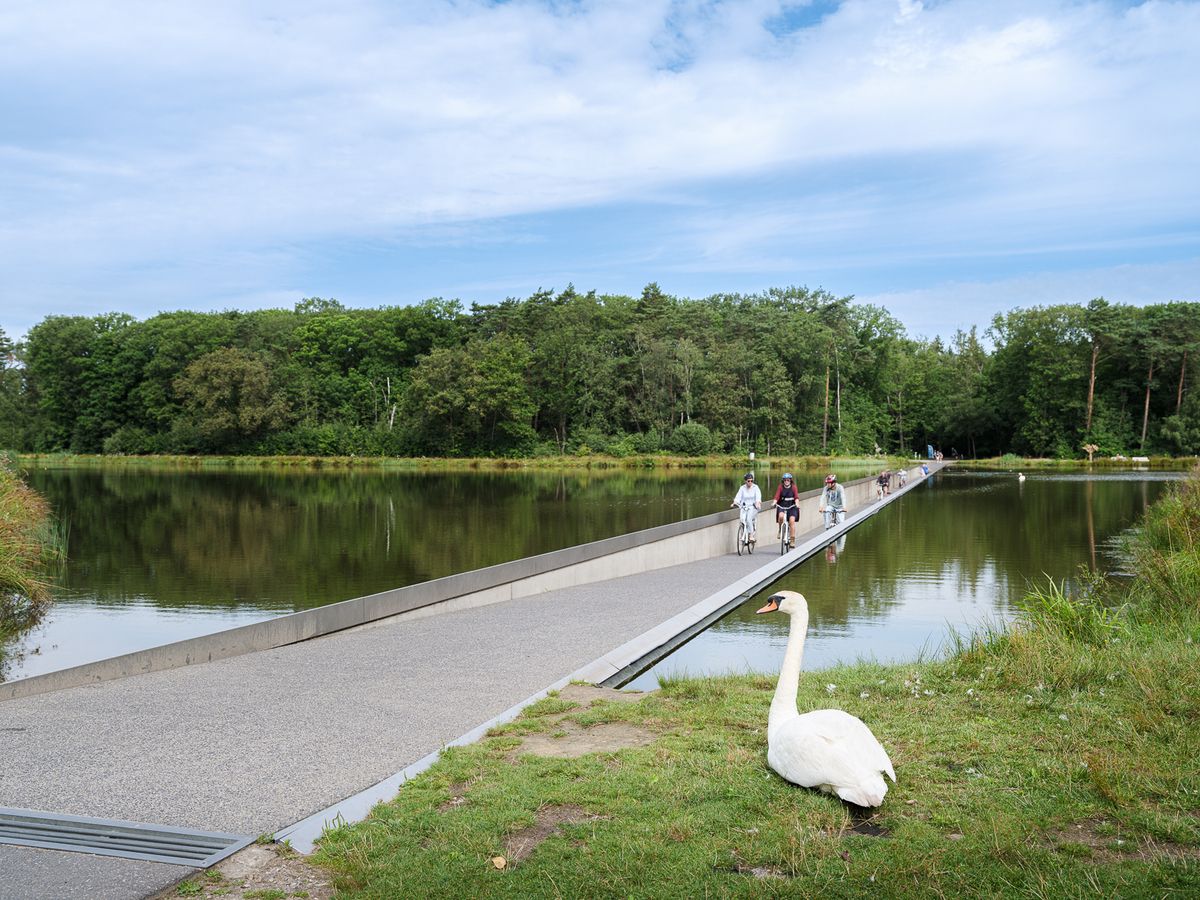
Flanders' Finest Cycle Routes: routes to discover Flemish nature and heritage
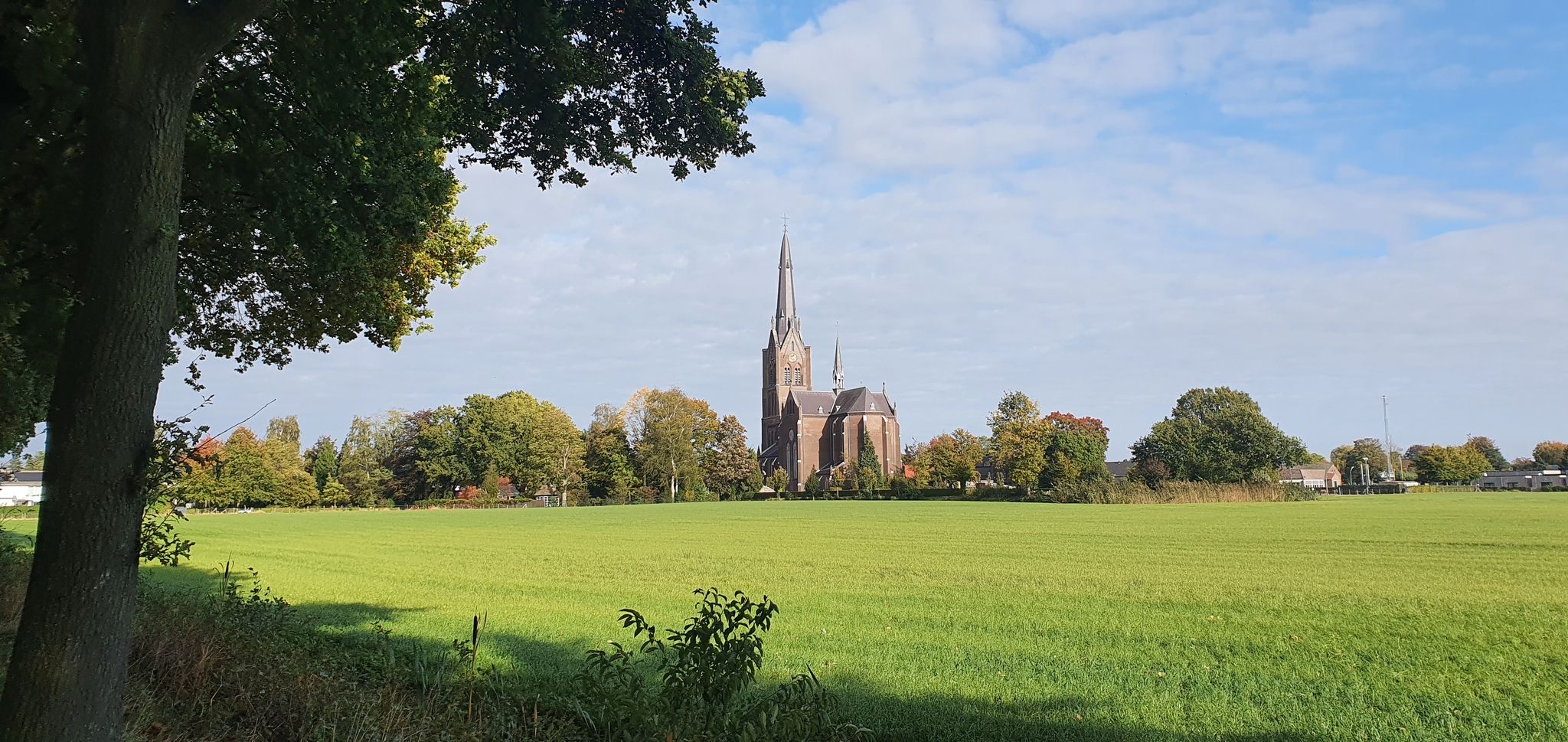
A pilgrimage through the Brabant landscape - Camino Brabant
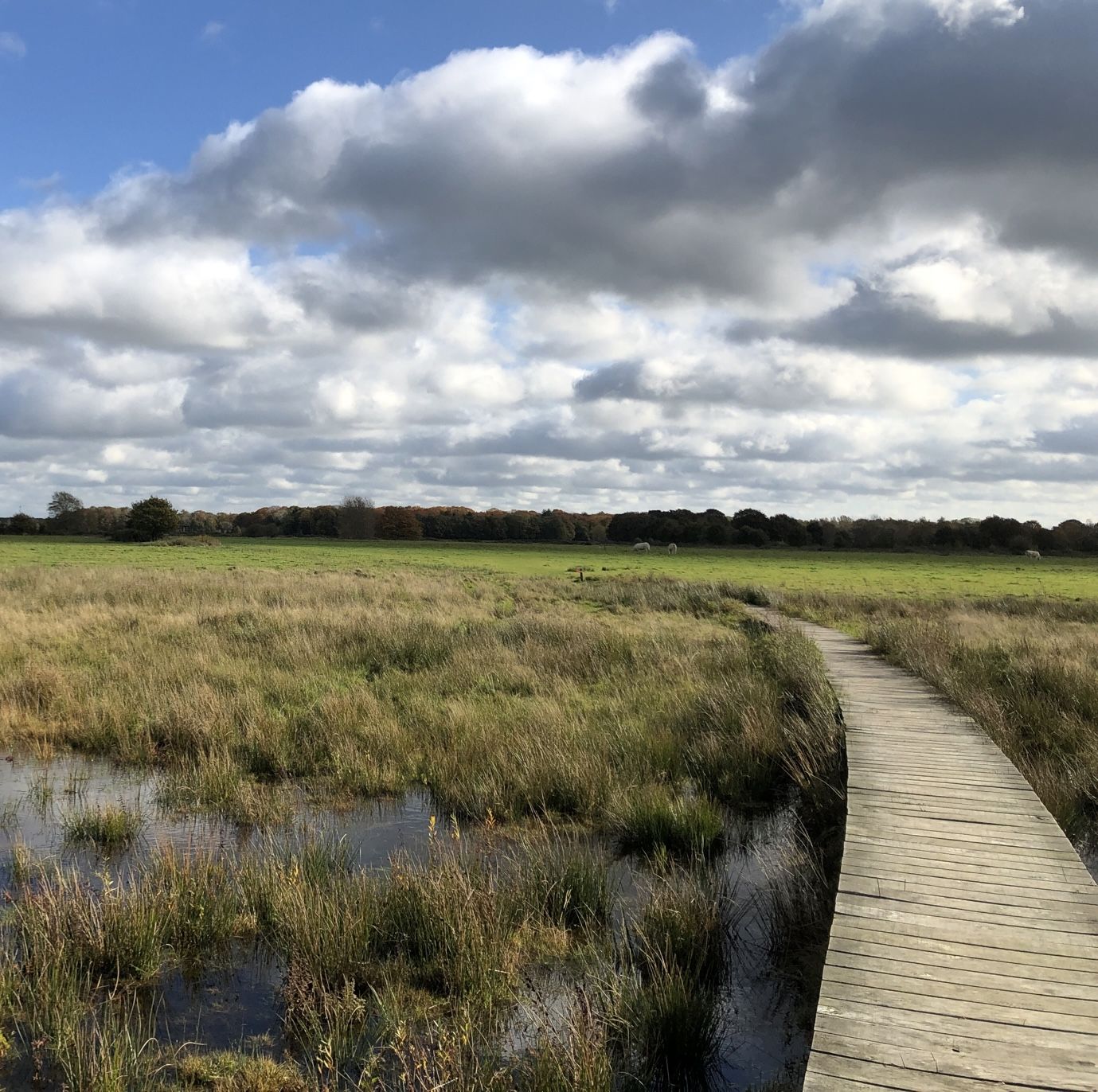
Bourgondisch Brabant - 20 tasty nature walks
Along the border between the Netherlands and Belgium – the Grenslandpad
Belgium's best – the most beautiful hiking routes in Flanders
Other adventures around Turnhout


Tips from the Community

🏰 Kasteel Herlaar (Hof ten Hove) – Historic Water CastleHidden in the picturesque valley of the Wimp lies Kasteel Herlaar, popularly known as Hof ten Hove. This magnificent, double moated water castle breathes pure history. The foundations go back centuries and the castle itself was built after the legendary Battle of Woeringen in 1288. As the former residence of the lord of Herenthout, it is one of the absolute cultural and historical gems of the region.The castle is built in a characteristic brick and sandstone style and forms a beautiful contrast with the surrounding nature. Although the castle itself is private property and cannot be visited, the passage along the moat and the avenue is absolutely worthwhile during your walk or bike ride.
5
0

Over the years, the castle was modernized and updated. This included the tower, whose heavy line of the fortified wall was broken by irregular window and door arrangements. The castle still houses remarkable works of art. The neo-Gothic armory houses a cast-iron stove from 1539 and two marble Renaissance mantelpieces. The castle also contains important paintings, tapestries, gold leather wallpaper, and furniture in a variety of styles. (Municipality of Westerlo)
11
0
The castle, built between 1909 and 1911 and designed by P. Langerock, was occupied by the Germans during World War II and later became a retirement home for priests. Since 1973, it has served as a town hall with a surrounding municipal park between Boerenkrijglaan, Hollandse dreef, and Merodedreef. The surrounding park features a neo-traditional gatehouse (number 63) and a gardener's house (Hollandse dreef numbers 1-3); and also includes a former sheepfold and pump house. The park surrounding the castle was transformed into an ornamental garden after World War I by the then gardener, F. Verrezen. In front of the castle: a fountain, dating from 1995 and designed by Architektuur Atelier BVBA. (Inventory of Immovable Heritage)
11
0

Le Paige Castle dates from 1892 and incorporates elements from the Renaissance, Baroque, and Classical periods. The interior features hints of Art Nouveau. The castle includes an arboretum. The complex is called Domaine Le Paige, a reference to the Le Paige family who long owned it.
3
0

Generations of castle lords and the village community have cared for the magnificent heritage we have today. We must cherish this legacy with care. Everyone has a responsibility in this regard: the government, the owners, and certainly also the visitors. We all want to safeguard this for future generations. VORSELAAR: Proposal to protect the castle "de Borrekens", the rectory, the immediate surroundings of the castle, and the linden avenue as a village landmark. The castle was built in the thirteenth century as a military fortification for the Duke of Brabant, granted as a fief to the Lord Van Rotselaer. The latter gave the fortification, which had the character of a moated castle, the ground plan that can still largely be seen today. Little is known about its evolution since the thirteenth century. The castle is depicted in a print by Ertinger in the second half of the seventeenth century and published by Jacques Le Roy. This shows that the current castle's core still largely reflects this condition. The building's military character was lost in the eighteenth century, and it was converted into a "house of pleasure." This involved the demolition of several surrounding walls and defensive towers, and the moat separating the forecourt from the castle was filled in. Simultaneously or shortly before, several embellishments were carried out on the castle, with J.P. van Baurscheit as the architect. The buildings in the forecourt were constructed during the same period. In the 1850s and 1860s, restoration work was carried out in keeping with the fashion of the time. Several dormers, stepped gables, fireplaces, turrets, and battlements were added in the Neo-Gothic style. The interior was also altered during this period and in the same style. Although this renovation significantly altered the castle's appearance, the renovation itself is remarkable as a testament to the Neo-Gothic style that emerged in our region around 1850.
0
0
The castle is surrounded by a moat and an estate of approximately 70 hectares, including meadows and farmland. The castle is not open to the public due to its function as a prison. In the past, the castle also played a role in the Eighty Years' War, where it played a significant role in the battle between Spanish and Dutch troops, according to BENEGO.
7
0
The former castle of Hoogstraten, also known as Gelmelslot, is a castle with a rich history dating back to the 16th century. Today, the castle serves as a Penitentiary School Center (PSC), a penitentiary where inmates receive vocational training. The castle has served various purposes over the years. Built in the 16th century by Rombout II Keldermans, a renowned architect, it originally served a defensive purpose. In the 18th century, the castle was damaged by fire and later looted. After a period of decline, the castle was used as a beggar's asylum, agricultural colony, and refuge in the 19th century. Since 1931, it has been used as a Penitentiary School Center, the only penitentiary in Flanders where inmates systematically receive vocational training.
7
0

If a town hall can really be beautiful...
10
0
Frequently Asked Questions
What is the historical significance of castles in the Turnhout region?
The Turnhout region, part of Belgium's Kempen area, is rich in ducal history. The most prominent example is the Kasteel van de Hertogen van Brabant in Turnhout, dating back to the 12th century as a hunting lodge for the Dukes of Brabant. Other sites like De Merode Castle, Westerlo, have been linked to local history for over five centuries, showcasing a blend of medieval architecture and renovated historical buildings.
Can I visit the Kasteel van de Hertogen van Brabant in Turnhout?
The Kasteel van de Hertogen van Brabant in Turnhout currently serves as a courthouse and is not generally open for individual public visits. However, its exterior and grounds are accessible for exploration. Group visits are possible by appointment, offering guided tours that delve into its rich history from cellar to tower. For more historical context, you can visit castles.nl.
What is Priorij Corsendonk and can I visit it?
Priorij Corsendonk, located in Oud-Turnhout, is a former Augustinian monastery founded in 1395. While not a traditional castle, its historical architecture and extensive grounds offer a castle-like ambiance. Since 1975, it has been transformed into a conference center and hotel, allowing visitors to experience its historic atmosphere by staying overnight, attending events, or enjoying its facilities. The 8-hectare green domain is also popular for cycling and hiking.
Are there family-friendly castles to visit around Turnhout?
Yes, several castles in the region are considered family-friendly. For example, De Merode Castle, Westerlo, with its 60-hectare park and pond, offers ample space for families. The grounds of the Kasteel van de Hertogen van Brabant are also pleasant for family strolls. Many castle parks, like that of Ter Borght Castle, are open to the public and provide enjoyable outdoor experiences.
Which castles are known for their picturesque settings or unique features?
Borrekens Castle is noted for its beautiful garden and location in the middle of a forest. Ter Borght Castle features a beautiful castle park with three islands in a central pond and centuries-old trees. Herlaar Castle, surrounded by a moat, is praised for its picturesque appearance, offering great photo opportunities.
Are there hiking trails near castles around Turnhout?
Yes, the region offers various hiking opportunities near historical sites. The green domain of Priorij Corsendonk is excellent for walks. You can also find trails near Ter Borght Castle, which is situated on the edge of the Merode area and can be combined with walks along the Grote Nete. For more hiking options, explore the running trails around Turnhout, which often pass by scenic areas.
What other outdoor activities can I do near the castles?
Beyond hiking, the area around Turnhout and its castles is well-suited for cycling and mountain biking. The domain of Priorij Corsendonk is popular for cycling, and many routes pass through the beautiful Kempen countryside. You can find numerous options for cycling around Turnhout or explore MTB trails around Turnhout, which include routes near natural reserves and historical points of interest.
When is the best time to visit the castles around Turnhout?
The castles and their surrounding parks can be enjoyed year-round. Spring and summer offer lush greenery and pleasant weather for exploring the grounds and nearby trails. Autumn provides beautiful foliage, while winter can offer a unique, serene atmosphere, especially for moated castles. Always check specific opening hours for any interior visits, as these can vary seasonally.
Are there any castles that serve a modern purpose?
Yes, some historical buildings have adapted to modern uses. The Kasteel van de Hertogen van Brabant functions as a courthouse. Jeanne de Merode Castle, built between 1909 and 1911, has served as Westerlo's town hall since 1973. Priorij Corsendonk, a former monastery, now operates as a conference center and hotel, blending history with contemporary hospitality.
What do visitors enjoy most about the castles around Turnhout?
Visitors frequently appreciate the picturesque settings, the historical significance, and the tranquil atmosphere of the castle grounds. Many enjoy the opportunity to combine castle visits with walks or cycling through the surrounding nature. The blend of well-preserved architecture, beautiful parks, and the connection to Brabant's ducal past are often highlighted.
Are there any castles that are privately owned but still visible?
Yes, Borrekens Castle is a beautifully restored, privately owned castle that can be admired from the outside, located in a forest next to a lane. Similarly, De Merode Castle, Westerlo, is still inhabited by the princely family and can be viewed from its extensive park, though interior visits are typically limited to special events.
Can I find cafes or restaurants near the castles?
While specific cafes directly within every castle are not common, some highlights like Le Paige Castle are noted to have cafe or restaurant facilities. Additionally, the towns and villages surrounding the castles, such as Turnhout and Westerlo, offer various dining options within a short distance, allowing visitors to enjoy refreshments after their explorations.
Most popular routes around Turnhout
Most popular attractions around Turnhout

Get inspired with the komoot mobile app


Didn’t find what you were looking for?
Explore Turnhout’s best castles region by region:
Explore more
Looking for the best castles somewhere else? Discover other guides around Turnhout:
