The best gravel rides around Villentrois
26
riders
8
rides
Gravel biking around Villentrois offers diverse terrain within the Indre department of the Centre-Val de Loire region. The landscape is characterized by hedged farmland, dense forests, and wet meadows alongside peaceful streams. Riders can expect to traverse gentle hillsides featuring orchards and vineyards, particularly in the Cher Valley. This blend of agricultural lands and natural environments provides varied surfaces for gravel cycling.
Best gravel bike trails around Villentrois
- The most popular gravel bike trail is Troglodyte houses in Bourré –…
Last updated: July 4, 2026
9
riders
Moderate gravel ride. Good fitness required. Mostly paved surfaces. Suitable for all skill levels.
4
riders
42.7km
02:48
270m
270m
Moderate gravel ride. Good fitness required. Mostly paved surfaces. Suitable for all skill levels.

Sign up for free
4
riders
Hard gravel ride. Very good fitness required. Mostly paved surfaces. Suitable for all skill levels.
2
riders
48.4km
03:06
380m
380m
Moderate gravel ride. Good fitness required. Mostly paved surfaces. Suitable for all skill levels.
1
riders
42.6km
02:46
320m
320m
Moderate gravel ride. Good fitness required. Mostly paved surfaces. Suitable for all skill levels.
Get access to more routes and recommendations from other explorers.
Sign up for free
Already have an account?
Our route recommendations are based on thousands of hikes, rides, and runs completed by other people on komoot.
Start today with a free account
Your next adventure awaits.
Login or Signup



Tips from the Community

This place exists and is wonderful, but it is many kilometers further west than indicated here, just off the A85, in the hamlet of Pichonnerie.
0
0
On the cycle path to Thésee, a little paradise nestled in a wooded garden... you'll be welcomed by charming owners who offer shaded bike parking, lounges under the trees, and original drinks, as well as a selection of local specialties at more than affordable prices... A true delight, highly recommended to our cycling and touring friends!
1
0

Or more precisely above the Sauldre a little before its confluence with the Cher
0
0

The Collegiate Church of Saint-Aignan is a French church located in the center of the city of Orléans, on the north bank of the Loire River, in the Loiret department in the Centre-Val de Loire region. It is dedicated to Saint Aignan, Bishop of Orléans. This beautiful church was originally built for the cult of Saint Aignan, whose relics were kept in the crypt. The current basilica, begun by Charles VII in 1438 but completed in 1509 by Louis XII, is not the first construction, as traces of buildings dating from the 6th, 9th, 11th, 14th, and 15th centuries have been found. They were all destroyed by fire, floods, or human hands. The people of Orléans, and in particular the canons, have always been keen to rebuild this building because Saint Aignan is an important figure in the history of Orléans, due to the role he played against the barbarians in the 5th century. While bishop of the city, he is said to have miraculously defended it against the Hun invasion in 451. https://www.tourismeloiret.com/fr/diffusio/visites/collegiale-saint-aignan-orleans_TFOPCUCEN045V501HHG
3
0
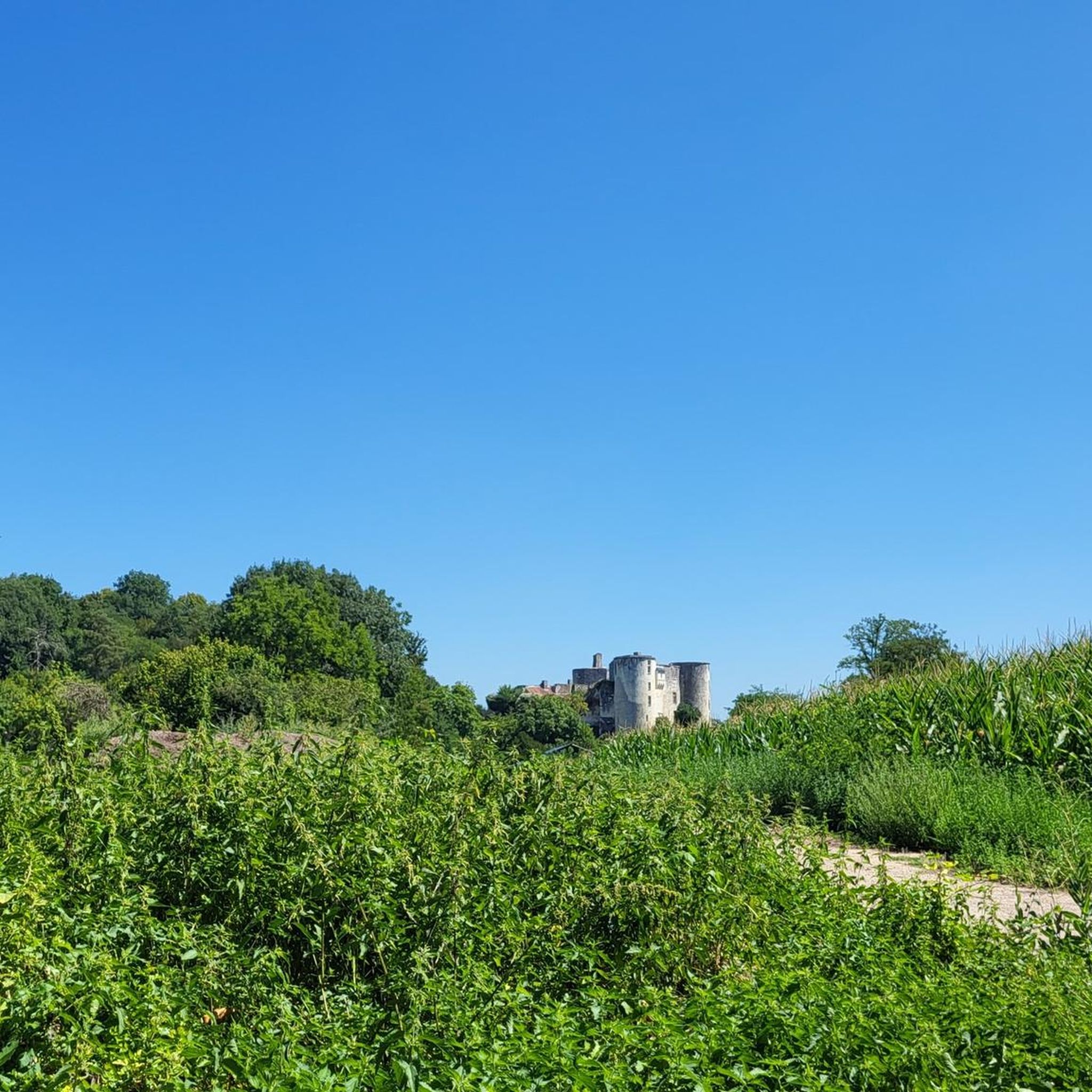
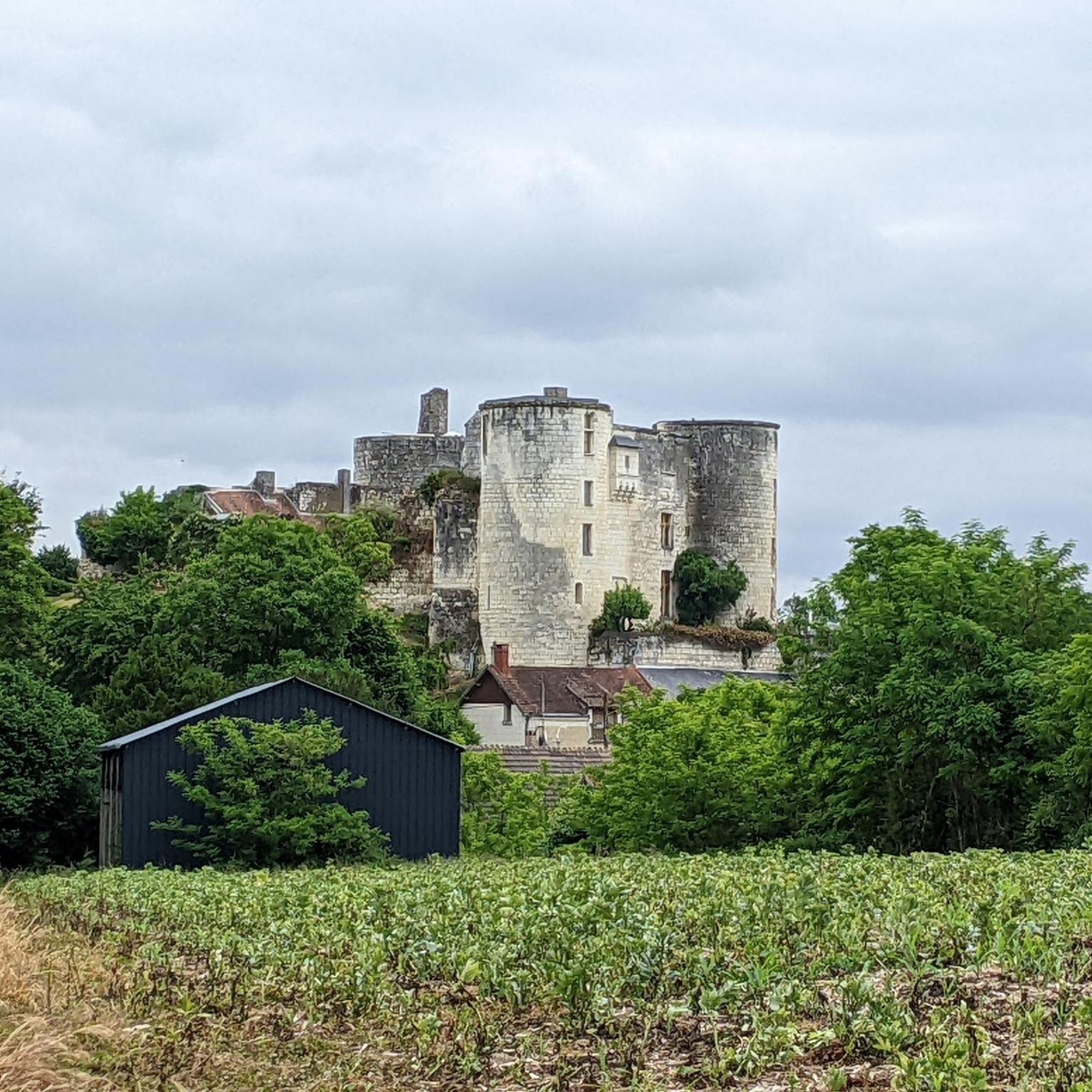
History: In the 10th century, Eudes I, Count of Blois, built a castle on the hills. Of the old building, only the so-called Agar Tower, or keep, remains, with some wall removals. The current castle, set at right angles, was rebuilt in the 16th century by the Beauvilliers. The north facade is divided by two brick and stone pavilions. The attic is decorated with pedimented dormers. To the south, in the main courtyard, the two buildings intersect at right angles. They are pierced by cruciform mullioned windows, separated by pilasters and bands on which figures are sheltered in small niches. Stone dormers with pinnacled and shell pediments adorn the roofs. A modern polygonal tower, outside the building, connects the two main buildings. It is highly decorated with pilasters and twin columns. The west pavilion is the most richly decorated. A frieze decorated with Italianate medallions supports an openwork balustrade. The ruins of the original castle are located opposite the current castle. The building was extensively restored in the 19th century.
3
0
Saint Aignan, who died in 453 after defending the people of Orleans against the Huns, was buried in a first tomb. As veneration of his relics grew, a basilica was built. A community of monks settled there, and canons replaced them in the 9th century. Following the damage caused by Norman attacks and the fire of 999, Charles the Bald began reconstruction, and Robert the Pious completed the Romanesque church with its crypt housing the relics of Saint Aignan. This church was consecrated on June 14, 1029. We will soon celebrate its millennium. https://collegiale-saintaignan-dorleans.fr/la-crypte/
4
0
Castle of Saint-Aignan-sur-Cher https://www.sudvaldeloire.fr/offres/chateau-de-saint-aignan-saint-aignan-fr-2608592/
3
0
Collegiate Church of Saint-Aignan https://fr.wikipedia.org/wiki/Coll%C3%A9giale_Saint-Aignan_de_Saint-Aignan
3
0
Frequently Asked Questions
How many gravel bike trails are available around Villentrois?
There are currently 4 gravel bike trails listed on komoot for the Villentrois area, all offering a moderate challenge suitable for exploration.
What kind of terrain will I encounter on gravel bike trails in Villentrois?
Gravel biking around Villentrois offers a diverse landscape. You'll traverse hedged farmland, dense forests, and wet meadows alongside peaceful streams. Expect gentle hillsides adorned with orchards and vineyards, particularly in the Cher Valley, providing varied surfaces for your ride. The broader region's gravel paths can sometimes feature compact white limestone, which can be hard and dusty in summer or more technical after rain.
Are there any family-friendly gravel biking options in Villentrois?
While all current routes are rated as moderate, the region's blend of agricultural lands and natural environments, including the La Planche Baron Leisure Area, suggests that some sections or shorter loops could be adapted for families. Always check the route details for specific difficulty and elevation to ensure it suits your family's abilities.
Can I bring my dog on the gravel trails around Villentrois?
Many natural trails in France are dog-friendly, especially if your dog is well-behaved and kept on a leash. Given the rural nature of Villentrois, with its forests and farmland, it's generally possible to bring your dog. However, always be mindful of local regulations, private property, and livestock, especially in agricultural areas.
Are there circular gravel bike routes in the Villentrois area?
Yes, all the gravel routes currently featured are circular. For example, you can enjoy the Troglodyte houses in Bourré – Saint-Aignan Church loop from Saint-Aignan - Noyers, or the Saint-Aignan Church – View over St Aignan loop from Lye, both designed as loops for convenient exploration.
What landmarks or points of interest can I see while gravel biking near Villentrois?
The region offers several interesting sights. You might pass by historic sites like the Saint-Aignan Church or the impressive Valençay Castle. The Troglodyte houses in Bourré – Saint-Aignan Church loop from Saint-Aignan - Noyers specifically highlights unique troglodyte dwellings.
Where can I park my car when starting a gravel bike ride in Villentrois?
While specific parking areas for each trail are not detailed, given the rural setting, you can often find parking in village centers or designated leisure areas like the La Planche Baron Leisure Area in Villentrois. For routes starting from specific towns like Saint-Aignan or Lye, look for public parking options within those communities.
What is the best time of year for gravel biking in Villentrois?
The Centre-Val de Loire region is generally pleasant for cycling from spring through autumn. Spring offers lush greenery and blooming orchards, while autumn provides beautiful foliage. Summer can be warm and dry, potentially making some gravel surfaces dusty. The region's 'Falun' compact limestone paths can be challenging with ruts after rain, so consider conditions if riding in wetter seasons.
Are there any challenging gravel bike trails around Villentrois?
The current selection of gravel trails around Villentrois is rated as moderate. While they offer varied terrain and some gentle ascents, they are not categorized as difficult. For a longer, moderate challenge, consider the Saint-Aignan Church – View over St Aignan loop from Saint-Aignan - Noyers, which covers 48.4 km.
What do other gravel bikers enjoy most about gravel biking in Villentrois?
Gravel bikers in the komoot community appreciate the varied terrain around Villentrois, which includes hedged farmland, forests, and scenic hillsides with orchards and vineyards. The routes offer a good balance of natural beauty and manageable distances, making them ideal for exploring the Indre department.
Are there options for longer gravel bike rides near Villentrois?
Yes, the routes available are generally between 37 and 48 kilometers, offering substantial rides. The longest currently listed is the Saint-Aignan Church – View over St Aignan loop from Saint-Aignan - Noyers, at 48.4 km, which takes approximately 3 hours and 39 minutes to complete.
Can I find food or accommodation along the gravel routes?
The routes themselves primarily focus on the natural landscape. However, starting points like Saint-Aignan and Lye, or nearby towns, will offer amenities such as cafes, restaurants, and accommodation options. It's advisable to plan your stops in advance, especially in more rural sections.
Most popular routes around Villentrois
Most popular attractions around Villentrois

Get inspired with the komoot mobile app


Explore more
Browse the best Gravel rides in other regions.
