Top 20 Natural Monuments in Karwendel
Natural monuments in Karwendel showcase a diverse landscape of rugged peaks, ancient forests, and wild rivers across a vast protected area. This region, spanning Austria and Germany, features unique natural formations shaped by geological processes and historical alpine farming. Visitors can explore a variety of natural features, from high alpine summits to deep gorges and expansive maple forests. The area is known for its distinct natural beauty and ecological significance.
Best natural monuments in Karwendel
- The most popular natural monuments…
Last updated: September 29, 2026
View of Lake Achensee
Highlight • Viewpoint
Translated by Google •
Tip by

Hafelekar Peak
Highlight • Summit
Translated by Google •
Tip by

Sign up now to discover places like this
Get recommendations on the best single tracks, peaks, & plenty of other exciting outdoor places.
Western Karwendel Peak
Highlight • Summit
Translated by Google •
Tip by

Engalm
Highlight • Mountain Hut
Translated by Google •
Tip by

Mariensteig — Trail along Lake Achensee
Highlight • Trail
Translated by Google •
Tip by

Sign up for free to discover even more natural monuments in Karwendel.
Already have an account?
Start today with a free account
Your next adventure awaits.
Popular around Karwendel
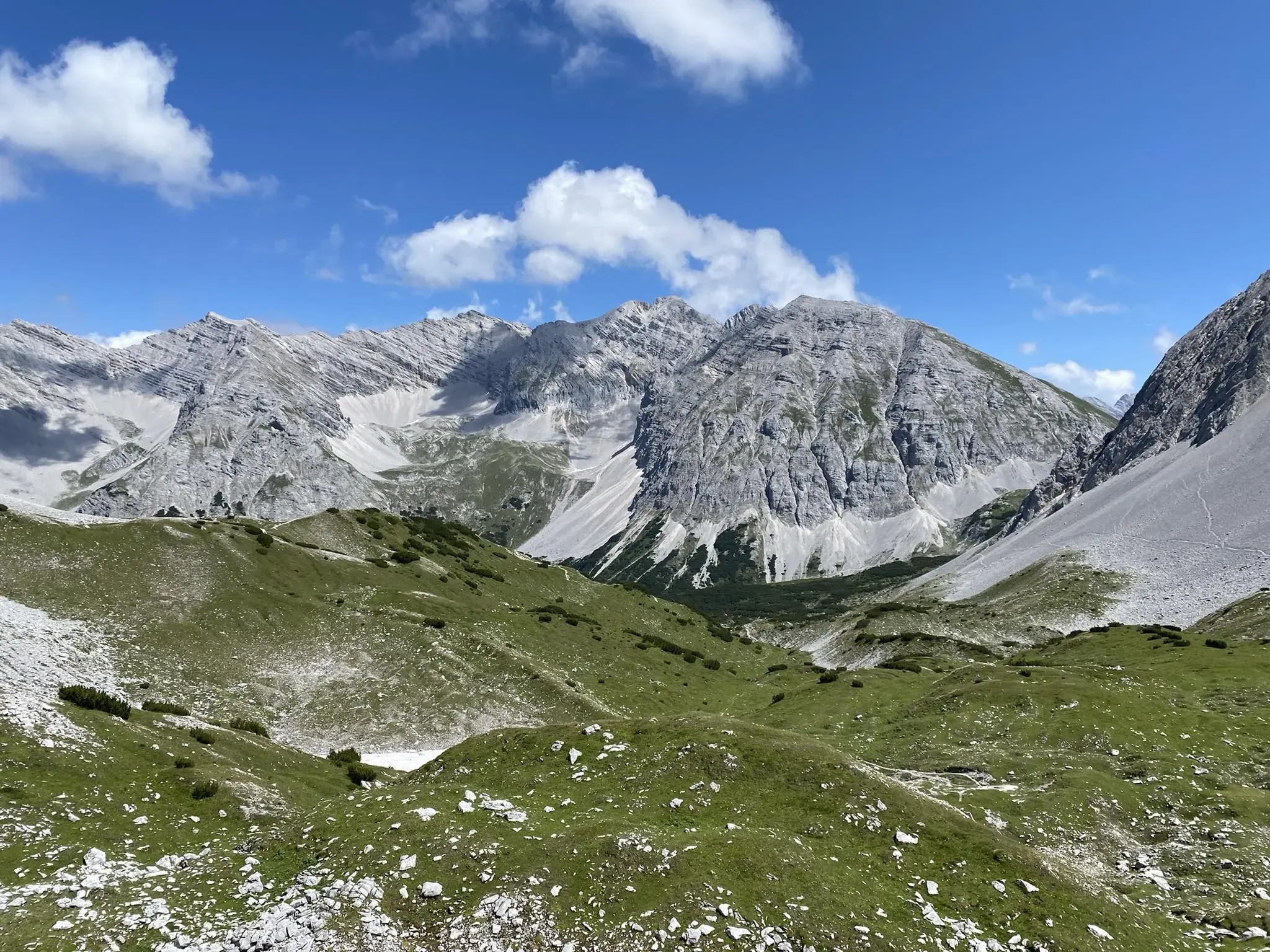
Karwendel crossing – Innsbruck to Sylvensteinspeicher
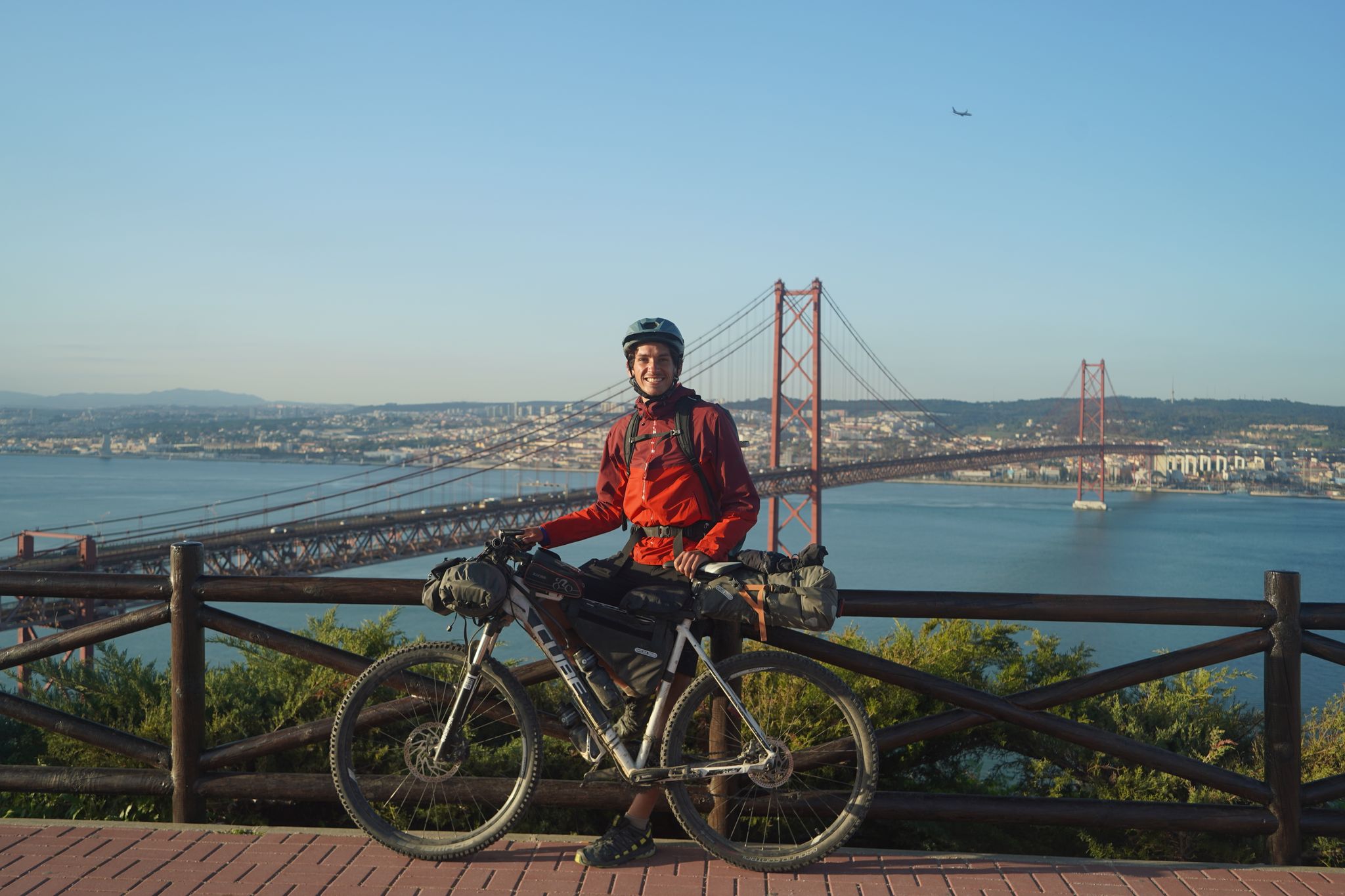
Road to Lisbon – bikepacking the Alps, Pyrenees and Picos de Europa
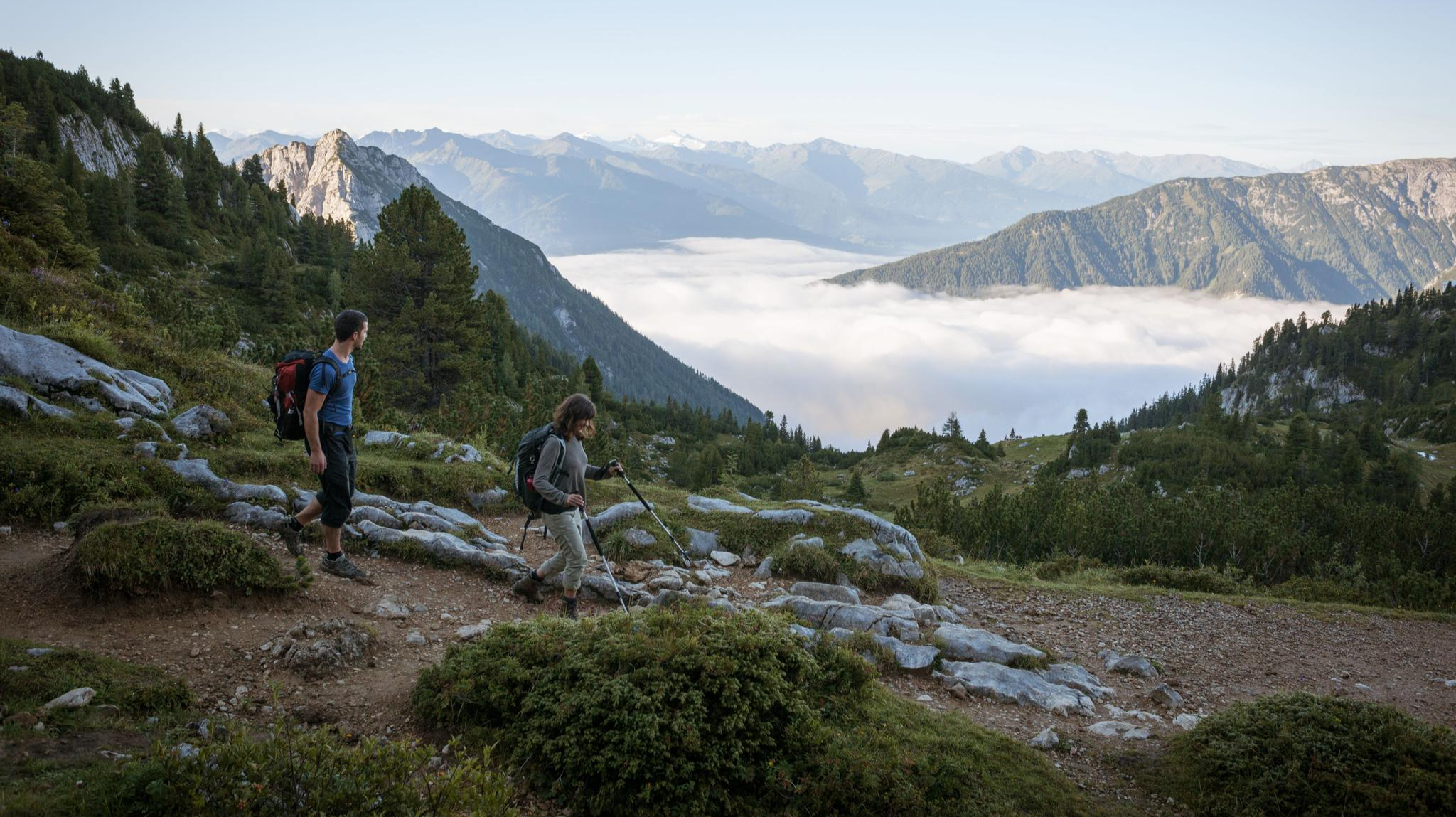
Eagle Walk – Majestic hiking along Tirol's trail
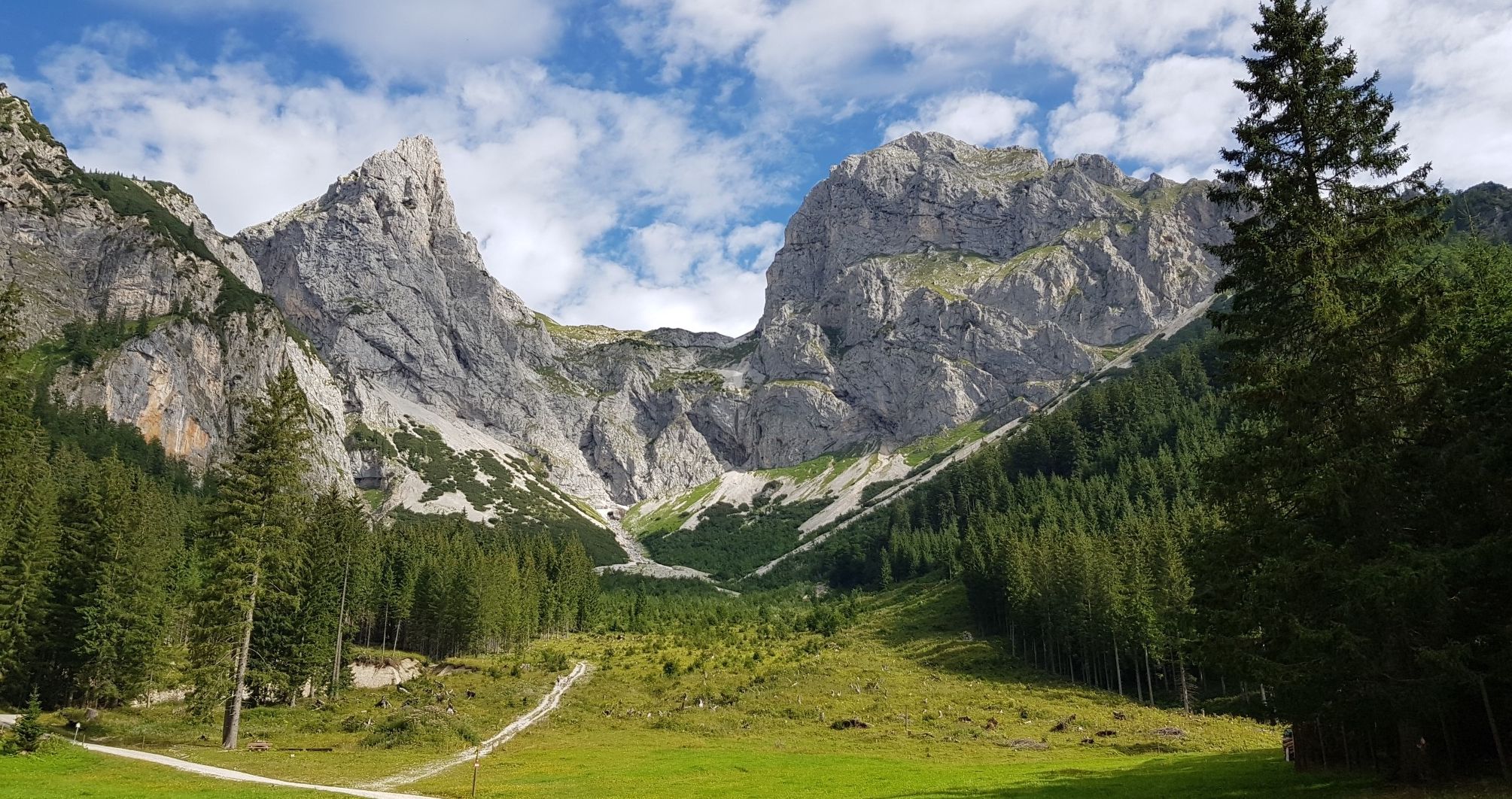
North Alpine Trail 01 – Hike across Austria in 49 days
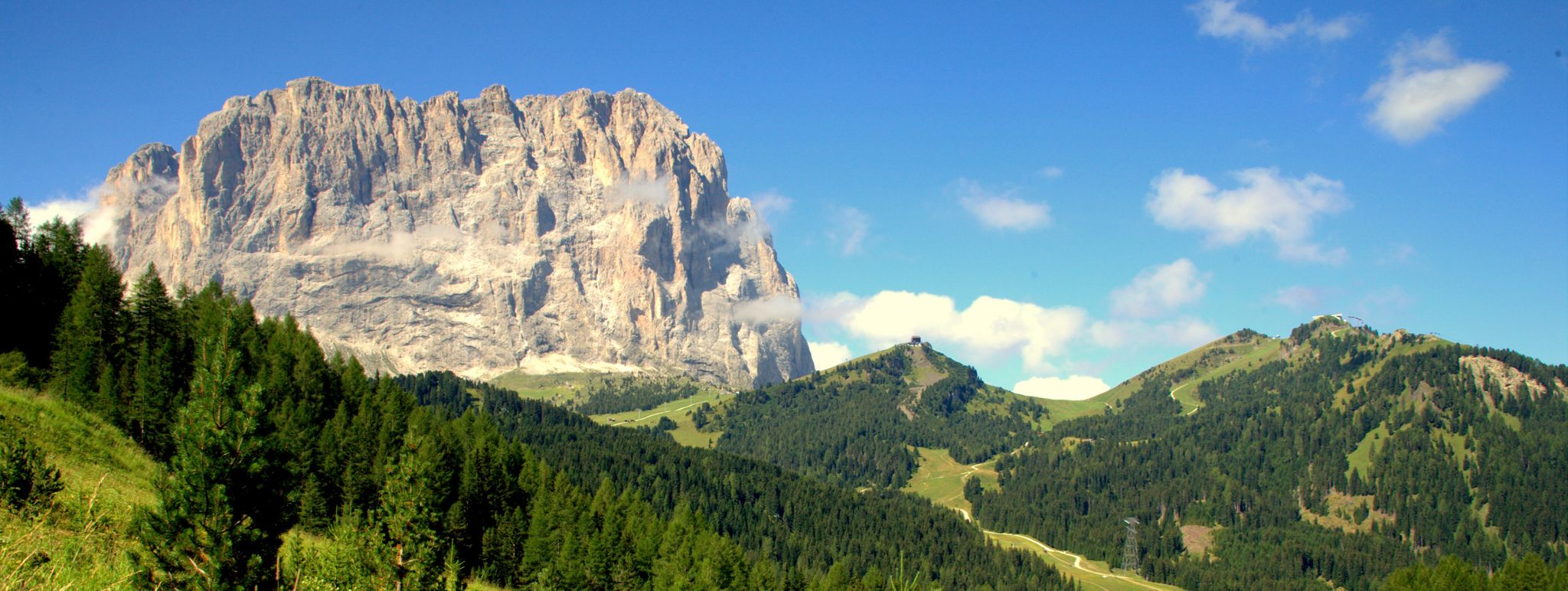
Via Venezia Alpina – hiking across the Alps to the Adriatic Sea
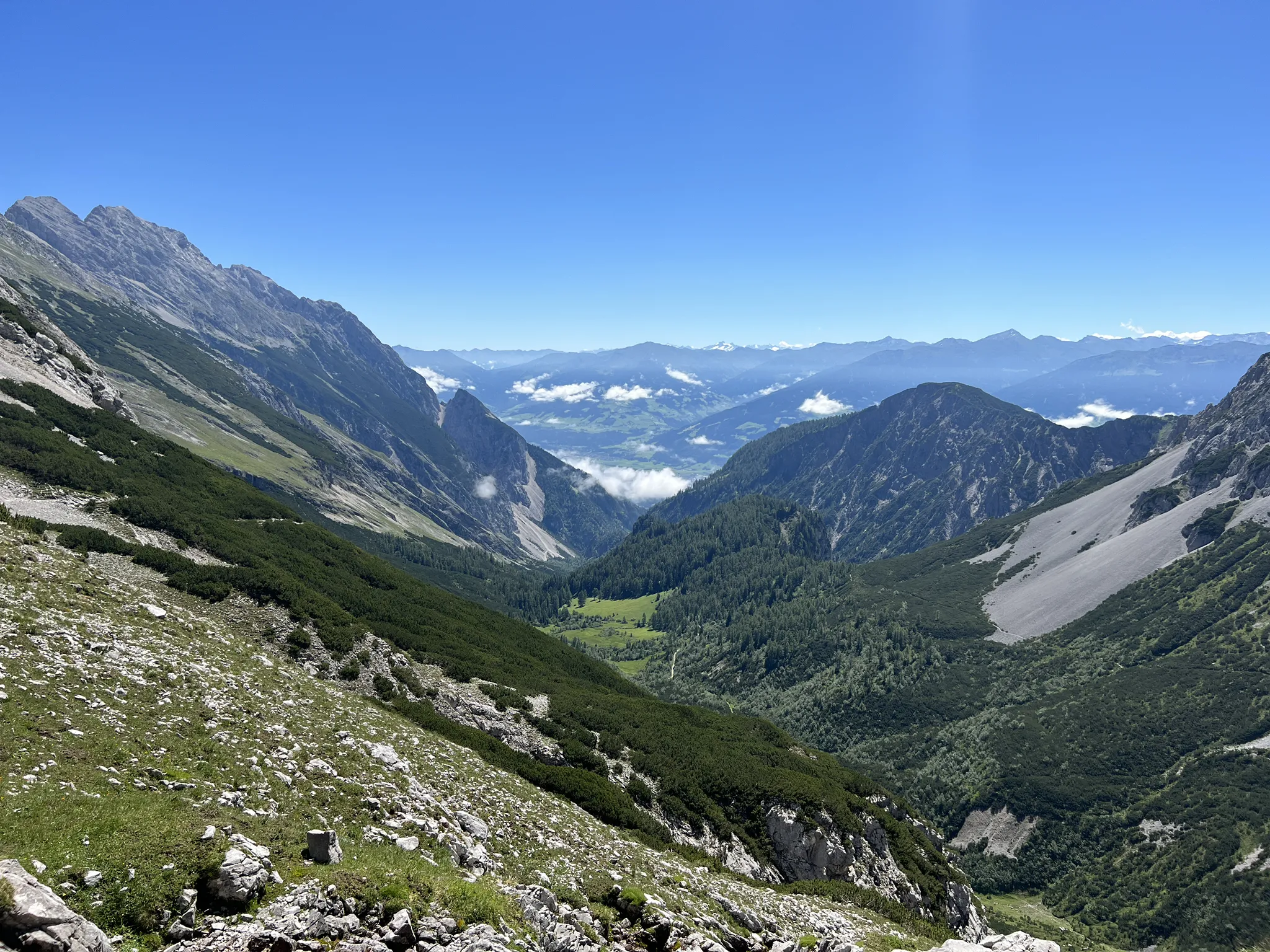
The Karwendel Trail – Discover Austria's largest national park
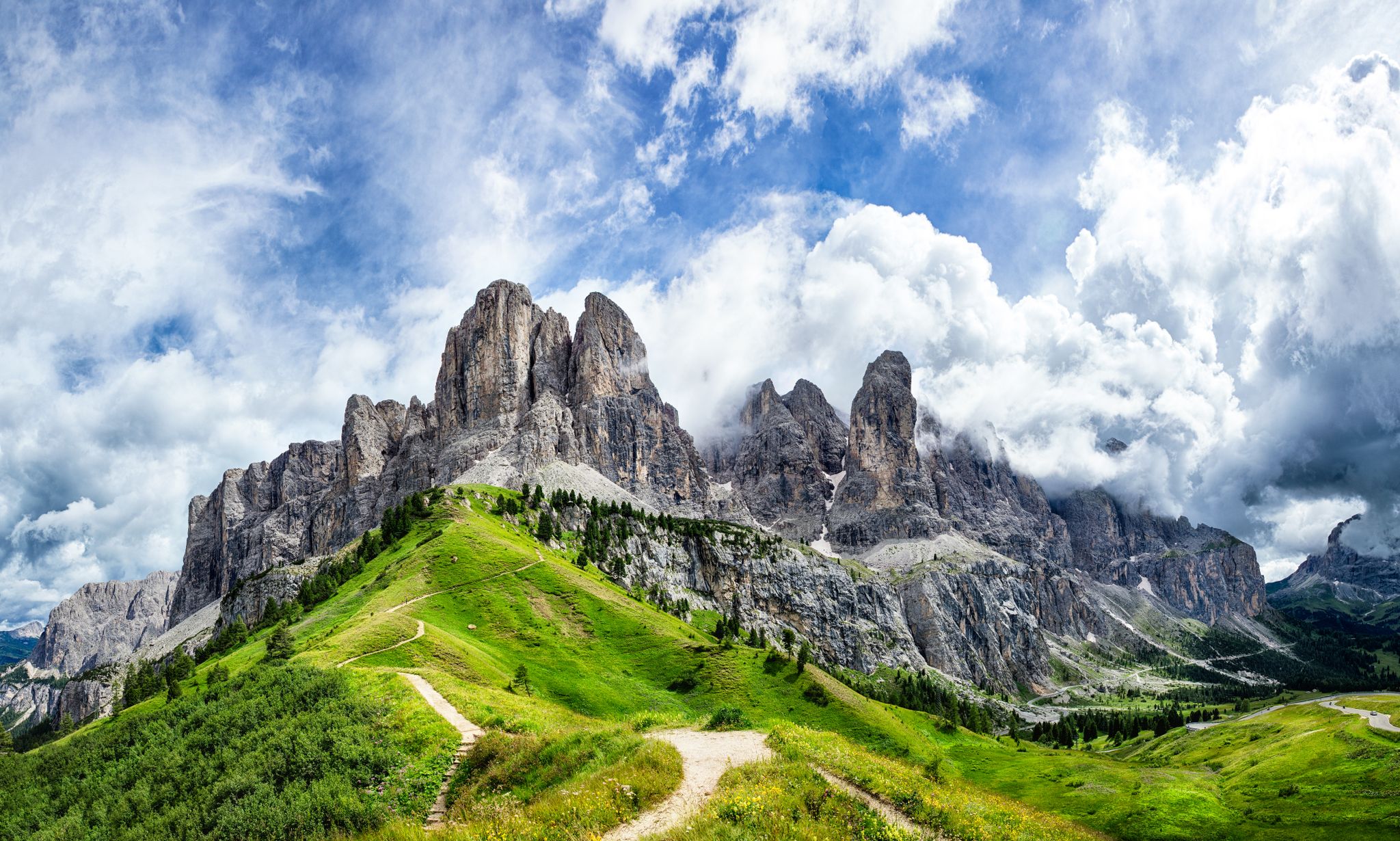
The "Dream Path" hiking trail – From Munich to Venice in 28 stages
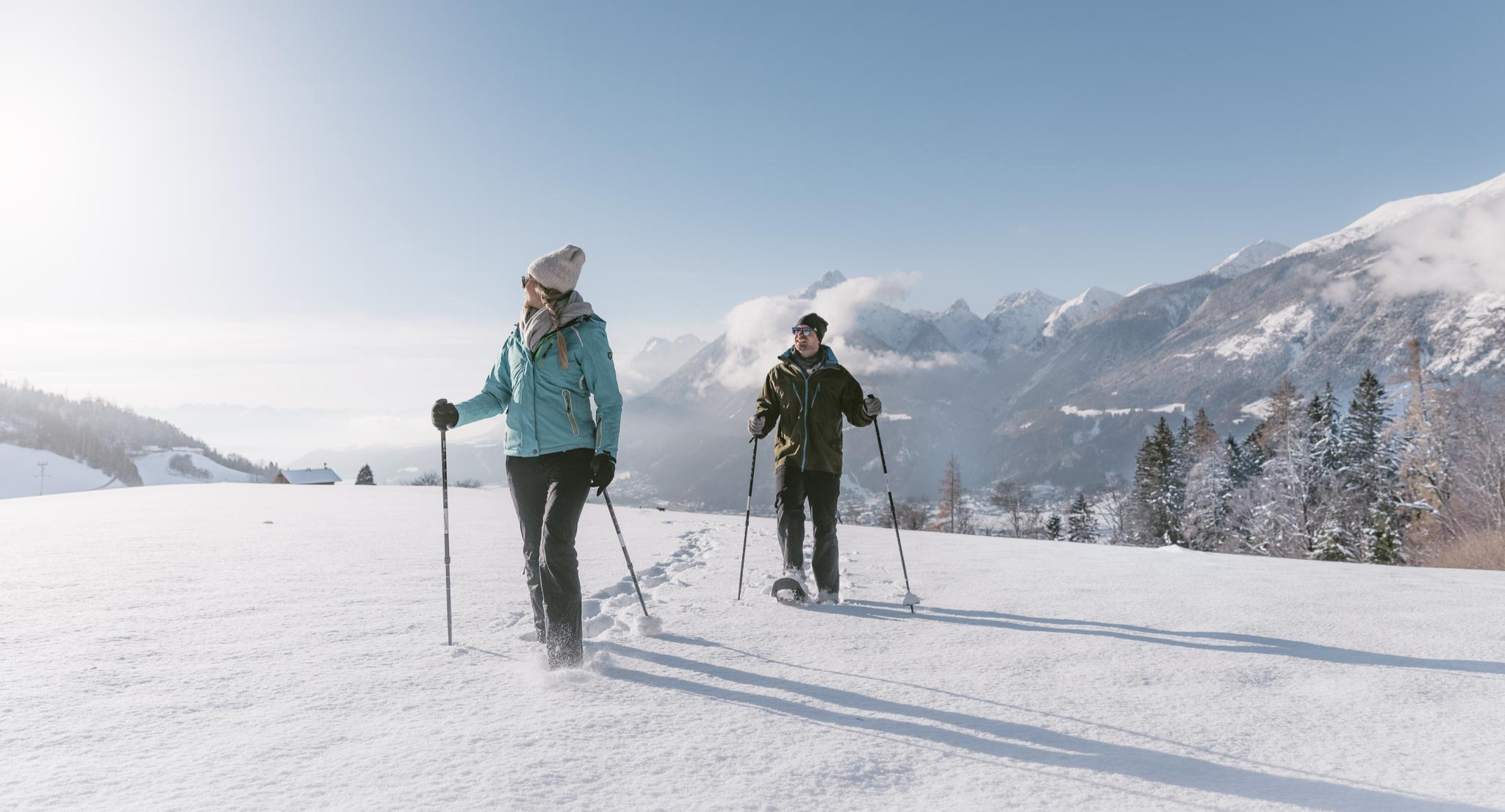
Spuren im Schnee – Schneeschuhabenteuer in der Silberregion Karwendel
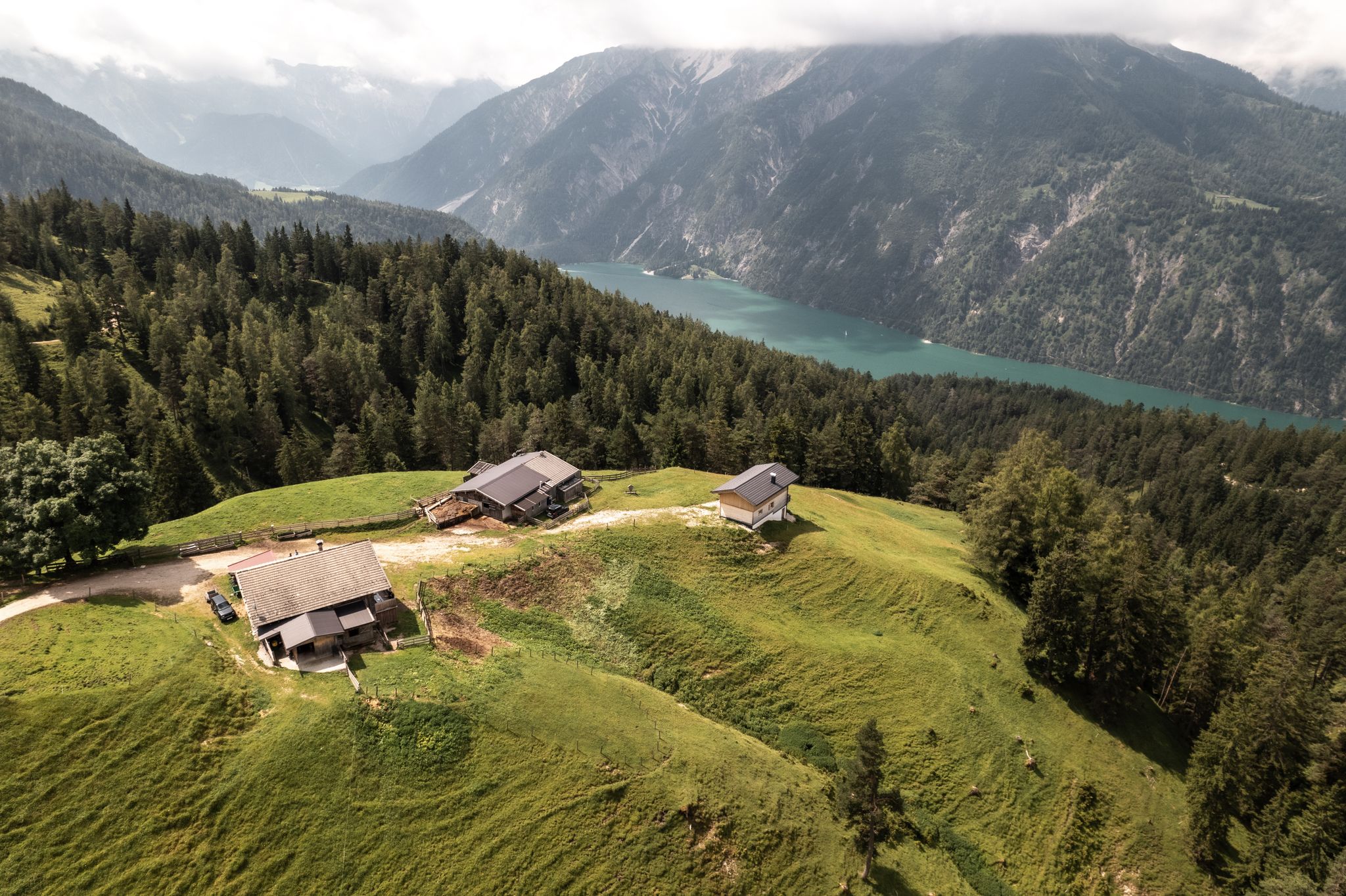
Lakes'n'Knödel – Bikepacking adventure with a taste of the Alps
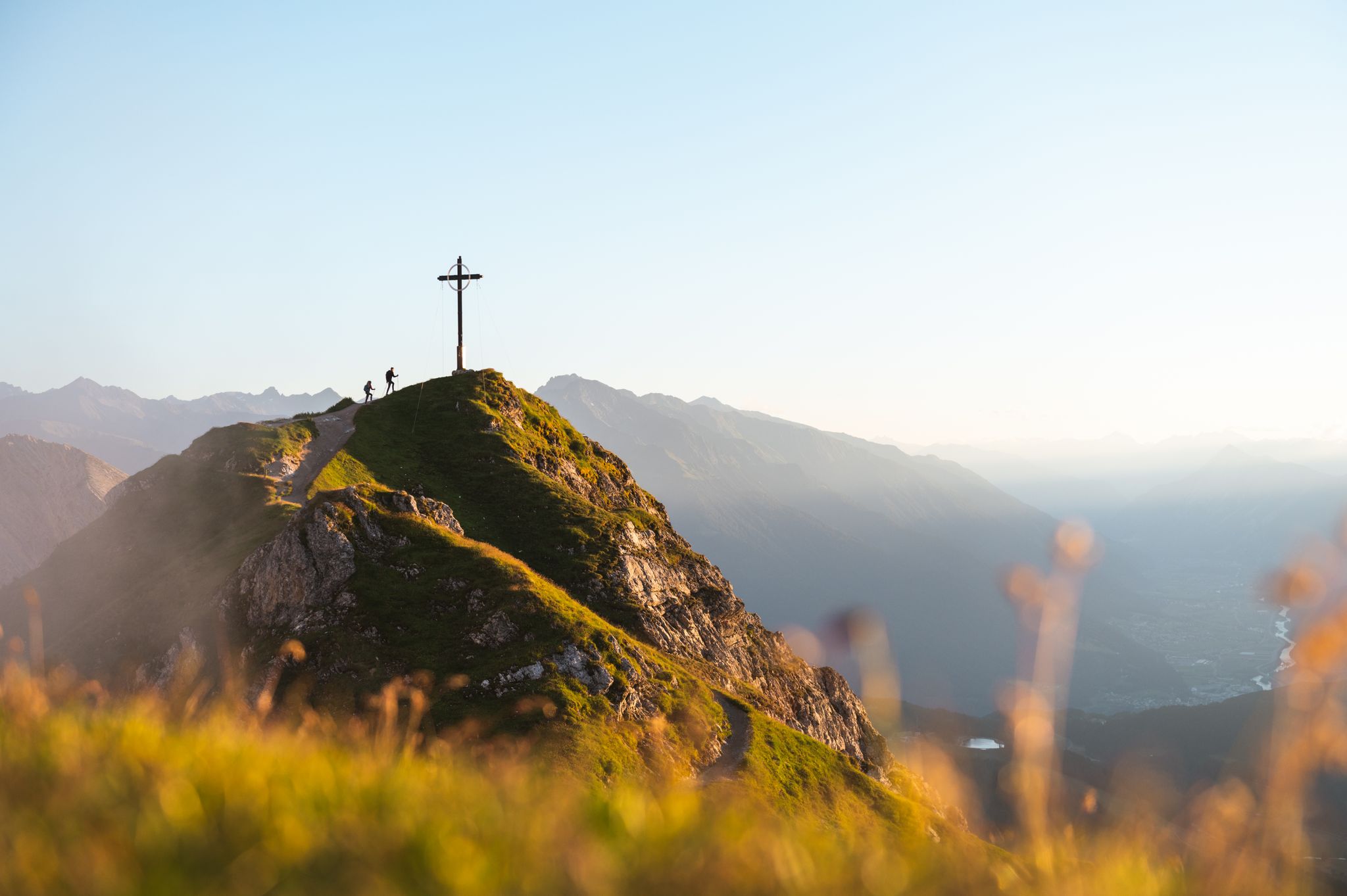
Golden trails and vast views – autumn hiking in the Seefeld region
Other adventures in Karwendel


Tips from the Community

Beautiful hike along the western side of the lake
1
1


The path gradually becomes narrower and requires surefootedness
1
0

Another view of the waterfall and the narrow path, which inexperienced hikers should concentrate on.
1
0

Wonderful path along the lake
1
0

The narrow path should only be entered with sturdy shoes, but offers great views
0
0

An amazing path along the lake shore! A bit exposed, but beautiful.
2
1

The emerald green surface can glitter in the sun, and the water's clarity allows you to see up to 10 meters deep, which is something special. The lake is framed by two mountain ranges - the Rofan Mountains and the Karwendel Nature Park - like a protective bulwark.
2
0
Frequently Asked Questions
What are some of the most unique natural monuments in Karwendel?
Karwendel offers a diverse range of unique natural monuments. The Großer Ahornboden stands out with its ancient sycamore maple trees, some over 600 years old, creating a stunning landscape, especially in autumn. The Isar Spring (Isarursprung) marks the beginning of the crystal-clear Isar River, a serene spot to witness nature's purity. For an adventurous experience, the Leutasch Gorge features impressive steel walkways suspended high above the rushing Leutascher Ache river.
Are there family-friendly natural monuments in Karwendel?
Yes, several natural monuments in Karwendel are well-suited for families. The Großer Ahornboden is ideal, offering easy paths, play opportunities for children, and restaurants. The Leutasch Gorge (Leutascher Geisterklamm) provides an exciting experience with themed trails like the Ghost Path and Goblin Path, incorporating local legends and games. The Engalm, located near the Großer Ahornboden, is also a family-friendly settlement with traditional houses and local produce.
When is the best time to visit the natural monuments in Karwendel?
The best time to visit largely depends on the specific monument and desired activity. For the Großer Ahornboden, autumn is particularly spectacular when the maple leaves turn golden. Gorges like Leutasch Gorge and Wolfsklamm Gorge are excellent choices during warmer months, offering refreshing experiences and a cool escape on hot summer days. High-alpine areas like Hafelekar Peak are accessible via cable car year-round, but hiking options are best from late spring to early autumn.
What outdoor activities can I do near Karwendel's natural monuments?
The Karwendel region offers numerous outdoor activities. Hiking and mountain biking are popular ways to explore areas like the Großer Ahornboden and the Isar Spring. Gorges such as Leutasch Gorge and Wolfsklamm Gorge provide adventurous hiking experiences with well-secured paths. For more extensive options, you can find various MTB Trails, Running Trails, and Cycling routes throughout Karwendel.
Are there specific hiking trails associated with these natural monuments?
Yes, many natural monuments are integrated into hiking networks. The Leutasch Gorge features themed trails like the Ghost Path. An idyllic circular hike leads through the Karwendel Gorge. For those seeking high-alpine experiences, Hafelekar Peak is a popular starting point for various mountain hikes, including the Goetheweg. The Wolfsklamm Gorge offers an adventurous trail past waterfalls and through a limestone corridor, with the option to extend to the St. Georgenberg pilgrimage monastery.
What kind of wildlife can be observed in Karwendel's natural monuments?
The Karwendel Nature Park is a significant habitat for diverse wildlife. The Großer Ahornboden, for instance, is home to various mosses, lichens, ferns, and provides shelter for cavity-nesting birds and bats. The entire park, as Austria's largest nature park, supports a wide array of alpine flora and fauna, though specific sightings depend on the location and season.
Are there any historical or cultural aspects to Karwendel's natural monuments?
Yes, some natural monuments are intertwined with history and culture. The Großer Ahornboden was declared a natural monument in 1927, making it one of Tyrol's oldest protected sites, shaped by centuries of alpine farming. The Engalm is a traditional mountain farming village. The Leutasch Gorge incorporates local legends into its themed trails, and the Wolfsklamm Gorge hike can be extended to the historic St. Georgenberg pilgrimage monastery.
What do visitors enjoy most about the natural monuments in Karwendel?
Visitors frequently praise the breathtaking panoramic views, especially from summits like Hafelekar Peak and Western Karwendel Peak. The unique natural spectacle of the Großer Ahornboden, particularly in autumn, is highly rated. The adventurous and refreshing experiences offered by the gorges, such as Leutasch Gorge and Wolfsklamm Gorge, are also very popular. The peaceful surroundings and the sense of untouched nature are consistently highlighted.
How long should I plan for a visit to a natural monument in Karwendel?
The duration of your visit depends on the specific monument and your activity. A trip to Hafelekar Peak via cable car can be a half-day excursion, allowing time to enjoy the views and perhaps a short walk. Exploring the Leutasch Gorge or Wolfsklamm Gorge typically takes 2-3 hours. A visit to the Großer Ahornboden, especially if combined with hiking or visiting the Engalm, could easily fill a full day.
Are there natural monuments worth visiting in Karwendel during winter?
While many hiking trails might be covered in snow, some natural monuments offer unique winter experiences. Hafelekar Peak is accessible by cable car year-round, providing stunning snow-covered panoramic views. The Western Karwendel Peak area is known for freeriding in winter, with Germany's longest ski tour and freeride descent in the Dammkar. Always check local conditions and accessibility before planning a winter visit.
What should I wear when visiting natural monuments in Karwendel?
Given the diverse terrain and weather conditions in Karwendel, it's advisable to wear sturdy hiking shoes with good grip, especially for gorges and mountain trails. Layered clothing is recommended, as temperatures can change quickly, particularly at higher altitudes like Hafelekar Peak. Bring rain gear, even on sunny days, and consider sun protection like a hat and sunscreen. For winter visits, warm, waterproof clothing and appropriate footwear are essential.
Are any natural monuments in Karwendel accessible for visitors with limited mobility or wheelchairs?
While many natural monuments in Karwendel involve hiking trails, some offer more accessible options. Hafelekar Peak is directly accessible via the Nordkettenbahn cable car from Innsbruck, providing an accessible high-alpine experience with stunning views. The path from the cable car station to the peak is an asphalt hiking trail, making it easier to reach. However, specific accessibility details for other sites should be verified locally.
Most popular routes in Karwendel
Most popular attractions in Karwendel

Get inspired with the komoot mobile app


Explore more
Extend your search for the best caves by checking out these guides of the top ones in Karwendel:
