Top 7 Castles in Gösgen
Best castles in Gösgen are found in a region of Switzerland rich in history, offering a glimpse into medieval times. The area features diverse landscapes, from the Jura Mountains to the Aare River, providing varied settings for these historic structures. Exploring these sites reveals centuries of human settlement and architectural evolution. The castles and ruins in Gösgen serve as significant cultural landmarks.
Best castles in Gösgen
- The most popular castles is Frohburg Castle Ruins, a castle that is one…
Last updated: October 9, 2026
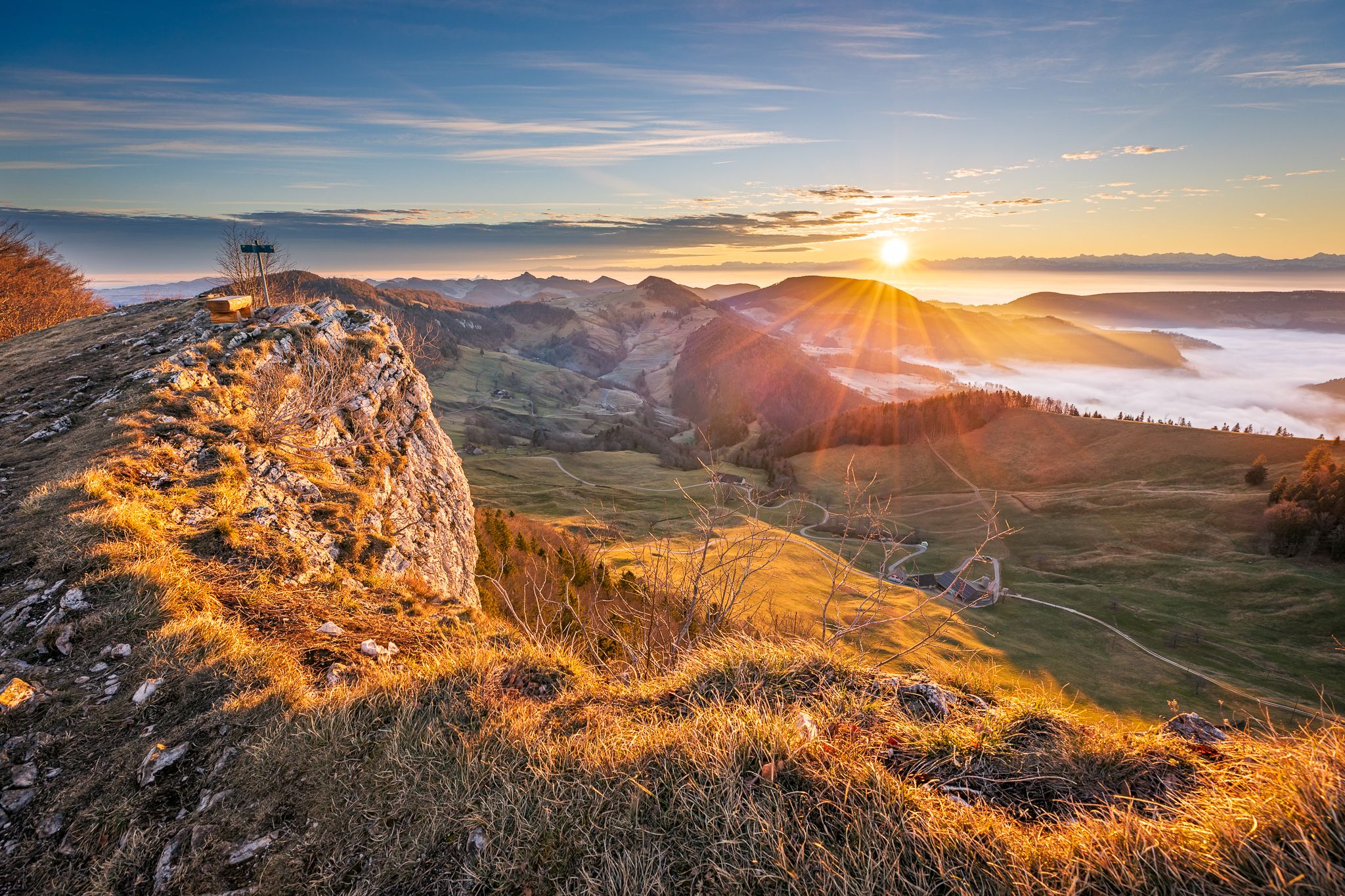
Frohburg Castle Ruins
Highlight • Castle
Translated by Google •
Tip by

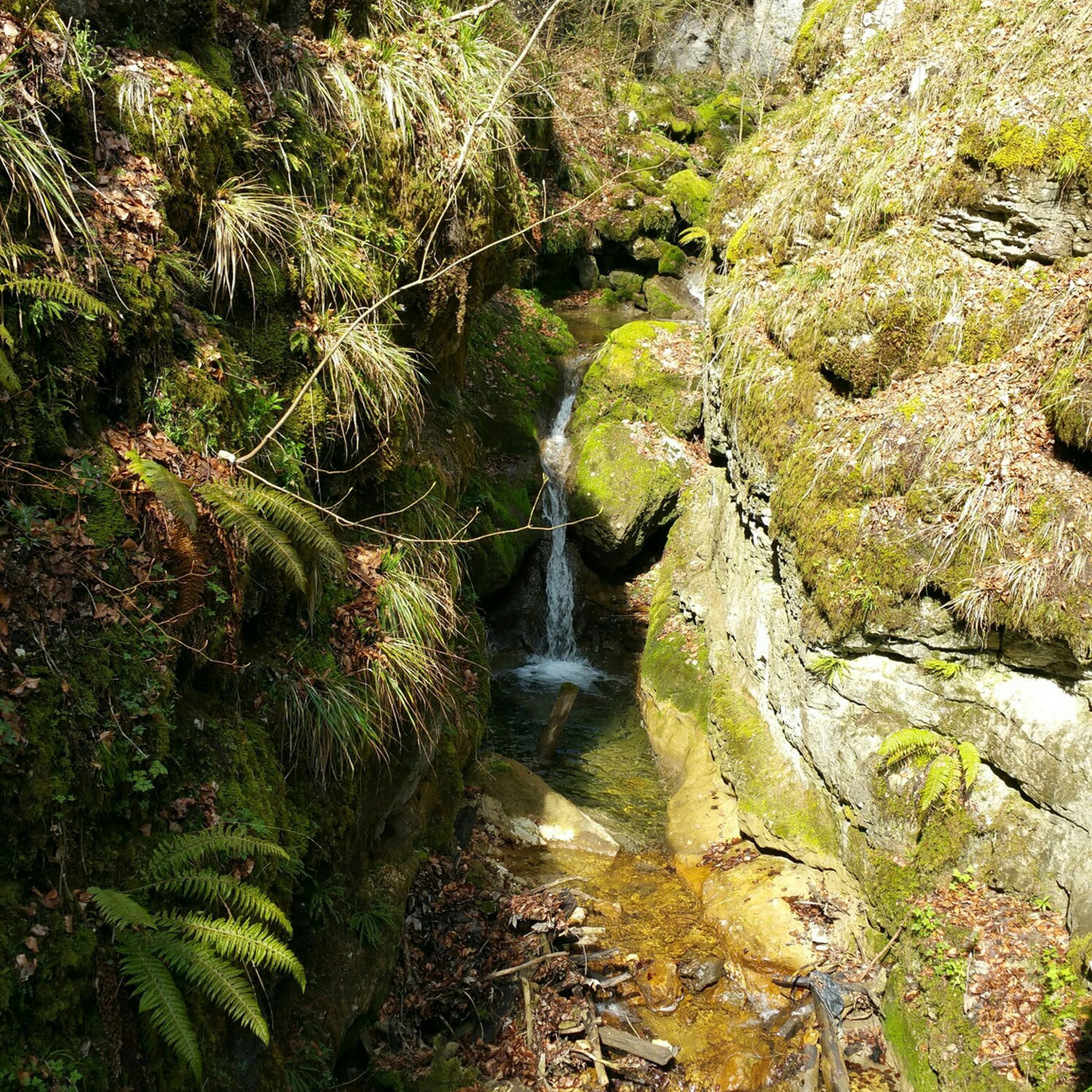
Wartenfels Castle
Highlight • Castle
wartenfels.ch
Translated by Google •
Tip by

Sign up now to discover places like this
Get recommendations on the best single tracks, peaks, & plenty of other exciting outdoor places.
Castle Church Niedergösgen
Highlight • Religious Site
The history of the castle church Niedergösgen
You may feel like many others - wondering about the exterior of the church and associating memories of a medieval …
Translated by Google •
Tip by
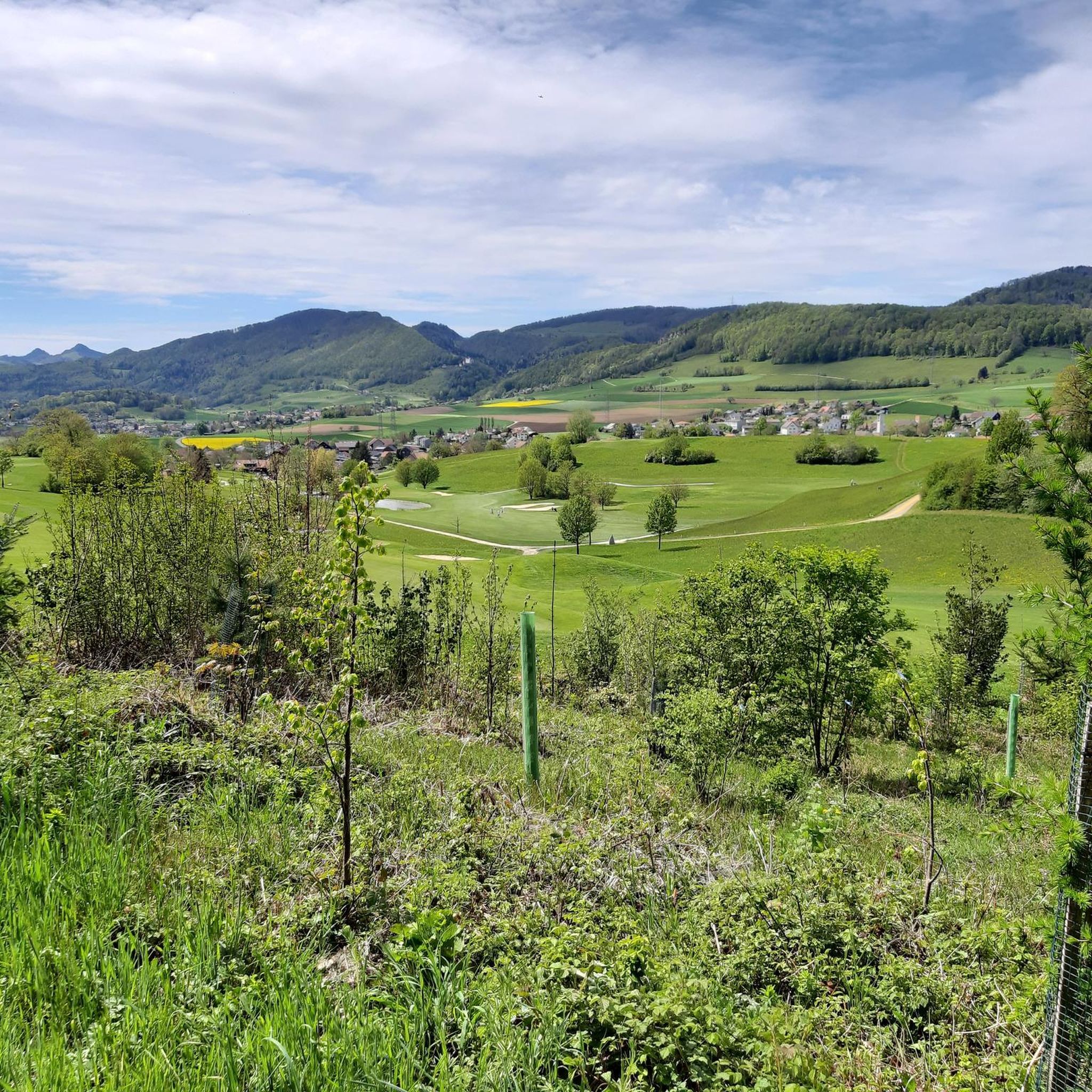
Near Lostorf
Highlight • Settlement
Translated by Google •
Tip by

Kienberg-Heidegg Castle Ruins
Highlight • Castle
Translated by Google •
Tip by

Alt-Kienberg Ruins
Highlight • Castle
Translated by Google •
Tip by
Start today with a free account
Your next adventure awaits.

Other adventures in Gösgen

Tips from the Community

Schloss Wartenfels is located above Lostorf in the canton of Solothurn. The medieval castle complex was built in the 13th century and sits enthroned on a wooded ridge in the Jura mountains. The complex offers a beautiful view over the Mittelland region to the Alps. Today, the castle is a popular destination for excursions and can be partially visited. The combination of historic walls, forest paths, and the tranquil surroundings is particularly charming. The castle provides an impressive insight into the medieval history of the region.
4
0

Here you will find, in addition to the history of the castle, pictures of the renovation and models of how it probably looked once: https://youtube.com/watch?v=7a9dnzcI3_U&is=9tTrZYzJEd7U2cZD
0
0

Small remnants of the former castle can still be found on the mighty rock. Information about them is available on the small information sheet right next to the hiking trail.
0
0
Difficult to reach but nevertheless worth seeing are the ruins of Alt-Krienberg on the mountain ridge. In addition to the tower, other remains of the walls are visible along the trail, as well as a small information board at the beginning.
0
0

Impressive large ruin with many fireplaces. If you are sure-footed and have a head for heights, you can climb the tower, which offers a wonderful view. The ascent is on a steep path in the rock with a wire rope as an aid.
2
0

A beautiful ruin that also offers a good view. It's a pity there aren't any more rooms, there's only the floor plan. Nevertheless, the walls are imposing and definitely worth a visit.
0
1

Opening times during the season (normally closes at the end of October), the castle is open to visitors and to enjoy the castle garden on Sundays from 1:00 p.m. to 5:00 p.m. https://www.wartenfels.ch/
5
0
For those interested in history: The Froburg is one of the oldest and largest fortifications in Switzerland and was first mentioned in a document around 1090. It was the main castle of an influential aristocratic family who controlled the Hauenstein Pass, owned land from Zofingen to Liestal and were the founders of Olten. The Froburgers advised the German emperor, went on crusades and ran a feudal court. In the 13th century they ran out of money and sold the castle, which was destroyed by an earthquake in 1356. For centuries, the ruins belonging to the canton of Solothurn remained overgrown by the forest until the first excavations took place in 1906. Between 1973 and 1977 it was restored and exposed by young volunteers.
4
0
Frequently Asked Questions
What kind of historical sites can I expect to find in the Gösgen region?
The Gösgen region features a mix of historic castles and castle ruins, offering a deep dive into medieval times. You'll find significant rock castle ruins like Frohburg Castle Ruins, which is one of the largest medieval ruins in the Jura Mountains. There are also transformed manor houses such as Wartenfels Castle, and sites where ancient keeps are integrated into modern structures, like the Castle Church Niedergösgen. The region also has other ruins like Alt-Kienberg and Burg Göskon, showcasing centuries of architectural evolution and human settlement.
Are there any castles in Gösgen that offer impressive views?
Yes, several castles in the Gösgen region provide excellent viewpoints. Frohburg Castle Ruins is known for its tower climb, which offers extensive views over the surrounding area. Wartenfels Castle, perched visibly above Lostorf, also provides great views over the Niederamt. The platform in front of the main entrance of the Castle Church Niedergösgen offers a magnificent view, including the collegiate church in Schönenwerd.
Can I visit Wartenfels Castle, and what are its notable features?
Wartenfels Castle is typically open for free public viewing and garden enjoyment on Sundays from 1 PM to 5 PM during its season, which usually concludes in October. This castle originated as a small 13th-century structure and was later transformed into a manor house in the Solothurn country house style during the 17th and 19th centuries. It features a chapel dating to around 1750 and a beautiful French garden.
What makes Frohburg Castle Ruins a significant historical site?
Frohburg Castle Ruins is one of the largest medieval rock castle ruins in the Jura Mountains and holds the highest level of monument protection in Switzerland. The site has a long history of human settlement, dating back to the Bronze Age and Roman period. It was the ancestral castle of the Counts of Frohburg, an influential noble family from the 10th to 14th centuries. Archaeological findings include remains of an iron smelting plant and evidence of bone processing, indicating specialized trades within the castle walls.
Are there family-friendly options when visiting castles in the Gösgen region?
Many of the castle sites in Gösgen are suitable for families. Exploring the expansive Frohburg Castle Ruins can be an adventurous outing, especially with the tower climb for older children. The grounds of the Castle Church Niedergösgen are freely accessible and offer space for exploration. For easy walks that can be enjoyed by families, consider routes like the 'Frohburg Castle Ruins – Froburg Hill loop from Wisen SO' or 'Froburg Hill – Frohburg Castle Ruins loop from Wisenberg', which are listed as easy hikes in the region.
What outdoor activities or hiking trails are available near the castles?
The Gösgen region offers various hiking opportunities near its castles. For instance, you can find easy hikes like the 'Frohburg Castle Ruins – Froburg Hill loop from Wisen SO' (5 km) or 'Froburg Hill – Frohburg Castle Ruins loop from Wisenberg' (3 km) near Frohburg Castle Ruins. For more moderate options, the 'Froburg Hill – Restaurant Froburg loop from Trimbach' (10.8 km) is available. You can explore more hiking trails in the region by visiting the Hiking in Gösgen guide.
How can I reach the castles in Gösgen using public transport?
Public transport options are available for reaching some of the castles. For Wartenfels Castle, you would typically travel to Lostorf. For Frohburg Castle Ruins, Trimbach is a common starting point. From these villages, local buses or a walk might be required to reach the castle sites. It's advisable to check local bus schedules for the most up-to-date information.
Are there parking facilities available at the castles?
Parking options vary by castle. For Frohburg Castle Ruins, there are usually designated parking areas in Trimbach or nearby starting points for the hike up to the ruins. For Wartenfels Castle, parking is generally available in Lostorf or closer to the castle grounds, especially on public viewing days. The Castle Church Niedergösgen, which houses the municipal administration, also has parking nearby.
What is the best time of year to visit the castles in Gösgen?
The best time to visit the castles in Gösgen is generally during the spring, summer, and early autumn months (April to October). During this period, the weather is more favorable for exploring ruins and gardens, and specific sites like Wartenfels Castle have regular public opening hours. Visiting outside of these months might mean limited access or less pleasant weather for outdoor exploration.
Are there any dog-friendly trails or areas around the Gösgen castles?
Yes, many of the outdoor areas and hiking trails around the Gösgen castles are dog-friendly. For example, the trails leading to Frohburg Castle Ruins and the surrounding natural areas are generally suitable for walks with dogs, provided they are kept on a leash. The grounds of Castle Church Niedergösgen are also freely accessible. Always ensure to follow local regulations regarding pets and clean up after your dog.
Are there any cafes or restaurants near the Gösgen castles?
Yes, you can find dining options near some of the castles. For instance, there is a Restaurant Schloss Falkenstein on the west side of the Castle Church Niedergösgen complex. Near Frohburg Castle Ruins, you might find restaurants or cafes in nearby villages like Trimbach or Wisen SO. For Wartenfels Castle, Lostorf offers local establishments.
What is the history of Niedergösgen Castle?
Niedergösgen Castle, also known as Falkenstein Castle, dates back to around 1230. Originally built by Gerhard I. von Gösgen, it was a large fortress. Today, only the keep (Bergfried) and the lower castle with two gates remain. The keep is now integrated as the bell tower of the Castle Church Niedergösgen. The castle was destroyed by Solothurn in 1444 during the Old Zurich War, rebuilt, and then destroyed again by the French army in 1798. The lower castle, however, remained inhabited and now houses the municipal administration.
Are there any lesser-known or 'hidden gem' castle ruins in the region?
Beyond the more prominent sites, the region also features lesser-known ruins like Alt-Kienberg Ruins. These ruins, though difficult to reach, are considered worth seeing, with the tower and other wall remains visible along the trail. Another ruin is Burg Göskon in Obergösgen, built around 1230, which shows evidence of an older fortified settlement and unique features like a tuff-clad room, possibly a water cistern.
Most popular routes in Gösgen
Most popular attractions in Gösgen

Get inspired with the komoot mobile app


Didn’t find what you were looking for?
Explore Gösgen’s best castles region by region:
Explore more
Looking for the best castles somewhere else? Discover other guides in Gösgen:
