The best gravel rides around Abanilla
5.0
(2)
12
riders
6
rides
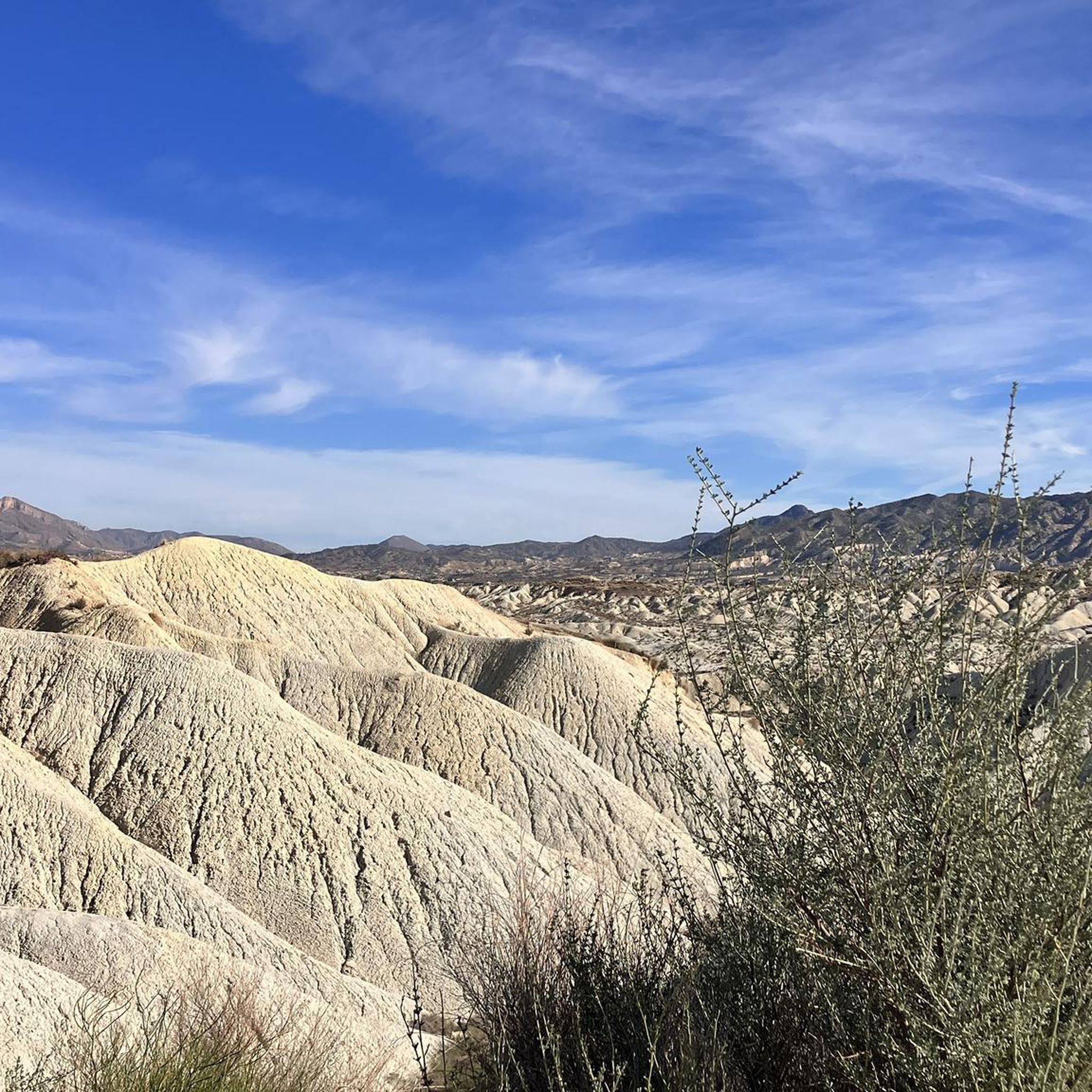
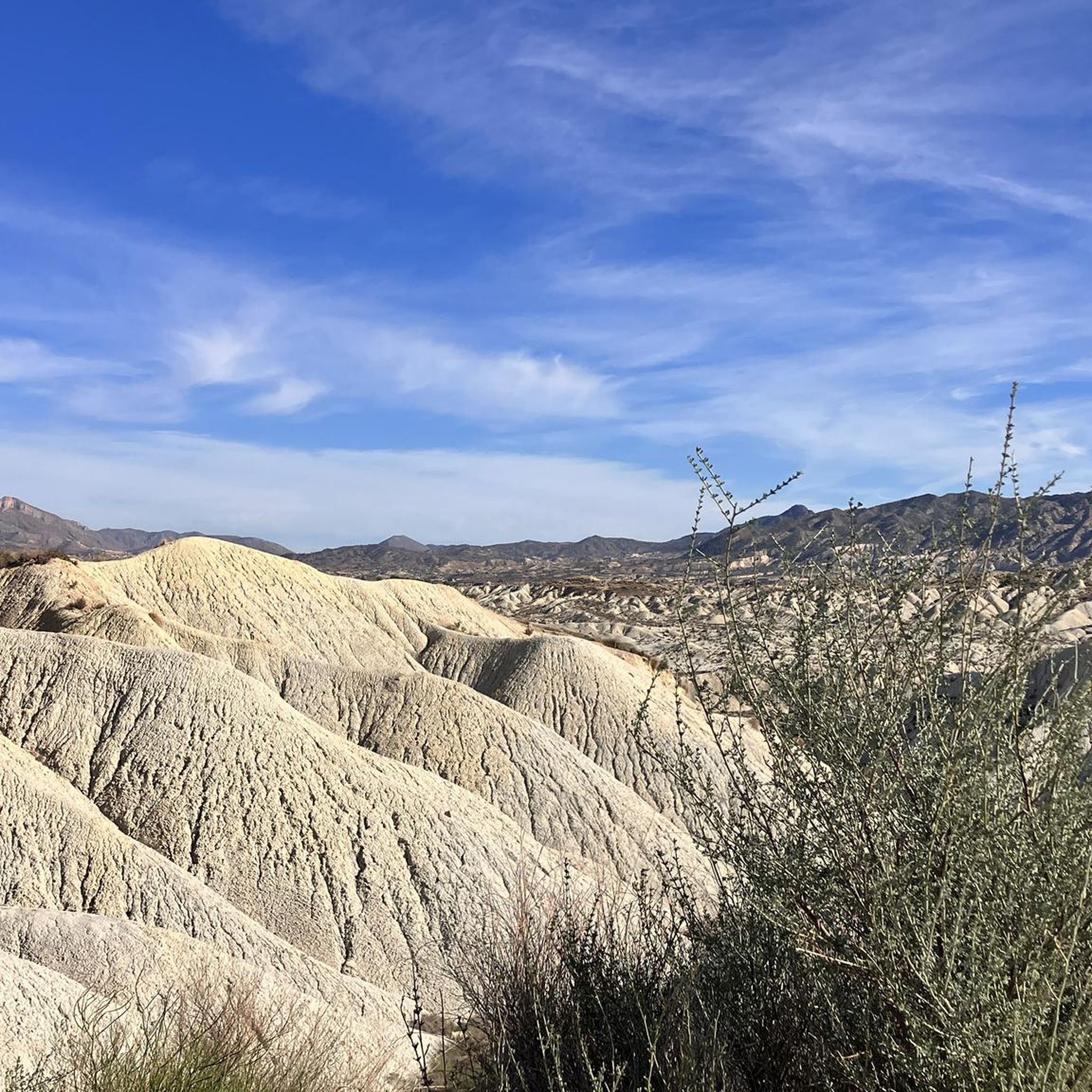
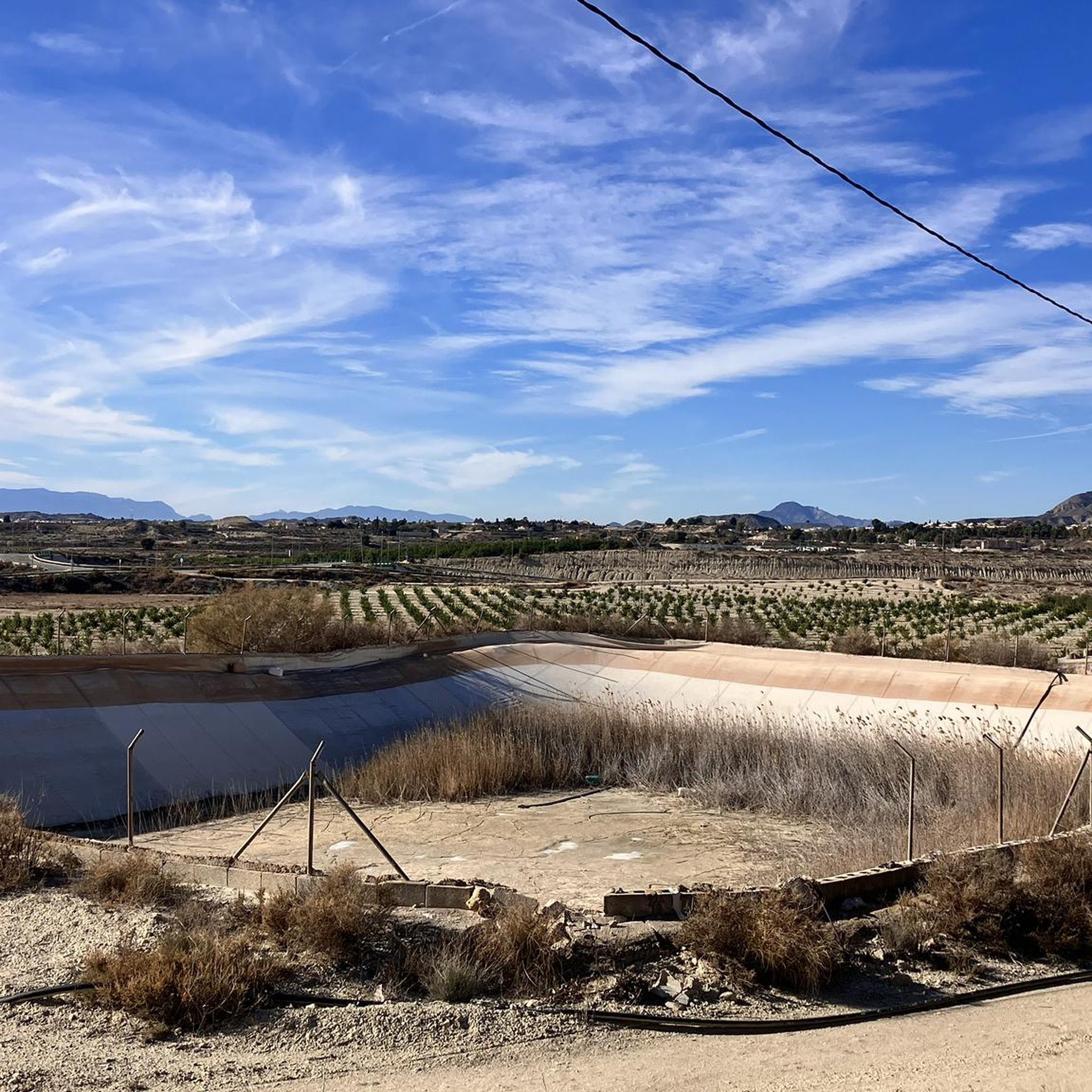
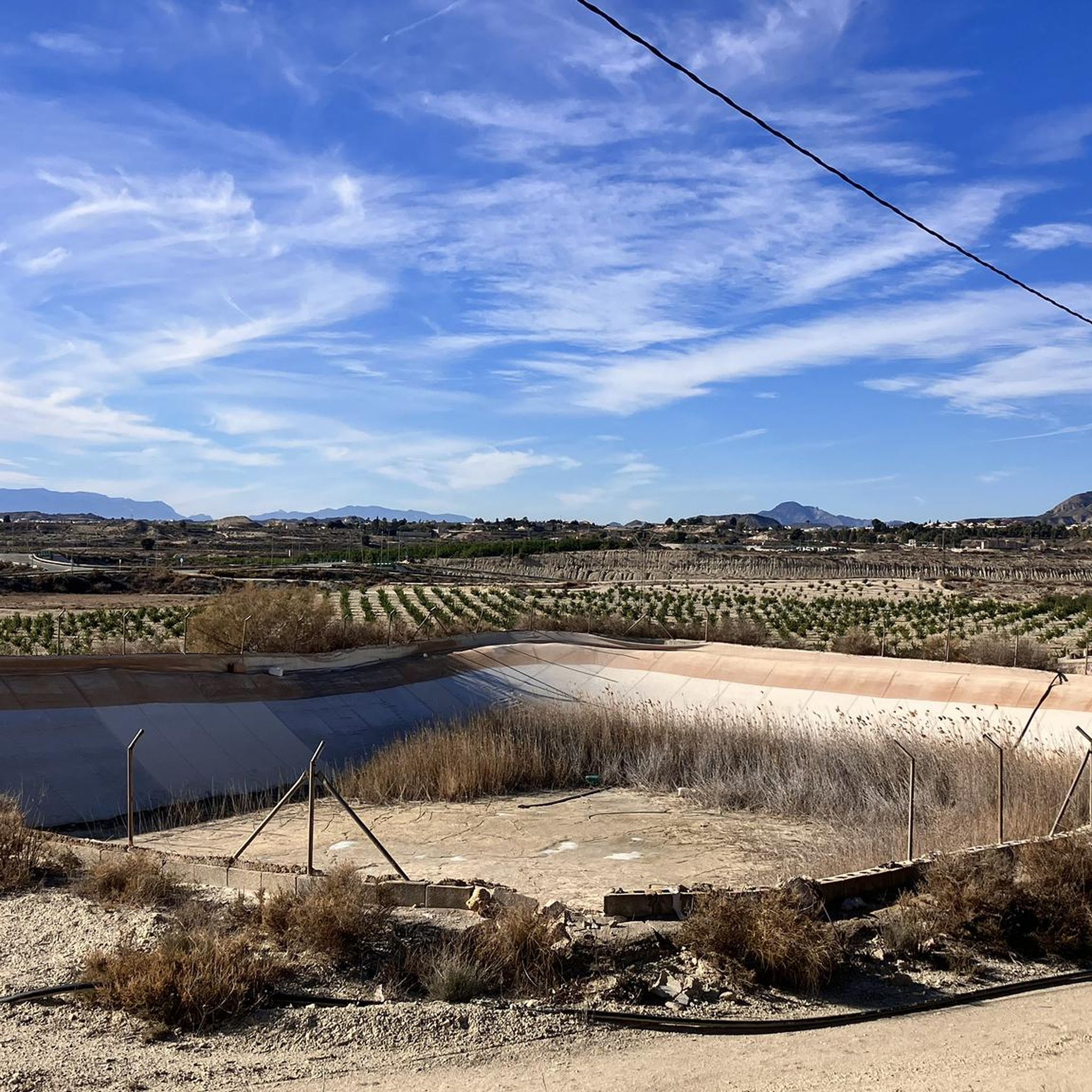
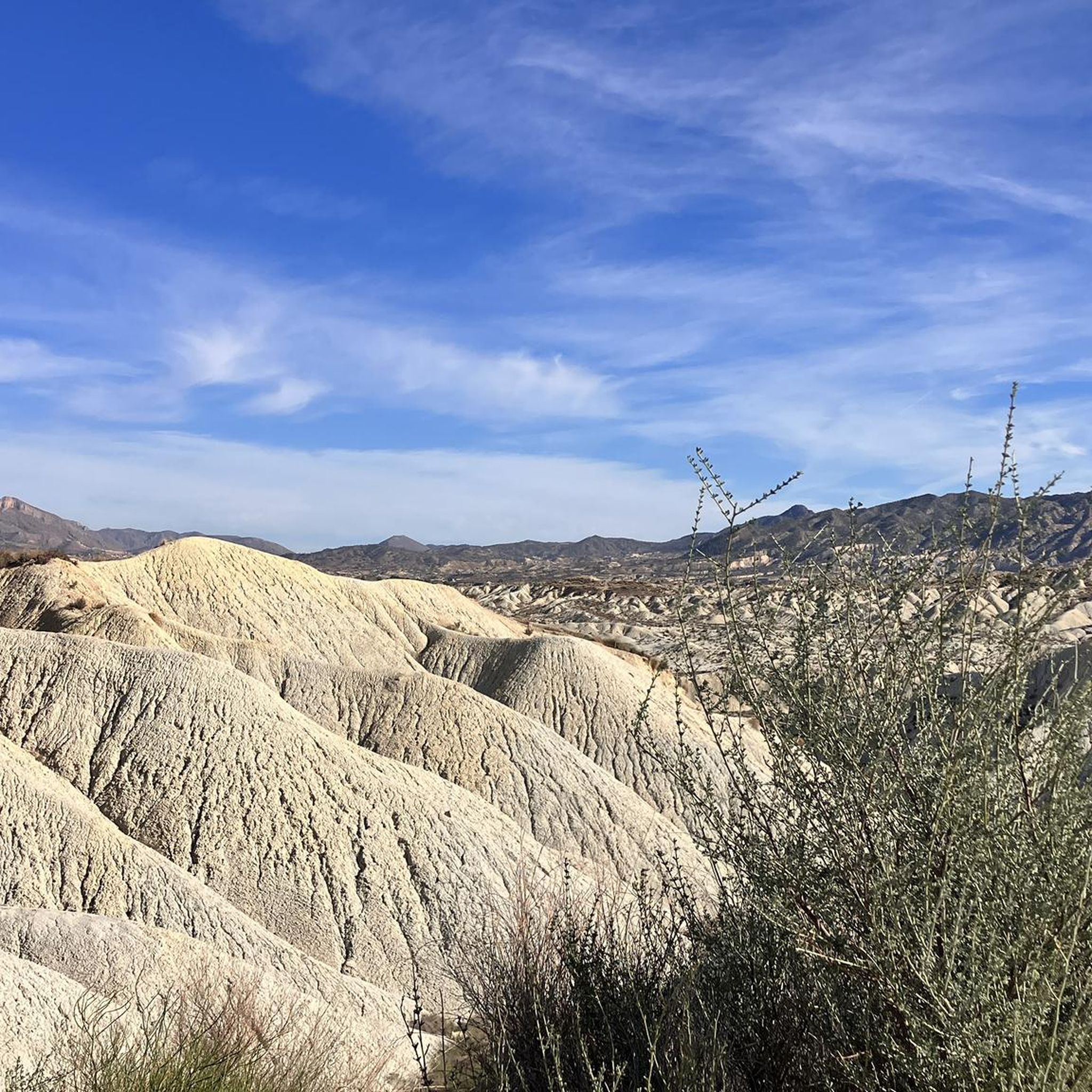
Gravel biking around Abanilla offers diverse landscapes, from arid "lunar" badlands and semi-desert terrain to verdant river canyons and mountainous areas. The region is characterized by unique eroded geological formations, deep furrows, and gullies, particularly in the Desierto de Abanilla. In contrast, the Chícamo River carves through the landscape, creating green oases with palm groves. Abanilla's varied topography provides a mix of terrain suitable for different gravel biking experiences.
Best gravel bike trails around Abanilla
- The most popular gravel bike…
Last updated: July 8, 2026
5.0
(1)
3
riders
24.8km
02:08
640m
640m
Hard gravel ride. Very good fitness required. Mostly paved surfaces. Suitable for all skill levels.
2
riders
74.4km
05:13
1,040m
1,040m
Hard gravel ride. Very good fitness required. You may need to push your bike for some segments of this route.

Sign up for free
5.0
(1)
1
riders
Moderate gravel ride. Good fitness required. Mostly paved surfaces. Suitable for all skill levels.
2
riders
46.1km
02:42
160m
160m
Moderate gravel ride. Good fitness required. Mostly paved surfaces. Suitable for all skill levels.
2
riders
13.5km
00:50
60m
60m
Easy gravel ride. Great for any fitness level. Mostly paved surfaces. Suitable for all skill levels.
Our route recommendations are based on thousands of hikes, rides, and runs completed by other people on komoot.
Start today with a free account
Your next adventure awaits.
Login or Signup
Tips from the Community

The Cabezo de Turra Hostel is a rural accommodation in the Sierra de la Pila, in Fortuna (Region of Murcia), ideal for enjoying nature, with capacity for 28 people, heating and basic services.
0
0
Crossroads of forest paths in the Sierra de la Pila
0
0


Former episcopal city - typical Spanish city - lively Orihuela is located on the left bank of the Río Segura (60 km south of Alicante) and surrounded by a green valley with palm trees and citrus groves. It is a former episcopal city at the foot of a mountain with ruins of a fortress and buildings of the seminary. From the seminary you have a beautiful view. The historic center bears witness to a rich past, with Gothic and Baroque heritage, religious buildings and museums. In this typical Spanish city it is lively and cozy in both the old and the new city, with numerous restaurants, bars and terraces. The brightly colored houses on the river Segura in the center, may remind you of Gerona. In addition to the palm gardens of Elche, the palm forest (Palmeral) of Orihuela is also worth a visit. The forest, the second largest in Europe, is located on the edge of the historic centre History The city was called 'Aurariola' under Roman rule and 'Orguëla' under the Moors. In the 9th century, Orihuela was the capital of the Duchy of Teodomiro. After that, it was under the rule of the Umayyad Caliphate. In 1242, after the liberation from the Moors, the city was incorporated into the Kingdom of Valencia. It flourished during the period when it was a bishopric in 1564. After the war of succession, the city was destroyed by the troops of Philip V because Orihuela had sided with Austria. In 1910, the writer/poet Miguel Hernández was born in the city and his house can now be visited as a museum Nature - Active The city is surrounded by palm trees and orange and lemon groves. On the edge of the historic centre is the Palm Grove (Palmeral) and offers the perfect location for nature watching, picnicking or a pleasant walk. The Natural Park, "Pinar de Bonanza", is just outside the town (4.5 km north-west). This nature reserve has an interesting variety of fauna and flora, and is a popular place for cycling, walking and picnicking. The River Segura runs through the heart of Orihuela and is ideal for a relaxing walk. To the south, near the village of Torremendo, is the beautiful Pedrera reservoir, with its bright blue colours. There are beautiful views of the lake from various viewpoints. You can cycle and walk around the lake. You can go canoeing on the lake
0
0

Catholic Church, Calle Iglesia, 03316 Benferri, Alicante
0
0


Nice enclave next to Segura
0
0

Frequently Asked Questions
How many gravel bike trails are available in Abanilla?
There are 6 gravel bike routes around Abanilla, offering a variety of experiences from easy to difficult. These routes allow you to explore the region's unique landscapes.
What kind of terrain can I expect on gravel bike trails in Abanilla?
Abanilla's gravel trails feature a highly diverse topography. You'll encounter arid, 'lunar' badlands with eroded geological formations, semi-desert terrain, and verdant river canyons like the Chícamo River. Some routes also venture into mountainous areas such as the Sierra de El Cantón. While some segments are paved, many unpaved sections require good fitness and riding techniques. Be aware that the unique clay soil in the desert can become very sticky after rain.
Are there any easy gravel bike routes suitable for beginners or families in Abanilla?
Yes, there is an easy route available. The JB Bar & Café loop from Benferri is a shorter, less challenging option, perfect for those looking for a relaxed ride or for families with some cycling experience.
What are some challenging gravel bike routes in Abanilla for experienced riders?
For experienced riders seeking a challenge, Abanilla offers several difficult routes. Consider the Ca Byron – Rabasa Viewpoint loop from el Pinós / Pinoso, which is over 74 km long with significant elevation gain, or the Puerto Frío Pass – Mojón de las Cuatro Caras loop from La Garapacha, a demanding 24 km ride.
What are the best times of year to go gravel biking in Abanilla?
The best times for gravel biking in Abanilla are typically spring and autumn when temperatures are milder. Summers can be very hot, especially in the arid desert areas. Winters are generally mild but be mindful that the unique clay soil can become extremely sticky and difficult to navigate after rainfall.
Are there any circular gravel bike routes in Abanilla?
Yes, all the gravel bike routes listed for Abanilla are circular. This includes options like the Narrow Streets of Pinoso – Natural Spring of El Coto loop from el Pinós / Pinoso and the Segura River – Orihuela loop from Benferri, allowing you to start and finish at the same point.
What interesting natural features or landmarks can I see along the gravel trails in Abanilla?
Abanilla's trails offer access to stunning natural features. You can explore the otherworldly Desierto de Abanilla with its 'lunar' landscapes, or the lush Chicamo River Canyon. Other notable highlights include Los Baños de Fortuna, known for its thermal springs, and the unique La Rambla Salada.
Are there any waterfalls to see on the gravel bike routes?
While not directly on every gravel route, the region around Abanilla does feature a Final Waterfall of the Via Ferrata, which is a notable highlight in the area's gorges and canyons. You might be able to incorporate a visit to this or other water features depending on your chosen route and exploration.
What do other gravel bikers enjoy most about Abanilla?
The komoot community highly rates Abanilla, with an average score of 5.0 stars. Riders often praise the region's incredibly diverse and unique landscapes, from the 'lunar' badlands to the green river canyons, which offer a truly immersive and visually stunning experience.
Are there any towns or villages along the routes where I can find amenities?
Yes, some routes pass through or near towns where you can find amenities. For example, the Narrow Streets of Pinoso – Natural Spring of El Coto loop from el Pinós / Pinoso starts and ends near El Pinós Town Center, and the Segura River – Orihuela loop from Benferri passes near Orihuela. These locations typically offer places to refuel or rest.
Most popular attractions around Abanilla

Get inspired with the komoot mobile app


Explore more
Browse the best Gravel rides in other regions.
