Top 20 Lakes around Linter
Best lakes near Linter are found in the vicinity of this Flemish Brabant municipality, offering diverse natural water bodies. While Linter itself does not host large lakes, nearby areas feature significant natural reserves and estates with water features. The region provides opportunities for nature observation, walking, and family-friendly recreation. Linter is known for its natural inland lakes, estate ponds, and nature reserve ponds.
Best lakes around Linter
- The most popular lakes is Lake Het Vinne, a lake that is…
Last updated: June 21, 2026
Lake Het Vinne
Highlight • Lake
Translated by Google •
Tip by

Boardwalk Through Het Vinnemeer
Highlight • Trail
Translated by Google •
Tip by
Sign up now to discover places like this
Get recommendations on the best single tracks, peaks, & plenty of other exciting outdoor places.
Sign up for free
Hélécine Estate
Highlight • Parking
Translated by Google •
Tip by
Rozendaalbeekvallei Pond
Highlight • Lake
Translated by Google •
Tip by
Hay meadow in De Beemden
Highlight • Forest
Translated by Google •
Tip by
Sign up for free to discover even more lakes around Linter.
Sign up for free
Already have an account?
Start today with a free account
Your next adventure awaits.
Login or Signup
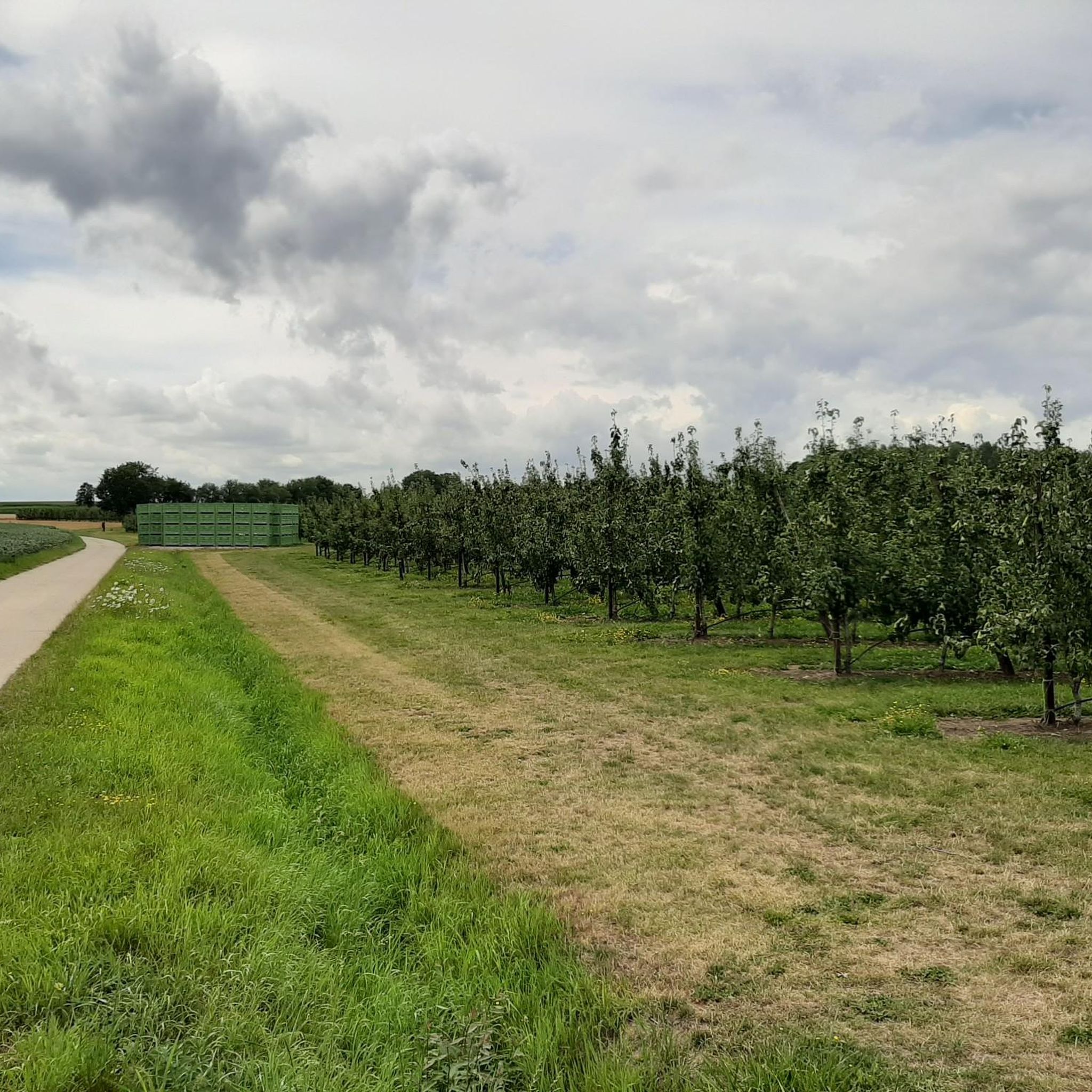

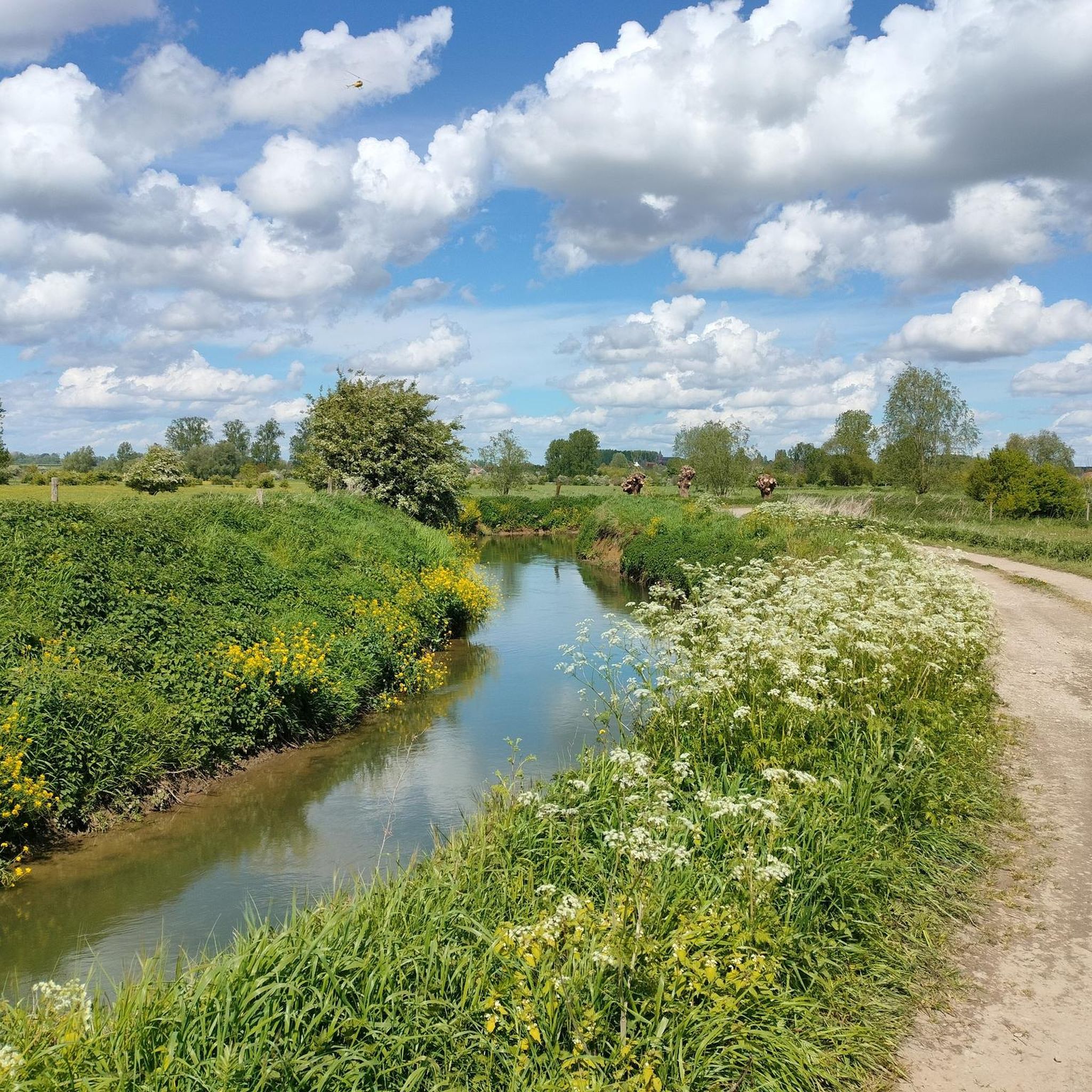
Other adventures around Linter

Tips from the Community

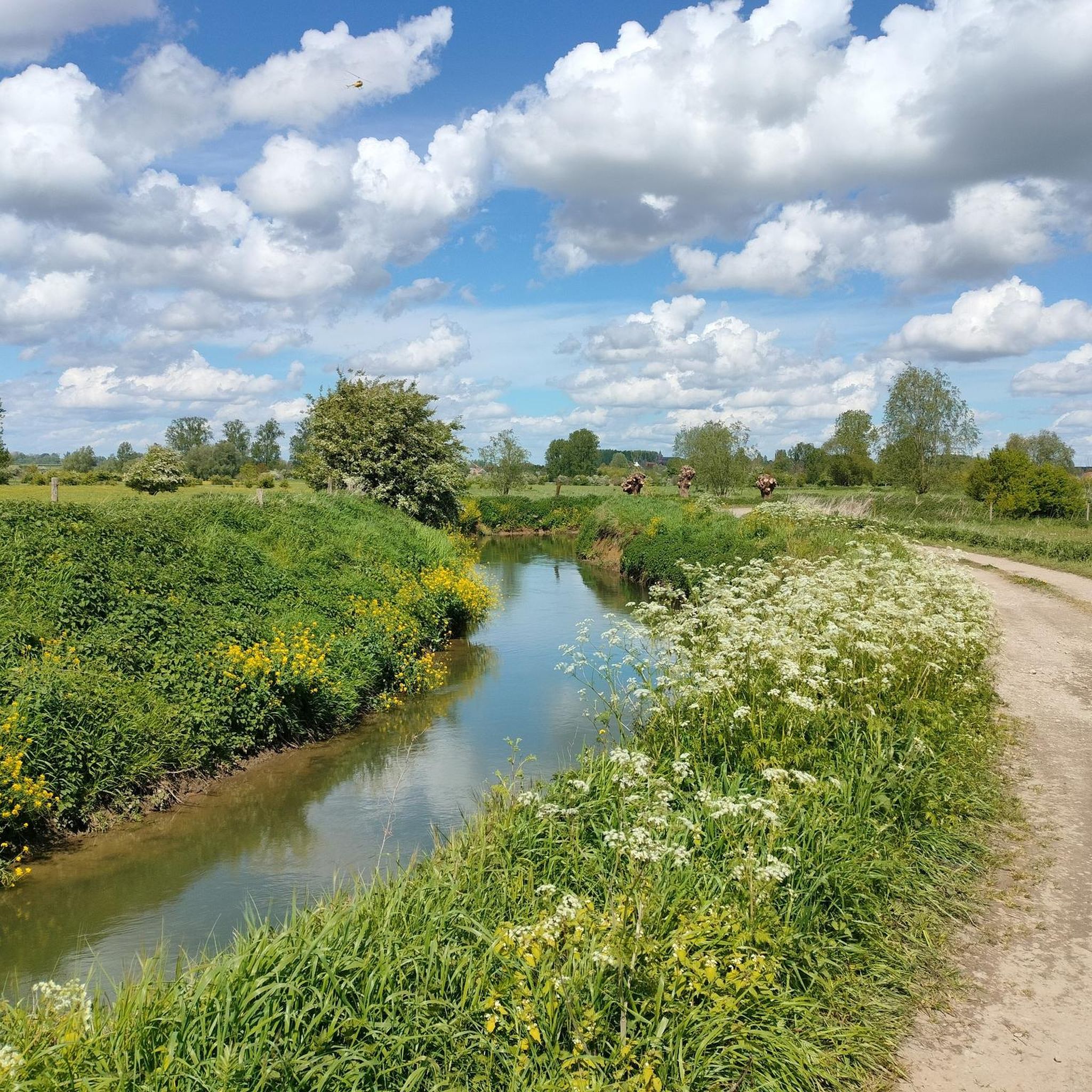
The pond, which has been there for years, has a small wooden platform for those who are interested, and is located near the small bridge over the stream once you've descended the paths leading to the higher village center. You are now at the same altitude as the road to Aarschot and can walk around the pond, which is connected to the meadows by the path. The Rozendaalbeek is a tiny stream that rises just outside Tienen on the northwest side in two amphitheater-shaped slopes. After just a few hundred meters, the two separate branches meet and together form the Roosdaalbeek, which is indicated on maps as the "Vlietende beek" (Flying Brook). Typical of the Rozendaalbeekvallei nature reserve is its secluded location between the two parishes of Vissenaken. Yet, you hardly notice this as you walk through the valley. The wet grasslands furthest downstream between Metselstraat and Hymelinusstraat, which were purchased first, are the most visible. The other plots are less well-known because they offer less visibility. Source and much more at http://www.velpe-mene.be/tienen/rozendaalbeekvallei.htm
3
0

Where water and reeds feel connected...
4
0

The description is very accurate. Thank you.
1
0

Very relaxing, beautiful well-maintained paths.
0
0

beautiful pond, surrounded by willows and reeds
2
0
beautiful pond, surrounded by willows and reeds
2
0
In the midst of the large-scale cultural landscape, this area is one of the last refuges for wild animals and plants in Landen. Small willow groves spontaneously developed between the ponds, where woodpeckers and golden orioles, among others, make their nests. The relatively pure groundwater in the ponds makes a very varied aquatic life possible, ranging from the large yellow-edged water beetle to dragonflies, fish and kingfishers. The pussy willows around the ponds are particularly striking. They grow quickly, but their branches break off easily. Because they do not contain any hard heartwood, birds such as the green and the great spotted woodpecker use them to carve out their nests. The branches that hang close to the water offer ideal resting or viewing places for wild ducks and blue herons. They are especially vital for the kingfisher. Sitting on a lookout post, it hunts for rudd, sticklebacks and other aquatic animals in the water. In early summer, white foam drops sometimes fall from the pussy willows: cuckoo spit. It comes from the larvae of the foam cicada, which produce foam and hide in it. Many other insects live on the pussy willows. They are eagerly eaten by insectivorous birds such as the chiffchaff, the willow warbler and the spotted flycatcher. The bankside vegetation with bulrush, hairy willowherb and marsh sedge offers nesting opportunities for the moorhen and the coot. In summer, many dragonflies and damselflies float above and around the ponds, the most striking of which is the large emperor dragonfly. Swallows hunt for mosquitoes above the ponds. This is therefore the ideal place for a hobby to catch both a swallow and a large dragonfly. In addition to the various types of grass, you will find plants here that feel at home in a dry, calcareous environment. Striking features include the box pod, the cinquefoil and the wild marjoram. Here you can observe numerous species of butterflies in the summer. From the piled-up area you have a good view of the reed field, the breeding area of the reed warbler, the sedge warbler, the reed bunting and many other marsh birds. Wood edges screen the hayfield and the berry or nut-bearing shrubs offer shelter and food to birds such as the garden warbler, chiffchaff and jay. On the darkest parts you can sometimes find glowworms in the evening. Source: https://www.natuurpunt.be/natuurgebieden/beemden-landen
7
0

Always very pleasant to walk/run in this beautiful park
1
0
Frequently Asked Questions
What kind of natural features can I expect to see at the lakes near Linter?
The lakes in the vicinity of Linter offer diverse natural features. At Lake Het Vinne, you'll find Flanders' largest natural inland lake, a 120-hectare natural reserve ideal for migratory birds, with extensive hiking trails and heath-like vegetation. The Rozendaalbeekvallei Pond is part of a small nature reserve with wet grasslands and reeds.
Are there family-friendly activities available at the lakes?
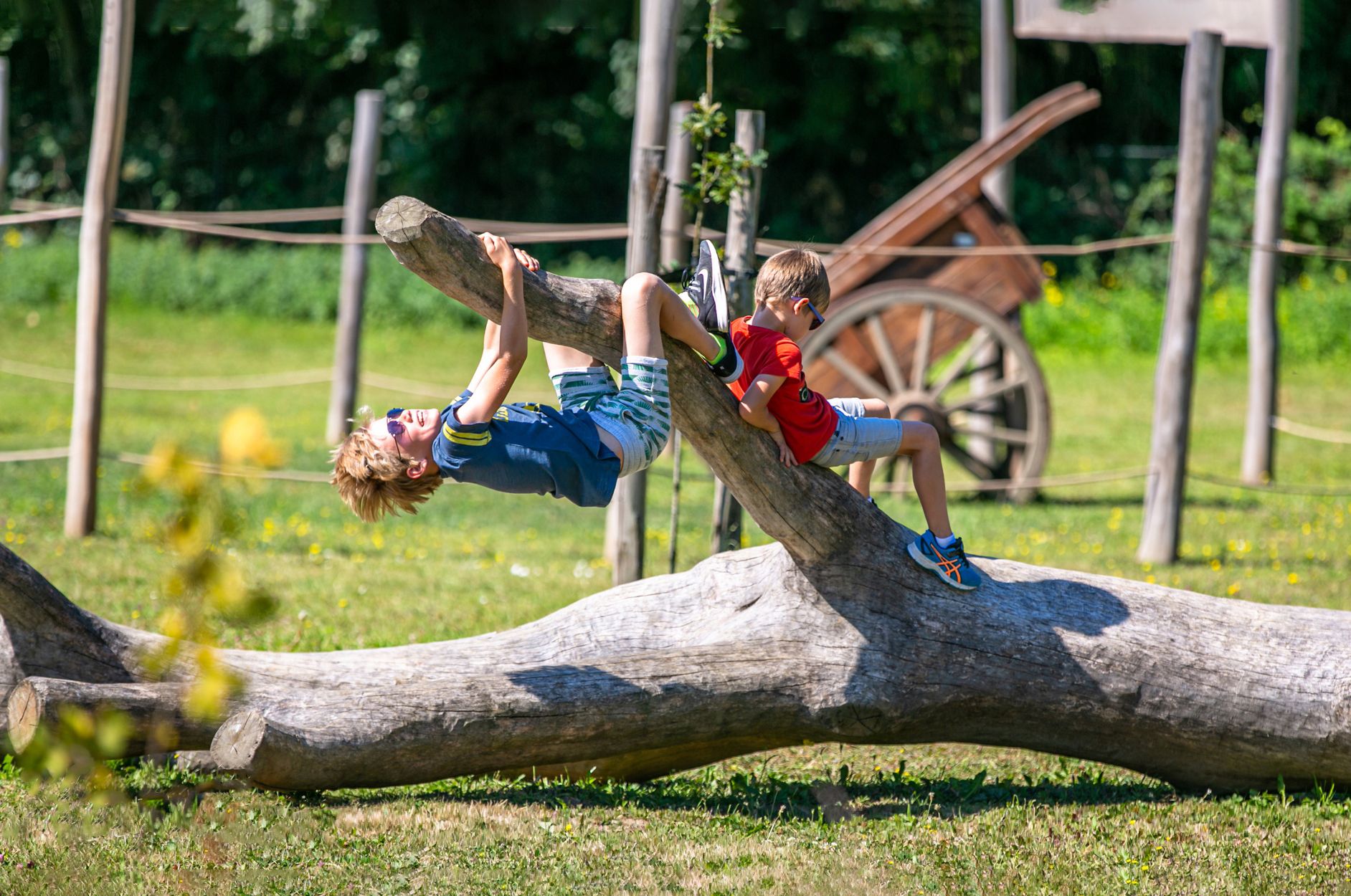
Yes, several lakes offer family-friendly activities. Lake Het Vinne has a playground, a play forest, a sensory experience path, and a visitor center where you can reserve GPS devices for geocaching. The Hélécine Estate features two playgrounds, landscaped mini-golf, and pétanque, making it ideal for families.
Can I go hiking or walking around the lakes?
Absolutely. Lake Het Vinne offers adventurous hiking trails, including a unique Boardwalk through Het Vinne that allows you to walk above the water. The Hélécine Estate also has a 28-hectare walking park.
What is the best time to visit the lakes near Linter?
The lakes are generally accessible year-round from sunrise to sunset. For birdwatching, spring and autumn are excellent due to migratory birds at Lake Het Vinne. In spring and summer, some boardwalks might feel narrower due to overgrown reeds, but you can still enjoy the scenery and water lilies.
Are there opportunities for birdwatching?
Yes, Lake Het Vinne is an excellent spot for birdwatching, being a significant habitat for migratory birds. There are watchtowers and bird hides, including a dedicated Birdwatching Hut on the Lake, where you can observe waterfowl like cormorants.
Are there any historical sites or landmarks near the lakes?
Yes, the Hélécine Estate is a notable historical site. It features a castle, a 19th-century icehouse, and a giant sundial within its expansive park, offering a blend of history and nature.
What kind of cycling routes are available near the lakes?
You can find various cycling opportunities near the lakes. For touring bicycles, there are routes like the 'Beguinage Church Ruins, Tienen – Vianderdomein Ponds loop from Linter'. If you prefer gravel biking, consider routes such as 'Gravel Path Through the Fields – Narrow Path Along Hedge loop from Tienen'. For mountain biking, there are trails like 'Kleine Gete Stream – Scenic Forest Trail (MTB) loop from Linter'. You can explore more options in the Cycling around Linter, Gravel biking around Linter, and MTB Trails around Linter guides.
Are there facilities like cafes or picnic spots near the lakes?
At Lake Het Vinne, there's a visitor center. The Hélécine Estate has a Pop Up Bar with a terrace open on specific days, and designated picnic spots, including a lawn at the third pond.
Is there parking available at the lakes?
Yes, parking is generally available. For instance, the Hélécine Estate is listed as having parking facilities. Lake Het Vinne, being a provincial domain, also provides visitor access.
Are any of the lake areas wheelchair accessible?
Yes, Lake Het Vinne is noted as being wheelchair accessible. The visitor center offers two all-terrain wheelchairs and slings free of charge, ensuring greater accessibility for visitors.
What do visitors enjoy most about the lakes around Linter?
Visitors particularly appreciate the serene natural beauty and the opportunities for nature observation, especially birdwatching. The well-maintained hiking trails and boardwalks, like the Boardwalk through Het Vinne, are highly rated. Family-friendly amenities at places like Hélécine Estate also receive positive feedback for their mix of recreation and natural exploration.
Most popular attractions around Linter

Get inspired with the komoot mobile app


Explore more
Still not found your perfect lake around Linter? Check out the guides of these regions to see even more beautiful places.
