Top 20 Natural Monuments in Utrecht
Best natural monuments in Utrecht include a diverse range of natural spaces, from ancient forests to expansive sand drifts. The region features the Utrechtse Heuvelrug National Park, a geological formation from the Ice Age, offering varied landscapes. These areas provide opportunities for outdoor activities and showcase significant natural features. Utrecht's natural monuments are characterized by their unique geological formations and rich biodiversity.
Best natural monuments in Utrecht
- The most popular natural monuments is Bornia Sand Drift, an other natural area known for its diverse landscapes. This estate offers varied scenery around every corner, providing many spots to enjoy nature.
- Another must-see spot is Heidestein Forest Lake, a lake set in a fairytale environment, especially with its tunnels. Visitors can enjoy beautiful colors in the fall and a path that leads around the lake.
- Visitors also love Soesterduinen, a unique dune landscape. This area features beautiful dune landscapes with trees between sandy areas, surrounded by forest.
- Utrecht is known for its sand drifts, forests, and lakes. The region offers a variety of natural monuments to see and explore, from ancient trees to vast national parks.
- The natural monuments in Utrecht are appreciated by the komoot community, with more than 150 highlights, over 300 photos, and more than 1000 upvotes.
Last updated: October 13, 2026
Pyramid of Austerlitz
Highlight • Monument
Translated by Google •
Tip by

Amerongse Berg
Highlight • Summit
Translated by Google •
Tip by

Sign up now to discover places like this
Get recommendations on the best single tracks, peaks, & plenty of other exciting outdoor places.
Heidestein Forest Lake
Highlight • Lake
Translated by Google •
Tip by

Lone oak
Highlight • Natural Monument
Translated by Google •
Tip by
Bosmeer Pond in Utrechtse Heuvelrug
Highlight • Lake
Tip by

Let de Stigter Path
Highlight (Segment) • Cycleway
Translated by Google •
Tip by

Soesterduinen
Highlight • Natural
Translated by Google •
Tip by

The Soester Dunes
Highlight • Natural Monument
Translated by Google •
Tip by

Bornia Sand Drift
Highlight • Natural
Translated by Google •
Tip by

View of Kwintelooyen
Highlight • Viewpoint
Translated by Google •
Tip by

Sign up for free to discover even more natural monuments in Utrecht.
Already have an account?
Start today with a free account
Your next adventure awaits.
Popular around Utrecht
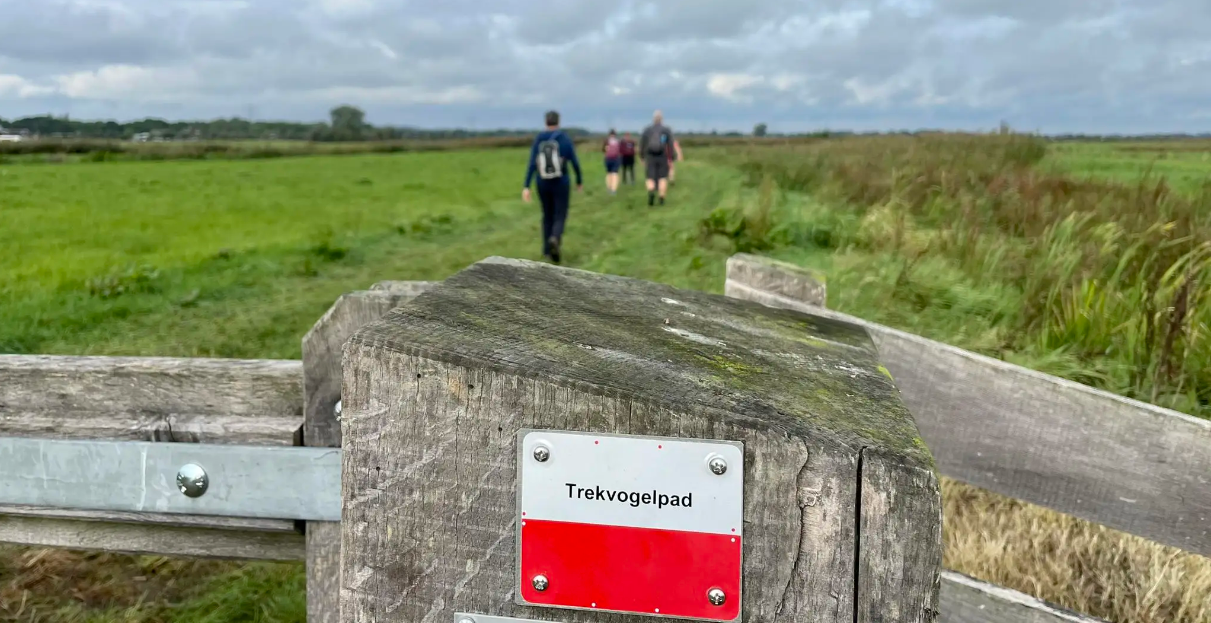
Trekvogelpad (LAW 2) – Bird watching from Bergen aan Zee to Enschede
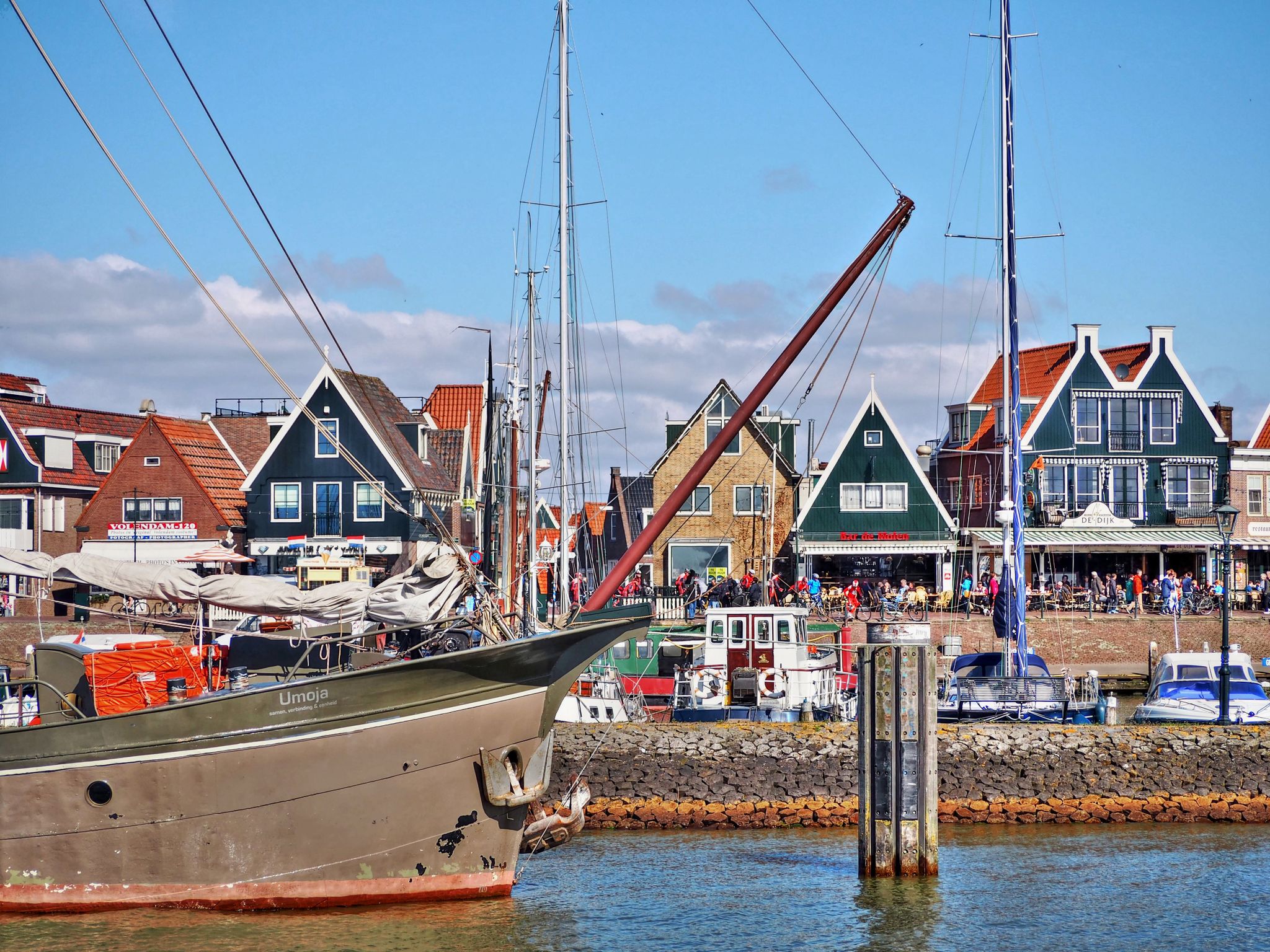
Cycling the LF Zuiderzee Route – Delve into history around IJsselmeer lake
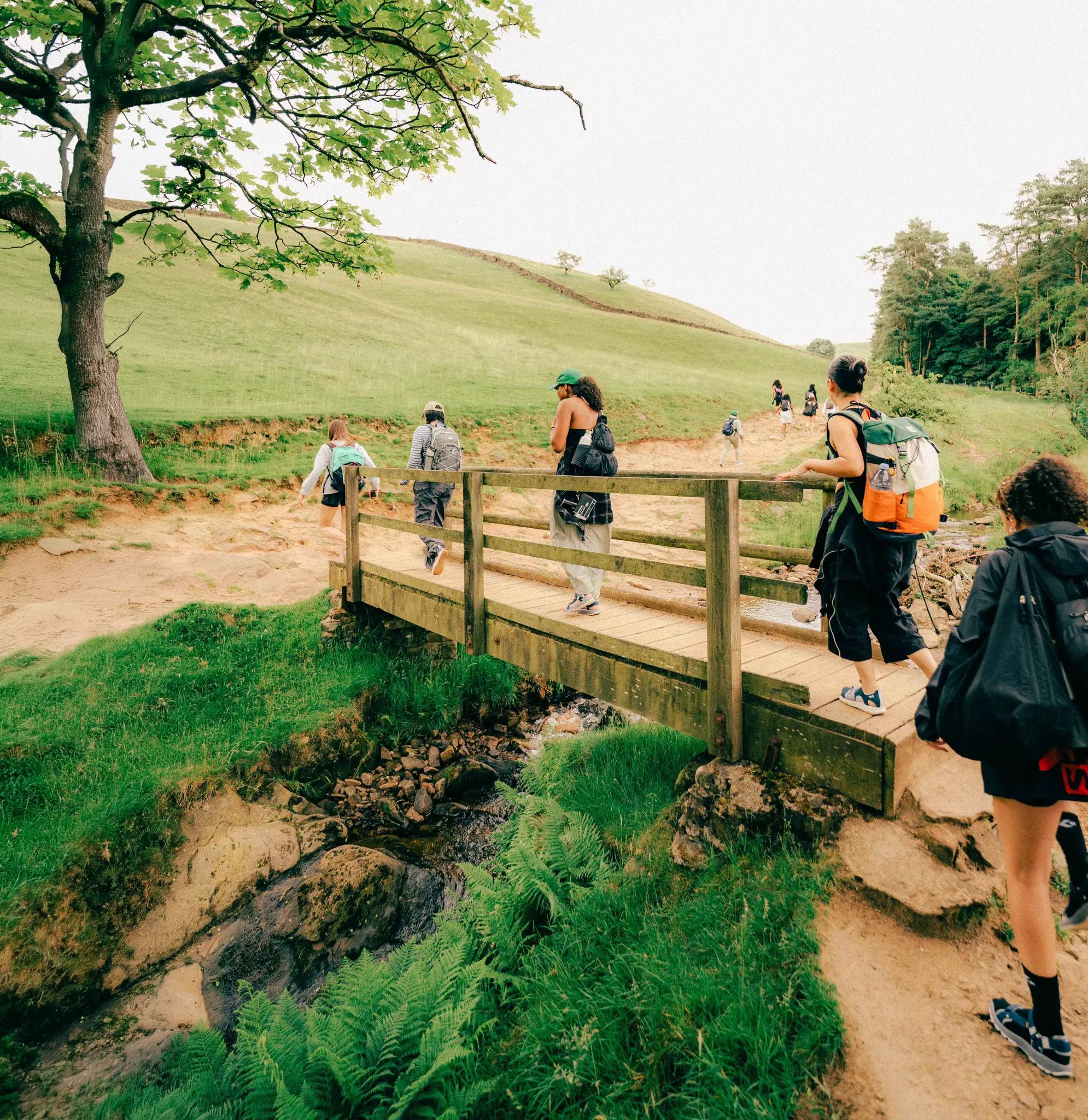
Scenic Trails to Natural Swimming Spots
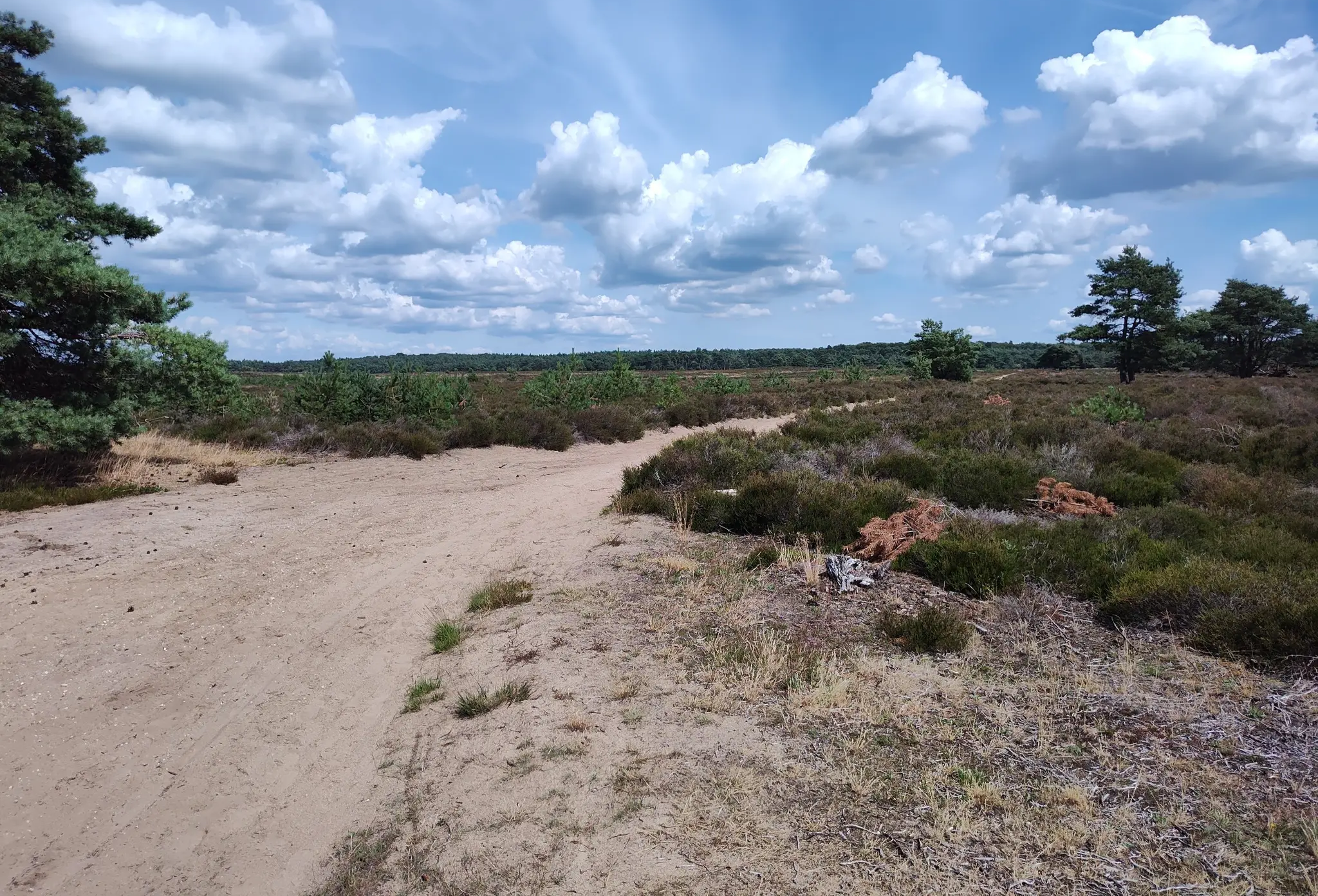
Royal Cycling route – Discover the Veluwe & the Gelderse valley
Peace and quiet in the middle of the Randstad – Groene Hartpad (SP 12)
Discover the Milky Way – 9 routes alongside cows and to cheese shops
The Rhine Route - From the North Sea to the eastern border in 7 days
De Waterlinieroute – 8 days along forts and fortified cities
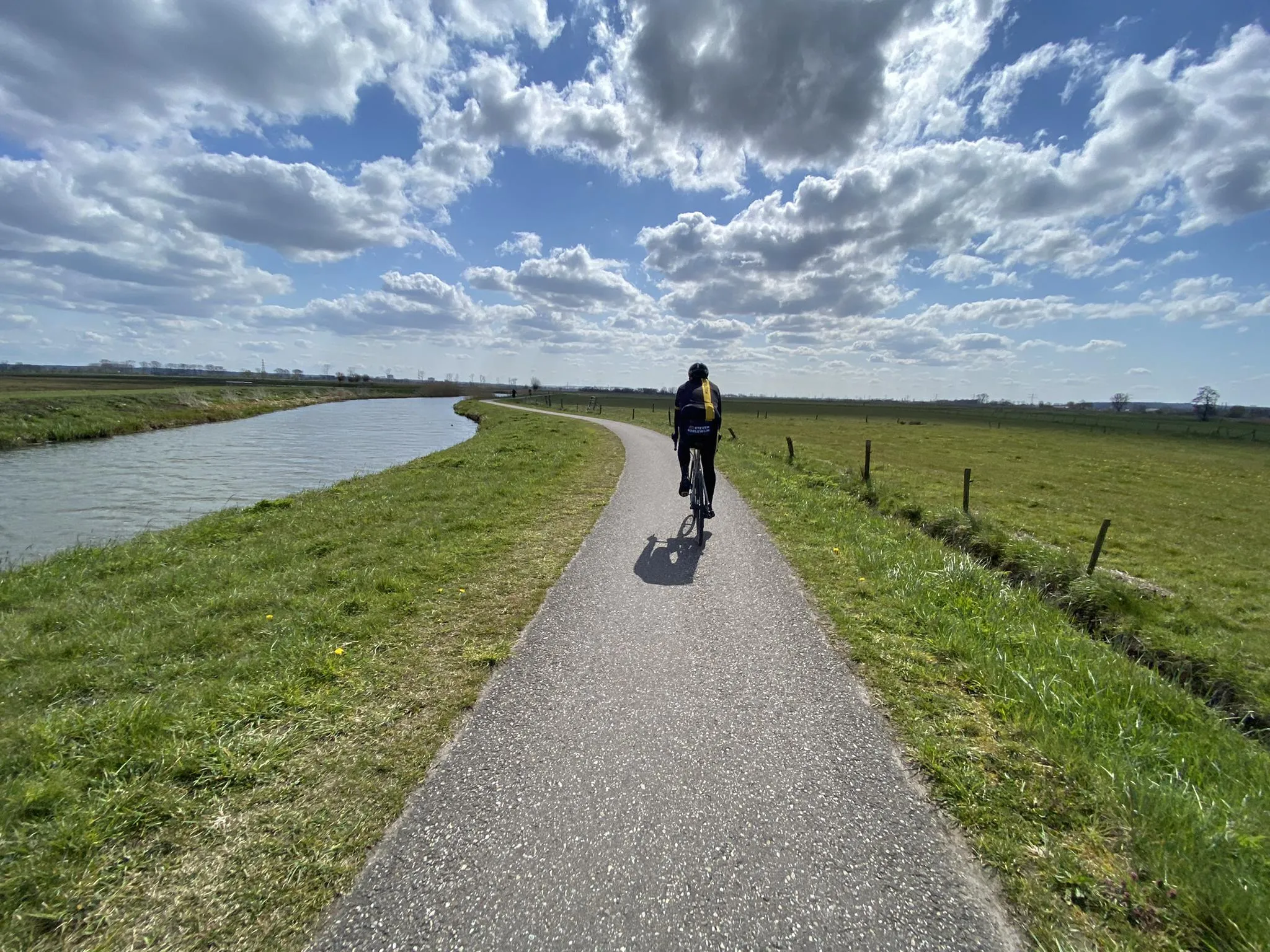
Tour of Utrecht - Cycling along the provincial borders
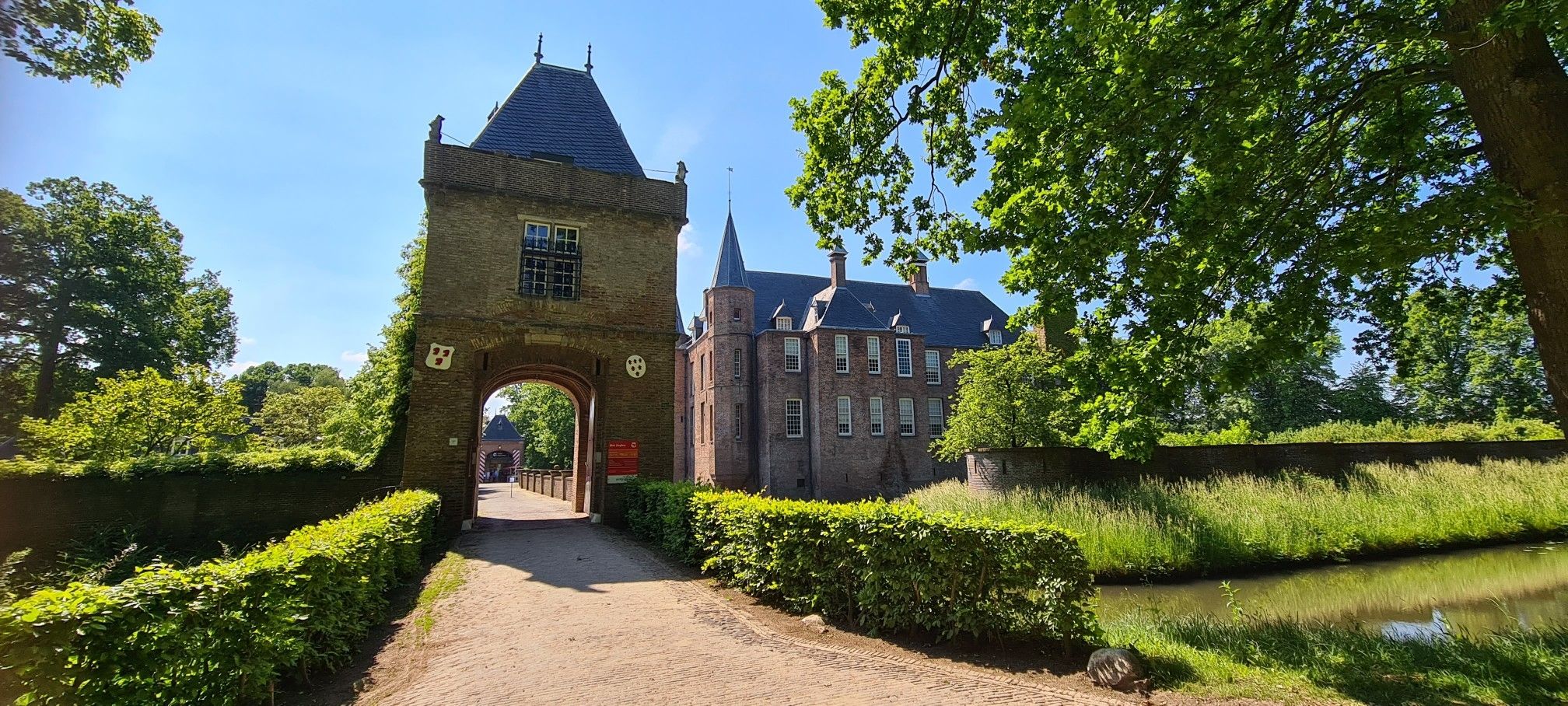
Discover the versatile province of Utrecht on foot – The Utrechtpad
Other adventures in Utrecht


Tips from the Community

Especially in autumn, a view over colored trees
1
0

Nice varied landscape. The sanddrift is much smaller than around Kootwijk, but here you get more different landscapes on a shorter walk.
3
0

We were there in the fall. Quiet and varied area.
0
0

After a nice climb, you have a great view here!
1
0

Nice place to take a walk and then enjoy a drink on the terrace.
1
0


Wonderfully varied area. Forest and dunes. Dogs are allowed to run free on the Lange Duinen, so on nice (weekend) days it can be quite busy.
0
0

Beautiful walk, lots of space and peace.
0
0
Frequently Asked Questions
What are some of the most popular natural monuments in Utrecht?
Visitors frequently enjoy the diverse landscapes of Bornia Sand Drift, where you can find varied scenery around every corner. Another favorite is Heidestein Forest Lake, known for its fairytale environment and beautiful colors, especially in autumn. The unique dune landscape of Soesterduinen, with its sandy areas and surrounding forests, is also highly appreciated by the komoot community.
What kind of unique geological formations can I find in Utrecht?
Utrecht is home to significant geological formations, primarily the Utrechtse Heuvelrug (Utrecht Ridge), which was formed by the Ice Age approximately 130,000 years ago. This national park features diverse landscapes including pine and deciduous forests, extensive heathlands, and notable sand drifts like the Soesterduinen and Bornia Sand Drift, which offer unique 'desert-like' environments within the region.
Are there family-friendly natural monuments in Utrecht?
Yes, many natural monuments in Utrecht are suitable for families. For instance, Lone oak is a great spot for a break with a view, surrounded by benches. The Soesterduinen offers wide paths and varied terrain for children to explore. Julianapark, while not a highlight in the data, is also a well-known urban park with an animal area and play spaces, making it very family-friendly.
What outdoor activities can I do near these natural monuments?
The natural monuments in Utrecht offer a wide range of outdoor activities. You can enjoy extensive hiking, cycling, and mountain biking. The Utrechtse Heuvelrug National Park, for example, provides numerous vantage points for birdwatching, bridle paths for horse-riding, and climbing forests. For more detailed routes, you can explore options like the hiking trails in Utrecht or cycling routes that often pass through these natural areas.
Are there hiking trails near the natural monuments in Utrecht?
Absolutely. The region is excellent for hiking. You can find trails around the Heidestein Forest Lake, which has a path leading around it. The Kaapse Woods also offer pleasant trails. For more extensive options, consider routes like 'Cape Forests' or 'Utrecht - Forest lakes and sand dunes in Heidestein-Bornia' which are part of the broader hiking guide for Utrecht.
What is the best season to visit the natural monuments in Utrecht?
The natural monuments in Utrecht offer beauty throughout the year, but certain seasons highlight different features. Autumn is particularly stunning, with the leaves changing color in areas like the Utrechtse Heuvelrug National Park and around Heidestein Forest Lake. Summer brings vibrant purple heathlands to the Utrechtse Heuvelrug. Spring offers lush greenery, while winter can provide unique, tranquil landscapes, especially in the sand drifts.
Can I bring my dog to the natural monuments in Utrecht?
Many natural areas in Utrecht are dog-friendly, though specific rules may apply in certain reserves. For example, the Short Dunes are listed as dog-friendly. It's always advisable to check local signage for leash requirements or restricted areas to ensure a pleasant visit for everyone.
Are there any historical or cultural sites near these natural monuments?
Yes, the region often blends natural beauty with historical significance. The Utrechtse Heuvelrug National Park, for instance, contains numerous impressive castles and estates like Amerongen Castle and Slot Zeist, which are often surrounded by beautiful gardens and forests. The Pyramid of Austerlitz is another notable man-made monument within a natural setting.
What kind of trees and plants can I expect to see?
The natural monuments in Utrecht boast a rich variety of flora. In the Utrechtse Heuvelrug National Park, you'll find pine and deciduous forests, extensive heathlands, and even rare species like the carnivorous sundew plant. Urban parks like Zocherpark feature ancient trees, including plane trees, ginkgo biloba, cypresses, and sequoias. The Utrecht Botanic Gardens also offer an unparalleled collection of plants from around the world.
What do visitors enjoy most about the natural monuments in Utrecht?
Visitors particularly enjoy the diversity of nature and the tranquility these areas offer. Many appreciate the opportunity to relax and enjoy nature, often bringing a sandwich to sit and take in the surroundings. The unique landscapes, such as the 'fairytale environment' of Heidestein Forest Lake or the 'beautiful dune landscape' of Soesterduinen, are frequently highlighted as reasons for their appeal.
How accessible are the natural monuments by public transport?
While specific public transport details vary by location, many natural monuments and parks in Utrecht are generally accessible. The Utrecht Botanic Gardens are on the outskirts of the city, and urban parks like Zocherpark and Julianapark are within city limits, making them easily reachable. For larger areas like the Utrechtse Heuvelrug National Park, public transport might take you to nearby towns, from where you can start your exploration.
Are there less crowded natural monuments for a peaceful visit?
For a more peaceful experience, consider visiting during off-peak hours or weekdays. While popular spots like Soesterduinen can be busy on weekends, the vastness of the Utrechtse Heuvelrug National Park means you can often find quieter trails away from main entrances. Exploring lesser-known paths within larger estates like Bornia Sand Drift can also offer a serene escape.
What kind of wildlife can I spot in Utrecht's natural monuments?
The diverse ecosystems within Utrecht's natural monuments support a variety of wildlife. The Utrechtse Heuvelrug National Park is home to a rich array of flora and fauna, including rare bird species and badgers. Julianapark, an urban green space, features many birds and even an animal area with deer and chickens. The Utrecht Botanic Gardens also attract various bird species.
Most popular routes in Utrecht
Most popular attractions in Utrecht

Get inspired with the komoot mobile app


Didn’t find what you were looking for?
Find even more amazing natural monuments in Utrecht by checking out the top Highlights region by region:
Explore more
Extend your search for the best caves by checking out these guides of the top ones in Utrecht:
