Top 18 Castles around Mäder
Castles around Mäder Austria offer insights into the region's historical architecture. The area is home to the Mäderer Schlössle, a 16th or 17th-century structure that served as an administrative building for the Neuburg dominion. While privately owned, its exterior showcases the historical significance and architectural style of the period. Mäder provides a historical context for those interested in regional heritage.
Best castles around Mäder
- The most popular castles is Alt-Ems Castle Ruins, a castle that is the longest medieval…
Last updated: May 1, 2026
Alt-Ems Castle Ruins
Highlight • Castle
Translated by Google •
Tip by

Grünenstein Castle
Highlight • Castle
Translated by Google •
Tip by

Sign up now to discover places like this
Get recommendations on the best single tracks, peaks, & plenty of other exciting outdoor places.
Sign up for free
Blatten Castle Ruins
Highlight • Castle
Blatten Castle is a ruined castle in the municipality of Oberriet, in the canton of St. Gallen, Switzerland. The square keep stands not far from the Rhine …
Translated by Google •
Tip by

Glopper Castle (Neu‑Ems Castle)
Highlight • Castle
Translated by Google •
Tip by

Wichenstein Cave Castle Ruin
Highlight • Castle
Translated by Google •
Tip by

Sign up for free to discover even more castles around Mäder.
Sign up for free
Already have an account?
Start today with a free account
Your next adventure awaits.
Login or Signup
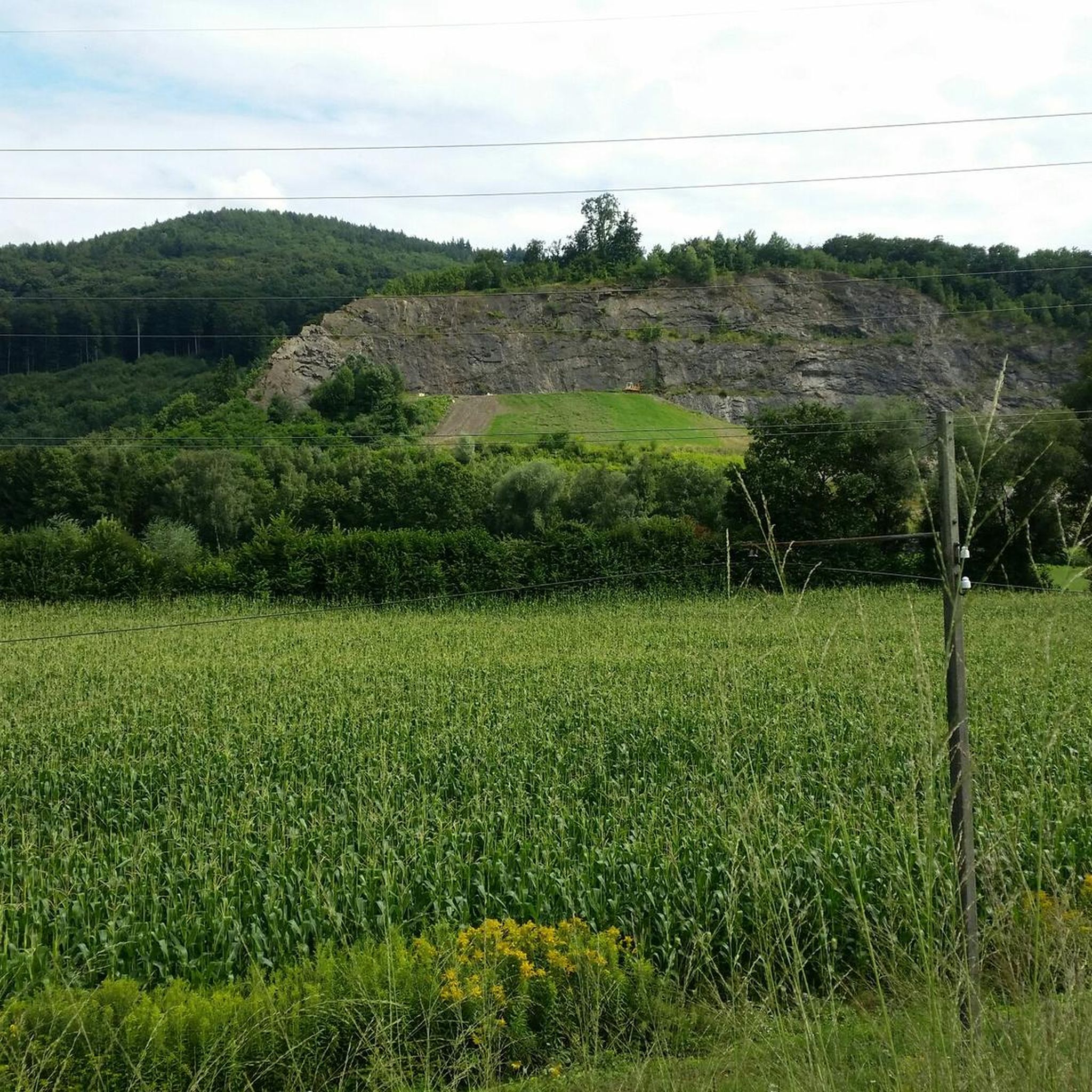
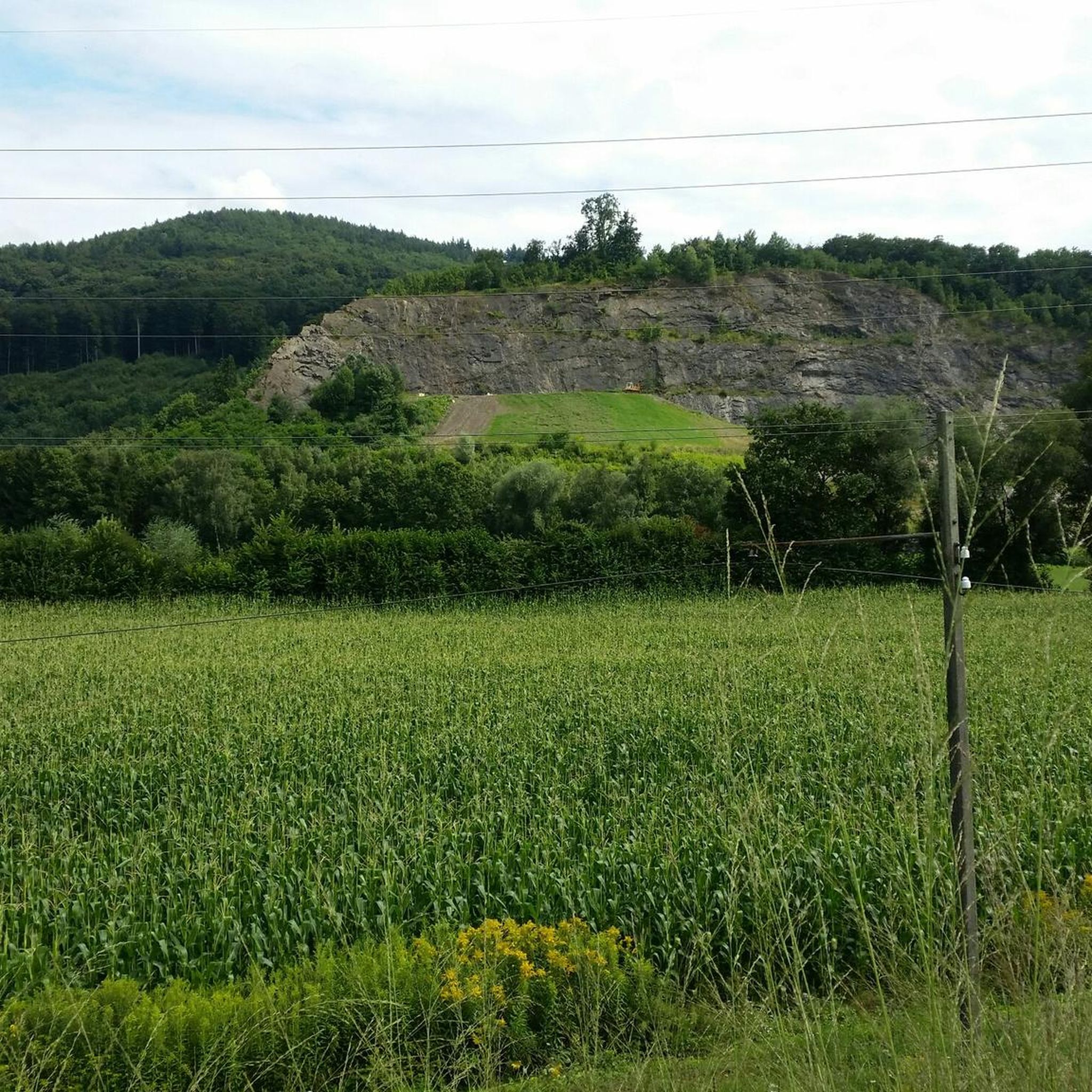
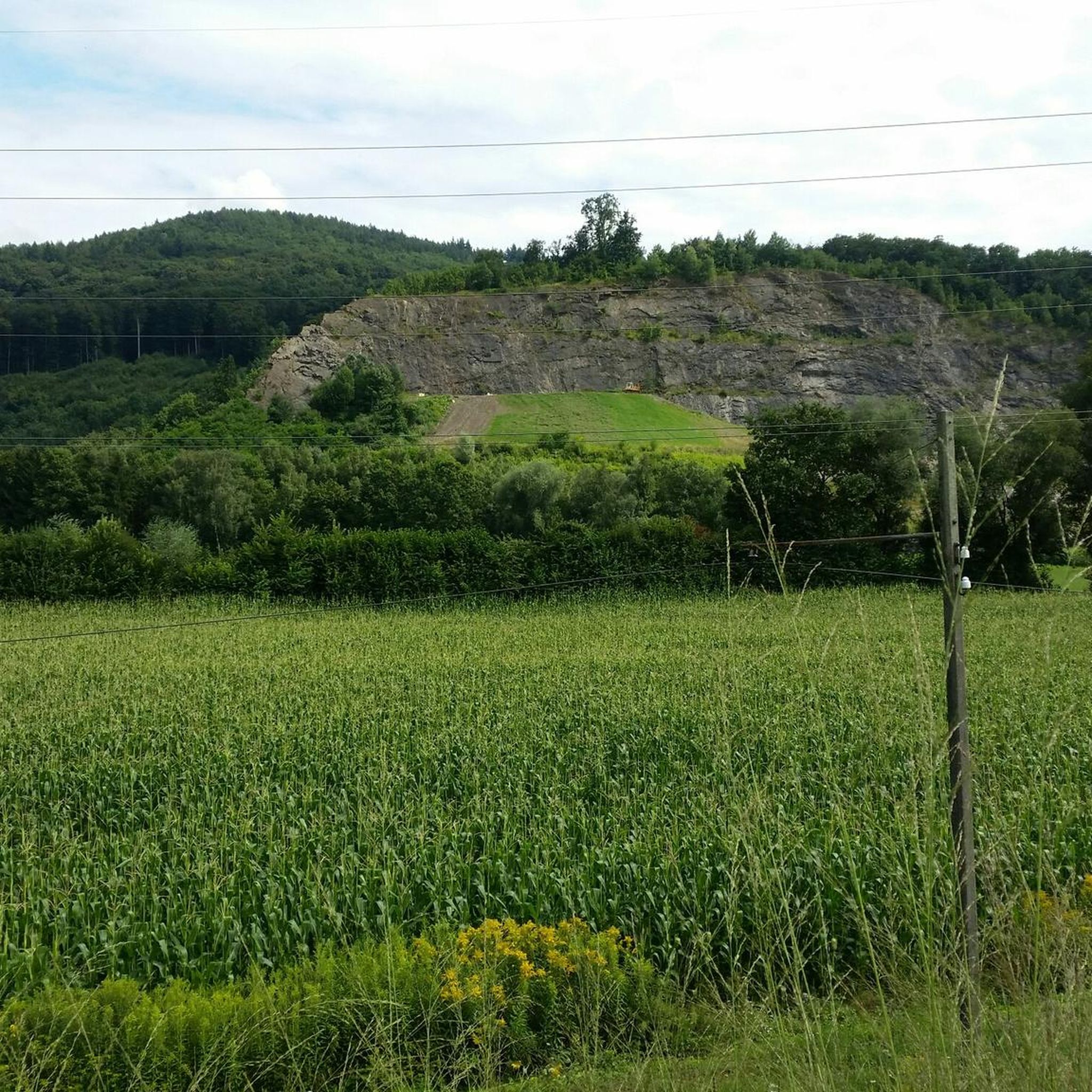
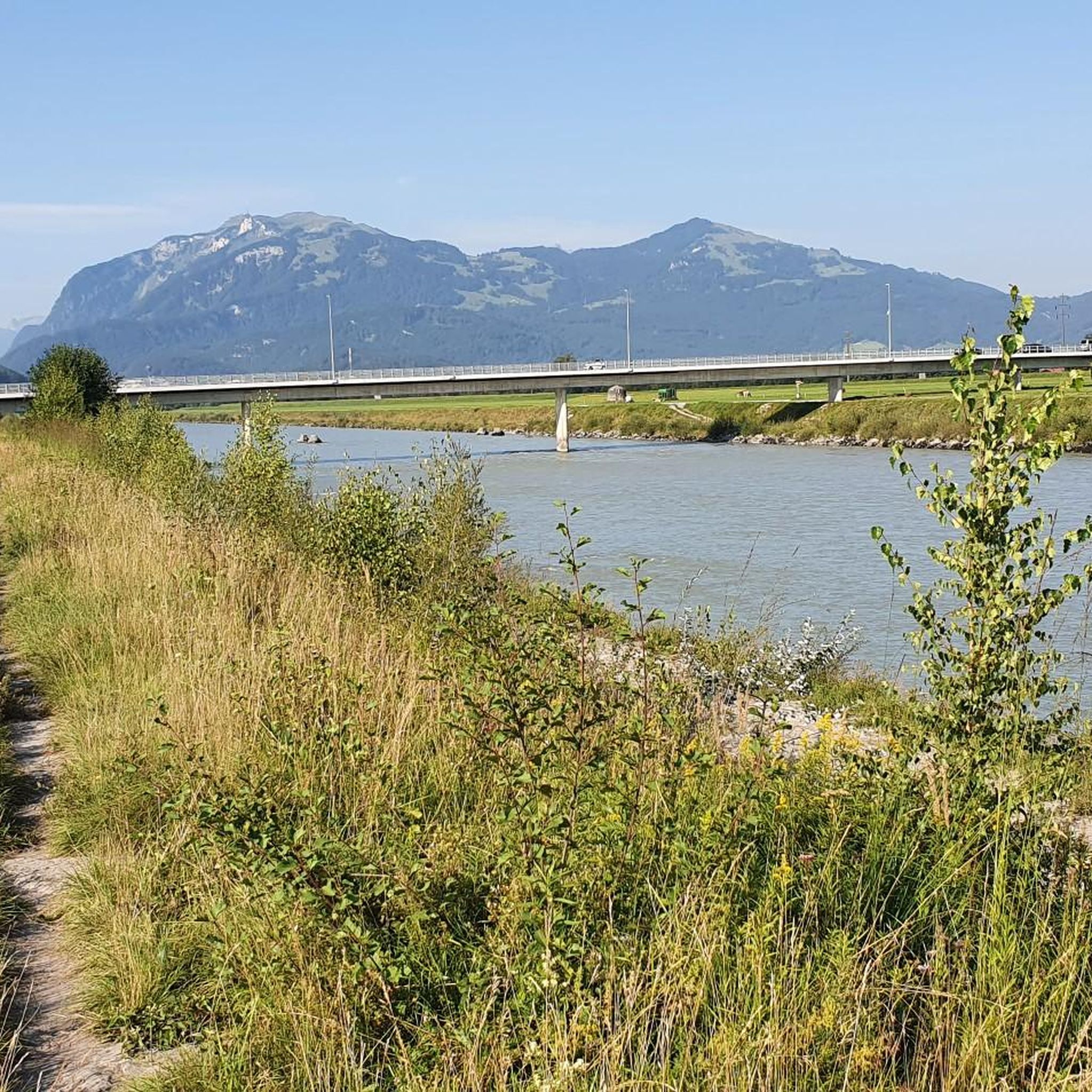
Tips from the Community

Blatten Castle Ruins, Oberriet / Oberriet's Landmark Obert's landmark, once a proud castle fortress, has a rich history. It was built around 1230 by Abbot Berchtold von Falkenstein to defend his property. The castle has seen several landowners and was set on fire in 1799 during the battle for the Blatten ferry. The surviving remains consist of parts of the tower and the castle ramparts, as well as the vaulted cellar. The castle ruins are located in the southernmost part of the municipality of Oberriet on the Blattenberg, idyllically situated on the edge of the forest. On the fitness trail, which runs almost entirely through the forest, you can practice sports in complete harmony with nature. The castle restaurant is open from April to September. Members of the ski club host guests every Sunday and welcome visitors. The hut can be rented by the public from Monday to Saturday. Tours are welcome on Sundays. Text / Source: Municipality of Oberriet https://www.oberriet.ch/sehenswuerdigkeiten/7474
14
0
Blatten Castle Ruins, Oberriet / Oberriet's Landmark Obert's landmark, once a proud castle fortress, has a rich history. It was built around 1230 by Abbot Berchtold von Falkenstein to defend his property. The castle has seen several landowners and was set on fire in 1799 during the battle for the Blatten ferry. The surviving remains consist of parts of the tower and the castle ramparts, as well as the vaulted cellar. The castle ruins are located in the southernmost part of the municipality of Oberriet on the Blattenberg, idyllically situated on the edge of the forest. On the fitness trail, which runs almost entirely through the forest, you can practice sports in complete harmony with nature. The castle restaurant is open from April to September. Members of the ski club host guests every Sunday and welcome visitors. The hut can be rented by the public from Monday to Saturday. Tours are welcome on Sundays. Text / Source: Municipality of Oberriet https://www.oberriet.ch/sehenswuerdigkeiten/7474
10
0
Platten Castle, Oberriet Blatten Castle is a ruined castle in the municipality of Oberriet, in the canton of St. Gallen, Switzerland. The square keep stands not far from the Rhine on a rock south of the municipality of Oberriet. The family was first mentioned in 1170 with Burkardus de Blattûn and in 1229 with Ulricus de Blattenn. As chronicler Christian Kuchimeister reports, the castle was built shortly before 1270 by the Abbot of St. Gallen, Berchtold von Falkenstein, as protection against the Counts of Montfort-Werdenberg, in the territory of the Imperial Court of Kriessern, which, along with the Vogtherrschaft (reign of Thurgau and Zürichgau), had been granted to Heinrich Walter von Ramschwag (Lords of Ramschwag) in 1278 for his assistance to King Rudolf in the Battle of Marchfeld. It was then granted to Ulrich von Ramschwag in 1277. Due to his involvement in the Appenzell War, the castle and the lordship were temporarily confiscated as fiefs. In 1458, Walter Heinrich and Ulrich von Ramschwag sold the castle and estate to Jakob Mangold, a citizen of Constance. In 1486, it was repurchased by Abbot Ulrich Rösch of St. Gallen. From 1637 to 1640, Abbot Pius Reher commissioned renovations. The complex then served as the official residence of the Vögte von Kriessern until 1798. The castle was destroyed in the French War of Independence in 1799. Around 1911, part of the complex was used as a quarry. Plaque commemorating the restoration. The Canton of St. Gallen undertook the initial renovation of the tower. Further restorations were carried out on the tower in 1977 and on the surrounding walls and the remains of the castle gate in 1985. Aerial photograph (2016) The castle ruins are known to the people of the Rhine Valley as Blatten Castle. The grounds of the former castle complex and the interior of the tower (there are no longer any floors) are freely accessible. A later-built wooden building stands on top of the preserved vaulted cellar. This building is operated as a castle restaurant by the Oberriet Ski Club from April to September. Text / Source: Wikipedia https://de.wikipedia.org/wiki/Burg_Blatten
14
0
Platten Castle, Oberriet Blatten Castle is a ruined castle in the municipality of Oberriet, in the canton of St. Gallen, Switzerland. The square keep stands not far from the Rhine on a rock south of the municipality of Oberriet. The family was first mentioned in 1170 with Burkardus de Blattûn and in 1229 with Ulricus de Blattenn. As chronicler Christian Kuchimeister reports, the castle was built shortly before 1270 by the Abbot of St. Gallen, Berchtold von Falkenstein, as protection against the Counts of Montfort-Werdenberg, in the territory of the Imperial Court of Kriessern, which, along with the Vogtherrschaft (reign of Thurgau and Zürichgau), had been granted to Heinrich Walter von Ramschwag (Lords of Ramschwag) in 1278 for his assistance to King Rudolf in the Battle of Marchfeld. It was then granted to Ulrich von Ramschwag in 1277. Due to his involvement in the Appenzell War, the castle and the lordship were temporarily confiscated as fiefs. In 1458, Walter Heinrich and Ulrich von Ramschwag sold the castle and estate to Jakob Mangold, a citizen of Constance. In 1486, it was repurchased by Abbot Ulrich Rösch of St. Gallen. From 1637 to 1640, Abbot Pius Reher commissioned renovations. The complex then served as the official residence of the Vögte von Kriessern until 1798. The castle was destroyed in the French War of Independence in 1799. Around 1911, part of the complex was used as a quarry. Plaque commemorating the restoration. The Canton of St. Gallen undertook the initial renovation of the tower. Further restorations were carried out on the tower in 1977 and on the surrounding walls and the remains of the castle gate in 1985. Aerial photograph (2016) The castle ruins are known to the people of the Rhine Valley as Blatten Castle. The grounds of the former castle complex and the interior of the tower (there are no longer any floors) are freely accessible. A later-built wooden building stands on top of the preserved vaulted cellar. This building is operated as a castle restaurant by the Oberriet Ski Club from April to September. Text / Source: Wikipedia https://de.wikipedia.org/wiki/Burg_Blatten
10
0

Wiechenstein Castle Ruins, a former four-story castle in the St. Gallen Rhine Valley.
8
0
Lots of great things, fitness trail, barbecue area and much more...
4
0
Blatten Castle is a castle ruin in the municipality of Oberriet, in the canton of St. Gallen in Switzerland. The square keep stands not far from the Rhine on a rock south of the municipality of Oberriet. Source: Wikipedia
6
0
Blatten Castle is a castle ruin in the municipality of Oberriet, in the canton of St. Gallen in Switzerland. The square keep stands not far from the Rhine on a rock south of the municipality of Oberriet. Source: Wikipedia
6
0
Frequently Asked Questions
What are the most notable castles and historical sites around Mäder?
The region around Mäder features several interesting historical sites. You can explore the ruins of Alt-Ems Castle Ruins, known as the longest medieval castle in Austria, offering expansive views over the Rhine Valley. Another significant site is Grünenstein Castle, a private 13th-century castle on a vineyard, featuring a late baroque exterior and rococo interior. The Jonas-Schlössle, Götzis, is a Renaissance mansion from the late 16th century, notable for its art-historically valuable wooden coffered ceiling.
Is the Mäderer Schlössle accessible to visitors?
The Mäderer Schlössle in Mäder is a historical building dating back to the 16th or 17th century, which served as an administrative center. However, it is currently privately owned. Visitors are kindly requested to respect the privacy of its residents, meaning interior access or extensive public touring opportunities are generally not available. You can appreciate its exterior and historical context from a respectful distance.
Are there family-friendly castles or historical sites to visit near Mäder?
Yes, several sites are considered family-friendly. Grünenstein Castle and Blatten Castle Ruins are both categorized as family-friendly. The grounds of Blatten Castle Ruins are freely accessible, and it even has a castle restaurant open from April to September, making it a good spot for a family outing.
What kind of views can I expect from the castles around Mäder?
Many of the castles and ruins offer excellent viewpoints. For instance, Alt-Ems Castle Ruins, situated at 740m above sea level, provides fabulous views over the Rhine Valley. Blatten Castle Ruins also offers scenic views, located idyllically on the edge of a forest near the Rhine.
Are there hiking trails near the castles around Mäder?
Yes, many castles are integrated into or near hiking trails. Alt-Ems Castle Ruins is a reward for an ascent, indicating a trail. Grünenstein Castle is accessible via both road and hiking trail. For more hiking options, you can explore Easy hikes around Mäder, which includes routes like the 'Kadel Viewpoint loop from Mäder'.
What other outdoor activities can I do near these historical sites?
Beyond hiking, the region offers various outdoor activities. You can find numerous mountain biking trails, such as those listed in MTB Trails around Mäder, including routes like the 'Start of the Lugtrail – Fraxern loop'. There are also options for gravel biking, with guides like Gravel biking around Mäder, featuring routes along the Old Rhine.
What do visitors enjoy most about the castles around Mäder?
Visitors particularly appreciate the historical significance and the scenic beauty. The extensive ruins of Alt-Ems Castle Ruins are loved for their fabulous views. The unique architecture of places like Grünenstein Castle and the historical charm of Jonas-Schlössle, Götzis, also receive high praise. The komoot community has contributed over 500 photos and 240 upvotes, highlighting the visual appeal and historical interest of these sites.
Are there any castles that are privately owned and not fully accessible?
Yes, several castles in the area are privately owned. The Mäderer Schlössle is private, as is Grünenstein Castle, though it is accessible via road and hiking trail. Glopper Castle (Neu‑Ems Castle) is also a privately owned, impressive building that can be admired from a distance or during a hike.
Can I find facilities like cafes or restaurants near these castle sites?
Some sites offer facilities. For example, the Blatten Castle Ruins has a castle restaurant that operates from April to September, making it a convenient stop for refreshments during your visit.
What is the best time of year to visit the castles and historical sites around Mäder?
While specific opening hours vary for each site, the spring to autumn months (April to September) are generally ideal for visiting, especially for sites like Blatten Castle Ruins where the castle restaurant is open during this period. Good weather enhances the experience of exploring ruins and enjoying the scenic views from elevated castles.
Are there any castle ruins that are freely accessible?
Yes, the grounds of Blatten Castle Ruins are freely accessible to the public. While the interior of the tower no longer has floors, you can explore the surrounding area and the remains of the castle gate.
Most popular attractions around Mäder

Get inspired with the komoot mobile app


Explore more
Looking for the best castles somewhere else? Discover other guides around Mäder:
