Attractions and Places To See in Kofa National Wildlife Refuge - Top 10
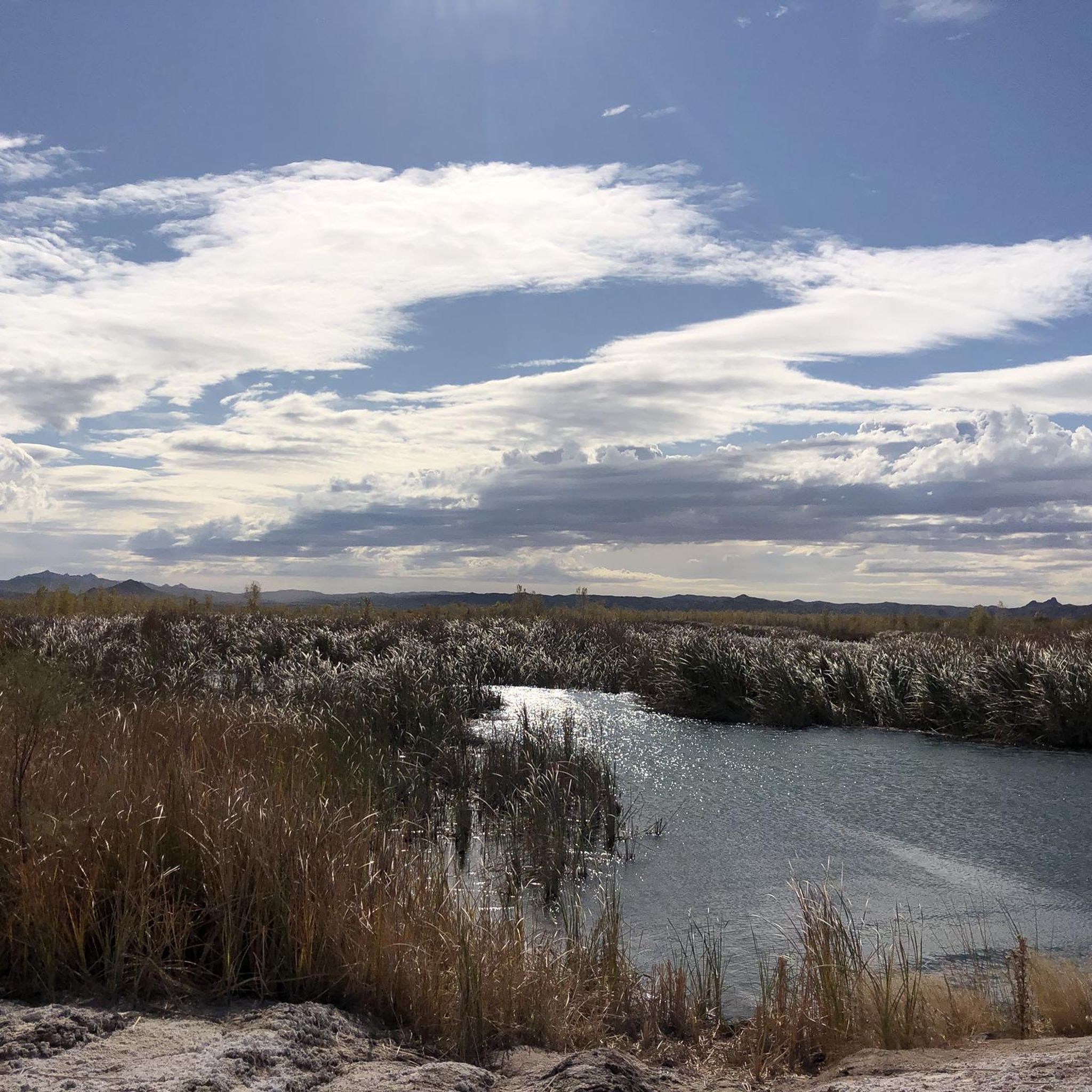
Best attractions and places to see in Kofa National Wildlife Refuge, a vast expanse of Sonoran Desert wilderness in southwestern Arizona. The refuge features rugged mountain ranges, expansive desert plains, and diverse flora and fauna. It was established primarily to protect desert bighorn sheep.
Best attractions and places to see in Kofa National Wildlife Refuge
- The most popular attractions is Kofa National Wildlife Refuge, a natural area that offers numerous hiking opportunities, though most trails are unmaintained social trails…
Last updated: October 15, 2026
Kofa National Wildlife Refuge
Highlight • Natural
Tip by

Palm Canyon Trailhead
Highlight • Trail
Tip by

Sign up now to discover places like this
Get recommendations on the best single tracks, peaks, & plenty of other exciting outdoor places.
Kofa Cabin
Highlight • Mountain Hut
Tip by
Crystal Hill Rock Collecting Area
Highlight • Natural Monument
Tip by
King of Arizona (Kofa) Mine
Highlight • Historical Site
Tip by
Sign up for free to discover even more attractions in Kofa National Wildlife Refuge.
Already have an account?
Start today with a free account
Your next adventure awaits.
Popular around Kofa National Wildlife Refuge
Tips from the Community

The Crystal Hill Area is the only area within Kofa Wildlife Refuge where recreational rock or mineral collecting is allowed. You may collect up to 10 specimens or 10 pounds (whichever occurs first) in any 12-month period. Digging with tools is prohibited! Only collecting from the surface is permitted. A dispersed campsite is close by.
3
0

There are lots of hiking opportunities in KOFA, and there are a few places where many folks have hiked, but the only trails are social trails, none are maintained and route finding is required. Only the King Road is accessible by cars, almost all the other roads require high clearance and/or four wheel drive.
0
0
The Civilian Conservation Corps built the Kofa (short for King of Arizona) Cabin in the late 1930's. Today, half of this rock shelter is open to the public for a break, exploration or even spend the night. There is a register in there, a few old beds and utensils. Due to rodents, it might not be the nicest place to stay for the night inside, but it sure is a great historic place to visit.
6
0
There is a decent parking lot at the trailhead for Palm Canyon and three information boards on how the area was shaped over millions of years. In a red metal box, you will find guide leaflets for the trail leading into the canyon and to the palm trees. Moreover, there is a designated small camp area next to the trailhead with spot for about four small tents. No shade, no water and no pit toilets. It is as primitive, as it gets, but nestled into a fantastic scenery!
8
0
The King of Arizona Mine is what todays Wildlife Refuge is named after: Kofa. The site is private property and you cannot enter it. But you can explore around the area with tons of remains like rusty cans, buckets and mining equipment as well as broken bottles and china.
8
0

Kofa National Wildlife Refuge, covering 668,161 acres, is situated within the Laguna Maneuver Area, land acquired by the Army after World War II. Here, you'll find miles of trails for hiking, running, biking, and off-roading, as well as a wide variety of wildlife.
0
1
The trailhead features a helpful information board that enhances your understanding and appreciation of the Palm Canyon area. From here, you can take the trail to Palm Canyon, and if you want to extend your hike, there's a nice trail running north for about one mile.
1
1
Frequently Asked Questions
What are the most popular hiking trails in Kofa National Wildlife Refuge?
One of the most popular trails is the Palm Canyon Trail, an easy 0.9-mile round-trip hike leading to Arizona's native palm trees. For a more challenging experience, the Signal Peak Trail offers breathtaking panoramic views from the highest point in the refuge. You can find more hiking options, including the moderate Kofa Dam and Kofa Butte Trail, on the Hiking in Kofa National Wildlife Refuge guide.
Are there any historical sites to explore in the refuge?
Yes, the refuge is rich in history. The King of Arizona (Kofa) Mine, which the refuge is named after, is a significant historical site. While the mine itself is private property, visitors can explore the surrounding area for remnants of its mining past. Another historical point of interest is the Kofa Cabin, a stone shelter built by the Civilian Conservation Corps in the 1930s, which is open for public use.
Can I go rock collecting in Kofa National Wildlife Refuge?
Yes, recreational rock and mineral collecting is permitted only at the Crystal Hill Rock Collecting Area. You may collect up to 10 specimens or 10 pounds (whichever comes first) in any 12-month period. Digging with tools is prohibited; only surface collecting is allowed.
What kind of wildlife can I expect to see in Kofa National Wildlife Refuge?
The refuge was established primarily to protect desert bighorn sheep, which can sometimes be spotted on rocky slopes during early mornings or late afternoons. Other wildlife includes mule deer, desert kit foxes, great horned owls, prairie falcons, Gila monsters, desert tortoises, and various lizards and snakes. The small waterholes also attract a surprising number of water birds.
Are there any family-friendly activities or hikes in the refuge?
While many trails require route finding, the Palm Canyon Trail is an easy, relatively short hike suitable for families, leading to a viewpoint of the native palm trees. Exploring the Crystal Hill Rock Collecting Area can also be an engaging activity for families, allowing them to search for unique specimens.
What is the best time of year to visit Kofa National Wildlife Refuge?
The best time to visit Kofa National Wildlife Refuge is typically during the cooler months, from late fall through early spring (October to April). Temperatures are more moderate, making hiking and outdoor exploration more comfortable. Summer months can be extremely hot and are generally not recommended for extensive outdoor activities.
Where can I find unique viewpoints or scenic spots in the refuge?
For breathtaking 360-degree panoramic views across the Sonoran Desert, hike to the summit of Signal Peak, the highest point in the refuge. Palm Canyon offers a unique oasis view with its native palms, especially beautiful in the morning light. Kofa Queen Canyon is also known for its dramatic rock formations and dense saguaro forests, including the photogenic Skull Rock.
What are the options for overnight stays or shelters in the refuge?
The Kofa Cabin, built by the Civilian Conservation Corps, is a stone shelter open for public use on a first-come, first-served basis. While primitive, it offers a unique historical experience. There are also dispersed camping opportunities throughout the refuge, including a designated dispersed campsite near Crystal Hill.
What should I pack for a hike in Kofa National Wildlife Refuge?
Given the desert environment, it's crucial to pack plenty of water, especially for longer hikes. Sun protection such as a hat, sunglasses, and sunscreen is essential. Sturdy hiking boots, navigation tools (map, compass, or GPS), and appropriate layers of clothing for fluctuating desert temperatures are also highly recommended. Always inform someone of your hiking plans.
Are there any specific regulations or permits needed for visiting Kofa National Wildlife Refuge?
Generally, no specific permits are required for day use or dispersed camping in Kofa National Wildlife Refuge. However, it's always advisable to check the official U.S. Fish & Wildlife Service website for the most current regulations, especially regarding activities like rock collecting or specific vehicle access. You can find more information at fws.gov/refuge/kofa.
What do visitors appreciate most about Kofa National Wildlife Refuge?
Visitors frequently appreciate the refuge's vast, untouched wilderness and the sense of solitude it offers. The rugged mountain landscapes, unique desert flora like the native palms in Palm Canyon, and opportunities for wildlife viewing, particularly the desert bighorn sheep, are highly valued. The historical remnants of mining operations also add a fascinating dimension to the experience.
Most popular routes in Kofa National Wildlife Refuge

Get inspired with the komoot mobile app


Explore more
Still not found the Highlight you’re looking for? See guides of the top attractions in other regions:
