Attractions and Places To See in Broye-Vully - Top 20
Best attractions and places to see in Broye-Vully include a rich collection of historical sites, natural landscapes, and cultural landmarks. This region, known for its Roman heritage, offers a diverse range of experiences for visitors. From ancient amphitheatres to serene lake boardwalks, Broye-Vully provides numerous opportunities for exploration. The area features a mix of man-made monuments and natural beauty, making it a destination for those interested in history and outdoor activities.
Best attractions and places to see in Broye-Vully
- The…
Last updated: August 16, 2026
Avenches Roman Amphitheatre
Highlight • Historical Site
Translated by Google •
Tip by

East Gate of Aventicum
Highlight • Historical Site
Further information about the gate at: aventicum.org/de/monumente/osttor.
Translated by Google •
Tip by

Sign up now to discover places like this
Get recommendations on the best single tracks, peaks, & plenty of other exciting outdoor places.
Sign up for free
Roman Theater of Aventicum
Highlight • Historical Site
Further information at aventicum.org/de/monumente/theater
Translated by Google •
Tip by

Roman Theatre Selley in Avenches
Highlight • Historical Site
Translated by Google •
Tip by

Payerne Old Town and Abbey Church
Highlight • Historical Site
clindailes.ch
Translated by Google •
Tip by
Cigognier Sanctuary
Highlight • Historical Site
Translated by Google •
Tip by
Saint-Étienne Reformed Church, Moudon
Highlight • Religious Site
Translated by Google •
Tip by

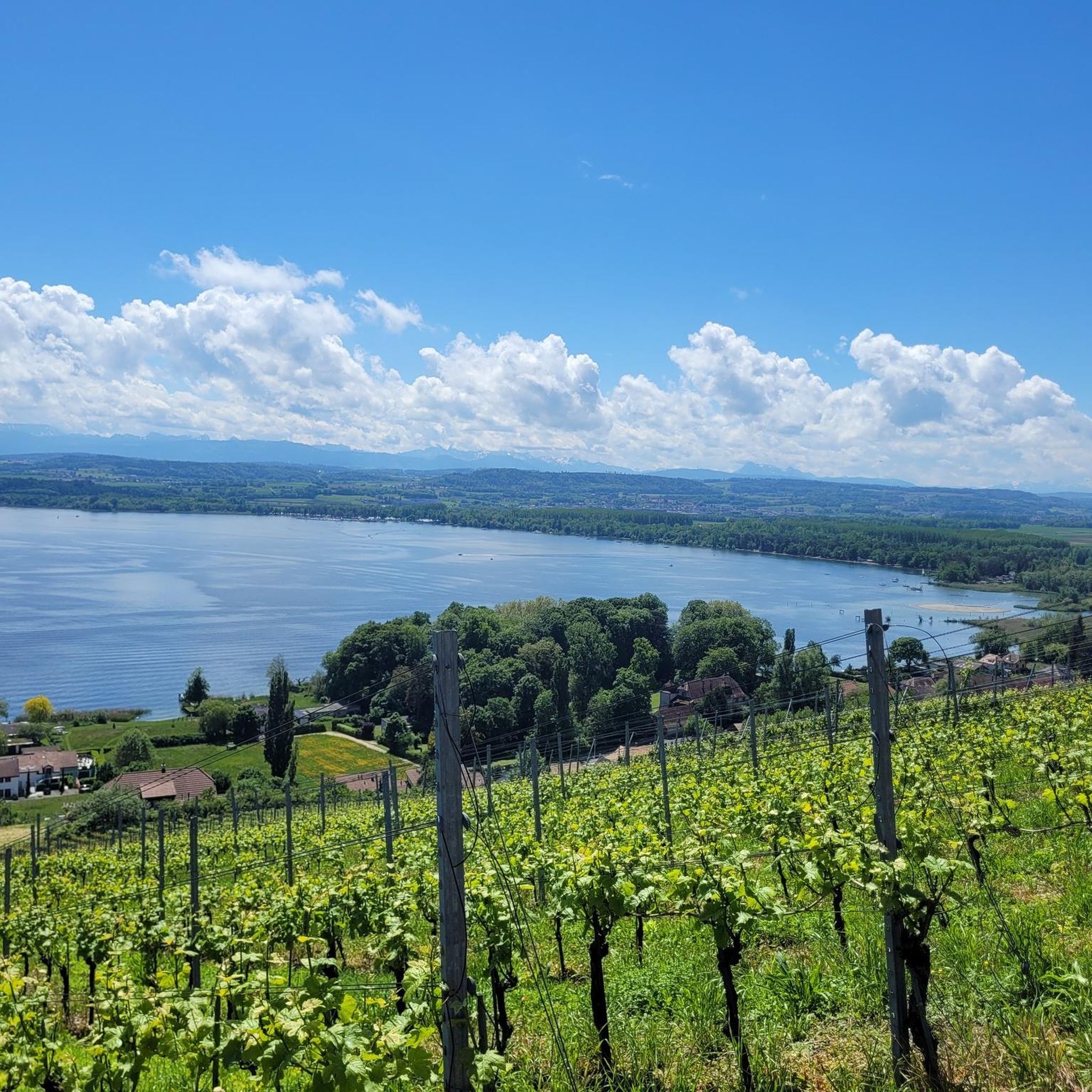
View of Lake Murten
Highlight • Viewpoint
Showing Translation
Tip by

Château de Lucens
Highlight • Castle
Translated by Google •
Tip by

Cremin Village and Historic Bread Oven
Highlight • Historical Site
Small village in the commune of Lucens with its four-poster dating from 1813, the festival is the last Sunday in May: bread, pizza, cakes cooked …
Translated by Google •
Tip by

Sign up for free to discover even more attractions in Broye-Vully.
Sign up for free
Already have an account?
Start today with a free account
Your next adventure awaits.
Login or Signup
Popular around Broye-Vully
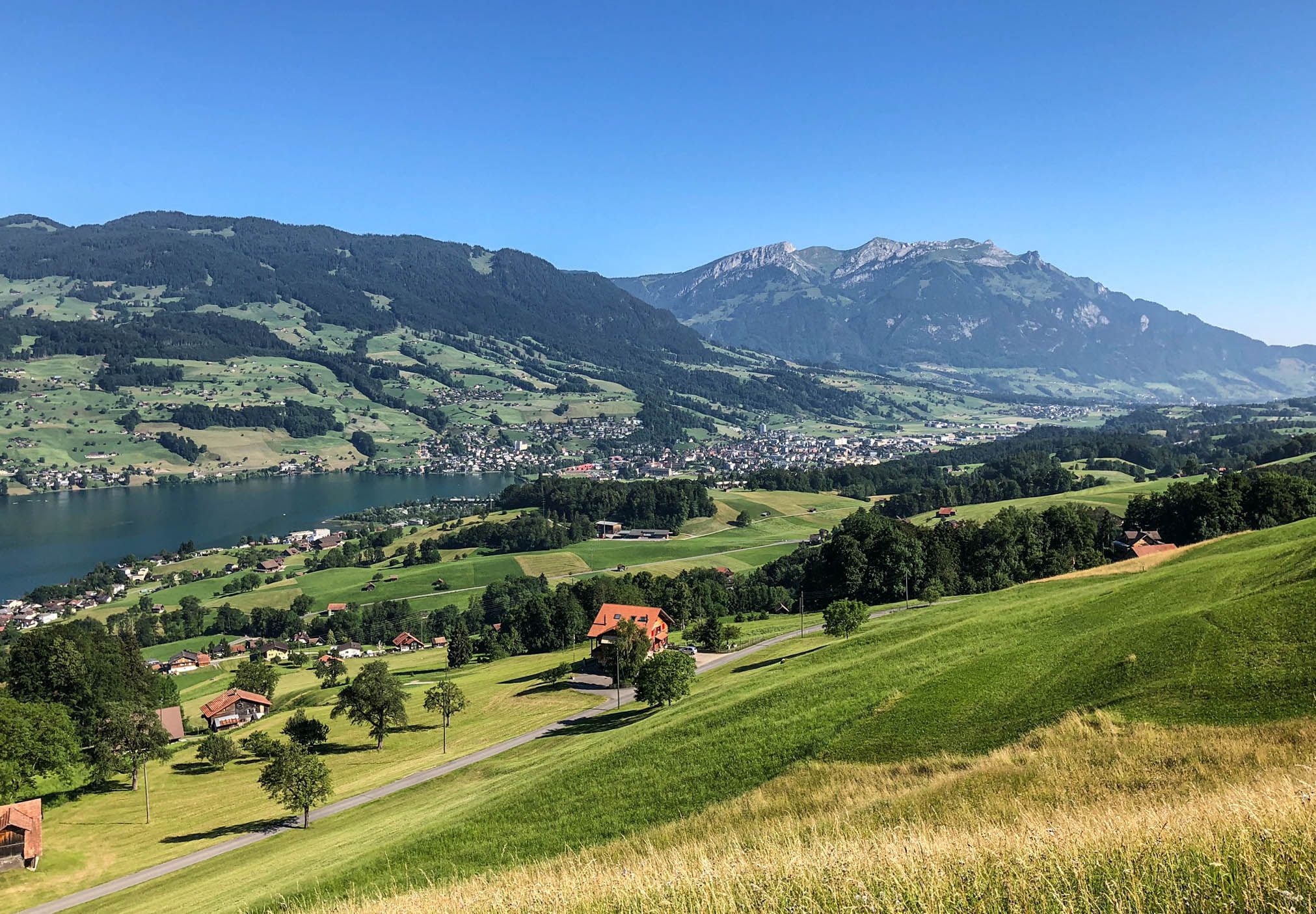
Via Jacobi – Following the Way of St James across Switzerland
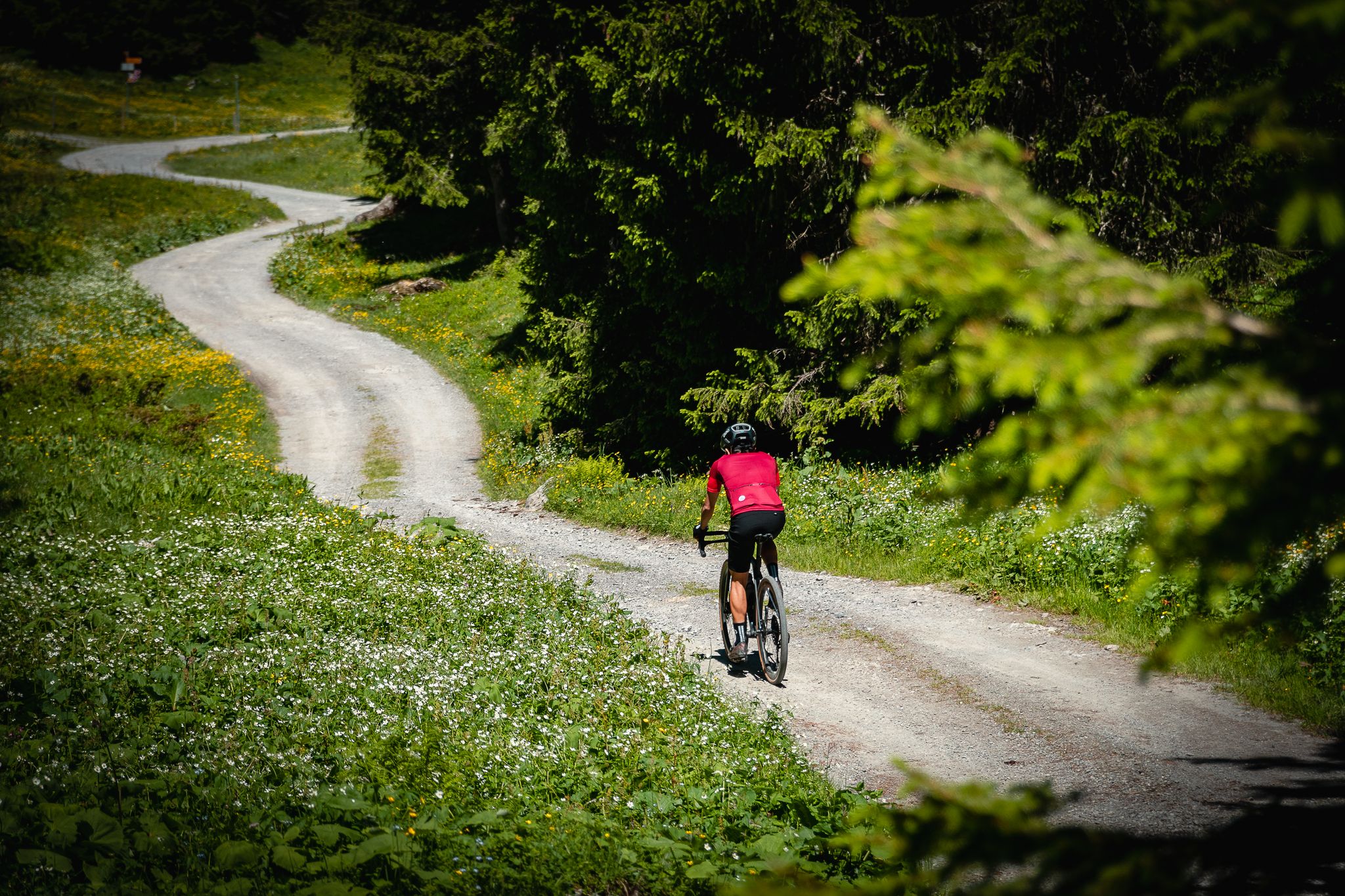
Discover Vaud's Diversity by gravel bike
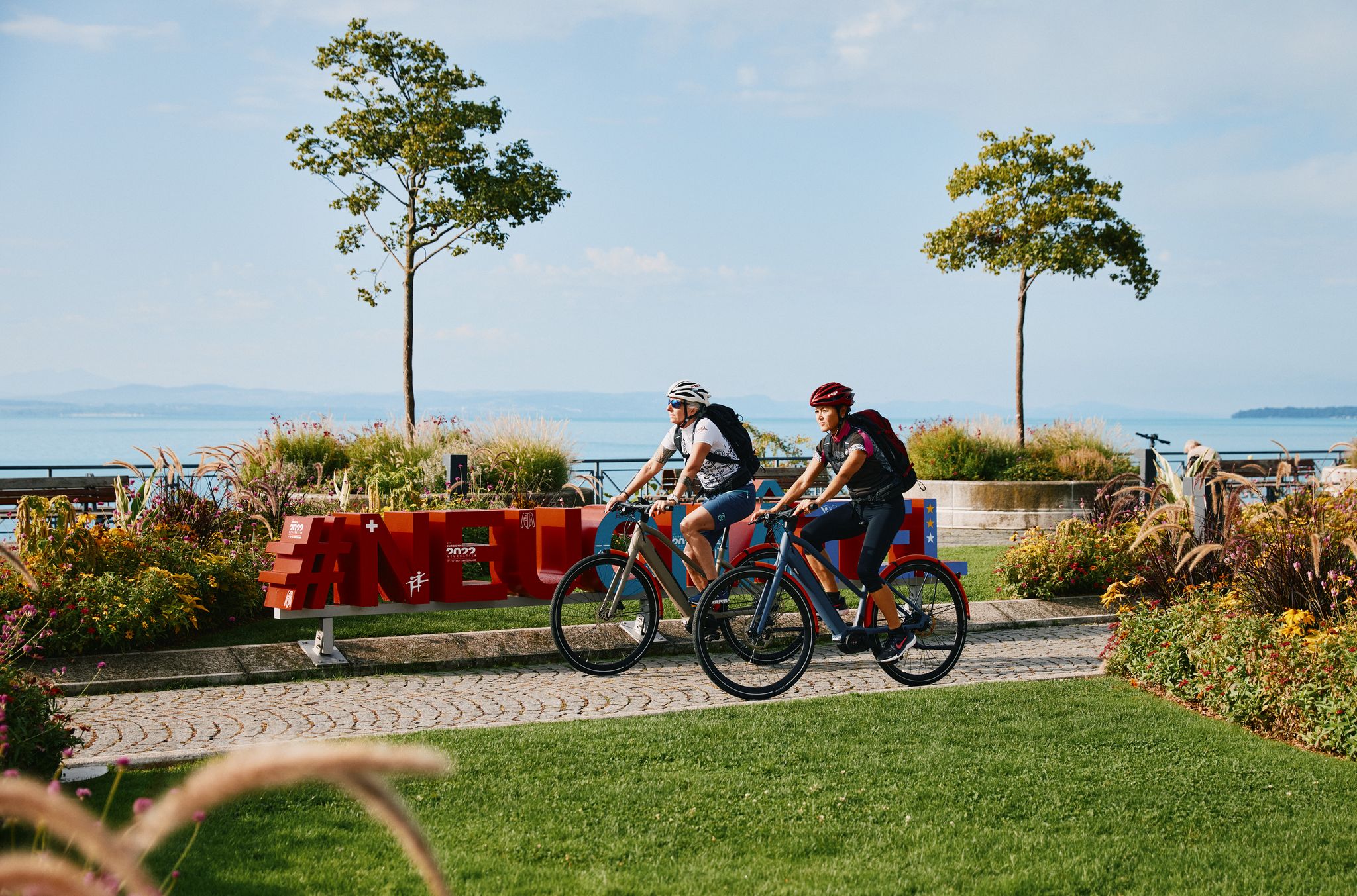
100% Women: Switzerland is too steep? No way!
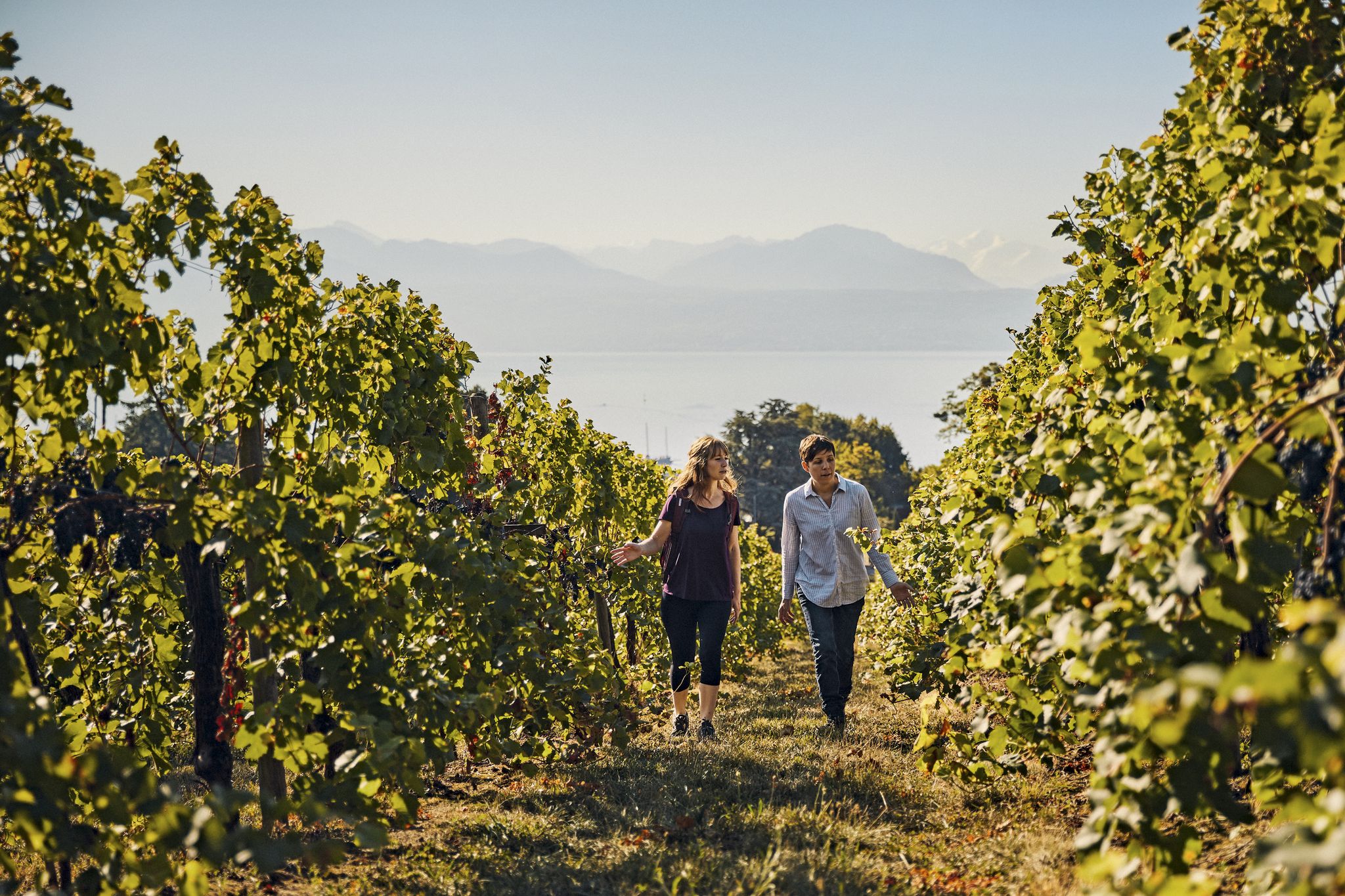
Lake Geneva — Santé!
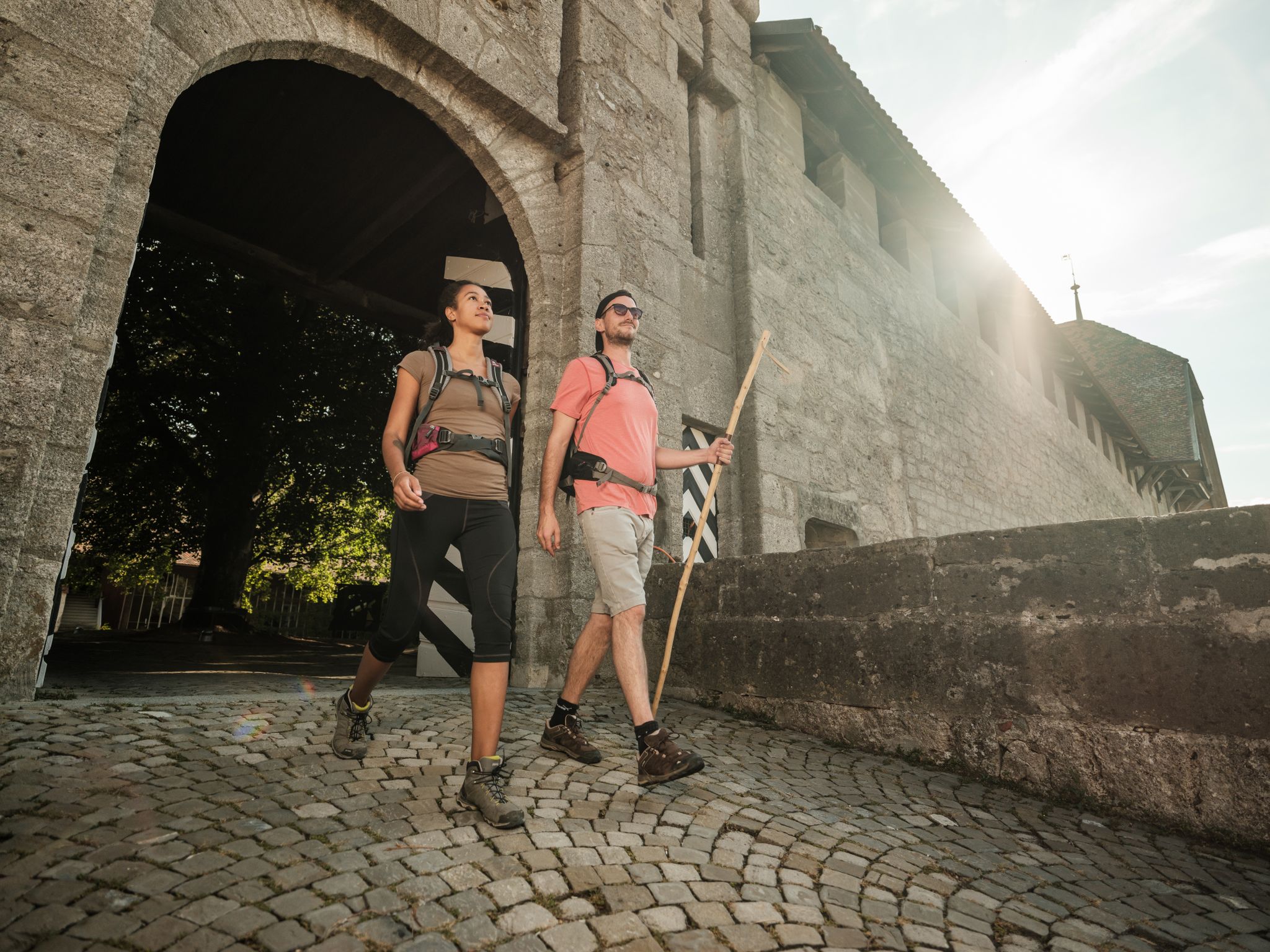
Jakobsweg im Kanton Freiburg - Wandern auf historischen Pfaden
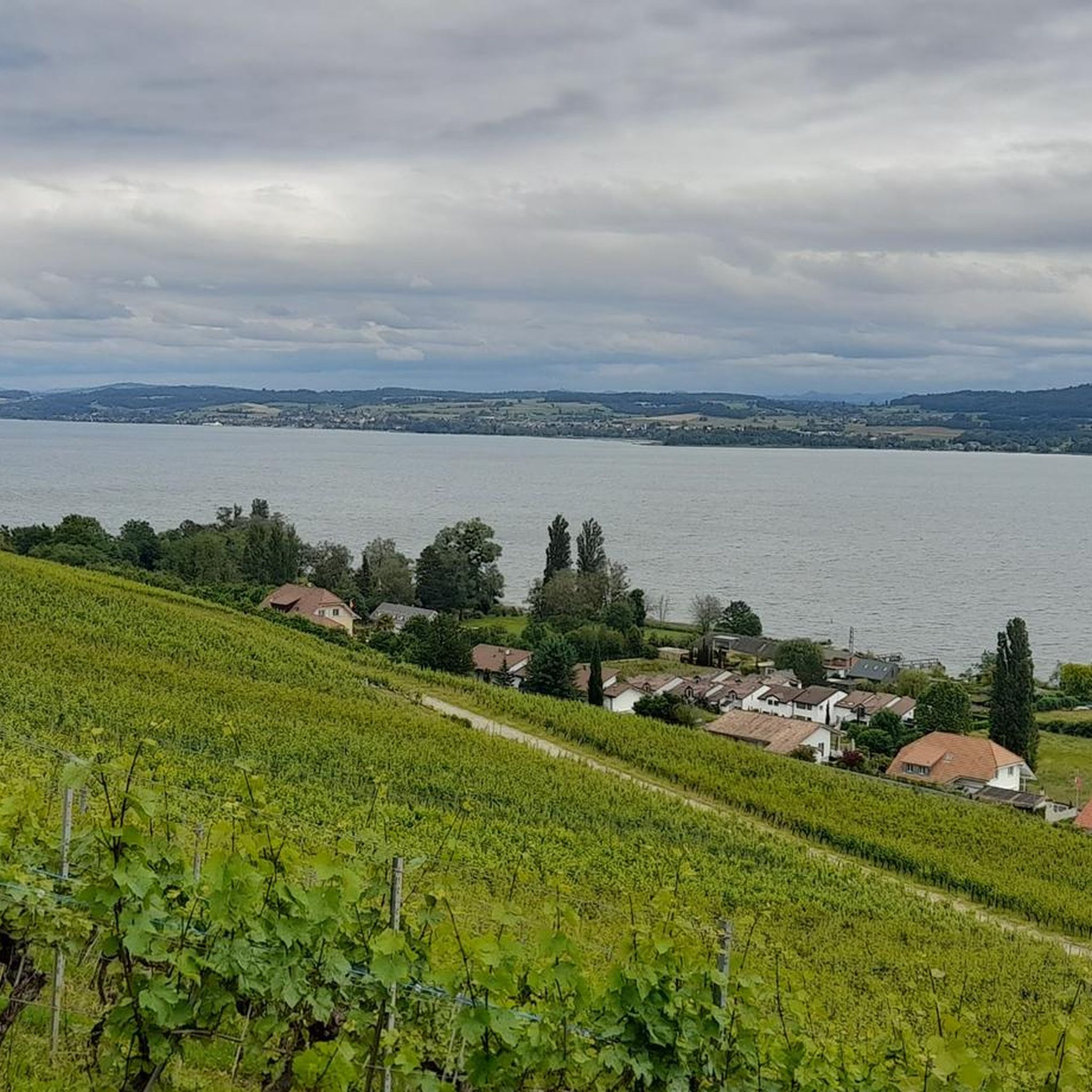
Cycling in Broye-Vully
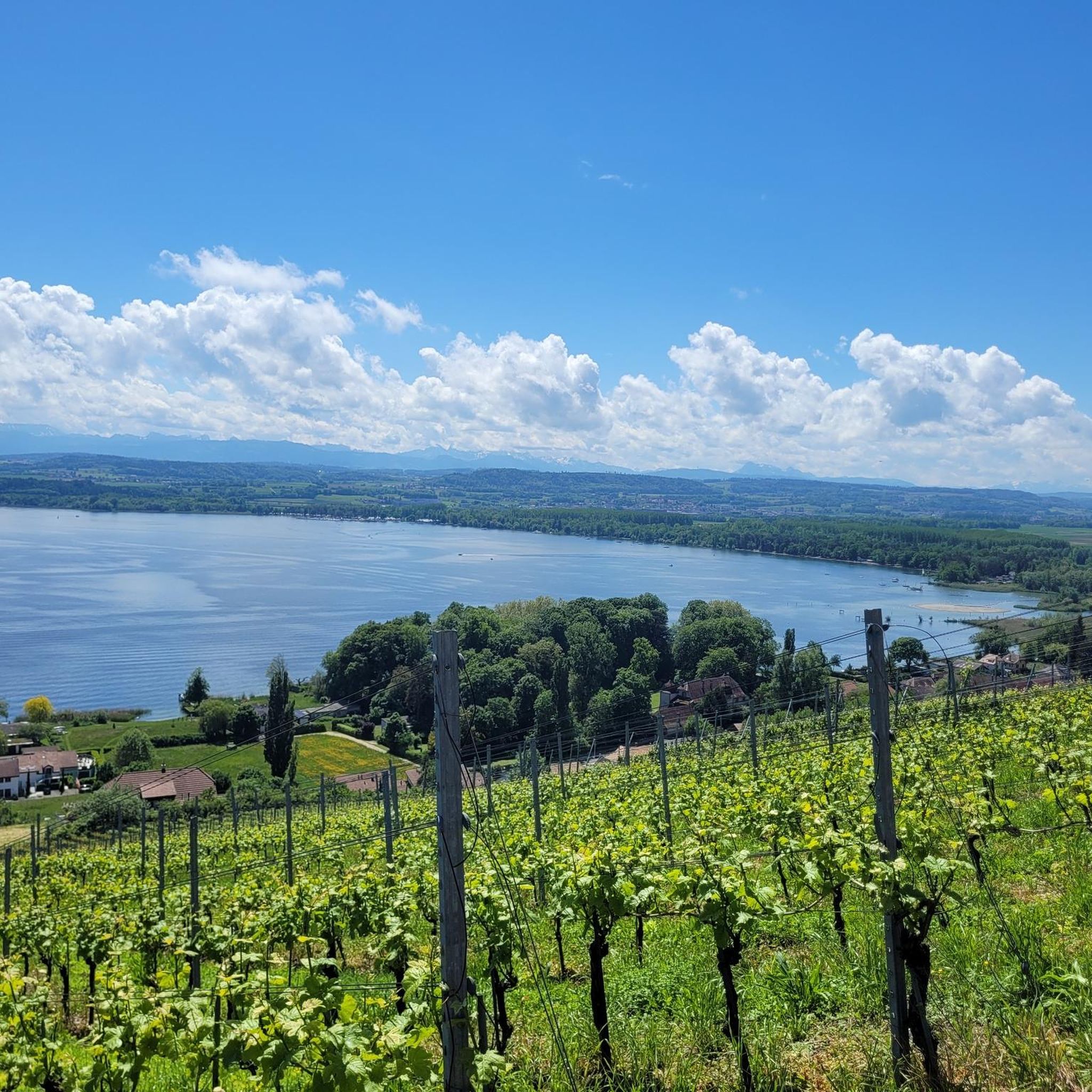
MTB Trails in Broye-Vully
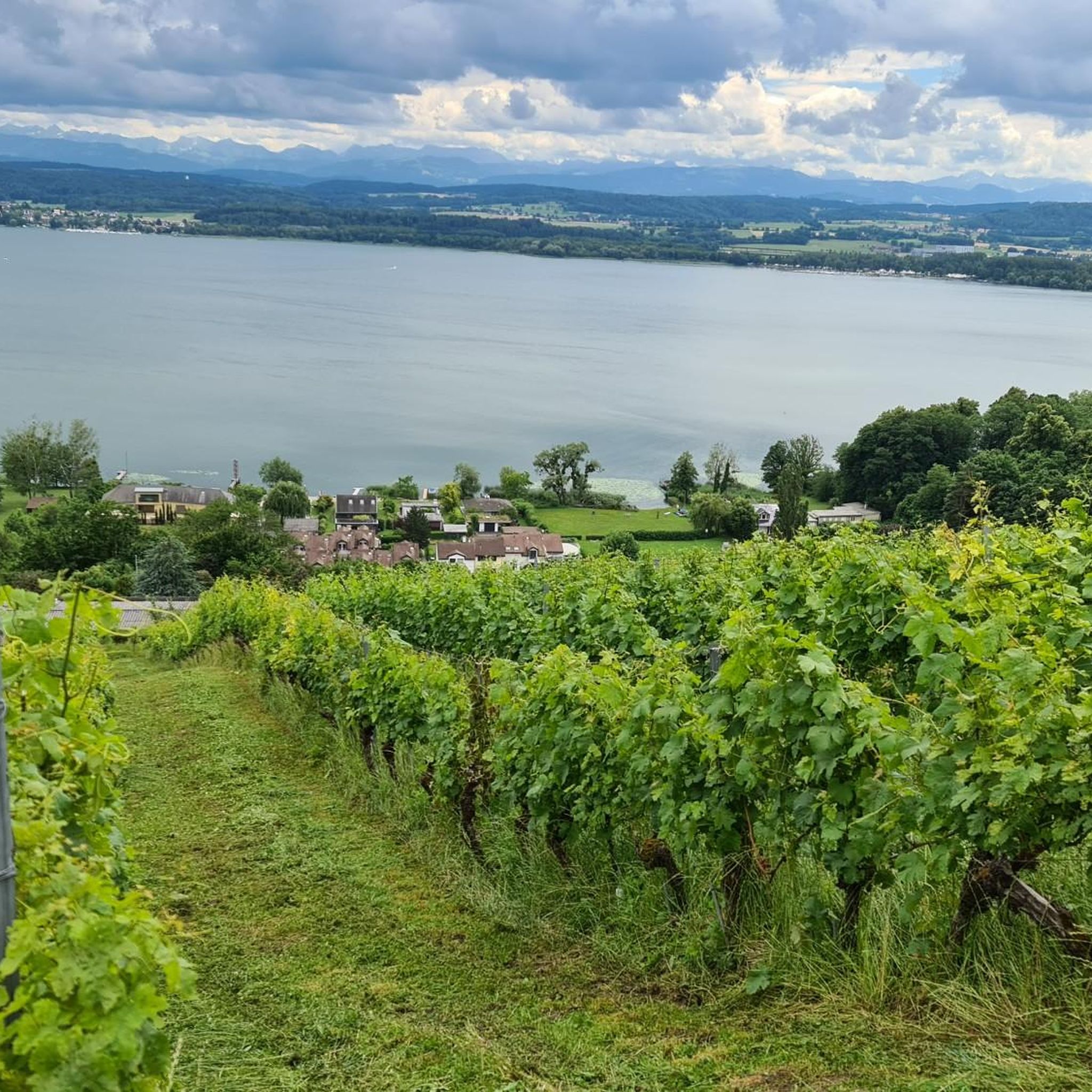
Hiking in Broye-Vully
Road Cycling Routes in Broye-Vully
Running Trails in Broye-Vully
Other adventures in Broye-Vully


Tips from the Community

Lots of things to visit and the place to take a break and drink a good glass of wine from the cellars of the town
0
0

The church tower of Saint-Etienne was once an integral part of the fortifications. Easily recognizable by its solid construction and the loopholes on the sides. In the tower passage there is an interesting information board stating that Wolfgang Amadé Mozart and his family stopped in Moudon in 1766 on their journey through Switzerland.
1
0

The city wall must have been huge if such a gate is so far away from the city...
0
0

THE EAST GATE - A MONUMENTAL BUILDING IN A DOMINANT LOCATION High above the town center on the plain is the East Gate - one of the two monumental entrances to the city wall of Aventicum. The construction of the city wall around 72 AD created new entrances to the city. The one on the east side is controlled by a gate building. This square building measuring 28 x 20 m is flanked on the outside by two octagonal towers. Two wide passages, which cross a round open-air courtyard, were intended for vehicles and two narrower side passages were reserved for pedestrians. Two openings on the city side allowed access to the two side towers and to the upper floor of the gate building. The preserved architectural elements testify to the magnificent and richly decorated character of the facades. In this way they announced the political power and economic prosperity of the Aventicum colony both internally and externally. LA PORTE DE L'EST - UN OUVRAGE MONUMENTAL - EN SITUATION DOMINANTE Au-dessus du center-ville situé dans la plaine se trouve la porte de l'Est - l'une des deux entrées monumentales du mur d'enceinte d'Aventicum. Avec la construction du mur d'enceinte vers 72 apr. J.-C., de new accesses to the ville sont créés. The oriental access is controlled by a porte, édifice quadrangulaire de 28 x 20 m wide on the exterior of two octogonal tours. Deux larges couloirs cen-traux traversant une cour circulaire à ciel ouvert sont réservés aux véhicules et deux passages lateéraux, plus étroits, aux piétons. On you can enter the two lateral tours and access the upper level of the porte property for two outer tours on the other side of the city. The architectonic elements preserve the appearance of the ostentatious character and rich decoration of the façades. Ils annonçaient ainsi, tant à l'intérieur qu'à l'extérieur, la puissance politique et la prosperité économique de la colonie d'Aventicum. THE EAST GATE - A MONUMENTAL STRUCTURE - ON A DOMINANT LOCATION Above the city center located in the plain is the East Gate - one of the two monumental gates of the city wall of Aventicum. With the construction of the city wall around 72 AD, new entrances to the city were created. The eastern one was monitored by a 28 x 20 m quadrangular gate flanked by two external octogonal towers. Two wide central passages crossing a circular open-air courtyard were reserved for vehicles, and two more narrow lateral passages served for pedestrians. One could enter the two lateral towers and reach the upper floor of the gate proper through two openings on the city side. The preserved architectural elements suggest that the facades were richly adorned, thus boasting the political power and the economic prosperity of the colony of Aventicum to both the local population and the outer world.
0
0

The Théâtre romain du Selley in Avenches is a remarkable Roman theater that was part of the ancient city of Aventicum. Built in the 1st century AD, the theater could accommodate up to 8,000 spectators and served as a venue for theatrical performances, gladiator fights and other public events. Today, the well-preserved ruins of the theater are a fascinating historical monument that attracts visitors from all over the world. With its imposing architecture and rich history, the Roman Theater is an important part of Avenches' cultural heritage and a symbol of the ancient Roman city's former splendor.
0
0
The Sanctuaire du Cigognier in Avenches is a significant archaeological site that houses the remains of a Roman sanctuary. The sanctuary was dedicated to the god Mars Caturix and was built during Roman rule in what is now Switzerland. The ruins, including parts of a temple and an altar, provide insight into the religious practice and cultural significance of the region during the Roman period. Visitors can explore the remains and learn more about the history and archaeology of Avenches.
0
0

The Roman theater was probably built in the 2nd century AD. Today you can tour the historic site and even have a picnic there. Further information at https://www.aventicum.org/de/monumente/theater
0
0

The small museum is highly recommended.
1
0
Frequently Asked Questions
What historical sites can I explore in Broye-Vully?
Broye-Vully is rich in Roman heritage. You can visit the impressive Avenches Roman Amphitheatre, which also houses a Roman museum in its medieval bishop's tower. Don't miss the East Gate of Aventicum, a monumental entrance to the ancient city, and the Roman Theater of Aventicum, where you can even enjoy a picnic. Another significant site is the Roman Theatre Selley in Avenches, known for its acoustics.
Are there any significant religious buildings to visit in the region?
Yes, Broye-Vully features several notable religious sites. The Payerne Old Town and Abbey Church offers a glimpse into medieval architecture and history. You can also explore the grand Payerne Abbey and the Saint-Étienne Reformed Church in Moudon, both significant historical and architectural landmarks.
Where can I enjoy nature and scenic views in Broye-Vully?
For natural beauty, explore the Wooden boardwalk along Lac de Neuchâtel. This section often passes through a nature reserve, offering diverse flora and fauna. It's a great place to slow down and appreciate the lakeside environment. You can also find scenic viewpoints at places like Château de Lucens.
What family-friendly attractions are available in Broye-Vully?
Many of the historical sites are family-friendly, allowing children to explore ancient ruins. The Roman Amphitheatre and Theaters in Avenches, including the Avenches Roman Amphitheatre and Roman Theater of Aventicum, are great for families. The Cigognier Sanctuary is another historical site suitable for all ages.
Are there opportunities for outdoor activities like cycling or running near these attractions?
Yes, the Broye-Vully region offers various outdoor activities. For road cycling, you can find routes like the 'Murten Clock Tower – Murten Old Town loop from Payerne' or 'Avenches Roman Amphitheatre – Murten Clock Tower loop from Faoug'. Gravel biking options include the 'Broye Hills Trail' and 'La Broye loop'. Runners can enjoy trails such as 'View of Lake Murten – Murten Old Town loop from Vully-les-Lacs' or 'Trail Along the Broye loop from Trey'. You can find more details and routes in the Road Cycling Routes in Broye-Vully, Gravel biking in Broye-Vully, and Running Trails in Broye-Vully guides.
Can I find dog-friendly attractions in Broye-Vully?
Many of the outdoor historical sites in Broye-Vully are dog-friendly. For instance, the Avenches Roman Amphitheatre, East Gate of Aventicum, and Roman Theater of Aventicum welcome dogs. The natural trails, such as the Wooden boardwalk along Lac de Neuchâtel, are also generally suitable for walks with your dog, provided they are kept on a leash and you respect local regulations.
What do visitors particularly enjoy about the attractions in Broye-Vully?
Visitors frequently highlight the rich historical context and the well-preserved Roman sites, often noting the opportunity to immerse themselves in ancient history. The scenic beauty of areas like Lac de Neuchâtel and the peaceful atmosphere of the trails are also highly appreciated. Many enjoy the blend of cultural exploration with outdoor activities, and the chance to discover hidden gems and tranquil spots away from crowds.
What is the best season to visit Broye-Vully?
The best season to visit Broye-Vully largely depends on your preferred activities. Spring and autumn offer pleasant temperatures for exploring historical sites and hiking, with beautiful natural scenery. Summer is ideal for lakeside activities and outdoor events, though it can be warmer. Winter provides a quieter experience, with opportunities for crisp walks, though some outdoor attractions might have reduced hours.
Are there easy walks or trails suitable for beginners in Broye-Vully?
Yes, the region offers several gentle paths. The Wooden boardwalk along Lac de Neuchâtel is a relatively flat and scenic option, perfect for a leisurely stroll. Many of the paths around the Roman sites in Avenches are also easy to navigate. For more structured routes, look for 'easy' or 'moderate' difficulty trails in the running or hiking guides for the region.
How accessible are the attractions in Broye-Vully by public transport?
Many towns in Broye-Vully, such as Avenches and Payerne, are served by public transport, including trains and buses, making their main attractions reasonably accessible. For specific routes and schedules to individual sites, it's advisable to check local public transport websites for the most up-to-date information, as accessibility can vary by location.
Is parking available at the main attractions in Broye-Vully?
Yes, parking is generally available at or near the main attractions. For example, there is a large paid parking lot conveniently located near the Avenches Roman Amphitheatre and Roman Museum. In towns like Payerne, you will find designated parking areas for visitors exploring the old town and abbey. It's always a good idea to look for local signage upon arrival.
Most popular routes in Broye-Vully
Most popular attractions in Broye-Vully

Get inspired with the komoot mobile app


Didn’t find what you were looking for?
Are you keen on exploring more awesome places nearby? Browse our guides:
Explore more
Still not found the Highlight you’re looking for? See guides of the top attractions in other regions:
