Top 18 Castles around Dermbach
Best castles around Dermbach are found in a region rich with historical significance and diverse landscapes. The area features numerous historical castles, ranging from Baroque palaces to medieval fortifications. These sites offer insights into local history and architecture, providing varied experiences for visitors. The surrounding Rhön area also contributes to the region's appeal for outdoor activities.
Best castles around Dermbach
- The most popular castles is Geysosche Castle Roßdorf, a castle that was first mentioned in documents as early as…
Last updated: June 24, 2026
Tann Castle
Highlight • Castle
Translated by Google •
Tip by

Geisa Castle
Highlight • Castle
Translated by Google •
Tip by

Sign up now to discover places like this
Get recommendations on the best single tracks, peaks, & plenty of other exciting outdoor places.
Sign up for free
Lengsfeld Castle
Highlight • Castle
Translated by Google •
Tip by

Feldeck Castle
Highlight • Castle
Translated by Google •
Tip by

Geysosche Castle Roßdorf
Highlight • Castle
Translated by Google •
Tip by
Sign up for free to discover even more castles around Dermbach.
Sign up for free
Already have an account?
Start today with a free account
Your next adventure awaits.
Login or Signup



Tips from the Community

A castle with a campsite is rarely found. Yet this small, fine one is special among the motorhome pitches. Being mobile is a must here, as there is no catering. But plenty of space for guests in the green. The entire area around the castle is worth seeing.
0
0

Feldeck Castle was built on behalf of the Hersfeld monastery and was initially managed by the Lords of Frankenstein, like the other castles in the region. In 1622, the castle passed to the Butlar family, who have lived there ever since - interrupted only by a forced expropriation during the GDR era.
0
0

The Princely Castle of Geisa opened its doors to the Point Alpha Academy in September 2011 after a general renovation. The former district court, the baroque castle, the former prison and the Protestant church form the castle square ensemble of Geisa.
4
0

For Tann Castle, see e.g. https://de.wikipedia.org/wiki/Schloss_Tann. For the noble family, see e.g. https://de.wikipedia.org/wiki/Tann_(Adelsgeschlecht)
0
0

Nice place to stay for a short while.
0
0

The two-storey building with the round stair tower now houses holiday apartments. Built around 1600, Johann Leopold von Geyso bought the estate in 1710 and added the stair tower to the front. The von Geyso family lived in the castle until the middle of the 19th century. It came into the possession of the Prussian Minister of Trade von Berlepsch via the industrialist Wenzel. Outbuildings and farm buildings fell victim to the great village fire in 1895. After the Second World War, the property was nationalised and the local administration and library moved in. A descendant of the von Berlepschs got the property back after the fall of the Berlin Wall.
0
0
Lengsfeld Castle is also known as the moated castle or Boineburg Castle. As early as 1125, Hersfeld Monastery had a castle built in a protected area of the Felda floodplain. It was significantly expanded in the 14th century and became the property of the Boineburg family in the 16th century. At the beginning of the 19th century, the moats were filled in, a park was created and the castle was converted into a residential castle. After the Second World War, the state took over the estate and the castle complex was used as a sanatorium. The complex on the outskirts of Stadtlengsfeld now houses a rehabilitation clinic specializing in psychosomatics.
1
0

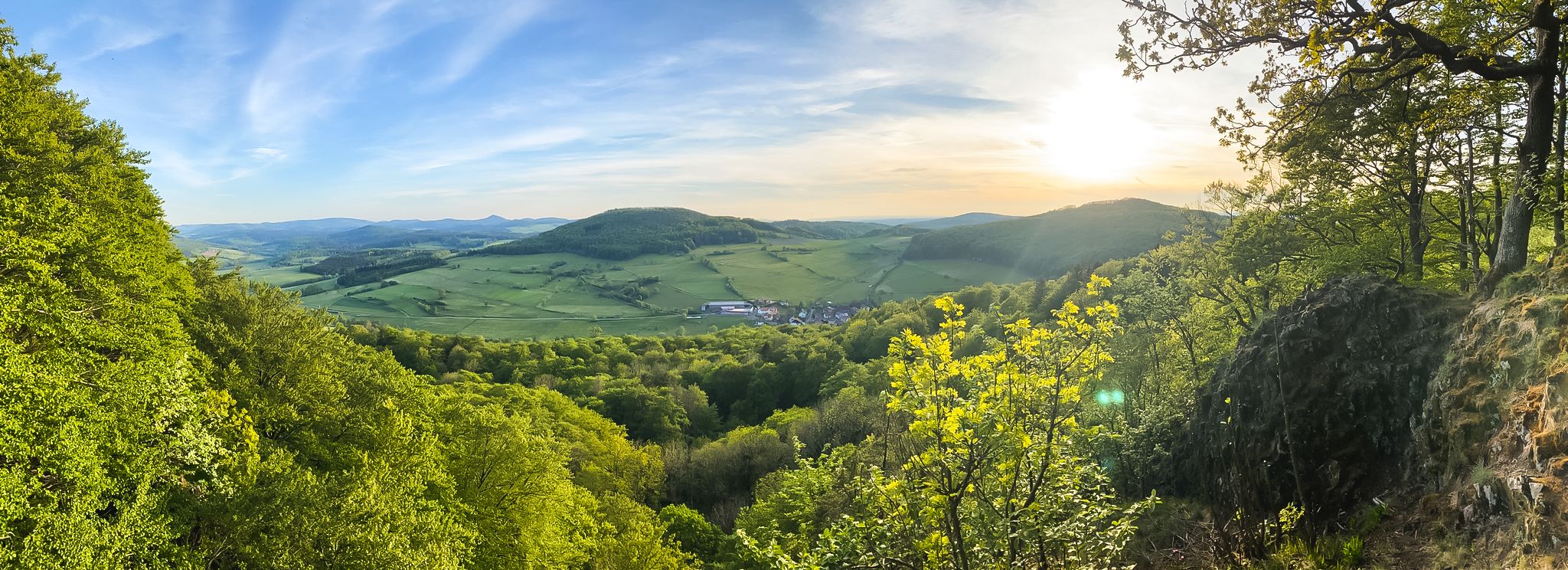
Geisa Castle is embedded in the charming Rhön landscape, with its numerous basalt peaks and extensive valleys. With impressive panoramic views, it offers a unique ambience for conferences and celebrations right in the heart of Germany. Experience with us the well-known Rhön hospitality in the land of open distances. We are looking forward to your visit! This is how it is written: https://www.schlossgeisa.de/
7
0
Frequently Asked Questions
Which castles are most popular to visit around Dermbach?
Visitors frequently enjoy Geysosche Castle Roßdorf, a historic moated castle now offering holiday apartments. Another popular choice is Geisa Castle, which once served as a hunting lodge and now houses the Point Alpha Foundation. Lengsfeld Castle, a medieval fortification, is also highly appreciated for its historical context.
What are some notable castles in the Dermbach region besides Schloss Dermbach?
Beyond the Dermbach Baroque Palace, you can explore Geysosche Castle Roßdorf, known for its 17th-century residential building and current use as holiday apartments. Geisa Castle, a former hunting lodge, is significant for its role in Cold War education. Lengsfeld Castle offers a glimpse into medieval fortifications, while Tann Castle showcases Renaissance and Baroque architecture.
Are there family-friendly castles to visit near Dermbach?
Yes, several castles in the area are considered family-friendly. Geysosche Castle Roßdorf, Geisa Castle, Lengsfeld Castle, and Tann Castle all have categories indicating they are suitable for families, offering historical exploration and often pleasant surroundings.
What is the best time of year to visit the castles around Dermbach?
The spring and summer months (April to September) generally offer the most pleasant weather for exploring the castles and their surroundings. Autumn also provides beautiful scenery with changing foliage. While some castles may be accessible in winter, check individual opening hours as facilities or outdoor areas might be limited.
Are there hiking or cycling routes near the castles around Dermbach?
Absolutely. The region around Dermbach, including areas near the castles, is excellent for outdoor activities. You can find numerous road cycling routes, MTB trails, and gravel biking options. For example, there are routes like the 'Felda Rail Trail' for gravel biking or 'Immelborn pond – Breitunger Lakes loop' for road cycling. You can explore more options on the dedicated guides for Road Cycling Routes around Dermbach, MTB Trails around Dermbach, and Gravel biking around Dermbach.
How much time should I plan for visiting castles in the Dermbach area?
The time needed varies by castle. For the Dermbach Baroque Palace, a visit might take 1-2 hours to see the exterior and accessible public areas. Larger sites like Geisa Castle, especially if you engage with the Point Alpha Foundation exhibits, could take 2-3 hours. For castles like Geysosche Castle Roßdorf, which are partly private, you might spend less time on site but enjoy the surrounding village. Planning a full day allows for visiting 2-3 castles and enjoying the scenic drives between them.
What is the walking difficulty like when visiting castles in the Dermbach region?
Walking difficulty varies. Many castles, like the Dermbach Baroque Palace, are located within towns and have relatively easy access. However, some medieval fortifications or castles situated on hills might involve moderate uphill walks or uneven terrain. Always wear comfortable shoes, especially if you plan to explore the grounds or nearby trails.
Are there any lesser-known or 'hidden gem' castles worth exploring?
While not extensively detailed in visitor tips, Feldeck Castle in Dietlas is a former medieval moated castle with a horseshoe-shaped structure. Although it's privately owned and not open for interior visits, its historical significance and exterior views make it an interesting stop for those seeking less-traveled sites.
Can I visit the castles around Dermbach with my dog?
Generally, exterior grounds and surrounding areas of castles are often dog-friendly, especially if on a leash. However, access to interior buildings, museums, or specific castle rooms is usually restricted for dogs. It's best to check the specific rules for each castle before your visit, particularly for places like the Dermbach Baroque Palace or Geisa Castle.
Are the castles around Dermbach accessible for visitors with mobility limitations?
Accessibility can be challenging for historic buildings. The Dermbach Baroque Palace, being a public administrative building, may offer some level of accessibility on its ground floor. However, many older castles, like medieval fortifications, often feature stairs, uneven surfaces, and limited ramp access. It is advisable to contact individual castle administrations or tourist information centers for specific accessibility details before planning your visit.
Are there cafes or dining options near the castles?
Yes, many castles are located within or near towns that offer dining options. For instance, Tann Castle is near the market square with recommendations like Eiscafe Royal. Geisa Castle itself houses the Point Alpha Academy, which includes dining facilities. In general, you'll find cafes and restaurants in the towns where these castles are situated.
What kind of historical significance do the castles in Dermbach hold?
The castles in Dermbach and its vicinity offer a rich tapestry of history. The Dermbach Baroque Palace, for example, was built in 1707 and served as an administrative seat for centuries. Lengsfeld Castle dates back to 1125 as a medieval fortification, while Geisa Castle played a role as a hunting lodge and is now central to Cold War education. These sites reflect various eras, from medieval strongholds to Baroque residences and post-war transformations.
Most popular routes around Dermbach
Most popular attractions around Dermbach

Get inspired with the komoot mobile app


Explore more
Looking for the best castles somewhere else? Discover other guides around Dermbach:
