The best walks and hikes around Piets-Plasence-Moustrou
4.5
(58)
426
hikers
29
hikes
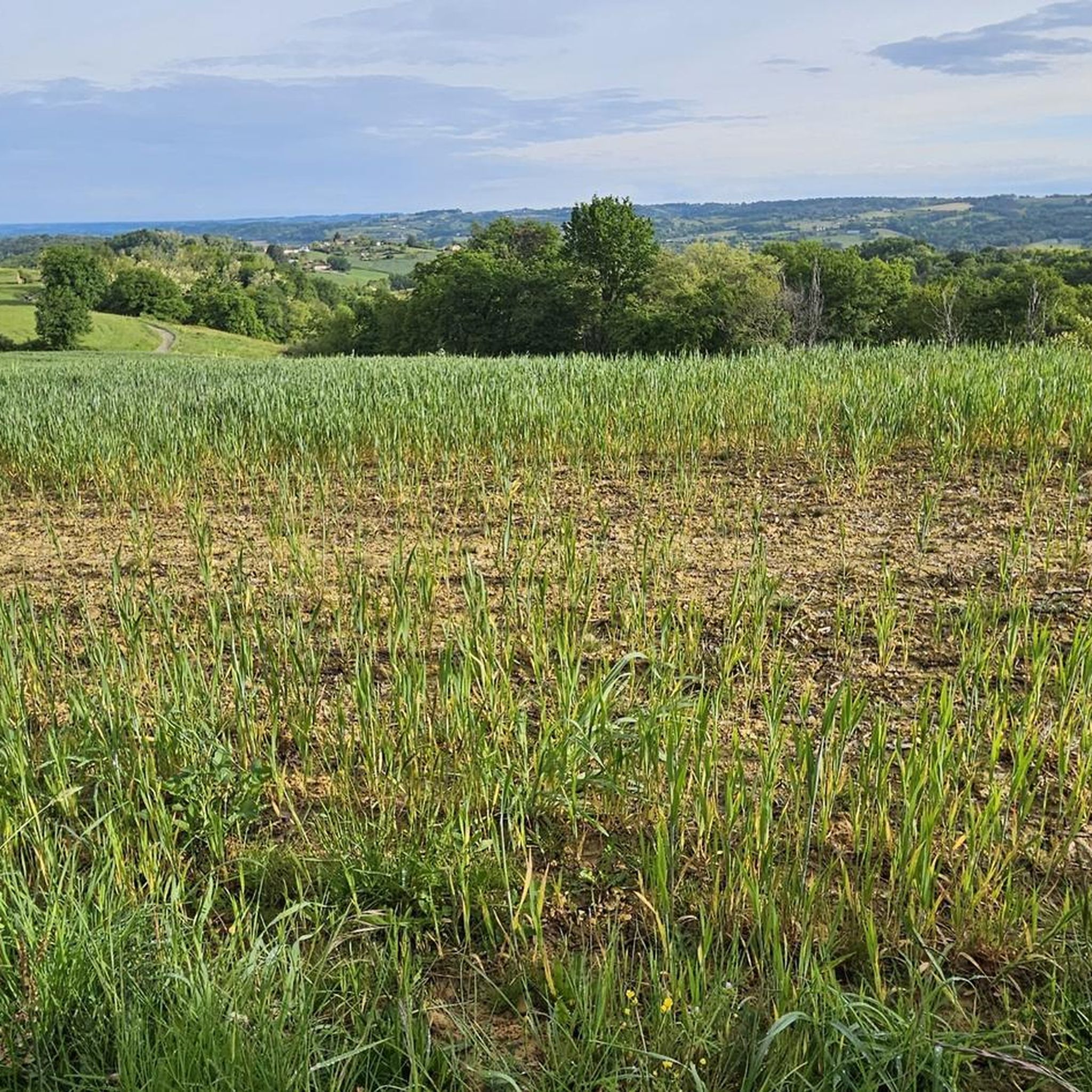
Hiking around Piets-Plasence-Moustrou offers a network of trails through the rolling landscapes of southwestern France. The region is characterized by agricultural fields, scattered woodlands, and gentle elevation changes, providing accessible outdoor experiences. Many routes follow historical paths, including sections related to the Camino de Santiago, offering a blend of natural beauty and cultural heritage. These hiking trails around Piets-Plasence-Moustrou are suitable for various fitness levels, from leisurely strolls to more challenging long-distance loops.
Best hiking trails around Piets-Plasence-Moustrou
- The most…
Last updated: October 11, 2026
4.1
(14)
84
hikers
29.9km
07:57
310m
310m
Hard hike. Very good fitness required. Easily-accessible paths. Suitable for all skill levels.
4.4
(5)
26
hikers
26.4km
07:19
460m
460m
Hard hike. Very good fitness required. Easily-accessible paths. Suitable for all skill levels.

5.0
(1)
17
hikers
22.8km
06:20
420m
420m
Hard hike. Very good fitness required. Easily-accessible paths. Suitable for all skill levels.
4.0
(2)
12
hikers
8.46km
02:24
190m
190m
Moderate hike. Good fitness required. Easily-accessible paths. Suitable for all skill levels.
5.0
(1)
8
hikers
11.4km
03:14
260m
260m
Moderate hike. Good fitness required. Easily-accessible paths. Suitable for all skill levels.
Get access to more routes and recommendations from other explorers.
Already have an account?
Our route recommendations are based on thousands of hikes, rides, and runs completed by other people on komoot.
Start today with a free account
Your next adventure awaits.



Tips from the Community

The Romanesque chapel was built on the orders of the Viscount of Béarn, Gaston IV, known as the Crusader (1090-1130), upon his return from the First Crusade. It was entrusted to the Knights of Saint John of Jerusalem and experienced its heyday until the mid-16th century, when the Wars of Religion broke out. Inside, behind the beautiful Gothic arches, we can see the tomb with the figure of a medieval knight. On the outside, the details of the capitals are worth seeing.
2
0
Very nicely laid out rest area with plenty of shade and comfortable seating
2
0
The original building was erected in the 12th century near the miraculous spring of Sainte-Quitterie (a virgin martyr very popular in the southwest of France). The spring, rebuilt in 1950, was already a place of pilgrimage before the construction of the parish church (its water was said to heal eye diseases and headaches).
2
0
The site of the abbey of Saint-Pierre de LARREULE was of great importance in the history of Béarn. During the formation of the Principality of the Pyrenees, around the 10th century, monks organized the large-scale clearing and development of the land; their abbeys were economic units. Only part of the Romanesque abbey church, built in the 12th century and rebuilt in the 16th century after significant destruction by Protestant troops, remains of the abbey. Three Romanesque capitals as well as several listed statues from the 17th and 18th centuries can still be seen there. As the nave (oriented East-West) was never rebuilt, the old Romanesque transept (oriented North-South) served as the nave from the 17th century onwards, when the west wall was erected to complete the church.
2
0
The Romanesque chapel was built on the orders of the Viscount of Béarn, Gaston IV, known as the Crusader (1090-1130), upon his return from the First Crusade. It was entrusted to the Knights of Saint John of Jerusalem and experienced its heyday until the mid-16th century, when the Wars of Religion broke out. Inside, behind the beautiful Gothic arches, we can see the tomb with the figure of a medieval knight. On the outside, the details of the capitals are worth seeing. 'La petite église' can be read framed at the entrance of the church.
2
0
The Romanesque church was built in the 14th century. The main portal preserves elements from the end of the 12th century, as does the series of corbels that adorn the apse cornice and are characteristic of Romanesque art.
1
0

An old manor house in the heart of Béarn, Arzacq-Arraziguet retains the lines of its past with its central square and typical arcades. A short bike ride away, its lake offers a pleasant setting, ideal for a break by the water.
0
0
The medieval village of Morlanne, perched on a ridge, houses some beautiful treasures such as its castle, its fortified church, or some beautiful panoramas of the surrounding countryside. It is a choice stopover in the heart of Béarnaise authenticity.
0
0
Frequently Asked Questions
How many hiking trails are available in Piets-Plasence-Moustrou?
There are over 25 hiking trails available around Piets-Plasence-Moustrou, offering a variety of experiences for different fitness levels.
Are there easy hiking trails suitable for beginners in Piets-Plasence-Moustrou?
Yes, Piets-Plasence-Moustrou offers 8 easy hiking trails. These routes typically feature gentle elevation changes and are perfect for leisurely strolls through the agricultural fields and woodlands.
What kind of terrain can I expect on hikes around Piets-Plasence-Moustrou?
The region is characterized by rolling landscapes, agricultural fields, scattered woodlands, and gentle elevation changes. Many routes follow historical paths, including sections related to the Camino de Santiago.
Are there any challenging hikes for experienced trekkers?
Yes, for experienced hikers, there are 5 difficult trails. An example is the Pimbo – Moulin de Louvigny loop from Arzacq-Arraziguet, which is 16.2 miles (26.0 km) long and traverses varied terrain with significant elevation changes.
Are there any circular walking routes in Piets-Plasence-Moustrou?
Many of the trails in the region are circular, allowing you to start and end at the same point. For instance, the Compostelle milestone 908km – Moulin de Louvigny loop from Arzacq-Arraziguet is a moderate 5.2 miles (8.4 km) loop.
What are some interesting landmarks or attractions to see along the trails?
Hikers can discover several points of interest. You might encounter the historic Moulin de Louvigny, the serene Saint Martin Church, or the ancient Caubin Chapel. Some routes also offer a Panoramic view of the Pyrenees.
What do other hikers enjoy the most about hiking in Piets-Plasence-Moustrou?
The area is highly rated by the komoot community, with an average score of 4.5 stars from over 40 reviews. Reviewers often praise the blend of natural beauty with cultural heritage, particularly the historical pilgrimage paths and the tranquil, rolling landscapes.
Are the hiking trails in Piets-Plasence-Moustrou suitable for families?
Yes, the region offers several family-friendly options, especially among the 8 easy trails. These routes are generally shorter with minimal elevation, making them suitable for walks with children.
What is the best time of year to go hiking in Piets-Plasence-Moustrou?
The spring and autumn months are generally ideal for hiking in Piets-Plasence-Moustrou, offering pleasant temperatures and vibrant landscapes. Summer can also be enjoyable, though it's advisable to start early to avoid the midday heat.
Are there any specific routes that offer scenic viewpoints?
While the region is known for its rolling agricultural landscapes, some trails provide elevated sections with expansive views. Keep an eye out for routes that pass by the Panoramic view of the Pyrenees for stunning vistas.
How long do hikes typically take in this region?
Hike durations vary significantly. Easy trails can take as little as an hour or two, while moderate routes like the Compostelle milestone 908km – Moulin de Louvigny loop from Louvigny might take around 3.5 hours. More challenging routes can extend to 8 hours or more.
Is it possible to find quiet hiking trails away from crowds?
Piets-Plasence-Moustrou is generally a tranquil region, and many trails, especially those through agricultural fields and woodlands, offer a peaceful hiking experience. Early mornings or weekdays are often best for solitude.
Most popular routes around Piets-Plasence-Moustrou
Most popular attractions around Piets-Plasence-Moustrou

Get inspired with the komoot mobile app


Explore more
Browse the best Hikes in other regions.
