Top 20 Castles around Großschwabhausen
Castles around Großschwabhausen offer a journey through the rich history of Thuringia, Germany. This region, characterized by its varied landscape of rolling hills and forests, provides a setting for numerous historical sites. While Großschwabhausen itself does not feature prominent castles, the surrounding area is home to a diverse collection of well-preserved palaces and ancient ruins. These structures reflect centuries of architectural development and cultural significance within the heart of Germany.
Best castles around Großschwabhausen
- The most popular castles is Belvedere…
Last updated: July 6, 2026
Lobdeburg Castle Ruins
Highlight • Castle
Translated by Google •
Tip by

Belvedere Palace Weimar
Highlight • Castle
Translated by Google •
Tip by

Sign up now to discover places like this
Get recommendations on the best single tracks, peaks, & plenty of other exciting outdoor places.
Sign up for free
Kunitzburg Ruins
Highlight • Castle
Translated by Google •
Tip by

Schloss Tiefurt
Highlight • Castle
Duchess Anna Amalia's summer residence
The current design reflects the taste of the time around 1800. Originally it was the estate tenant's house, until Duchess Anna Amalia took …
Translated by Google •
Tip by

Weimar City Palace
Highlight • Castle
Translated by Google •
Tip by

Sign up for free to discover even more castles around Großschwabhausen.
Sign up for free
Already have an account?
Start today with a free account
Your next adventure awaits.
Login or Signup

Tips from the Community

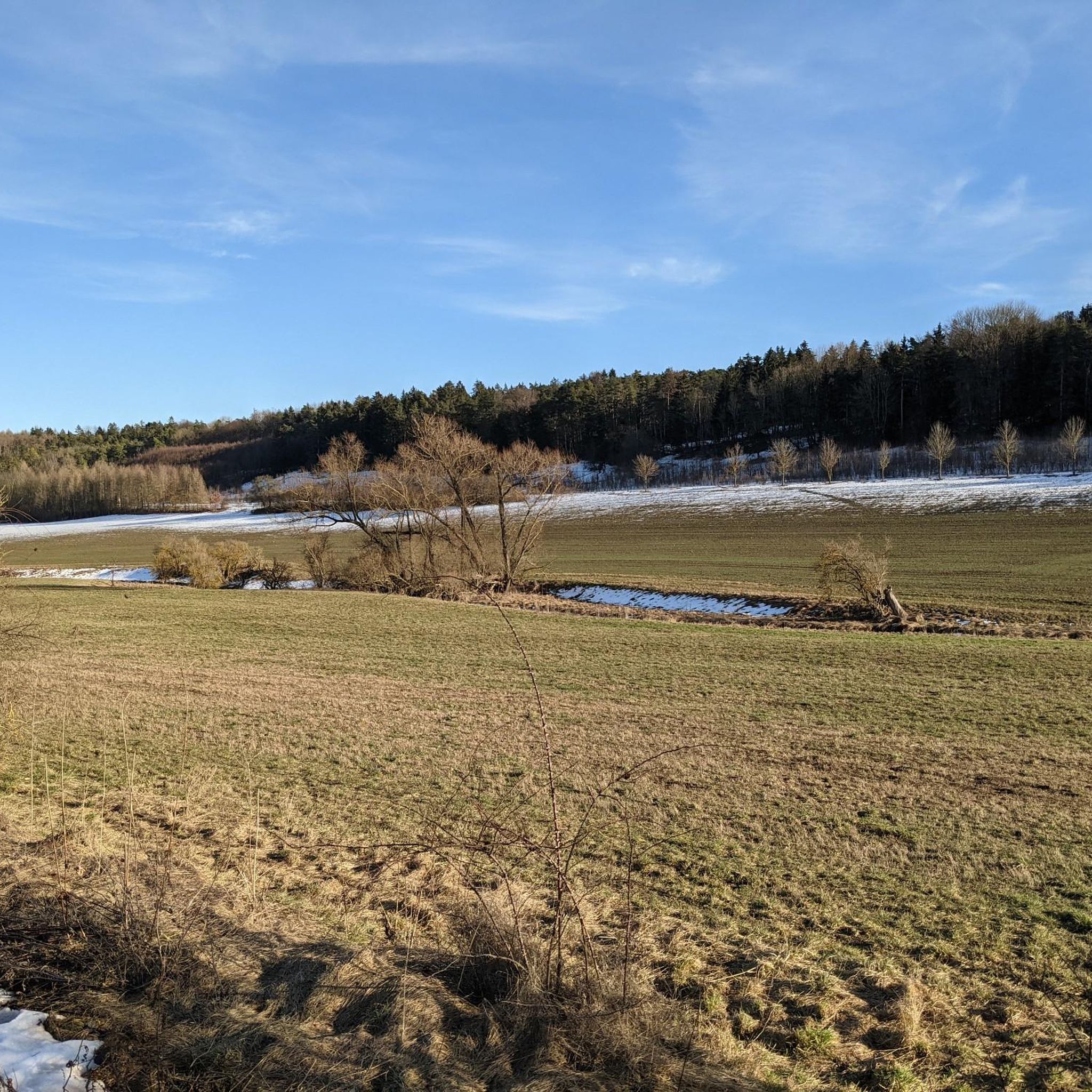
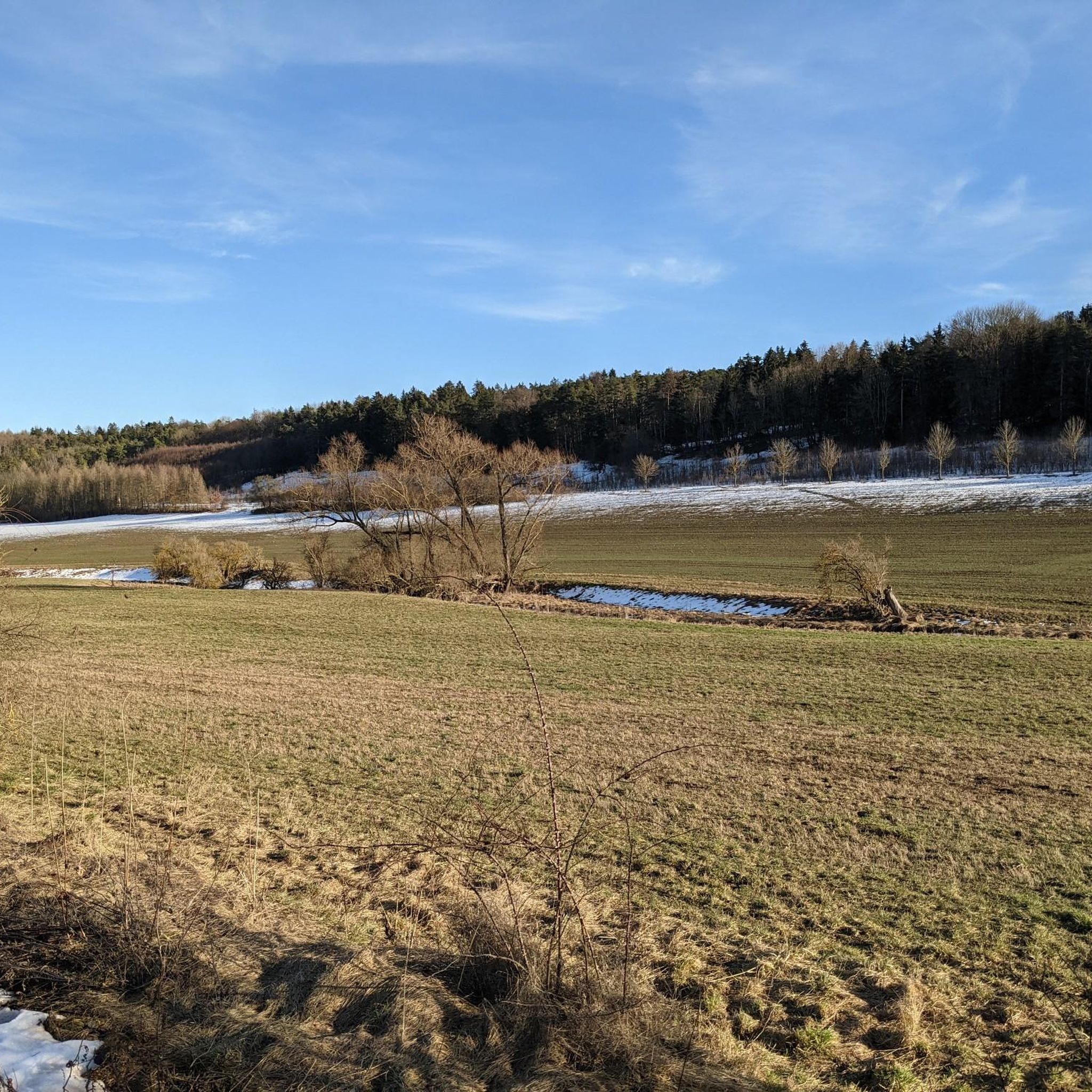
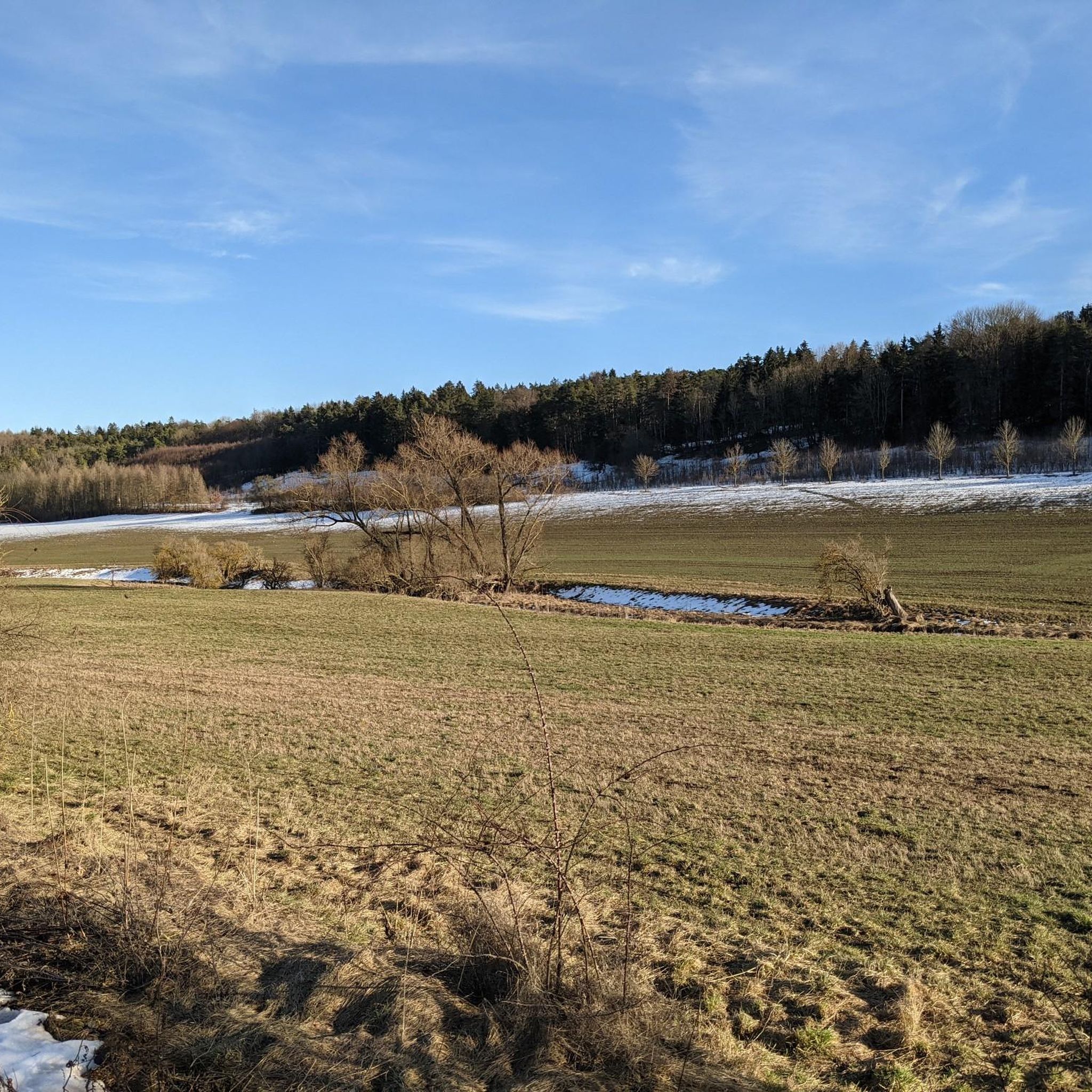
Kunitzburg Castle is a picturesque castle ruin perched on a hill above the Kunitz district of Jena. Dating back to the Middle Ages, this historic site offers fascinating insights into regional history and medieval architecture.
21
0
The ruins of Lobdeburg Castle are among the most impressive and best-preserved Romanesque secular buildings in Thuringia. They are also among the most important cultural monuments in the territory of the independent city of Jena and represent an important local recreation destination for the people of the surrounding area.
18
0

Tiefurt Castle Duchess Anna Amalia's summer residence The current design reflects the taste of the time around 1800. Originally it was the estate tenant's house, until Duchess Anna Amalia took over the modest castle building after Ettersburg Castle as a summer residence and turned it into a place for literary and social meetings. The Duchess made a conscious decision not to change the exterior architecture, as she particularly liked the rural ambience. Anna Amalia also gathered scholars and friends around her in Tiefurt. The heyday of Tiefurt's sociability, which was reflected in Tiefurt's journal, is associated with the first four years of her summer stays. Performances by the Weimar amateur theater were among the special events. Tour Several works of art commemorate Anna Amalia's trip to Italy from 1788 to 1790, including a watercolor by Johann Georg Schütz showing the Duchess and her traveling party surrounded by Roman artists in the garden of the Villa d'Este. Sculptures and busts by the court sculptor Gottlieb Martin Klauer in the stairwell as well as porcelain from China, Meissen, Copenhagen, Fürstenberg and Vienna are among the artistic highlights of the furnishings. From the courtyard, it is possible to look into the cold kitchen with a variety of utensils. The historical display dishes made of porcelain, wax and papier-mâché on display there come from the ducal property and imitate the dishes in a deceptively realistic way. Text / Source: Weimar GmbH, Tourist Information Weimar, Markt 4, Weimar https://www.weimar.de/kultur/sehenswuerdigkeiten/schloesser/schloss-tiefurt/#:~:text=Schloss%20Tiefurt.%20Herzogin%20Anna%20Amalias%20Sommersitz.%20Die
15
2
Tiefurt Castle Park The Tiefurt Castle Park extends over an area of 21 hectares on both sides of the Ilm. Gently sloping meadows with beautiful groups of trees extend to the river bank. Beyond this, a steep slope covered with dense trees rises. Numerous monuments and park architecture such as the tea pavilion invite you to explore. The Ilmtal cycle path runs directly along the river. Text / Source: Weimar GmbH, Tourist Information Weimar, Markt 4, Weimar https://www.weimar.de/kultur/sehenswuerdigkeiten/parks-und-gaerten/schlosspark-tiefurt/#:~:text=Der%20Schlosspark%20Tiefurt%20erstreckt%20sich%20auf%20einer%20Fl%C3%A4che%20von
14
1
Medieval castle ruins on the Gleißenberg north of Jena.
23
0

Well-preserved castle complex in a wonderful park.
9
1

Gleißberg Castle, now mostly called Kunitzburg after the Jena district of Kunitz below, is the ruins of a hilltop castle at 325 m above sea level. NN (foundation walls) five kilometers northeast of the city at the northern end of the so-called "horseshoe". This is formed by the Jenzig and the steep Großer Gleisberg, which projects west into the Saale Valley. The ruins belong to the Kunitz corridor, but the border with the Golmsdorf corridor runs a few meters down the slope. Source: Wikipedia
18
1
Lobdeburg was first mentioned in 1166. The castle was most likely built by the Lords of Auhausen, appointed by the emperor as ministerials, who named the castle after the town of Lobeda. One reason for this was probably the good experiences that the emperor had already had with other ministerials in the area who belonged to the family group. Shortly afterwards, the branch of the family that lived here called itself “von Lobedeburg”. The construction of the castle was completed in 1185. As a result of the Vogtland War of 1354–57, the imperial rule of the Lobdeburgers came under the suzerainty of the Wettins in 1358. In 1450, Duke Wilhelm of Saxony conquered the castle in the Saxon Civil War. The Puster family owned the castle until 1591. The complex then began to fall into disrepair and the stones were used, among other things, to build the Saale Bridge near Burgau. Source: Wikipedia
24
0
Frequently Asked Questions
What types of castles can I explore around Großschwabhausen?
While Großschwabhausen itself doesn't feature prominent castles, the surrounding region of Thuringia offers a diverse collection of historical sites. You can find well-preserved palaces like Belvedere Palace Weimar and Schloss Tiefurt, ancient ruins such as Kunitzburg Ruins and Lobdeburg Castle Ruins, and even impressive moated castles like Kapellendorf Moated Castle.
Which castles offer historical insights and scenic views?
Many castles in the region combine historical significance with beautiful vistas. Kunitzburg Ruins, perched on a hill above Jena, offers fascinating insights into medieval architecture and picturesque views. Similarly, Lobdeburg Castle Ruins, known for its Romanesque elements and connection to Goethe, provides a great view of Jena. Wachsenburg Castle also offers a museum and restaurant with scenic surroundings.
Are there family-friendly castles to visit in the area?
Yes, several castles are suitable for families. Belvedere Palace Weimar is considered family-friendly, featuring a spacious park with an orangery, pleasure garden, and maze that children can enjoy. Schloss Tiefurt also has a beautiful park ideal for family strolls. Kromsdorf Castle, with its restaurant and exhibition halls, can also be an engaging visit for families.
What outdoor activities can I do near these castles?
The region around Großschwabhausen is excellent for outdoor enthusiasts. You can find numerous routes for various activities. For running, explore trails like the 'Mühltal Waterworks Museum loop' or 'Forest Descent Towards Jena loop' near Großschwabhausen. Gravel biking options include routes like 'Forest Descent Towards Jena – Goethe's Garden House loop'. Mountain biking trails, such as 'Leutra Valley – Old Burgau Saale Valley Bridge loop', are also available. You can find more details on these and other routes in the Running Trails around Großschwabhausen, Gravel biking around Großschwabhausen, and MTB Trails around Großschwabhausen guides.
What is the best time of year to visit the castles around Großschwabhausen?
The best time to visit the castles around Großschwabhausen is generally from spring to autumn (April to October). During these months, the weather is pleasant for exploring castle grounds and parks, and most attractions have extended opening hours. Summer offers lush greenery, while autumn provides beautiful foliage. Winter visits can be charming for specific events, but some outdoor areas or smaller sites might have reduced accessibility or hours.
Are there any castles with connections to famous historical figures?
Yes, the region boasts castles with significant historical connections. Belvedere Palace Weimar served as the baroque summer residence for the von Sachsen-Weimar and Eisenach families. Schloss Tiefurt was the summer residence of Duchess Anna Amalia and a hub for literary and social gatherings, frequented by Goethe. Kochberg Castle is also deeply connected to Johann Wolfgang von Goethe through his friendship with Charlotte von Stein.
Where can I find information about the oldest castles in Thuringia?
Mühlburg Castle is considered the oldest castle in Thuringia. It features discernible foundation walls of a former Radegundis chapel, and visitors can explore its tower and a small museum. For more information, you can visit the Erfurt Tourism website: Mühlburg Castle.
Are there castles that offer dining or accommodation options?
Yes, some castles in the broader Thuringian region provide amenities like dining and accommodation. Wachsenburg Castle, one of the 'Drei Gleichen' castles, houses a museum, a hotel, and a restaurant. Kromsdorf Castle also features a restaurant, event, and exhibition halls. Kochberg Castle has a restaurant known for home-baked cakes and regional specialties.
What do visitors particularly enjoy about the castles in this region?
Visitors frequently appreciate the rich history, diverse architecture, and scenic beauty of the castles around Großschwabhausen. The komoot community has shared over 1526 photos and given more than 1513 upvotes, highlighting the picturesque ruins, well-preserved palaces, and the blend of cultural significance with natural surroundings. Many enjoy the hiking opportunities to reach castle ruins and the stunning views they offer.
Can I bring my dog to the castles around Großschwabhausen?
Dog policies vary significantly between different castle sites. While outdoor areas like parks or castle ruins might be dog-friendly, often on a leash, indoor museum areas or specific gardens may restrict access for pets. It's always best to check the specific castle's official website or contact them directly before your visit to confirm their current dog policy.
Are there any castles with unique architectural features?
Absolutely. Kapellendorf Moated Castle is a prime example, recognized as one of the largest and best-preserved moated castles in Thuringia, showcasing significant medieval defensive architecture. Burgk Castle on the Saale is also notable for being the oldest and largest castle complex in the Thuringian Oberland, considered one of the most beautiful castles in Germany due to its picturesque location and historical grandeur.
How can I reach some of these castles using public transport?
Public transport options to castles around Großschwabhausen can vary. Larger towns like Weimar, which hosts Belvedere Palace Weimar and Schloss Tiefurt, are well-connected by regional trains and buses. For more remote castle ruins, such as Kunitzburg Ruins or Lobdeburg Castle Ruins, you might need to combine public transport with a hike or a short taxi ride from the nearest town.
Most popular routes around Großschwabhausen
Most popular attractions around Großschwabhausen

Get inspired with the komoot mobile app


Explore more
Looking for the best castles somewhere else? Discover other guides around Großschwabhausen:
