Top 20 Castles around Wohlsborn
Best castles around Wohlsborn are found in the region surrounding this idyllic and green village, located approximately 5 km from Weimar. While Wohlsborn itself features a 15th-century church and local amenities, it does not host any castles directly. The nearby city of Weimar, a hub of cultural significance, offers several notable historical palaces and former ducal residences. These sites provide insights into centuries of German history and architecture within a short distance of Wohlsborn.
Best castles around Wohlsborn
- The most…
Last updated: August 16, 2026
Belvedere Palace Weimar
Highlight • Castle
Translated by Google •
Tip by

Schloss Tiefurt
Highlight • Castle
Duchess Anna Amalia's summer residence
The current design reflects the taste of the time around 1800. Originally it was the estate tenant's house, until Duchess Anna Amalia took …
Translated by Google •
Tip by

Sign up now to discover places like this
Get recommendations on the best single tracks, peaks, & plenty of other exciting outdoor places.
Sign up for free
Ettersburg Castle
Highlight • Castle
Translated by Google •
Tip by

Kromsdorf Castle
Highlight • Castle
Translated by Google •
Tip by

Ruins of the Tempelherrenhaus
Highlight • Historical Site
Translated by Google •
Tip by

Sign up for free to discover even more castles around Wohlsborn.
Sign up for free
Already have an account?
Start today with a free account
Your next adventure awaits.
Login or Signup
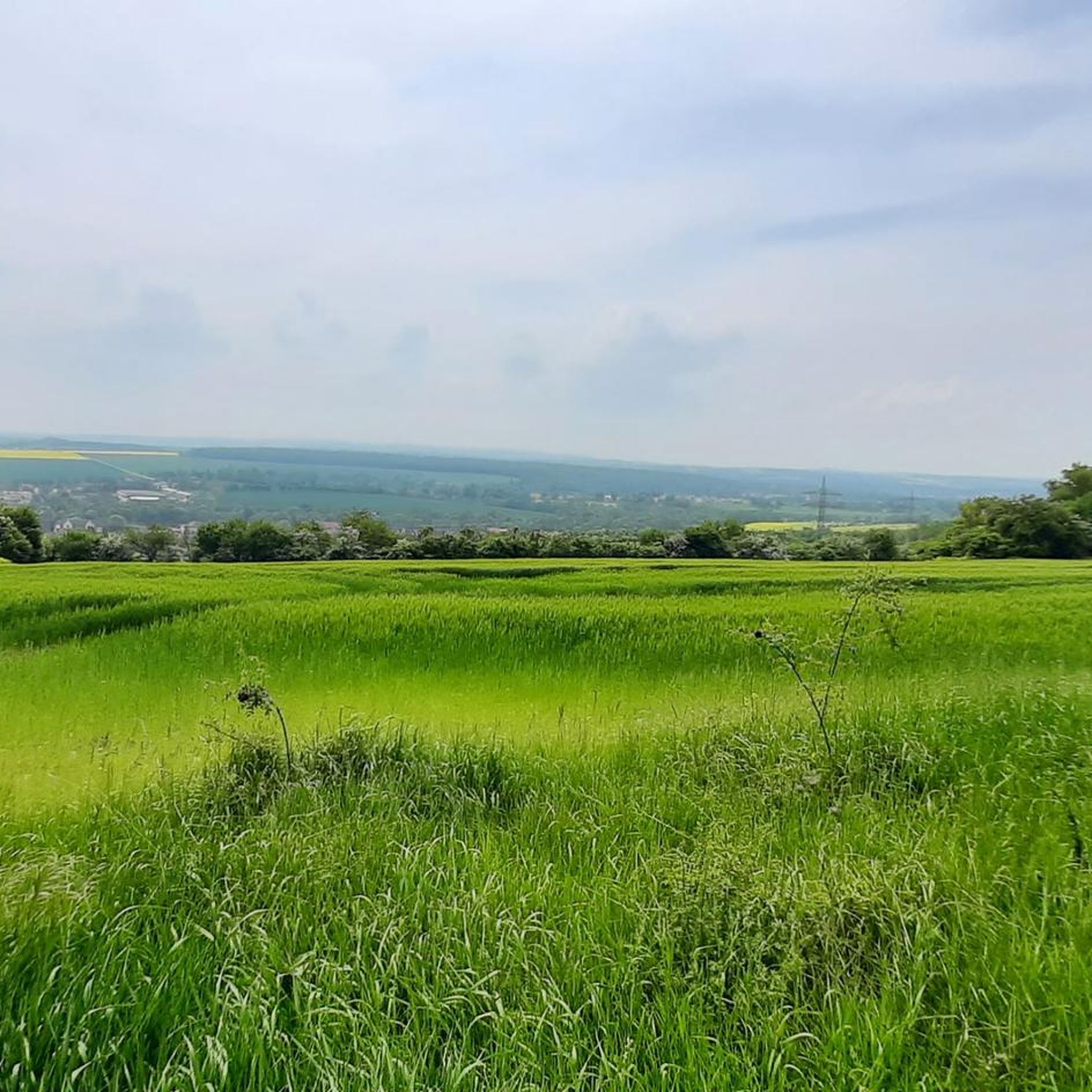

Tips from the Community

Tiefurt Castle Duchess Anna Amalia's summer residence The current design reflects the taste of the time around 1800. Originally it was the estate tenant's house, until Duchess Anna Amalia took over the modest castle building after Ettersburg Castle as a summer residence and turned it into a place for literary and social meetings. The Duchess made a conscious decision not to change the exterior architecture, as she particularly liked the rural ambience. Anna Amalia also gathered scholars and friends around her in Tiefurt. The heyday of Tiefurt's sociability, which was reflected in Tiefurt's journal, is associated with the first four years of her summer stays. Performances by the Weimar amateur theater were among the special events. Tour Several works of art commemorate Anna Amalia's trip to Italy from 1788 to 1790, including a watercolor by Johann Georg Schütz showing the Duchess and her traveling party surrounded by Roman artists in the garden of the Villa d'Este. Sculptures and busts by the court sculptor Gottlieb Martin Klauer in the stairwell as well as porcelain from China, Meissen, Copenhagen, Fürstenberg and Vienna are among the artistic highlights of the furnishings. From the courtyard, it is possible to look into the cold kitchen with a variety of utensils. The historical display dishes made of porcelain, wax and papier-mâché on display there come from the ducal property and imitate the dishes in a deceptively realistic way. Text / Source: Weimar GmbH, Tourist Information Weimar, Markt 4, Weimar https://www.weimar.de/kultur/sehenswuerdigkeiten/schloesser/schloss-tiefurt/#:~:text=Schloss%20Tiefurt.%20Herzogin%20Anna%20Amalias%20Sommersitz.%20Die
15
2
Tiefurt Castle Park The Tiefurt Castle Park extends over an area of 21 hectares on both sides of the Ilm. Gently sloping meadows with beautiful groups of trees extend to the river bank. Beyond this, a steep slope covered with dense trees rises. Numerous monuments and park architecture such as the tea pavilion invite you to explore. The Ilmtal cycle path runs directly along the river. Text / Source: Weimar GmbH, Tourist Information Weimar, Markt 4, Weimar https://www.weimar.de/kultur/sehenswuerdigkeiten/parks-und-gaerten/schlosspark-tiefurt/#:~:text=Der%20Schlosspark%20Tiefurt%20erstreckt%20sich%20auf%20einer%20Fl%C3%A4che%20von
14
1

In the 🏰 park there is also a small snack bar with delicious 🍦 and ☕️.
17
0

Since the first palace and park complexes were built at the beginning of the 18th century, Ettersburg was a popular hunting and summer residence for the ducal family of Saxony-Weimar and Eisenach. Anna Amalia gathered a literary and artistic circle around her here. The extensive landscape park with its gardens and the "Pückler-Schlag" is a gem of garden art.
22
0

The castle was built in the 17th century in the Baroque style. Originally it was a manor house built on behalf of Count von Hatzfeldt. In the 18th century it was remodeled in the Rococo style. The castle was inhabited by various noble families and served as a residence and representative residence.
14
1

2 bears carved in stone guard the main entrance of Kromsdorf Castle
7
0
Beautifully landscaped park outside of Weimar.
6
0
Well-preserved castle complex in a wonderful park.
9
1
Frequently Asked Questions
What castles can I visit near Wohlsborn?
While Wohlsborn itself doesn't host castles, the nearby city of Weimar offers several notable historical palaces. Key sites include Belvedere Palace Weimar, a Baroque summer residence, Ettersburg Castle, a former hunting and summer residence, and Schloss Tiefurt, Duchess Anna Amalia's summer retreat.
Are there family-friendly castles around Wohlsborn?
Yes, several castles and their surrounding parks are suitable for families. Belvedere Palace Weimar, Schloss Tiefurt, and Ettersburg Castle are all listed as family-friendly, offering spacious grounds and historical exploration.
What kind of historical significance do the castles near Wohlsborn have?
The castles in the Weimar region, such as the Weimar City Palace (Stadtschloss Weimar) and Belvedere Palace Weimar, are deeply rooted in German history. They served as residences for the Dukes of Saxe-Weimar and Eisenach, and many are part of the 'Classical Weimar' World Heritage Site, reflecting centuries of cultural and architectural development.
Can I find outdoor activities or trails near these castles?
Absolutely. The castles are often set within extensive parks that offer opportunities for walks and cycling. For example, Schloss Tiefurt is surrounded by a 21-hectare park with meadows and the Ilmtal cycle path. You can find various hiking and cycling routes in the area, such as the 'Tiefurt Palace and Park – Tiefurt Palace Park loop' for hiking, or the 'Ilm Floodplain – Kromsdorf Castle loop' for road cycling. Explore more options on the Hiking around Wohlsborn and Road Cycling Routes around Wohlsborn guide pages.
Is there public transport available to reach the castles from Wohlsborn?
While Wohlsborn is a small village, the castles are primarily located in or near Weimar, which is well-connected by public transport. You would typically need to travel to Weimar first, then use local buses or trams to reach specific palace grounds like Weimar City Palace or Belvedere Palace Weimar.
What are the parking options at the castles near Wohlsborn?
Many of the larger castles and palaces, such as Belvedere Palace Weimar and Schloss Tiefurt, offer designated parking facilities for visitors. It's advisable to check the specific castle's official website for the most current parking information and any associated fees.
What is the best time of year to visit the castles around Wohlsborn?
The spring and summer months (April to September) are generally ideal for visiting, as the palace gardens and parks are in full bloom, and the weather is pleasant for exploring. Autumn also offers beautiful scenery with changing foliage. Some indoor museums within the palaces are open year-round, but park exploration is best in warmer months.
Are there any cafes or restaurants near the castles?
Yes, you can often find cafes or restaurants either directly within the castle grounds or in their immediate vicinity. For instance, Ettersburg Castle and Kromsdorf Castle both have restaurants. The city of Weimar, being close by, also offers a wide range of dining options.
Can I bring my dog to the castles or their surrounding parks?
While dogs are generally not permitted inside the castle buildings or museums, many of the extensive parks surrounding the palaces, such as those at Belvedere Palace Weimar and Schloss Tiefurt, are dog-friendly, often requiring dogs to be on a leash. Always check specific park rules before your visit.
How long should I plan for a visit to the castles near Wohlsborn?
The duration of your visit depends on the castle and your interest. For a site like Belvedere Palace Weimar with its museum and extensive park, you could easily spend 2-3 hours or more. Smaller sites or just exploring the exterior and grounds might take 1-2 hours. If you plan to visit multiple castles, consider dedicating a full day or more to the region.
What makes <a href="https://www.komoot.com/highlight/198929" target="_blank" rel="noopener">Belvedere Palace Weimar</a> unique?
Belvedere Palace Weimar stands out as a beautiful Baroque summer residence set on a hill within a spacious park. It houses a museum dedicated to 18th-century handicrafts, featuring exquisite porcelains from the Weimar ducal house. The entire complex, including its exotic plant collection, is recognized as a UNESCO World Heritage Site.
What can I expect to see at <a href="https://www.komoot.com/highlight/6483540" target="_blank" rel="noopener">Schloss Tiefurt</a>?
Schloss Tiefurt was Duchess Anna Amalia's summer residence, known for its modest yet elegant design reflecting the taste of the time around 1800. It was a hub for literary and social gatherings. Visitors can explore the castle's interior with its art and porcelain collections, and wander through the expansive 21-hectare park along the Ilm river, featuring monuments and park architecture.
Are there any castle ruins to explore in the area?
Yes, the Ruins of the Tempelherrenhaus, located within the enchanting Weimar Park, offer a romantic historical site. Originally a greenhouse converted into a drawing room in Goethe's time, it was largely destroyed in WWII. Today, it stands as a picturesque ruin, popular with students and a venue for cultural events.
Most popular routes around Wohlsborn
Most popular attractions around Wohlsborn

Get inspired with the komoot mobile app


Explore more
Looking for the best castles somewhere else? Discover other guides around Wohlsborn:
