Top 20 Natural Monuments around Leuven
Natural monuments around Leuven offer a diverse range of ecological and historical sites. The region features ancient forests, tranquil parks, and unique geological formations, providing varied outdoor experiences. These areas are characterized by their natural beauty, often intertwined with historical significance and recreational opportunities. Leuven's natural landscape includes extensive woodlands, serene lakes, and cultivated green spaces.
Best natural monuments around Leuven
- The most popular natural monuments is Horst Castle, a castle surrounded by an impressive moat and a large…
Last updated: October 13, 2026
Footbridge over the Weefberg Pond
Highlight • Bridge
Translated by Google •
Tip by

Horst Castle
Highlight • Castle
Translated by Google •
Tip by

Sign up now to discover places like this
Get recommendations on the best single tracks, peaks, & plenty of other exciting outdoor places.
Vineyard on the Wijngaardberg
Highlight • Structure
Translated by Google •
Tip by

About Inland Dunes
Highlight (Segment) • Natural Monument
Translated by Google •
Tip by

Geographic Arboretum of Tervuren
Highlight • Forest
Translated by Google •
Tip by

Chapel of Our Lady of Steenbergen and the Minnebron
Highlight • Religious Site
Translated by Google •
Tip by

Wijngaardberg Wine Wall
Highlight • Monument
Translated by Google •
Tip by
Dolmen Stone of Duisburg (Zevenster, Sonian Forest)
Highlight • Natural Monument
Translated by Google •
Tip by
Lake Het Vinne
Highlight • Lake
Translated by Google •
Tip by
Meerdaal Forest and Heverlee Forest
Highlight • Forest
Translated by Google •
Tip by

Sign up for free to discover even more natural monuments around Leuven.
Already have an account?
Start today with a free account
Your next adventure awaits.
Popular around Leuven
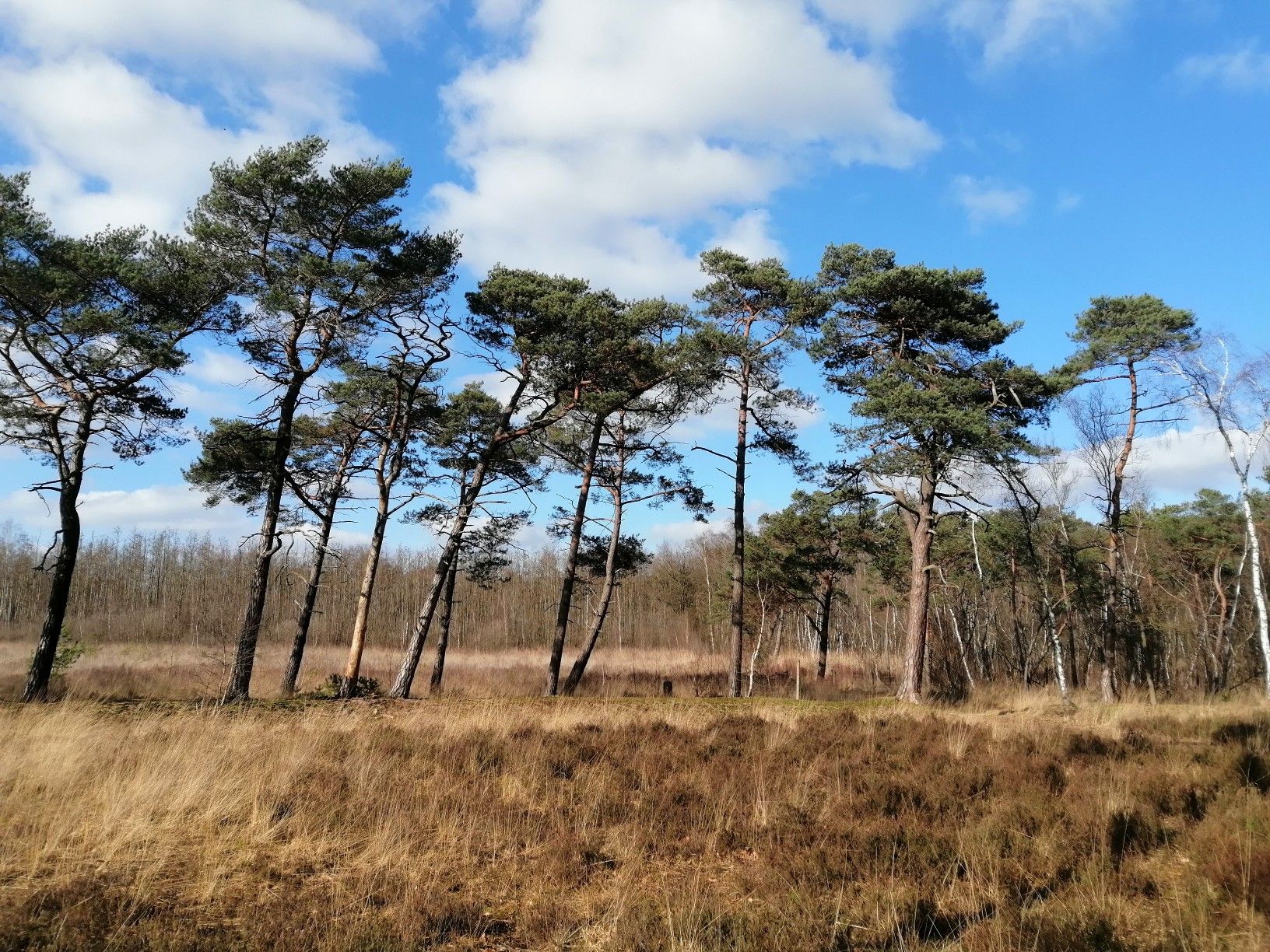
From Flanders to the Ardennes — GR 5 in Belgium
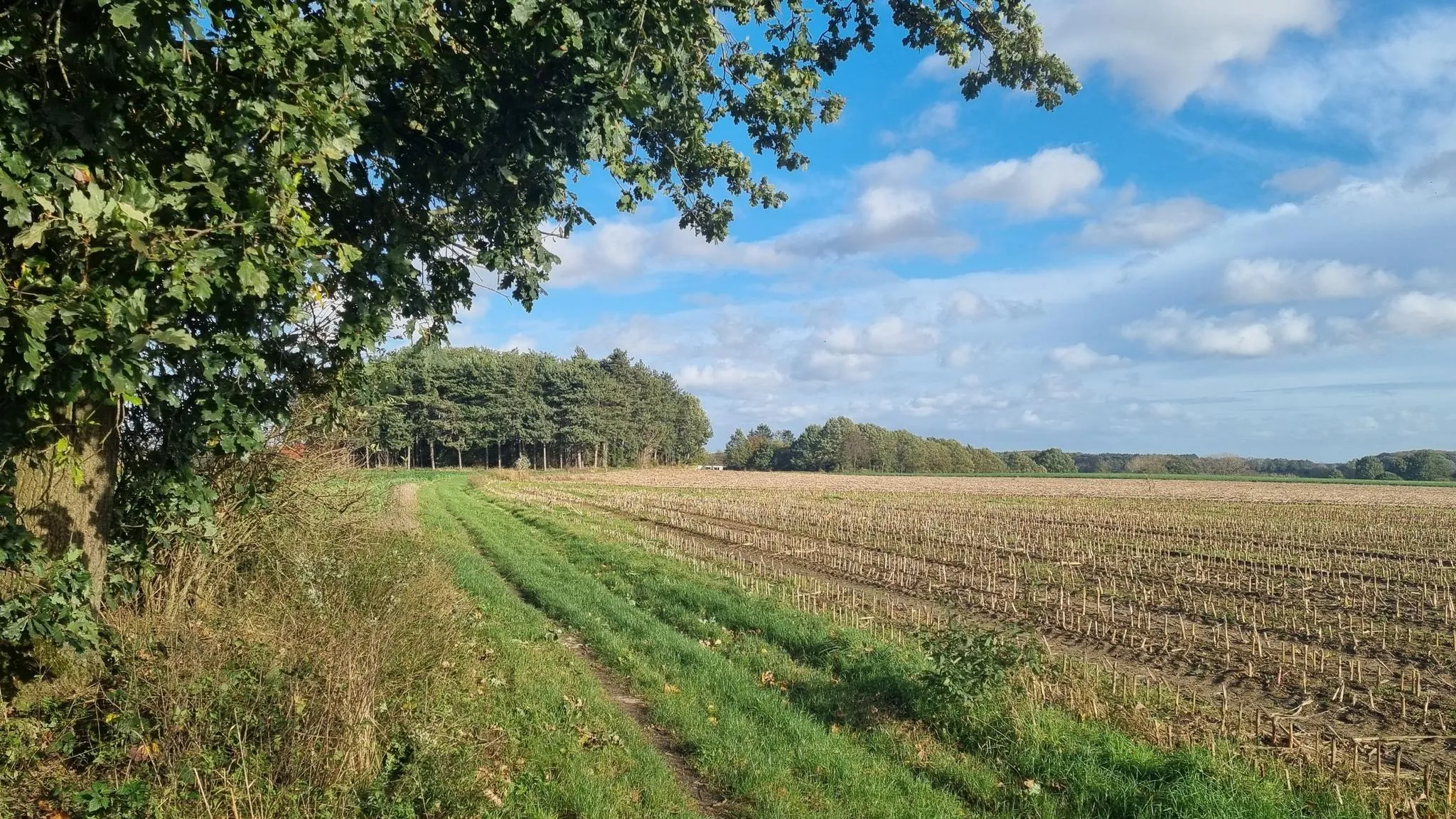
Streek-GR Hageland – Hollow roads and endless fields
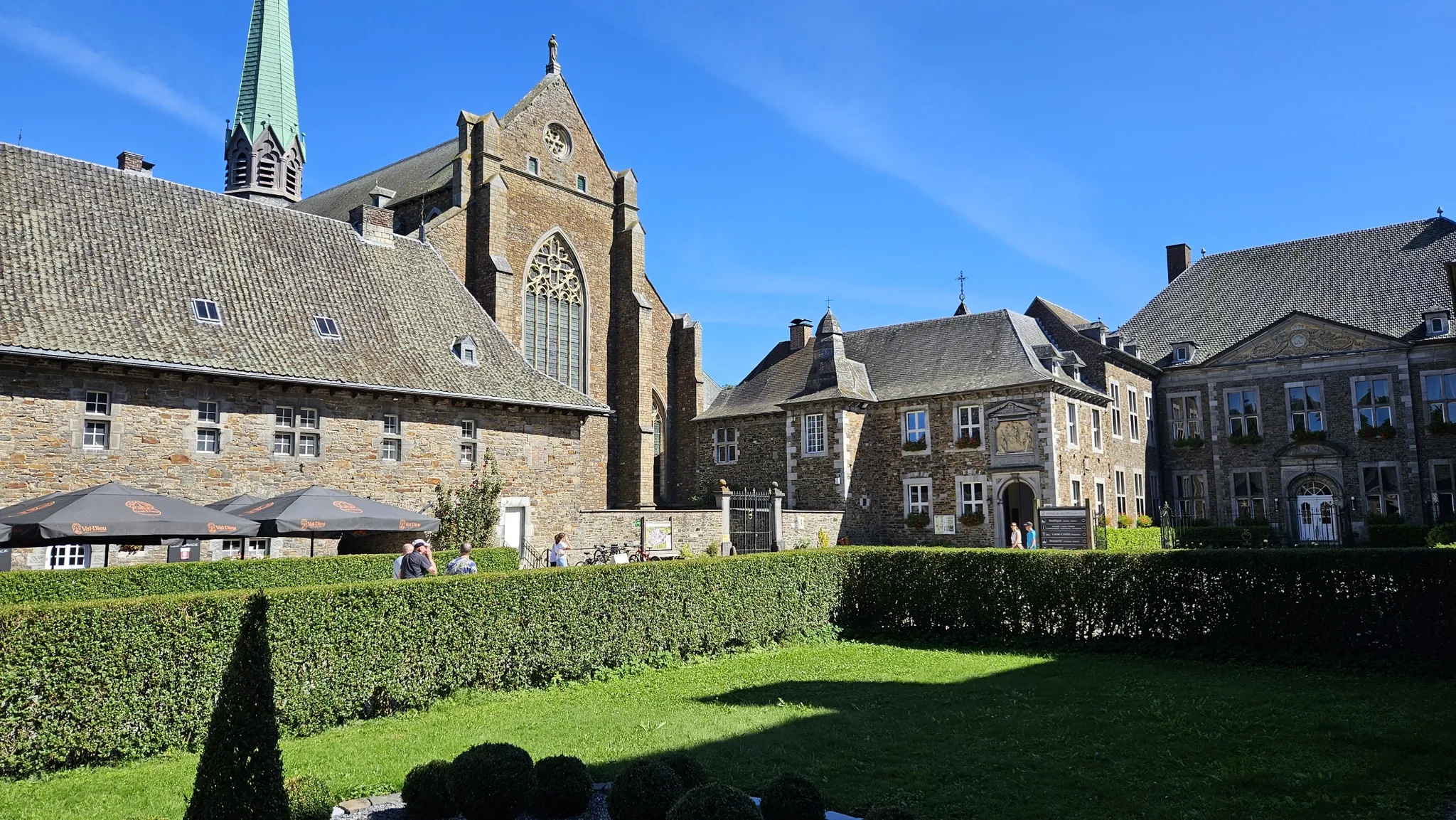
Trappist abbeys cycle route – Between beers and heritage
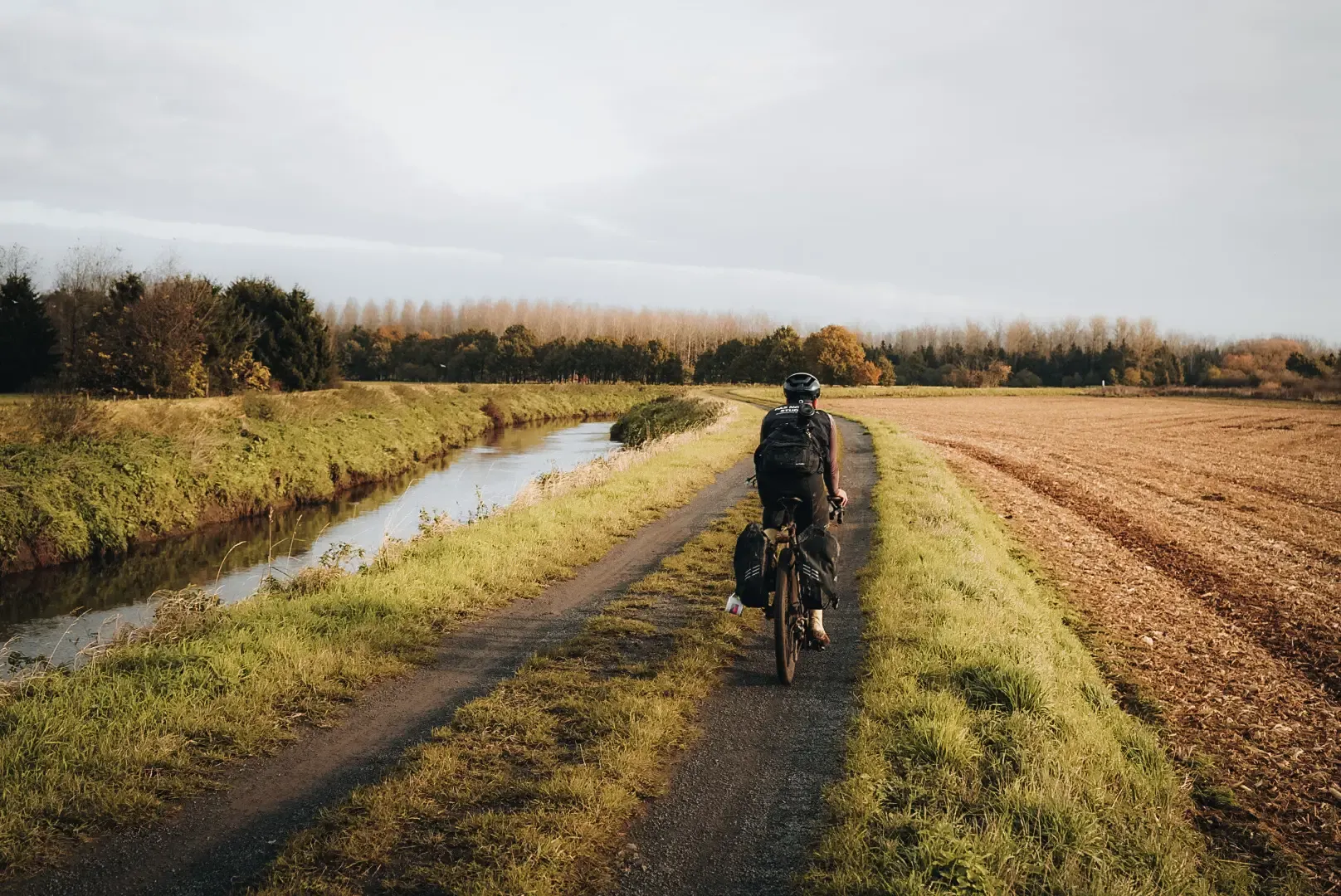
Flanders Divide - Across Flanders
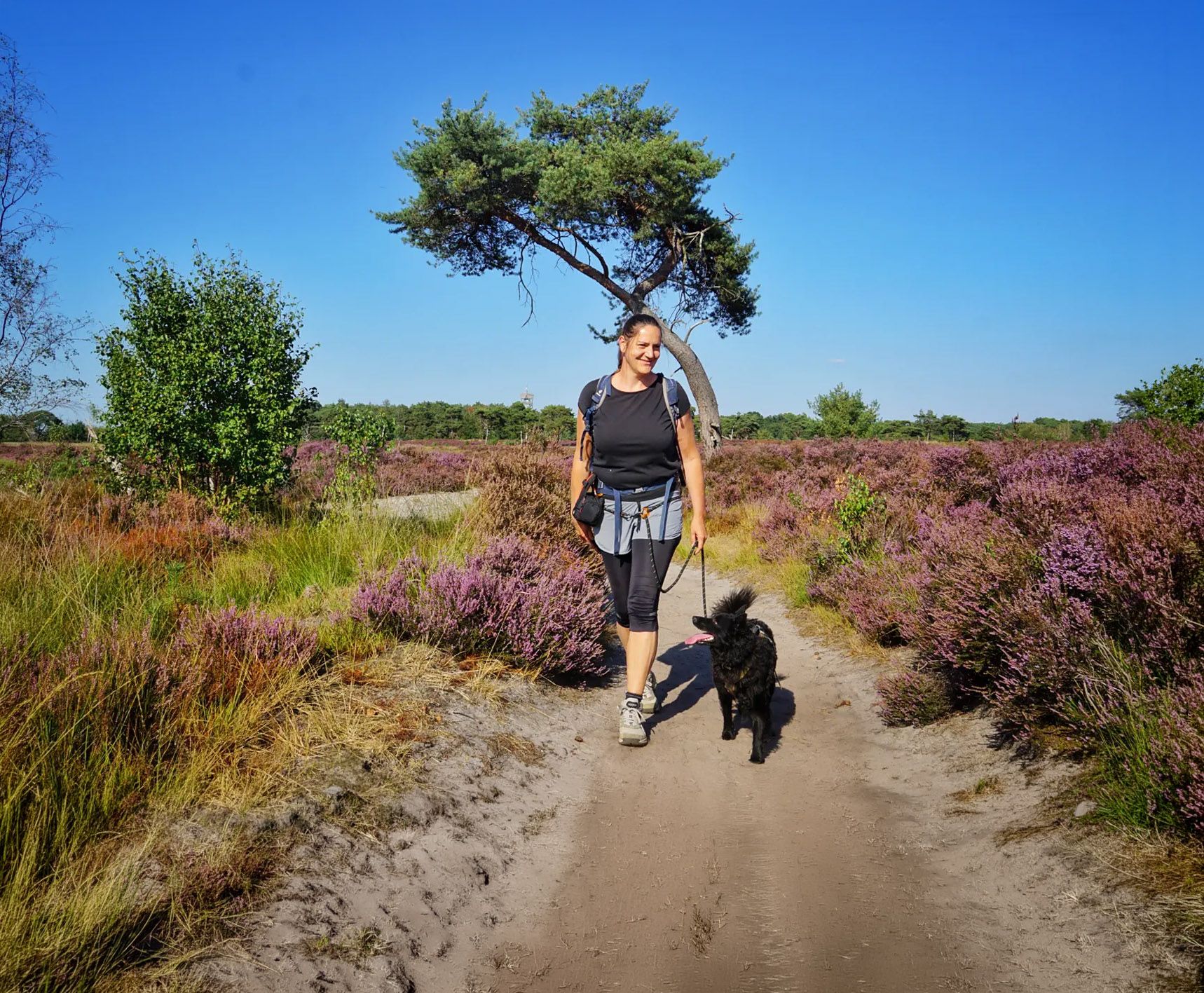
Purple trails and small discoveries – enjoyable hiking in Flanders
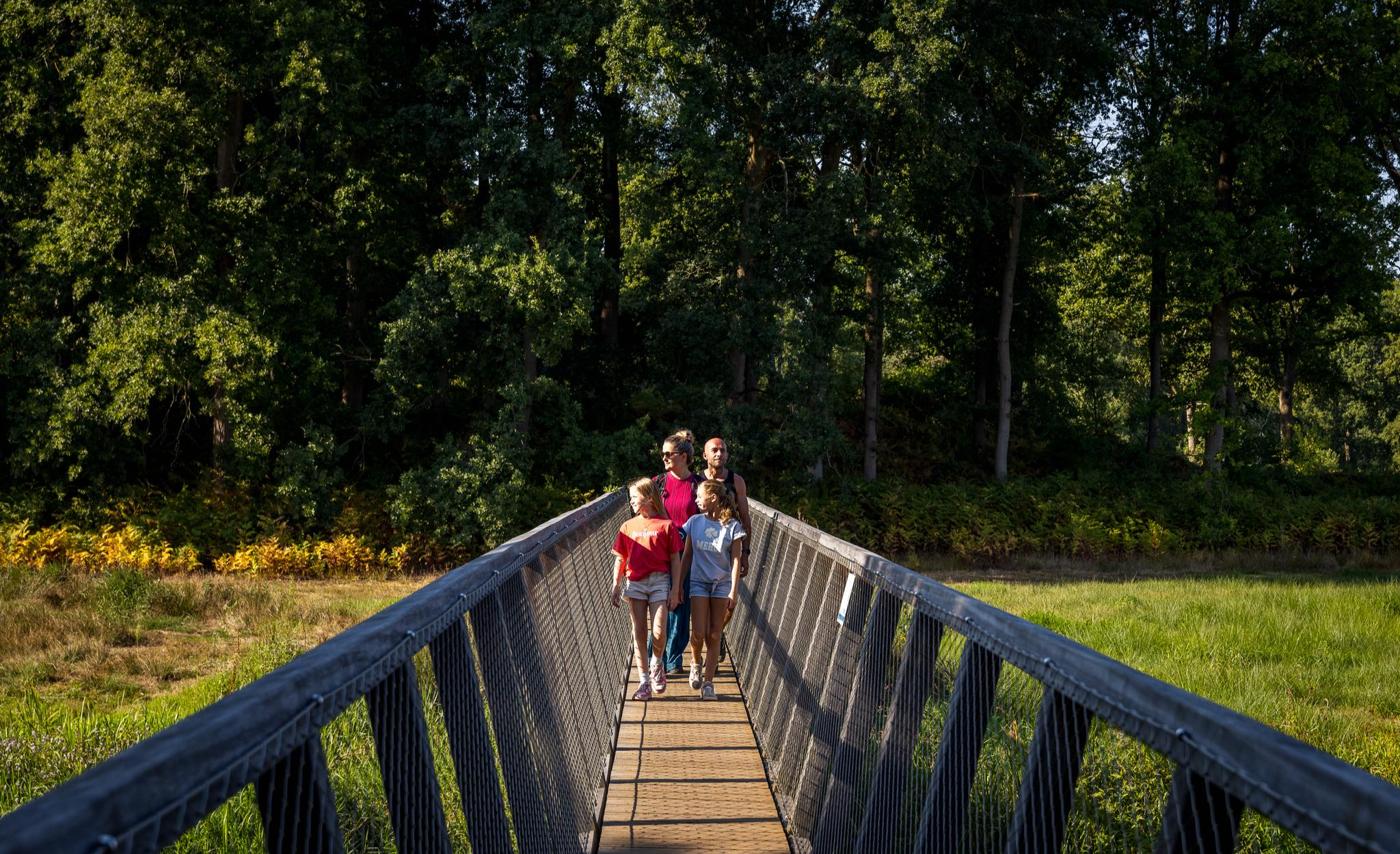
Flanders’ Finest Hiking Routes
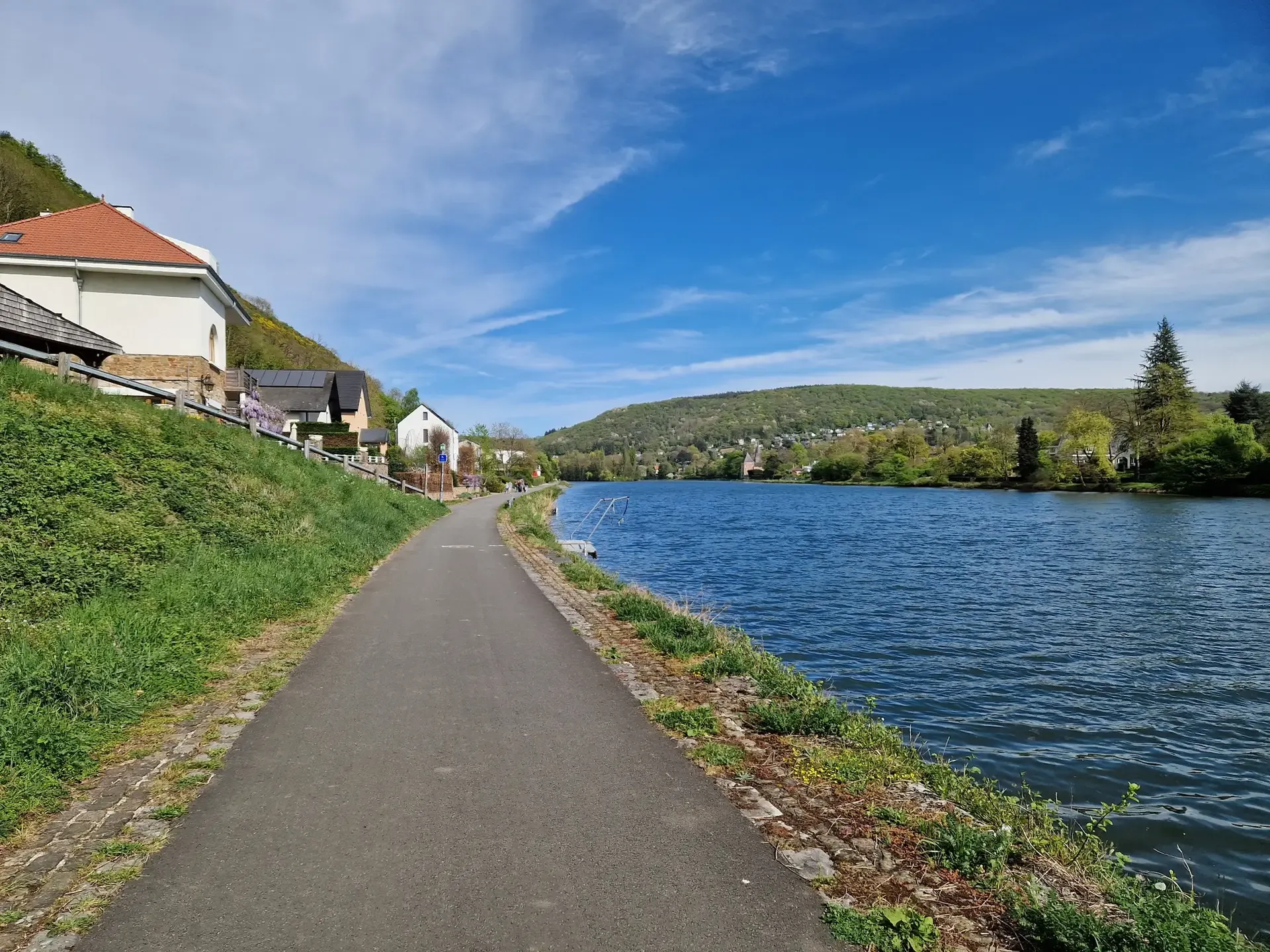
La Wallonie à vélo - RV2 : La Namuroise
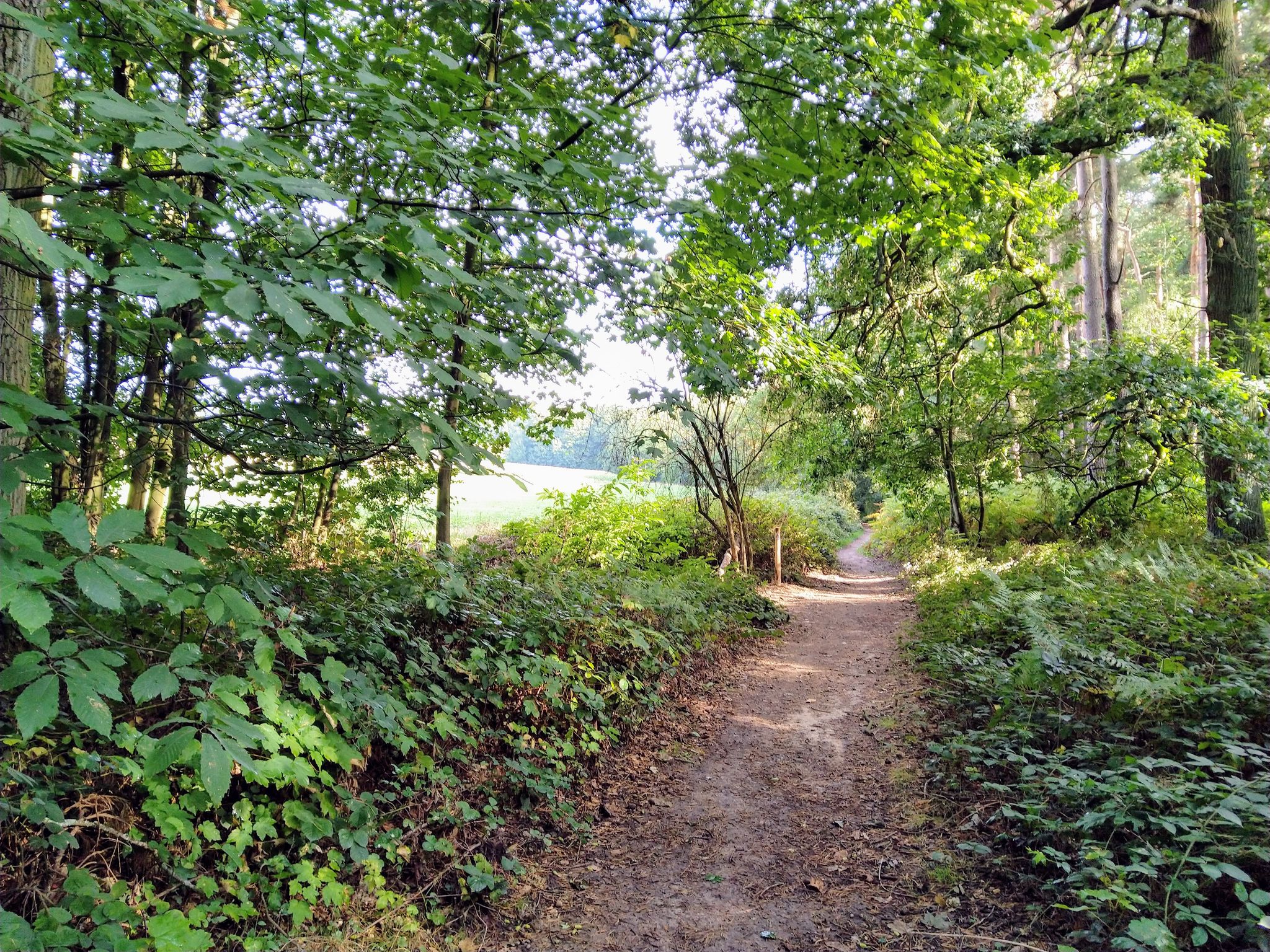
MTB Challenge – the Frans Claes route
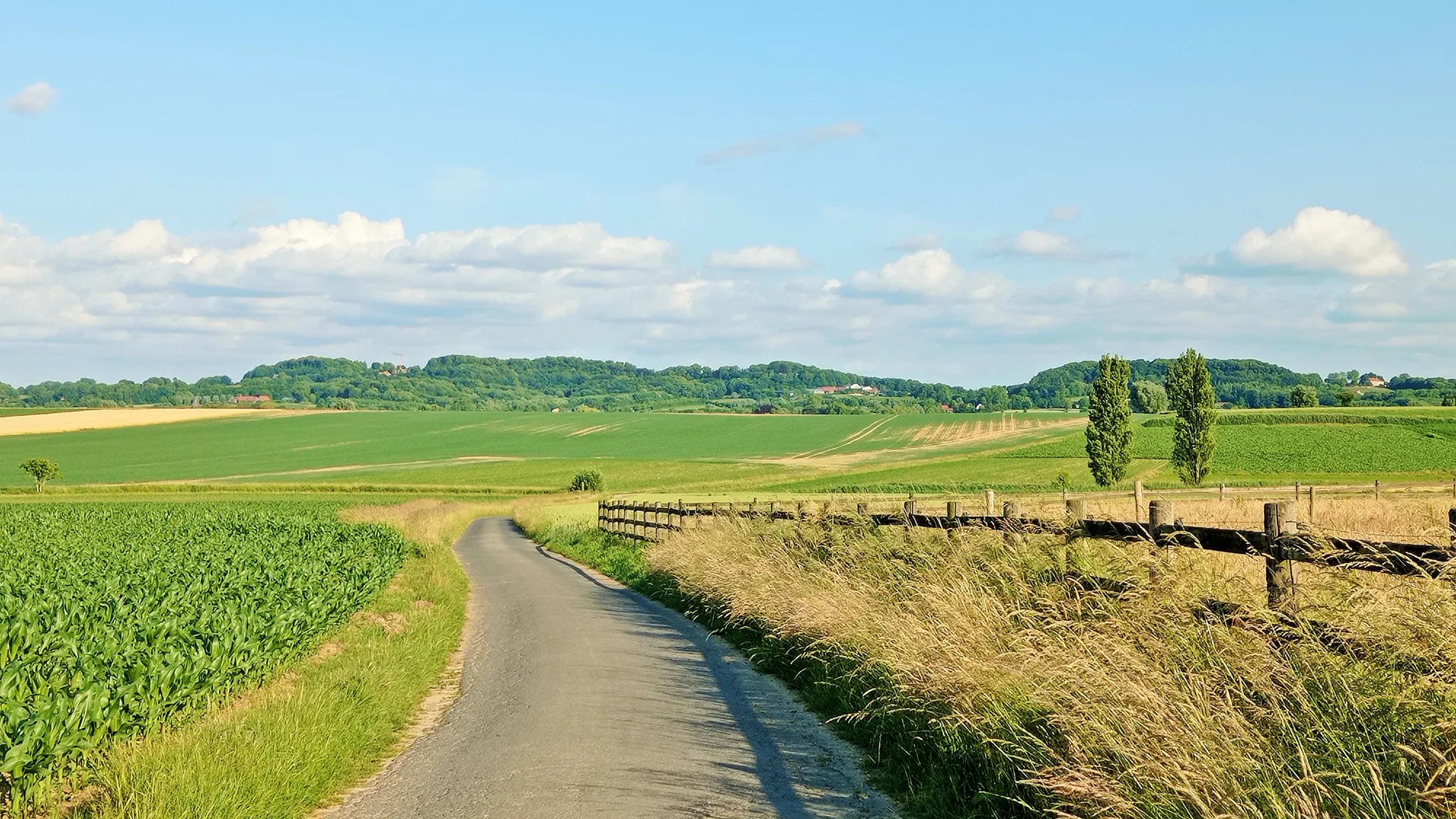
Seven-day Cycling tour through the South-Flemish hills – Hilly Route
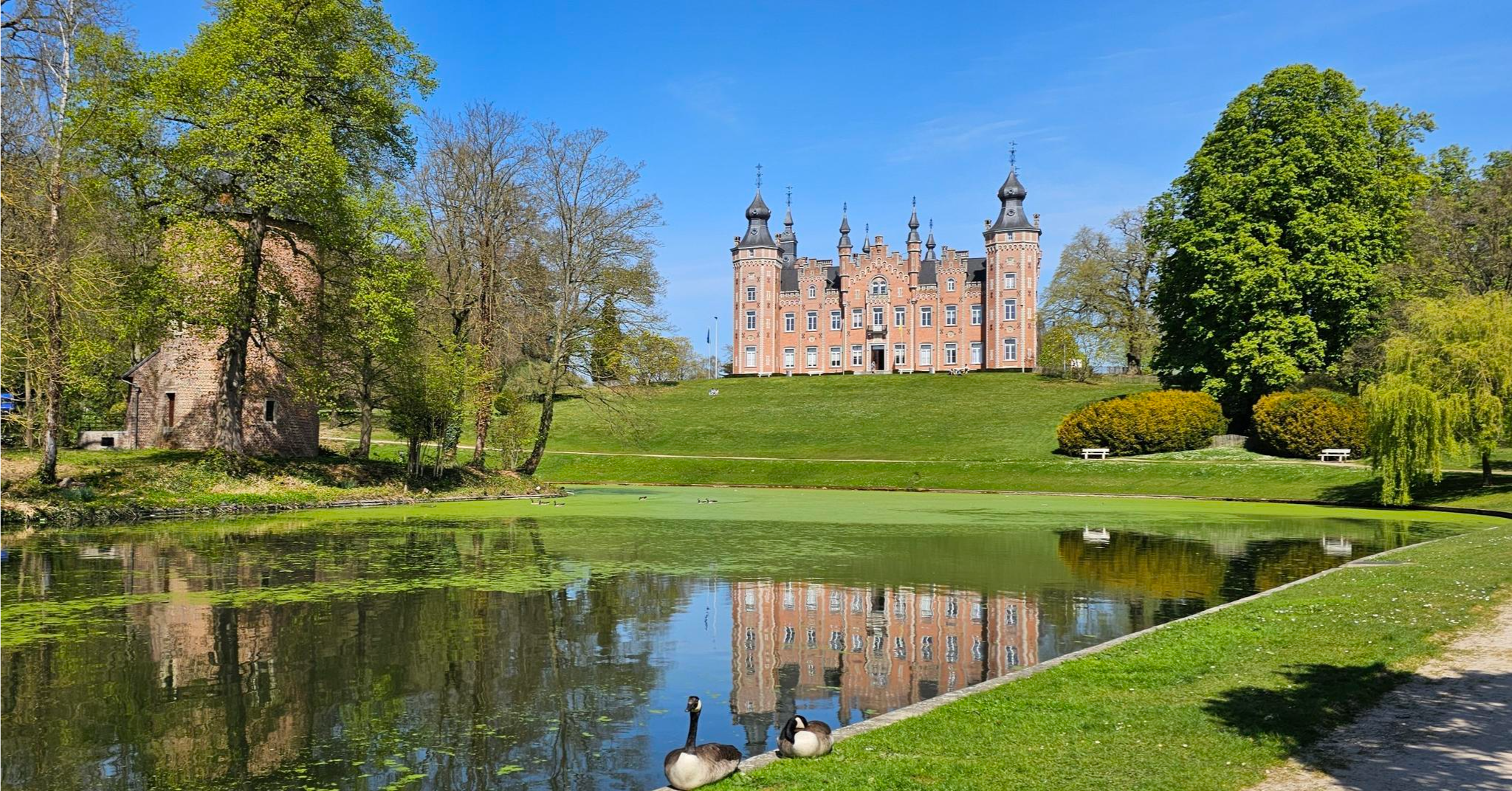
Tour around Brussels – Streek-GR Groene Gordel
Other adventures around Leuven


Tips from the Community

Blissful bike route in warm weather
0
0

Nearby is the spring where apparently very healthy water can be tapped.
1
0
Look carefully which path you take. With this roundabout, you can go in any direction.
0
0

The Duisburg Dolmen Stone is a large historical erratic boulder in Duisburg (a district of Tervuren). It is often associated with prehistoric rituals and may have been part of an ancient burial monument (dolmen), although this has not been proven with certainty. The stone is primarily considered a local archaeological and folklore monument, commemorating the very early settlement of the region.
3
0

Very colorful in autumn...
4
0

Very relaxing, beautiful well-maintained paths.
0
0

A change of scenery guaranteed...but also a sad observation...global warming is causing terrible damage to certain species of trees...visit this arboretum quickly before many trees die 😩😩😩
1
0

One of my favorite places in the area.
7
0
Frequently Asked Questions
What types of natural monuments can I explore around Leuven?
Leuven offers a diverse range of natural monuments, from ancient forests and tranquil parks to unique geological formations. You can find extensive woodlands like Heverleebos & Meerdaalwoud, serene lakes such as Lake Het Vinne, and even inland dunes like those described at About Inland Dunes. The region also features cultivated green spaces like the Botanical Garden and historical sites intertwined with nature, such as Park Abbey.
Are there family-friendly natural monuments near Leuven?
Yes, many natural monuments around Leuven are suitable for families. For instance, Horst Castle is a popular spot with its impressive moated castle and surrounding grounds. The Footbridge over the Weefberg Pond offers easy access to fens and sand dunes, perfect for a family stroll. Other great options include the Geographic Arboretum of Tervuren and Tervuren Park, which provide open spaces for exploration.
What historical natural monuments can I visit around Leuven?
Leuven's natural monuments often have rich historical significance. Horst Castle, a 13th-century moated castle, is a prime example. Park Abbey, with its Premonstratensian abbey dating back to 1700, offers a blend of history and nature. Sint-Donatus Park in the city center features remnants of Leuven's first city wall. You can also find historical elements like the Chapel of Our Lady of Steenbergen and the Minnebron and the Antitank Canal Haacht, which has historical military significance.
Where can I find ancient forests for walking or cycling near Leuven?
The Heverleebos & Meerdaalwoud (Heverlee Wood & Meerdaal Forest) are excellent choices. These ancient forests, remnants of the Coal Forest mentioned by Julius Caesar, cover over 20 square kilometers and offer miles of scenic walking and cycling routes. They are one of Flanders' most impressive forested landscapes.
Are there any natural monuments around Leuven that are good for wildlife spotting?
The Ponds of Bellefroid, a 20-hectare green oasis between Vaart and Sportschuur in Wilsele, is a protected and serene environment ideal for observing diverse wildlife. Its secluded nature makes it a hidden gem for nature enthusiasts. The expansive Heverleebos & Meerdaalwoud and the Sonian Forest also provide habitats for various species.
What are some unique geological features to see?
The inland dunes, such as those described at About Inland Dunes, are a unique geological feature. These sand dunes are remnants of the Diestian Sea from millions of years ago, offering a landscape that can feel like a 'Sahara of Averbode' and are very typical of the region.
What outdoor activities can I do near these natural monuments?
You can enjoy a variety of outdoor activities. For hiking, explore routes around Leuven, including the 'Antitank canal walk' or the 'Thick Oak Walk'. If you're into gravel biking, there are several routes like the 'World Gravel Cup towards Leuven' or 'Warande Wheels Herent Gravel'. For more challenging mountain hikes, consider trails like 'Drowned Children Ponds – Sonian Forest loop'. You can find more details on these activities in the Hiking around Leuven, Gravel biking around Leuven, and Mountain Hikes around Leuven guides.
Are there natural monuments with good viewpoints around Leuven?
Yes, several natural monuments offer scenic views. The Vineyard on the Wijngaardberg provides beautiful vistas over vineyards and orchards. The Footbridge over the Weefberg Pond offers views of fens and sand dunes. Additionally, Horst Castle is wonderful to look at from a distance, and About Inland Dunes offers expansive views over the unique sandy landscape.
What is the best time of year to visit the natural monuments around Leuven?
The natural monuments around Leuven can be enjoyed in every season. Spring brings blooming plants to the Botanical Garden and orchards like those at Vineyard on the Wijngaardberg. Summer offers cooling shade in the extensive forests. Autumn transforms the woodlands with vibrant colors, and even winter provides opportunities for serene walks, especially in places like Heverleebos & Meerdaalwoud.
Are there any natural monuments around Leuven that are wheelchair accessible?
Some natural monuments offer better accessibility than others. Horst Castle grounds are generally accessible, though the castle itself can be difficult for wheelchair users. Lake Het Vinne is noted as wheelchair accessible, and the Chapel of Our Lady of Steenbergen and the Minnebron also has wheelchair accessibility. It's always advisable to check specific site details for the most up-to-date information on accessibility.
Can I bring my dog to the natural monuments in Leuven?
Many natural areas around Leuven are dog-friendly, but it's important to check specific regulations for each location. For example, dogs are allowed on the castle grounds of Horst Castle, but not inside the castle itself. The Antitank Canal Haacht is also noted as dog-friendly. Always keep dogs on a leash and clean up after them to preserve the natural environment.
What makes the Sonian Forest significant?
The Sonian Forest (Zoniënwoud), which borders Leuven, is of immense ecological importance. It is part of the Ancient and Primeval Beech Forests of the Carpathians and Other Regions of Europe, a UNESCO World Heritage site and Belgium's only natural World Heritage site. This expansive forest is recognized for its outstanding universal value and significant biodiversity.
Most popular routes around Leuven
Most popular attractions around Leuven

Get inspired with the komoot mobile app


Didn’t find what you were looking for?
Find even more amazing natural monuments around Leuven by checking out the top Highlights region by region:
Explore more
Extend your search for the best caves by checking out these guides of the top ones around Leuven:
