Top 20 Natural Monuments around Aarschot
Best natural monuments around Aarschot are found in a region characterized by diverse landscapes, including river valleys, wet grasslands, and transitional zones between sandy Kempen and loamy Hageland. This area features a mosaic of moist forests, historical sites, and unique geological formations. The natural features around Aarschot offer varied terrain for exploration, from meandering rivers to ancient sand dunes. It provides opportunities to observe local flora and fauna within its protected nature reserves.
Best natural monuments around Aarschot
- The most…
Last updated: October 13, 2026
Footbridge over the Weefberg Pond
Highlight • Bridge
Translated by Google •
Tip by

Horst Castle
Highlight • Castle
Translated by Google •
Tip by

Sign up now to discover places like this
Get recommendations on the best single tracks, peaks, & plenty of other exciting outdoor places.
Vineyard on the Wijngaardberg
Highlight • Structure
Translated by Google •
Tip by

About Inland Dunes
Highlight (Segment) • Natural Monument
Translated by Google •
Tip by

Bridge over the Grote Nete (Het Trammetje), Westerlo
Highlight • Bridge
Translated by Google •
Tip by
Sign up for free to discover even more natural monuments around Aarschot.
Already have an account?
Start today with a free account
Your next adventure awaits.
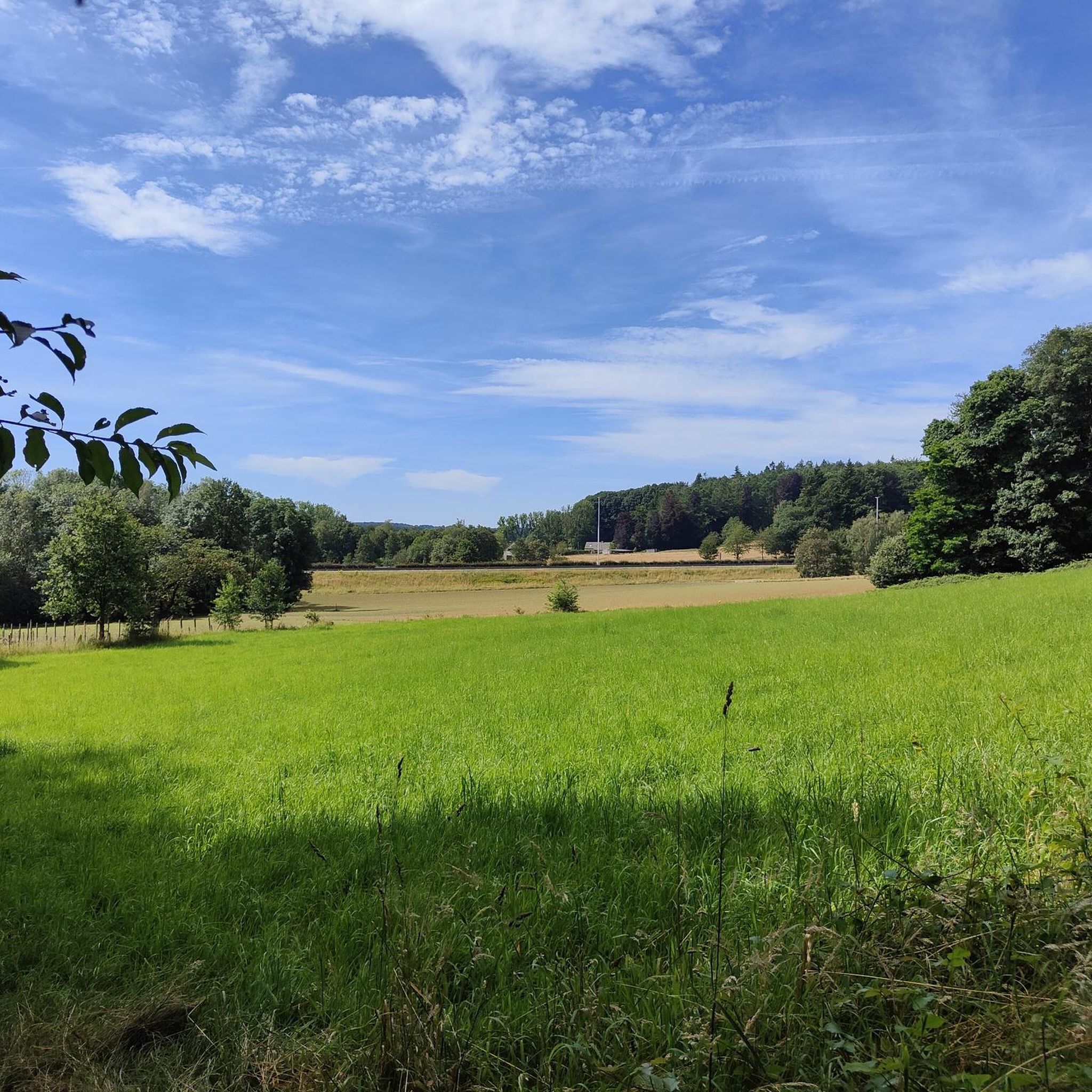
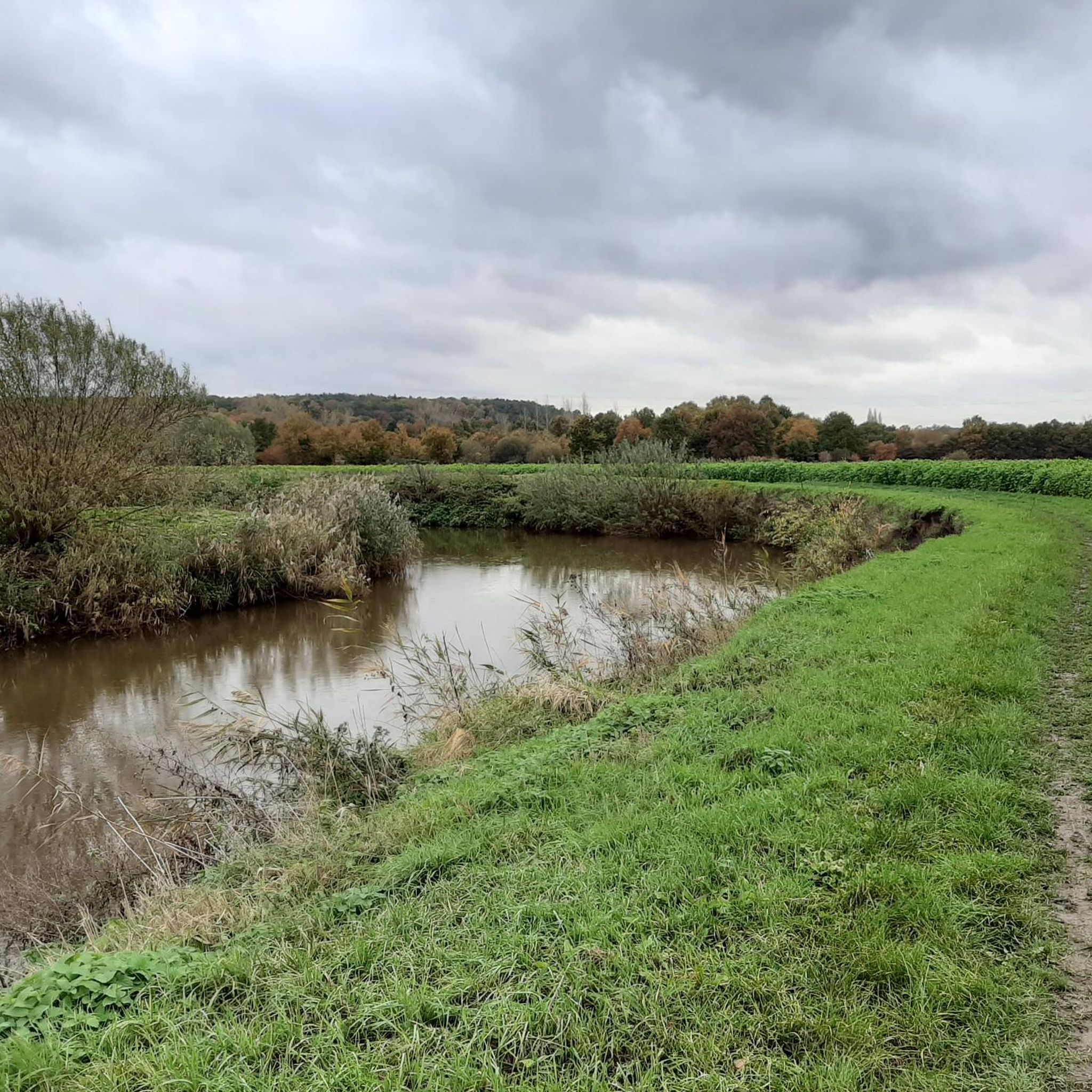
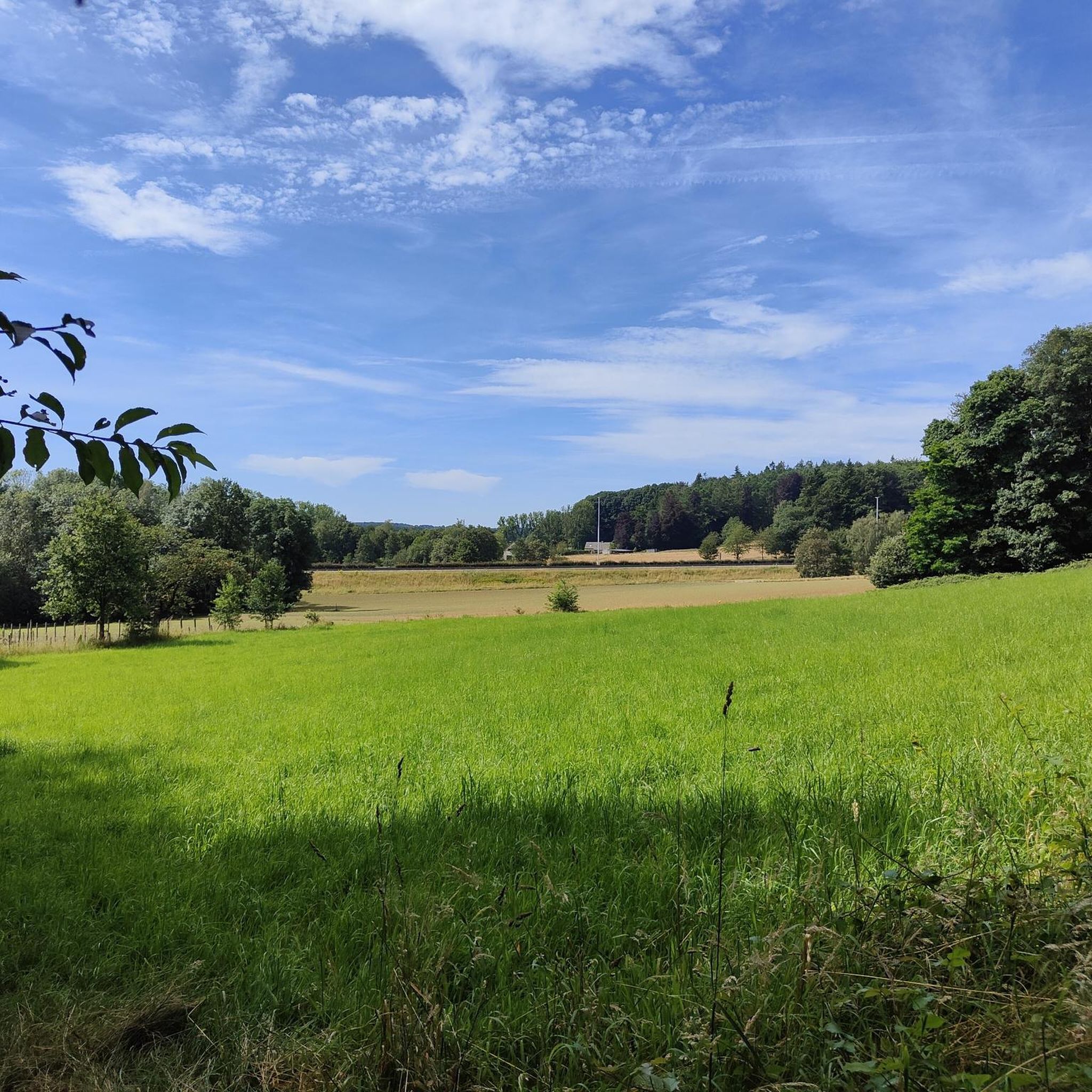
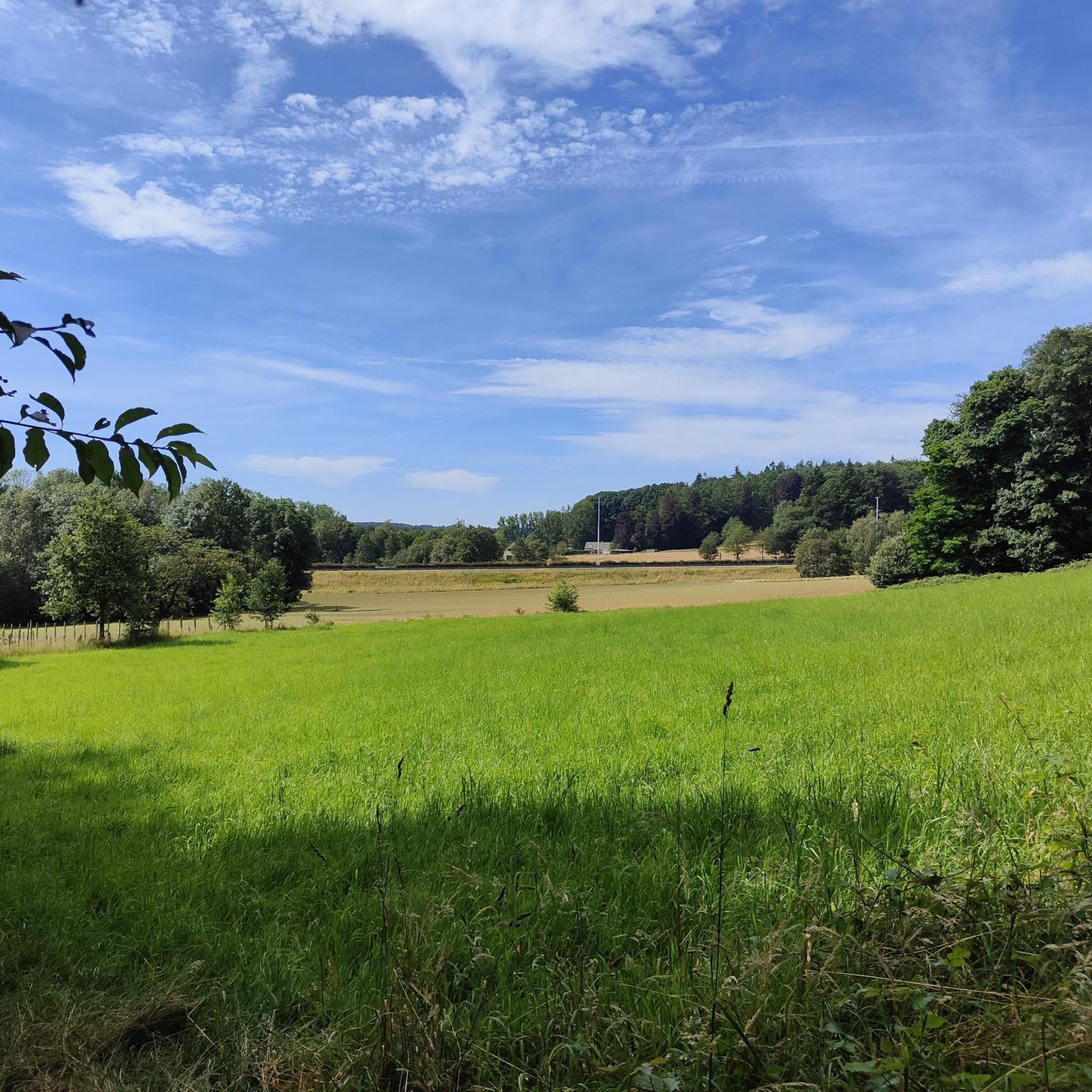

Tips from the Community

A beautiful bridge over the Grote Nete river, not far from Merode Castle. You must cross the bridge to continue along the Grote Nete.
13
0

Very colorful in autumn...
4
0

One of my favorite places in the area.
7
0

The core of Horst Castle probably dates back to the 13th century and is characterised by a square keep. The keep probably belonged to the oldest core that was further expanded into a fortified castle in the 15th century. During the troubles under Maximilian of Austria in 1489, the castle of Horst was taken by the people of Leuven and set on fire. According to literary sources, only the keep, part of the entrance gate and a defensive wall remained standing. The residential and east wing were renovated and expanded in the 16th century. The round tower also dates from this period. The outer wall was provided with a rectangular bay window. The castle lost its military character and became more of a pleasant residential area with a view of the moat, the ponds and the inner courtyard. Brick construction with sandstone layers characterise these buildings. In 1587, however, the castle was set on fire again during the raids of the Geuzen. It was not until the beginning of the 17th century that restoration work began. It is difficult to deduce from the available sources to what extent this involved restoration or an embellishing conversion of the castle complex. Presumably nothing changed in the internal structure, but only after the structurally necessary repairs were the interiors completely refinished. Maria-Anna Van den Tympel had a new chapel built against the keep in the 17th century. At the beginning of the 19th century, the complex must have been damaged by plundering and neglect, and it is possible that it also suffered from plundering during the Brabant Revolution of 1830. Around 1850, the castle must have been habitable again, but the castle buildings only served as a farm. In the land registry, the site around the castle is called "De Notelaren Boomgaerd". Around that time, the most dilapidated part must have been demolished, namely the southern part and the superstructure of the gate. The rest of the complex was probably restored with reused demolition material and in traditional style. The castle was divided in 1880, with one part being registered as a school house. In 1897, a further division followed, with two plots being designated as houses. Several restoration campaigns followed in the 20th century. Inventory of Immovable Heritage: Horst Castle, https://id.erfgoed.net/erfgoedobjecten/43619
8
0
Since December, there has been a spire on the castle again after the unstable spire was removed more than four years ago and could be viewed on a wooden platform in the pond. Now it is back. And the other works are also progressing quickly. More about the replaced spire on https://www.vrt.be/vrtnws/nl/2024/12/10/torenspits-staat-weer-op-kasteel-van-horst-holsbeek/
8
0

A bridge provides a connection between two banks. Usually a bridge is over water: a ditch, a canal, moat, river, lake, ravine, ...
11
2

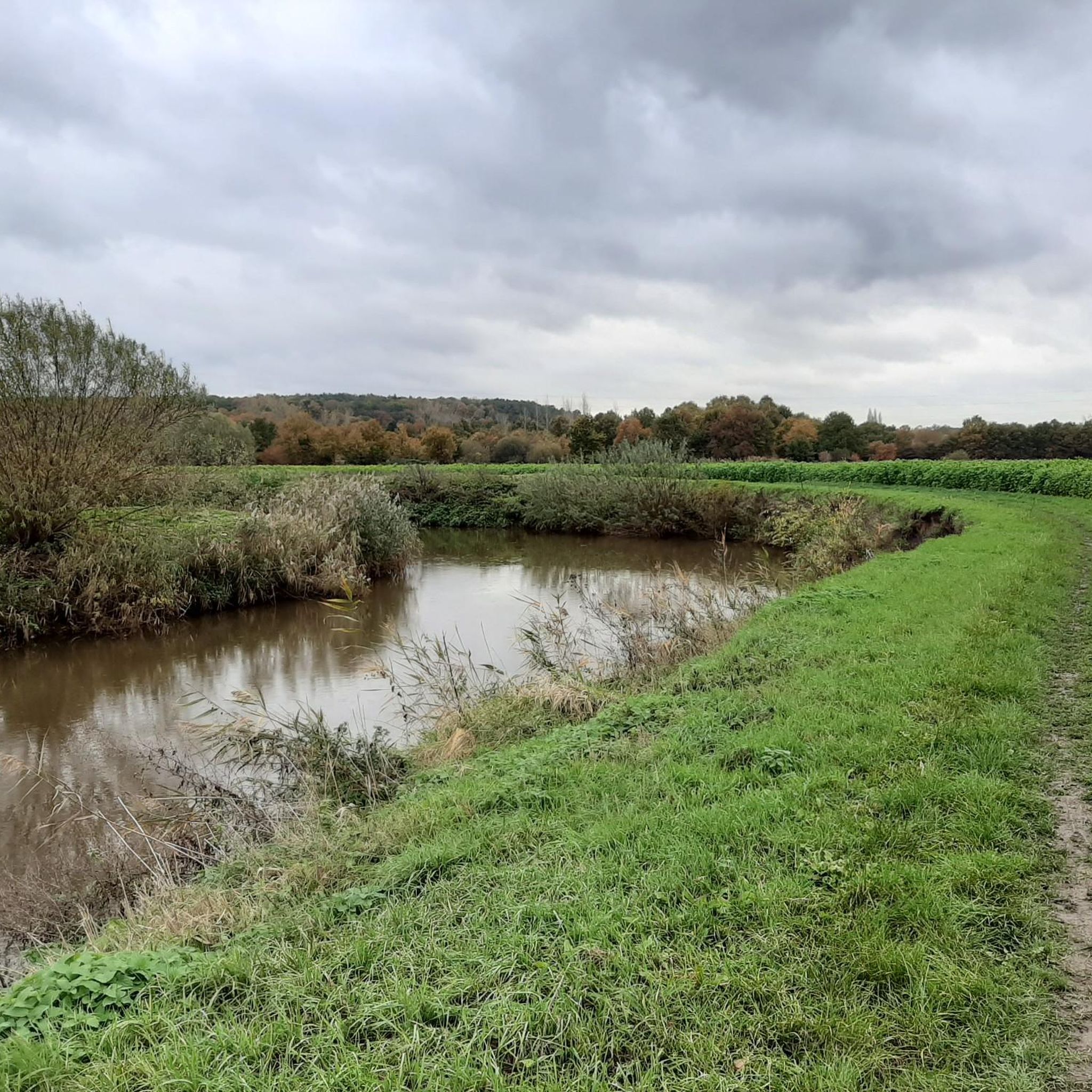
bridge over the large Nete, over which the path between Westerlo and Bergom runs.
7
0
Beautiful and nice bridge over the fen, with a wonderful view...
15
3
Frequently Asked Questions
What are some notable natural features to explore around Aarschot?
The region around Aarschot offers diverse natural features. You can explore the unique Inland Dunes, remnants of ancient sandbanks often referred to as the 'Sahara of Averbode'. The Demerbroeken features the meandering Demer river with wet grasslands and woodlands, while Langdonken boasts marsh forests, heathlands, and rare blue grasslands. The Hagelandse Vallei is known for its moist forests and vibrant spring flora.
Are there family-friendly natural monuments or activities in the Aarschot area?
Yes, several natural monuments are suitable for families. The Footbridge over the Weefberg Pond, located within the Averbode Bos en Heide nature reserve, offers an idyllic connection with nature. Horst Castle, while a historical site, is surrounded by beautiful grounds where dogs are allowed, making it a pleasant family outing. The Demerbroeken also offers accessible walking trails for all ages.
What kind of wildlife can I spot in the natural areas around Aarschot?
The natural monuments around Aarschot are rich in biodiversity. In the Demerbroeken, you might spot birds like the Kingfisher, Bluethroat, and Little Reed Warbler, along with mammals such as roe deer and polecats. Langdonken is home to numerous dragonflies, grasshoppers, butterflies, and birds like the Wood Warbler and various woodpeckers. Roe deer, hares, and weasels are also present in these reserves.
What are the best walking routes near Aarschot's natural monuments?
The region offers numerous walking routes. The Demerbroeken and Langdonken nature reserves both have freely accessible walking trails, though sturdy footwear is recommended due to wet conditions. The Hagelandse Vallei provides multiple walking routes varying in length and difficulty, and is part of the extensive Wandelnetwerk Hagelandse Heuvels en Valleien. For more options, you can explore the hiking routes around Aarschot.
What is the best time of year to visit the natural monuments around Aarschot?
The natural monuments around Aarschot can be enjoyed year-round, but each season offers unique experiences. Spring is particularly beautiful in the Hagelandse Vallei with vast carpets of wood anemones. The Vineyard on the Wijngaardberg is great in every season, especially during blossom time. During wetter periods, especially in Langdonken and Demerbroeken, rubber boots are highly recommended.
Are there any historical sites among the natural monuments?
Yes, Horst Castle is a prominent historical site nestled within a natural setting. This 13th-century moated castle, with its 15th-century keep, is located in the green valley of the Wingebeek. Another interesting historical feature is the unique 19th-century lock system 'Het Trammetje' near the Bridge over the Grote Nete.
What kind of terrain and difficulty can I expect on hiking trails?
The terrain around Aarschot is varied. The Demerbroeken and Langdonken areas feature wet grasslands and marshy sections, often requiring sturdy walking shoes or rubber boots. The Vineyard on the Wijngaardberg includes steep paths and hollow roads. The Inland Dunes offer sandy trails. Difficulty levels range from easy walks in the river valleys to intermediate trails with some elevation changes in areas like the Wijngaardberg.
Where can I find parking when visiting these natural areas?
Parking is available at various locations. For the Demerbroeken, parking is accessible at the Church of Langdorp in Aarschot. Many natural reserves and highlights, such as Horst Castle, also offer dedicated parking facilities. It's always advisable to check specific access points for each natural monument.
What outdoor activities, besides hiking, can I do near Aarschot's natural monuments?
Beyond hiking, the region is excellent for cycling. You can find numerous routes for touring bicycles, gravel biking, and road cycling. The Inland Dunes are also ideal for mountain biking and Nordic walking. Birdwatching is a popular activity, especially in the Demerbroeken and Langdonken.
Are dogs allowed on the trails and in the natural monuments?
Dogs are generally allowed on the grounds of natural monuments, but specific rules may apply. For instance, at Horst Castle, dogs are permitted on the castle grounds but not inside the castle itself. It's always best to check local signage or specific reserve guidelines regarding dog access, especially in protected areas to ensure wildlife is not disturbed.
What do visitors enjoy most about the natural monuments around Aarschot?
Visitors frequently praise the diverse landscapes and the sense of connection with nature. The idyllic setting of Footbridge over the Weefberg Pond and the majestic Inland Dunes are often highlighted. Many appreciate the tranquility and natural beauty of areas like the Hagelandse Vallei, and the unique experience of walking through vineyards and orchards on the Wijngaardberg.
Is public transport available to reach these natural areas?
While specific public transport routes to every trailhead might vary, Aarschot itself is well-connected. From Aarschot, local buses can often take you closer to the natural reserves. For example, parking for the Demerbroeken is available near the Church of Langdorp, which may be accessible by public transport. Planning your route in advance using local transport services is recommended.
Most popular routes around Aarschot
Most popular attractions around Aarschot

Get inspired with the komoot mobile app


Explore more
Extend your search for the best caves by checking out these guides of the top ones around Aarschot:
