Top 20 Natural Monuments around Waterloo
Best natural monuments around Waterloo feature diverse natural landscapes and significant ecological sites. The region offers extensive woodlands, conservation areas, and river systems that provide critical habitats for various species. These areas contribute to the local environment and offer opportunities for outdoor activities.
Best natural monuments around Waterloo
- The most popular natural monuments is Hallerbos — The Bluebell Forest, a forest known for its thousands of bluebells that cover the floor in spring. This forest is part of the…
Last updated: April 28, 2026
Zonienwald (Sonian Forest)
Highlight • Forest
Translated by Google •
Tip by

Hallerbos — The Bluebell Forest
Highlight • Forest
Translated by Google •
Tip by

Sign up now to discover places like this
Get recommendations on the best single tracks, peaks, & plenty of other exciting outdoor places.
Sign up for free
Domaine Solvay
Highlight • Castle
Translated by Google •
Tip by
Drowned Children Ponds
Highlight • Lake
Tip by

Sonian Forest
Highlight • Forest
Translated by Google •
Tip by

Sign up for free to discover even more natural monuments around Waterloo.
Sign up for free
Already have an account?
Start today with a free account
Your next adventure awaits.
Login or Signup
Popular around Waterloo


Tips from the Community

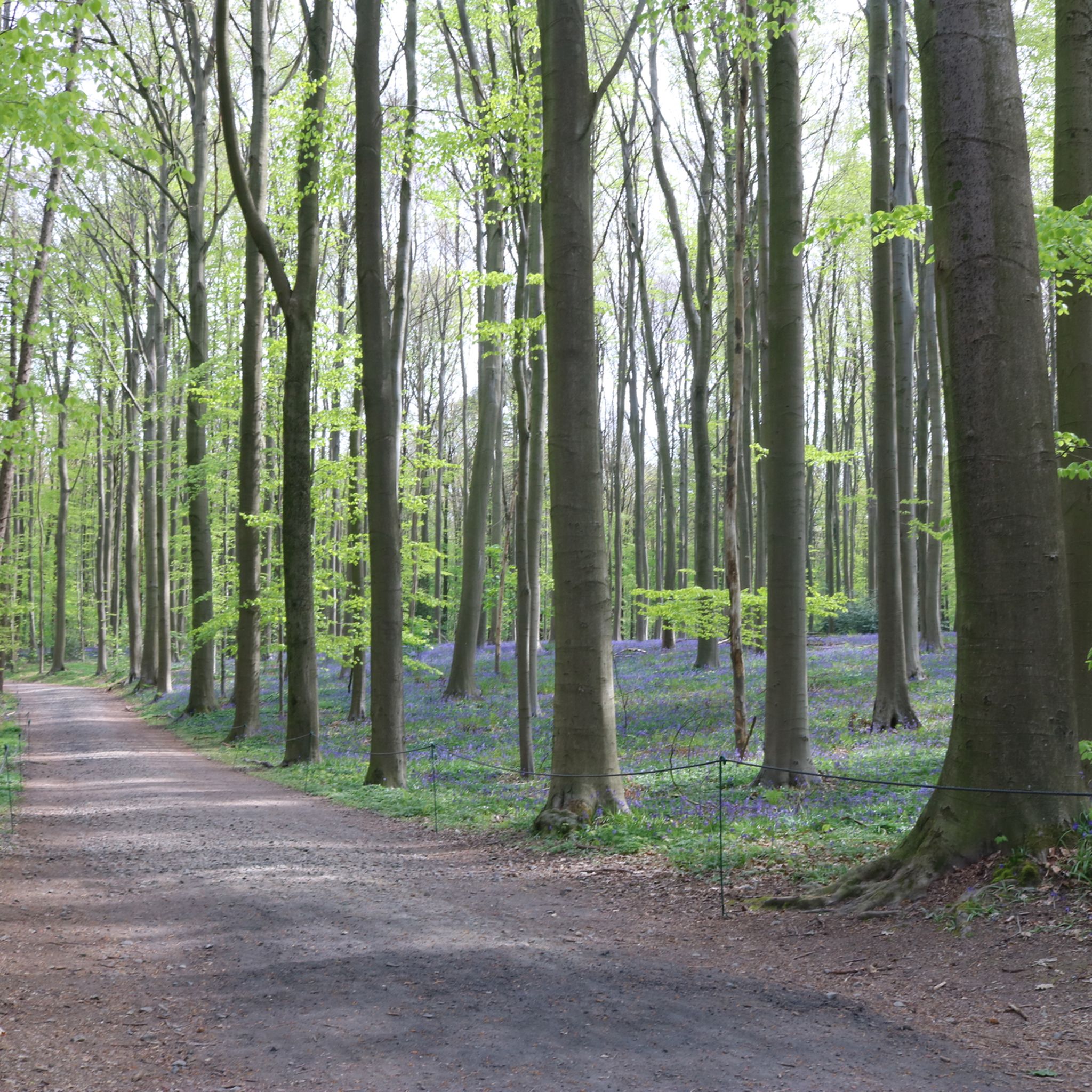
This tour goes for kilometers through the forest. In spring it is beautiful with the hyacinths and wood anemones. In summer nice and cool.
0
0

To see and don't hesitate to get lost there
1
0

Enjoying the Sonian Forest is easy from the various access gates. These access gates are located on the edge of the forest, are easily accessible and are therefore the ideal starting point to explore the forest. There are eight access gates. Information about this can be found at https://www.zonienwoud.be/praktisch/toegangspoorten/
11
0

The Sonian Forest, also known as the Zoniënwoud, is a large forest area centrally located in Belgium, southeast of Brussels. It covers approximately 4,421 hectares and is best known for its old beech trees, some of which are over 200 years old. The forest has a rich history dating back to the Iron Age and has had various functions over the centuries, such as providing firewood and timber for the construction of houses and ships, and as a backdrop for hunting scenes. The current forest landscape with deciduous trees has its origins in the Austrian period (1714-1795).
12
0

The path which crosses the Solvay estate and which passes near the Château de La Hulpe is in good condition and has only a few holes filled with water... but easily avoidable.
2
0

Always beautiful, spacious and varied forest
0
0

A discovery. I was there on a wet windy November day. Definitely want to do this in the other seasons as well
2
0
The Sonian Forest is an exceptional, vulnerable and ancient forest that is also recognized as a UNESCO World Heritage Site. The forest extends across the three Belgian regions and is one of the best-known and most visited green spaces in the region.
3
0
Frequently Asked Questions
What are some of the most popular natural monuments to visit around Waterloo?
Beyond the well-known Hallerbos — The Bluebell Forest and Domaine Solvay, visitors highly appreciate the vast Zonienwald (Sonian Forest), known for its ancient beech trees and extensive trail network. Another notable spot is the Drowned Children Ponds, a serene nature reserve within the Sonian Forest.
Are there family-friendly natural monuments around Waterloo?
Yes, several natural monuments are great for families. The Hallerbos — The Bluebell Forest is enchanting, especially in spring. Domaine Solvay offers a public park with lawns and ponds, perfect for a family outing. The Zonienwald (Sonian Forest) also has many accessible trails suitable for all ages, and the Drowned Children Ponds provide a peaceful setting for a walk.
What kind of wildlife can I expect to see in the natural monuments around Waterloo?
The natural areas around Waterloo are rich in biodiversity. The Zonienwald (Sonian Forest) is home to many animals, including various bird species and deer. The rare Charitable Research Reserve, though not a listed highlight, is known for over 5,200 species, including rare butterflies, birds, and endangered reptiles. Snyder's Flats Conservation Area also hosts diverse wildlife like fish, raptors, and beavers.
What are the best times of year to visit the natural monuments?
Spring is particularly magical, especially for the Hallerbos — The Bluebell Forest, when thousands of bluebells create a stunning purple carpet. The Zonienwald (Sonian Forest) is beautiful year-round, with vibrant foliage in autumn and serene snowy landscapes in winter. Summer offers pleasant conditions for hiking and outdoor activities in most areas.
Are there good hiking trails near the natural monuments?
Absolutely! The Zonienwald (Sonian Forest) offers extensive walking and hiking trails, with access gates providing ideal starting points. You can find many routes, including moderate and easy options, for hiking around Waterloo. For more detailed routes, explore the Hiking around Waterloo guide.
Can I bring my dog to the natural monuments?
Many natural areas around Waterloo are dog-friendly. The Zonienwald (Sonian Forest) is a popular spot for dog walkers. Always ensure your dog is on a leash and follow local regulations to protect wildlife and other visitors.
What unique natural features can I find in the Waterloo region?
The region boasts several unique features. The Hallerbos — The Bluebell Forest is globally unique for its bluebell carpets. Forested Hills, part of the Waterloo Moraine, features ancient hardwood forests and a large kettle hole known as 'the amphitheater'. The rare Charitable Research Reserve includes cliffs and alvars, offering stunning river views at the confluence of the Grand and Speed Rivers.
Are there opportunities for cycling or other outdoor sports near these natural monuments?
Yes, the natural monuments are often surrounded by excellent routes for various outdoor activities. You can find numerous options for gravel biking and running trails around Waterloo, many of which pass through or near these beautiful natural areas like the Sonian Forest and Domaine Solvay.
What historical or cultural sites are integrated with the natural monuments?
Domaine Solvay is a prime example, featuring the impressive Château de Béthune within its 227 hectares of forest, lawn, and ponds. The Zonienwald (Sonian Forest) itself has a rich history dating back to the Iron Age and is recognized as a UNESCO World Heritage Site, with some trees over 200 years old.
How accessible are the natural monuments for visitors?
Many natural monuments, such as the Zonienwald (Sonian Forest), have multiple access gates and well-maintained trails. Laurel Creek Conservation Area offers a sandy beach and trails. While specific wheelchair accessibility varies, many areas provide easy trails suitable for leisurely walks. It's always recommended to check specific site information for detailed accessibility details.
What are some lesser-known natural spots worth exploring in the Waterloo region?
Beyond the main highlights, consider exploring the Huron Natural Area in Kitchener, a 'prized gem' with diverse ecosystems. Snyder's Flats Conservation Area, a rehabilitated gravel pit, offers a large pond and trails with diverse wildlife. The Grand River itself, winding through the region, provides unique opportunities for canoeing and kayaking, offering a different perspective of the natural beauty.
Are there any natural monuments that are particularly good for birdwatching?
Yes, several areas are excellent for birdwatching. The Huron Natural Area is ideal for birdwatching due to its diverse habitats including forests, wetlands, and meadows. Laurel Creek Conservation Area also provides opportunities for birdwatching. The rare Charitable Research Reserve is home to numerous bird species, including rare ones, making it a significant spot for enthusiasts.
Most popular routes around Waterloo
Most popular attractions around Waterloo

Get inspired with the komoot mobile app


Explore more
Extend your search for the best caves by checking out these guides of the top ones around Waterloo:
