Top 7 Castles around Montepulciano
Best castles around Montepulciano offer insights into the region's history and strategic importance. Montepulciano is a hilltop town in Tuscany, known for its medieval and Renaissance architecture. The surrounding landscape of Val d'Orcia and Val di Chiana provides a scenic backdrop for these historical landmarks. The area features fortified structures and historical sites that reflect centuries of conflicts and cultural development.
Best castles around Montepulciano
- The most popular castles is Montegualandro Castle, a castle that occupies an excellent strategic position. This fort stands at about 450 meters above sea level and marks a border of the Perugia area.
- Another must-see spot is Massaini Castle, a castle located among vineyards, olive groves, and medicinal plants. This historical site offers a viewpoint on the hill.
- Visitors also love Spedaletto Castle, a fortified architectural complex in Val d'Orcia. This castle, extensively rebuilt in the Middle Ages, now operates as an agriturismo.
- Montepulciano is known for its fortified palaces, medieval fortresses, and historical castles. The region offers a variety of structures to explore, from those within the town to those in the surrounding countryside.
- The castles around Montepulciano are appreciated by the komoot community, with more than 80 photos and over 190 upvotes.
Last updated: October 7, 2026
Spedaletto Castle
Highlight • Castle
Source: artsandculture.google.com/entity/castle-of-spedaletto/g11b5m68f7b?hl=en
Translated by Google •
Tip by

Rocca del Leone, Castiglione del Lago
Highlight • Castle
This is the main monument of Castiglione del Lago and is definitely worth a visit.
Translated by Google •
Tip by

Sign up now to discover places like this
Get recommendations on the best single tracks, peaks, & plenty of other exciting outdoor places.
Castiglione del Lago Historic Center
Highlight • Historical Site
Il suo nome deriverebbe dal termine Castellum Leonis ossia Castello del Leone, la struttura difensiva che caratterizza il borgo. Il suo passato ricco di storia e la sua bellezza senza tempo rendono oggi Castiglione del Lago uno dei luoghi assolutamente da non perdere quando si visita il centro italia. Immerso nel Parco Regionale del Trasimeno, il borgo è uno dei comuni costieri che caratterizzano quest’area naturale protetta di incredibile bellezza.
Cosa vedere a Castiglione del Lago
Una visita a Castiglione del Lago non può che iniziare dal Palazzo Ducale, anche noto come Palazzo Corgna, la reggia della famiglia che ha regalato prestigio al paese lacustre, voluta da Ascanio della Corgna nel 1563. Inizialmente concepita come residenza di campagna, il palazzo ebbe l’onore di ospitare personaggi del calibro di Leonardo Da Vinci e Niccolò Machiavelli e nasconde al suo interno splendide sale affrescate, opera tra gli altri di Pomarancio. Il palazzo è attualmente sede del comune di Castiglione.
La celebre Rocca del Leone è collegata al Palazzo della Corgna attraverso un affascinante camminamento coperto affacciato sul lago, curiosamente unico punto di accesso alla fortezza. La Rocca domina dall’alto il borgo di Castiglione del Lago e l’intero Trasimeno, e fu realizzata nel XIII secolo per volere di Federico II di Svevia. Si narra che il suo nome derivi dalla sua forma pentagonale ispirata alla costellazione del Leone ed è certamente uno degli scorci più belli ammirabili nel borgo. Camminando poi tra le vie del centro storico di Castiglione del Lago, è possibile coglierne l’aria genuina ed il glorioso passato, curiosando tra gli stretti vicoli ed affacciandosi alle mura medievali che abbracciano l’intero abitato. Il borgo è punteggiato di botteghe artigianali e locande cariche di profumi tradizionali, ed è un vero piacere scivolare tra le sue piazzette e restare sorpresi dalle prospettive che spuntano da dietro ogni angolo.
Ancora visibili sono le porte di accesso al centro del borgo, che sono tre: Porta Perugina, del XIII secolo, Porta Fiorentina, risalente al XVI secolo e Porta Senese, di origine medievale ma ricostruita nel ‘900. Di incredibile bellezza è anche il percorso panoramico che segue il perimetro esterno delle mura, detto il Poggio Olivato. Tra gli edifici religiosi di Castiglione, meritano una menzione sia la Chiesa di Santa Maria Maddalena, della metà dell’800, scrigno di opere di Eusebio da San Giorgio, discepolo del Perugino, e la Chiesa di San Domenico costruita dal duca Fulvio Alessandro della Corgna in ringraziamento per un miracolo ricevuto dal santo, e che ospita oggi le tombe di membri della famiglia più importante nella storia del villaggio.
Cosa fare sul Lago Trasimeno
Il vicino Lago Trasimeno è un’attrazione irrinunciabile e mentre si sosta a Castiglione del Lago sono numerose le attività che la zona lacustre propone. Le coste del lago offrono infatti sia l’opportunità di trascorrere rilassanti giornate sulle loro spiagge attrezzate, tra relax e deliziosi pranzi con vista sulle onde, così come quella di dedicarsi agli sport acquatici più avventurosi, come vela, windsurf, kitesurf e canottaggio.
Le spiagge di Merangola Sports Beach, una bellissima area attrezzata, e la spiaggia il Pescatore Cafe Praia, promettono entrambe momenti indimenticabili, mentre se si desidera solcare le acque del lago da Castiglione ci si può imbarcare per raggiungere la non distante Isola Polvese, la più grande delle tre isole del Trasimeno, di grande interesse naturalistico e culturale. Imperdibili sulle sponde dell’isola i boschi di alloro e leccio, così come il Castello Medievale ed il Monastero di San Secondo. Di interesse anche la Piscina del Porcinai, Giardino di Piante Acquatiche opera di Pietro Porcinai, noto paesaggista del XX secolo.
tratto da: SIVIAGGIA.IT
Tip by

Montegualandro Castle
Highlight • Castle
Source: livingtuoro.it/luoghi-di- interesse/il-castello-di-montegualandro/
Translated by Google •
Tip by

Spedaletto Old Post House
Highlight • Castle
Here is its history and main characteristics:
Origins: A refuge on the Via Francigena
Built in the 12th century (it is already known in 1191, when King Philip II Augustus of France stopped there on his return from the Third Crusade), it was originally born as a "spedale", i.e. a hospice and resting place to welcome pilgrims and travelers who traveled the Via Francigena, one of the most important communication arteries of medieval Europe. The complex belonged to the powerful Spedale di Santa Maria della Scala of Siena.
The transformation into a fortified "Grancia"
During the 15th century (around 1446), the complex underwent important renovation works that modified its original appearance.
Showing Translation
Tip by

Sign up for free to discover even more castles around Montepulciano.
Already have an account?
Start today with a free account
Your next adventure awaits.
Popular around Montepulciano
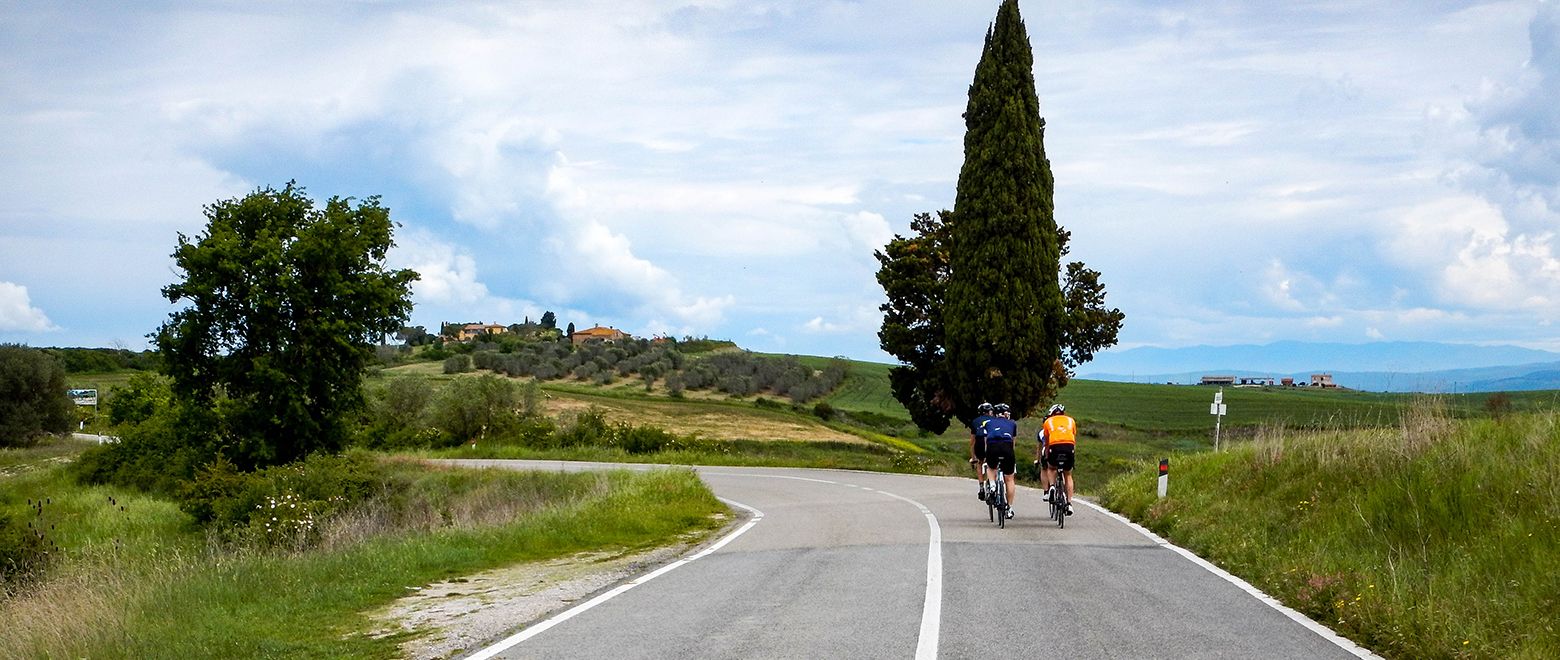
A heavenly week cycling in Tuscany
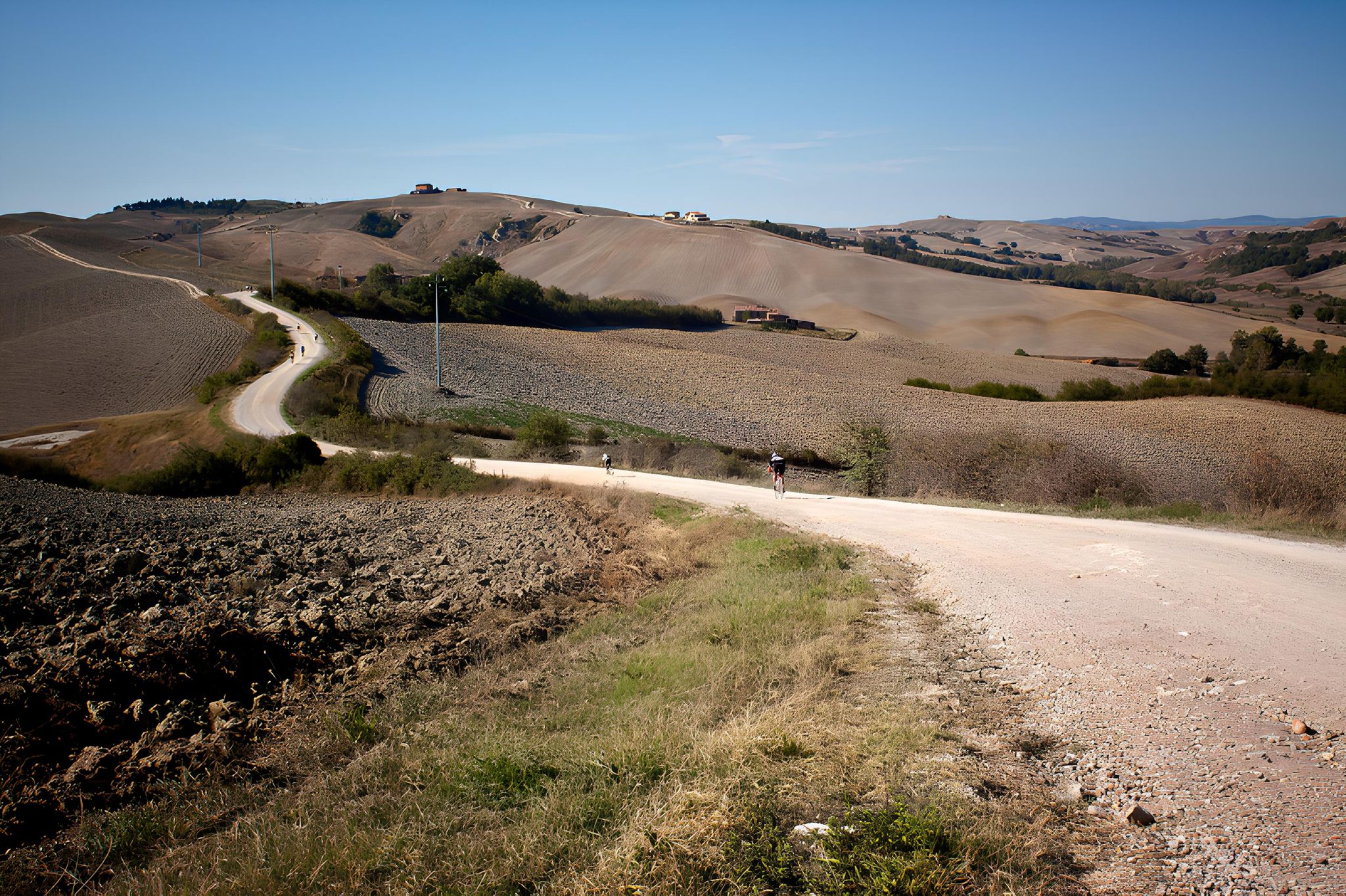
Via Lauretana - Tuscan crete, castles and vineyards
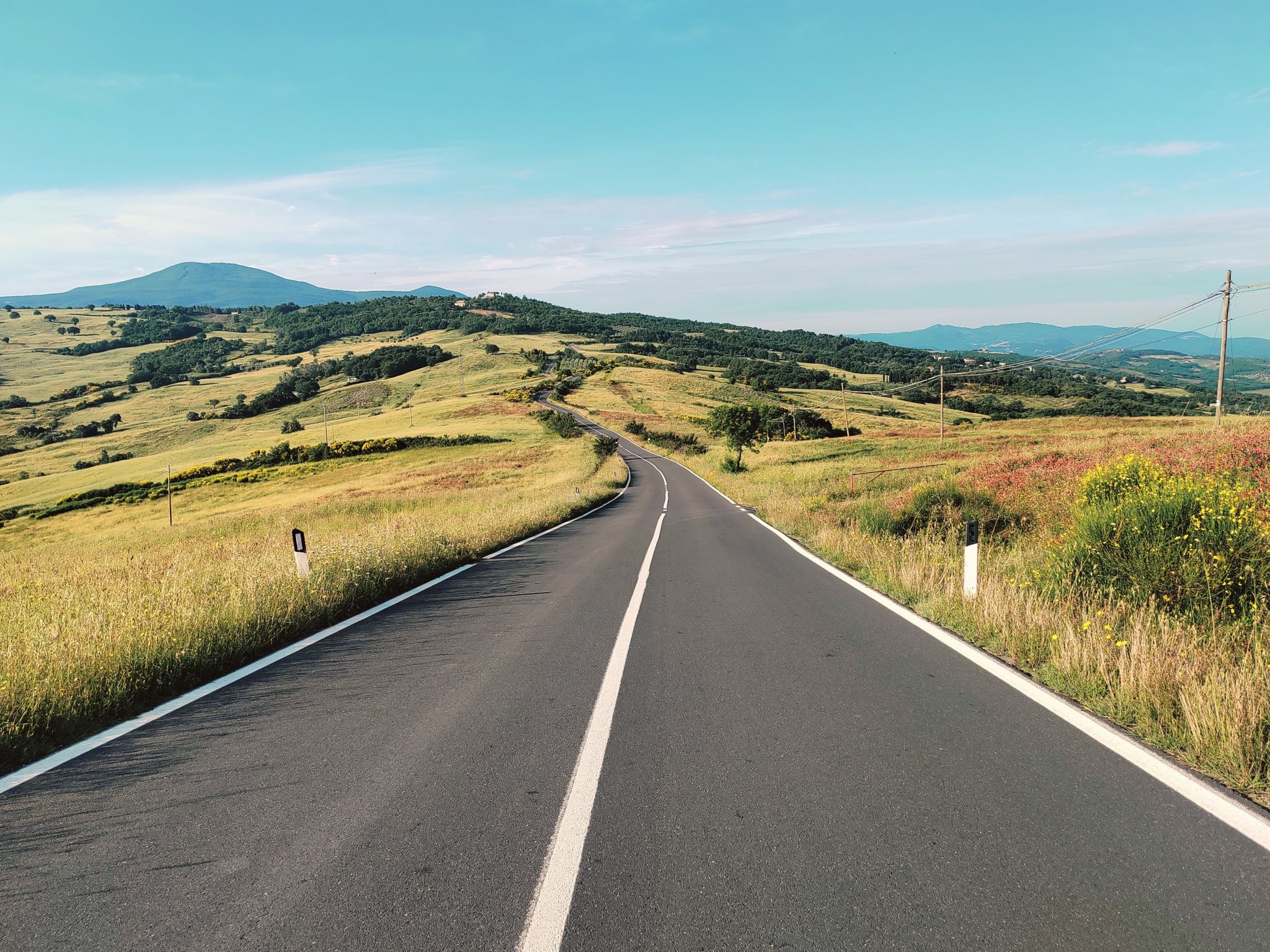
Hunting for cypresses in Val d'Orcia – two days by e-bike in Tuscany

Road Cycling Routes around Montepulciano

Cycling around Montepulciano

Hiking around Montepulciano

MTB Trails around Montepulciano

Running Trails around Montepulciano

Gravel biking around Montepulciano


Tips from the Community

From a simple place of hospitality, it was transformed into a "grancia", a fortified farm that served as an agricultural center and warehouse for the storage of grain and foodstuffs from the area, always under the control of Santa Maria della Scala. It was during this period that the walls, the antiporta, and the defensive towers were added. The castle presents a massive quadrangular plan. Its most evident features are: - The towers: A tower rises from each of the four corners (the northwestern one still has the original battlements). - The courtyards: The main entrance leads into a first courtyard where there is a small Gothic church with a rose window, dedicated to San Niccolò. A second door leads to the inner courtyard, the true heart of the fortification. - The defensive walls: The curtain wall and the corbels (the protruding architectural elements) testify to its past defensive function.
1
0
L'Antica Posta di Spedaletto, more commonly known as Castello di Spedaletto or Grancia di Spedaletto, is an extraordinary fortified architectural complex located in the heart of the Val d'Orcia, in the municipality of Pienza (Siena). Here is its history and main characteristics: Origins: A refuge on the Via Francigena Built in the 12th century (it is already known in 1191, when King Philip II Augustus of France stopped there on his return from the Third Crusade), it was originally born as a "spedale", i.e. a hospice and resting place to welcome pilgrims and travelers who traveled the Via Francigena, one of the most important communication arteries of medieval Europe. The complex belonged to the powerful Spedale di Santa Maria della Scala of Siena. The transformation into a fortified "Grancia" During the 15th century (around 1446), the complex underwent important renovation works that modified its original appearance.
1
0

A small paradise in the Tuscan hills, in the heart of the Val d'Orcia, just a few minutes from Pienza....
0
0

The Rocca del Leone is the medieval fortress with an irregular pentagonal structure built starting from the thirteenth century. This is the main monument of Castiglione del Lago and is definitely worth a visit.
1
0

The Castello di Spedaletto is a remarkable castle located in the Val d'Orcia, right along the road that leads from Pienza to Bagno Vignoni. This old castle, which was extensively rebuilt in the Middle Ages, has been fortified and provided with a walled enclosure. The walled front door dates from 1446. It is now an agriturismo, run by Laura and her family, offering an unforgettable stay in the heart of the Val d'Orcia.
1
0

Very nice as an agriturismo and recommended! "La grancia di Spedaletto"
1
0

The castle houses a wonderful hotel (Relais Il Mastio di Spedaletto) with an excellent breakfast and a large lawn with a spa. In addition to other agritourisms, the property also houses the Mulino Val d'Orca with a well-stocked shop (wholemeal flour, pici pasta, wine, olive oil, etc.) and a restaurant that serves homemade pasta dishes (open only at lunchtime).
0
0

This fortified place, and site of the discovery of an Etruscan stele still preserved in the Archaeological Museum of Umbria in Perugia, occupies an excellent strategic position and marks a further border of the Perugia area. The fort stands at about 450 meters above sea level and its privileged lookout post (in fact, it is located at the extreme border of the Perugia area dominating the road that connected Perugia to Arezzo and Florence and over the entire Arezzo plain) it hides, in its presence, the historical events that characterized it with continuous clashes between Perugia and the Tuscan cities for control of it. Source: https://livingtuoro.it/luoghi-di- interesse/il-castello-di-montegualandro/
1
0
Frequently Asked Questions
What are the most notable fortified structures to visit in Montepulciano itself?
Within the historic center of Montepulciano, the two most prominent fortified structures are the Fortezza di Montepulciano (Medici Fortress) and the Palazzo Comunale (Town Hall). The Fortezza offers panoramic views and houses a wine consortium, while the Palazzo Comunale, resembling Florence's Palazzo della Signoria, provides stunning vistas from its civic tower.
Are there family-friendly castles around Montepulciano?
Yes, several castles in the region are suitable for families. Spedaletto Castle, for example, is a fortified complex that now operates as an agriturismo, offering a unique and engaging experience for all ages in the heart of Val d'Orcia.
What kind of views can I expect from the castles in Montepulciano?
Many fortified sites in and around Montepulciano offer breathtaking panoramic views. From the Fortezza di Montepulciano, you can see the Tuscan countryside, Val d'Orcia, Val di Chiana, and even Lake Trasimeno. The tower of the Palazzo Comunale provides extraordinary views of Piazza Grande, Valdichiana, Val d'Orcia, Pienza, Montalcino, and Siena on clear days. Similarly, Rocca del Leone, Castiglione del Lago and Sarteano Castle are also known for their excellent viewpoints.
What historical significance do these castles hold?
The castles and fortified structures around Montepulciano are rich in history, reflecting centuries of conflicts and cultural development. The Fortezza di Montepulciano, for instance, was repeatedly destroyed and reconstructed due to conflicts between Siena and Florence. Montegualandro Castle held a crucial strategic position, marking a border of the Perugia area and witnessing continuous clashes. These sites offer a glimpse into the region's past as military outposts and centers of power.
Can I combine a castle visit with outdoor activities like hiking or cycling?
Absolutely! The Montepulciano region is perfect for combining historical exploration with outdoor adventures. You can find numerous routes for jogging, gravel biking, and cycling that pass by or near these historical sites. For example, explore the beautiful Tuscan landscape on a running trail or a gravel biking route, many of which offer views of castles and fortified towns.
Are there any castles that offer unique cultural experiences?
The Fortezza di Montepulciano has evolved into a vibrant cultural hub. It hosts temporary exhibitions and events, and is home to the Consorzio Del Vino Nobile di Montepulciano and its Enoliteca. Here, visitors can taste over 100 labels of Vino Nobile and local products while enjoying panoramic views from its terrace.
What do visitors enjoy most about the castles in this region?
Visitors frequently praise the stunning panoramic views, the rich historical atmosphere, and the unique experiences offered by these sites. Many appreciate the opportunity to immerse themselves in history, enjoy local food and wine, and explore the beautiful Tuscan landscape. The blend of history, culture, and natural beauty is a common highlight.
Are there any castles that are now agriturismos or offer accommodation?
Yes, Spedaletto Castle, a fortified architectural complex in Val d'Orcia, has been extensively rebuilt and now operates as an agriturismo, offering an unforgettable stay in the heart of the region.
What is the best time to visit the castles around Montepulciano?
The region is beautiful year-round, but spring (April-May) and autumn (September-October) offer pleasant weather for exploring, with fewer crowds and vibrant landscapes. Summer can be hot, but the views remain spectacular. Winter offers a quieter experience, though some facilities might have reduced hours.
Can I visit the Palazzo Comunale and climb its tower?
Yes, visitors can ascend the tower of the Palazzo Comunale. It involves climbing 67 narrow stairs, but the effort is rewarded with extraordinary panoramic views of Piazza Grande, the Valdichiana, Val d'Orcia, Pienza, Montalcino, and even Siena on clear days.
Are there any castles with connections to famous films?
The Palazzo Comunale in Montepulciano is so iconic that its appearance was used as a filming location for the 'Twilight' movie saga, adding a touch of cinematic history to its already rich past.
Where can I find information about Montepulciano while visiting the castles?
The ground floor of the Palazzo Comunale houses the Infopoint Pro Loco, where visitors can find information about the city and its attractions, including the various historical sites and castles.
Most popular routes around Montepulciano
Most popular attractions around Montepulciano

Get inspired with the komoot mobile app


Explore more
Looking for the best castles somewhere else? Discover other guides around Montepulciano:
