Top 20 Caves around Frankeneck
Best caves around Frankeneck are located within the Palatinate Forest, a region known for its diverse natural landscapes and rock formations. This area, situated in Frankeneck Germany location, offers various natural monuments and historical sites. While extensive cave systems are not prominent, the region features numerous rock shelters, grottoes, and formations that are explored by hikers. These natural features provide insights into the geological and historical aspects of the Palatinate.
Best caves around Frankeneck
- The most popular caves is Felsenmeer…
Last updated: July 2, 2026
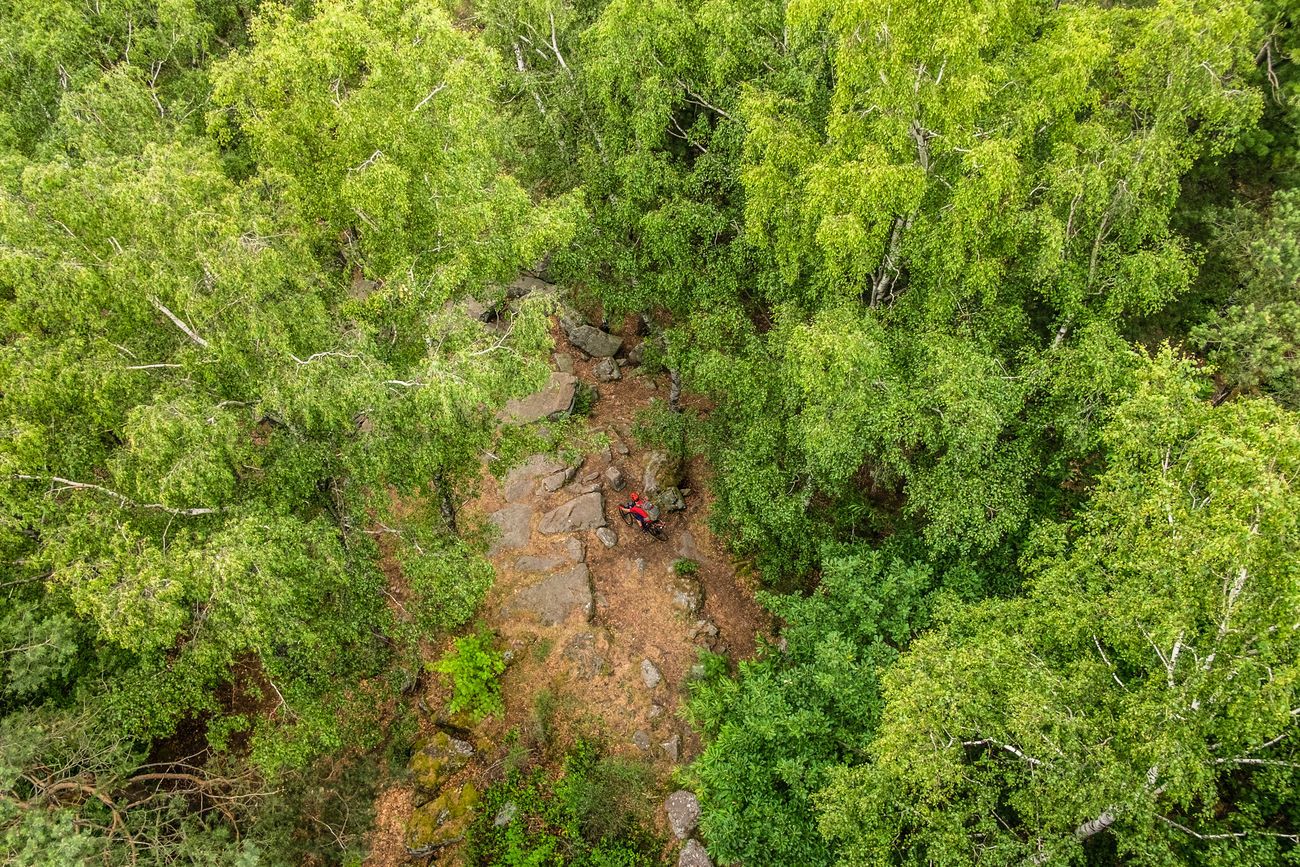
Felsenmeer rock formations
Highlight (Segment) • Natural Monument
Showing Translation
Tip by

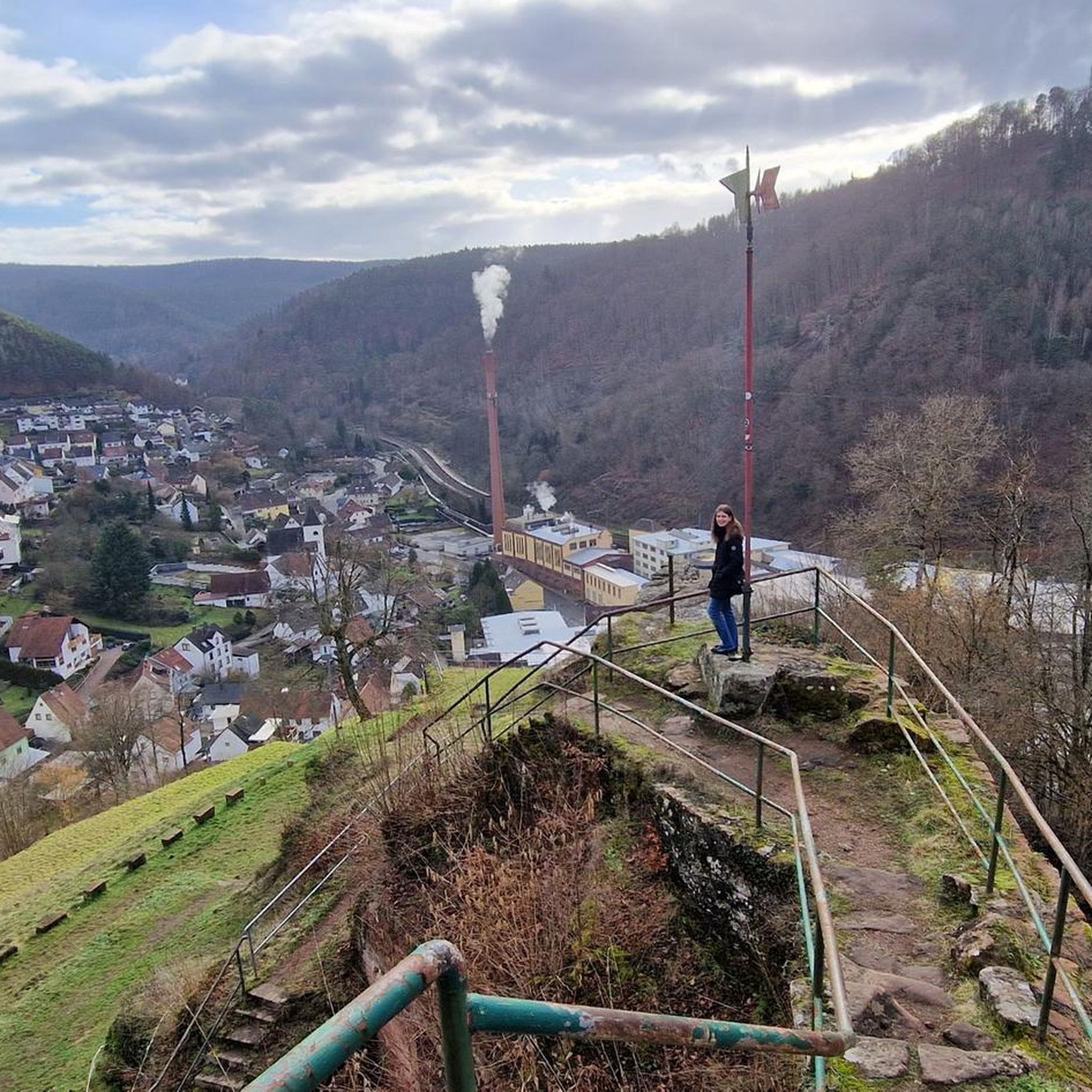
Dragon’s Cave at Drachenfels
Highlight • Cave
Translated by Google •
Tip by

Sign up now to discover places like this
Get recommendations on the best single tracks, peaks, & plenty of other exciting outdoor places.
Sign up for free
Hohler Fels Cave (Freischärler Hideout)
Highlight • Cave
Translated by Google •
Tip by

Stairway to the Drachenhöhle (Dragon's Cave)
Highlight • Cave
Translated by Google •
Tip by

Bürgermeisterstein Cave (Ritterstein No. 240)
Highlight • Cave
Translated by Google •
Tip by
Sign up for free to discover even more caves around Frankeneck.
Sign up for free
Already have an account?
Start today with a free account
Your next adventure awaits.
Login or Signup
Other adventures around Frankeneck

Tips from the Community

A highlight of the hike from Sankt Martin to Kalmit is the Felsenmeer. Many spectacular rock formations please the eye.
6
0

The little detour is definitely worth it
1
0

Small Staircase, Big Cave
0
0

Definitely worth it. Great big cave. If you're lucky you'll see the dragon. 🙂
0
0

After the stairs, you follow a narrow path secured with a railing to the rock shelter. Interesting to look at.
1
0

This is where the rebels hid in 1848... today it serves as a shelter at best
1
0

The Hohle Fels, occasionally also called Hohler Felsen, in the forest area of the Palatinate town of Deidesheim is a room-sized rock cave that was once used as a temporary residence by people - according to traces of work on the walls. Wikipedia
2
0

You can find a list of knight stones here: https://de.m.wikipedia.org/wiki/Liste_der_Rittersteine
0
0
Frequently Asked Questions
What types of caves can I explore around Frankeneck?
The Frankeneck region, nestled in the Palatinate Forest, is known for natural rock shelters, grottoes, and impressive rock formations rather than extensive cave systems. You'll find natural monuments like Felsenmeer rock formations, which include various caves and niches, and historical hideouts such as Dragon’s Cave at Drachenfels and Hohler Fels Cave (Freischärler Hideout).
Are there any historical caves in the Frankeneck area?
Yes, several caves around Frankeneck have historical significance. For example, Hohler Fels Cave (Freischärler Hideout) served as a hideout for volunteers during the 1848 revolution. The Dragon’s Cave at Drachenfels, made accessible in 1873, is also steeped in local legend. Additionally, Bürgermeisterstein Cave (Ritterstein No. 240) features house marks carved in the 17th century.
What are the most popular cave-like attractions for visitors?
Among the most popular are the Felsenmeer rock formations, which offer a path for exploration below the rocks and detours to rocky outcrops. The Dragon’s Cave at Drachenfels is also a must-see, known for its size and historical tales.
Are the caves around Frankeneck suitable for families?
Many of the rock formations and shelters are accessible and can be explored by families. For instance, the Felsenmeer rock formations have a narrow path that is easy to walk, and the area is popular for bouldering. However, some access points, like the path to Dragon’s Cave at Drachenfels, can be narrow and require sure-footedness, so supervision for children is advised.
What kind of natural features can I expect to see near these caves?
The region is characterized by the beautiful landscapes of the Palatinate Forest, featuring diverse rock formations and dense forests. You'll encounter natural monuments, viewpoints, and areas like the Felsenmeer, which is a 'sea of sandstone rocks'. These natural settings provide excellent opportunities for hiking and enjoying the outdoors.
What outdoor activities can I do near the caves?
The Palatinate Forest offers a wide range of outdoor activities. You can find numerous routes for gravel biking, running, and mountain biking. Many of these trails pass by or near the rock formations and historical sites, allowing you to combine cave exploration with other outdoor pursuits.
Are there specific hiking trails that include these caves?
While specific routes are not listed here, the caves and rock formations are often integrated into local hiking networks. For example, the Felsenmeer is a popular spot for hikers on their way to the Kalmit summit. You can explore various running trails or MTB trails that traverse the Palatinate Forest, many of which will lead you to these natural highlights.
What should I wear when exploring the caves and rock formations?
Given the nature of these sites as rock shelters and formations, comfortable hiking shoes with good grip are recommended. Layers of clothing are also advisable, as temperatures can vary. If you plan to explore deeper into niches or narrow paths, a headlamp or flashlight can be useful.
Is there parking available near the cave sites?
While specific parking details for each cave are not provided, the Palatinate Forest region generally offers designated parking areas for hikers and visitors at trailheads and popular natural attractions. It is advisable to check local signage or maps for the closest parking to your chosen exploration point.
What do visitors enjoy most about the caves and rock formations in Frankeneck?
Visitors frequently appreciate the unique blend of natural beauty and historical significance. The opportunity to explore natural rock formations, discover hidden niches, and imagine the historical events that unfolded in places like the Freischärler Hideout are often highlighted. The area is also popular for bouldering and enjoying the scenic views from various viewpoints.
Are there any specific access considerations for the caves?
Access to some sites, like the Dragon’s Cave at Drachenfels, involves narrow paths and may require sure-footedness. A railing is provided for safety in some areas. The path to the Stairway to the Drachenhöhle is not always directly signposted and is a dead end, leading only to the cave and not further down the valley.
Most popular routes around Frankeneck
Most popular attractions around Frankeneck

Get inspired with the komoot mobile app


Explore more
Extend your search for the best caves by checking out these guides of the top ones around Frankeneck:
