The best MTB trails in Five Bridge Lakes Wilderness Area
29
riders
5
rides
Mountain biking in Five Bridge Lakes Wilderness Area offers diverse terrain within a vast natural setting near Halifax, Nova Scotia. The region is characterized by rugged landscapes, including dense forests, expansive barrens, wetlands, rivers, and numerous lakes. This varied topography provides a range of mountain bike trails suitable for different skill levels. The area's natural features contribute to a dynamic riding experience.
Best mountain bike trails in Five Bridge Lakes Wilderness Area
- The most popular mountain bike trail is Halifax…
Last updated: October 18, 2026
10
riders
52.3km
03:29
320m
320m
Moderate mountain bike ride. Good fitness required. Suitable for all skill levels.
3
riders
52.4km
04:43
640m
640m
Moderate mountain bike ride. Good fitness required. Suitable for all skill levels.

2
riders
20.1km
01:18
150m
150m
Easy mountain bike ride. Great for any fitness level. Suitable for all skill levels.
2
riders
20.0km
01:25
170m
170m
Easy mountain bike ride. Great for any fitness level. Suitable for all skill levels.
12
riders
61.5km
03:41
420m
420m
Moderate mountain bike ride. Good fitness required. Suitable for all skill levels.
Our route recommendations are based on thousands of hikes, rides, and runs completed by other people on komoot.
Start today with a free account
Your next adventure awaits.


Tips from the Community

Halifax Common is one of Canada’s oldest urban parks, set aside for public use soon after the city was founded in 1749. Today, the North Common keeps that civic feel with broad lawns, sports fields, tennis courts, the Emera Oval, and easy walking paths around the open green space. It’s more of a city loop than a nature trail, but the mix of recreation, history, and nearby landmarks makes it a worthwhile short walk.
0
0
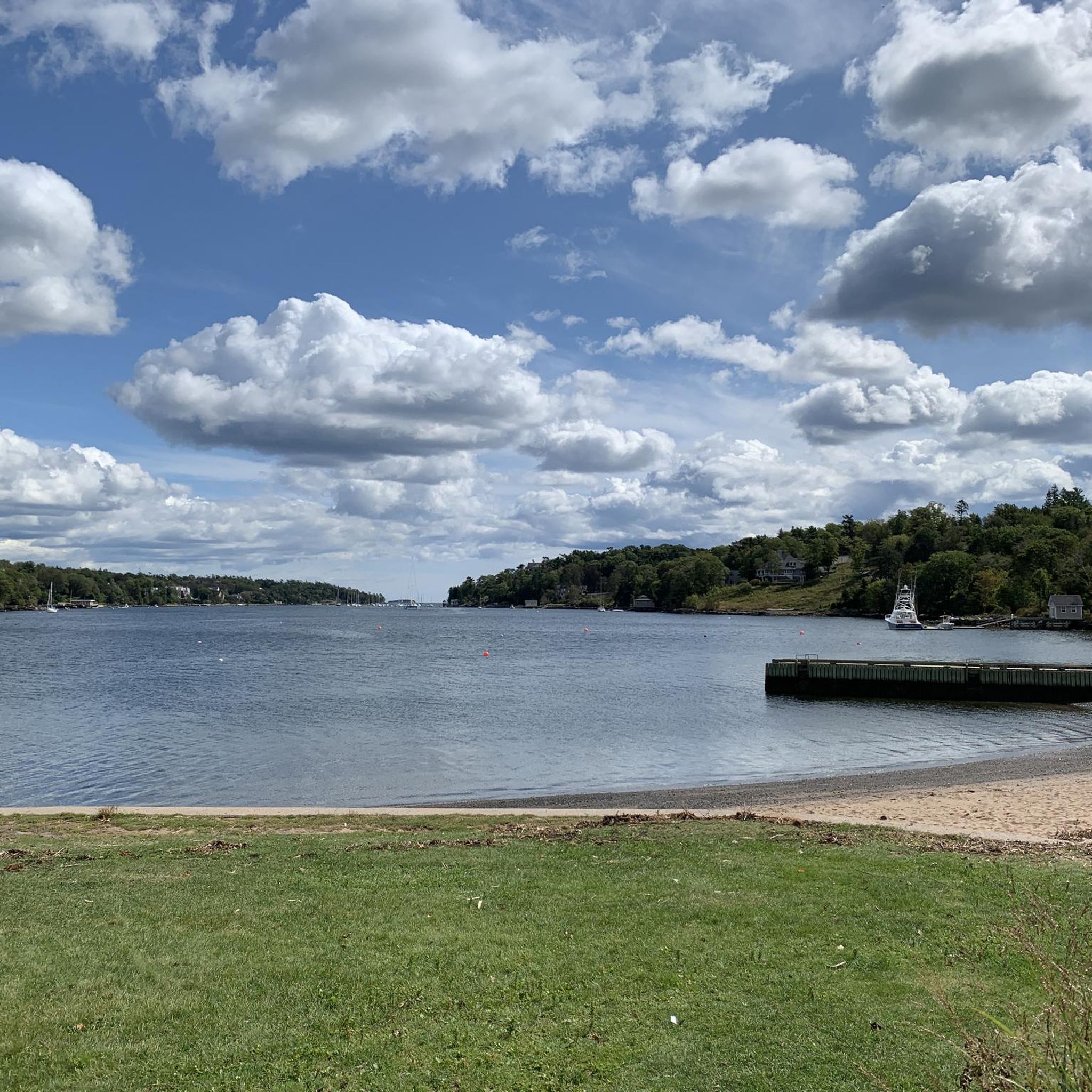
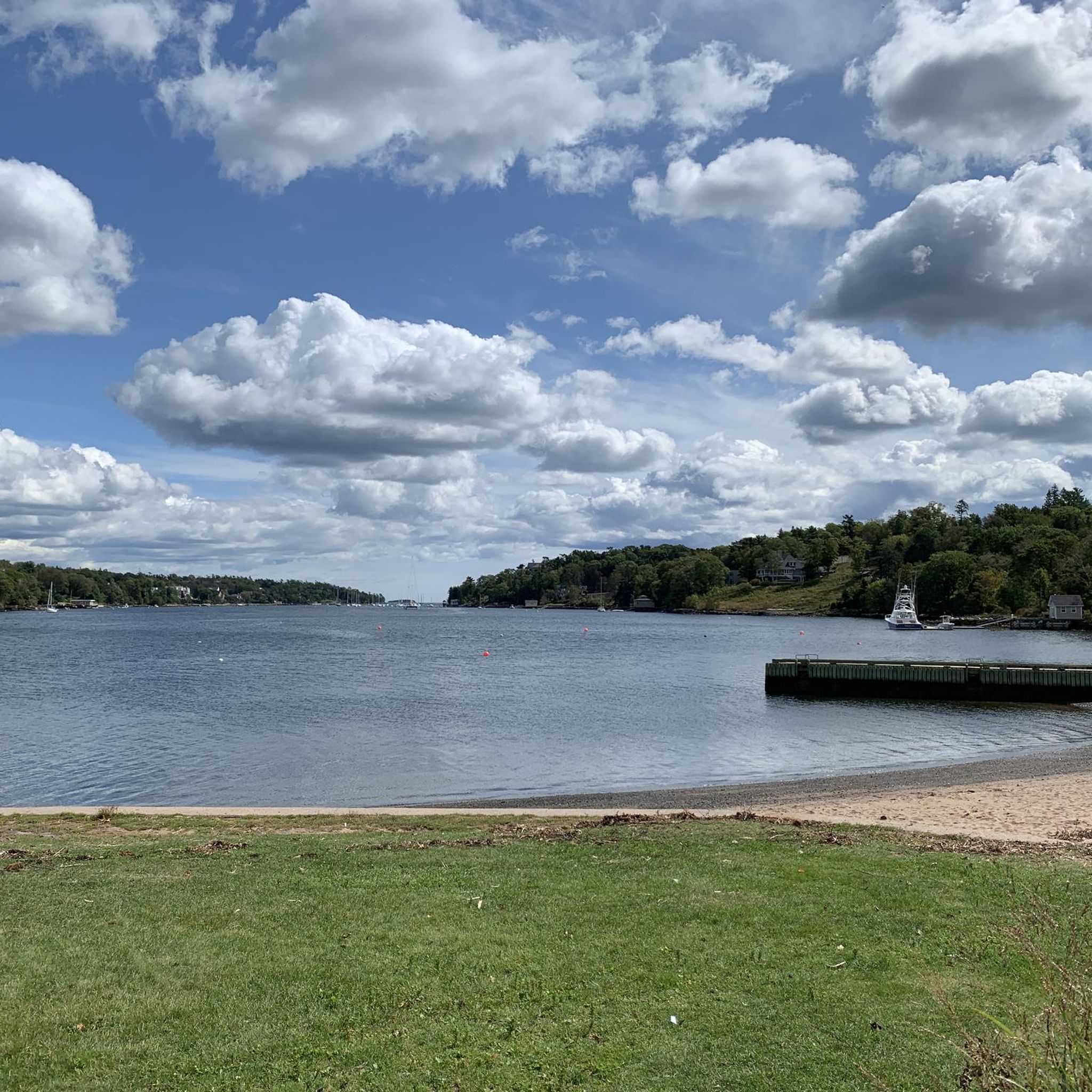
The Chain Lakes are a series of small connected lakes that sit alongside the Chain of Lakes Trail in Halifax. They create an open waterfront corridor with several viewpoints directly from the trail, including access to First Chain Lake and Second Chain Lake. The lakes provide consistent water views and serve as natural landmarks along the paved route.
0
0
Chain of Lakes Trail Park refers to the green corridor surrounding the Chain of Lakes Trail in Halifax. The park-like zone includes the paved multi-use trail, seating areas, signage, and shoreline viewpoints linked to the adjacent Chain Lakes. It functions as an accessible recreation area for walking, cycling, and easy routes that connect to the wider regional trail network.
0
0

That pic is taken from the corner of the Bike N Bean but it's actually facing another restaurant called Cavvicchi's.
0
0

Why was the explosion in Halifax so large? A fire broke out on the Mont Blanc, which the local fire department tried in vain to extinguish. When the flames reached the Mont Blanc's explosive cargo, the explosion devastated large parts of the city.
1
0
The Halifax Explosion was a disaster that occurred on December 6, 1917, in Halifax on Canada's east coast. The French munitions carrier Mont Blanc collided with the Norwegian ship Imo. During the collision, the Mont Blanc caught fire and exploded. At least 1,946 people were killed in the accident[1] and 7,000 were injured, mostly by broken glass. The explosion was so powerful that it triggered a tidal wave and violent earth tremors, while the enormous pressure wave uprooted trees, bent railway tracks, and destroyed numerous buildings, sending debris hundreds of meters away. It was one of the most powerful non-nuclear explosions in history. It is considered the world's largest accidental man-made explosion.[2]
1
0
On July 9, 1749, Captain General Edward Cornwallis landed with approximately 2,500 settlers on what was known as the Chebucto Peninsula to establish a fortified settlement as an outpost for the British military. This small community was named after Lord Halifax (1716–1771), President of the Board of Trades. A year later, in 1750, "Dartmouth" was founded, named after the town of Dartmouth, England, and in honor of Sir William Legge, the second Earl of Dartmouth. In 1752, a ferry service was established between Halifax and Dartmouth, now known as the "Dartmouth Ferry," the oldest continuously operating saltwater ferry service in North America.
0
0
The Grand Parade (sometimes incorrectly referred to as "Parade Square") is a historic military parade square dating from the founding of Halifax in 1749. At the north end of the Grand Parade, is the Halifax City Hall, the seat of municipal government in Nova Scotia's Halifax Regional Municipality. At the south end is St. Paul's Church. In the middle of Grand Parade is the cenotaph built originally to commemorate the soldiers who served in World War I.
0
0
Frequently Asked Questions
How many mountain bike trails are available in Five Bridge Lakes Wilderness Area?
There are currently 5 mountain bike trails available in the Five Bridge Lakes Wilderness Area on komoot, ranging from easy to moderate difficulty. These routes offer diverse terrain within a vast natural setting.
Are there mountain bike trails suitable for beginners in Five Bridge Lakes Wilderness Area?
Yes, the area offers easy-grade trails perfect for beginners. For example, the Halfway Lake – Beaver Pond loop from Wallace Hill 14A is an easy 19.5 km route, and the Beaver Pond loop from Uplands Park is another easy 20 km option, both providing a gentle introduction to mountain biking in the region.
What is the best time of year to go mountain biking in Five Bridge Lakes Wilderness Area?
The best time for mountain biking in Five Bridge Lakes Wilderness Area is typically from spring through fall, when trails are dry and conditions are favorable. The diverse landscape of forests and lakes is particularly scenic during these seasons. While some trails might be accessible in winter, conditions can vary significantly due to snow and ice.
Are there any family-friendly mountain bike routes in the area?
Yes, the easier trails are suitable for families. The Halfway Lake – Beaver Pond loop from Wallace Hill 14A and the Beaver Pond loop from Uplands Park are both easy-grade routes that families can enjoy, offering a chance to experience the natural beauty of the wilderness area together.
Can I bring my dog on the mountain bike trails in Five Bridge Lakes Wilderness Area?
The Five Bridge Lakes Wilderness Area generally allows dogs on trails, but it's always best to check specific trail regulations or local signage before heading out. Ensure your dog is well-behaved and kept on a leash to protect wildlife and ensure a pleasant experience for all trail users.
Are there any scenic viewpoints or natural features to look out for while mountain biking?
The wilderness area is known for its rugged terrain, dense forests, expansive barrens, and numerous lakes. While mountain biking, you'll encounter varied and scenic views. Frederick Lake is highlighted for its ecological importance and offers a scenic vista viewable from the Bluff Wilderness Trail's Mi'kmaw Hill Loop Lookoff, which is adjacent to the biking trails.
Where can I park when visiting Five Bridge Lakes Wilderness Area for mountain biking?
Parking is available at various access points to the trails. For example, the Little Pine Lake – Long Lake loop starts from the Bowater SMATVA Parking Area, and the Bike & Bean Coffee Shop loop can be accessed from Lewis Lake Provincial Park. Always check the specific route details for recommended parking locations.
Are there any cafes or amenities near the mountain bike trails?
Yes, some routes incorporate amenities. The Bike & Bean Coffee Shop loop from Lewis Lake Provincial Park is a popular route that leads through forested and lakeside areas, with the Bike & Bean Coffee Shop being a notable stop along the way for refreshments.
Do I need a permit to mountain bike in Five Bridge Lakes Wilderness Area?
Generally, permits are not required for mountain biking on designated trails within the Five Bridge Lakes Wilderness Area. However, it's always advisable to check the latest regulations from local authorities or park management before your visit, as rules can change.
What kind of terrain can I expect on the mountain bike trails?
The Five Bridge Lakes Wilderness Area offers a diverse and rugged terrain. You can expect a mix of dense forests, expansive barrens, wetlands, rivers, and numerous lakes. This varied topography provides a dynamic riding experience with routes suitable for different skill levels, from relatively flat sections to more challenging ascents and descents.
Are there any long-distance mountain bike loops in the area?
Yes, there are several longer loops for those seeking a more extensive ride. The Halifax Citadel – Chain Lakes loop from Halifax is a substantial 61.9 km trail, and the Little Pine Lake – Long Lake loop from Bowater SMATVA Parking Area covers 52.4 km, both offering significant distances through varied landscapes.
Most popular routes in Five Bridge Lakes Wilderness Area

Get inspired with the komoot mobile app


Explore more
Browse the best MTB trails in other regions.
