Top 15 Caves around Dischingen
Caves around Dischingen are located within the Swabian Alb, a region recognized for its karst landscapes and numerous subterranean formations. This area provides diverse geological features and opportunities for exploration. The natural environment is characterized by limestone structures and underground river systems.
Best caves around Dischingen
- The most popular caves is Great and Small Ofnet Caves, a cave that represents a former, underground karst system. These caves are remnants of a dry valley, with the small Ofnet cave being…
Last updated: June 24, 2026
Cycle Path to Nattheim
Highlight (Segment) • Cycleway
Translated by Google •
Tip by

Birkel Cave
Highlight • Cave
Translated by Google •
Tip by

Sign up now to discover places like this
Get recommendations on the best single tracks, peaks, & plenty of other exciting outdoor places.
Sign up for free
Ramenstein Cave
Highlight • Cave
Translated by Google •
Tip by

Great and Small Ofnet Caves
Highlight • Cave
Translated by Google •
Tip by

Hohlenstein Cave
Highlight • Cave
Translated by Google •
Tip by

Sign up for free to discover even more caves around Dischingen.
Sign up for free
Already have an account?
Start today with a free account
Your next adventure awaits.
Login or Signup

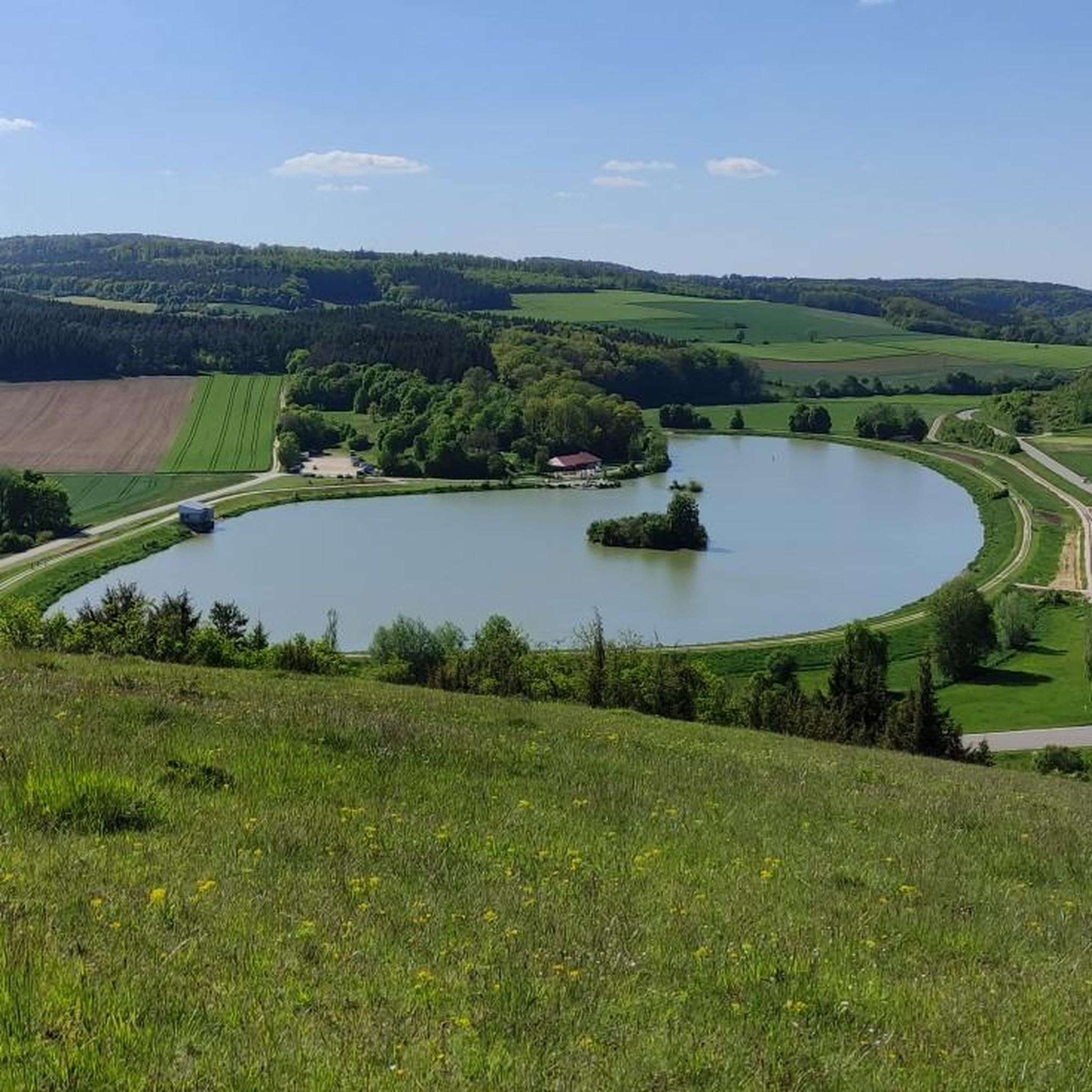
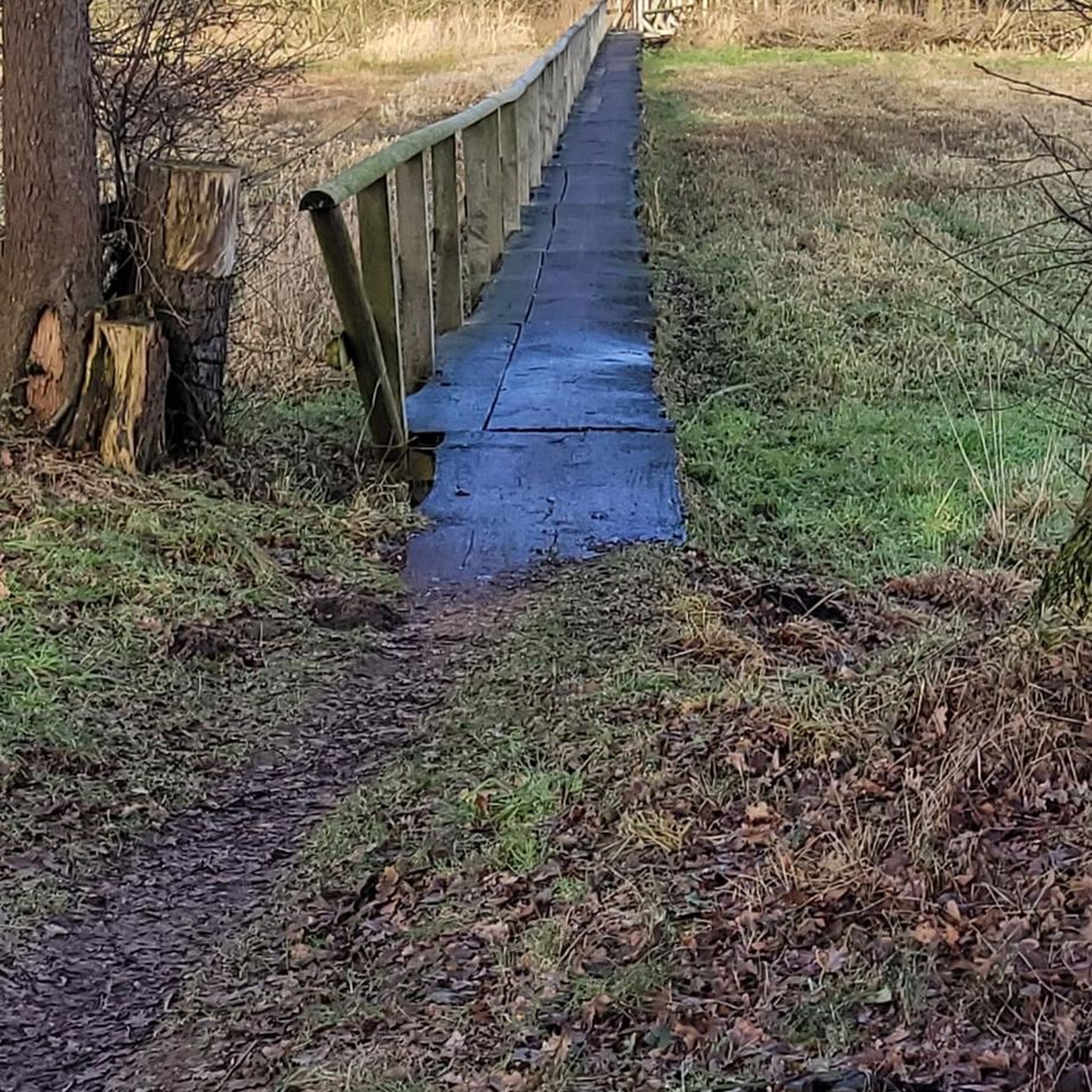

Tips from the Community

The Ramenstein Cave is located at an altitude of about 30 m above the Lindletal and is 45 meters long and U-shaped. Bones and teeth of Ice Age animals, such as the mammoth, were found in it. Today it offers bats a winter roost and is therefore closed during the winter months. Closed from October 15th to April 15th. Status: 2026.
0
0

The cave is approximately 51 meters long and runs horizontally through the Jurassic rock. Its keyhole profile is particularly interesting, making it unique. There is no lighting, so a flashlight is recommended.
8
0

The beautiful cycle path leads from Schnaitheim to Nattheim next to the main road. It goes under the Lindletal bridge, which is 48 m high and 300 m long. It also passes the Ramenstein, which is 570 m above sea level and contains a U-shaped cave that is around 45 m long. The cave is closed over the winter to protect hibernating bats.
1
0

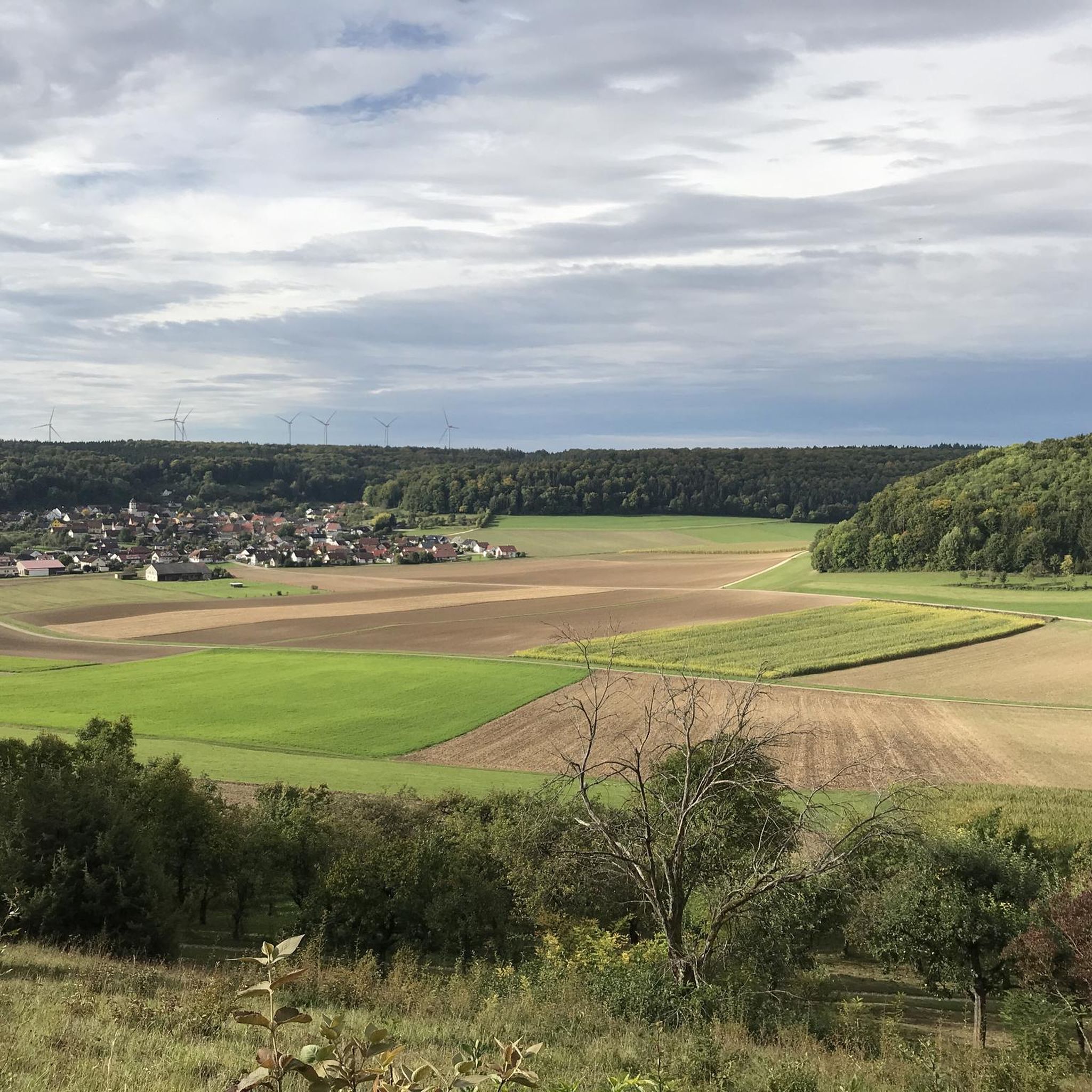
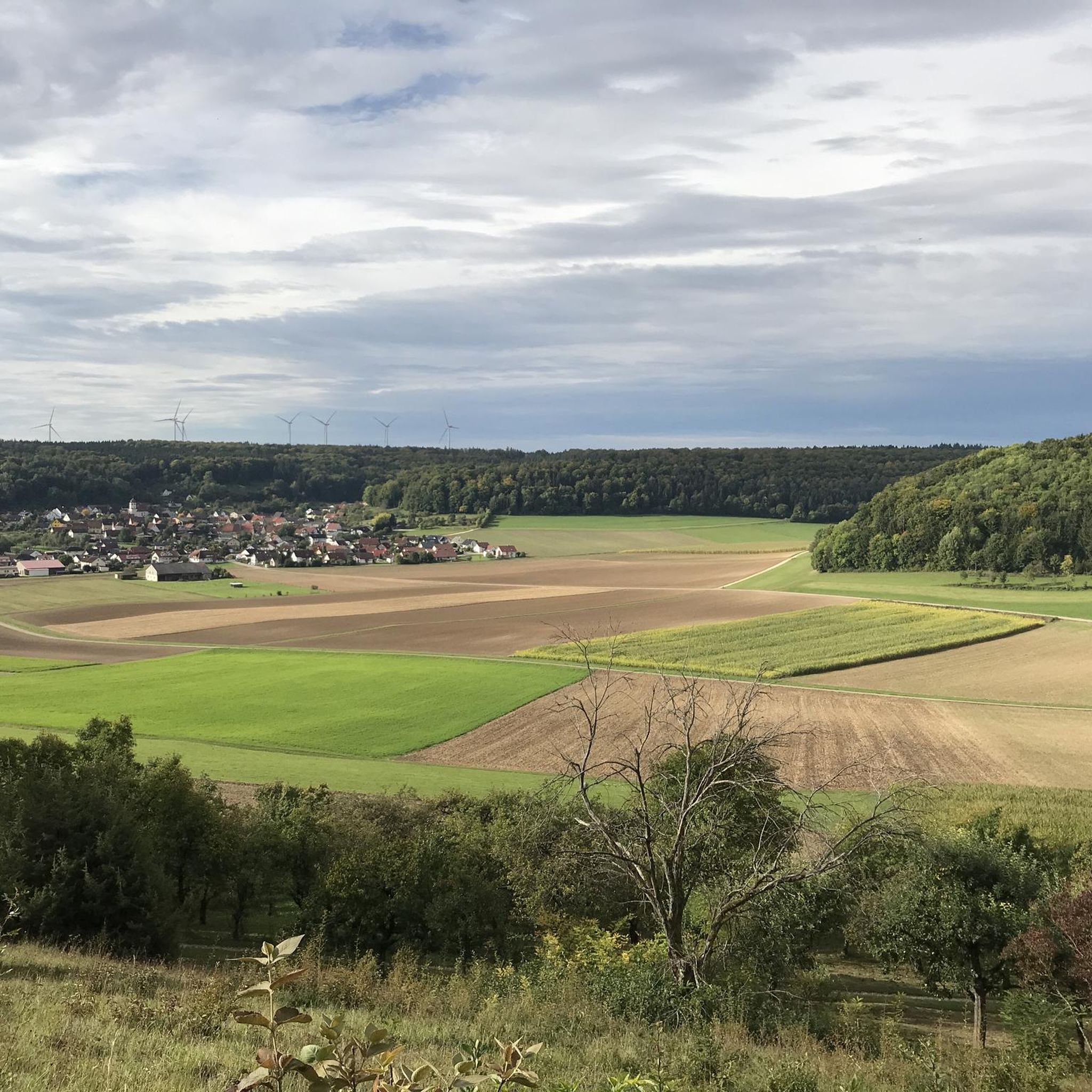
Here it rolls beautifully through the valley.
5
0

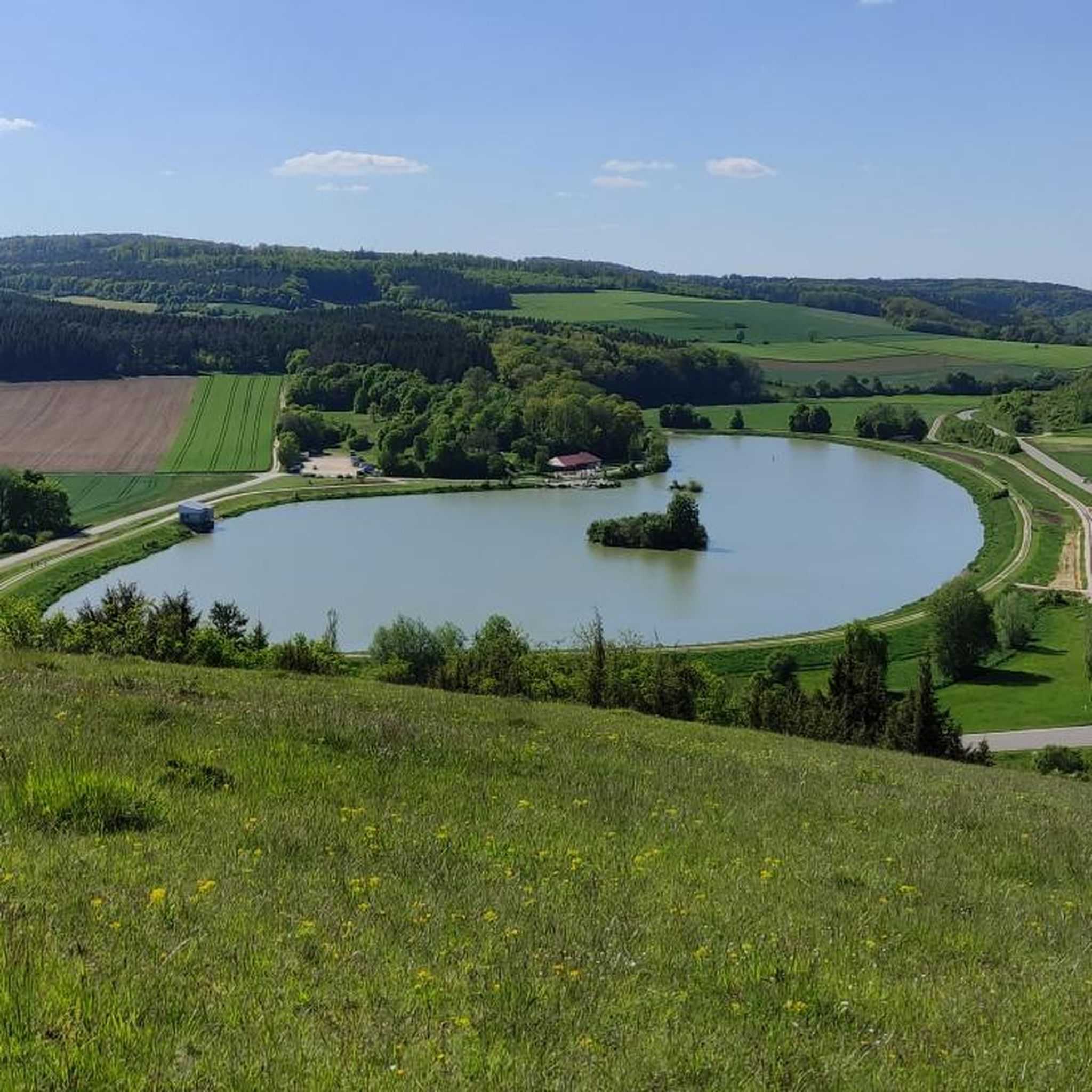
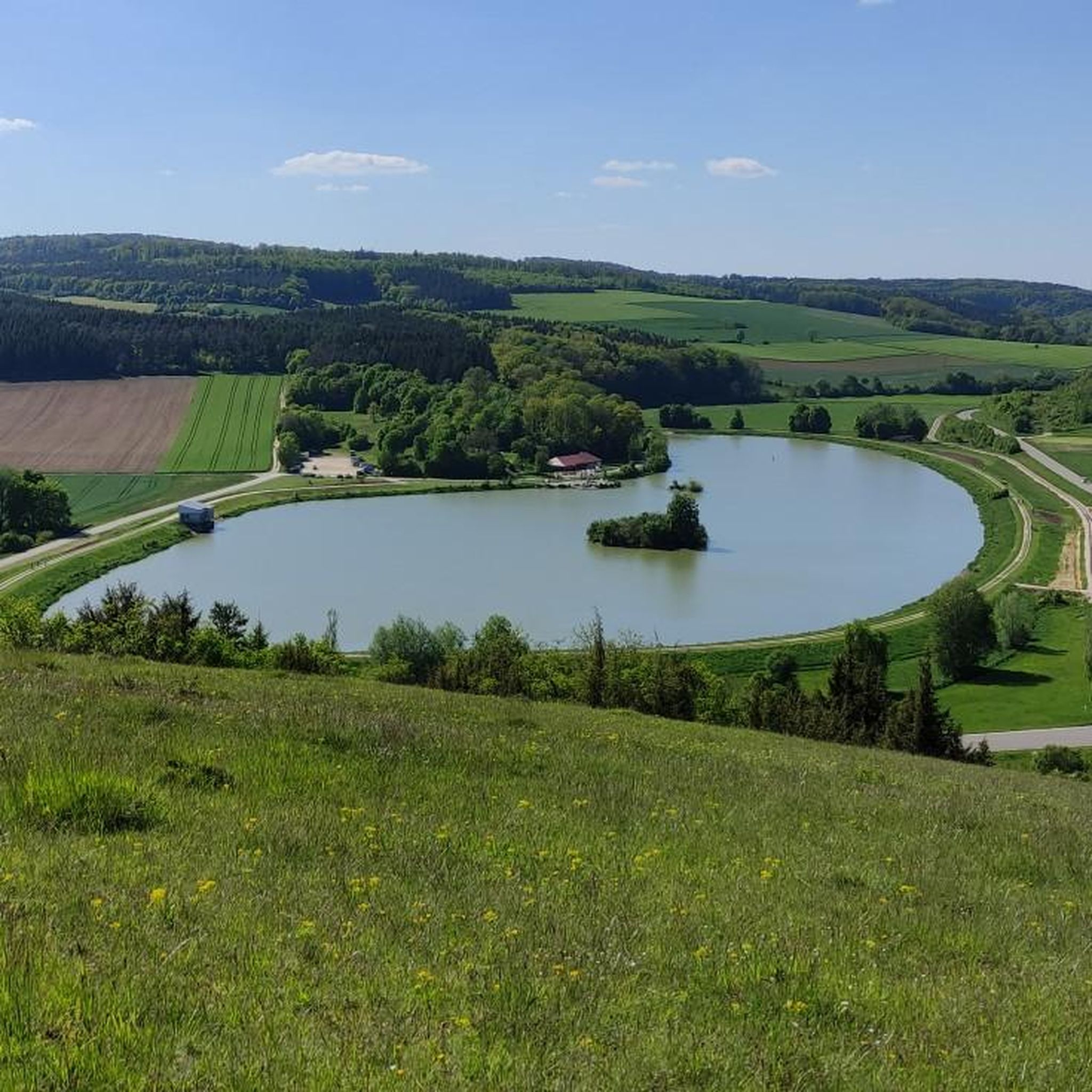
Beautiful caves on the Riegelberg with a wonderful view of a former Roman estate
2
0

If you're unattended, you can go unusually deep inside. Make sure you take a flashlight with you!
0
0

Good cycle path next to the main road Sometimes a bit narrow when 2 MTBs meet!
0
0

Really large cave in the middle of the forest with rest benches in front of it
1
0
Frequently Asked Questions
What types of caves can I explore near Dischingen?
The region around Dischingen offers a diverse range of caves. You can find accessible show caves, paleontological sites rich in ancient animal remains, and even active water caves for more adventurous exploration. Examples include the unique vertical Great and Small Ofnet Caves, the easily accessible Hohlenstein Cave, and the more challenging Birkel Cave with its unique keyhole profile.
Are there any family-friendly caves in the Dischingen area?
Yes, several caves are well-suited for families. The Bärenhöhle (Bear Cave) is particularly kid-friendly, known for its ancient animal bone displays. The Hohlenstein Cave is also easily accessible and family-friendly, offering insight into geological history. The Great and Small Ofnet Caves are also considered family-friendly.
Which caves offer a unique or adventurous experience?
For a truly unique experience, the Laichinger Tiefenhöhle is Germany's deepest accessible show cave and the only vertical cave open to the public, requiring a descent via numerous staircases. For advanced adventurers, the Falkensteiner Höhle is an active water cave where the Elsach river flows through. Beyond the initial 20 meters, it requires specialized equipment and permits for exploration.
What are the historical or paleontological highlights of the caves?
The Bärenhöhle (Bear Cave) is renowned for its significant paleontological finds, including bones of cave bears, rhinos, and cave lions dating back 20,000 years. The Great and Small Ofnet Caves are also historical sites, representing remnants of a former underground karst system. The Ramenstein Cave is another historical site, with rock formations indicating a river once flowed through it.
Are there caves with impressive stalactite formations?
Yes, the Nebelhöhle (Fog Cave) is particularly known for its impressive cave halls and a 'forest of stalactites.' The Bärenhöhle also features stalactites and stalagmites, with some formations taking thousands of years to grow.
What should I wear when visiting caves near Dischingen?
Caves maintain a constant cool temperature year-round, typically around 8-9 °C. Warm clothing is recommended, even in summer. For caves like the Birkel Cave, which has muddy flooring, non-slip shoes are an advantage. A flashlight or headlamp is also advisable for less illuminated caves like Birkel Cave and Ramenstein Cave.
How accessible are the caves around Dischingen?
Accessibility varies greatly. The Hohlenstein Cave is easily accessible. Show caves like Laichinger Tiefenhöhle and Nebelhöhle have developed paths, though Laichinger Tiefenhöhle involves descending many stairs. The Falkensteiner Höhle is an active water cave, with only the initial 20 meters easily accessible; further exploration requires specialized equipment and permits.
What outdoor activities can I combine with a cave visit near Dischingen?
The region around Dischingen offers various outdoor activities. You can find numerous hiking trails, including easy hikes like those in the Easy hikes around Dischingen guide. There are also options for cycling and gravel biking, with routes detailed in guides such as Cycling around Dischingen and Gravel biking around Dischingen.
What is the best time of year to visit the caves?
Most show caves are open year-round, but it's always best to check specific opening hours. For active water caves like Falkensteiner Höhle, it is crucial to visit during dry periods and avoid times of heavy rain or snowmelt due to potential flooding. The Nebelhöhle gets its name from a winter phenomenon where warmer cave air escapes, causing condensation and fog, which can be a unique sight.
Are dogs allowed in the caves around Dischingen?
Policies regarding dogs vary by cave. Generally, show caves may have restrictions. For natural caves or trails leading to caves, it's best to check local regulations. For instance, the Ramenstein Cave has protective measures for overwintering field mice, which might imply restrictions on pets.
How long does a typical cave visit take?
The duration of a visit depends on the cave. For show caves like Laichinger Tiefenhöhle, an audio guide allows exploration at your own pace, typically taking 1-2 hours. The Nebelhöhle is self-guided after descending 141 steps. For less developed caves like Birkel Cave or Ramenstein Cave, exploration might be shorter, around 30-60 minutes, depending on your interest and equipment.
Where can I find parking facilities near the caves?
Most popular show caves, such as Laichinger Tiefenhöhle, Bärenhöhle, and Nebelhöhle, have dedicated parking facilities at their entrance buildings. For less developed caves or those accessed via hiking trails, parking might be available at nearby trailheads or designated visitor spots. It's advisable to check specific cave websites for detailed parking information.
Most popular routes around Dischingen
Most popular attractions around Dischingen

Get inspired with the komoot mobile app


Explore more
Extend your search for the best caves by checking out these guides of the top ones around Dischingen:
