The best gravel rides in Riserva Naturale Provinciale Tuscania
4.3
(5)
96
riders
23
rides
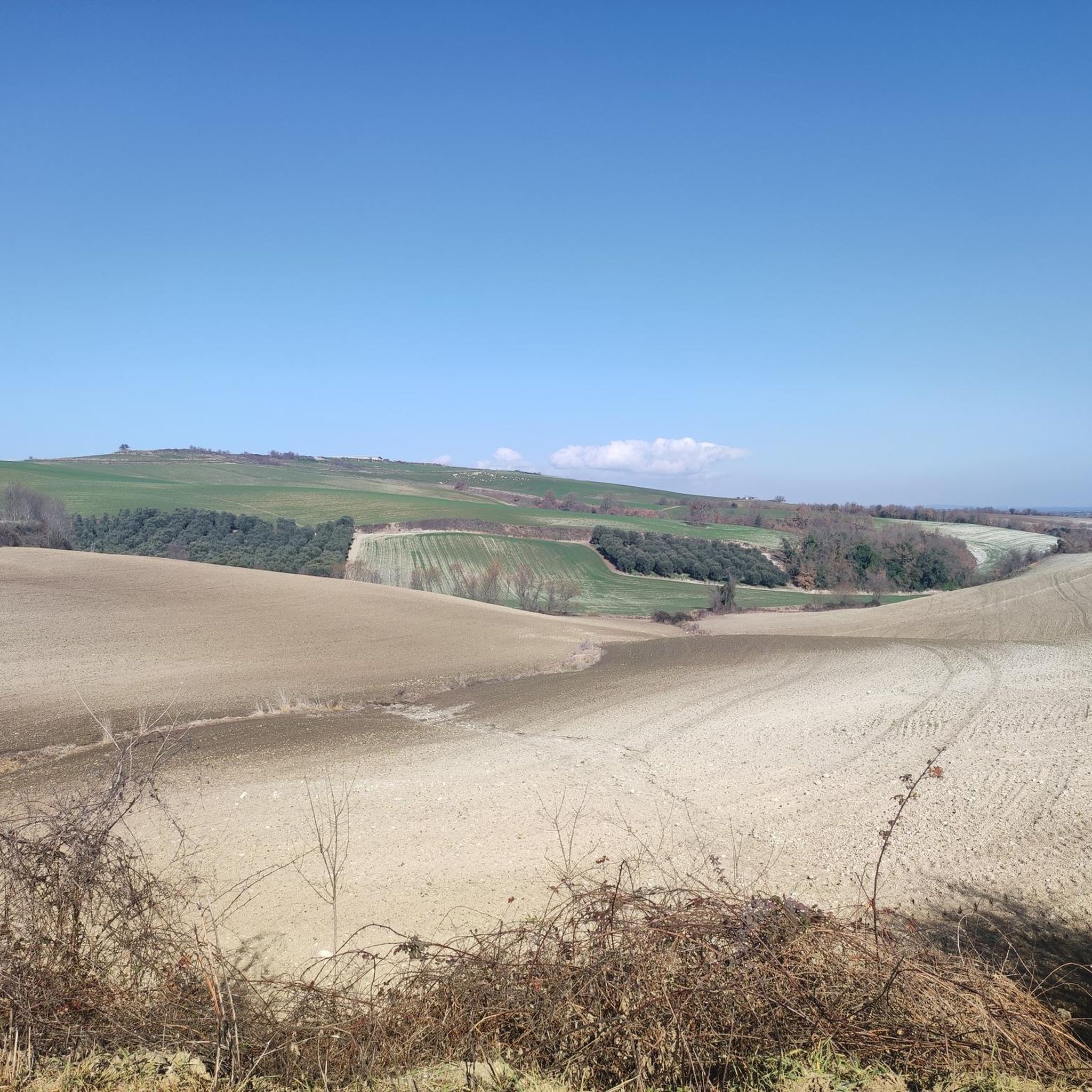
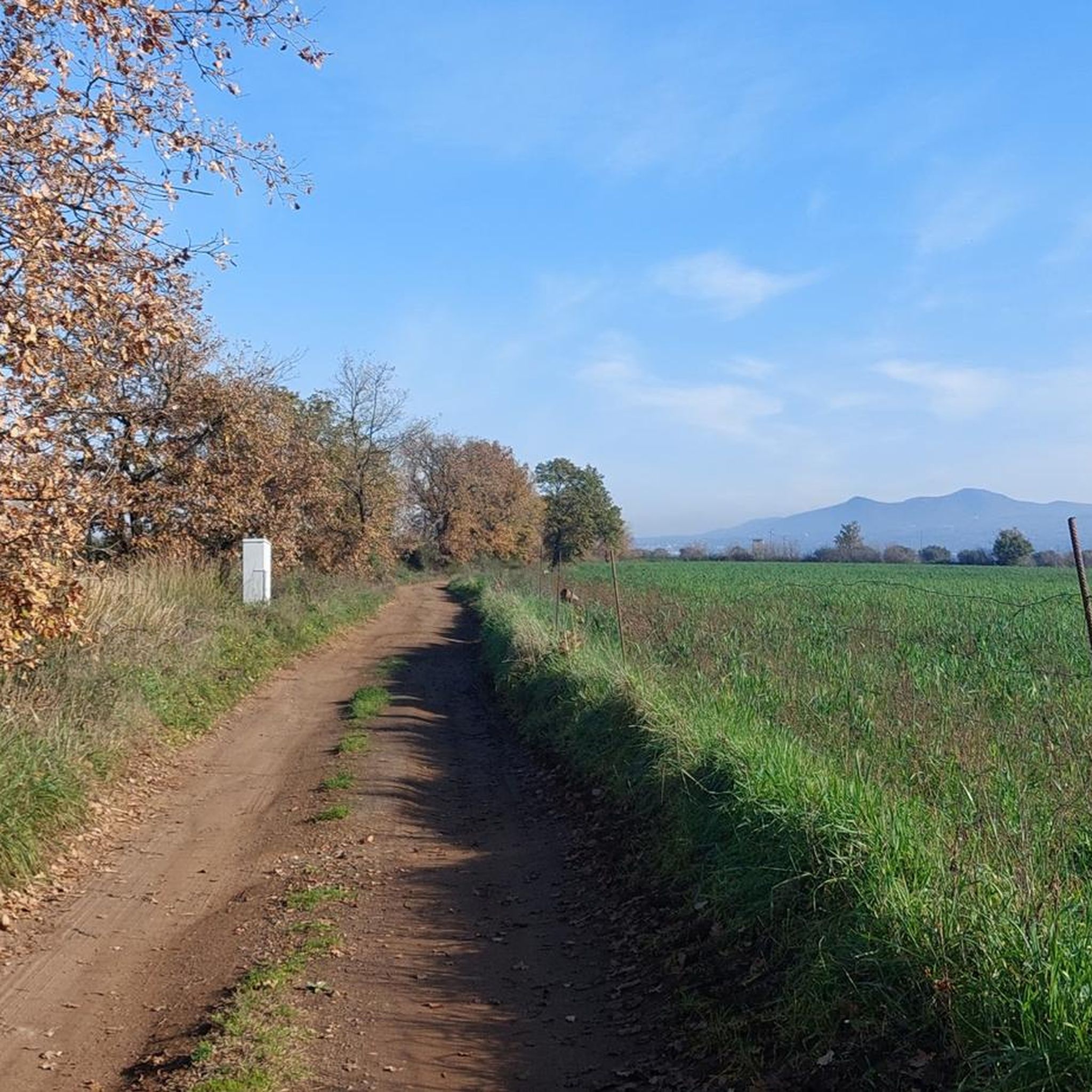
Gravel biking in Riserva Naturale Provinciale Tuscania features predominantly hilly terrain, with elevations ranging from 30 meters along the Marta River to 224 meters in the northern sector. The landscape combines cultivated fields, alluvial plains, and Mediterranean scrubland and forests. Deep gorges, known as "forre," carved by the Marta River and its tributaries, add unique natural formations to the area. The region's volcanic origins have also left tufaceous rock formations, contributing to a varied environment for cycling.
Best gravel bike…
Last updated: October 20, 2026
3.0
(2)
7
riders
76.3km
05:11
1,010m
1,010m
Hard gravel ride. Very good fitness required. Mostly paved surfaces. Suitable for all skill levels.
4
riders
57.8km
04:06
490m
490m
Hard gravel ride. Very good fitness required. Mostly paved surfaces. Suitable for all skill levels.

7
riders
Hard gravel ride. Very good fitness required. Mostly paved surfaces. Suitable for all skill levels.
4
riders
62.8km
04:30
940m
940m
Hard gravel ride. Very good fitness required. Mostly paved surfaces. Suitable for all skill levels.
5.0
(1)
4
riders
51.3km
03:22
560m
560m
Hard gravel ride. Very good fitness required. Mostly paved surfaces. Suitable for all skill levels.
Get access to more routes and recommendations from other explorers.
Already have an account?
Our route recommendations are based on thousands of hikes, rides, and runs completed by other people on komoot.
Start today with a free account
Your next adventure awaits.
Popular around Riserva Naturale Provinciale Tuscania
Tips from the Community

Located in the heart of the village of Marta, on the southern shore of Lake Bolsena, the Clock Tower is one of the main historical and tourist attractions of the area. This medieval tower, which stands majestically in the historic center, is not only a symbol of the city, but also a witness to centuries of history, art and local traditions. The Clock Tower stands imposingly at 21 meters high. Its structure is characterized by a truncated pyramid base with a square plan and an octagonal body that culminates with a small octagonal tower about 2.5 meters high, where the clock bells are located. This clock, installed in 1575 during the Farnese domination, is one of the distinctive elements of the tower. Originally, the tower was part of the Rocca, a medieval fortification that has seen numerous restorations and alterations due to the turbulent historical events of the village. The tower has survived various modifications and reconstructions, and today represents one of the most fascinating testimonies of Marta's past. (c) https://www.visittuscia.eu/torre-orologio-marta/
0
0

What can be enjoyed today from the medieval walls of Tuscania is one of the most beautiful landscapes of Tuscia.
0
0

The dome of the church of Montefiascone is visible from afar and is a beautiful architecture that mimics the dome of St. Peter's which is exactly 100 km away. Montefiascone is on the Via Francigena.
0
0


Beautiful panoramic view of the church of San Pietro. The garden is very well-kept and it is very pleasant to spend a short break there.
0
0
Beautiful tower in the center of Tuscania just outside the park of the same name.
0
0

Montefiascone has been influenced over the centuries by the Via Francigena, which, with its economic and cultural potential and thanks to the important passage of travelers and pilgrims, has characterized political and social development. It is also a stage (no. 7) of Bishop Sigeric.
2
0
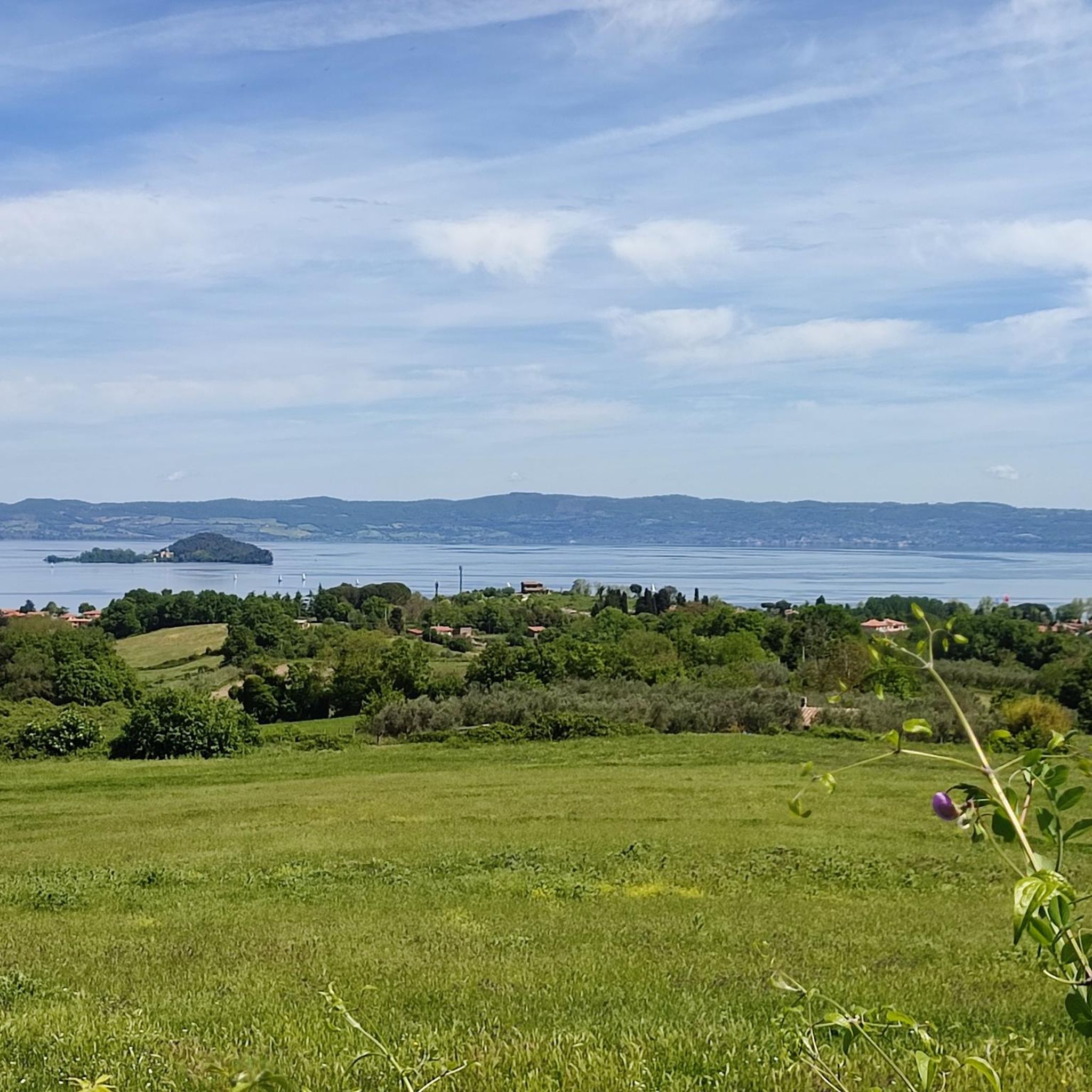
Montefiascone is a charming town in the province of Viterbo, in the Lazio region, central Italy. It is located on a hill on the southeastern side of Lake Bolsena, about 100 km north of Rome. The city, which was originally an Etruscan settlement, has approximately 13,520 inhabitants. Montefiascone is known for its wine growing and tourism, and offers breathtaking views of the surrounding landscape. Major attractions include the Cathedral of San Margherita, one of Michele Sanmicheli's earliest structures, and the Basilica of Saint Flaviano. The city is also famous for its wine, Est! Est!! Est!!! di Montefiascone.
1
0
Frequently Asked Questions
What kind of terrain can I expect when gravel biking in Riserva Naturale Provinciale Tuscania?
The reserve features a diverse landscape, primarily characterized by undulating hills, with elevations ranging from 30 meters along the Marta River to 224 meters in the northern sector. You'll encounter cultivated fields, alluvial plains, and remnants of Mediterranean scrubland and forests. Deep gorges, known as "forre," carved by the Marta River and its tributaries, add unique natural formations. The region's volcanic origins have also left behind tufaceous rock formations, contributing to a varied and engaging environment for cycling, often on characteristic "strade bianche" (white roads).
How many gravel bike trails are available in Riserva Naturale Provinciale Tuscania?
There are over 20 gravel bike trails available in Riserva Naturale Provinciale Tuscania. The network offers a good variety of options, with a focus on more challenging routes.
What are the typical difficulty levels for gravel biking routes in Riserva Naturale Provinciale Tuscania?
The routes in Riserva Naturale Provinciale Tuscania are generally considered challenging. Out of the 21 available tours, 9 are rated as moderate and 12 are rated as difficult. This means you can expect significant elevation gains and longer distances on many of the trails.
Are there any historical or natural landmarks to see along the gravel bike trails?
Yes, the region is rich in history and natural beauty. You can explore the Tuscania Historic Center, visit the Fountain of the Seven Spouts, or see the Town Hall and the Church of San Lorenzo. The reserve also features Etruscan necropolises and Romanesque churches like San Pietro. Natural highlights include the deep gorges ("forre") carved by the Marta River and its tributaries, and the unique tufaceous rock formations from the region's volcanic past.
What do other gravel bikers enjoy the most about gravel biking in Riserva Naturale Provinciale Tuscania?
The area is highly rated by the komoot community, with an average score of 4.75 stars from over 4 reviews. More than 80 gravel bikers have used komoot to explore the varied terrain, often praising the challenging routes, scenic landscapes, and the blend of natural beauty with historical sites.
Are there any loop gravel bike trails in Riserva Naturale Provinciale Tuscania?
Yes, many of the gravel routes in the reserve are designed as loops, allowing you to start and end in the same location. For example, the Tuscania – Marta loop from Tuscania is a moderate 35.3 km trail, and the Tuscania – Tuscania loop from Tuscania offers a 37.3 km moderate ride.
What is the best time of year for gravel biking in Riserva Naturale Provinciale Tuscania?
The region generally experiences pleasant weather for cycling during spring (April-May) and autumn (September-October), when temperatures are milder. Summers can be quite hot, while winters are typically mild but may bring more rain. These shoulder seasons offer the most comfortable conditions to enjoy the varied terrain and historical sites.
Can I find any family-friendly gravel biking routes in the reserve?
While many routes in Riserva Naturale Provinciale Tuscania are rated moderate to difficult, the diverse landscape means there are likely sections or shorter paths suitable for families. It's advisable to check individual route details for elevation and distance to ensure they match your family's ability. The general suitability for "cicloturismo" (cycle tourism) suggests options for varied skill levels.
Is public transport available to reach Riserva Naturale Provinciale Tuscania for cyclists?
Tuscania, the main town within the reserve, is accessible by public transport, primarily buses from larger nearby cities. However, options for transporting bikes on public transport can be limited. It's recommended to check local bus schedules and policies regarding bike carriage in advance if you plan to use public transport.
Where can I find accommodation or places to eat near the gravel bike trails?
The historic town of Tuscania, located within the reserve, offers various options for accommodation, cafes, and restaurants. You'll find places to refuel and relax after your ride, particularly in the town center. Smaller villages along the Marta River or within the broader area may also have local eateries.
What kind of wildlife might I encounter while cycling in Riserva Naturale Provinciale Tuscania?
The wooded areas along the Marta River and its tributaries are home to diverse fauna. You might spot rare birds like the golden oriole and hobby, as well as more common species such as kingfishers and nightingales. Mammals like porcupines and wild boars are also present, particularly in the quieter, more secluded parts of the reserve.
Are there any regulations or permits required for gravel biking in Riserva Naturale Provinciale Tuscania?
As a provincial nature reserve, there are general regulations in place to protect the environment. While specific permits for gravel biking are not typically required, cyclists are expected to stay on marked trails, respect private property, and avoid disturbing wildlife or natural habitats. Always follow local signage and guidelines.
Most popular routes in Riserva Naturale Provinciale Tuscania
Most popular attractions in Riserva Naturale Provinciale Tuscania

Get inspired with the komoot mobile app


Explore more
Browse the best Gravel rides in other regions.
