The best gravel rides in Parco Di Poggio Neri
4.4
(88)
717
riders
22
rides
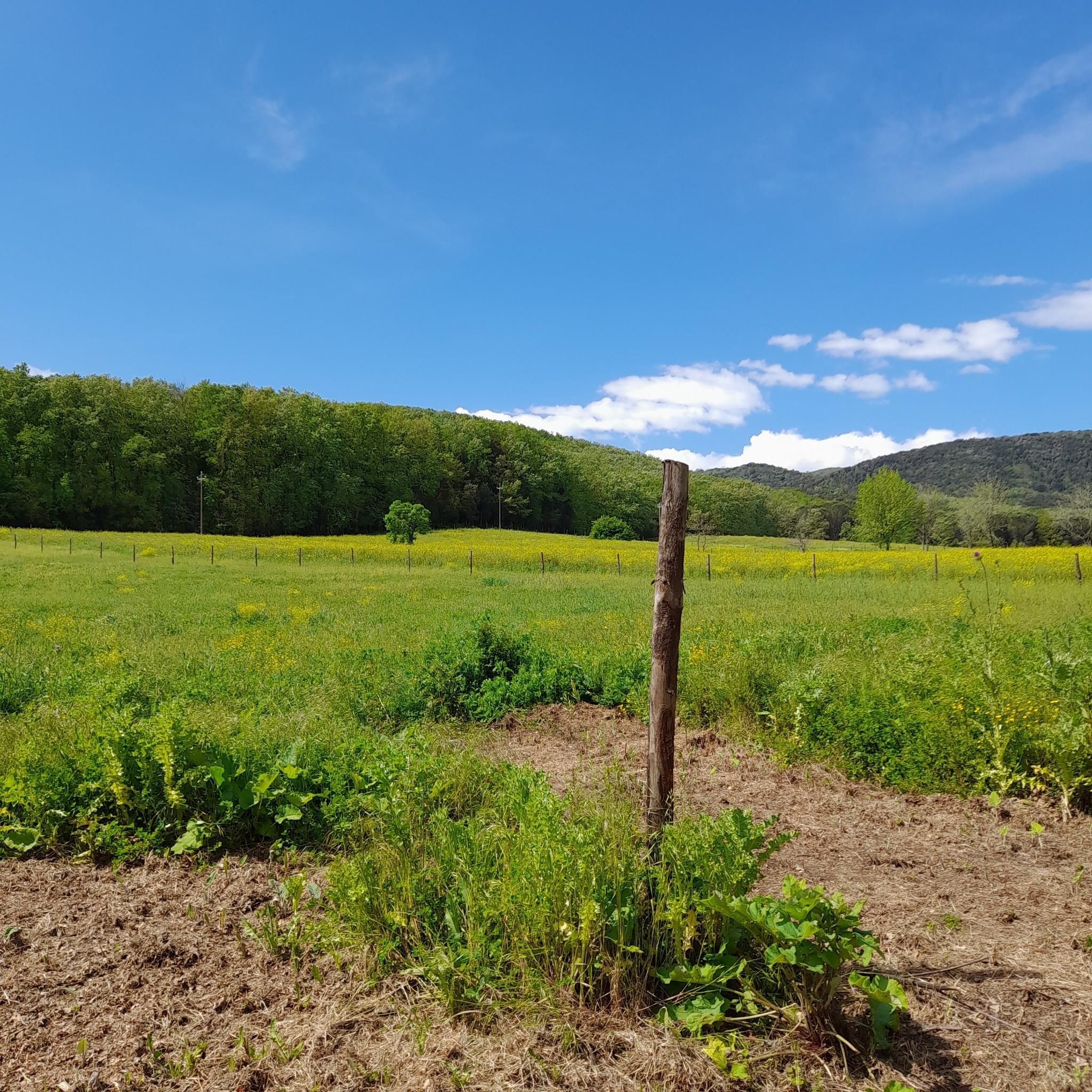
Gravel biking in Parco Di Poggio Neri features routes through extensive hilly forests, predominantly covered with oak and chestnut trees, alongside areas of Mediterranean scrub. The terrain includes varied surfaces such as unpaved roads and forest tracks, suitable for gravel bikes. Notable natural features include Monte Bufalaio and recovered ancient springs. Elevations can be significant, providing challenging climbs and scenic views across the landscape.
Best gravel bike trails in Parco Di Poggio Neri
- The most popular gravel bike trail is…
Last updated: October 20, 2026
4.0
(6)
19
riders
37.1km
02:25
580m
580m
Hard gravel ride. Very good fitness required. Mostly paved surfaces. Suitable for all skill levels.
5.0
(2)
17
riders
40.3km
03:06
850m
850m
Hard gravel ride. Very good fitness required. Mostly paved surfaces. Suitable for all skill levels.

4.4
(10)
108
riders
60.7km
03:59
950m
950m
Hard gravel ride. Very good fitness required. Mostly paved surfaces. Suitable for all skill levels.
5.0
(6)
31
riders
45.7km
03:12
760m
760m
Hard gravel ride. Very good fitness required. Mostly paved surfaces. Suitable for all skill levels.
3
riders
23.5km
01:50
570m
570m
Hard gravel ride. Very good fitness required. Mostly paved surfaces. Suitable for all skill levels.
Get access to more routes and recommendations from other explorers.
Already have an account?
Our route recommendations are based on thousands of hikes, rides, and runs completed by other people on komoot.
Start today with a free account
Your next adventure awaits.
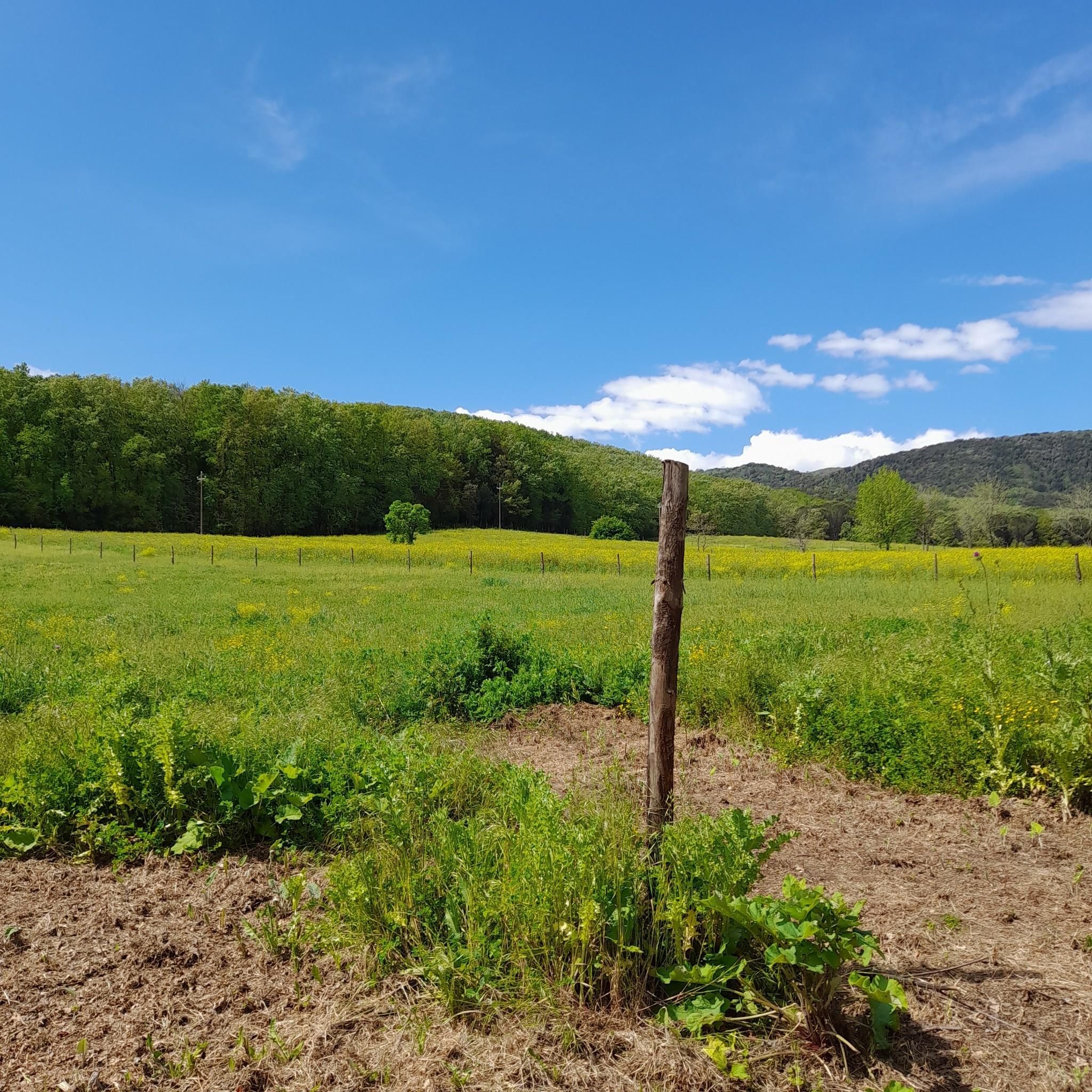
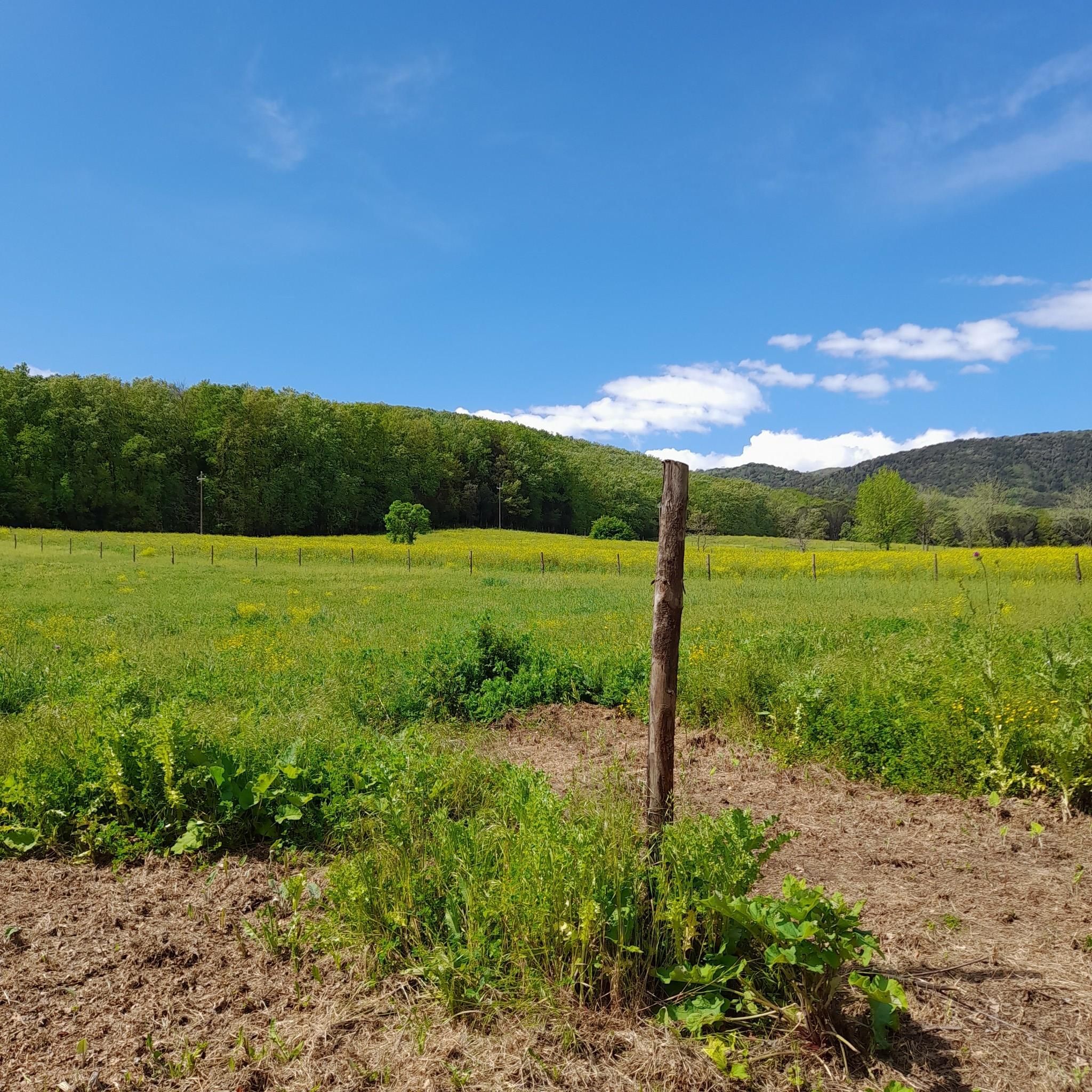
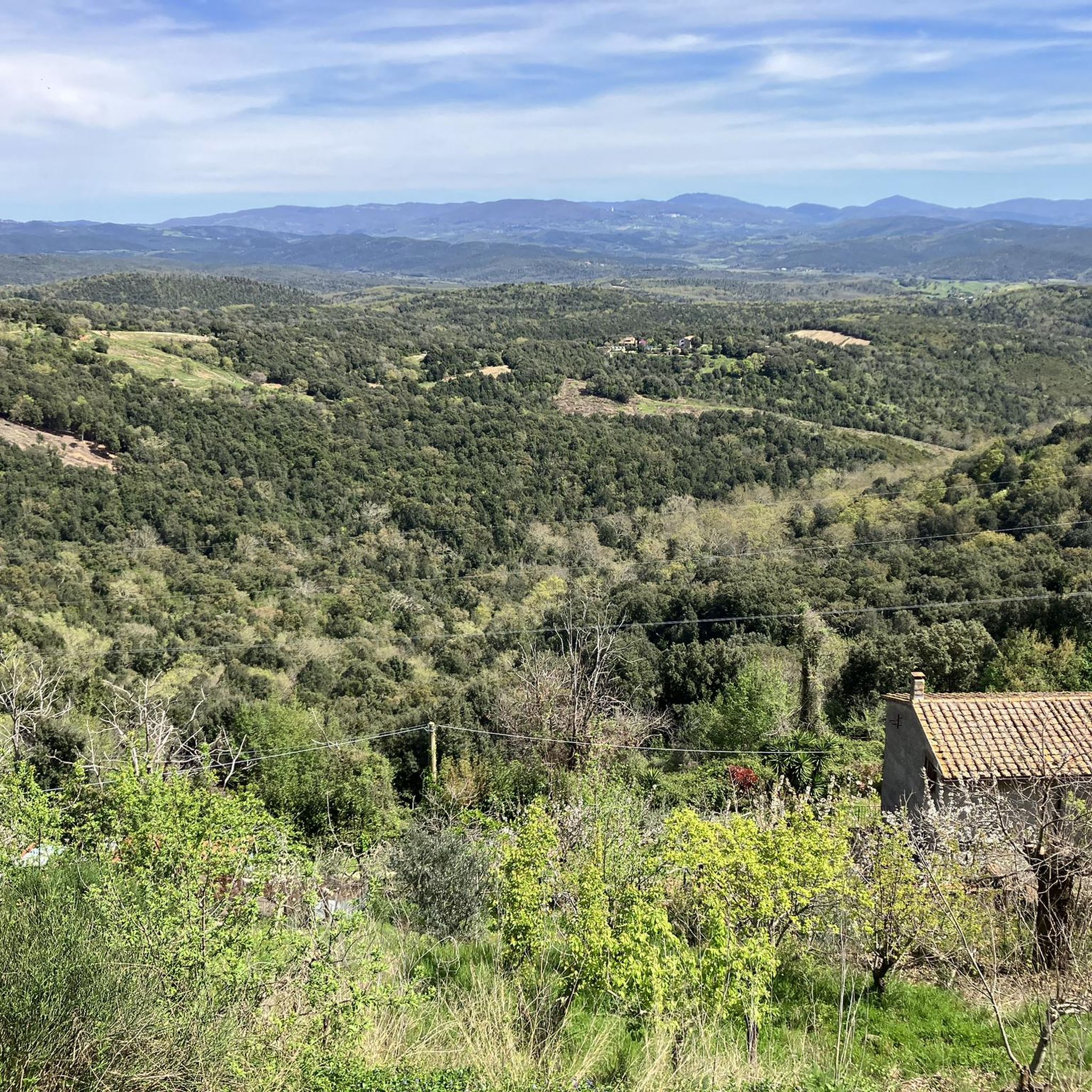
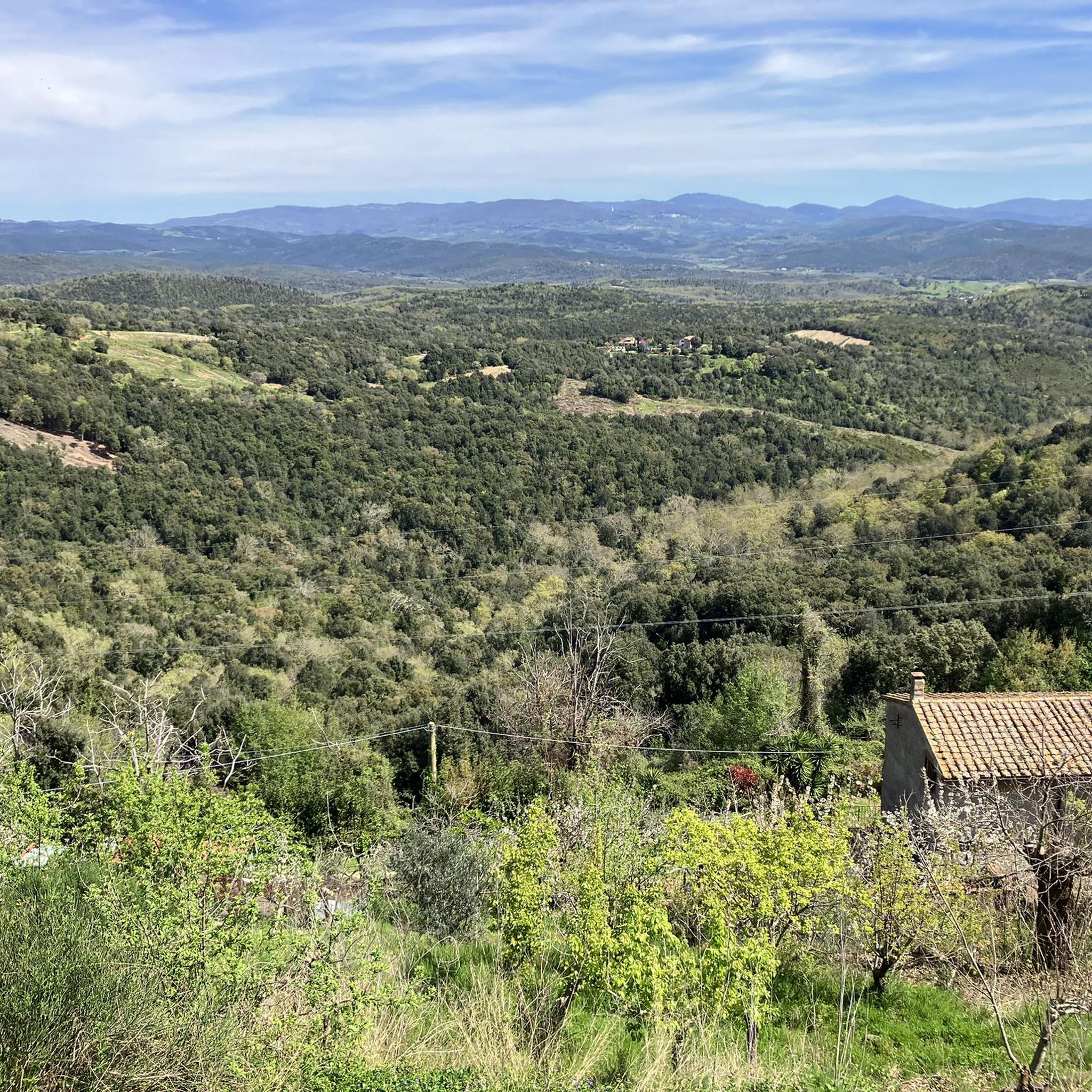
Tips from the Community

Der Heilige Justus von Triest (so die deutsche Bezeichnung von „San GIUSTO“), dem man dieses Gotteshaus zum Patrozinium anvertraut hat, führt uns weit mehr als ein-einhalb Jahrtausende zurück in der Kirchengeschichte. Sein – aus dem lateinischen hergeleiteter – Name bedeutet: der Gerechte. Wie die später verfasste Heiligenlegende berichtet, soll er um das Jahr 303 unter Kaiser Diokletian, der die Christen brutal verfolgte, das Martyrium (Blutzeugnis) erlitten haben. Zeichen hierfür ist die in den Darstellungen von San Giusto oftmals zu findende Palme in seiner Hand.
0
0

The hills of Monteverdi Marittimo are located on the slopes of the Colline Metallifere, 364 meters above sea level in the province of Pisa, and offer a natural landscape that combines the woods of Val di Cecina and Val di Cornia with a panoramic view near the sea.
0
0
From Castagneto Carducci, a medieval village perched on the hills of the Etruscan Coast, the view spans an extraordinary panorama encompassing the Tuscan countryside, the pine forest, and the Ligurian and Tyrrhenian Seas. On clear days, the horizon opens up to reveal the islands of the Tuscan Archipelago and even the coasts of Corsica.
0
0

Sassetta is a small and authentic medieval village perched in the hinterland of the Etruscan Coast, in the province of Livorno, in the heart of the Val di Cornia. Inhabited by about 400 people, this village is distinguished by its stone houses, the tradition of old charcoal burners, and the presence of the characteristic red marble.
1
0
Sassetta is a small and authentic medieval village perched in the hinterland of the Etruscan Coast, in the province of Livorno, in the heart of Val di Cornia. Inhabited by about 400 people, this village is distinguished by its stone houses, the tradition of the old charcoal burners, and the presence of the characteristic red marble.
0
0
The climb from Castagneto Carducci towards Sassetta is a road section of about 8.2 kilometers with an elevation gain of 295 meters and an average gradient of 3.6%, ideal for road cycling and hiking.
0
0
Monteverdi Marittimo is a charming Italian municipality of about 775 inhabitants located in the province of Pisa, in Tuscany. This ancient medieval village stands in the hinterland of Maremma Pisana, perched on the southern slope of the Colline Metallifere and straddling the Val di Cecina and Val di Cornia. Certified with the prestigious Orange Flag of the Italian Touring Club, the town represents a unique meeting point between the dense Mediterranean scrub, the proximity to the sea (from which it is about 15-20 km away) and the geothermal energy of the subsoil.
1
0
Sassetta is a village in the Val di Cornia; a town of houses clinging to a hill in the hinterland of the Etruscan Coast, made of narrow streets, small squares, and beautiful infinities. The locality is famous for its marble, unique in the world, a red marble that stonemasons and creative sculptors have always magically shaped.
1
0
Frequently Asked Questions
What is the overall difficulty level of gravel biking in Parco Di Poggio Neri?
Gravel biking in Parco Di Poggio Neri is generally considered challenging. The terrain features significant elevations and demanding climbs through the rolling Tuscan hills. Out of 31 available routes, 24 are rated as difficult, with the remaining 7 being moderate. There are no easy routes in the park.
Are there any family-friendly gravel bike routes in Parco Di Poggio Neri?
Given the challenging nature of the terrain, with most routes rated as difficult and significant elevation gains, Parco Di Poggio Neri is not typically recommended for beginner cyclists or young families. The routes are better suited for experienced gravel bikers looking for a demanding ride.
What are the typical lengths and durations of gravel bike trails in Parco Di Poggio Neri?
The gravel bike trails in Parco Di Poggio Neri vary in length and duration. For instance, the Historic Village of Sassetta – View of Sassetta loop from Sassetta is approximately 53.0 km (33 miles) and can take around 5 hours 2 minutes to complete. A shorter option, like the View of Sassetta – Historic Village of Sassetta loop from Sassetta, covers about 37.1 km (23 miles) and typically takes 2 hours 25 minutes.
Are there circular gravel bike routes available in Parco Di Poggio Neri?
Yes, many of the gravel bike routes in Parco Di Poggio Neri are circular, allowing you to start and end at the same point. For example, the Historic Village of Sassetta – View of Sassetta loop from Sassetta is a popular circular option, as is the View of Sassetta – Historic Village of Sassetta loop from Sassetta.
Where can I find parking for gravel biking in Parco Di Poggio Neri?
Many of the gravel bike routes in Parco Di Poggio Neri, including popular ones like the Northern Ascent to Sassetta – View of Sassetta loop from Sassetta, start from Sassetta. It is advisable to look for parking options within or near the village of Sassetta, which serves as a common starting point for many trails in the park.
What kind of views can I expect along the gravel routes in Parco Di Poggio Neri?
Gravel routes in Parco Di Poggio Neri offer rewarding views across the Tuscan landscape. You can expect scenic vistas of rolling hills, dense woodlands, and glimpses of historic villages. Routes often feature viewpoints that showcase the beauty of the region, such as those found on the View of the Tuscan Hills – Suvereto Historic Center loop from Sassetta.
What is the best time of year for gravel biking in Parco Di Poggio Neri?
The rolling Tuscan hills and woodlands of Parco Di Poggio Neri are beautiful year-round. However, spring (April-May) and autumn (September-October) generally offer the most pleasant temperatures for gravel biking, avoiding the peak heat of summer and potential winter chill. These seasons also provide stunning natural scenery.
Are there any cafes or places to refuel near the gravel trails?
Many gravel routes in Parco Di Poggio Neri either start from or pass through historic villages like Sassetta and Suvereto. These villages typically offer local cafes, restaurants, and shops where you can refuel, grab a coffee, or enjoy a meal before, during, or after your ride.
What do other gravel bikers enjoy most about Parco Di Poggio Neri?
The area is highly rated by the komoot community, with an average score of 4.5 stars from over 80 reviews. Reviewers often praise the challenging ascents, the scenic views of the Tuscan countryside, and the routes that connect charming historic villages, providing a rich cultural and physical experience.
How many gravel bike trails are there in Parco Di Poggio Neri?
There are over 30 gravel bike routes available in Parco Di Poggio Neri, offering a variety of challenging options for experienced riders. Specifically, komoot lists 31 tours, with 24 rated as difficult and 7 as moderate.
What kind of terrain should I expect on the gravel bike trails?
The terrain in Parco Di Poggio Neri is varied, featuring unpaved roads and forest tracks. You should expect a mix of surfaces suitable for gravel bikes, including gravel, dirt, and potentially some rougher sections, along with significant climbs and descents characteristic of the Tuscan hills.
Most popular routes in Parco Di Poggio Neri
Most popular attractions in Parco Di Poggio Neri

Get inspired with the komoot mobile app


Explore more
Browse the best Gravel rides in other regions.
