The best gravel rides around Bastuço (Santo Estevão)
2.0
(1)
35
riders
6
rides
Gravel biking around Bastuço (Santo Estevão) offers varied terrain suitable for exploration, characterized by a mix of paved and unpaved roads, dirt tracks, and rolling hills. The region is influenced by the Cávado River, providing opportunities for scenic riverside sections. Riders can expect a landscape that blends natural features with historical and cultural points of interest, making for diverse routes.
Best gravel bike trails around Bastuço (Santo Estevão)
- The most popular gravel bike trail is Ponte de Lima – Roman…
Last updated: July 16, 2026
10
riders
110km
07:22
1,040m
1,040m
Hard gravel ride. Very good fitness required. Mostly paved surfaces. Suitable for all skill levels.
8
riders
47.9km
03:17
420m
420m
Moderate gravel ride. Good fitness required. Mostly paved surfaces. Suitable for all skill levels.

Sign up for free
7
riders
84.9km
06:00
1,140m
1,140m
Hard gravel ride. Very good fitness required. Mostly paved surfaces. Suitable for all skill levels.
2.0
(1)
3
riders
41.1km
03:26
810m
810m
Hard gravel ride. Very good fitness required. Mostly paved surfaces. Suitable for all skill levels.
7
riders
43.6km
03:13
460m
460m
Hard gravel ride. Very good fitness required. Mostly paved surfaces. Suitable for all skill levels.
Our route recommendations are based on thousands of hikes, rides, and runs completed by other people on komoot.
Start today with a free account
Your next adventure awaits.
Login or Signup



Tips from the Community

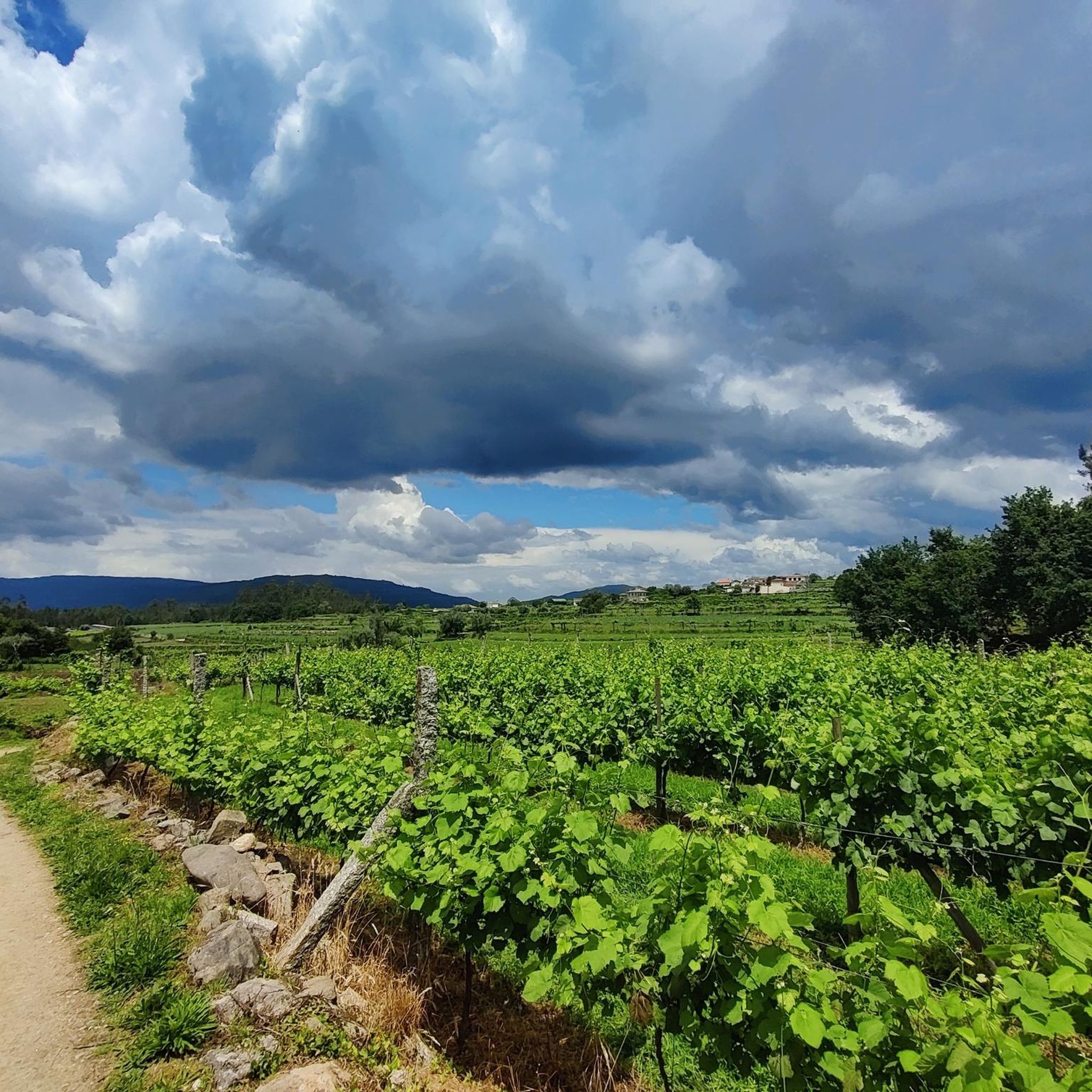
Easy ride condition when path is not impacted by rain
0
0

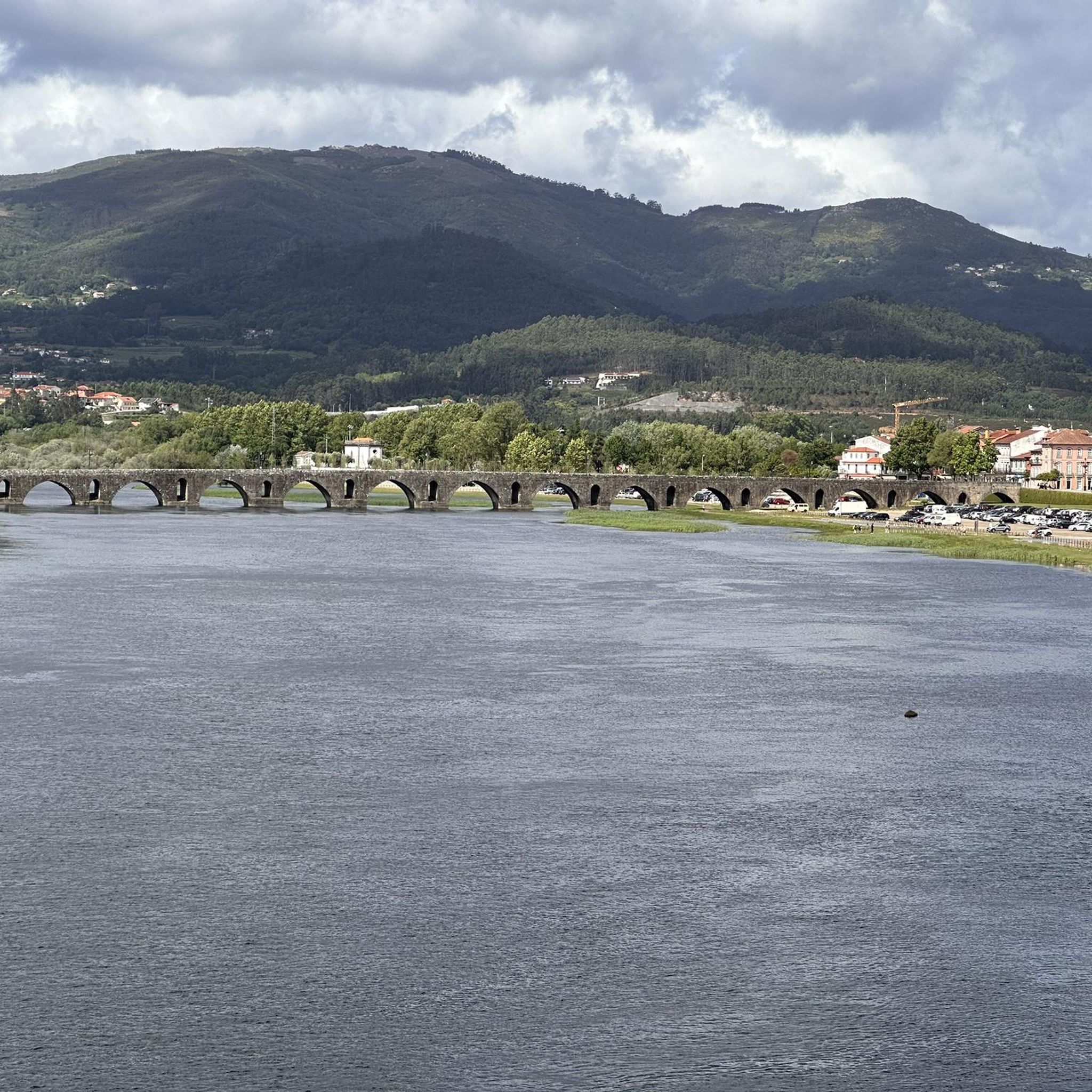
The Metal Bridge of Fão (Esposende) Location: It crosses the Cávado River, on National Road 13 (EN13), in the parish of Fão, in Esposende. Alternative Name: It is frequently referred to as the D. Luís Filipe Bridge. History: It is a significant example of iron architecture in Portugal, inaugurated on August 7, 1892. Characteristics: The bridge, which is a Property of Public Interest, has an extensive metal structure and has recently been rehabilitated.
2
0
In Esposende, the main historical bridge that crosses the Cávado River is the Ponte Metálica de Fão, also known locally as Ponte D. Luís Filipe.
2
0
The church is open for visitation and prayer most days, with specific times for Masses. Opening Hours: Monday to Sunday: 10:00–12:00 and 15:00–19:30. Mass Times (subject to change, please check the official website): Tuesday: 7:00 PM. Thursday: 7:00 PM. Saturday: 5:30 PM. Sunday: 11:00 AM.
1
0
The church was built in the 14th century in a transitional style between Romanesque and Gothic, on the foundations of an earlier 11th-century church. Main Features: Style: Transitional Gothic and Romanesque, with Renaissance and Baroque additions throughout the centuries. Interior: It has three naves, notably featuring 14 blue and white tile panels that cover much of the walls, dating from the 17th and 18th centuries. Notable Elements: The chancel vault is a Manueline work (early 16th century), and the main façade features a Neo-Gothic rose window, the result of a 20th-century restoration. Heritage: The church houses notable altarpieces and funerary monuments of important families, such as the Pinheiro family. The Parish Church of Santa Maria de Barcelos is a point of historical and architectural interest for tourists and pilgrims traveling the Camino de Santiago.
1
0
The Parish Church of Santa Maria de Barcelos, also known as the Collegiate Church, is the main religious temple in the city of Barcelos and a National Monument of Portugal.
1
0
Other Bridges Cávado Bridge (Planned): There is a project underway by the municipality of Esposende to build a pedestrian and cycle bridge over the Cávado River, which will connect the Cávado Ecovia to the North Coast Ecovia.
2
0
Frequently Asked Questions
What kind of terrain can I expect on gravel bike trails around Bastuço (Santo Estevão)?
The region offers a diverse mix of terrain, ideal for gravel biking. You'll find a combination of paved and unpaved roads, dirt tracks, and rolling hills. Many routes also feature scenic sections along the Cávado River.
Are there any family-friendly gravel biking options in Bastuço (Santo Estevão)?
While many routes in the area are rated as difficult, there is a moderate option available. The Riverside Path – Bico Bridge loop from Barcelos is 48.2 km long and offers a mix of riverside views and varied terrain, which might be suitable for families with some biking experience.
What historical landmarks can I see while gravel biking in the area?
Bastuço (Santo Estevão) and its surroundings are rich in history. You can incorporate sights like the Gothic Barcelos Medieval Bridge, the iconic Barcelos Rooster statue, and the impressive 18th-century Baroque Raio Palace into your rides. Many routes also pass through the Barcelos city centre, offering a glimpse into local culture.
Are there any long-distance or challenging gravel routes available?
Yes, for experienced riders seeking a challenge, there are several difficult routes. The Ponte de Lima – Roman Bridge of Ponte de Lima loop from Barcelos is a demanding 109.6 km trail with significant elevation gain. Another challenging option is the Barcelos Historic Centre – Fão Bridge loop from Braga, covering 84.7 km through varied landscapes.
Can I find routes that follow the Cávado River?
Absolutely. The Cávado River is a prominent natural feature in the region, and many gravel biking routes incorporate sections along its banks, offering picturesque riverside views. The Riverside Path – Bico Bridge loop from Barcelos is a great example of a route that features extensive riverside riding.
How many gravel bike trails are there in Bastuço (Santo Estevão)?
There are several gravel bike trails around Bastuço (Santo Estevão) documented on komoot, with a total of 6 routes currently available in this guide. These range from moderate to difficult in intensity.
Are there any circular gravel bike routes in the area?
Yes, many of the gravel bike routes in the region are designed as loops, allowing you to start and finish at the same point. Examples include the Ponte de Lima – Roman Bridge of Ponte de Lima loop from Barcelos and the Riverside Path – Bico Bridge loop from Barcelos.
What is the elevation gain like on these gravel trails?
The elevation gain varies significantly depending on the route. For instance, the Ponte de Lima – Roman Bridge of Ponte de Lima loop from Barcelos involves over 1000 meters of ascent, making it quite challenging. Other routes like the Parque Perez – Riverside Path loop from Braga have around 460 meters of elevation gain.
Are there any routes that pass through or near Braga?
Yes, some routes connect the Bastuço (Santo Estevão) area with nearby cities. The Barcelos Historic Centre – Fão Bridge loop from Braga and the Parque Perez – Riverside Path loop from Braga both start from or pass through the vicinity of Braga, offering a blend of urban and natural landscapes.
What kind of natural features can I expect to see on the gravel bike trails?
Beyond the Cávado River, the region offers varied natural elements suitable for outdoor exploration. You'll encounter rolling hills, diverse vegetation, and open landscapes characteristic of the Barcelos area. The mix of natural beauty and historical sites provides a rich experience.
Are there any routes suitable for a shorter gravel ride?
If you're looking for a shorter ride, the Castelo de Faria loop from Nine is a good option. It's approximately 41.1 km long and offers a challenging ride with significant elevation, but is shorter than some of the other extensive loops.
Most popular routes around Bastuço (Santo Estevão)
Most popular attractions around Bastuço (Santo Estevão)

Get inspired with the komoot mobile app


Explore more
Browse the best Gravel rides in other regions.
