The best gravel rides around Gzy
5.0
(1)
17
riders
6
rides
Gravel biking around Gzy offers routes through the flat and gently rolling terrain characteristic of the Mazowieckie Voivodeship in Poland. The area features a mix of agricultural fields, quiet rural roads, and occasional forest tracks, providing varied surfaces for gravel cyclists. Elevations are generally low, with routes typically involving minor ascents and descents. This landscape supports a network of gravel cycling routes suitable for exploring the region's natural and rural character.
Best gravel bike trails around Gzy
- The most popular…
Last updated: July 2, 2026
2
riders
Easy gravel ride. Great for any fitness level. Mostly paved surfaces. Suitable for all skill levels.
5.0
(1)
5
riders
Easy gravel ride. Great for any fitness level. Mostly paved surfaces. Suitable for all skill levels.

Sign up for free
1
riders
29.8km
01:48
80m
80m
Easy gravel ride. Great for any fitness level. Mostly paved surfaces. Suitable for all skill levels.
1
riders
Moderate gravel ride. Good fitness required. Mostly paved surfaces. Suitable for all skill levels.
3
riders
13.1km
00:43
30m
30m
Easy gravel ride. Great for any fitness level. Mostly paved surfaces. Suitable for all skill levels.
Our route recommendations are based on thousands of hikes, rides, and runs completed by other people on komoot.
Start today with a free account
Your next adventure awaits.
Login or Signup
Tips from the Community

The longest market square in Europe, whose main function is parking. A filter that cuts out cars from souvenir photos will come in handy in your camera :)
0
0

The shelter is already very rotten, but it can still fulfill its function. However, it is surrounded by bushes, and the shelter is almost hidden from the road along the embankment.
0
0

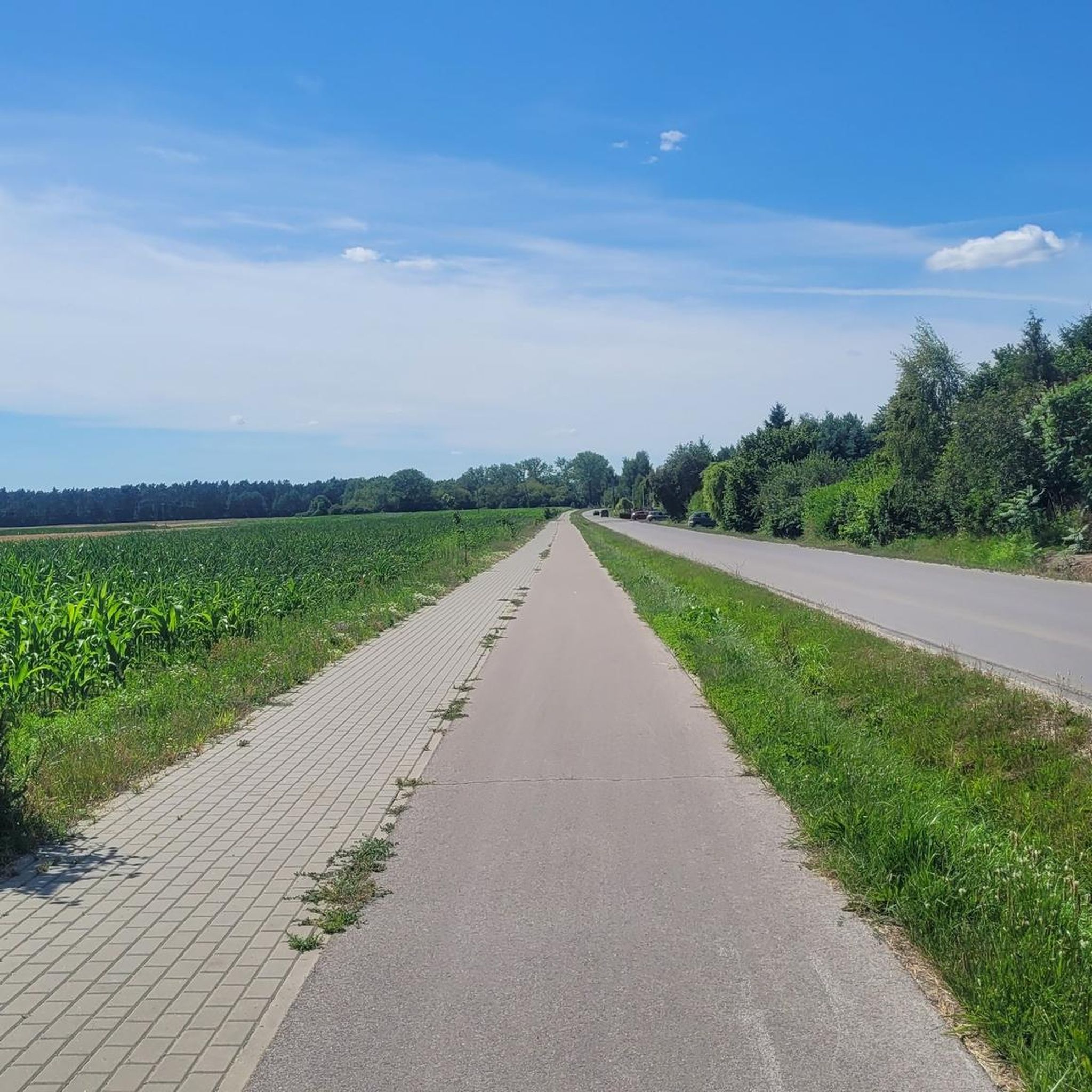
A very nice investment, the pedestrian and bicycle bridge allows you to freely get to the other side of the Narew.
1
0
"The history of the town hall dates back to the early 15th century. Bishop Jakub of Płock is said to have funded the seat of the town authorities in 1405. The Gothic tower added to the town hall fulfilled both judicial and penitentiary functions as well as defense. Initially, it reached a height of 15 m and was built on a rectangular plan. During the 15th and 16th centuries, it was gradually raised, with additional storeys built on an octagonal plan. A new town hall was also built - lower, more modern - in the Renaissance style, topped with a crested attic. The 30-meter tower at that time gained a domed spire with a lantern, and a clock was also ordered for it. During the wars in the 17th and 18th centuries, the town hall burned down several times. In 1728, it was rebuilt with funds from Bishop Andrzej Stanisław Kostka Załuski. The two-bay building surrounded the tower in a horseshoe shape from the east. The entrance was located on the north and covered with a wooden arcade. The tower roof was changed to an octagonal one, and the clock was abandoned. In this form, the town hall survived until the end of the 19th century. At that time, in addition to the city authorities, the army was quartered here, and there was a prison and even warehouses for Pułtusk merchants. At the end of the 19th century, a shelter was organized in the ruined building, and from 1880, the ground floor and the tower were put into use by the Volunteer Fire Department. After 1902, a new, smaller building was erected on the site of the former building, in the neo-Gothic style, only for the use of the fire department. The tower was deprived of its roof, replacing it with an uncovered platform. It turned out to be completely non-functional and the original roof covering of the tower top was quickly restored. Also at that time, a clock was placed on the north side, on the seventh floor." Source: https://arch.pultusk.pl/wieza-dawnego-ratusza-gotycko-renesansowa/
1
0
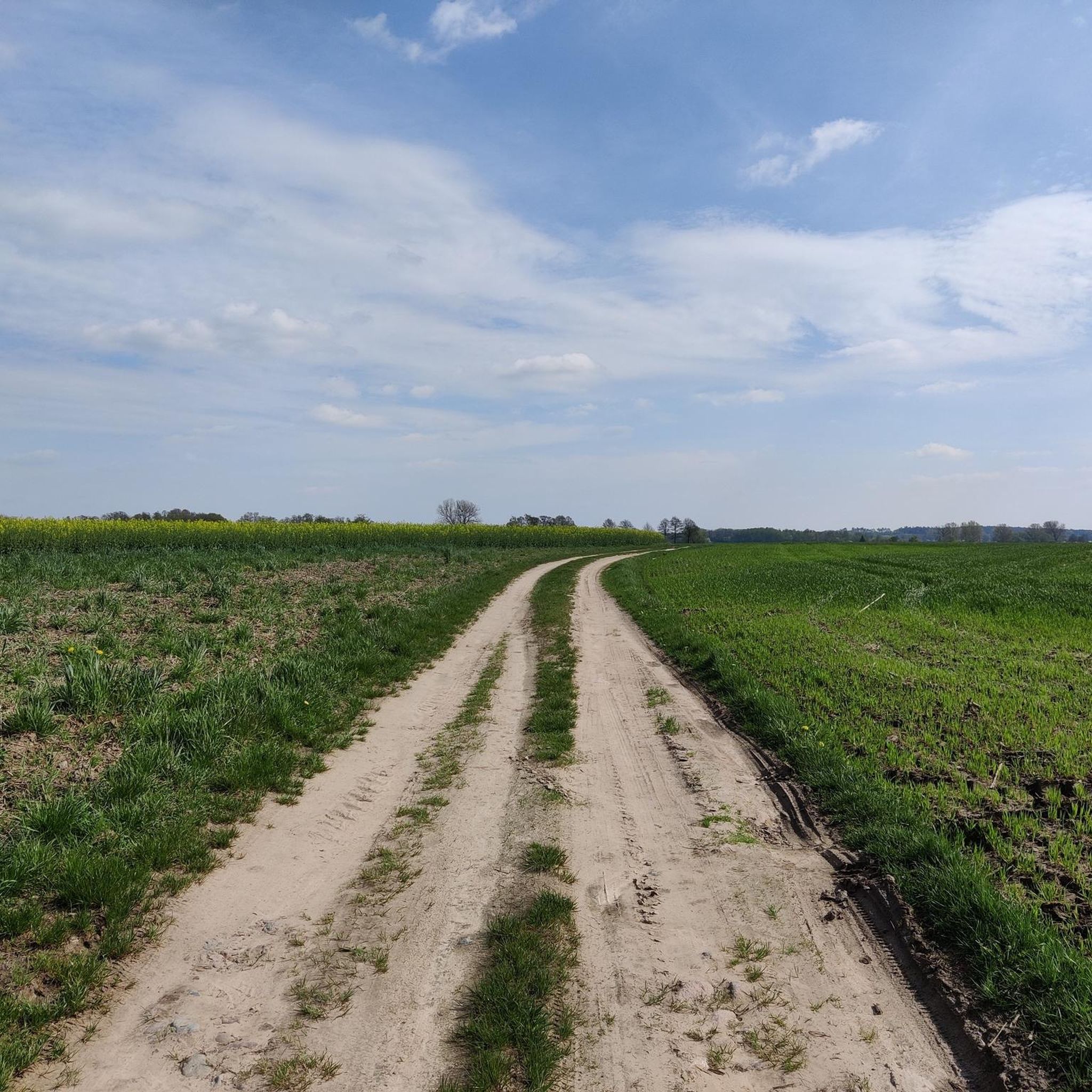
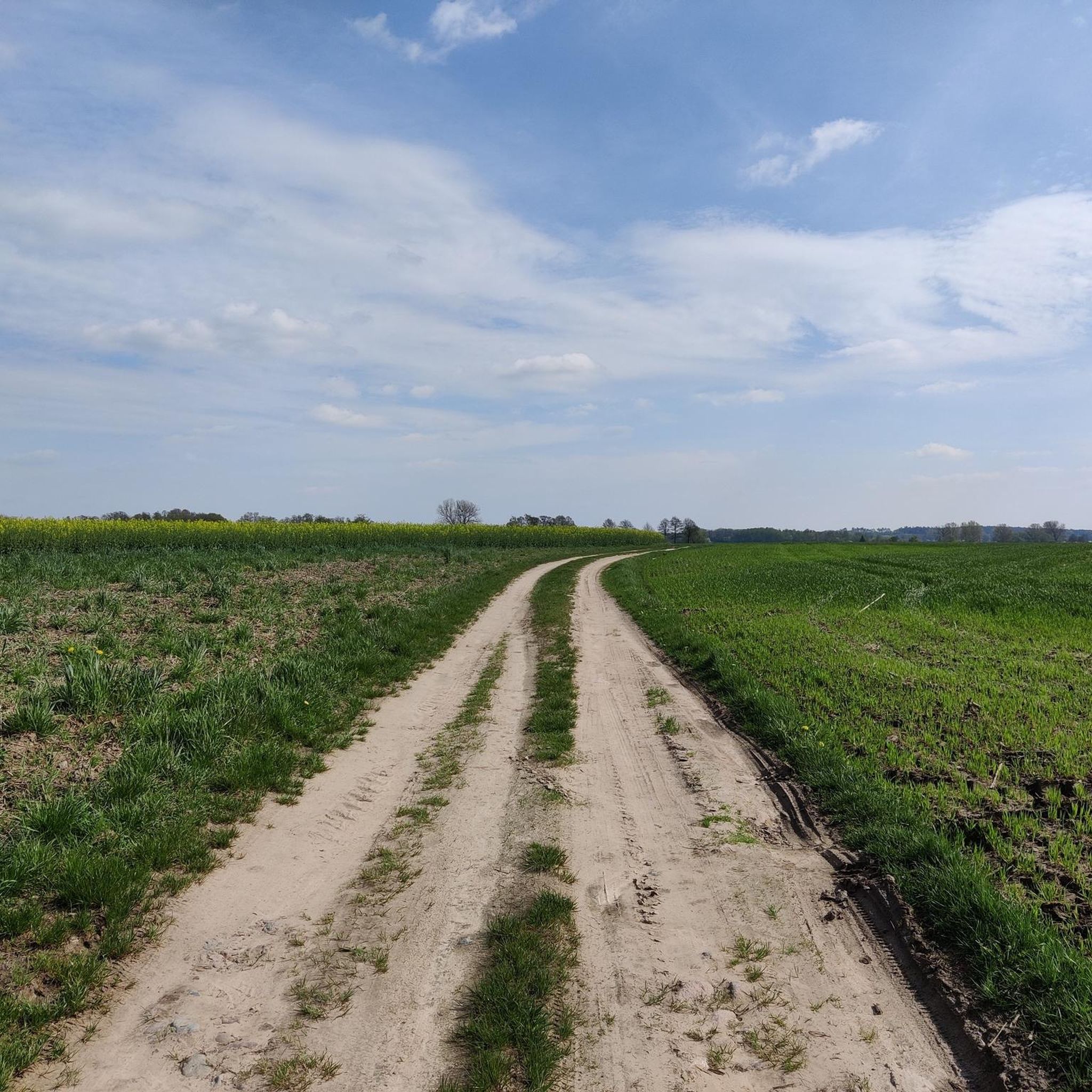
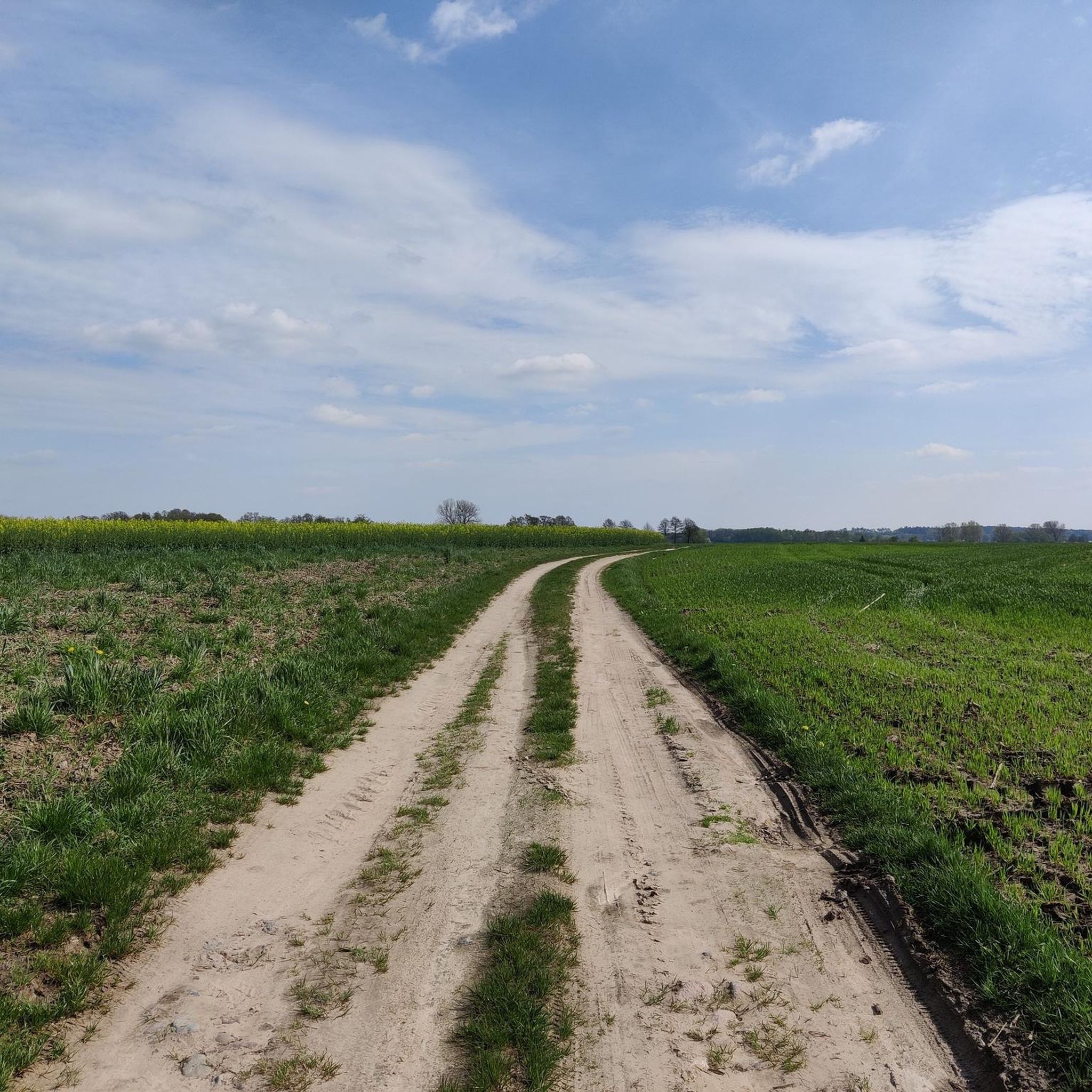
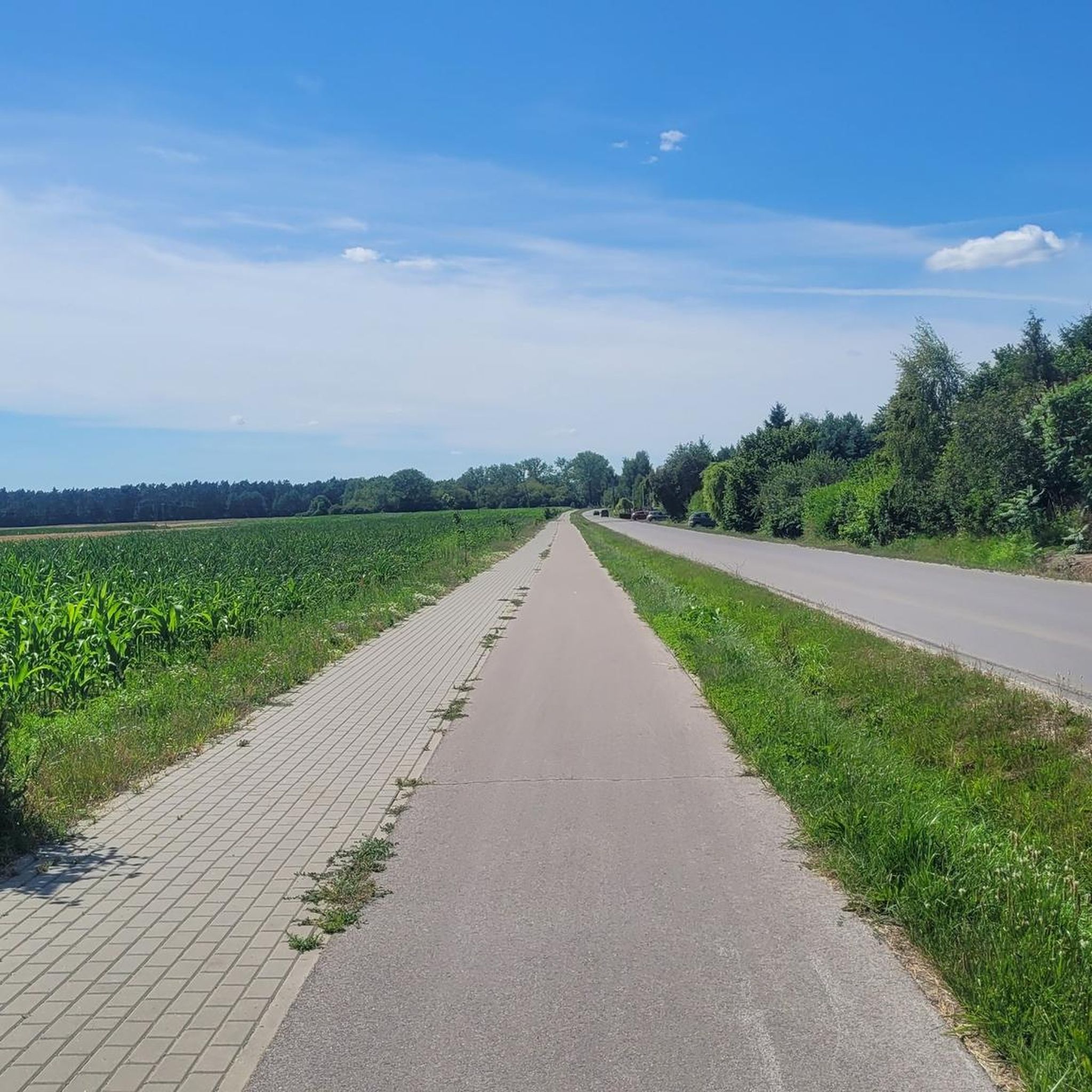
Practically the entire route from the bridge in Serock (the initial section is an embankment, but you can bypass it) to Pułtusk leads along a quite bearable gravel road. You can make a few detours, e.g. to the already marked bird reserve in Stawinogi. However, the entire route is in the sun without shade, and a small section at the mouth of the Prut leads along an embankment.
1
0

The market square is located in the old part of the city, between the Basilica and the Chapel of St. Mary Magdalene. Currently, the market square in Pułtusk is 400 meters long and 50 meters wide. It received a rectangular surface of these dimensions during the great expansion of the settlement in the 15th century.
0
0

The Vistula railway line ran through Gąsocin, which was formerly called a railway settlement. It led from Warsaw through Ciechanów (Gąsocin was located on this section), Mława and further into East Prussia. Right next to the tracks in 1877, a railway station building was erected. The wooden station, built according to 19th-century Russian architecture, began to attract people's attention. The news spread so far that many famous people from Polish literature, such as Bolesław Prus, Maria Dąbrowska, Stefan Żeromski, Henryk Sienkiewicz, came to Gąsocin to see the elegant building for those times. The Gąsocin station plays the role of the station in the Cisy health resort in the film Dr Judym. It features several shots from the side of the tracks and the village, as well as the interior of the station, where in 1975 there was a fairly large restaurant, typical of a railway station.
0
0

gravel road with (kilometer-long section of sand)
0
0
Frequently Asked Questions
How many gravel bike trails are available around Gzy?
There are 9 gravel bike routes mapped around Gzy on komoot, offering a variety of experiences for cyclists. These routes range from easy to moderate difficulty.
What is the typical terrain like for gravel biking in the Gzy area?
The terrain around Gzy is generally flat to gently rolling, characteristic of the Mazowieckie Voivodeship. You'll encounter a mix of agricultural fields, quiet rural roads, and occasional forest tracks. Elevations are low, making for accessible rides.
Are there any easy gravel bike trails suitable for beginners near Gzy?
Yes, there are several easy routes perfect for beginners. One popular option is the Pułtusk Castle – Pułtusk Town Hall Tower loop from Pułtusk, an 18.5-mile (29.8 km) path that explores historical sites and riverside sections.
What historical sites or landmarks can I see while gravel biking near Gzy?
Many routes pass by interesting historical sites. For instance, you can explore the Pułtusk Town Hall Tower and the Pułtusk Market Square. Another route takes you past the Old Gąsocin Railway Station, offering a glimpse into the region's past.
Are there any family-friendly gravel biking options near Gzy?
The generally flat and gently rolling terrain makes many routes suitable for families. The easier routes, such as those around Pułtusk, often combine urban exploration with scenic riverside sections, providing a pleasant experience for all ages.
Can I find circular gravel bike routes in the Gzy region?
Yes, most of the gravel routes around Gzy are designed as loops, allowing you to start and end at the same point. An example is the Pułtusk Town Hall Tower – View of the Pultusk Canal loop from Pułtusk, a moderate 21.1-mile (33.9 km) ride.
What do other gravel bikers say about the trails around Gzy?
The gravel routes around Gzy are highly rated by the komoot community, with an average score of 4.0 stars. Cyclists often appreciate the quiet rural roads, diverse scenery, and the opportunity to explore the region's natural and rural character.
Are there any routes that offer views of the Pultusk Canal?
Absolutely. The Pub & Restaurant Magdalenka – View of the Pultusk Canal loop from Pułtusk is a popular 16.4-mile (26.4 km) route specifically designed to offer scenic views of the Pultusk Canal and the surrounding rural landscapes.
What is the best time of year for gravel biking in Gzy?
Spring and autumn generally offer the most pleasant conditions for gravel biking in the Mazowieckie Voivodeship, including Gzy. The weather is typically milder, and the natural scenery is vibrant. Summers can be warm, while winters may bring snow and colder temperatures, making some routes less accessible.
Are there any longer, more challenging gravel routes for experienced riders?
While the area is generally known for its accessible terrain, there are longer, moderate routes. The Old Gąsocin Railway Station – Iron bridge over the Sona river loop from Świercze is a 32.7-mile (52.7 km) trail that provides a longer ride through varied rural scenery, often taking around 3 hours to complete.
Can I find places to eat or drink along the gravel routes near Gzy?
Routes often pass through or near towns like Pułtusk, where you can find pubs, restaurants, and cafes. For example, the Pułtusk Market Square – View of the Pultusk Canal loop from Pułtusk starts and ends in a town with amenities.
Most popular attractions around Gzy

Get inspired with the komoot mobile app


Explore more
Browse the best Gravel rides in other regions.
