Top 10 Castles around Hohentengen
Castles around Hohentengen are primarily found in the surrounding Hegau region, characterized by its volcanic landscape and historical fortifications. This area offers a variety of castle ruins and historical sites, many situated on strategic hilltops. Visitors can explore structures that reflect centuries of regional history and architectural development. The landscape provides a natural setting for these historical landmarks.
Best castles around Hohentengen
- The most popular castles is Scheer Castle, a castle that was built as a mighty late gothic…
Last updated: July 8, 2026
Scheer Castle
Highlight • Castle
de.wikipedia.org/wiki/Schloss_Scheer
Translated by Google •
Tip by

Wilflingen Castle
Highlight • Castle
Wilflingen Castle
Wilflingen Castle has been owned by the von Stauffenberg taverns since 1464 and is the oldest family seat of the former imperial knight family. Between …
Translated by Google •
Tip by

Sign up now to discover places like this
Get recommendations on the best single tracks, peaks, & plenty of other exciting outdoor places.
Sign up for free
Katzentürmle (City Fortifications), Bad Saulgau
Highlight • Historical Site
The city fortifications were probably of poor quality from the beginning - also due to the notorious lack of money. As early …
Translated by Google •
Tip by
Hanging Gardens of Neufra Castle
Highlight • Castle
The historic hanging garden of Neufra
The historic hanging garden is a Renaissance garden that was created between 1569 and 1573 by Count Georg von Helfenstein …
Translated by Google •
Tip by
Königsegg Castle
Highlight • Castle
Translated by Google •
Tip by

Sign up for free to discover even more castles around Hohentengen.
Sign up for free
Already have an account?
Start today with a free account
Your next adventure awaits.
Login or Signup
Tips from the Community

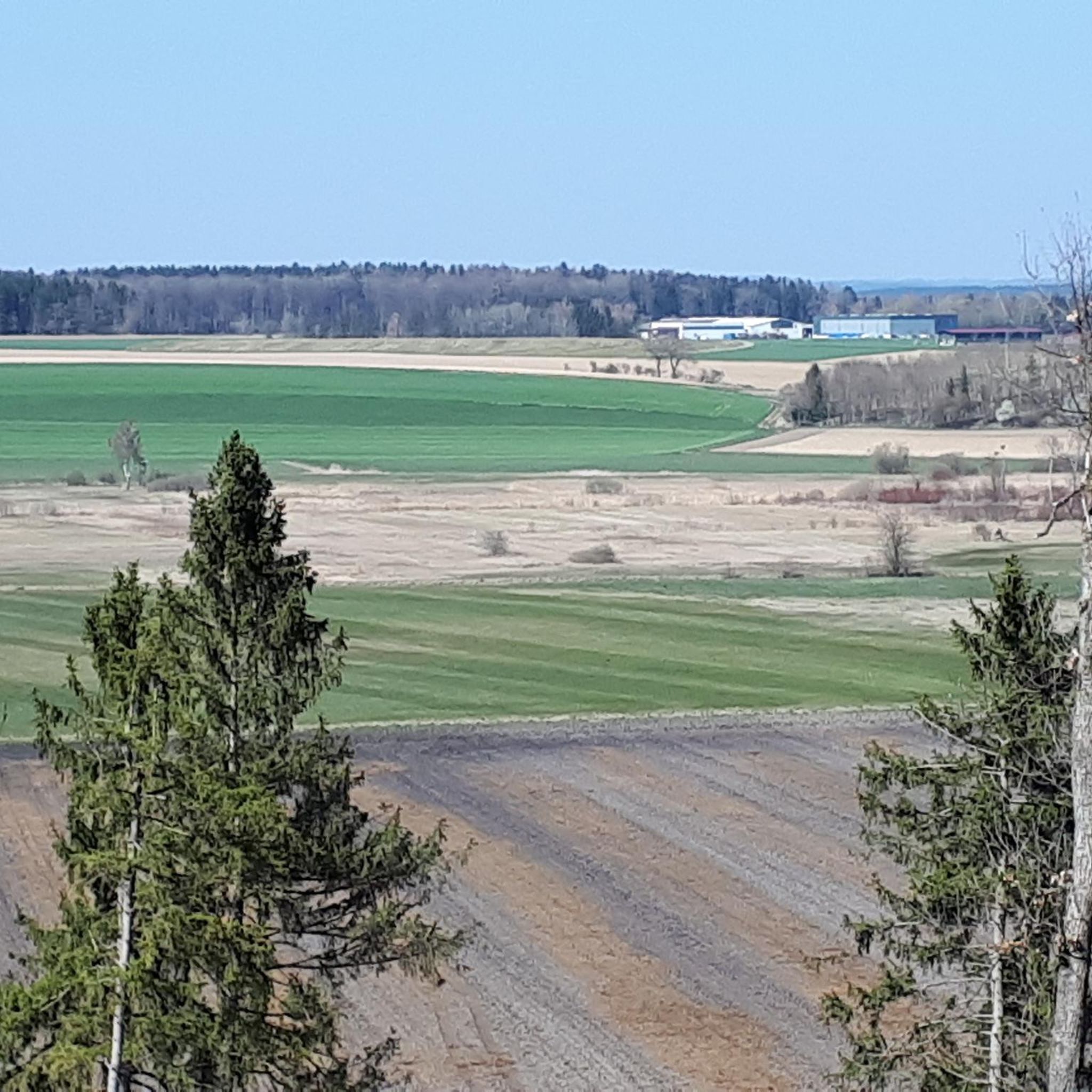
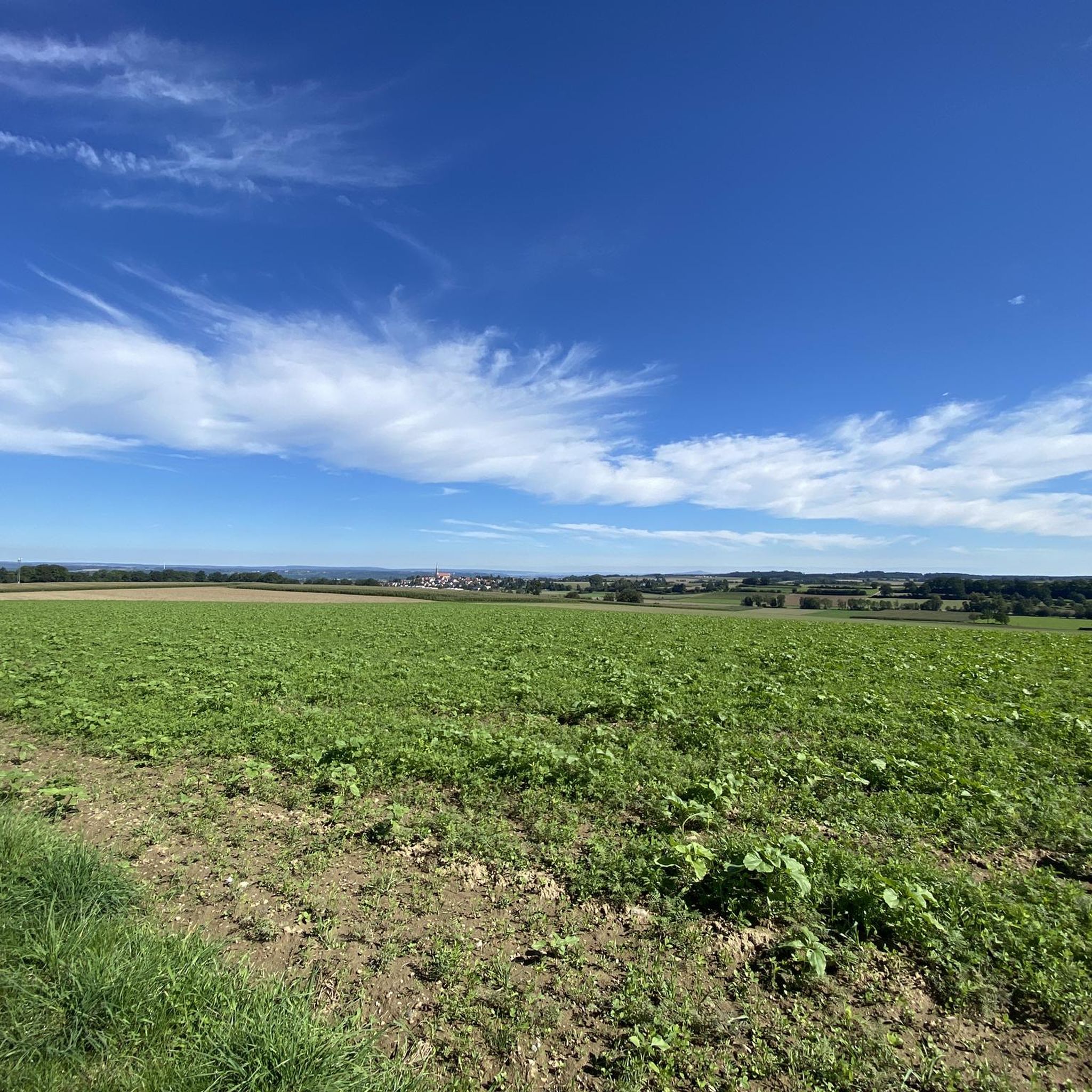
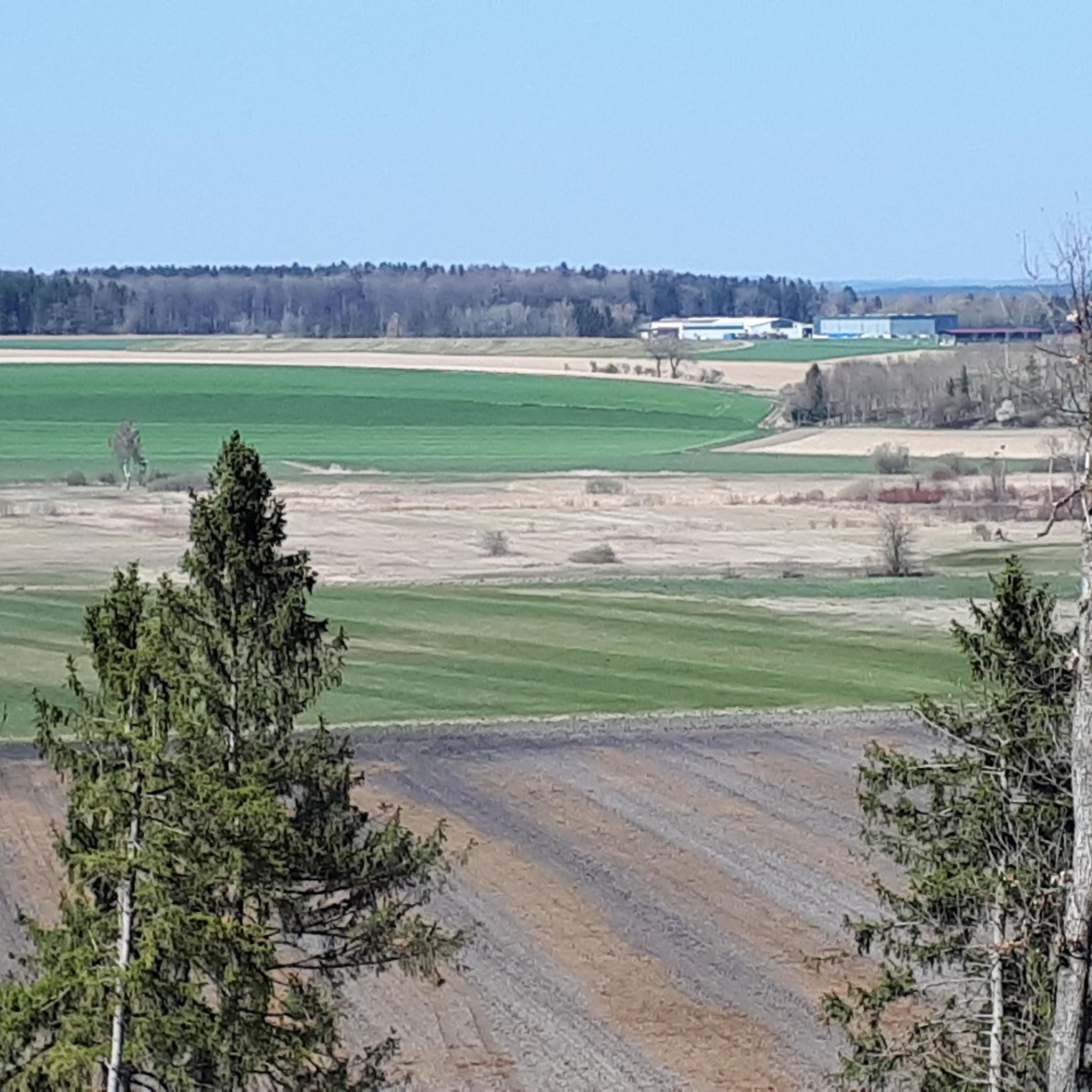
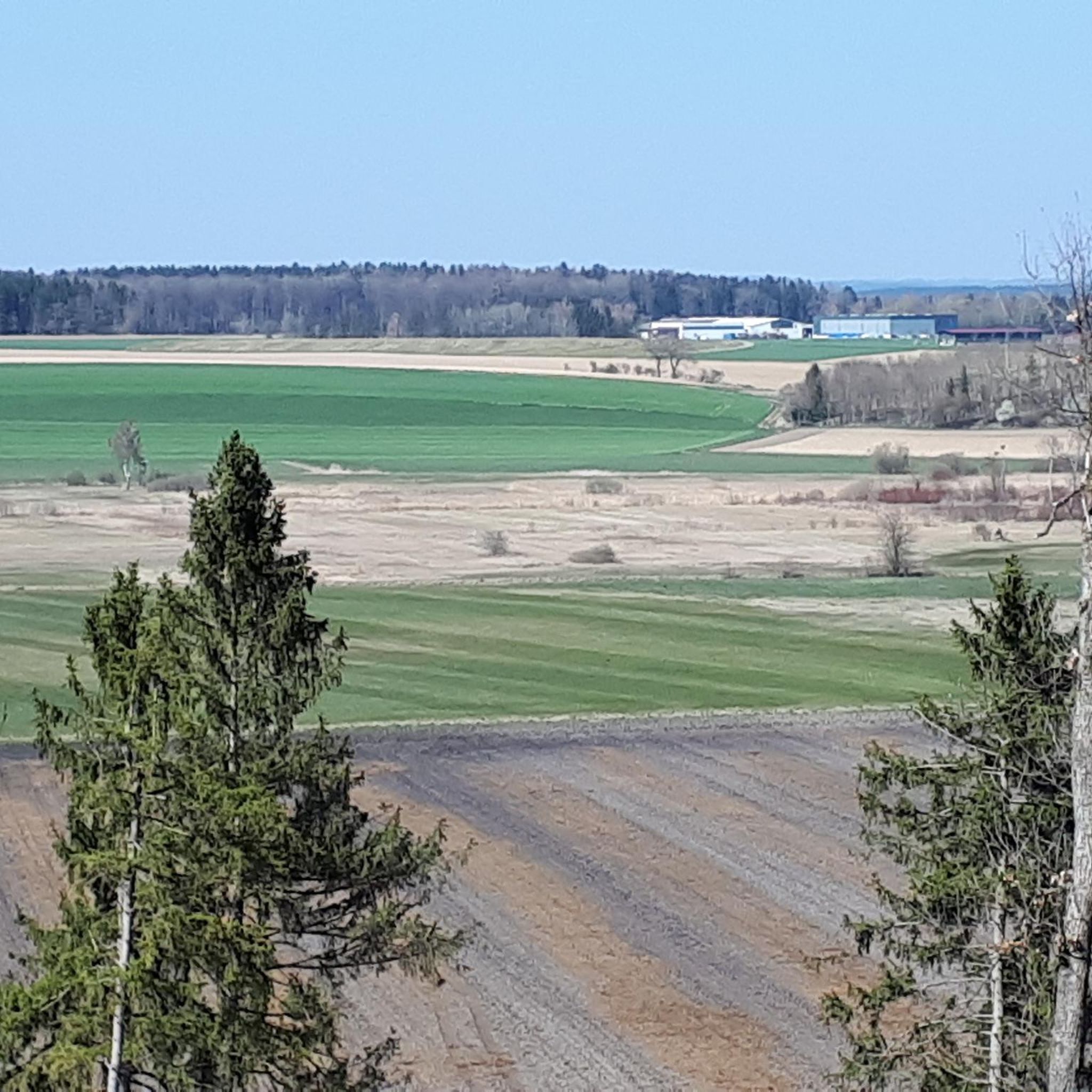
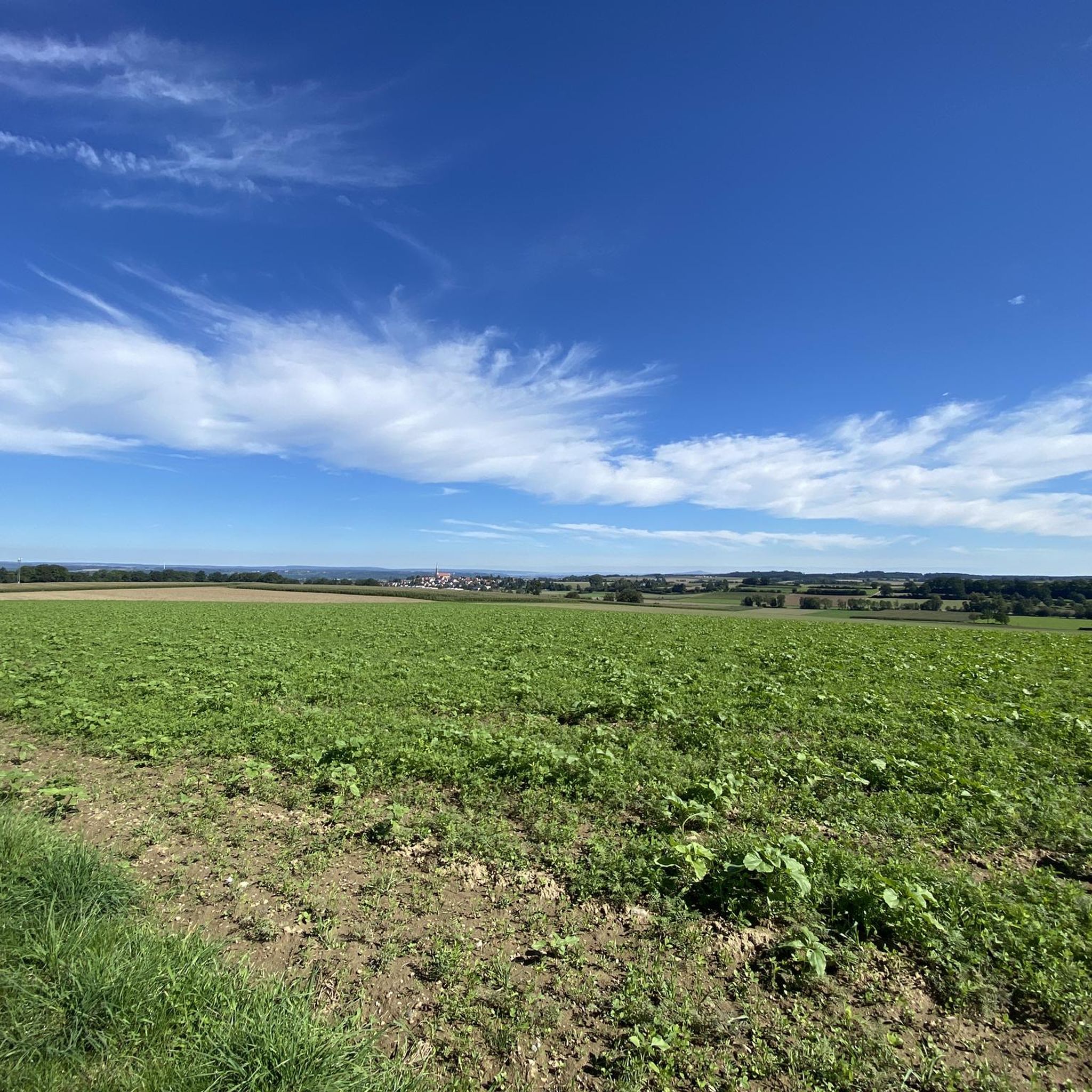
Beautiful view to Hosskirch and Hüttenreute
0
0


The Hanging Gardens are 50 m ahead.
0
0

From the history of the city and the guild Saulgau, still called Sulgen in the Middle Ages, was surrounded by a city wall in the 14th century, into which 3 gate towers were built. Source and further information: https://www.dorauszunft.de/ueber-uns/geschichte.html
4
0

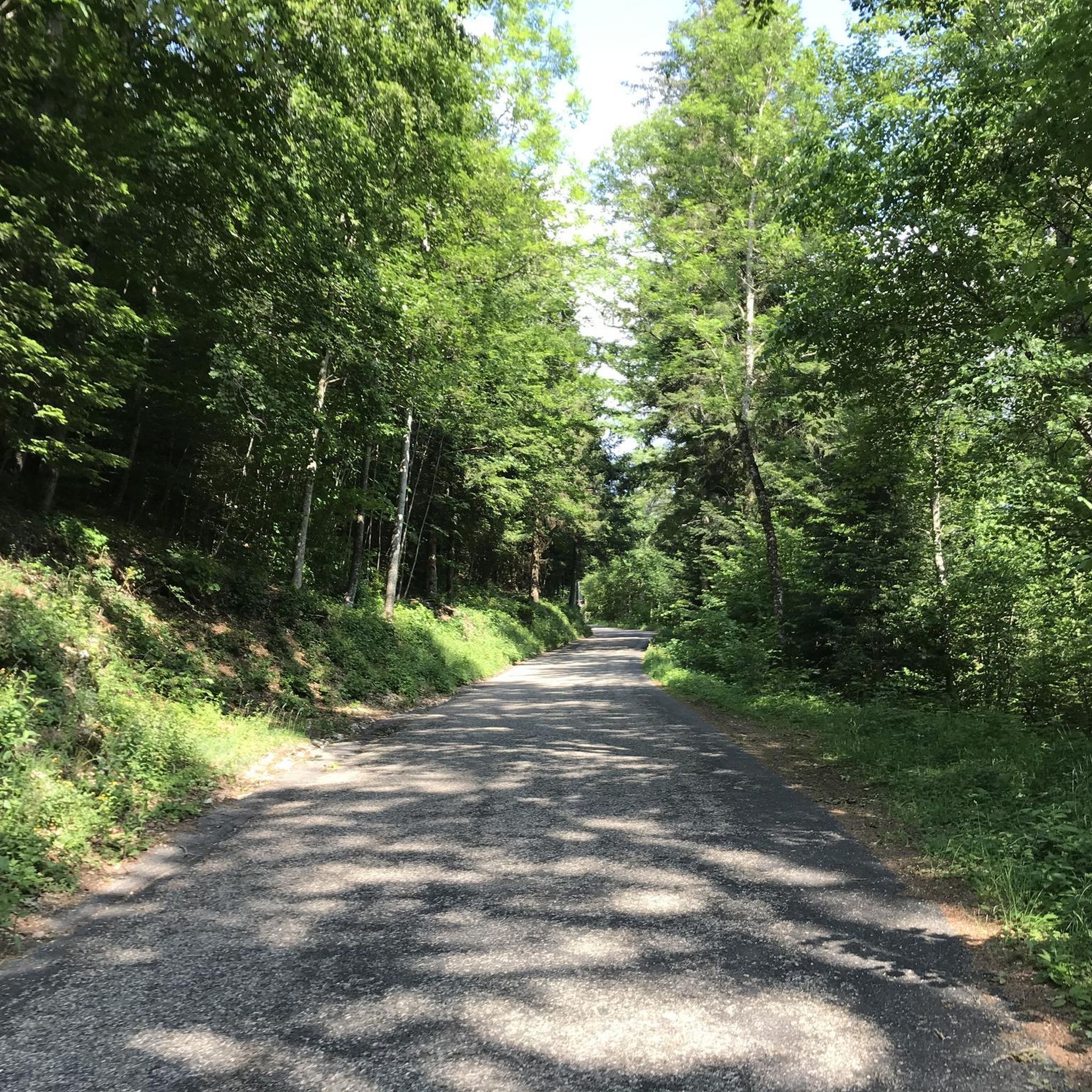
From here a beautiful climb to the Alb
1
0

Beautiful castle on the mountain in private ownership
0
0

One of the last remaining towers of the city wall. Worth seeing from inside and outside the city walls
0
0
Frequently Asked Questions
What are some historically significant castle ruins to visit near Hohentengen?
Beyond the immediate vicinity, the Hegau region offers several historically rich castle ruins. The Hohentwiel Fortress Ruins near Singen are one of Germany's largest, built on a volcanic crag and offering extensive exploration. Other notable ruins include Hohenhewen Castle near Engen and Mägdeberg Castle, both also situated on volcanic cones with historical significance.
Are there any castles around Hohentengen that offer panoramic views?
Yes, several castles in the broader Hegau region are known for their spectacular vistas. The Hohentwiel Fortress Ruins provide breathtaking panoramic views across Lake Constance, the Thurgau region, and even the Alps on clear days. Hohenhewen Castle Ruins also offer far-reaching views of the Hegau mountains, Lake Constance, and the Swabian Alb from its viewing platform.
Which castles near Hohentengen are family-friendly?
The Katzentürmle (City Fortifications) in Bad Saulgau is categorized as family-friendly and offers a glimpse into historical city defenses. For a broader experience, the vast Hohentwiel Fortress Ruins provide ample opportunities for exploration with its walls, nooks, and stairways, making it engaging for families.
What kind of outdoor activities can I do near the castles around Hohentengen?
The region around Hohentengen offers various outdoor activities. You can find numerous running trails, such as the 'Running loop from Hohentengen' or 'Ostrach loop from Hohentengen', which are generally moderate in difficulty. For a more relaxed pace, there are easy hikes like the 'View of Hohentengen – Fidelius Waldvogel Shrine loop'. If you prefer cycling, gravel biking routes like the 'SEEzeit Hoßkirch Lake – Ostrach forest road loop' are available. You can find more details on these activities in the Running Trails around Hohentengen, Easy hikes around Hohentengen, and Gravel biking around Hohentengen guides.
Are there any unique or 'hidden gem' castles to discover?
The Hanging Gardens of Neufra Castle offer a unique experience. This Renaissance garden, built on high retaining walls, was restored based on historical drawings and provides a beautiful view of the Danube valley. It's a less conventional castle attraction focusing on its distinctive garden architecture.
What is the best time of year to visit the castles around Hohentengen?
The spring and autumn months are generally ideal for visiting the castles and ruins around Hohentengen. The weather is typically mild, making outdoor exploration comfortable, and the natural scenery is particularly beautiful. Summer also offers good conditions, though it can be warmer. Winter visits are possible, but some facilities might have reduced hours, and trails could be affected by snow or ice, especially for hilltop ruins.
Can I visit castles that are still inhabited?
Yes, Wilflingen Castle, for example, has been owned by the von Stauffenberg family since 1464 and remains inhabited. While it has been open to the public to a limited extent since 1960, access is restricted due to its private residence status. Similarly, Königsegg Castle is also inhabited and managed, meaning it cannot be visited internally, but its external proportions can be appreciated.
Are there any castles with interesting architectural features?
Scheer Castle is a notable example, built as a mighty late Gothic complex at the end of the 15th century. It features a picturesque conglomerate of three multi-storey buildings with distinctive stepped gables and is surrounded by a castle wall. The Katzentürmle in Bad Saulgau, a preserved city tower, also showcases historical defensive architecture with its arrow slits.
What are the parking options for visiting castles in the region?
For many of the larger castle ruins and sites in the Hegau region, such as Hohentwiel, designated parking areas are available nearby. For smaller or more remote ruins like Hohenhewen or Mägdeberg, parking might be found at the base of the volcanic cones or in nearby villages, often requiring a short hike to reach the ruins themselves. It's advisable to check specific castle websites for detailed parking information.
Can I reach any of the castles by public transport?
While direct public transport to every castle ruin might be limited, larger sites like the Hohentwiel Fortress Ruins are often accessible via public transport to nearby towns (e.g., Singen), followed by a local bus or a walk. For other castles, reaching them typically involves a combination of public transport to a nearby town and then a hike or a short drive. Planning your route in advance using local transport schedules is recommended.
Are there cafes or restaurants near the castles?
Amenities like cafes and restaurants are generally found in the towns and villages surrounding the castles, rather than directly at the ruins themselves. For example, if visiting Hohentwiel, you would find dining options in Singen. For other sites, nearby villages will offer choices for refreshments and meals. It's a good idea to pack water and snacks, especially when exploring more remote ruins.
Most popular routes around Hohentengen
Most popular attractions around Hohentengen

Get inspired with the komoot mobile app


Explore more
Looking for the best castles somewhere else? Discover other guides around Hohentengen:
