The best gravel rides around Edmonton
4.1
(7)
98
riders
5
rides
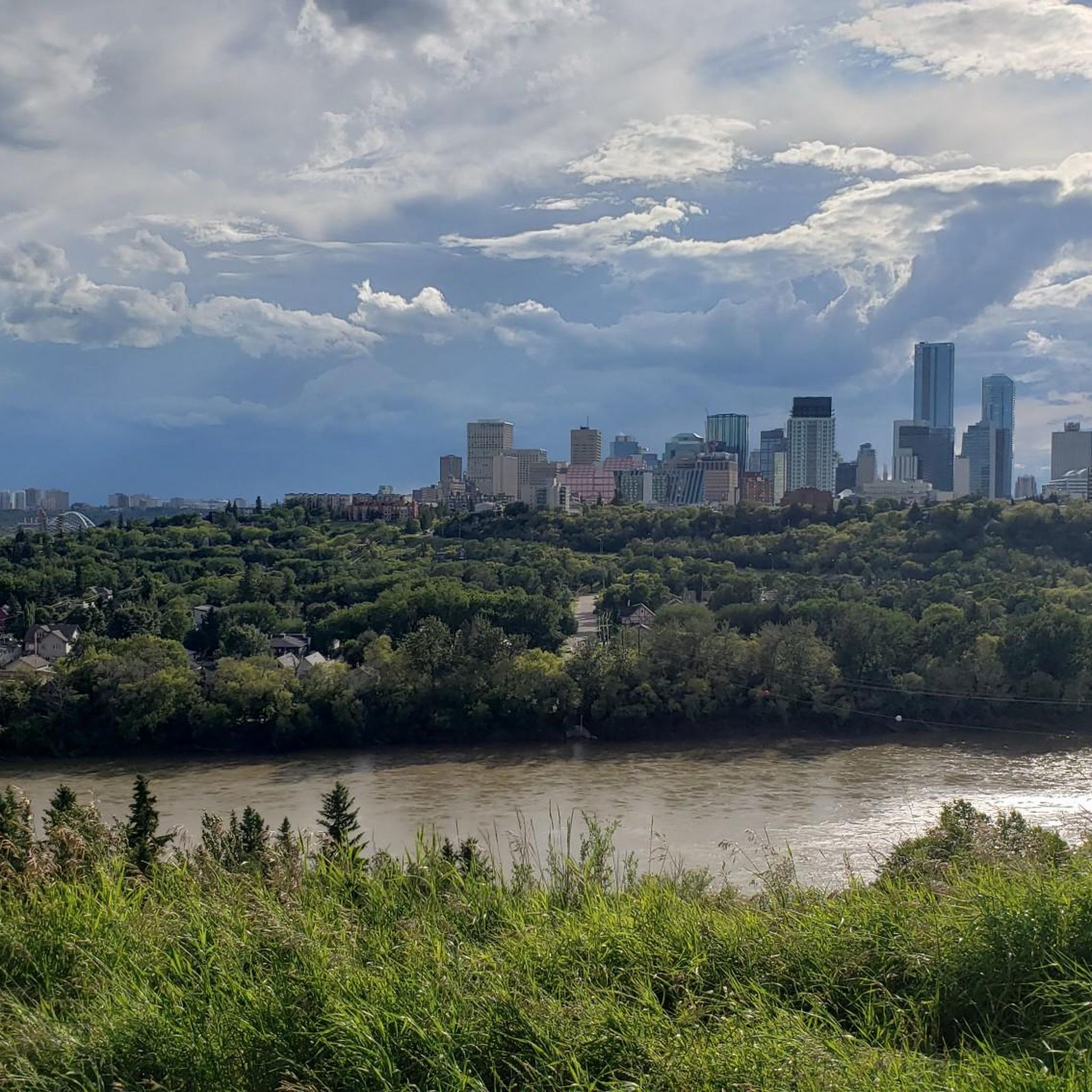
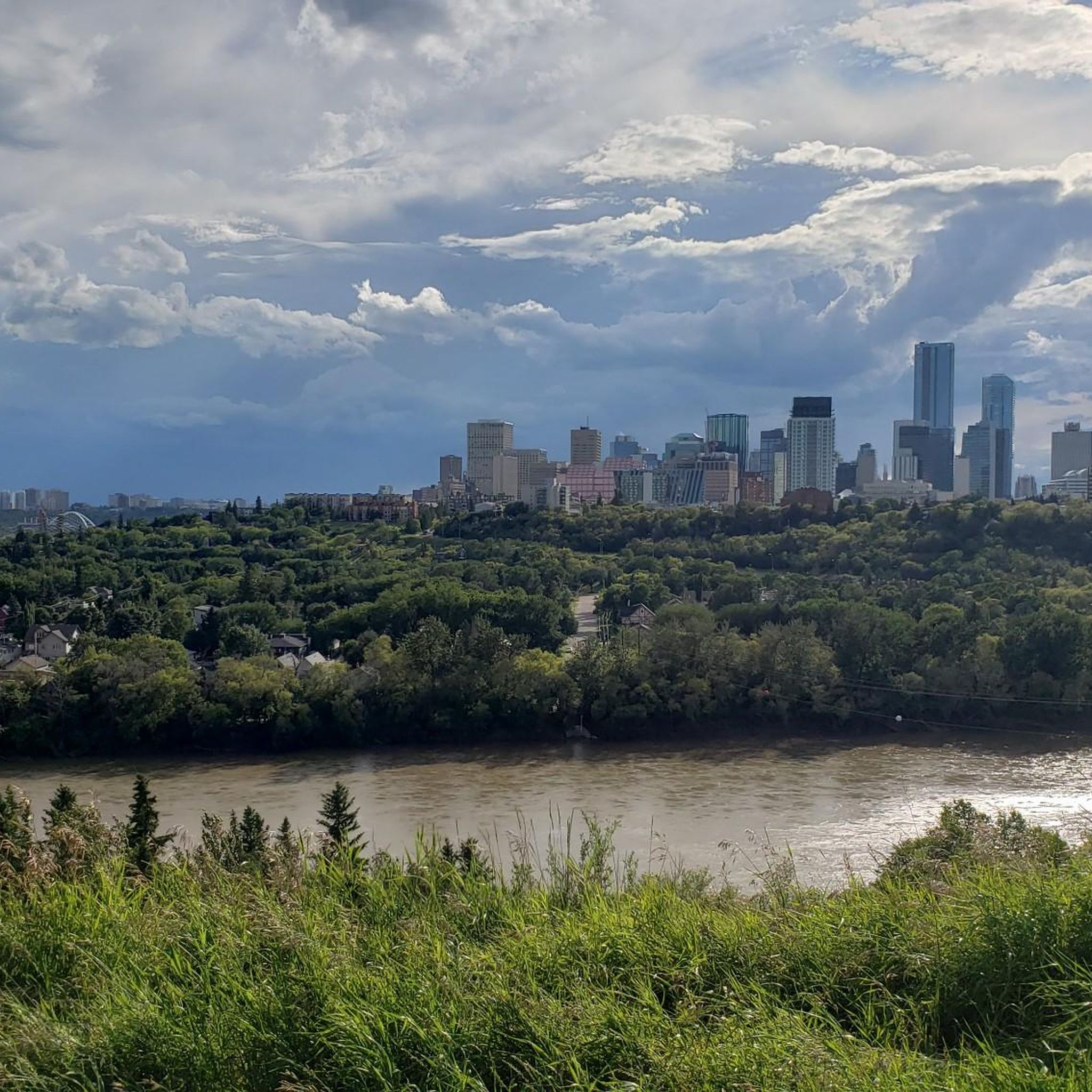
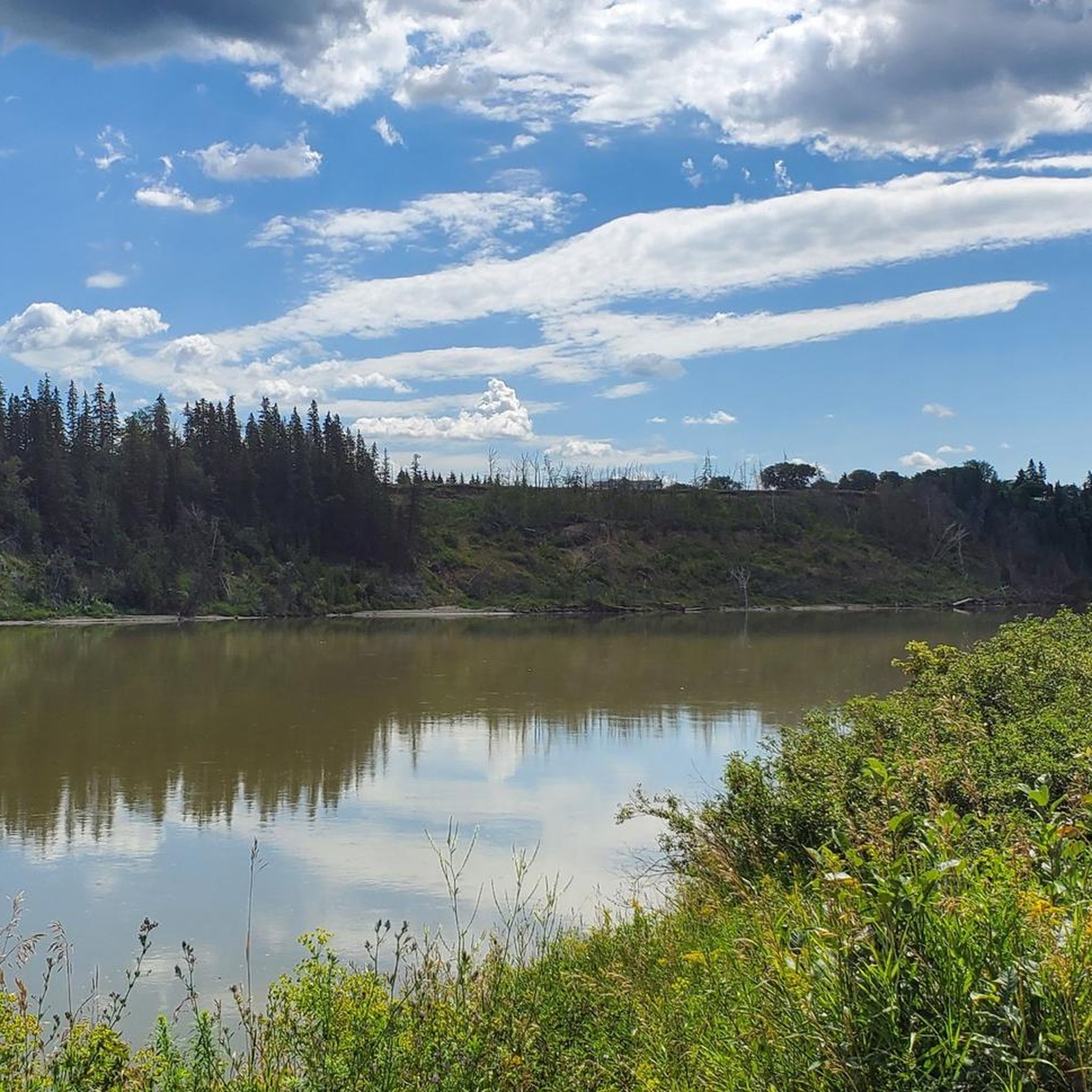
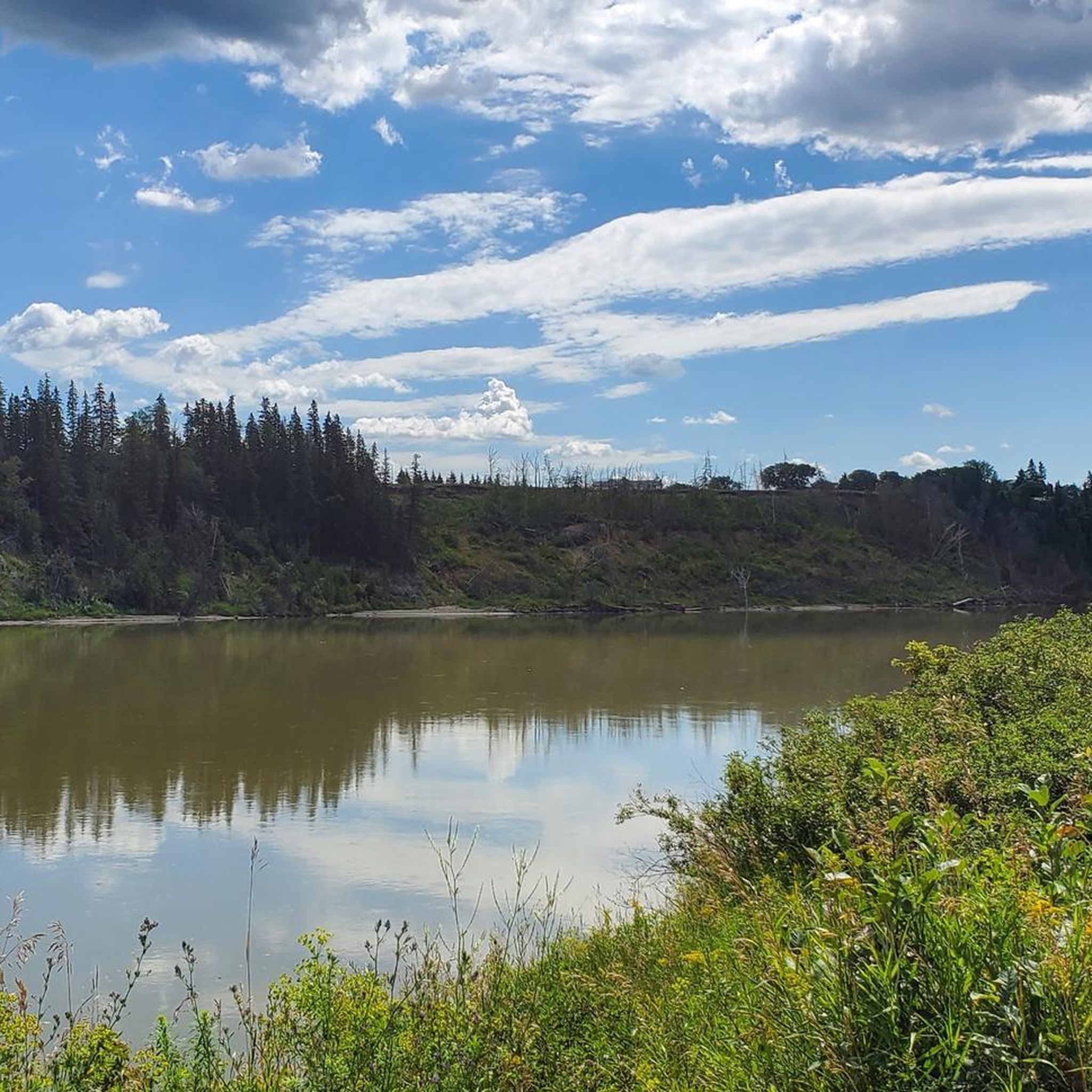
Gravel biking around Edmonton is characterized by its extensive urban parkland, primarily the North Saskatchewan River Valley, which features over 160 kilometers of pathways. The terrain includes a mix of flowing paths and challenging sections with elevation changes, as the valley walls can drop up to 60 meters. Riders navigate through dense boreal forests, wetlands, and open green spaces, often protected from vehicular traffic. This interconnected trail system allows for long rides amidst varied natural features.
Best gravel bike trails around Edmonton
- The most popular gravel bike trail is Tawatina Bridge – Walterdale Bridge loop from Fort Edmonton, a 24.9 miles (40.0 km) trail that takes 2 hours 26 minutes to complete. This moderate route offers varied terrain along the river valley.
- Another top favourite among local gravel bikers is Terwillegar Park Footbridge – Fort Edmonton Footbridge loop from Government Centre, a moderate 25.5 miles (41.0 km) path. This route includes significant elevation changes and diverse landscapes within the urban park system.
- Local gravel bikers also love the Emily Murphy Park – Emily Murphy Park Lookout loop from Government Centre, a 16.5 miles (26.6 km) trail leading through the North Saskatchewan River Valley, often completed in about 1 hour 34 minutes.
- Gravel biking around Edmonton is defined by its vast urban parkland, river valley walls, and boreal forest sections. The network offers options for different ability levels, from easy paths to more challenging routes with elevation gains.
- The routes in Edmonton are highly rated by the komoot community with an average score of 4.7 stars from over 5 reviews. More than 80 gravel bikers have used komoot to explore Edmonton's varied terrain.
Last updated: September 23, 2026
35
riders
50.8km
02:57
380m
380m
Moderate gravel ride. Good fitness required. Mostly paved surfaces. Suitable for all skill levels.
4.2
(5)
23
riders
Moderate gravel ride. Good fitness required. Mostly paved surfaces. Suitable for all skill levels.

4.0
(2)
21
riders
Hard gravel ride. Good fitness required. You may need to push your bike for some segments of this route.
10
riders
Moderate gravel ride. Good fitness required. Mostly paved surfaces. Suitable for all skill levels.
14
riders
34.3km
02:09
310m
310m
Moderate gravel ride. Good fitness required. Mostly paved surfaces. Suitable for all skill levels.
Our route recommendations are based on thousands of hikes, rides, and runs completed by other people on komoot.
Start today with a free account
Your next adventure awaits.

Tips from the Community

Terwillegar Park Footbridge is the longest stressed ribbon bridge in Canada and the second longest such bridge in the entire world. Opened in 2016, it's 262 metres (860 ft) long and provides lovely views across the Saskatchewan River. The overall cost of the build was just less than $25 million.
1
0

Great for accessing Hawrelak Park and the UofA from the north side of the river.
0
0

Henrietta Muir Edwards Park is a beautiful river valley park set along the North Saskatchewan River, with a mix of open green space and mature forest. Paved and unpaved trails connect to the wider valley network, with viewpoints overlooking the river and access to nearby footbridges. The park also features a historic home linked to Henrietta Muir Edwards, adding cultural significance to its natural setting.
0
0
Emily Murphy Park, nestled along the south bank of the North Saskatchewan River, is a beautiful spot with picnic areas, a playground, a small boat launch, and open grassy areas that lead down toward the river. In winter, its toboggan hill becomes a local favourite, adding to its year-round appeal for families and casual outings.
0
0
Groat Bridge spans the North Saskatchewan River, carrying traffic and pedestrians between the river valley communities of Glenora and Mayfair. Opened in 1955, the twin-span structure offers fantastic elevated views of the surrounding parkland. Recent upgrades have widened its shared-use path, making it a key crossing for both commuters and recreational users.
0
0

The Ainsworth Dyer Memorial Bridge is a scenic crossing and a touch of local history. Named in honor of Ainsworth Dyer, a prominent figure in Edmonton’s community, the bridge connects trails on either side of the river, making it popular for walking, jogging, and cycling. From the bridge, you can enjoy sweeping views of the river valley and the surrounding parks.
0
0
Emily Murphy (1868-1933) was the first female police magistrate in the British Empire (1916). The City's Names Advisory Committee originally decided to name the park "Janey Canuck," Murphy's pen name, but Murphy's daughter convinced the committee to change the name before it went to City Council. Murphy was born in Ontario and came to Edmonton in 1907. Already a popular author, she lobbied for provisions in the Dower Act that entitled a woman to part of her husband's estate. She campaigned for female suffrage, and became a judge in 1916. Her efforts in the Persons Case, as part of the Famous five, saw women legally declared to be "persons," giving women the right to become members of the Senate. Emily Murphy Park is located in the river valley and has an area of 11 ha.
0
0
Henrietta Louise Edwards (née Muir), women’s rights activist, reformer, artist (born 18 December 1849 in Montreal, Canada East; died 9 November 1931 in Fort Macleod, AB). Henrietta Edwards fought from a young age for women’s rights and education, as well as women’s work and health. She helped establish many movements, societies and organizations aimed at improving the lives of women, and was instrumental in passing Alberta’s Dower Act in 1917. She was also one of the Famous Five behind the Persons Case, the successful campaign to have women declared persons in the eyes of British law. However, her views on immigration and eugenics have been criticized as racist and elitist. She was named a Person of National Historic Significance in 1962 and an honorary senator in 2009.
0
0
Frequently Asked Questions
How many gravel bike trails are available around Edmonton?
Edmonton offers a wide selection of gravel biking routes, with over 10 tours available on komoot. These routes cater to various skill levels, from easy to difficult, primarily within the extensive North Saskatchewan River Valley park system.
What kind of terrain can I expect on gravel bike trails in Edmonton?
The terrain around Edmonton is diverse, ranging from easy, flowing paths to more challenging sections with significant elevation changes, especially along the valley walls which can drop up to 60 meters. You'll ride through dense boreal forests, wetlands, and open green spaces, offering a varied experience. The interconnected trail system allows for long rides, often protected from vehicular traffic.
Are there any easy or beginner-friendly gravel routes in Edmonton?
Yes, there are routes suitable for beginners. While specific 'easy' routes aren't highlighted in the top picks, the vast North Saskatchewan River Valley offers many flowing paths that are less technical. For example, the Tawatina Bridge – Walterdale Bridge loop from South Campus/Fort Edmonton Park is a moderate route that provides varied terrain without being overly strenuous, making it a good starting point for those building confidence.
What are some more challenging gravel biking options for experienced riders?
For experienced riders seeking a challenge, routes like the Terwillegar Park Footbridge – Fort Edmonton Footbridge loop from Riverbend offer significant elevation changes and diverse landscapes. Terwillegar Park itself is known for more technical sections that can appeal to gravel riders looking for a more demanding experience.
Can I bring my dog on the gravel bike trails in Edmonton?
Many trails within Edmonton's extensive park system, including those suitable for gravel biking, are dog-friendly. However, it's always best to check local signage and regulations for specific areas, especially within ravines and protected natural zones, to ensure dogs are permitted and to understand leash requirements.
Are there family-friendly gravel biking routes suitable for children?
Yes, the North Saskatchewan River Valley's extensive network includes many paved and well-maintained gravel paths that are ideal for families and children. These flatter, less technical sections allow for enjoyable rides. While specific family-designated gravel routes aren't listed, the general accessibility of the parkland makes it suitable for various ages and abilities.
What natural features or landmarks can I see while gravel biking in Edmonton?
While gravel biking in Edmonton, you'll encounter a wealth of natural features and landmarks. The North Saskatchewan River Valley itself is a major highlight, offering scenic views and a unique microclimate. You can also pass by impressive structures like the High Level Bridge and the Kâhasinîskâk Pedestrian Bridge. The routes often weave through various ravines such as Mill Creek Ravine, MacKenzie Ravine, and Whitemud Creek Ravine, offering glimpses of diverse flora and fauna.
Is parking readily available near Edmonton's gravel bike trails?
Yes, parking is generally available at numerous access points and parks throughout the North Saskatchewan River Valley, which forms the core of Edmonton's gravel biking network. Many parks like Terwillegar Park, Gold Bar Park, and Rundle Park offer dedicated parking facilities, making it convenient to start your ride.
What is the best time of year to go gravel biking in Edmonton?
The best time for gravel biking in Edmonton is typically from spring through fall (May to October), when the weather is mild and trails are dry. The river valley's microclimate can offer shelter from prairie winds. While winter biking is possible, conditions can be challenging with snow and ice, requiring specialized gear and caution.
Are there any circular gravel biking routes in the Edmonton area?
Yes, many of Edmonton's gravel biking routes are designed as loops, allowing you to start and end at the same point. Examples include the Terwillegar Park Footbridge – Fort Edmonton Footbridge loop from Cameron Heights and the Emily Murphy Park Lookout – Tawatina Bridge loop from Government Centre, which offer extensive circular journeys through the river valley.
What do other gravel bikers say about their experience in Edmonton?
The gravel biking experience in Edmonton is highly rated by the komoot community, with an average score of 4.4 stars from over 10 reviews. Riders often praise the endless variety that gravel adds to cycling, the extensive and interconnected trail system, and the opportunity to explore diverse landscapes and witness wildlife within the urban parkland.
Are there options for gravel biking outside the immediate city, like national or provincial parks?
Beyond the city, Elk Island National Park, located about 35 minutes east of Edmonton, offers opportunities for cycling on park roads and some unpaved sections suitable for gravel bikes, with chances to see bison and elk. Miquelon Lake Provincial Park, south of Edmonton, also features over 20 kilometers of multi-use trails, including gravel sections, winding through forests and wetlands.
Most popular routes around Edmonton
Most popular attractions around Edmonton

Get inspired with the komoot mobile app


Explore more
Browse the best Gravel rides in other regions.
