The best gravel rides around Tailly
4.3
(3)
11
riders
7
rides
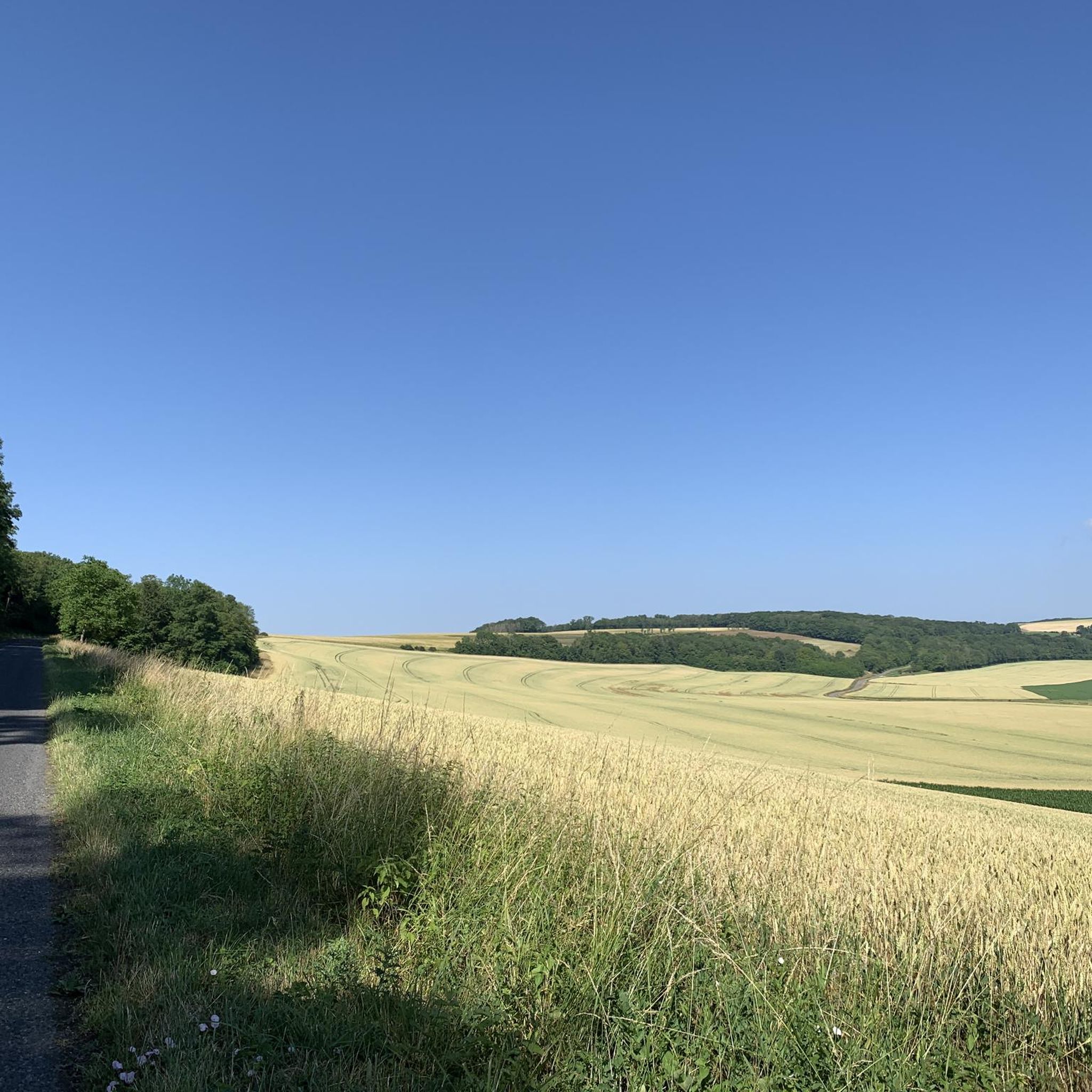
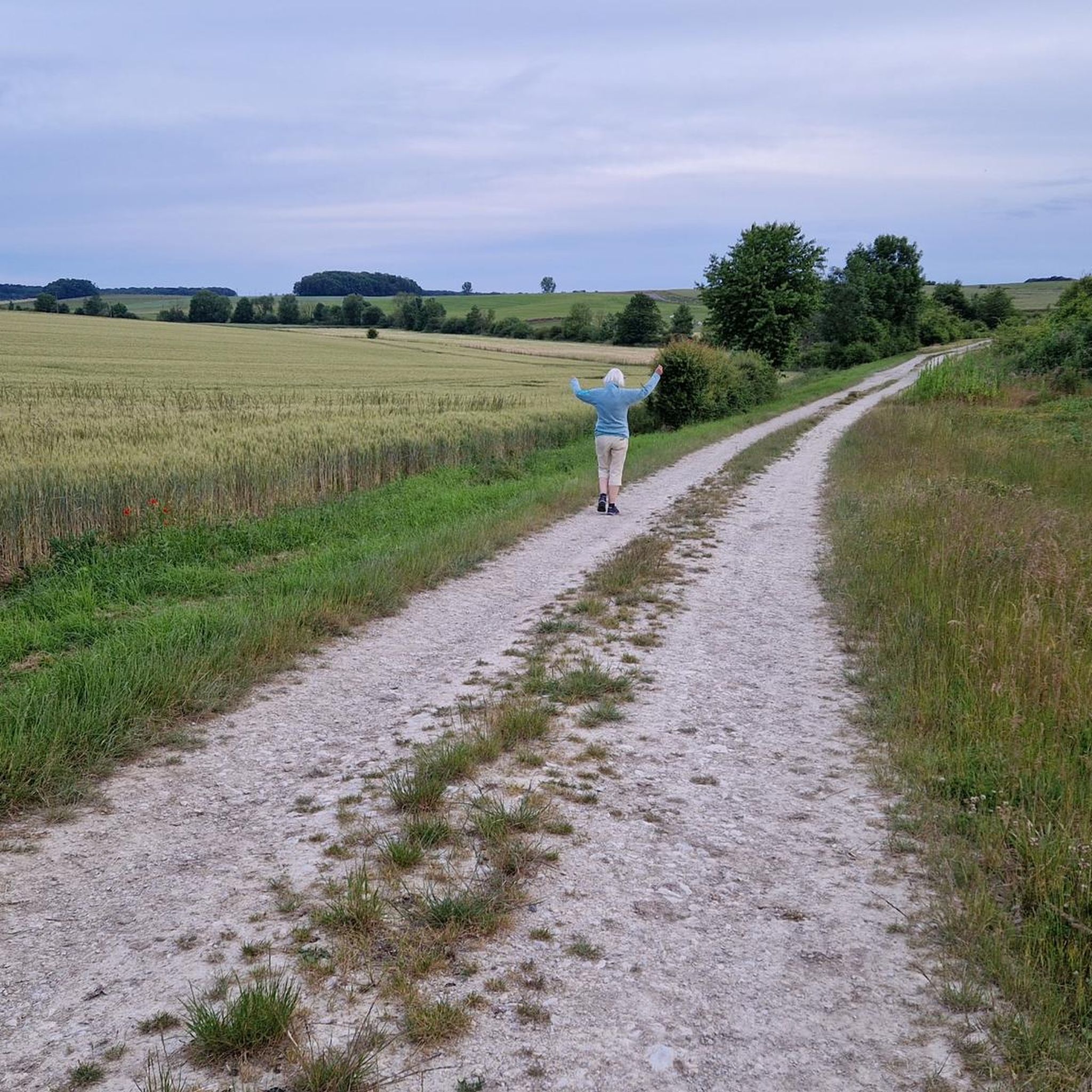
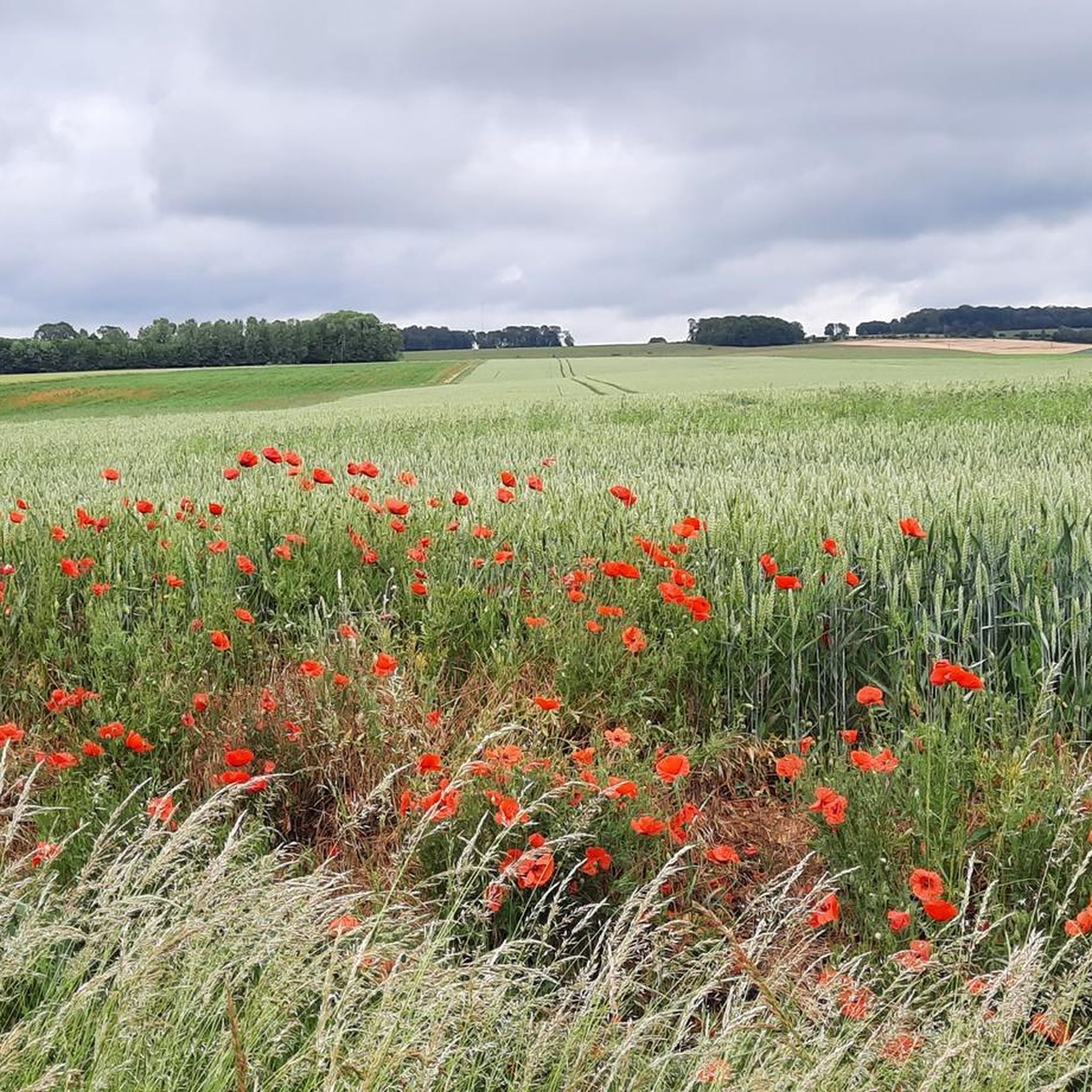
Gravel biking around Tailly offers routes through a rural landscape characterized by river valleys and rolling terrain. The region, situated near the Wiseppe river, provides natural scenery suitable for varied gravel bike trails. Routes often traverse agricultural lands, small villages, and forested sections, with some paths following river courses. The area presents a mix of moderate and challenging elevation profiles for gravel cyclists.
Best gravel bike trails around Tailly
- The most popular gravel bike trail is Mouzon – The Meuse…
Last updated: August 27, 2026
4.0
(1)
2
riders
32.2km
02:13
260m
260m
Moderate gravel ride. Good fitness required. Mostly paved surfaces. Suitable for all skill levels.
1
riders
22.7km
01:34
280m
280m
Moderate gravel ride. Good fitness required. Mostly paved surfaces. Suitable for all skill levels.

Sign up for free
4.0
(1)
2
riders
39.1km
02:17
450m
450m
Moderate gravel ride. Good fitness required. Mostly paved surfaces. Suitable for all skill levels.
2
riders
31.9km
02:07
410m
410m
Moderate gravel ride. Good fitness required. Mostly paved surfaces. Suitable for all skill levels.
2
riders
Moderate gravel ride. Good fitness required. Mostly paved surfaces. Suitable for all skill levels.
Get access to more routes and recommendations from other explorers.
Sign up for free
Already have an account?
Our route recommendations are based on thousands of hikes, rides, and runs completed by other people on komoot.
Start today with a free account
Your next adventure awaits.
Login or Signup

Tips from the Community

Opposite the museum is a B&B: Moulin le Cygne. This is an excellent place to stay overnight. Both regarding the apartments and the very extensive breakfast. Moreover, the owners are very cordial.
0
0

From the tomb we have a superb view of its park
0
0
Good views and nice to connect with history and religion, however on our tour the proposed route took us over some “roads” that were not suited to 4x4s or off road motorcycles that I used when I belonged to the TRF ( look it up online UK)
0
0

The wash house dates from 1830 and is part of the city's historical heritage and part of an important group of monuments. Around the wash house there is an abbey founded in 874, a church from 1774 whose choir is classified as a historic monument or even a former chaplain's house from 1634.
0
0
Renaissance castle, built in the 17th century for Simon II de Pouilly, military governor of Stenay, on behalf of the Duchy of Lorraine. Its architectural interest lies mainly in the portals and verandas carved with great imagination and in the imposing dovecote. You can visit it in the company of a guide who will provide all the historical information. You will discover the two main courtyards, the dovecote, the park and the chapel. Visit by reservation only for groups in July and August.
0
0
The first mention of the village in the archives dates from the 11th century (1093, Lopeium), according to Liénard (19th century historian). At the death of the Count of Bar, Thibaut I, in 1214, two towers were built in Louppy corresponding to two castles installed at each end of the promontory dominating the Loison valley. It is for this reason that the village subsequently adopted the name Louppy-aux-deux-châteaux until the French Revolution. (see map of Villeneuve from 1700 here) In the heart of the village, near the church, the imposing remains of a tower and a curtain wall are still visible. Originally the castle (commonly called the High Castle) appeared in the shape of a quadrangle flanked by four corner towers and once had deep moats fed by the nearby Loison. In addition to the defensive character of the building, its residential function seems certain, given the presence of a fireplace and benches under the windows. These remains undoubtedly date from the 13th or 14th century, but the first mention of a castle dates from the end of the 12th century as the property of the Count of Bar Thibaut I. Subsequently, the Lordship of Louppy was shared between several families until the arrival of the Pouilly family in the 16th century. During the Hundred Years' War, in 1379, the castle was partially destroyed.
0
0
Church of Saint-Jean-l'Évangéliste 4 rue du Haut du Retour, 55600 Han-lès-Juvigny Han-lès-Juvigny 55600 Meuse Grand Est 03 29 88 13 96 http://www.tourisme-montmedy.fr/ The building , dating from the 18th century, was built to replace an older church: presence of oculus from the 16th century, remnant of the old Eucharistic cabinet (wall tabernacle) where the Holy Sacrament was once placed. In the choir a beautiful set of painted paneling from the 18th century. The elements in the choir come from the old abbey of Juvigny, which was dissolved during the Revolution.
0
0

Han-lès-Juvigny is a small village in the Meuse, in the Grand Est region. It is on the River Loison and has an old watermill which is now a bed and breakfast. The village also has an 18th century church, a town hall and a school. It is a quiet and green place, ideal for nature lovers and hikers.
6
0
Frequently Asked Questions
How many gravel bike trails are available around Tailly?
There are over 7 gravel biking routes around Tailly, offering a range of experiences from moderate to difficult. The majority, 6 routes, are considered moderate, while one is classified as difficult.
What kind of terrain can I expect on gravel bike trails in Tailly?
Gravel biking around Tailly features a diverse rural landscape. You'll encounter river valleys, rolling terrain, agricultural lands, small villages, and forested sections. Some paths also follow the Wiseppe river, providing scenic views.
Are there any challenging gravel bike routes with significant elevation around Tailly?
Yes, for those seeking a challenge, the region offers routes with notable elevation. For instance, the Mouzon – The Meuse loop from Stenay is a difficult route covering over 163 km with more than 1000 meters of elevation gain.
What do other gravel bikers enjoy most about the trails in Tailly?
The gravel biking routes in Tailly are highly rated by the komoot community, with an average score of 4.7 stars from over 3 reviews. Riders often praise the varied terrain, the peaceful rural landscapes, and the opportunities to explore both river valleys and forested areas.
Are there any circular gravel bike routes in the Tailly area?
Yes, many of the routes around Tailly are designed as loops. For example, the Hotel du Saumon – La Samaritaine Campsite loop from Bar-lès-Buzancy offers a moderate, scenic circular path through the countryside.
What natural features can I see while gravel biking near Tailly?
The region is characterized by its river valleys, particularly along the Wiseppe river, which originates in Tailly. You'll also ride through forested sections and open agricultural lands, providing a mix of natural scenery.
Are there any historical landmarks or points of interest along the gravel routes?
While gravel routes primarily focus on natural landscapes, the broader region of Tailly has historical significance. You might pass through areas near historical sites. For example, the Ancien lavoir – Louppy-sur-Loison Castle loop from Mouzay leads through areas with historical context, and nearby attractions include the Meuse-Argonne American Cemetery.
Are there any easy or beginner-friendly gravel bike trails in Tailly?
While the guide primarily lists moderate and difficult routes, some of the moderate loops, like the Proxy supermarket. – La Samaritaine Campsite loop from Bar-lès-Buzancy, are shorter and could be suitable for those looking for a less strenuous ride, offering a good introduction to the region's gravel paths.
What are some nearby attractions to visit after a gravel bike ride in Tailly?
After your ride, you can explore several nearby attractions. Consider visiting the Meuse-Argonne American Cemetery, or enjoy the scenic Path Along the Canal in Stenay. The La Samaritaine Leisure Center also offers a place to relax.
Is there parking available near the gravel bike trailheads in Tailly?
While specific parking details for every trailhead are not provided, as a rural area, you can generally find parking in or near the small villages that serve as starting points for many routes. It's advisable to check the specific route details on komoot for more precise information on parking at the start of your chosen tour.
Can I find routes that pass by lakes or other water bodies?
Yes, the region's landscape is shaped by river valleys, and some routes follow river courses like the Wiseppe. Additionally, the La Samaritaine Leisure Center, which includes a lake, is a nearby highlight that some routes may pass close to or incorporate into their loops.
Are there any gravel routes that offer views of bridges or other structures?
Yes, the area includes points of interest like the Pershing Bridge of Dun-sur-Meuse. While not directly on every gravel route, some longer tours in the vicinity might offer views of such structures or pass through towns where they are located.
Most popular attractions around Tailly

Get inspired with the komoot mobile app


Explore more
Browse the best Gravel rides in other regions.
