Top 13 Castles around Dürmentingen
Castles around Dürmentingen offer a rich historical experience within the Baden-Württemberg region. The area features a diverse collection of historical sites, from well-preserved castles to significant ruins. These landmarks provide insights into medieval life and architecture, often situated amidst natural landscapes. Visitors can explore various historical periods and architectural styles in the vicinity of Dürmentingen.
Best castles around Dürmentingen
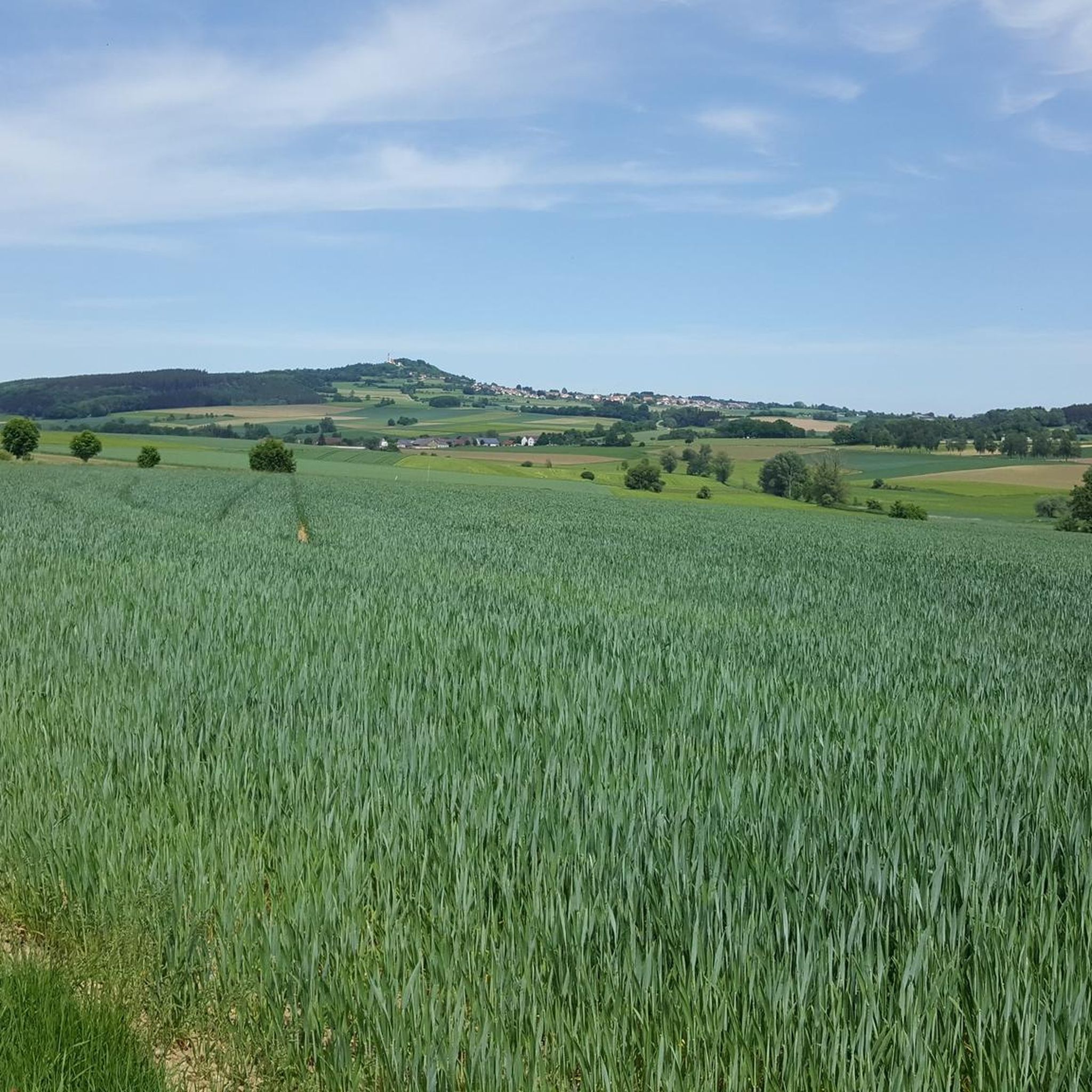
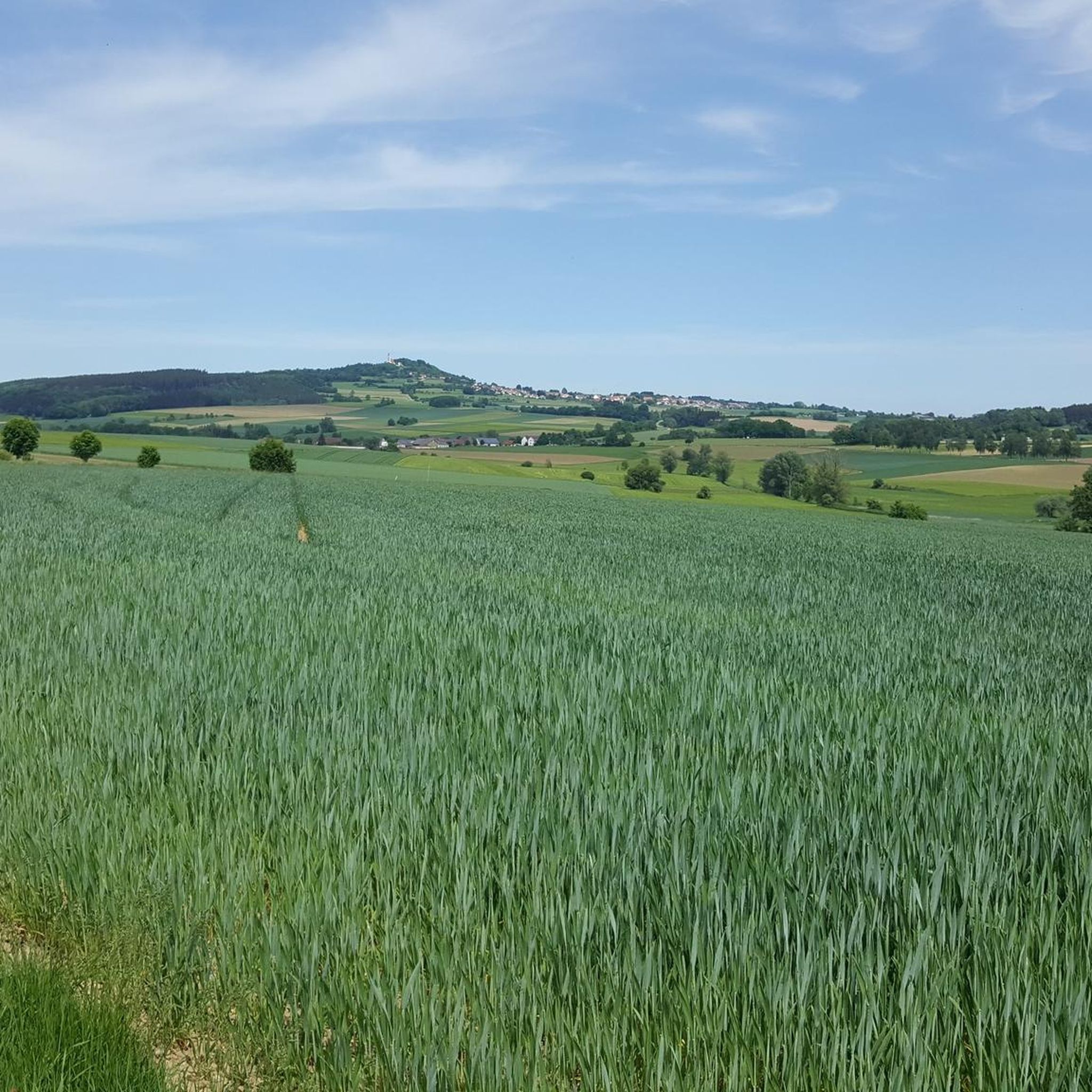
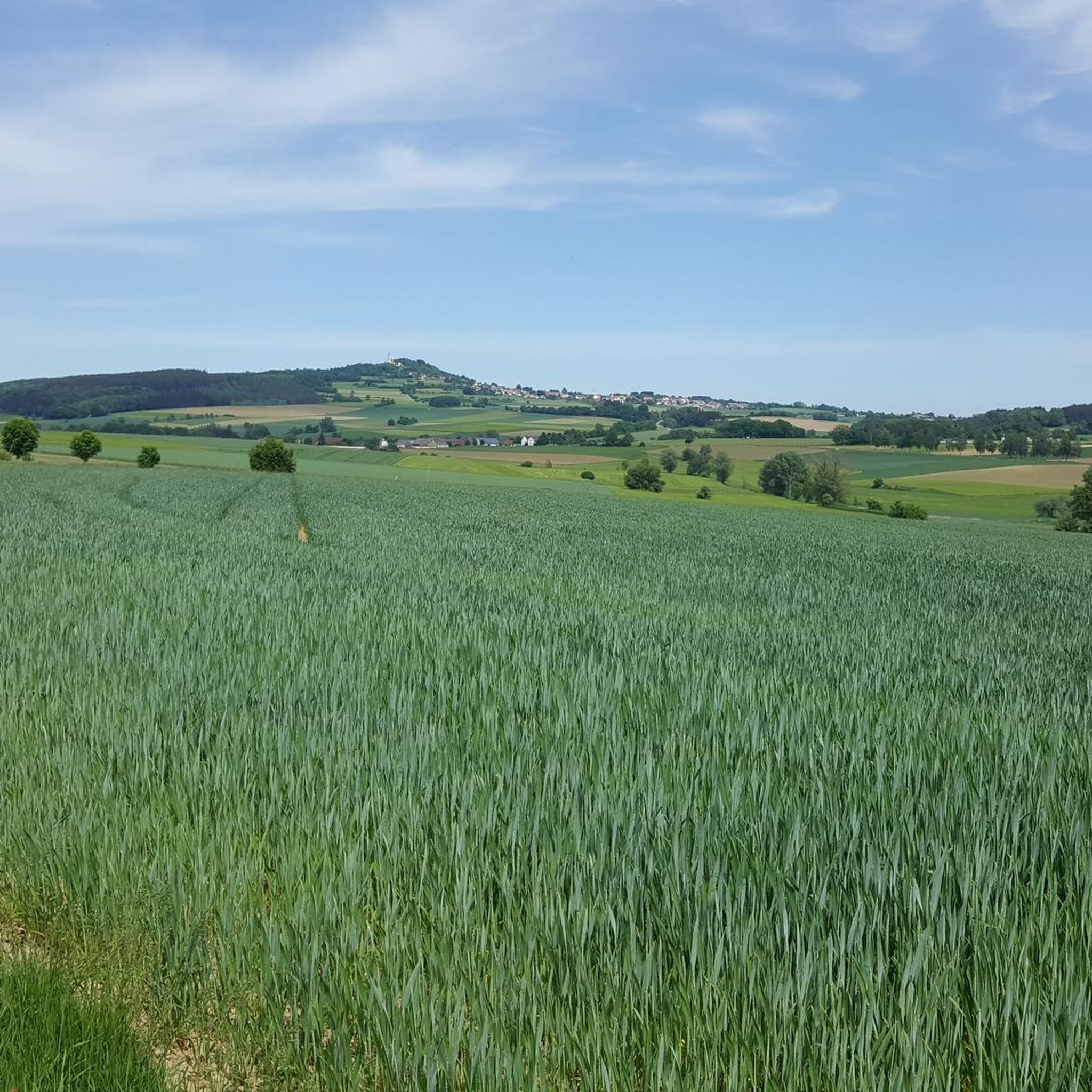
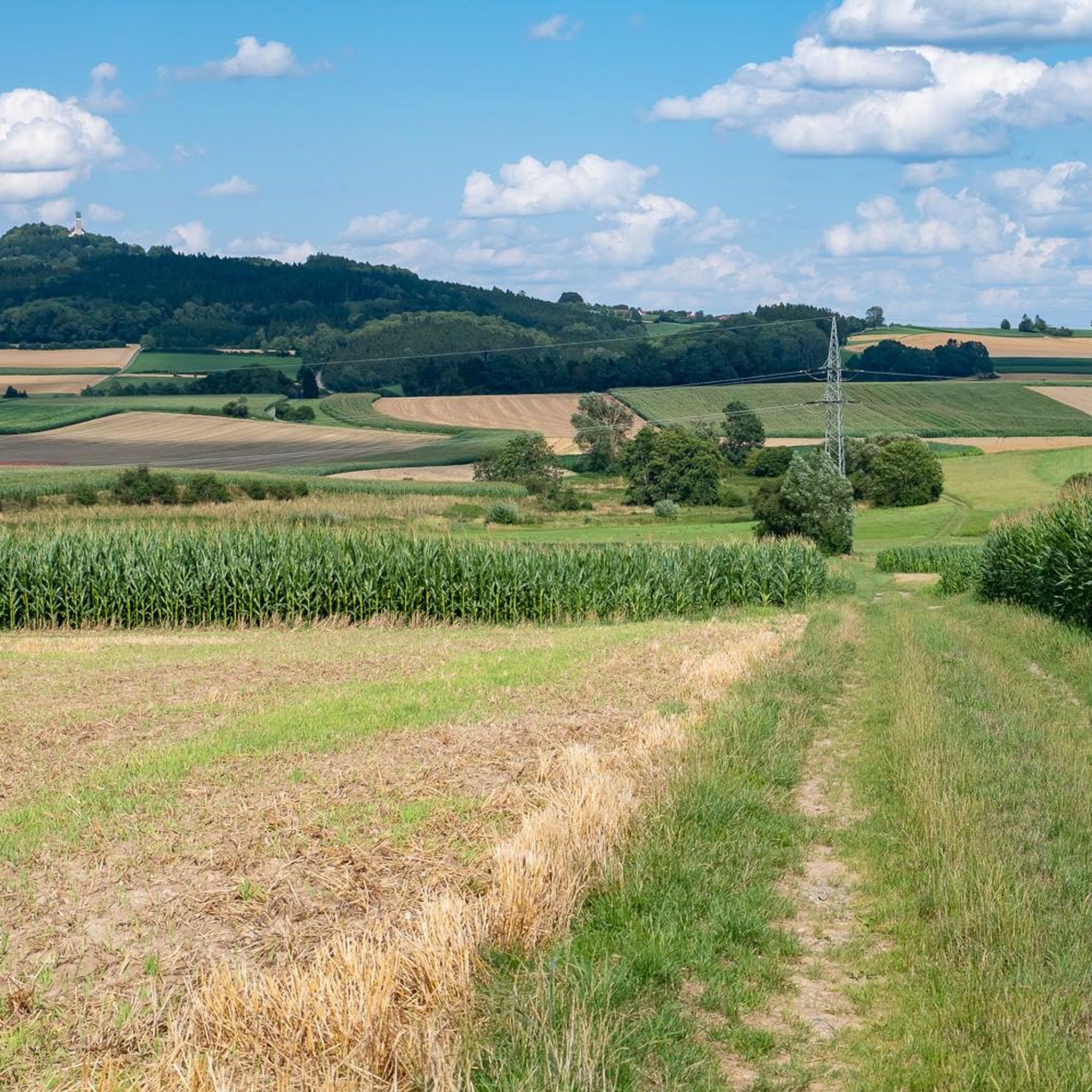
- The most popular castles is Bussen Pilgrimage Church and Castle Ruins, a religious building and historical site. The tower of…
Last updated: July 1, 2026
Bussen Pilgrimage Church and Castle Ruins
Highlight • Religious Site
Translated by Google •
Tip by

Bachritterburg Kanzach Open-Air Museum
Highlight • Historical Site
The history of the Bach Knights can probably be described in close unity with the genealogy of the Lords of Pflummern but also with the ruling situation in …
Translated by Google •
Tip by

Sign up now to discover places like this
Get recommendations on the best single tracks, peaks, & plenty of other exciting outdoor places.
Sign up for free
Monastery Church of Bad Buchau
Highlight • Religious Site
774 - 1776 converted from a Gothic church in the style of French classicism for the noble canonesses. Josef Christian from …
Translated by Google •
Tip by
Katzentürmle (City Fortifications), Bad Saulgau
Highlight • Historical Site
The city fortifications were probably of poor quality from the beginning - also due to the notorious lack of money. As early …
Translated by Google •
Tip by
Grüningen Castle
Highlight • Castle
The Grüninger Castle was built …
Translated by Google •
Tip by

Sign up for free to discover even more castles around Dürmentingen.
Sign up for free
Already have an account?
Start today with a free account
Your next adventure awaits.
Login or Signup
Tips from the Community

Great church, which belongs to the castle
2
0

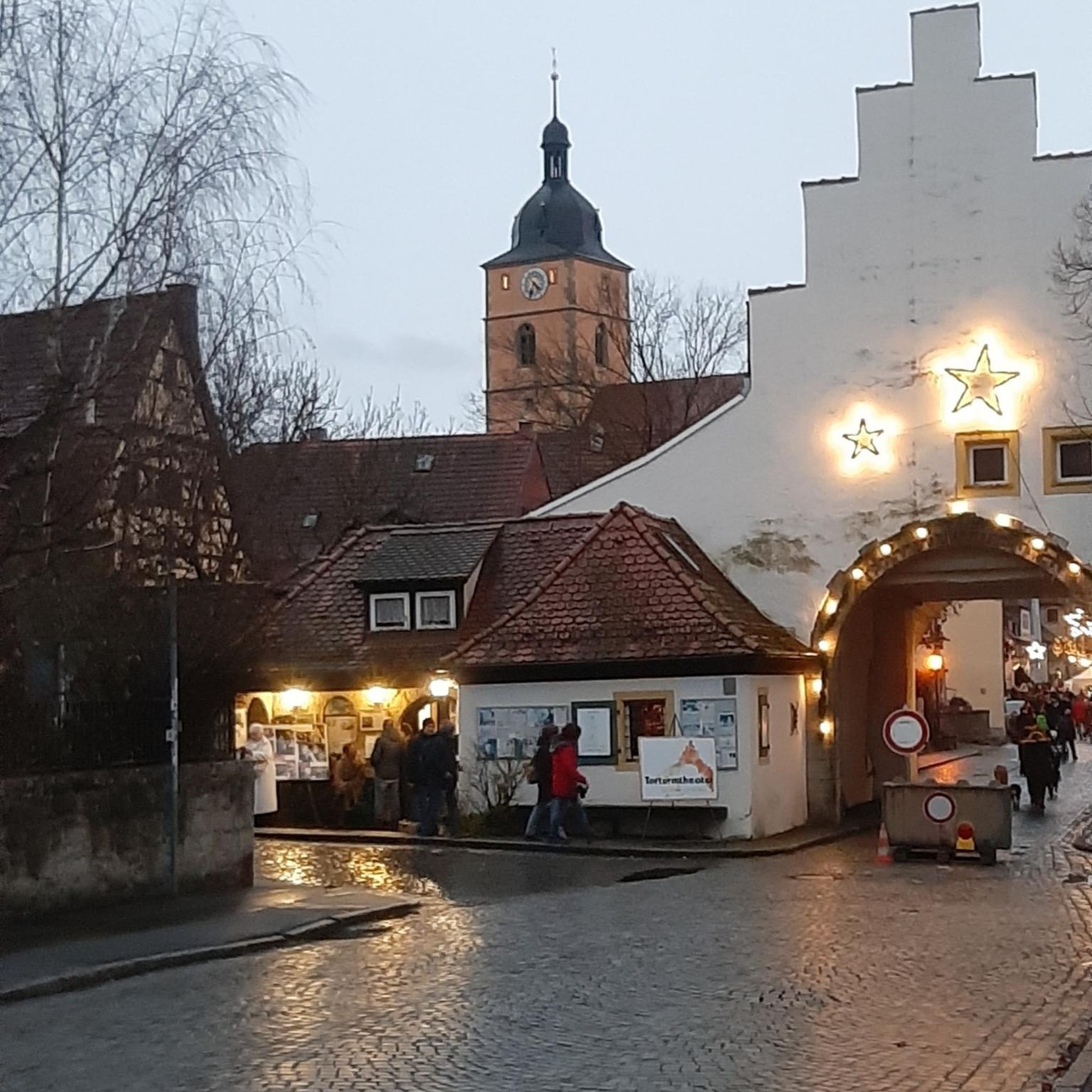
From the history of the city and the guild Saulgau, still called Sulgen in the Middle Ages, was surrounded by a city wall in the 14th century, into which 3 gate towers were built. Source and further information: https://www.dorauszunft.de/ueber-uns/geschichte.html
4
0

One of the last remaining towers of the city wall. Worth seeing from inside and outside the city walls
0
0

Collegiate Church of St. Cornelius and Cyprian", Bad Buchau 774 - 1776 converted from a Gothic church in the style of French classicism for the noble canonesses. Josef Christian from Riedlingen created the sculptures in the church, and Andreas Brugger painted the ceiling paintings in the choir and central nave. The church patrons Cornelius and Cyprianus still refer to the Carolingian tradition today. Adelindis, revered as a Swabian folk saint, rests with her three sons in the crypt of the collegiate church. Text / Source: Upper Swabia's sights https://www.oberschwaben-tourismus.de/attractions/stiftskirche-st.-cornelius-und-cyprian-b4c91cc6ec#:~:text=The%20Stiftskirche%20was%20not%20as%20Pfarrkirche%20built%2C%20but, and%20Cyprianus%20refer%20to%20the%20time%20of the%20Carolingians.
12
0
Bachritterburg, Kanzach The history of the Bach Knights can probably be described in close unity with the genealogy of the Lords of Pflummern but also with the ruling situation in Kanzach. “Lords of Kanzach” are mentioned several times in documents from the 12th to 14th centuries. First it is Bernardus and his son Ortolfus who are named as witnesses in documents from Bishop Otto of Constance and Duke Henry of Bavaria and Saxony for the Salem monastery in 1169 and 1171. With the next mention in 1227, the Kanzach local nobility probably moved to Pflummern. Kanzach is subsequently a branch of the Pflummer family castle. In the document from 1227, Bilgerinum de Pphlumnar and his son Ortolfum de Cantza are named as witnesses. Bilgerinum (vulgo) Peregrinus, the knight from and to Pflummern (from the Chronicle of the Lords of Pflummern, Aloys von Pflummern 1795) is considered the progenitor of the Lords of Pflummern. This knight's seat was donated to the Reichenau Monastery by the then Swabian Duke Berchthold, who had his seat on the Bussen. He was later freed from this and given his own nobility. In 1180 Peregrinus was steward to Emperor Philip, the Duke of Swabia. Peregrinus is considered a co-founder of the monasteries of Salem, St. Gallen and Heiligkreuztal (written down by Father Bucelini, a well-known historian and Benedictine monk from Weingarten Abbey). After his father's death (1227), his son Ortolph also became steward (to Emperor Friedrich II). Text / Source: Municipality of Kanzach, Rathausweg 6, 88422 Kanzach https://www.bachritterburg.de/die-burg/die-bachritter/
13
4

This is really worth seeing. Too bad the tavern was closed.
1
0
Beverage tax for the city wall, Bad Saulgau The city fortifications were probably of poor quality from the beginning - also due to the notorious lack of money. As early as 1372, therefore, Duke Leopold III. the city the privilege of collecting a "wine fee", i.e. a kind of beverage tax, in order to be able to pay for repairs to the wall. The city's statutes also mention fines that anyone who breaks the wall has to pay. In any case, the Saulgau people seem to have had no confidence in the defensive effectiveness of their city walls. Because in 1641 the people of Riedlingen were informed on request, "... since the city wall had collapsed, one did not want to and could not defend oneself in the slightest." Text / Source: Tourist Information, Hauptstraße 56, 88348 Bad Saulgau https://bad-saulgau.de/tourismus/inspirieren/virtueller-stadtrundgang/qr-code-stadtfuehrung/katzentuermle-und-alte-stadtmauer/ Music school (old monastery), Bad Saulgau
16
0
Beverage tax for the city wall, Bad Saulgau The city fortifications were probably of poor quality from the beginning - also due to the notorious lack of money. As early as 1372, therefore, Duke Leopold III. the city the privilege of collecting a "wine fee", i.e. a kind of beverage tax, in order to be able to pay for repairs to the wall. The city's statutes also mention fines that anyone who breaks the wall has to pay. In any case, the Saulgau people seem to have had no confidence in the defensive effectiveness of their city walls. Because in 1641 the people of Riedlingen were informed on request, "... since the city wall had collapsed, one did not want to and could not defend oneself in the slightest." Text / Source: Tourist Information, Hauptstraße 56, 88348 Bad Saulgau https://bad-saulgau.de/tourismus/inspirieren/virtueller-stadtrundgang/qr-code-stadtfuehrung/katzentuermle-und-alte-stadtmauer/
14
0
Frequently Asked Questions
What are some of the most notable castles and historical sites near Dürmentingen?
Beyond the unique Burg zu Dürmentingen, which focuses on immersive events, you can explore several other significant sites. These include the Bussen Pilgrimage Church and Castle Ruins, the Bachritterburg Kanzach Open-Air Museum, Grüningen Castle, and the Hanging Gardens of Neufra Castle. Each offers a distinct glimpse into the region's rich history.
Are there any castles around Dürmentingen that offer interactive or unique historical experiences?
Yes, the Burg zu Dürmentingen is known for its immersive events like knight's meals and overnight stays, providing an interactive journey back in time. Additionally, the Bachritterburg Kanzach Open-Air Museum offers insights into medieval life with castle revivals and a castle tavern, often featuring 'Living History' events where you might meet a knight in armor.
Which castles offer scenic views or natural features?
The Bussen Pilgrimage Church and Castle Ruins provide a unique panoramic view of the Alps from its accessible tower during summer months. The Hanging Gardens of Neufra Castle feature historic Renaissance gardens built on a specially extended castle hill, offering beautiful views, including of the Danube valley.
Are there family-friendly castles to visit in the Dürmentingen area?
Absolutely. The Bussen Pilgrimage Church and Castle Ruins is considered family-friendly, with an easy hiking trail around it. The Bachritterburg Kanzach Open-Air Museum is also family-friendly, offering an engaging look at medieval life. The Hanging Gardens of Neufra Castle are also suitable for families.
What kind of outdoor activities can I do near these castles?
The region around Dürmentingen offers various outdoor activities. You can find excellent cycling routes, including touring bicycle, gravel biking, and road cycling. For example, there are routes like the 'Federsee Lake near Bad Buchau – View from Bussen' for gravel biking or the 'Cycle path along the Kanzach' for touring. You can explore more options in the Cycling around Dürmentingen, Gravel biking around Dürmentingen, and Road Cycling Routes around Dürmentingen guides.
Are there hiking trails near the castles?
Yes, for instance, there's a nice hiking trail around the Bussen Pilgrimage Church and Castle Ruins, which takes approximately 45 minutes and is accessible without special equipment, even with a stroller. While specific hiking trails for other castles are not detailed, the general Dürmentingen area offers various routes suitable for walking and hiking.
What is the best time to visit the castles around Dürmentingen?
The summer months are generally ideal, especially for sites like the Bussen Pilgrimage Church and Castle Ruins, where the tower is open for panoramic views. The Bachritterburg Kanzach Open-Air Museum is open from April to September daily, and then with reduced hours until early November. For the Hanging Gardens of Neufra, spring and summer would showcase the gardens at their best. Always check specific opening times before your visit.
Can I visit castles near Dürmentingen during winter?
Some sites have seasonal closures or reduced access. For example, the tower at the Bussen Pilgrimage Church and Castle Ruins is closed from November 1st to March 31st, though a key can sometimes be arranged. The Bachritterburg Kanzach Open-Air Museum has limited hours in October and early November and is generally closed for the deep winter months. It's best to check individual castle websites for winter opening hours.
Is <a href="https://www.komoot.com/highlight/1055626" target="_blank" rel="noopener">Grüningen Castle</a> open to the public?
Grüningen Castle, which has been continuously owned by the Hornstein-Grüningen family since 1311, is a listed building. Visits can be arranged by phone directly with Hans-Christoph Freiherr von Hornstein. It's advisable to contact them in advance to inquire about access and availability.
What makes the <a href="https://www.komoot.com/highlight/2821275" target="_blank" rel="noopener">Hanging Gardens of Neufra Castle</a> unique?
These historic Renaissance gardens, created between 1569 and 1573, are remarkable for being built on a specially extended natural castle hill, supported by fourteen vaults up to nine meters high. They were meticulously restored in 1988 based on historical drawings, offering a unique blend of horticultural design and architectural engineering from the Renaissance period.
Are there any city fortifications or smaller historical structures to see?
Yes, in nearby Bad Saulgau, you can find the Katzentürmle (City Fortifications). This is the smallest and only preserved city tower, historically used as a detention cell. Remnants of the old city wall, which once fortified Saulgau, can also be seen in various places.
What amenities are available near the castles, such as cafes or accommodation?
While specific amenities directly at each castle vary, the towns and villages surrounding Dürmentingen, such as Kanzach, Bad Saulgau, and Riedlingen, offer cafes, pubs, and accommodation options. For example, the Bachritterburg Kanzach Open-Air Museum has a castle tavern serving food. It's recommended to check local listings for the specific area you plan to visit.
Most popular routes around Dürmentingen
Most popular attractions around Dürmentingen

Get inspired with the komoot mobile app


Explore more
Looking for the best castles somewhere else? Discover other guides around Dürmentingen:
