The best gravel rides around Saint-Romain-De-Lerps
4.2
(87)
569
riders
39
rides
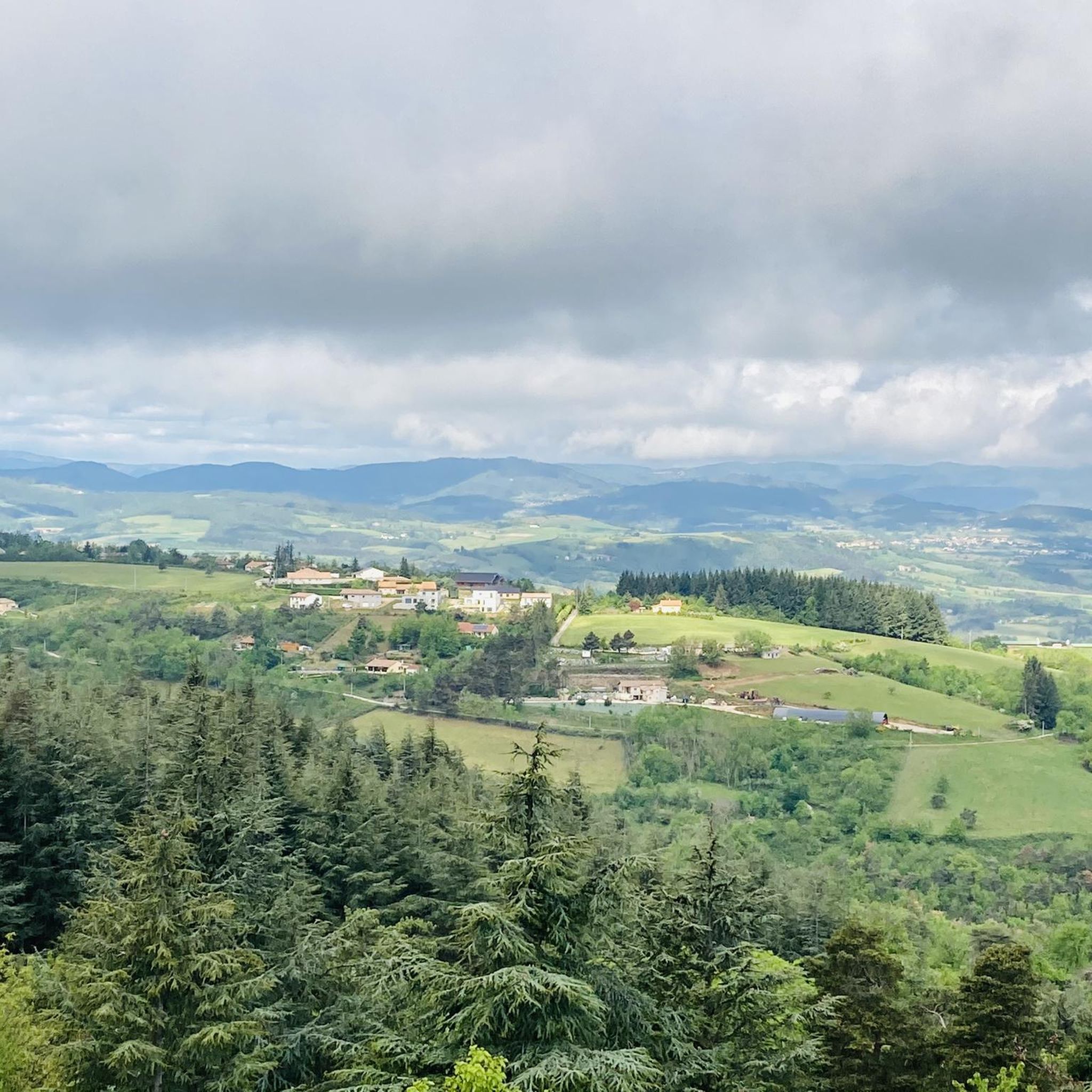
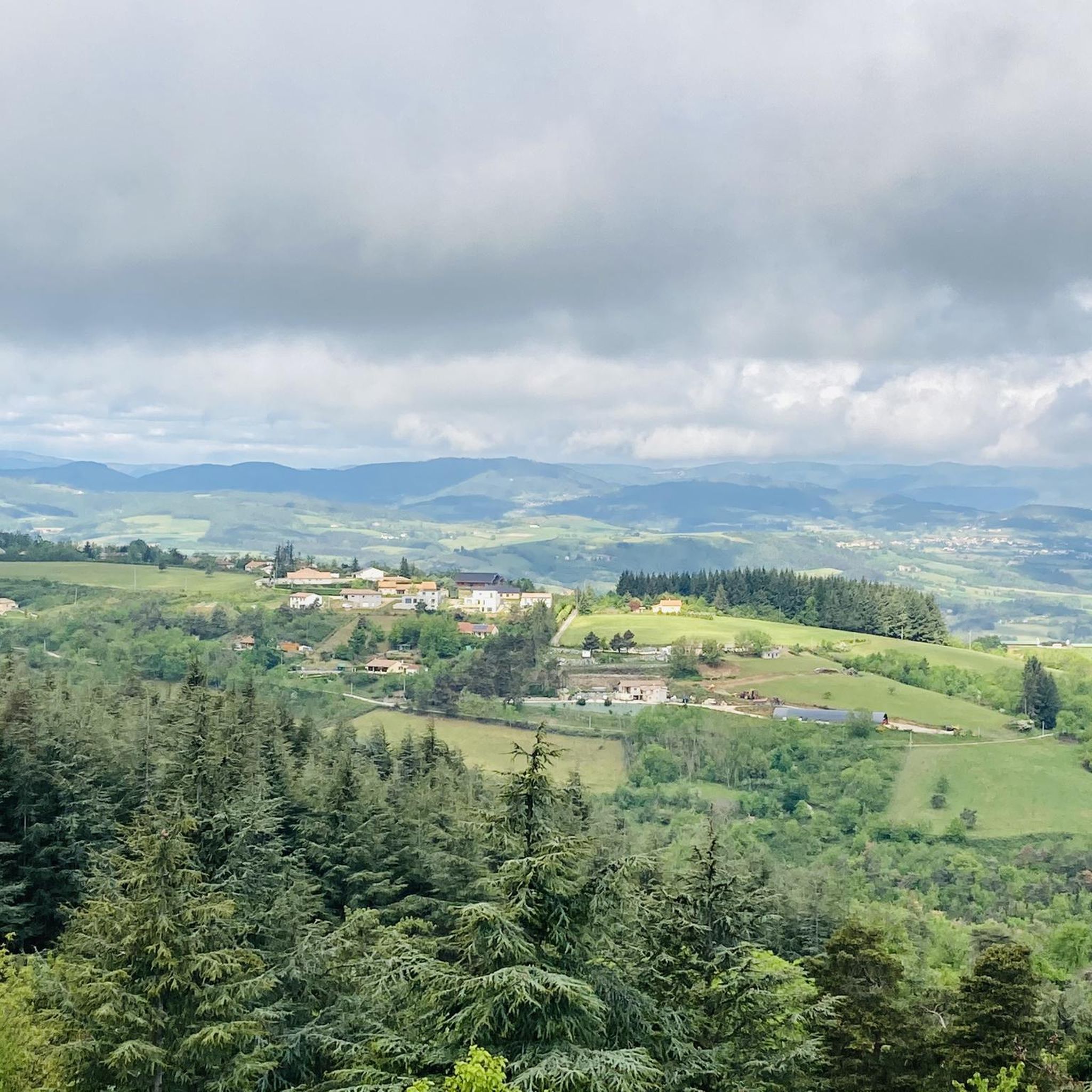
Gravel biking around Saint-Romain-De-Lerps offers varied terrain across the Plateau de Vernoux, situated at an altitude of approximately 650 meters. The landscape features rolling hills, wooded paths, and transitions from the Rhône Valley to the plateaus of Vivarais. This area provides a mix of country roads, unpaved backroads, and scenic rail-to-trail paths, characteristic of the Ardèche region. These popular gravel bike trails Saint-Romain-De-Lerps provide diverse gravel cycling routes Saint-Romain-De-Lerps terrain elevation difficulty.
Best gravel bike trails around Saint-Romain-De-Lerps
- The most…
Last updated: October 20, 2026
4.4
(27)
168
riders
Moderate gravel ride. Good fitness required. Mostly paved surfaces. Suitable for all skill levels.
4.4
(10)
84
riders
56.3km
03:00
120m
120m
Moderate gravel ride. Good fitness required. Mostly paved surfaces. Suitable for all skill levels.

4.5
(21)
118
riders
Easy gravel ride. Great for any fitness level. Mostly paved surfaces. Suitable for all skill levels.
3.0
(1)
16
riders
Hard gravel ride. Very good fitness required. Mostly paved surfaces. Suitable for all skill levels.
4.3
(8)
14
riders
Moderate gravel ride. Good fitness required. Mostly paved surfaces. Suitable for all skill levels.
Get access to more routes and recommendations from other explorers.
Already have an account?
Our route recommendations are based on thousands of hikes, rides, and runs completed by other people on komoot.
Start today with a free account
Your next adventure awaits.
Tips from the Community

Superb footbridge, fluid but I have doubts about the grip when it rains
0
0

The first footbridge built by Marc Seguin between Tournon and Tain in 1825 was revolutionary for its time. It was the world's first iron cable suspension bridge, a true technical feat for the era. This footbridge helped facilitate trade and strengthen ties between the two towns. However, the original footbridge underwent several transformations over time. It was first raised to allow the passage of steamships, then a second footbridge was built by Marc Seguin in 1847, still based on the iron cable suspension principle. The two footbridges coexisted for a time, the first being used for pedestrian traffic and the second for road traffic. As road traffic intensified over time, it became necessary to build a new bridge to facilitate circulation. This is how the Gustave Toursier bridge was built in 1958. Located about 350 meters downstream from the Marc Seguin footbridge, this suspension bridge over 240 meters long comprises three spans. It is designed to support road traffic, thus facilitating exchanges between the two municipalities. The current footbridge, inaugurated in 1972, is therefore the fourth of its name. It was designed to resemble the 1847 footbridge, while meeting current safety standards and needs. https://www.ardeche-hermitage.com/fr/zoom-sur/la-passerelle-marc-seguin-celebre-son-bicentenaire/
1
0

Delicious, but expensive. Opposite is a small, lovely bakery with local baked goods. Yummy!!!!
0
0
A truly beautiful stretch of the route! The stunning scenery and excellent cycle paths make cycling on the ViaRhôna a very special experience! :-)
0
0
According to the signs, the road to Austria goes to the left. ;-)
0
0
Old and new bridge side by side - what a contrast!
0
0

Hello everyone, Please note that the footbridge crossing the Rhône between Tournon and Tain is closed until November 28th due to ongoing construction. You must use the motorway bridge 500m away… it's much less pleasant.
1
0
La Voulte-sur-Rhône captivates visitors with its historic suspension bridge, which drapes over the Rhône River and offers breathtaking views. This charming town boasts winding alleys and historic medieval houses. A visit here perfectly combines nature, history, and French village life.
0
0
Frequently Asked Questions
What kind of terrain can I expect on gravel bike trails around Saint-Romain-De-Lerps?
The area offers a diverse mix of terrain, ideal for gravel biking. You'll find rolling hills, wooded paths, country roads, and unpaved backroads. The landscape transitions from the 'Balcons du Rhône' overlooking the valley to the plateaus of Vivarais, providing varied surfaces from forest paths to gravel tracks.
How many gravel bike routes are available in the Saint-Romain-De-Lerps area?
There are over 60 gravel bike routes around Saint-Romain-De-Lerps, catering to various skill levels. This includes 3 easy routes, 27 moderate routes, and 32 difficult routes, ensuring options for everyone from beginners to experienced riders.
Are there any easy or beginner-friendly gravel bike routes near Saint-Romain-De-Lerps?
Yes, for those seeking an easier ride, consider the The ViaRhôna at Pont-de-l'Isère – Rhône Riverbanks Park loop from Valence-Ville. This moderate 30.4 km route offers a pleasant experience along the ViaRhôna, suitable for a more relaxed pace.
What are some challenging long-distance gravel routes in the region?
For a significant challenge, the La Dolce Via – Voie verte La Dolce Via loop from Tournon - Saint-Jean is a difficult 138.2 km route utilizing the famous Dolce Via rail-to-trail path. Another demanding option is the Passerelle Marc-Seguin – ViaRhôna - Tournon-sur-Rhône loop from Le Village, a difficult 103.2 km journey.
Can I find routes that offer scenic views or viewpoints?
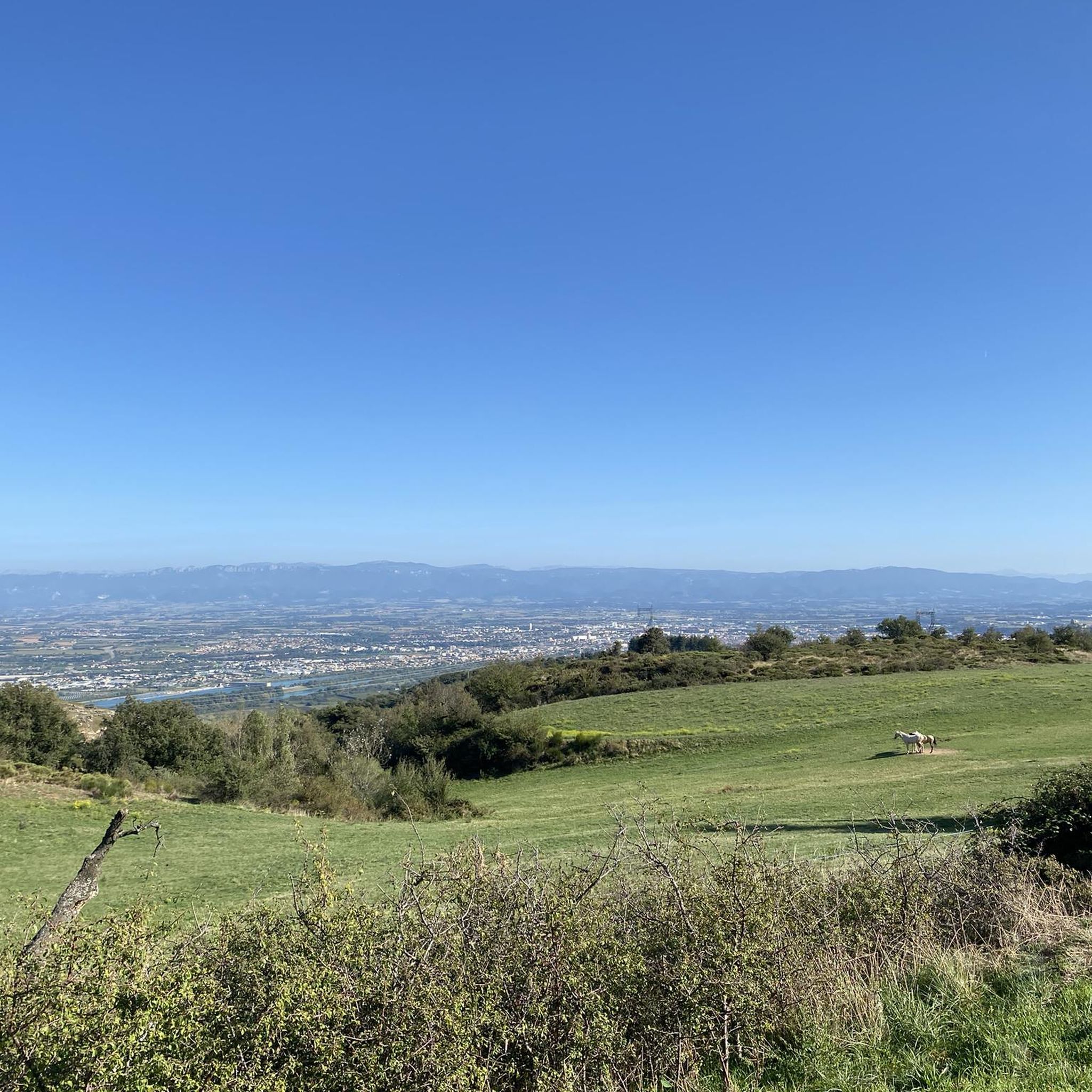
Absolutely. The region is known for its stunning vistas. The Esplanade du Champ de Mars – The Roman Bridge loop from Valence-Ville, a moderate 63.1 km route, leads through the Rhône Valley and offers scenic points. Additionally, the Belvédère du Pic near Saint-Romain-De-Lerps provides an extraordinary 360-degree panorama, visible from many routes, encompassing up to 13 departments including the Vercors Massif and Mont Ventoux.
Are there any interesting landmarks or attractions along the gravel routes?
Yes, the area is rich in historical and natural attractions. You might encounter landmarks such as the impressive Crussol Castle, offering superb views over the Rhône Valley, or the historic Passerelle Marc-Seguin. Many routes also offer views of the Romanesque chapel at the Belvédère du Pic.
What do other gravel bikers enjoy most about Saint-Romain-De-Lerps?
The area is highly rated by the komoot community, with an average score of 4.3 stars from over 50 reviews. Reviewers often praise the varied terrain, from rolling landscapes and wooded paths to the extensive network of country roads and unpaved backroads, as well as the breathtaking panoramic views.
Are there any rail-to-trail paths suitable for gravel biking?
Yes, the region features excellent rail-to-trail paths. The Dolce Via is a prime example, offering extensive routes through varied Ardèche landscapes. The La Dolce Via – Voie verte La Dolce Via loop from Tournon - Saint-Jean specifically utilizes this path for a long-distance gravel experience.
What is the best time of year for gravel biking in Saint-Romain-De-Lerps?
Given the region's climate, spring and autumn generally offer the most pleasant conditions for gravel biking, with milder temperatures and beautiful seasonal scenery. Summer can also be enjoyable, though it's advisable to start earlier in the day to avoid the midday heat. Winter riding is possible but be prepared for colder temperatures and potentially wet or muddy conditions on unpaved sections.
Is Saint-Romain-De-Lerps a good base for exploring other gravel biking areas?
Absolutely. Saint-Romain-De-Lerps' elevated position on the Plateau de Vernoux and its proximity to the Vercors Massif make it an excellent starting point. The Vercors, for instance, is known for its extensive gravel biking routes, mixing paved roads and tracks through natural settings, easily accessible from the village.
Are there any routes that follow riverbanks or offer water views?
Yes, several routes incorporate river scenery. The Rhône Riverbanks Park – The ViaRhôna at Pont-de-l'Isère loop from Valence-Ville follows the ViaRhôna, offering continuous views along the Rhône River. The Duzon river also traverses the commune, providing additional opportunities for waterside riding.
Most popular routes around Saint-Romain-De-Lerps
Most popular attractions around Saint-Romain-De-Lerps

Get inspired with the komoot mobile app


Explore more
Browse the best Gravel rides in other regions.
