The best gravel rides around Lavalette
4.1
(82)
579
riders
58
rides
Gravel biking around Lavalette primarily involves exploring the broader New Jersey region, characterized by diverse inland forests and varied unpaved surfaces. The terrain shifts from coastal environments to sandy trails, crushed gravel paths, and dirt roads through forests and along streams. These areas provide varied conditions, including sections with sand, gravel, and occasional mud.
Best gravel bike trails around Lavalette
- The most popular gravel bike trail is Canal du Midi – Criminal lock loop from Carcassonne, a 41.1 miles…
Last updated: October 19, 2026
4.2
(5)
56
riders
43.8km
02:41
110m
110m
Moderate gravel ride. Good fitness required. Mostly paved surfaces. Suitable for all skill levels.
4.4
(13)
59
riders
39.3km
02:07
150m
150m
Moderate gravel ride. Good fitness required. Mostly paved surfaces. Suitable for all skill levels.

4.7
(6)
57
riders
25.9km
01:31
110m
110m
Easy gravel ride. Great for any fitness level. Mostly paved surfaces. Suitable for all skill levels.
4.5
(35)
195
riders
66.2km
03:48
130m
130m
Moderate gravel ride. Good fitness required. Mostly paved surfaces. Suitable for all skill levels.
10
riders
Moderate gravel ride. Good fitness required. Mostly paved surfaces. Suitable for all skill levels.
Get access to more routes and recommendations from other explorers.
Already have an account?
Our route recommendations are based on thousands of hikes, rides, and runs completed by other people on komoot.
Start today with a free account
Your next adventure awaits.
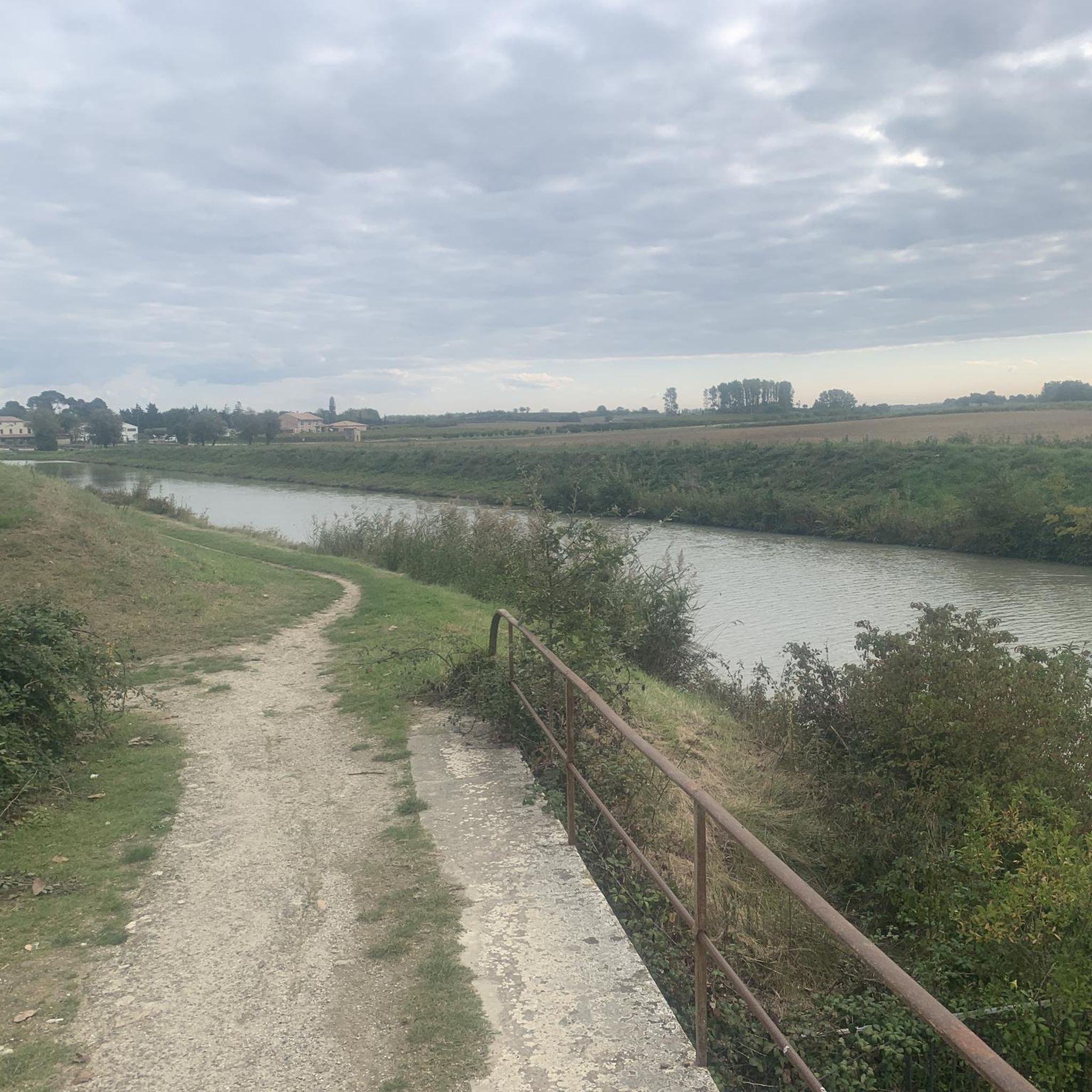
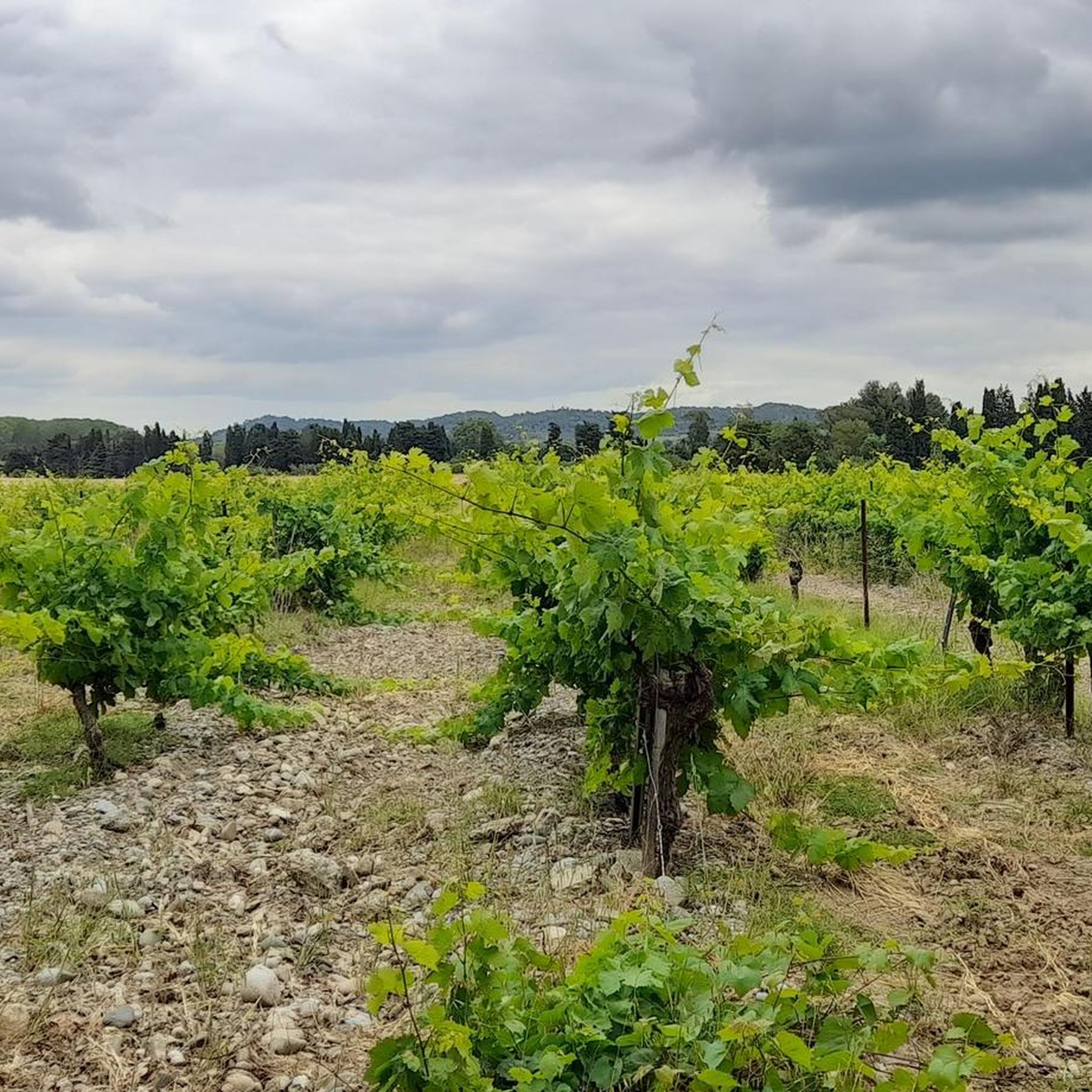
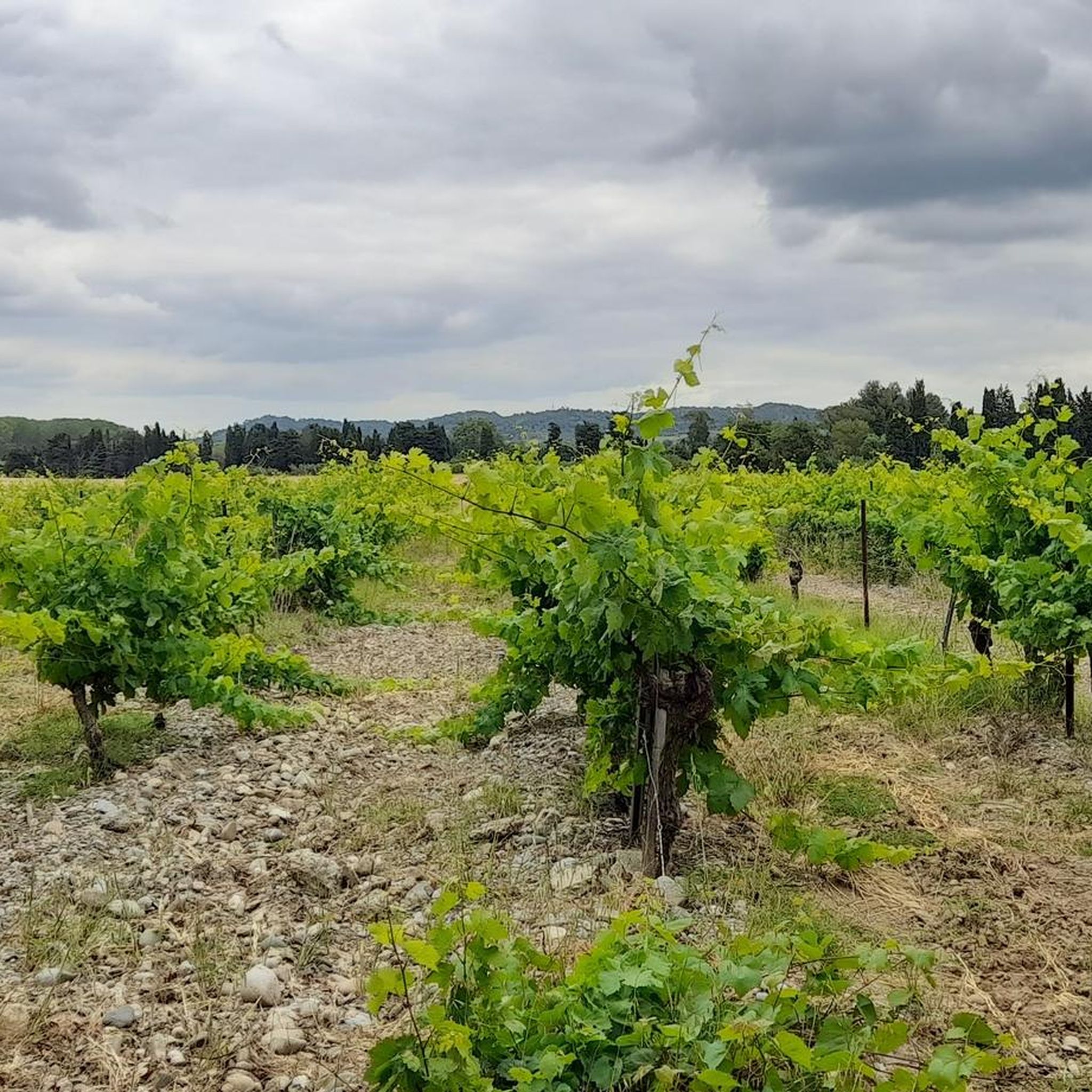
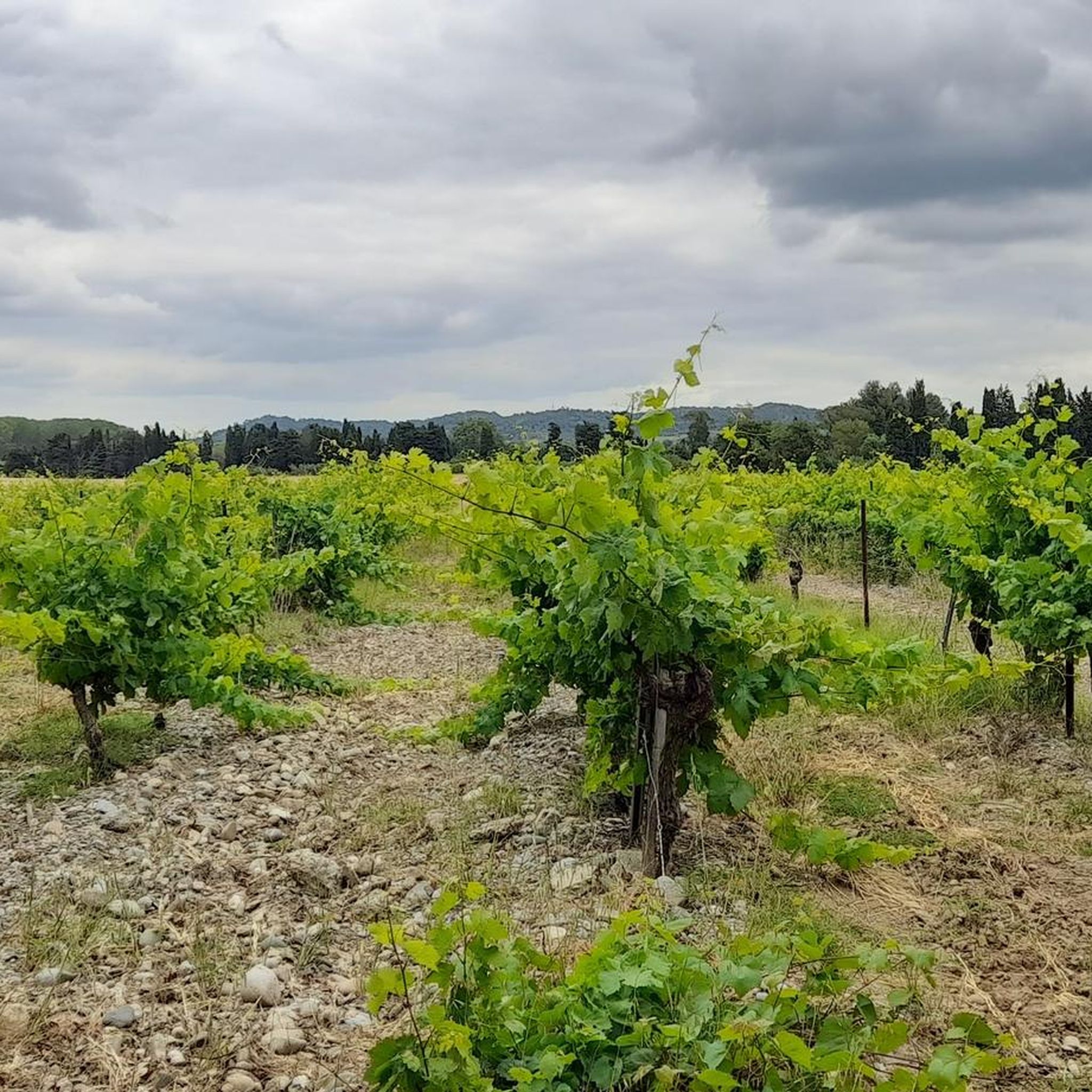
Tips from the Community

The Trèbes locks are a flight of locks composed of three basins. Built around 1674, it is located downstream from the port of Trèbes at the exit of the town in the direction of the village of Marseillette. Taking advantage of the significant drop in the flight of locks, intense milling activity was established on the left bank of the lock. A first upper mill was built at the end of the 17th century. It is crossed by a diversion of the Canal du Midi which ensures its operation; it is described as having four millstones with a stable and a shed. A transformation of this first mill was carried out in 1867 to make it a mill with 6 millstones. This new building, later enlarged in the 1930s, consists of a basement and 4 floors at its highest point. It has today been converted into a restaurant.
0
0
The Trèbes locks are a flight of locks composed of three basins. Built around 1674, it is located downstream from the port of Trèbes at the exit of the town in the direction of the village of Marseillette. Taking advantage of the strong difference in level of the flight, an intense milling activity was established on the left bank of the lock. A first upper mill was built at the end of the 17th century. It is crossed by a diversion of the Canal du Midi which ensures its operation; it is described as having four millstones with a stable and a shed. A transformation of this first mill was carried out in 1867 to make it a flour mill comprising 6 millstones. This new building, later enlarged in the 1930s, consists of a base and 4 floors at its highest point. Today it has been converted into a restaurant.
0
0
Le Canal du Midi, formerly Canal Royal, is a 17th-century technical feat designed by Pierre-Paul Riquet to connect the Atlantic to the Mediterranean. Today, it is above all a place for relaxation and discovery, where heritage, nature, and conviviality blend.
0
0
The Canal du Midi, formerly the Royal Canal, is a 17th-century technical feat designed by Pierre-Paul Riquet to connect the Atlantic to the Mediterranean. Today, it is above all a place for relaxation and discovery, where heritage, nature, and conviviality blend together.
0
0
It is located in the commune of Saint-Martin-Lalande
0
0
This simple oval-shaped lock was built between 1674 and 1678. It is located near the village of Pexiora, and in the vicinity of Villepinte. The Tréboul stream crosses the Canal road at this lock.
0
0
The Canal du Midi, formerly Canal Royal, is a 17th-century technical feat designed by Pierre-Paul Riquet to connect the Atlantic to the Mediterranean. Today, it is above all a place for relaxation and discovery, where heritage, nature, and conviviality meet.
0
0
At the Béteille lock, in Alzonne, you can witness the transfer of boats with a 2.25-meter waterfall, all supervised by the expert eye of the lock keeper.
0
0
Frequently Asked Questions
Where can I find gravel bike trails near Lavalette?
While Lavalette itself is primarily suited for paved cycling along its boardwalk and local roads, dedicated gravel biking opportunities are found in the broader New Jersey region. Key areas include the Pine Barrens (like Brendan T. Byrne State Forest and Wharton State Forest) and other inland state parks, which are a short drive away.
What kind of terrain can I expect on gravel bike trails in the New Jersey region?
The gravel trails in the broader New Jersey area, particularly in the Pine Barrens, offer diverse terrain. You can expect a mix of sand, crushed gravel, and dirt roads. Some sections may include mud holes and ruts, especially after rain, providing varied conditions for gravel biking.
How many gravel bike trails are available in the region around Lavalette?
The komoot community has mapped over 50 gravel bike routes in the broader region accessible from Lavalette. These routes offer a good mix of challenges, with a significant number of moderate and difficult options, alongside some easier trails.
Are there family-friendly gravel biking options near Lavalette?
For families, the REGION RESEARCH suggests looking for trails with a mostly flat profile and well-maintained surfaces. While specific family-friendly gravel routes aren't detailed in the provided data, areas like the Barnegat Branch Trail or sections of the Pine Barrens known for flatter, less technical terrain would be suitable for a more relaxed family ride.
What is the best time of year for gravel biking near Lavalette?
The REGION RESEARCH doesn't specify the best time, but generally, spring and fall offer the most pleasant weather for gravel biking in New Jersey, with cooler temperatures and fewer insects. Summer can be hot and humid, while winter conditions might include snow or frozen ground, impacting trail accessibility and type.
What are some notable natural attractions or landmarks I might encounter on gravel rides?
While the immediate Lavalette area is coastal, venturing inland for gravel rides can lead you through diverse natural landscapes. The Pine Barrens offer unique ecosystems, coastal forests, and natural dunes. Nearby Island Beach State Park, though not exclusively gravel, provides pristine beaches and opportunities for birdwatching, offering a serene escape.
Are there any circular gravel bike routes available?
Yes, many gravel routes in the broader New Jersey region are designed as loops, allowing you to start and end at the same point. The komoot community often creates circular tours to maximize exploration without needing a return trip along the same path.
What do other gravel bikers enjoy most about gravel biking in the New Jersey region?
The area is highly rated by the komoot community, with an average score of 4.2 stars from over 70 reviews. Reviewers often praise the diverse unpaved surfaces, the quiet woodlands, and the varied conditions that make for an engaging gravel biking experience away from the coastal bustle.
Are there any specific permits required for gravel biking in the New Jersey state parks or forests?
The provided REGION RESEARCH does not indicate specific permits required for general gravel biking on public trails within New Jersey state parks or forests. However, it's always advisable to check the official websites of specific parks (like Brendan T. Byrne State Forest or Wharton State Forest) before your visit for any updated regulations or fees.
Can I spot wildlife while gravel biking in the region?
Yes, the natural landscapes of the Pine Barrens and other state parks are home to various wildlife. Birdwatching is particularly popular in areas like Island Beach State Park. Keep an eye out for local fauna as you ride through the forests and along streams.
What should I wear for gravel biking in the Lavalette area?
Given the varied terrain and potential for sand, mud, and changing weather, it's recommended to wear moisture-wicking layers, padded shorts, and sturdy cycling shoes. Eye protection and gloves are also advisable. Always check the weather forecast before heading out.
Are there options for advanced gravel bikers looking for a challenge?
Absolutely. The region offers a significant number of challenging routes, with 24 out of 57 listed tours rated as 'difficult' by the komoot community. These trails often feature longer distances, more significant elevation changes, and more technical sections with varied surfaces like deep sand or ruts, providing a robust test for experienced riders.
Most popular attractions around Lavalette

Get inspired with the komoot mobile app


Explore more
Browse the best Gravel rides in other regions.
