The best gravel rides around Loupian
4.4
(30)
312
riders
38
rides
Gravel biking around Loupian offers diverse landscapes near the Étang de Thau lagoon and the Canal du Midi. The region features a mix of flat, scenic canal paths and routes that ascend into low-lying hills. Riders encounter nature reserves, coastal views, and agricultural areas, providing varied terrain for exploration.
Best gravel bike trails around Loupian
- The most popular gravel bike trail is Voie Verte Canal du Midi – Bagnas Nature Reserve loop from Mèze, a 41.2 miles (66.3 km) trail…
Last updated: October 19, 2026
9
riders
26.5km
02:00
320m
330m
Moderate gravel ride. Good fitness required. Mostly paved surfaces. Suitable for all skill levels.
4.0
(2)
23
riders
51.7km
03:11
380m
380m
Moderate gravel ride. Good fitness required. Mostly paved surfaces. Suitable for all skill levels.

5
riders
119km
08:37
1,300m
1,300m
Hard gravel ride. Very good fitness required. Mostly paved surfaces. Suitable for all skill levels.
14
riders
39.8km
02:36
340m
340m
Moderate gravel ride. Good fitness required. Mostly paved surfaces. Suitable for all skill levels.
4.0
(1)
11
riders
55.7km
03:37
580m
580m
Hard gravel ride. Very good fitness required. Mostly paved surfaces. Suitable for all skill levels.
Get access to more routes and recommendations from other explorers.
Already have an account?
Our route recommendations are based on thousands of hikes, rides, and runs completed by other people on komoot.
Start today with a free account
Your next adventure awaits.
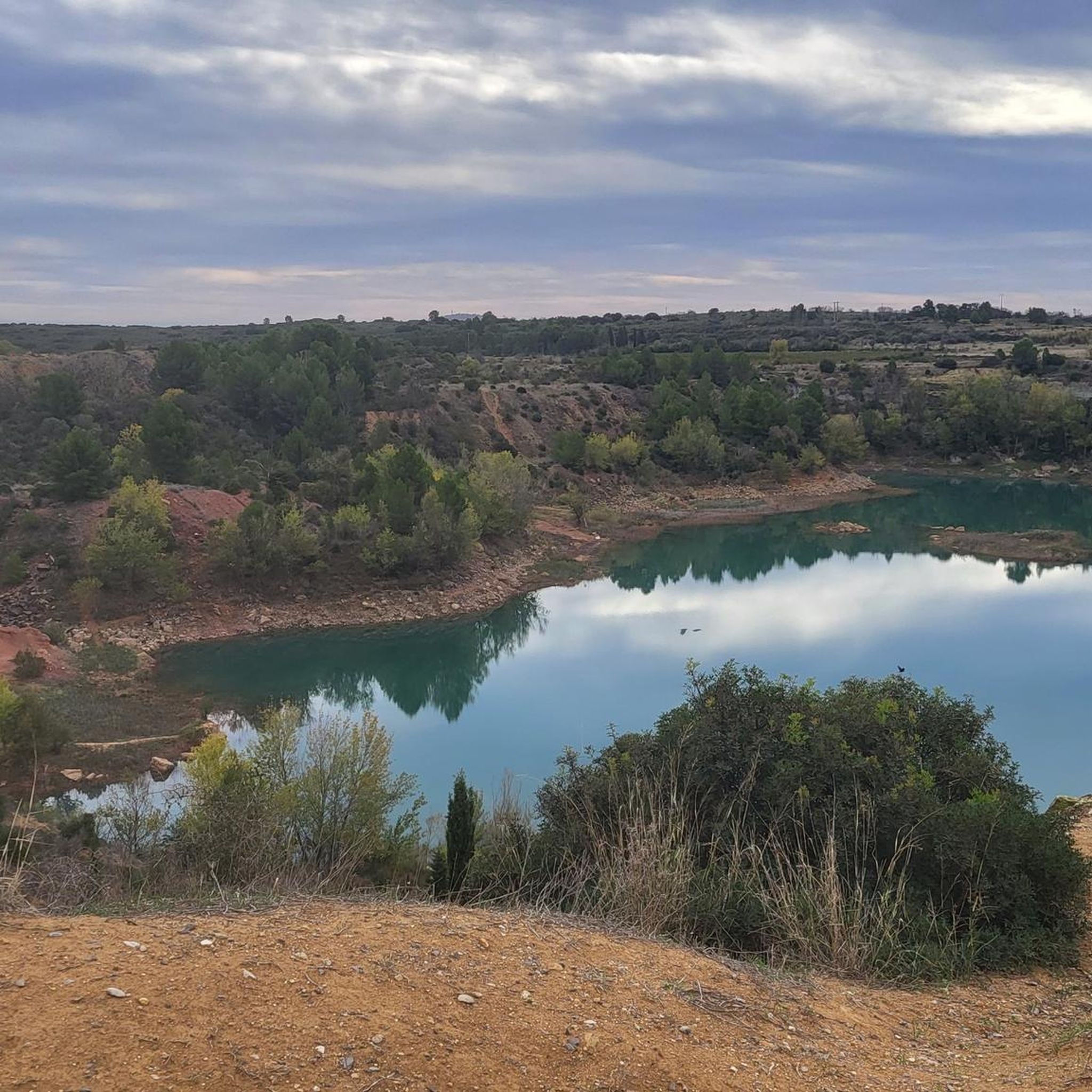
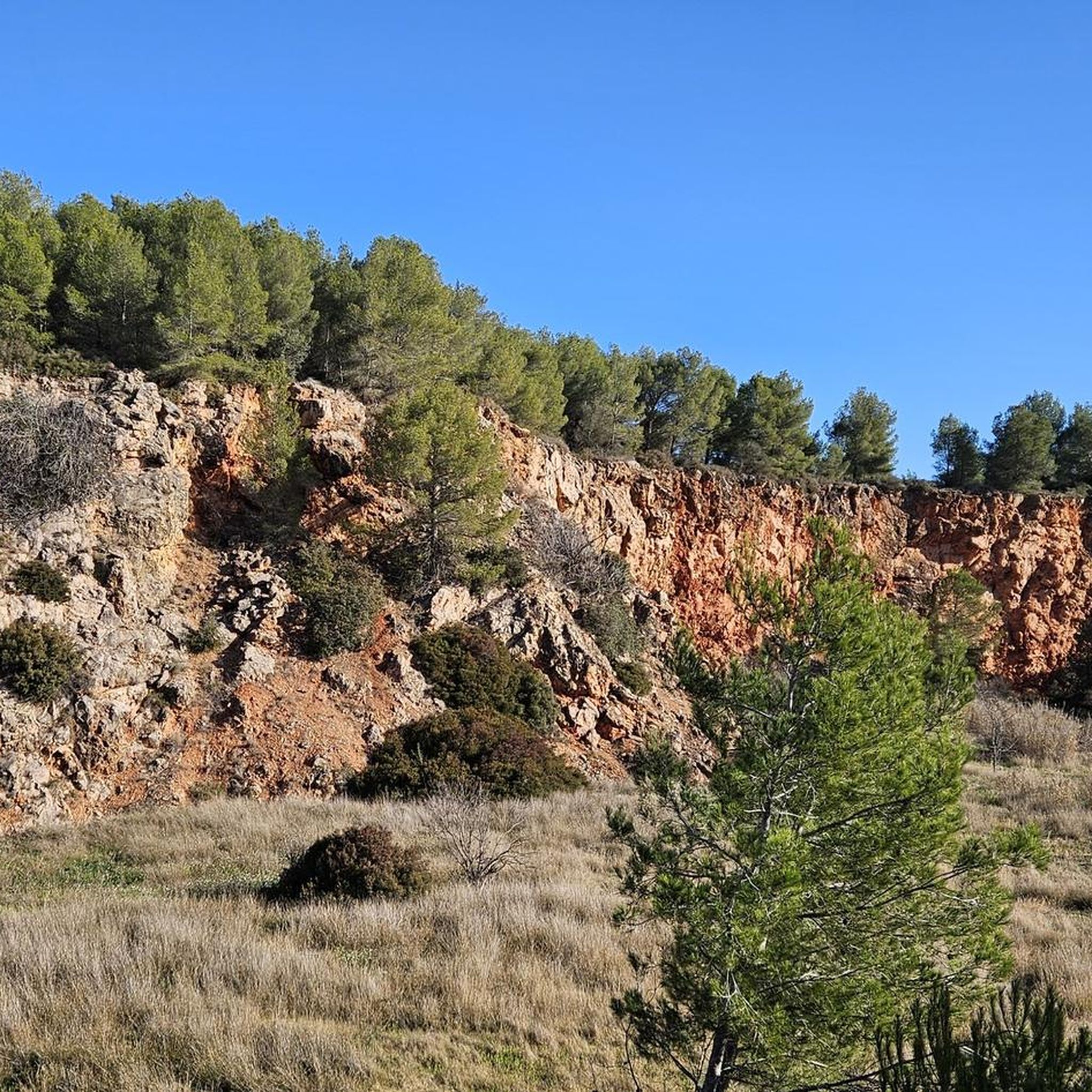
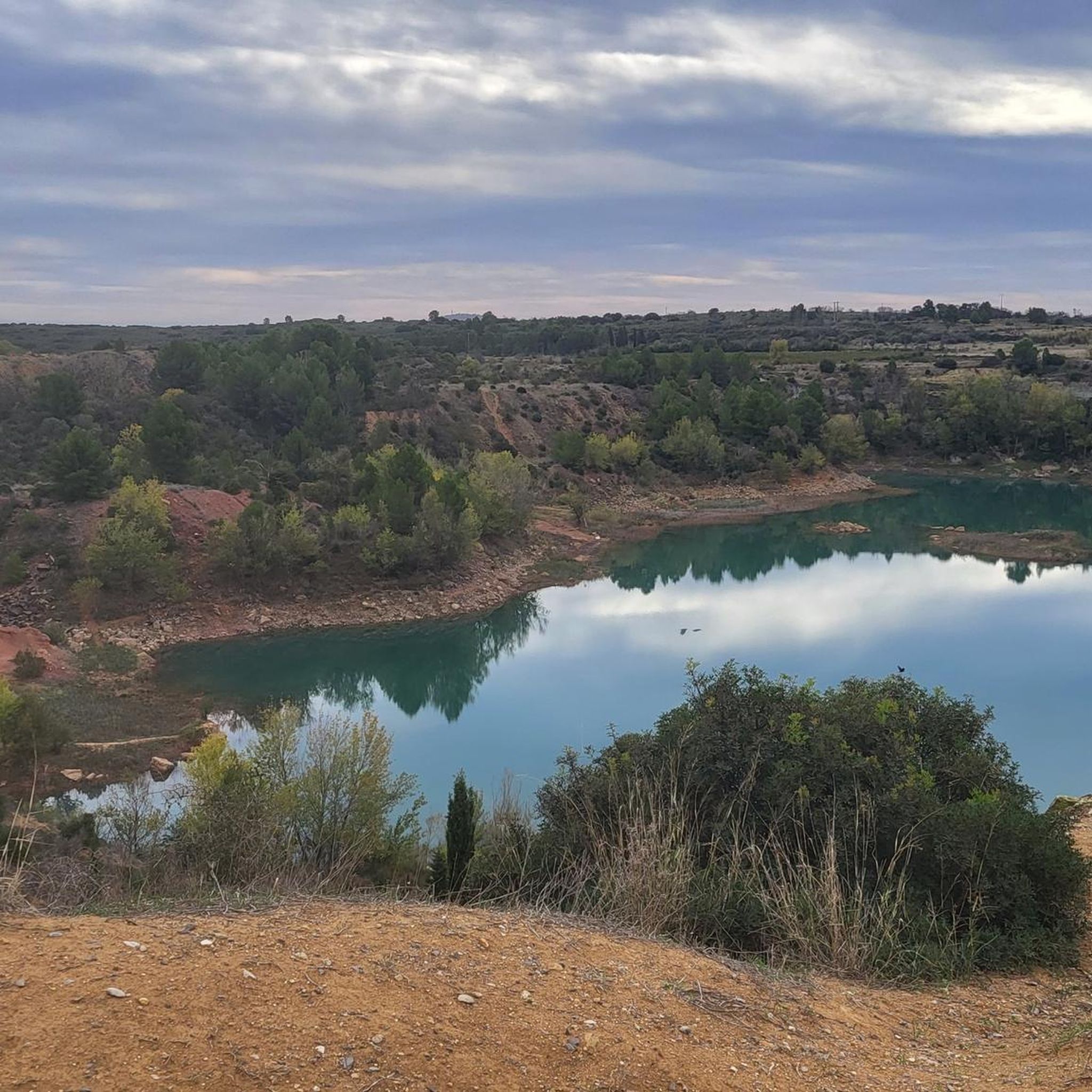
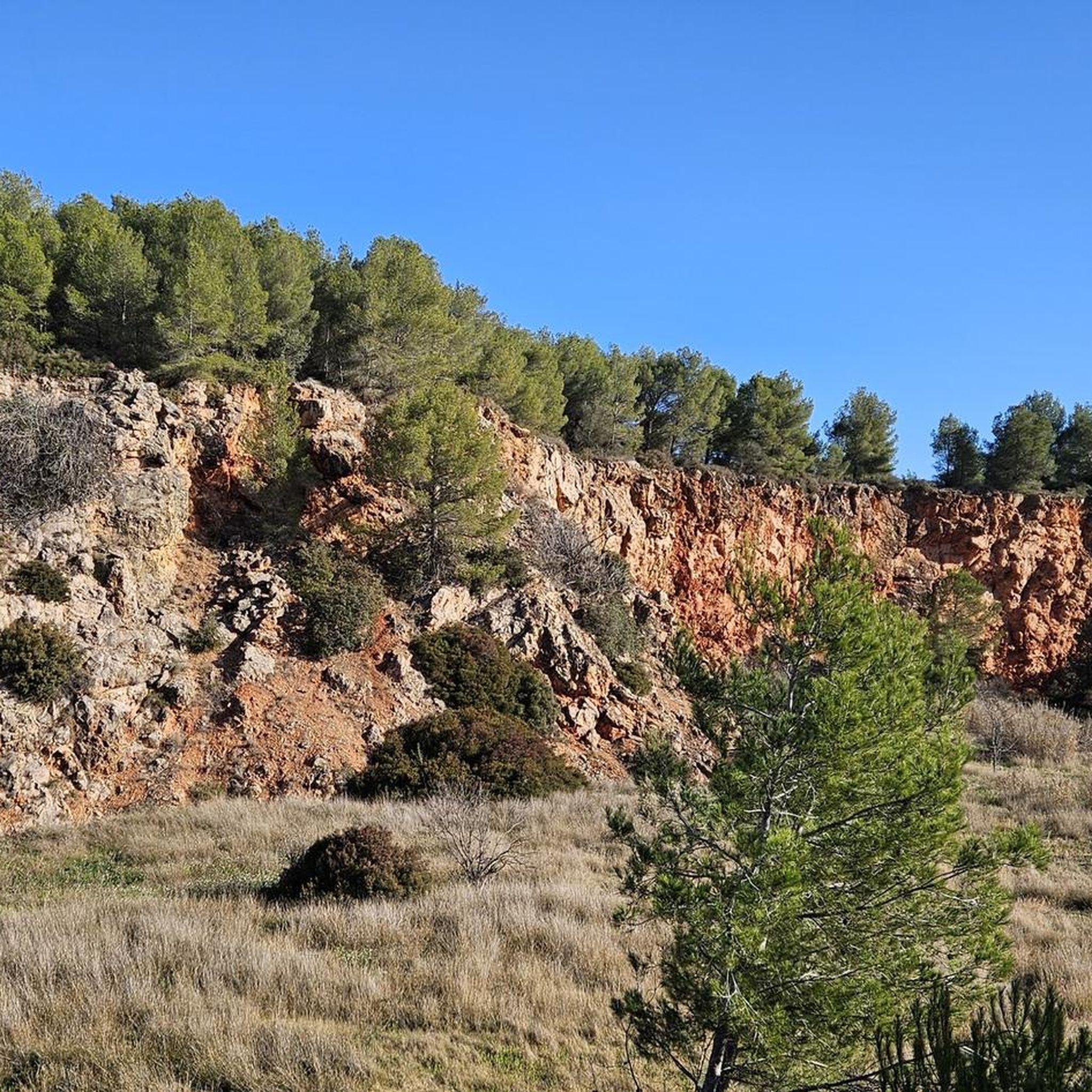
Tips from the Community

The view plunges over the Thau lagoon and its immense checkerboard of shellfish farms. These regular alignments are the breeding facilities where the oysters and mussels of the lagoon are produced. Bouzigues holds a special place in this history: in 1925, Antoine Louis Tudesq and other Bouzigues oyster farmers developed the "Pyramid" technique, which contributed to the development of shellfish farming in the lagoon. Thus, the panorama allows us to read the landscape differently: behind this vast expanse of water lies a real production area, shaped for over a century by the work of the "sea farmers".
0
0
From La Catonnière, the view plunges over the étang de Thau and its immense checkerboard of shellfish tables. These regular alignments are the breeding facilities where the lagoon's oysters and mussels are produced. Bouzigues holds a special place in this history: in 1925, Antoine Louis Tudesq and other Bouzigues oyster farmers developed the "Pyramid" technique, which contributed to the development of shellfish farming in the étang. The panorama thus allows us to read the landscape differently: behind this vast expanse of water lies a true production space, shaped for over a century by the work of the "sea peasants".
0
0
From this path, the view descends towards Vic-la-Gardiole and its pond.
0
0
The greenway runs here on a narrow strip of land between the Étang de la Moulière and the Crique de l’Angle. To the south, the view opens up beyond the Crique de l’Angle over the Étang de Thau, then over Sète, dominated by the silhouette of Mont Saint-Clair (183 m).
0
0
This sector offers a climb on a limestone ground characteristic of the massif. The view opens up magnificently over the Thau lagoon and its shellfish farming tables. On a clear day, you can also enjoy a panorama of the Combe de Saint-Félix and the ruins of the ancient Benedictine abbey of Saint-Félix-de-Montceau.
0
0
From Frontignan to Palavas-les-Flots, the route follows the Canal du Rhône à Sète through one of the large lagoon complexes on the Languedoc coast. After the Étang d'Ingril and the Aresquiers, the canal successively crosses or runs alongside the Étangs de Vic and de Pierre-Blanche, then passes between those of l'Arnel and du Prévost before reaching Palavas. The canal itself is a major historical element of this landscape. Its construction began in 1701 under the name Canal des Étangs, in order to ensure continuity between the Royal Canal of Languedoc – today the Canal du Midi – and the Rhône. The route, completed in 1829, passes through Frontignan, Maguelone and Palavas before joining Aigues-Mortes and then Beaucaire. In Frontignan, its opening in the 18th century profoundly modified the landscape: the canal notably separated the former Étang de Frontignan into two complexes, giving rise to the Étang d'Ingril and that of La Peyrade.
2
0
This wooden footbridge or "Passerelle d'Ingril" allows you to cross part of the wetlands bordering the Étang d’Ingril. The trail rises slightly above the marshy ground, offering direct contact with the different coastal environments of Les Aresquiers: lagoon, marsh, sansouïre, and pine forest. This landscape is closely linked to the history of the old salt pans of Frontignan, exploited for three centuries until 1968.
2
0
This wooden footbridge or "Passerelle d'Ingril" allows you to cross a part of the wetlands bordering the Étang d'Ingril. The path rises slightly above the marshy ground, offering direct contact with the different coastal environments of Aresquiers: lagoon, marsh, sansouïre, and pine forest. This landscape is closely linked to the history of the old salt pans of Frontignan, exploited for three centuries until 1968.
2
0
Frequently Asked Questions
What kind of terrain can I expect on gravel bike trails around Loupian?
The region offers a diverse mix of terrain. You'll find flat, scenic paths along the historic Canal du Midi and the Étang de Thau lagoon, as well as routes that ascend into low-lying hills. Expect to ride through nature reserves, coastal areas, and agricultural lands, providing varied surfaces for gravel biking.
Are there any easy gravel bike trails suitable for beginners or families?
Yes, Loupian has several easier options. While many routes offer a challenge, you can find gentler paths, particularly along the Canal du Midi. For a moderate ride that's not too long, consider the Montbazin Church – On the heights of Poussan 😍 loop from Poussan, which is about 16.5 miles (26.5 km) and takes around 2 hours.
Where can I find challenging gravel bike routes in the Loupian area?
For a more demanding experience, the region offers several difficult routes. The The Fairy Stretcher – La Font du Loup loop from Sète is a significant challenge, covering nearly 73 miles (117 km) with substantial elevation gain. This route will test your endurance and climbing skills.
Are there any circular gravel bike routes around Loupian?
Many of the gravel bike routes in the Loupian area are designed as loops, allowing you to start and finish at the same point. For example, the View of the Étang de Thau – Bagnas Nature Reserve loop from Mèze offers a scenic circular ride of about 28.7 miles (46.3 km).
What are some notable viewpoints or attractions along the gravel bike trails?
The trails often provide stunning views of the Étang de Thau lagoon and the Mediterranean coast. You can find excellent vistas like the Vue du Mont Saint-Clair sur l'étang de Thau. Many routes also pass through the Bagnas Nature Reserve, offering opportunities for wildlife spotting.
What do other gravel bikers say about the trails in Loupian?
The gravel biking routes around Loupian are highly regarded by the komoot community, holding an average score of 4.4 stars from nearly 100 reviews. Riders frequently praise the diverse landscapes, from tranquil canal paths to scenic coastal views and the unique experience of riding through oyster farming areas.
When is the best time of year to go gravel biking in Loupian?
The Mediterranean climate of Loupian makes it suitable for gravel biking for much of the year. Spring and autumn generally offer the most pleasant temperatures, avoiding the intense heat of summer and the cooler, potentially wetter days of winter. These seasons also showcase the region's natural beauty with blooming flora or vibrant autumn colors.
Are there any long-distance gravel bike routes available?
Yes, for those seeking longer rides, Loupian offers several extensive routes. The View of Sète – The land of oyster beds loop from Sète is a challenging 52.0 miles (83.7 km) path that explores the coastal areas and oyster beds, providing a full day's adventure.
Can I find places to eat or drink along the gravel bike routes?
Given the region's popularity and proximity to towns like Mèze and Sète, many routes will pass through or near villages and coastal towns where you can find cafes, restaurants, and shops. The areas known for oyster farming, such as Bouzigues, are particularly good for stopping for refreshments and local delicacies.
How many gravel bike trails are there in the Loupian area?
There are over 50 gravel bike routes available around Loupian on komoot, catering to various skill levels. This includes a good mix of easy, moderate, and difficult trails, ensuring there's something for every gravel biker.
Are there any specific natural highlights or reserves to explore?
Absolutely. Many routes incorporate the Bagnas Nature Reserve, a significant wetland area known for its birdlife and unique ecosystem. You'll also frequently encounter the vast Étang de Thau lagoon, which is a natural highlight in itself, with its oyster farms and diverse aquatic life.
Most popular attractions around Loupian

Get inspired with the komoot mobile app


Explore more
Browse the best Gravel rides in other regions.
