The best gravel rides around Portiragnes
4.2
(145)
937
riders
65
rides
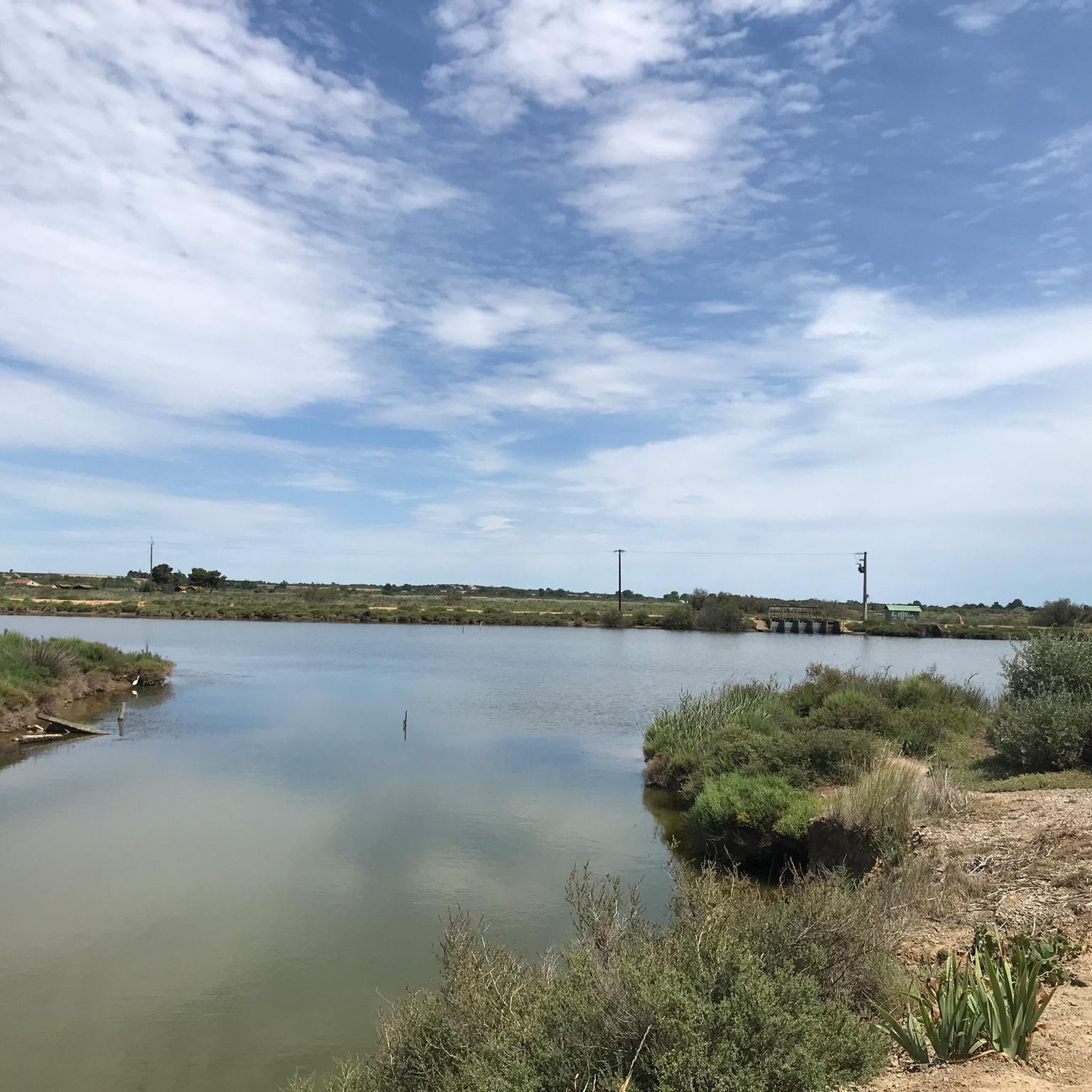
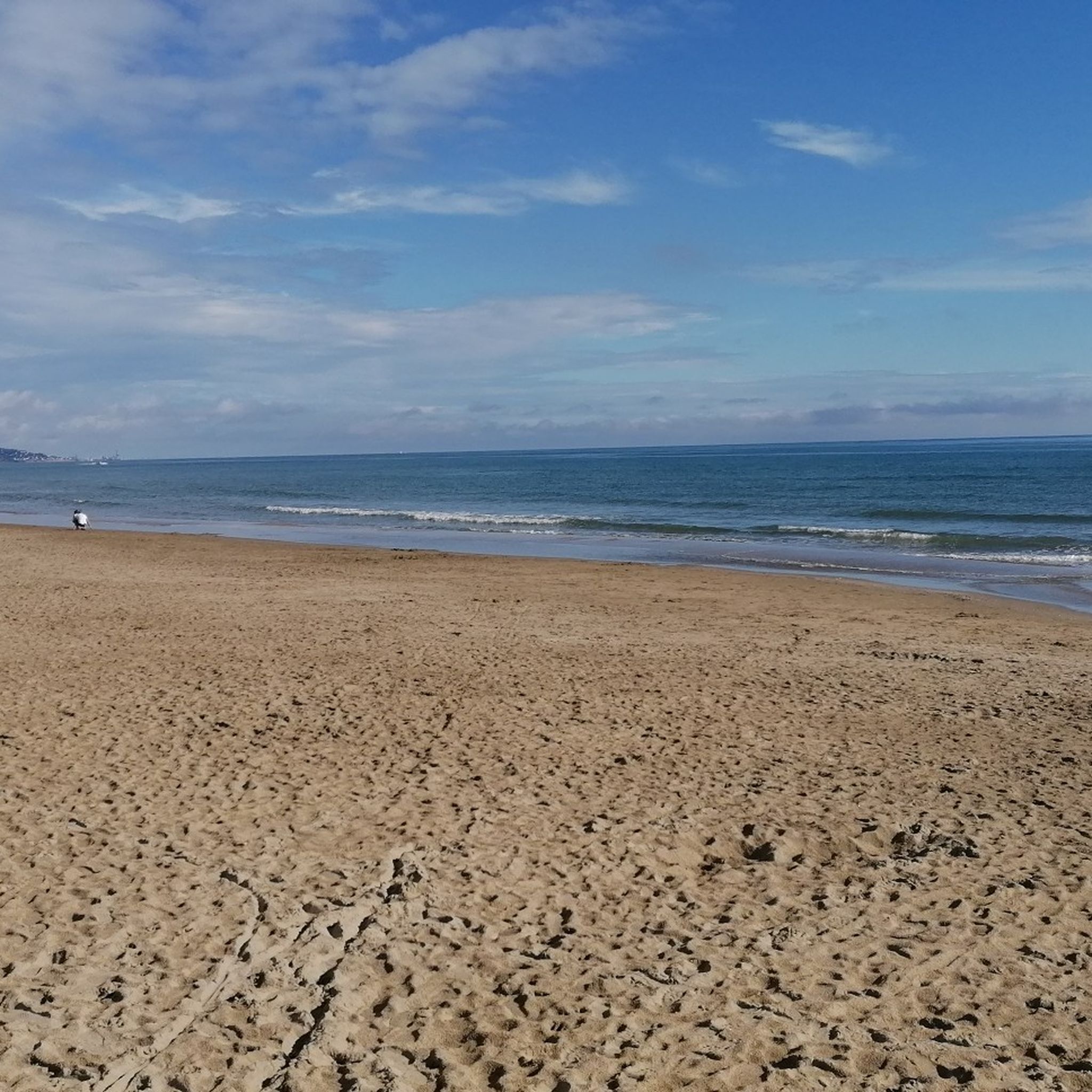
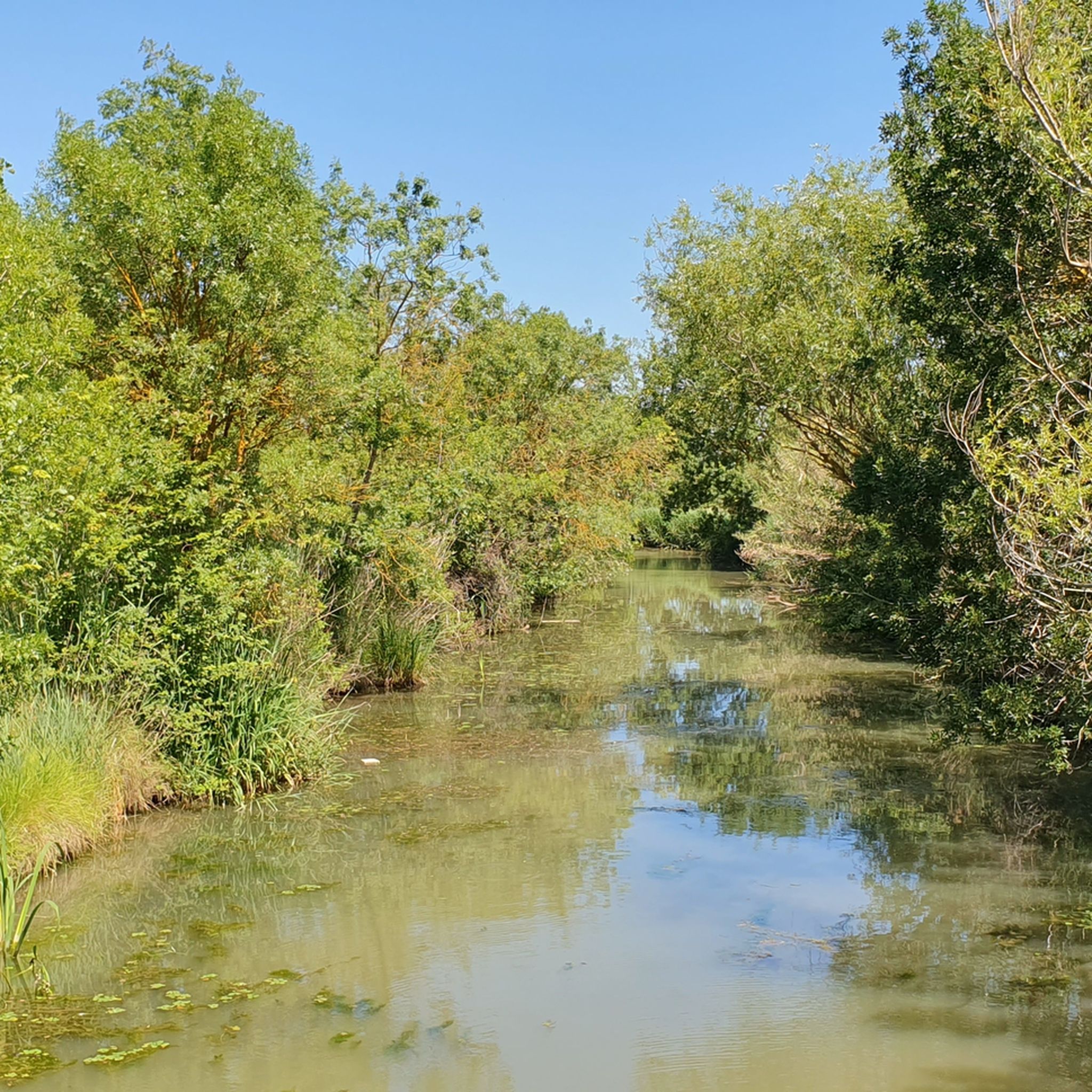
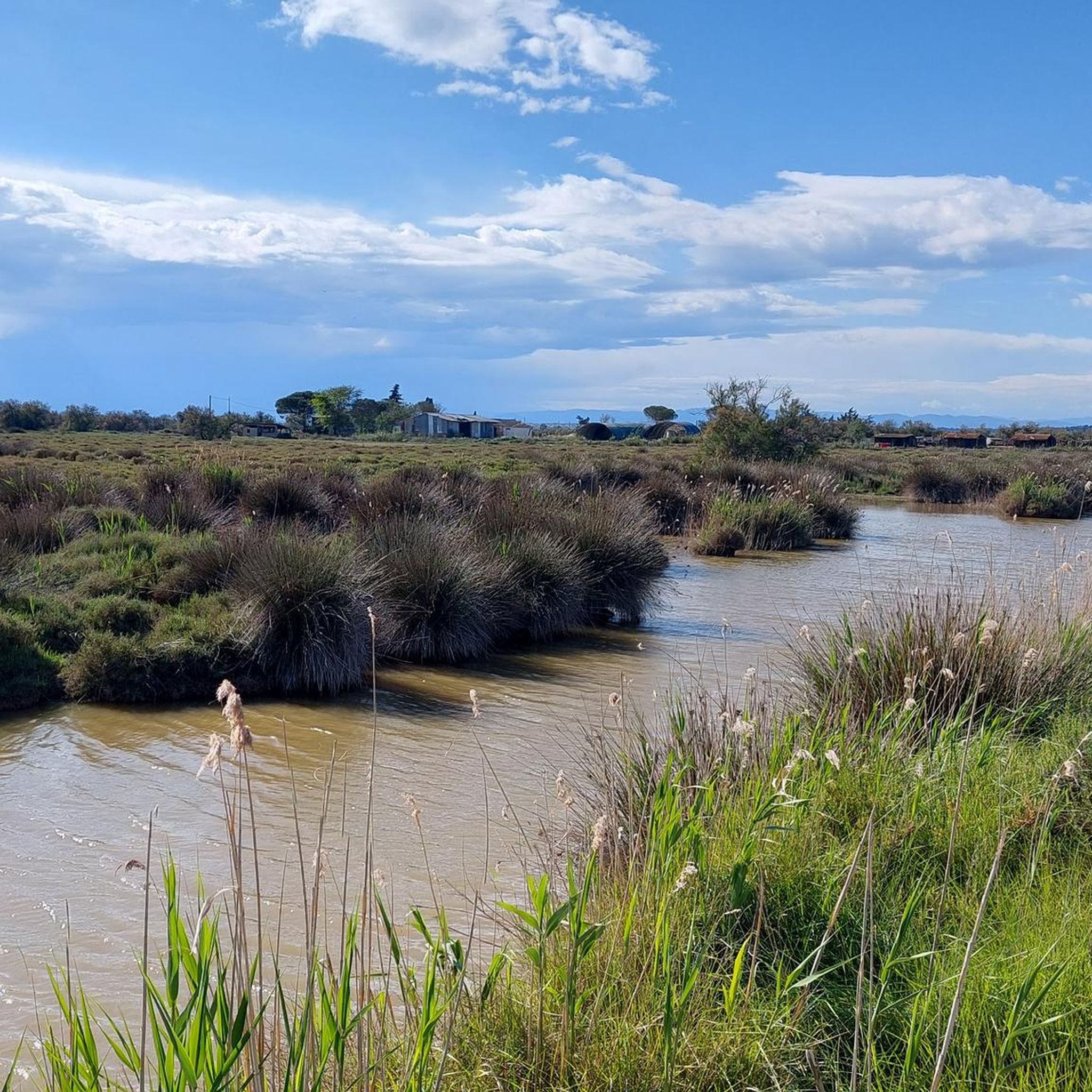
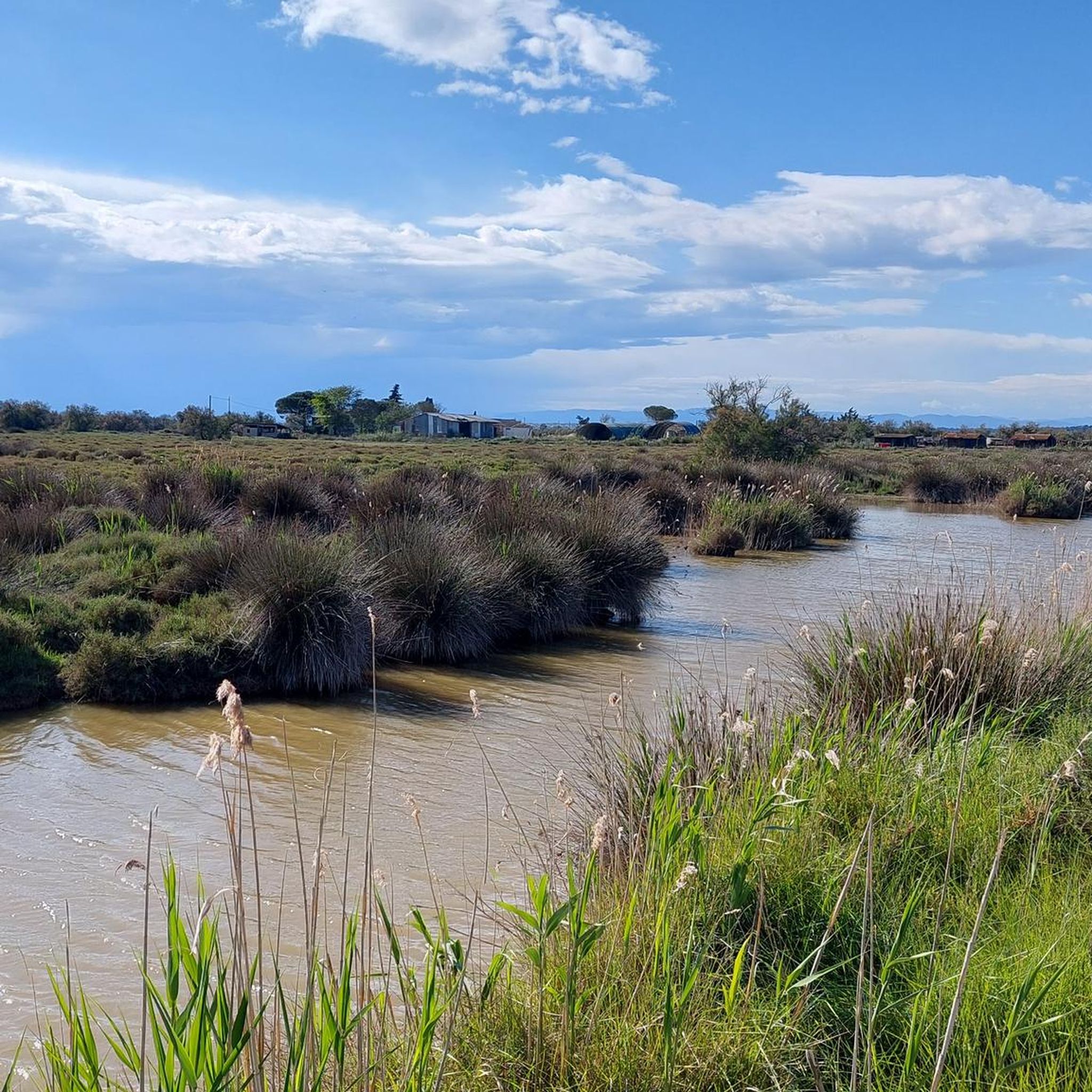
Gravel biking around Portiragnes offers diverse terrain along the Mediterranean coast of France. The region is characterized by its extensive wetlands, including the Natura 2000 site Grande Maïre and the Portiragnes Ponds, alongside the historic Canal du Midi. Riders can explore fine sandy beaches, agricultural landscapes, and paths along the canal. This area combines natural preservation with accessible routes for gravel cyclists.
Best gravel bike trails around Portiragnes
- The most popular gravel bike trail is Voie Verte Canal du Midi…
Last updated: July 16, 2026
4.2
(5)
41
riders
Moderate gravel ride. Good fitness required. Mostly paved surfaces. Suitable for all skill levels.
3.6
(11)
34
riders
34.2km
01:55
30m
30m
Easy gravel ride. Great for any fitness level. Mostly paved surfaces. Suitable for all skill levels.

Sign up for free
4.7
(3)
23
riders
60.3km
03:37
170m
170m
Moderate gravel ride. Good fitness required. Mostly paved surfaces. Suitable for all skill levels.
4.0
(3)
26
riders
37.4km
02:12
150m
150m
Moderate gravel ride. Good fitness required. Mostly paved surfaces. Suitable for all skill levels.
4.0
(1)
8
riders
45.6km
02:46
290m
290m
Hard gravel ride. Good fitness required. You may need to push your bike for some segments of this route.
Get access to more routes and recommendations from other explorers.
Sign up for free
Already have an account?
Our route recommendations are based on thousands of hikes, rides, and runs completed by other people on komoot.
Start today with a free account
Your next adventure awaits.
Login or Signup
Tips from the Community

It is difficult to imagine that between Agde and Marseillan lies one of the largest protected wetland areas on the coast. The Bagnas nature reserve, the former delta of the Hérault, long exploited for salt and then for viticulture, is today a space entirely dedicated to fauna and flora. Between lagoons, salt marshes and reed beds, this changing landscape hosts hundreds of migratory bird species each year.
0
0
It is difficult to imagine that waterways cross here like at a crossroads. Built in 1676 by engineer Pierre-Paul Riquet, the round lock of Agde is unique on the Canal du Midi: its circular shape and its three gates allow boats to choose between three different directions. Depending on their course, they head back towards Béziers, towards Agde, or towards the Étang de Thau. An ingenious river junction at the entrance to the town.
0
0
It is nicknamed the "Bridge of Three Eyes". Three openings designed within the logic of the Canal du Midi: navigation, water drainage, and continuity of local circulation. A work from Pierre-Paul Riquet's project, to be discovered in the landscape between Vias and Agde.
0
0

Sublime little fishing port! Intimate, little known, you will be in the heart of nature. Let yourself be invaded by the atmosphere of the place between the Mediterranean Sea, the Aude river and the Vendres wetland classified Natura 2000.
0
0
The single lock of Portiragnes opens onto the Agde reach downstream. It is a typical area of the landscapes of the Languedoc coastal strip. Indeed, from this lock, the surface of the canal is at an altitude of only 1 meter above sea level. It runs alongside wetlands of former salt ponds (la grande Maïre), where we find rich fauna and flora (bulls, horses, waders, amphibians, reeds...) and some pine groves. These places are conducive to the establishment of numerous campsites.
0
0
The Cassafières port, established in the 1980s in a basin right next to the campsites, allows you to rent a boat to navigate the canal and visit the Languedoc coastal plain.
0
0
The round lock of Agde is the most original on the canal. Built in 1675-1676. It was put into operation in 1678 when the canal from Béziers to the Étang de Thau was opened to navigation. A particular situation, an original response: it was decided to build a round lock with three gates. The first opens towards the city of Sète and the Étang de Thau via a short passage on the Hérault; the second opens onto the canal coming from Béziers; the third opens onto the small canal which allows small boats to reach the city of Agde and its maritime port and then Grau d'Agde. The round lock was commissioned in 1678 when navigation opened between the Étang de Thau and Béziers. It originally measured 30 meters in diameter with a depth of 5.20 meters in the center. Thanks to this round lock and the low canal, small maritime boats can come onto the canal!
1
0
It is the « Pont Saint-Joseph », but for a long time everyone has called it « The Three Eyes Bridge ». It sounds more poetic. The Three Eyes Bridge is a very pleasant structure: a main arch to let boats pass, and two smaller ones, one of which lets water through, and the other the towpath. It must not have been easy in the time of bargemen (towing by horses) because it was necessary to detach, then reattach when the obstacle had been passed. Here it is obvious, but it is the case for almost all the bridges on the Canal du Midi. It must be said that most of the time, the boat continued on its momentum and was reattached on the other side. Another peculiarity of this place is that there are two spillways on either side of the bridge.
0
0
Frequently Asked Questions
What kind of terrain can I expect on gravel bike trails around Portiragnes?
Portiragnes offers a diverse range of terrain for gravel biking. You'll find coastal paths, extensive wetland trails, and routes winding through vineyards. A significant portion of the trails follows the historic Canal du Midi, featuring both paved and gravel sections. The region's commitment to natural preservation means many routes pass through protected areas like the Grande Maïre wetlands, offering a mix of natural surfaces.
How many gravel bike trails are available in Portiragnes?
There are nearly 100 gravel bike trails around Portiragnes documented on komoot. These routes cater to various skill levels, with 34 easy, 53 moderate, and 11 difficult options, ensuring there's a suitable ride for everyone.
Are there easy gravel bike trails suitable for beginners or families in Portiragnes?
Yes, Portiragnes has plenty of easy gravel bike trails perfect for beginners and families. For instance, the Portiragnes Ponds – Nature Trail by the Wetlands loop from Portiragnes is an easy 7.0-mile (11.2 km) route through the wetlands, often completed in about 45 minutes. Another accessible option is the Portiragnes Ponds – Nature Trail by the Wetlands loop from Portiragnes Plage, which is 21.1 km and also rated easy.
What natural features or landmarks can I see while gravel biking in Portiragnes?
While gravel biking in Portiragnes, you can explore significant natural features and landmarks. The Canal du Midi, a UNESCO World Heritage site, offers extensive cycling opportunities. You'll also encounter the Portiragnes Ponds and the Grande Maïre wetlands, which are vital habitats for local fauna like pink flamingos. Scenic views of the Vendres Lagoon are also accessible from certain routes.
What is the best time of year for gravel biking in Portiragnes?
Portiragnes benefits from a pleasant Mediterranean climate, making it suitable for gravel biking for much of the year. Spring and autumn generally offer the most comfortable temperatures for riding. Summer can be hot, but coastal breezes and early morning rides can still be enjoyable. Winter is typically mild, allowing for year-round exploration.
Are there any circular gravel bike routes in Portiragnes?
Yes, many gravel bike routes in Portiragnes are designed as loops, allowing you to start and end in the same location. Examples include the Voie Verte Canal du Midi – Bagnas Nature Reserve loop from Cordon dunaire and the Voie Verte Canal du Midi – Bagnas Nature Reserve loop from Portiragnes, both offering extensive circular tours along the canal and through nature reserves.
Can I bring my dog on gravel bike trails in Portiragnes?
While many natural areas in Portiragnes are accessible, specific regulations for dogs, especially in protected zones like the Grande Maïre Natura 2000 area, may apply. It's generally advisable to keep dogs on a leash to protect local wildlife and ensure a pleasant experience for all trail users. Always check local signage for specific rules in nature reserves.
What do other gravel bikers enjoy most about gravel biking in Portiragnes?
The gravel biking experience in Portiragnes is highly rated by the komoot community, with an average score of 4.2 stars from over 100 reviews. Riders frequently praise the diverse terrain, from coastal paths to wetland trails and vineyard routes, and the scenic beauty of the Canal du Midi and nature reserves. The accessibility of routes for various skill levels is also a common highlight.
Are there cafes or places to eat along the gravel bike routes, especially near the Canal du Midi?
The Canal du Midi is a popular route, and you can often find cafes, restaurants, and small shops in the villages and towns it passes through, including Portiragnes itself. These establishments provide convenient stops for refreshments and meals during your ride. It's a good idea to check opening hours, especially outside of peak season.
Is parking available near the gravel bike trails in Portiragnes?
Yes, parking is generally available in and around Portiragnes, particularly in the town center and near popular access points to the Canal du Midi or coastal areas. Many routes, like the Portiragnes Ponds – Canal du Midi at Cers loop from Les Jardins de Portiragnes, start from locations with parking facilities, making it convenient to begin your ride.
Do I need permits to cycle in nature reserves like Grande Maïre in Portiragnes?
While cycling is generally permitted on designated paths within nature reserves like Grande Maïre, which is a Natura 2000 area, it's always best to adhere to local regulations. These areas are protected for their ecological value, so stick to marked trails and respect any signage regarding access or specific activities to help preserve the environment.
What is the elevation gain like on gravel bike routes in Portiragnes?
Gravel bike routes in Portiragnes are generally characterized by relatively low elevation gain, making them accessible for a wide range of riders. For example, the Voie Verte Canal du Midi – Bagnas Nature Reserve loop from Portiragnes has an elevation gain of only about 54 meters over 48.7 km. Even longer routes tend to be quite flat, following the canal or coastal plains.
Most popular routes around Portiragnes
Most popular attractions around Portiragnes

Get inspired with the komoot mobile app


Explore more
Browse the best Gravel rides in other regions.
