The best gravel rides around Tiffauges
4.5
(16)
94
riders
22
rides
Gravel biking around Tiffauges offers a diverse landscape characterized by river valleys, historical sites, and rolling terrain. The region features routes that traverse through areas near the Sèvre Nantaise river and past notable landmarks like Tiffauges Castle and Château de Clisson. Elevation gains on many routes indicate varied topography, providing both challenging climbs and scenic descents suitable for gravel cycling.
Best gravel bike trails around Tiffauges
- The most popular gravel bike trail is Tiffauges Castle – View of the Château…
Last updated: July 3, 2026
5.0
(1)
8
riders
41.7km
02:59
420m
420m
Moderate gravel ride. Good fitness required. Mostly paved surfaces. Suitable for all skill levels.
4.7
(3)
12
riders
Hard gravel ride. Very good fitness required. Mostly paved surfaces. Suitable for all skill levels.

Sign up for free
5.0
(2)
8
riders
88.8km
05:33
1,000m
1,000m
Hard gravel ride. Very good fitness required. Mostly paved surfaces. Suitable for all skill levels.
5.0
(1)
2
riders
10.9km
00:46
90m
90m
Easy gravel ride. Great for any fitness level. Mostly paved surfaces. Suitable for all skill levels.
5
riders
67.2km
04:17
490m
490m
Hard gravel ride. Very good fitness required. Mostly paved surfaces. Suitable for all skill levels.
Get access to more routes and recommendations from other explorers.
Sign up for free
Already have an account?
Our route recommendations are based on thousands of hikes, rides, and runs completed by other people on komoot.
Start today with a free account
Your next adventure awaits.
Login or Signup
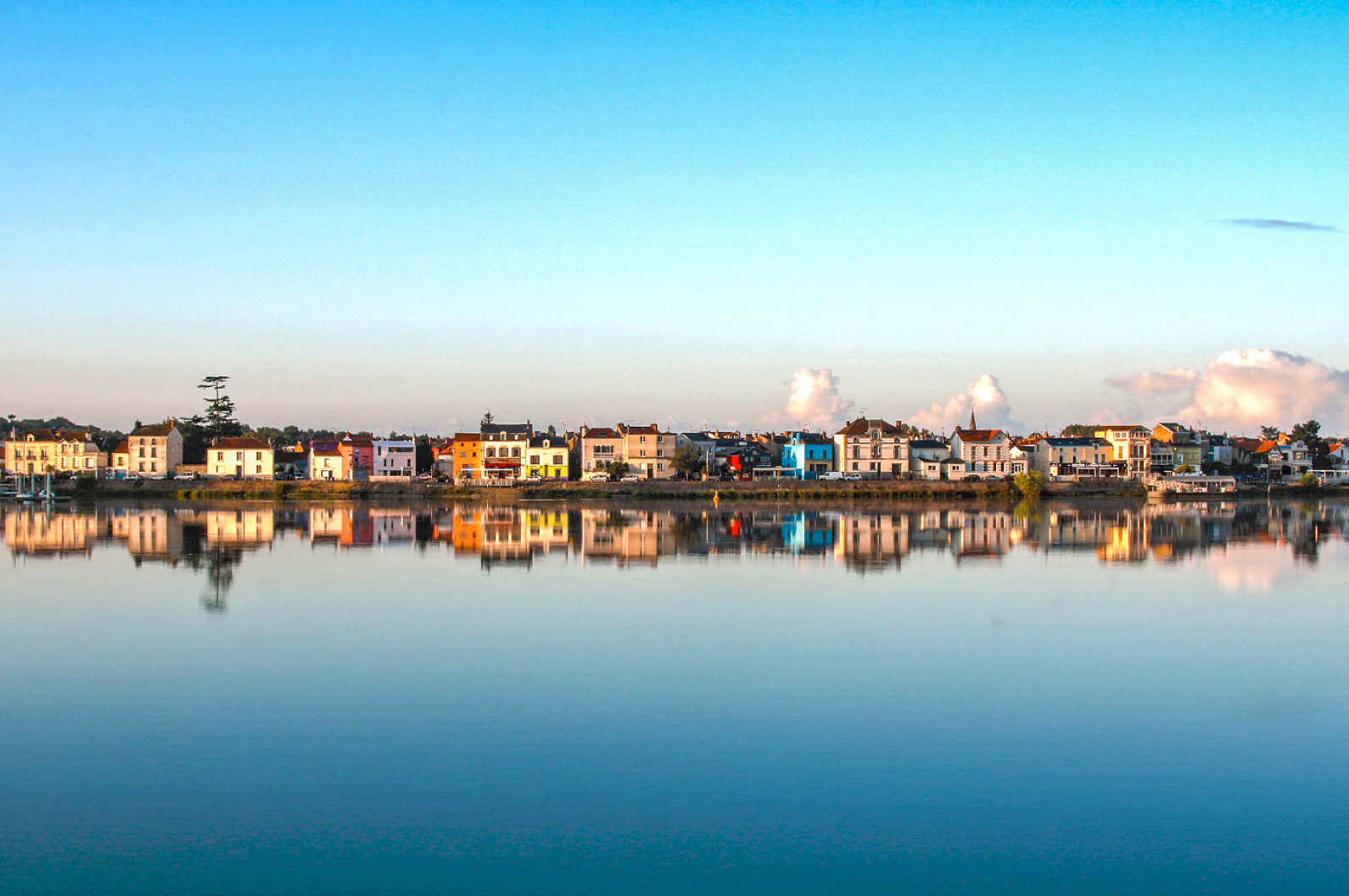
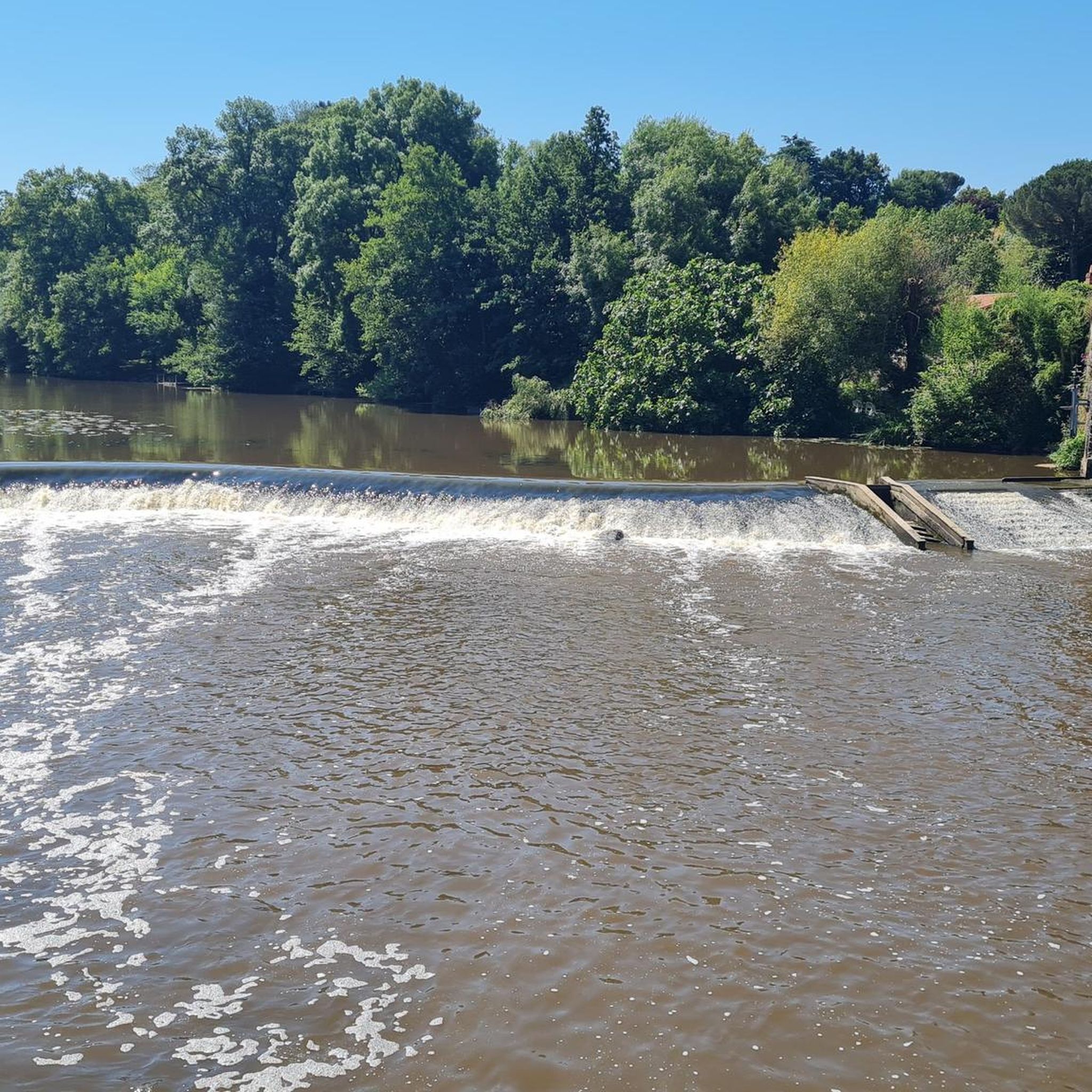

Other adventures around Tiffauges

Tips from the Community

Unfortunately signs that camping is prohibited
0
0

Clisson Castle has quite a story to tell: first an impregnable fortress overlooking the Sèvre, then a ducal residence, and finally a romantic ruin. In the 12th century, the powerful lordship of Clisson built this stone castle with highly elaborate defensive architectural systems: arrow slits, gun ports, and slits. A strategic point protecting the border of the Duchy of Brittany in the 15th century, it was abandoned by its owners from the second half of the 17th century onward before being burned down by Republican troops in 1793. But, beyond its grand history, this castle also has a more historic significance! In 1807, François-Frédéric Lemot, creator of the Garenne Lemot estate (a picturesque landscape located on the other side of the river), was captivated by these ruins and purchased it to turn it into an ornamental factory. The château was declared a historic monument in 1924, before being acquired by the Loire-Atlantique department in 1962. Today, visitors can visit it, take a guided tour, or simply experience its history. A stop on the Journey through the Vineyard, it's a stopover during the wine tourism tour of Nantes' wine country, featuring natural sites, heritage features, characterful villages, and unique cellars.
1
0
The Trinity Church is getting a makeover in the heart of Clisson Off-limits since 2018, the Trinity Church in Clisson is undergoing extensive restoration work until 2027, accompanied by reinforcement and safety work. The Trinity Church in Clisson has been off-limits since 2018 due to pieces of tufa stone found on the floor of the building, raising concerns about safety issues. The restoration has been decided upon, along with reinforcement and safety work. This work is expected to continue until 2027. The construction site will soon be explained to the residents of Clisson, using signs. The artwork and furnishings have been protected and stored, tarpaulins protect the building and the workers, the vaults and framework will be restored, and the wall plasterwork will be examined and redone where necessary. The work will concern the side aisles until next summer, the nave for the following twelve months. Then it will be the turn of the choir and transepts between January 2026 and spring 2027, then the sacristy, the bell tower and the outbuildings.
2
0
The Church of the Trinity was originally a Benedictine priory, with a parish, dependent on the abbeys of Saint-Martin-de-Vertou and Saint-Jouin-de-Marnes. In the 11th century, it was occupied by the canons regular of the Order of Saint Augustine. In 1645, Fontevrist nuns from La Regrippière en Vallet settled there. The convent burned down in 1794 by the infernal columns of the Republican armies. From the 11th century onwards, the church had a choir with an apse, side chapels, and a square bell tower. In the 17th century, the Benedictine nuns replaced the Romanesque choir with an elongated one, featuring a remarkable Baroque altarpiece. They demolished the southern part of the choir to build their oratory. During the French Revolution, the church returned to the parish. Around 1867/1868, work was undertaken. The façade was redone in a neo-Romanesque style, while the neo-Gothic style was preferred for the interior of the religious monument.
1
0

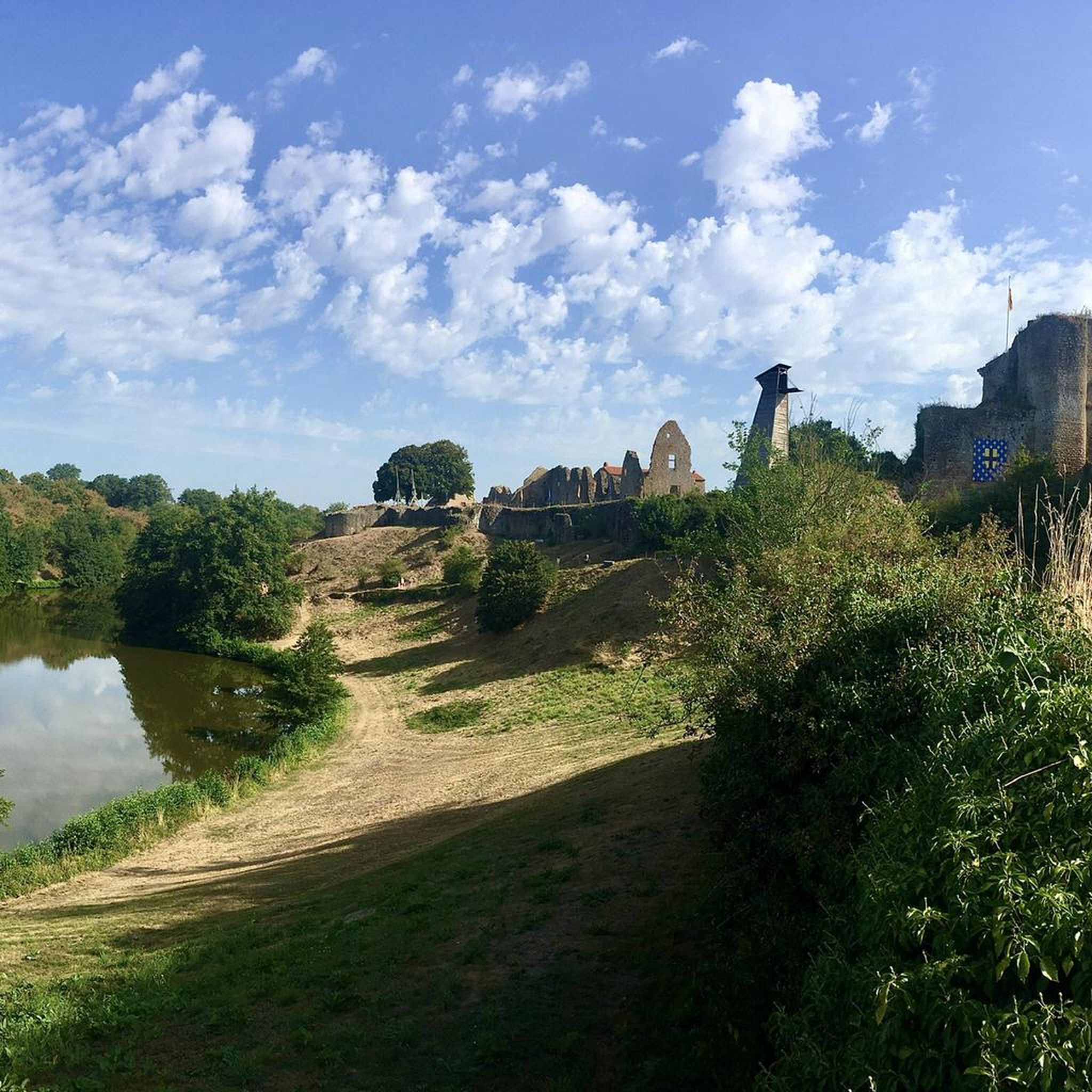
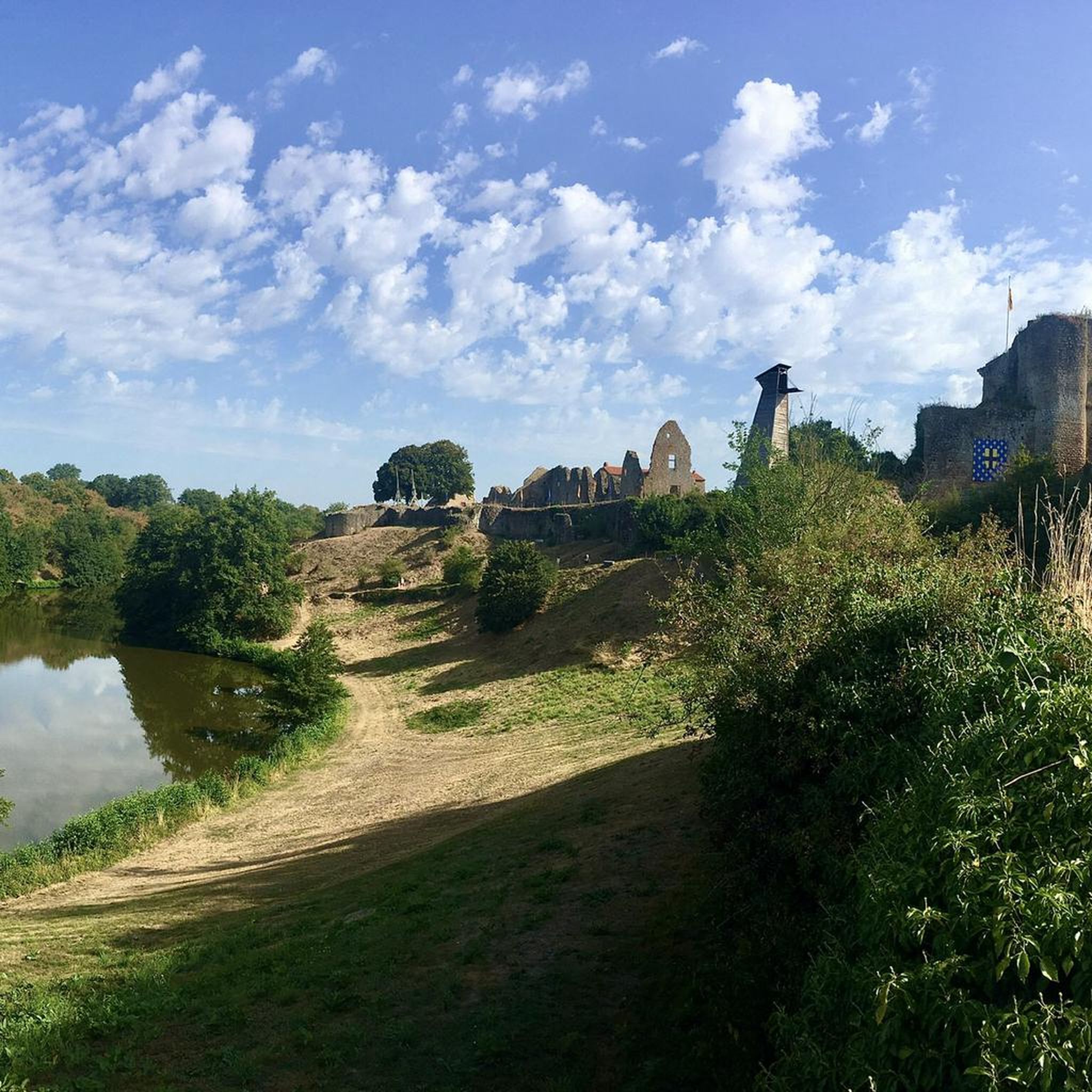
A large medieval castle. It features themed shows, including siege engine demonstrations.
2
0
Beautiful pond surrounded by magnificent trees. Plenty of benches that encourage rest or contemplation. A welcome little patch of greenery after crossing the vineyard in the full sun. A trail allows you to go around the natural site, but I didn't have time to try it. Note that the path that connects La Fauvette to La Pontereau is very smooth and magnificent.
0
0


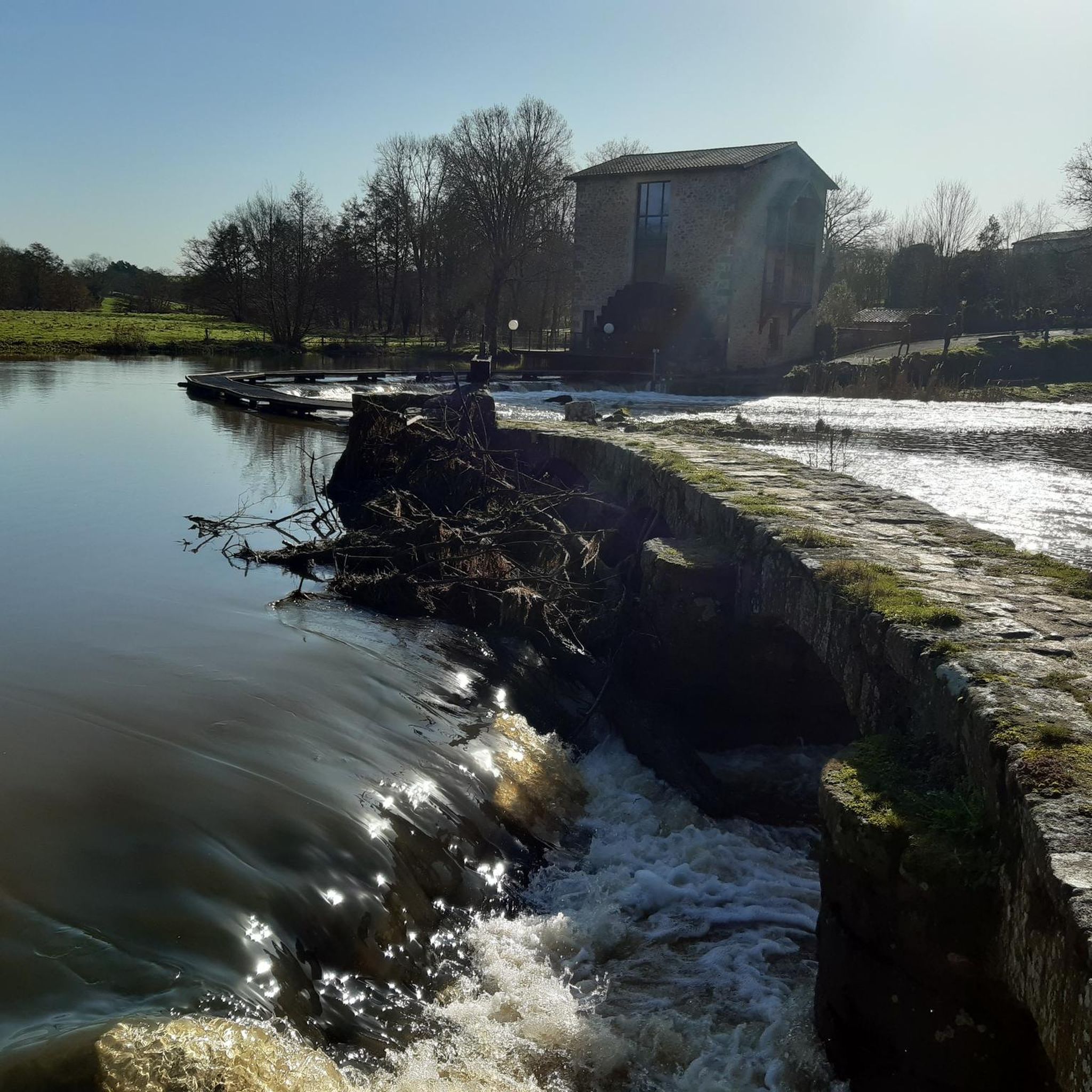
Typical village with its old stone mill and its footbridge. Rousselin takes its name from the fact that flax was retted here.
3
0
Frequently Asked Questions
How many gravel bike trails are available around Tiffauges?
There are over 30 gravel bike trails around Tiffauges, offering a wide range of options for different skill levels and preferences. The komoot community has explored these diverse routes extensively.
Are there any easy gravel bike trails suitable for beginners in Tiffauges?
Yes, Tiffauges offers several easy gravel bike trails perfect for beginners. For example, the route The Rousselin mill – Pont Sainte-Radegonde loop from La Bruffière is an easy 10.9 km loop with minimal elevation gain, ideal for a relaxed ride.
What kind of terrain can I expect on gravel bike trails in Tiffauges?
The gravel bike trails in Tiffauges are characterized by diverse terrain, including river valleys, historical sites, and rolling hills. You'll encounter varied topography with both challenging climbs and scenic descents, often along the Sèvre Nantaise river.
Are there any challenging gravel bike routes for experienced riders?
Absolutely. For experienced riders seeking a challenge, routes like Tiffauges Castle – Valley Bridge loop from Côteaux de la Sèvre-nantaise offer significant elevation gains over 88.8 km, providing a demanding and rewarding experience.
What are some notable landmarks or attractions I can see along the gravel bike trails?
Many trails pass by significant historical and natural landmarks. You can explore areas near Tiffauges Castle, the Valley of the Three Provinces, or the serene Lac de la Bultière. The route Château de Clisson – Valley Bridge loop from Tiffauges also takes you past the impressive Château de Clisson.
Are the gravel bike routes in Tiffauges typically circular?
Yes, many of the gravel bike routes around Tiffauges are designed as loops, allowing you to start and finish at the same point. This includes popular options like Tiffauges Castle – View of the Château de Tiffauges loop from Torfou - Le Longeron - Tiffauges and Tiffauges Castle – View of the Château de Tiffauges loop from Boussay - La Bruffière.
What is the best season for gravel biking in Tiffauges?
The best seasons for gravel biking in Tiffauges are typically spring and autumn, when the weather is mild and the natural scenery is at its most vibrant. Summer can also be pleasant, though it's advisable to start earlier in the day to avoid the midday heat. Winter rides are possible but be prepared for cooler, potentially wetter conditions.
Are there any family-friendly gravel biking options in the Tiffauges area?
Yes, Tiffauges offers routes suitable for families, especially those looking for less strenuous rides. The easier trails, such as the 10.9 km The Rousselin mill – Pont Sainte-Radegonde loop from La Bruffière, are great choices for a family outing.
What do other gravel bikers say about the trails in Tiffauges?
The gravel biking trails in Tiffauges are highly rated by the komoot community, with an average score of 5.0 stars from over 6 reviews. Riders often praise the beautiful river valleys, historical castles, and the varied terrain that offers something for all ability levels.
Are there places to eat or refuel near the gravel bike trails in Tiffauges?
Tiffauges and its surrounding villages offer various options for refreshments and meals. You'll find local cafes and restaurants where you can refuel before or after your ride, particularly in the main towns and along popular routes.
What are the typical distances and durations for gravel bike trails in Tiffauges?
Gravel bike trails in Tiffauges vary significantly in length and duration. You can find shorter routes around 10-20 km, taking about 1-2 hours, up to longer, more challenging rides exceeding 60 km, which can take 4-7 hours to complete, depending on your pace and the elevation.
Most popular attractions around Tiffauges

Get inspired with the komoot mobile app


Explore more
Browse the best Gravel rides in other regions.
